Thursday, February 5, 2026
Home Blog Page 737

Gulmohar Bar & Curry House opens in Pune, offering a fusion of tradition and innovation

0
Gulmohar Bar & Curry House

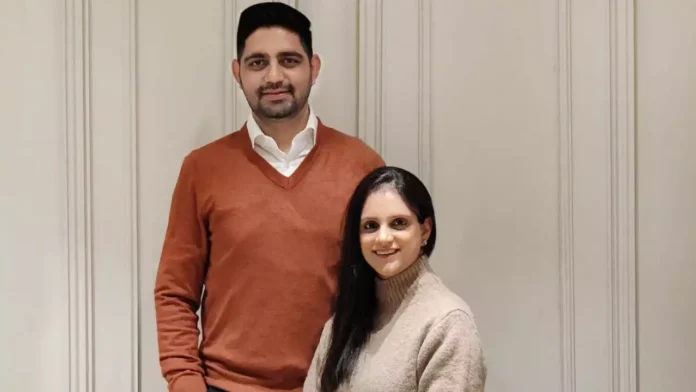
Harsh Agarwal, Umang Bhimrajka, and Ronak Sahani have recently launched the Gulmohar Bar & Curry House in Pune. This dining establishment seeks to create a warm and inviting ambiance, seamlessly fusing classic Indian culinary traditions with contemporary twists.

Gulmohar can accommodate up to 150 guests with additional seating available on the upcoming terrace, accommodating an extra 30 patrons.

With Chef Shailendra Kekade at the helm, celebrated for his remarkable contributions to acclaimed restaurants, The Gulmohar Bar & Curry House introduces a menu that skillfully combines traditional Indian tastes with international culinary methods.

Leading the culinary team is Chef Sheetal, an essential member of Harsh and Umang’s group for more than four years, refining his expertise under the guidance of Chef Shailendra.

“The Gulmohar is more than just a restaurant; it’s a place where simplicity and unpretentiousness are at the core of our culinary philosophy. We offer a space where guests can enjoy great food and an excellent bar in a casual, home-like environment. Our menu includes traditional starters, kebabs, and biryanis, alongside an innovative Indian tapas section for those lighter eating moments,” said Chef Shailendra Kekade.

The menu features an array of dishes, ranging from Chole Hummus to Sheesh Touk, and includes traditional delights like Jodhpuri Gulabjamun ki Kadhi and several others.

The cocktail menu presents creative variations on traditional classics, exemplified by the Masala Chai Sour, which incorporates homemade masala chai syrup into a reimagined whiskey sour.

Moreover, the Curry House Extravaganza section introduces global curries, showcasing the international evolution of Indian cuisine.

“The Gulmohar is our hidden gem, a secret garden nestled within Pune. We are deeply committed to the ethos of ‘Atithi Devo Bhav’ (The guest is God), ensuring a warm, welcoming experience for all our guests. Our focus is on simplicity and elegance, providing a setting where everyone can savor great food and drinks, feeling right at home. It’s this unique blend of hospitality and culinary excellence that makes The Gulmohar a destination not just for dining but for creating memorable experiences,” said Umang Bhimrajka.

Advertisement

Nourish You acquires One Good in India’s largest ever plant-based foods merger

0
Nourish You

In a groundbreaking development for India’s rapidly expanding plant-based foods sector, Nourish You, the country’s trailblazing superfood brand, proudly announces the complete acquisition of One Good, the nation’s most affordable and versatile vegan dairy brand. This strategic move represents the largest merger and acquisition activity in the conscious-consumption category and signifies a pivotal moment in India’s flourishing plant-based foods ecosystem.

Established in 2016 under the name Goodmylk and based in Bengaluru, One Good has earned recognition for its award-winning assortment of vegan dairy products, encompassing milks, cheeses, chocolates, curd, ghee, butter, and beyond. This acquisition unites two forward-thinking teams, with the leadership of One Good, including CEO & Co-founder Abhay Rangan, CFO & Co-founder Radhika Datt, and COO Dhivakar Sathyamurthy, aligning their efforts with Nourish You.

Renowned for its pioneering work in introducing Quinoa and Chia cultivation to India, Nourish You has significantly expanded its reach from an initial 50 acres to an impressive 5000 acres. The company’s exploration of the superfoods category, showcasing innovative products like fills, mueslis, and plant-based milk, has established its presence in over 2,500 retail stores. With backing from influential investors such as Zerodha’s Nikhil Kamath, actor and investor Samantha Ruth Prabhu, Darwinbox’s Rohit Chennamaneni, Triumph Group’s Y Janardhana Rao, Gruhas Proptech’s Abhijeet Pai, and KIMS Hospitals’ Abhinay Bollineni, Nourish You ventured into the realm of alternative dairy with the successful launch of Millet Mlk in early 2023.

One Good, recognized for its achievement in rendering vegan milk more economical than traditional cow’s milk in targeted areas, stands as a frontrunner in the realm of vegan dairy. With the acquisition of three plant-based companies thus far, the brand remains dedicated to its objective of delivering superior, easily attainable plant-based nutrition for everyone. This aligns harmoniously with Nourish You’s dedication to animal welfare and the provision of wholesome, reasonably priced plant-based food options.

Krishna Reddy, Co-founder of Nourish You, commented on the acquisition, stating, “From introducing India to the power of superfoods and now acquiring One Good, Nourish You evolves from being a superfood brand to a plant-based brand, embracing a more inclusive vision.” Reddy emphasized the revolutionary journey of One Good, born with a vision to create a major dairy company without reliance on animals, led by a dedicated team of vegans committed to innovation and animal protection.”

Abhay Rangan, CEO and Co-founder of One Good, expressed excitement about joining the Nourish You family, saying, “Our journey towards creating One Good was ignited by a passion for animal rights and a dedication to accessible and affordable plant-based alternatives for all. We are excited about being a part of Nourish You’s incredible platform and leveraging their scale and operational excellence to build India’s biggest plant-based dairy company.”

The integration of Nourish You’s expanding retail footprint and One Good’s strong direct-to-consumer involvement establishes the combined entity as the premier choice for cutting-edge plant-based alternatives in India. This solidifies the dedication to ensuring that nutritious and delicious plant-based foods are easily accessible to everyone.

Advertisement

Jaipur-based Motisons Jewellers to raise capital with IPO launch on December 18

0
Motisons Jewellers

Motisons Jewellers’ initial public offering (IPO) is set to commence its subscription period from December 18 to December 20. The allocation process for anchor investors is scheduled for December 15.

Having submitted its DRHP in March of this year, the company obtained regulatory approval in September. Subsequently, in October, the Jaipur-based retail jeweller secured INR 33 crore in its pre-IPO funding round.

The price band for the IPO, involving a completely new issue of 2.71 crore shares, will be announced on Tuesday.

Approximately 50% of the offering is set aside for qualified institutional buyers, with 35% allocated to retail investors, and the remaining 15% designated for non-institutional investors.

The funds generated from the issue will be allocated as follows: INR 58 crore for debt repayment, INR 71 crore to meet the company’s working capital needs, and a portion will be earmarked for general corporate purposes.

Motisons Jewellery operates as a hyperlocal jewellery retail chain based in Jaipur, boasting four showrooms, including a flagship location. The company predominantly acquires finished jewellery from various third-party suppliers throughout India. Its core business revolves around the retail of jewellery crafted from materials such as gold, diamonds, kundan, and more.

The product lineup encompasses more than 300,000 jewellery designs, featuring a diverse selection of gold, diamond, and other jewellery items available at various price points.

In the quarter ending June, the company recorded a revenue of INR 86.7 crore and a profit of INR 5.47 crore.

In the fiscal year 2023, the company witnessed a 16% year-on-year increase in revenue from operations, reaching INR 366 crore, and a notable 51% surge in profit, amounting to 22.19 crore.

Holani Consultants serves as the exclusive book-running lead manager for the offering, while Link Intime India Private Limited is appointed as the registrar.

The allotment of shares for the IPO is scheduled for December 21, with a tentative listing date set for December 26.

Advertisement

Krishna’s Herbal & Ayurveda to double production with new INR 5 Crore facility in Jodhpur

0
Krishna's Herbal & Ayurveda

Krishna’s Herbal & Ayurveda has dedicated a sum of INR 5 crore to establish a state-of-the-art manufacturing facility in Jodhpur. Spanning an expansive area of approximately 6,000 square meters, the new plant is anticipated to enhance the brand’s production capacity twofold.

The brand currently operates an additional manufacturing facility in the city, covering 10,000 square meters, thereby contributing to an overall daily production capacity of approximately 40,000 liters.

The upcoming manufacturing unit will augment the brand’s current production capacity by 20,000 liters, with the potential for expansion to reach up to 80,000 liters.

“With the addition of new manufacturing unit, we are expecting to double our production, which will ultimately increase the revenue by nearly 100 per cent to cross the three-digit mark by the end of 2025,” Shrawan Daga, Founder and CEO of Krishna’s Herbal & Ayurveda said.

The recently established production facility is anticipated to generate hundreds of new employment opportunities.

The brand currently provides 170 SKUs and is available in 5,000 brick-and-mortar Ayurvedic stores throughout India. It also maintains an online presence on various e-commerce platforms such as Amazon, Flipkart, Myntra, Nykaa, Snapdeal, and 1mg, in addition to its direct-to-consumer (D2C) website.

“Currently, 85 per cent of our revenue is contributed by the online channels and the rest 15 per cent comes from the offline channels,” he stated.

The brand has expanded its reach globally, establishing a presence in countries such as Nepal, South Africa, Indonesia, Poland, Germany, and the United States. Additionally, plans are underway to commence operations in Thailand in the near future.

“At present, international business contributes 5 per cent to our overall revenue,” he said.

Having concluded the last fiscal year with a revenue of INR 40 crore, the brand aims to achieve INR 70 crore in revenue for the current fiscal year and has set a target of INR 120 crore for the fiscal year following.

Advertisement

OYO appoints Rakesh Kumar as new CFO, charts aggressive strategy for 2024

0
OYO

OYO, the hospitality technology platform, announced on Tuesday the promotion of Rakesh Kumar to the position of Chief Financial Officer (CFO), effective January 1, 2024.

In a statement, OYO conveyed that Abhishek Gupta, the present CFO, will remain engaged with the company in an advisory and mentorship role.

In his new capacity as Chief Financial Officer (CFO), Kumar, presently serving as Deputy Chief Financial Officer, will persist in steering financial strategy and enhancing operational efficiency, as stated by the company.

He has been supervising financial operations, encompassing business finance for all markets, treasury, controllership, shared services, financial and investor reporting, taxation, and financial planning and analysis, according to the statement.

Over the past six years at OYO, Kumar has been instrumental in ensuring the company’s financial stability amidst the challenges posed by the COVID-19 pandemic. Under his leadership, OYO achieved successful equity and debt raises, as well as executed strategic acquisitions.

“Rakesh’s elevation to the role of CFO is a crucial milestone in our pursuit of financial stability. His leadership comes at a time when we continue to implement measures to enhance profitability and fortify our financial foundation,” OYO Founder & CEO Ritesh Agarwal said.

Kumar’s promotion coincides with OYO’s successful repurchase of a segment of its Term Loan B (TLB), amounting to INR 1,620 crore, as per the company’s announcement.

Additionally, the company stated that Ankit Tandon, the Global Chief Business Officer and CEO of SEAME (South East Asia and Middle East), will take on the responsibilities of leading investor relations, including mergers and acquisitions, as well as overseeing financial planning and analysis functions.

Advertisement

D2C beauty brand Nat Habit bags $10.2 Million in Series B funding, eyes 4x growth

0
Nat Habit

Naturohabit Private Ltd, the parent company of the direct-to-consumer (D2C) beauty and wellness care brand Nat Habit, secured $10.2 million (INR 85 crore) in its Series B funding round, with Bertelsmann India Investments taking the lead.

Participation in the funding round extended to Fireside Ventures, an existing investor, along with Amazon India Fund, Mirabilis Investment Trust, and Sharrp Ventures, all contributing to the company’s capitalization.

The New Delhi-based startup is set to deploy the recently secured capital for research and development, product diversification, brand building, offline expansion, and talent acquisition.

Established in 2019 by Swagatika Das and Gaurav Agarwal, Nat Habit specializes in providing organic skincare products, including hair oils, masks, scrubs, and face creams.

Allocating approximately $2 million from the recent funding round, the startup has expressed its intention to facilitate exits for its early-stage backers. This move aims to provide returns of 4.5-5 times their initial investment over a four-year period.

In April last year, Nat Habit raised $4 million in its Series A funding round led by Fireside Ventures.

The startup presently boasts an annual recurring revenue (ARR) of INR 82 crore and is targeting a growth of over 4 times, aiming for an INR 350 crore ARR within the next two years.

The Direct-to-Consumer (D2C) market in India, poised to reach $100 billion by 2025, has experienced substantial growth in recent years. Factors such as the Covid pandemic, increased internet penetration, the expansion of digital infrastructure, and the growing millennial population have contributed to the rise of D2C brands. This sector has garnered significant attention from investors over the past few years.

For instance, last month saw Innovist, the parent entity of D2C consumer brands Bare Anatomy and Chemist at Play, raise $7 million in its Series A funding round led by Amazon Smbhav Venture Fund.

Numerous other current investors, such as 72 Ventures, the family office of Nykaa founder Falguni Nayar, former KKR India head Sanjay Nayar, Accel India, and Sauce.vc, also joined in the funding round.

With over 190 million digital shoppers, India possesses the world’s third-largest online shopping base. It is within this expanding ecosystem that modern Direct-to-Consumer (D2C) brands aspire to thrive, leveraging the increasing appetite of Indian consumers for innovation and the diminishing loyalty toward traditional players.

Within this figure, startups in the fashion and clothing sector exhibit the greatest potential and are anticipated to reach a valuation of $43.2 billion by the year 2025.

Certain emerging Direct-to-Consumer (D2C) brands, such as Mamaearth, CaratLane, and Nua, achieved the INR 100 crore revenue milestone in just a few years.

Advertisement

FMCG companies bet on Price-Point Packs to tap rapid growth in rural India

0
FMCG
(Representative Image)

Price-Point Packs (PPP) remain a key driver of growth in the fast-moving consumer goods (FMCG) sector. Companies anticipate a surge in demand from rural areas, particularly for packs priced at low and medium levels.

Expansion in the price-point packs is evident across various product segments, as FMCG companies concentrate on boosting grammage while experiencing a moderation in commodity inflation.

“One-third of the business in our categories at Hindustan Unilever Ltd is locked in price-point packs. The consumption of the packs has increased over the years. We should be looking at ‘Are we doing enough on the pack strategy and how to get the bridge going up’,” said Deepak Subramanian, Executive Director -Home Care, Hindustan Unilever Ltd (HUL) at the Confederation of Indian Industry (CII) FMCG Summit.

“One of the things the FMCG companies have done is access pack in rural distribution. About 60 per cent of India still live in villages and companies need to grow focus in that area. The volume growth in FMCG could be better,” said Sudhir Sitapati, Managing Director and CEO of Godrej Consumer Products.

At the summit, industry leaders emphasized the importance of targeting consumers at both ends of the spectrum.

“Where companies could do better is play the price piano. We have become good at price-point packs with business being generated from them as they address consumers who have limited money. The other end of the spectrum are consumers who have money; I would urge companies to address those consumers and see if we are providing an adequate range of products,” said Prabha Narasimhan, Managing Director of Colgate Palmolive India.

Anticipated is an increase in volume growth within the FMCG sector, spanning both rural and urban areas in the upcoming quarters.

“The volume pick-up is taking place in urban and rural areas. There is a huge headroom to grow, as there are about six lakh villages and we are reaching out to one lakh villages in the country. Rural will grow on the back of penetration, increase in reach by FMCG companies, and also putting the right price-points. In the urban areas, e-commerce contributes to 10 per cent, and modern trade is up to 11 per cent. We will be back to pre-Covid margins by the end of this year. We have given an EDIBTA-margin guidance of 19 per cent and in another year it will be back to 20 per cent,” said Mohit Malhotra, CEO of Dabur India.

“A healthy mix of volume-based growth and category development is needed in the rural India FMCG market to reignite the desired growth,” said Saugata Gupta, MD & CEO of Marico India.

“The FMCG industry demonstrated a 3.4 per cent volume growth over the last 15 years, while consumption overall has grown at 6.1 per cent,” said Abheek Singhi, MD and Senior Partner, Chair of Practices at Boston Consulting Group, Mumbai.

Advertisement

Karnataka govt reverses order to halt beer breweries’ third-shift operations

0
beer

The Karnataka government has reversed its earlier order, which had instructed beer manufacturers in the state to halt third-shift operations. This change comes in response to industry concerns about the shutdown leading to a shortage and diverting sales to other alcoholic beverages.

Continue Exploring: Karnataka govt orders beer breweries to halt third-shift operations

Last week, the state excise department issued a notice, attributing the shortage of excise officers and staff as the reason for discontinuing duty during the third shift. In the recent reversal order, the department acknowledged concerns raised by companies, emphasizing that the cancellation of shifts would lead to financial distress, create a beer shortage during Christmas and New Year celebrations, and incur losses for the government.

The anticipated rise in beer demand during the approaching summer season is also under consideration.

“Considering the request of beer companies and keeping in mind the interest of the government, the issued order is being withdrawn with immediate effect,” the excise department notice read.

Notices were issued last week to companies including United Breweries, Anheuser Busch InBev India (ABInBev), Carlsberg India, and B9 Beverages.

“We express our sincere appreciation to the state officials and policymakers for their reconsideration of the decision. This step will ensure a consistent supply of beer during the festive season. We thank the authorities for their quick resolution of this matter,” a spokesperson at United Breweries Limited said, commenting on the revocation

As of 2023, Karnataka stands as one of the leading beer markets in the country, contributing approximately 3.8 million hectolitres, which accounts for roughly 13 percent of India’s total beer volume. The state hosts major beer brands like United Breweries, ABInBev, Bira91, and various other companies. In the broader context, India’s beer industry boasts an overall volume of around 33 million hectolitres.

Advertisement

Curefoods sets sights on EBITDA profitability within two quarters, plans aggressive expansion and revenue surge

0
curefoods

Cloud kitchen operator Curefoods is set to achieve EBITDA-level profitability in the next two quarters, according to Ankit Nagori, the Founder and CEO of the company.

“We aim to get to INR 1,000-crore revenue run rate in the coming quarters. The aim is to turn EBITDA profitable in the next one or two quarters. Currently, we are in the range of INR 800 crore, aiming to get INR 2,000 crore in the next three years,” said Nagori.

Curefoods is gearing up to launch an additional 40 multi-usage cloud kitchen restaurants this year, with a strategic focus on expanding its footprint in Mumbai, Delhi, and Tier-2 cities such as Indore and Lucknow. The company aims to have a total of 250 cloud kitchens operational by the end of the next year.

Established in 2020, the startup headquartered in Bengaluru hosts a variety of brands, including EatFit, CakeZone, Nomad Pizza, Yumlane, Sharief Bhai Biryani, Aligarh House Biryani, MasalaBox, Cakezone, Great Indian Khichdi, Ammis Biryani, Canteen Central, and Frozen Bottle.

Nagori further mentioned that the biryani brand, Sharief Bhai Biryani, under the company’s umbrella, is set to establish 30-40 restaurants in Tamil Nadu and Kerala. Curefoods anticipates that approximately 25 percent of its revenue will originate from offline stores or brand restaurants by the conclusion of 2024.

“Currently, 4 of our brands of the brands EatFit, Cakezone Sharief Bhai biryani, and Nomad Pizza contribute to 80 per cent of our orders,” he added.

Recently, Curefoods expanded its market presence by acquiring Yumlane, a Mumbai-based pizza maker. The company’s strategy is centered on scaling its current brands, with a deliberate decision not to heavily pursue acquisitions.

Continue Exploring: Curefoods expands portfolio with strategic acquisition of Yumlane pizza brand

Commenting on the recent acquisition, Nagori said, “Acquisitions played a very important role in getting to the right mix of brands, and SKUs and cuisine. At different price points, the acquisitions have served us well to get a full portfolio. We will not be going very heavy on acquisition but scale the brands and look at offline expansion.”

To date, it has secured approximately $220 million in funding from over 25 investors, including Iron Pillar, Chiratae Venturers, Accel India, Three State Capital, Blacksoil, Kunal Shah, and various others.

Advertisement

Asian cuisine chain Chowman expands further with a new outlet in Bengaluru’s Koramangala

0
Chowman

Chowman, the renowned Asian cuisine chain, is thrilled to announce the opening of its latest outlet in the heart of Koramangala, Bengaluru.

The 1500-square-foot area beckons guests to embark on a captivating Asian culinary journey, immersing themselves in the allure of a classic oriental atmosphere.

“Koramangala has consistently held a prime spot on our list of top locations since our entry into Bangalore in 2020. Its vibrant atmosphere, coupled with a substantial population of young professionals and couples living independently, motivated us to establish an outlet in this dynamic area. We were receiving numerous orders from Koramangala after the launch of our Bellandur and Indiranagar outlets last year, and were forced to decline them during peak hours. This demand surge also served as a significant incentive for us,” stated Debaditya Chaudhury, Managing Director of Chowman.

Diners have the opportunity to treat their taste buds to a delightful menu showcasing iconic dishes like Kolkata Style Chilli Chicken, Butter Garlic Prawn, Chowman Special Noodles, and the seasonal Fish in a luscious plum sauce. Unforgettable options include the savory Schezwan Orange Roasted Pork and other delectable offerings, establishing Chowman Koramangala as a must-visit for all culinary enthusiasts.

The 34-seat establishment guarantees an exceptional dining experience by blending culinary mastery with the lively ambiance of Koramangala.

After effectively serving patrons in Kolkata, Bengaluru, Delhi-NCR, and Hyderabad, Chowman is poised for further expansion. The brand’s upcoming locations encompass Mumbai and Pune in the West, followed by Chandigarh in the North, and Chennai in the South.

Advertisement