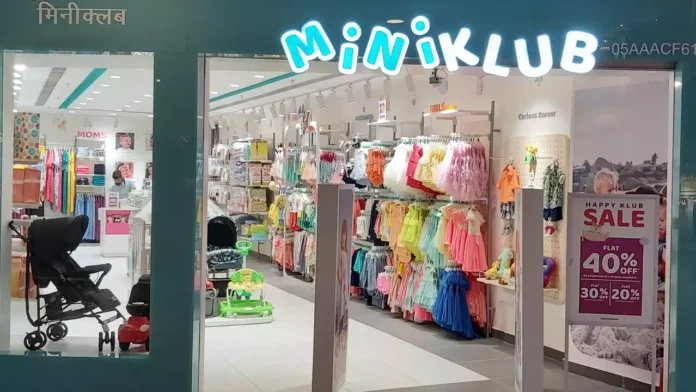
MiniKlub, India’s premier kidswear brand, is pleased to announce the grand opening of its latest retail venture in Bhatinda. This new establishment not only underscores MiniKlub’s dedication to quality, style, and comfort but also strategically poresitions itself to meet the diverse demands of parents in Bhatinda, becoming a sought-after destination for the latest in kidswear fashion.
The newly opened MiniKlub store is positioned as the ultimate destination for parents exploring the world of children’s fashion. Tailored to meet the requirements of parents with newborns to 8-year-olds, the store is meticulously crafted to provide a convenient and enjoyable shopping experience.
Anjana Pasi, Director of MiniKlub said, “We are thrilled to open our doors to the vibrant city of Bhatinda. MiniKlub is not just about clothing; it’s a celebration of childhood, and we are excited to bring our unique and stylish collections to the families of Bhatinda.”
Established in 2013, MiniKlub, a member of the First Steps Babywear family, has experienced rapid growth as an omni-channel brand. With a footprint extending to over 450 multi-brand outlets, leading e-retailers, as well as both physical and online exclusive brand stores, MiniKlub has established itself in 28 cities, boasting 65 exclusive brand stores. Infused with the joy of childhood, MiniKlub places a strong emphasis on comfort and safety in its designs, proudly embracing sustainable manufacturing practices to deliver high-quality products. Alongside a robust presence on e-commerce platforms such as Amazon, Myntra, Flipkart, and Ajio, MiniKlub caters to customers nationwide through its dedicated e-commerce platform, miniklub.in.
EaseMyTrip, a significant player in the traveltech sector, has acquired a non-controlling stake of around 13% in Eco Hotels and Resorts Limited through a share swap deal, signaling its entry into the hotel and hospitality industry.
“The company’s investment in equity shares of Eco Hotels India Private Limited is swapped with equity shares of Eco Hotels and Resorts Limited in the ratio of 1:1 and the company has acquired 40,00,000 equity shares of INR 10 each of Eco Hotels and Resorts Limited, issued on preferential basis,” said EaseMyTrip in a statement.
The startup stated that its key goal in the strategic investment in Eco Hotels is to obtain a minority stake and advance environmentally friendly practices within the hospitality sector.
EaseMyTrip asserted that every hotel managed by Eco Hotels will be carbon-neutral establishments.
Eco Hotels and Resorts Limited, a company listed on the BSE and promoted by Eco Hotels UK PLC, strives to emerge as a prominent owner, developer, and asset manager specializing in three-star premium and economy brands across the BRICS and N11 (Next 11) economies, with a primary focus on India.
At present, the hospitality company asserts the successful development of two brands, with one prototype Ecolodge currently operational in Kochi, Kerala.
In response to the acquisition, Nishant Pitti, EaseMyTrip’s co-founder and CEO, expressed that the strategic move underscores the online travel aggregator’s dedication to sustainable and responsible business practices.
“Our choice to invest in stakes aligns with our vision to contribute positively to the growth of eco-friendly and green hotels. This investment marks another milestone in our journey to diversify our portfolio and enhance the travel experiences we offer to our customers,” said Pitti.
It’s worth noting that over the past two years, EaseMyTrip has acquired several companies as part of its strategy to broaden its offerings and diversify its portfolio.
By 2:45 PM IST, EaseMyTrip’s shares were experiencing a slight uptick, trading at INR 38.32 on the BSE.
Meanwhile, V K Tripathi, executive chairman of Eco Hotels and Resorts, said on the stake acquisition, “This is not just a business decision; it’s a calculative move towards expanding our horizons and presenting guests with an elevated, ecoconscious, and luxurious experience that aligns seamlessly with our commitment to a greener and more sustainable future.”
In Q2 FY24, EaseMyTrip disclosed a 66% year-on-year (YoY) surge in its consolidated net profit, reaching INR 47 crore, with operating revenue experiencing a 31% YoY increase to INR 142 crore.
US-based hamburger chain Burger King has marked a milestone in India with the launch of its 416th outlet in the country.
Gaurav Singh, Deputy General Manager at Burger King, took to social media to announce the opening of the company’s 416th store in DD Puram, Bareilly. This significant milestone comes within the span of nine years since the brand commenced its operations in India.
“BurgerKing India now opens its 416th restaurant at DD Puram, Bareilly, Uttar Pradesh,” said Singh in a LinkedIn post.
In 2014, Burger King opened its first restaurant in India at Select Citywalk Mall, New Delhi. The chain achieved the milestone of opening its 100th outlet in Jalandhar in 2017, and subsequently, in 2019, it celebrated reaching a store count of 200. In 2021, Burger King introduced its cafe format, BK Cafe, at Churchgate, Mumbai.
Established in 1953 as Insta-Burger King, a restaurant chain based in Florida, Burger King underwent a change in ownership in 1954 due to financial challenges. David Edgerton and James McLamore, the franchisees based in Miami, acquired the company and subsequently renamed it ‘Burger King’.
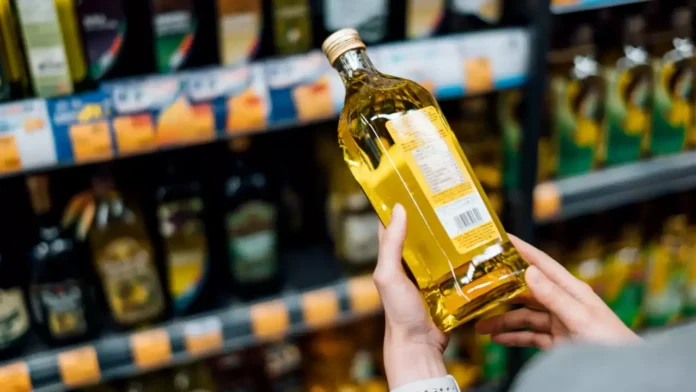
In an effort to control local prices, India has issued a government order allowing the import of edible oils at lower tax rates until March 2025. As the world’s leading importer of vegetable oil, India is taking proactive measures to keep a check on domestic prices.
The original expiration date for the reduced import duty structure on crude palm oil, crude sunflower oil, and crude soyoil was set for March 2024. However, according to the recent order, refiners can now continue to import these oils at lower duties until March 2025.
Cloud kitchen startup Kitchens@ has successfully raised $65 million (INR 541 crore) in its Series C funding, with UK-based investment firm Finnest contributing to the funding round.
Utilizing the newly acquired funds, the startup plans to scale up its hybrid model, Dinerium.
Dinerium, combining casual dining with brand indulgence, is set to debut shortly. Featuring advanced booking and pre-ordering systems, it aims to streamline the dining experience, minimizing waiting times.
Earlier this year, Kitchens@ expanded its reach to six major cities and 45 locations by acquiring Swiggy Access Kitchen, thereby establishing a network of 700 kitchens.
Finnest, a BNP company established by Biswanath Patnaik and Arun Kar, has made investments across diverse sectors, including renewable energy, EV-hydrogen automotive, sports and entertainment, smart cities, aerospace technologies, and hotels and hospitality.
“Anticipating a substantial business turnaround in the coming years, especially with strategic partnerships in place with major entities like Swiggy and Beenext,” said Patnaik.
Junaiz Kizhakkayil (JK), founder & CEO of Kitchens@, elaborated on their restaurant roll-up plan, emphasizing the wealth of brand equity present within the Indian market.
He said, “The establishment of these brands has been a laborious journey, with dedicated individuals investing their hard-earned resources, time, and unwavering commitment. Today, we witness several such brands with the potential not only to dominate the Indian market but also to make a significant impact on the global stage.”
Loyal Hospitality currently operates and owns Kitchens@. The company secured $16.2 million in its Series B funding round in February 2020. Subsequently, in May of the same year, the startup raised an additional $2.6 million in venture debt from Trifecta Capital.
Founded in 2018 by Kizhakkayil, Bengaluru-based Kitchens@ began operations with initial seed capital from Zomato and later bought back the shares from the delivery giant in 2019.
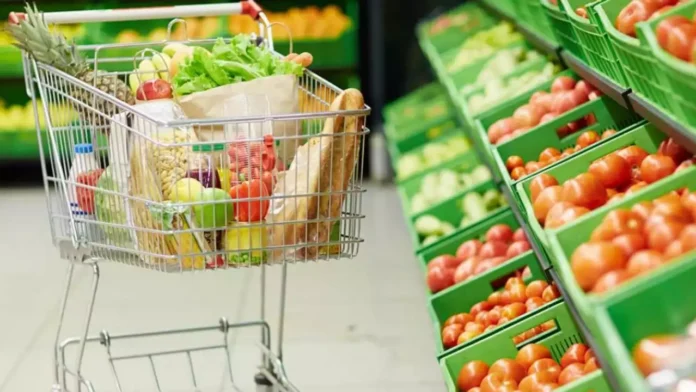
Despite facing intense competition from quick commerce channels, organized brick-and-mortar food and grocery (F&G) retailers are poised for robust revenue growth of 14-15% in fiscal 2025, fueled by sustained healthy demand and expansion into under-penetrated Tier II and III cities.
This marks three consecutive years of robust growth, following a 30% increase in the last fiscal year and an anticipated 15% growth in the current one. Nevertheless, the modest demand in the discretionary segment, encompassing general merchandise such as crockery, home appliances, utensils, and apparel, due to inflationary pressures, is expected to constrain the sector’s operating margin within the range of 6.0-6.5% in the current and upcoming fiscal years (compared to 6.9% in the last fiscal year).
“Healthy demand outlook and low organised penetration will ensure mid-teens revenue growth for F&G retailers this fiscal and the next. We expect area addition of CRISIL Ratings-rated players to increase 20% cumulatively over fiscals 2024 and 2025 on a high base following a substantial increase of 40% in fiscals 2022 and 2023. Incumbent retailers are also expanding into omnichannel platform – includes brick-and-mortar stores and online formats – to compete with quick commerce players. But then, they will ensure calibrated investments to restrict cash burn in the online format,” said Poonam Upadhyay, Director, CRISIL Ratings.
Just to note, F&G retailers derive 75-77% of their revenue from food and non-food grocery, with the remaining portion coming from the sale of discretionary products at F&G outlets. Additionally, the discretionary segment provides F&G retailers with relatively higher profit margins.
Capital expenditure (capex) spending in the segment is expected to stay robust. Nevertheless, robust cash flows and a consistent working capital cycle will restrict the reliance of players on external debt, thereby ensuring resilient balance sheets and stable credit profiles.
An analysis by CRISIL Ratings of six players, representing one-fourth of the INR 2.4 lakh crore organized Food and Grocery (F&G) market in the last fiscal year, affirms this observation.
Despite the normalization in the rate of expansion in the area under operations, the sector’s revenue density (revenue per square foot, or sq ft) is projected to be INR 33,600 in the next fiscal year. This figure remains 10% below the pre-pandemic peak, as illustrated in the annexure chart. The main factor contributing to this is the slower-than-anticipated increase in the number of store openings over the past two fiscal years, particularly in metros and Tier I cities, attributed to heightened competition from the quick commerce segment.
While quick commerce is projected to experience strong growth of 30% in the medium term, its market share within the Food and Grocery (F&G) segment is anticipated to hover around 9-11%, with the brick-and-mortar format maintaining dominance. Nevertheless, organized brick-and-mortar retailers are actively investing in omnichannel offerings to improve customer convenience, responding to the increasing popularity of quick commerce.
Due to ongoing inflationary pressures, demand from the discretionary segment is foreseen to stay modest, with its share decreasing to 22-23% from approximately 29% before the pandemic. As the contribution from this segment is expected to remain subdued in fiscal 2025, it will impact the gross margins of F&G retailers. Nevertheless, the advantages of operating leverage resulting from increased revenues are anticipated to counterbalance this impact, maintaining operating profitability within the range of 6.0-6.5% in the current and upcoming fiscal years.
Shounak Chakravarty, Associate Director, CRISIL Ratings, said “Strong cash flows and well-managed working capital will obviate any need for material debt raising, leading to continued healthy balance sheets for CRISIL Ratings-rated F&G players.”
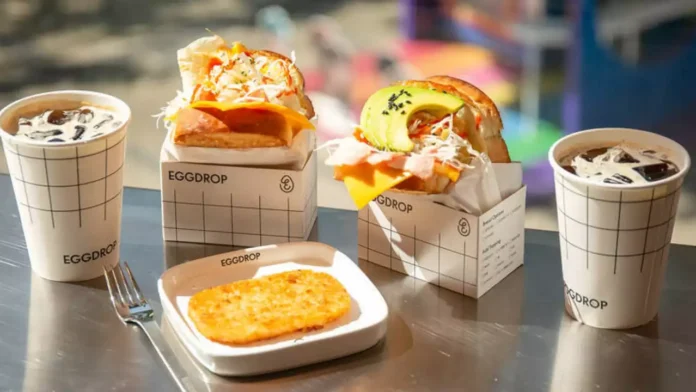
EGGDROP, a South Korean egg sandwichfranchise by Golden Hind, has announced its plans to open five stores in the Philippines.
This signifies EGGDROP’s second global expansion, following a ten-store agreement in Thailand, where the brand made its debut in December 2023.
EGGDROP has finalized a multi-franchise agreement to provide Filipino consumers with a fresh and wholesome culinary experience.
The company intends to launch two stores in the country during the first half of 2024, followed by an additional three in the second half of the year.
The brand’s entry into the Philippines is part of Golden Hind’s overseas expansion strategy.
Strategically positioned in key locations, the stores aim to attract a diverse customer base.
Golden Hind CEO Youngwoo Noh stated, “We are very excited to announce EGGDROP’s second international expansion. We look forward to providing a fun experience for consumers in the Philippines.
“In addition to Thailand and the Philippines, EGGDROP is actively seeking master franchise partners in other countries such as the US and Japan to strengthen the brand’s presence globally.”
EGGDROP opened its first store in 2017 and has expanded to a total of 298 stores in South Korea by November 2023.
The company has received franchise inquiries from over 30 countries globally, including the US, Japan, Taiwan, Hong Kong, and India.
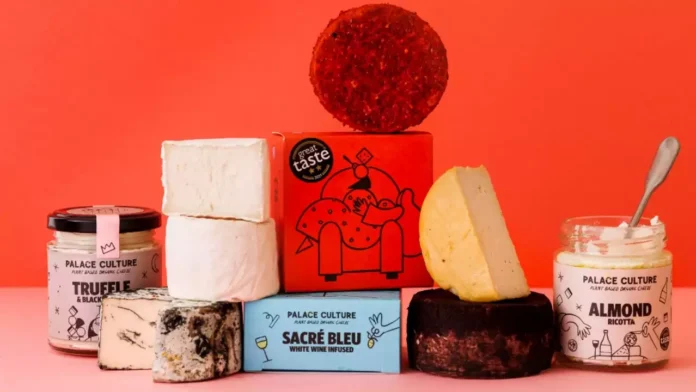
The UK’s Palace Culture has witnessed a threefold surge in plant-basedcheese sales since its introduction in November at the local Waitrose grocery chain, guided by The Compleat Food Group.
Established in 2021 through a merger backed by investors between Winterbotham Darby and Addo Food Group, The Compleat Food Group acquired the London-based startup in October for an undisclosed amount.
Founded in 2018 by Mirko Parmigiani, Palace Culture successfully secured listings in Waitrose for three of its artisanal plant-based cheese brands – Kimcheeze, The Mouldy Goaty, and Holy Smokes. Sales commenced in mid-November, and the company is poised to expand its presence to other major UK retailers as early as 2024.
“In just three weeks, demand has already tripled from the first week,” Parmigiani shared. “This indicates a growing appetite for plant-based foods, particularly premium plant-based cheese. Our aim is to become the leading brand in the premium plant-based cheese market.”
“The focus is Waitrose at the moment, make sure it works well, and then eventually, in the next six to 18 months, start working on approaching the other retailers.”
Palace Culture crafts its cheeses from cashew nuts and almonds using the fermentation process, relying on natural ingredients without additives or preservatives. Additionally, the cheeses hold organic certification, adding to their premium quality, as acknowledged by Parmigiani.
Nevertheless, he mentioned that the current collection of three varieties, accessible in 89 of Waitrose’s “largest” stores nationwide, is priced competitively with other artisanal plant-based cheeses.
Many of those, he said, have additives like tapioca or coconut oils, unlike Palace Culture’s cheeses.
“Before The Compleat Food Group takeover, our cheeses were more expensive because we were making smaller quantities. We’ve been able to bring that price down because we are able to manufacture at scale,” Parmigiani added.
Prior to coming under new owners, the start-up was selling a range of about 11 varieties in farmers’ markets but in order to get into retail “we had to make more of a clean start and focus on three to start with”, he said.
However, Palace Culture has an active pipeline and is aiming to bring a plant-based feta and blue cheese to market in the new year, hopefully with Waitrose and other retailers, Parmigiani said.
He explained the feta is fermented and matured in wooden barrels, making Palace Culture unique in the UK, adding the biggest challenge when scaling up the whole cheese range is retaining the quality and staying close to its roots.
“Our focus is to make delicious food rather than focus on vegan. We’re not trying to replicate real cheese because it’s not going to have the taste of a goat cheese or a cow cheese because it’s not made with cow’s milk. But it has that sensation of real cheese,” Parmigiani said.
Palace Culture “excelled” on the sales targets initially set out by The Compleat Food Group in the first few weeks after launch but no firm targets have yet been laid out for the new year, he said, declining to provide growth rates.
The start-up is no longer manufacturing at its original location in Bermondsey, London, and has switched production to The Compleat Food Group’s close-by site in Redhill, Surrey, one of the company’s multiple UK plants.
“Obviously, this is a great time to launch at Christmas – it was a boost with orders,” Parmigiani said. “We’re really looking forward to the new year and we’re already working on orders for Veganuary.”
Unigrains, the France-based agri-food investor, has set its sights on backing another business in Iberia next year, following the recent establishment of an office in Madrid.
Since 2017, the investor, actively seeking opportunities beyond its domestic market, has invested €50 million ($54.9 million) in transactions with companies in the Iberian region.
Last year, Unigrains entered into a deal, becoming a minority shareholder in the Spain-based meat group La Finca, with the transaction also involving the private-equity firm Capza.
According to a spokesperson from Unigrains, the establishment of the new Iberian office is a key element of the firm’s “international development ambition.”
He said, “The Madrid-based subsidiary operates exactly on the same model as the Italian subsidiary we launched last year.
“Unigrains Iberia will aim to invest €80-100m over five years in Spanish and Portuguese companies across the agri-food sector, directly from Unigrains’ equity capital. The creation of Unigrains Iberia indicates a significant step-up in and a long-term commitment to Spain and Portugal with the ambition to be a direct investor – as we are historically in France – with a local investment team.”
Unigrains’ transactions in Italy have involved acquiring interests in the seafood supplier Urbis Food and several bakery businesses currently operating under the Vivaldi Group. Upon the establishment of Unigrains Italia, the investor disclosed a comparable budget of €80-100 million over a five-year period.
The latest food-related transaction in France for the investor occurred last year, involving the acquisition of shares in the oil producer Huilerie Cauvin. This week, the company made an investment in the French wine distributor Elan.
The spokesperson added Unigrains “would be delighted” to complete a first investment via the new Iberia subsidiary in 2024.
“Obviously, it’s dependent on many different factors and there’s not particular urgency. This is a long-term project,” he said.
Unigrains has hired former Portobello Capital executive Álvaro Hernández López-Quesada to lead the new subsidiary.
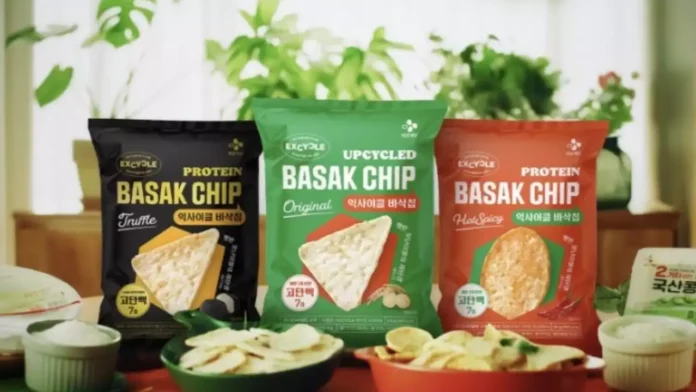
South Korean food company CJ CheilJedang Corp. unveiled its Excycle Basak Chip on Thursday, marking the international debut of this innovative snack. Developed through their in-house venture initiative, the chip is rooted in the principle of food upcycling, reflecting the company’s commitment to sustainable and creative culinary solutions in the global market.
In April 2022, the Excycle Basak Chip made its debut in the local market. Designed with health-conscious consumers in mind, this snack was created to meet the demand for eco-friendly snack options, as stated by the company.
With a composition comprising as much as 30% of food by-products such as broken rice and soybean residue, it adheres to CJ CheilJedang’s dedication to environmental, social, and governance (ESG) values.
Each packet is adorned with 7g of protein and 5g of dietary fiber, encased in sustainable packaging crafted from recycled PET bottles.
CJ CheilJedang rolled out three flavors of Basak Chips – Original, Hot Spicy, and Truffle – in the United States, Malaysia, and Hong Kong.
The company is focused on consistently introducing innovative products that align with eco-friendly practices, offer high protein content, and are rich in dietary fiber. This approach aims to accelerate its penetration into overseas markets.
Within the United States, this snack is strategically tailored to appeal to ethnic food markets, tapping into the increasing demand in North America for health-conscious and value-driven snacking choices.
Meanwhile, in Malaysia and Hong Kong, the product has made its way into mainstream channels, including AEON malls, capitalizing on the positive reputation of K-food.
The global shift towards sustainability and health awareness has been fueling a surge in demand for “Better For You” products.
There is a growing preference for products aligning with this trend, emphasizing the use of plant-based ingredients, minimizing additives, and incorporating functional benefits such as increased protein and dietary fiber content.
We use cookies to ensure that we give you the best experience on our website. If you continue to use this site we will assume that you are happy with it.