Thursday, February 12, 2026
Home Blog Page 727

Sandford Orchards and Moons Cider team up to launch spectacular new cider, Orchard Moon!

0
Orchard Moon

Sandford Orchards has teamed up with Moons Cider to unveil Orchard Moon, a new, richly flavored cider.

Orchard Moon boasts an ABV of 6.5% and is meticulously crafted from Yarlington Mill and Brown’s apples. It harmonizes the “deep aromatics and complexity” of Yarlington Mill with the crisp, green apple essence of Brown’s, culminating in a full-bodied cider that carries a gentle sparkle and a medium-dry finish.

Sandford Orchards adopts a fresh, natural, and environmentally conscious approach to cider production, offering a diverse selection of core session, traditional, fine, and fruit ciders.

Tom Moon, owner of Moons Cider, said, “I was unsure about creating a medium/dry cider. I was concerned it might be too dry and challenging with the single varieties we were using, but it was great to work with Andy [May, head cider maker at Sandford Orchards], as he made sure to balance the strengths of both so that they complemented each other perfectly. We’re excited by the final blend and think this is a cider people will enjoy and keep coming back to.”

Orchard Moon can be purchased on Sandford Orchards’ website and at selected retail outlets, priced at £35.00 for a case containing 12 x 500ml bottles.

Advertisement

Terrena eyes poultry group Volatys in major acquisition move

0
Volatys

Terrena, a French agricultural cooperative, is seeking to purchase FPG Invest, the parent company of the national poultry group Volatys, through its chicken processing division, Galliance.

Earlier this month, the company presented its proposed acquisition of the group for examination by France’s competition authority.

According to the filing on the watchdog’s website, the deal “concerns the acquisition of exclusive control of FPG Invest by Galliance.”

The financial specifics of the agreement remain undisclosed.

Terrena’s proposal is currently undergoing ‘Phase 1’ examinations by the market regulator, and the publication of “third-party observations” is scheduled by 21 December.

Situated in Brittany on the northwestern tip of France, Volatys manufactures a variety of raw chicken, turkey, and duck products, along with sliced bacon, veggie burgers, and cooked and breaded chicken meat and cheese bites. The group supplies to local and international foodservice, retail, and manufacturer groups.

Galliance possesses several well-established French poultry brands that are distributed through retail and HORECA channels. These brands include Douce-France, Pere Dodu, le Picoreur, Fermiers d’Acenis, La Nouvelle Agriculture, Royal Bernard, Volailles Champenoises, and Gastronomie Professionnels.

In October, Terrena revealed its involvement in “exclusive negotiations” to acquire a majority stake in Tipiak, a producer of frozen and shelf-stable food.

Initially, the group intended to acquire 77.95% of the couscous and frozen macaron processor from a consortium of majority shareholders. Although discussions are ongoing, the cooperative has recently adjusted its bid to a reduced price of €82 ($89.49) per share for the stake.

Earlier this year, the farmer cooperative also regained a 49% share in the meat processor Elivia from the Irish group Dawn Meats. This decision was made following a disagreement between Terrena and Dawn Meats regarding the “future strategic direction” of the brand.

Advertisement

FIJI Water pioneers sustainability with 100% recycled plastic bottles for Canadian markets

0
Fiji Water

FIJI Water, sourced from the natural springs of the Fiji Islands, is intensifying its dedication to environmental sustainability by transitioning its best-selling 500 mL and 330 mL bottles to 100% recycled plastic (rPET) in the Canadian markets, starting Winter 2023. This move signifies a significant step in reducing plastic waste, replacing nearly 70% of FIJI Water’s global bottle volume with recycled material. The company is committed to completing the transition of its entire bottle portfolio to rPET by 2025.

“In our transition to recycled plastic, we aim to make a truly meaningful and lasting impact,” stated Wai Mei Lee, Vice President of International, FIJI Water. “In using recycled plastic, we give new life to existing materials while maintaining the same great taste, look, and quality that consumers expect from FIJI Water.”

As FIJI Water sets its sights on the future, it embraces ambitious goals to contribute to the preservation of the planet and remains dedicated to making a positive impact. Beyond the introduction of 100% rPET bottles (bottle only), the brand has allocated approximately $2.97 million CAD towards energy efficiency initiatives on the Fijian islands. This investment encompasses the implementation of microturbine energy generation and the adoption of low-sulphur fuel standards for shipping, effectively reducing sulphur oxide emissions.

Within Fiji itself, the FIJI Water Foundation places a strong emphasis on sustainability and the conservation of the islands. The foundation is dedicated to enhancing the well-being of native Fijians by undertaking initiatives such as facilitating access to clean water, healthcare services, and offering grants to local schools and organizations. Since 2007, the FIJI Water Foundation has been a vital contributor to extensive reforestation and conservation projects aimed at safeguarding the Sovi Basin. This basin represents Fiji’s crucial forest ecosystem and is the largest remaining lowland rainforest. These efforts are carried out in collaboration with Conservation International.

FIJI Water operates under The Wonderful Company, which holds a broad dedication to sustainability. As of now, The Wonderful Company, alongside co-owners Stewart and Lynda Resnick, has invested over $1.72 billion CAD in environmental sustainability initiatives to combat climate change. This substantial commitment includes a record-breaking donation of $990 million CAD to Caltech for sustainability research and an additional $66 million CAD to Technion-Israel Institute of Technology for research in the realm of sustainability. A segment of this research will specifically address decomposable plastics while addressing challenges related to water, energy, food, and waste in a world grappling with rapid climate change. Furthermore, The Wonderful Company has actively joined RE100, a global initiative comprised of major corporations committed to utilizing 100% renewable energy.

Advertisement

Quality concerns hover over Zomato after cockroach found in fried rice

0
Zomato
(Representative Image)

A woman in Bengaluru was left appalled when she discovered a cockroach in the chicken fried rice she had ordered from a restaurant through the online delivery platform Zomato.

Harshitha, the woman in question, recounted her encounter in a video posted on X (formerly Twitter). In the video, she disclosed that she had ordered fried rice from the “Tapri by the corner” restaurant on Zomato and discovered a cockroach in the meal.

“I ordered chicken fried rice in Zomato from restaurant “TAPRI BY THE CORNER”. I got cockroach in my food. Absolutely disgusted with my order! This is completely unacceptable and unhygienic. Need an immediate resolution,” she wrote.

Zomato responded to the woman’s post, requesting her contact details to promptly address and resolve the issue.

A man from Hyderabad recently found a lizard in the biryani he ordered from a restaurant on an online delivery platform. His family expressed concern after the eatery provided an unconvincing reply regarding the insufficient care taken during the preparation of the biryani.

Advertisement

Plush soars high: Records impressive threefold growth in FY23 as profits spike

0
Plush

New-age feminine care brand Plush has notched up nearly threefold growth in the last fiscal year while simultaneously maintaining control over expenses. Additionally, the Chennai-based startup, having garnered $2.3 million in funds to date, has successfully enhanced its bottom line.

According to its annual financial statement obtained from the Registrar of Companies (RoC), Plush achieved a remarkable 2.8X growth in revenue from operations, reaching INR 15.72 crore for the fiscal year ending March 2023. This represents a substantial increase compared to the INR 5.51 crore recorded in FY22.

Prince Kapoor and Ketan Munoth lead Plush, a company engaged in the sourcing, marketing, and distribution of feminine, baby, adult, and hygiene products. The company’s emphasis lies in offering everyday essentials at premium price points within the mass market segment.

Coming to its bottom line, Plush managed to curtail losses by 57.9%, reducing them from INR 3.11 crore in FY22 to INR 1.31 crore during FY23, alongside an expanding scale.

Like many other direct-to-consumer (D2C) brands, the company’s expansion was propelled by robust promotions and a favorable cost of materials. Together, these two expenses accounted for more than 65% of the total expenditure for the year.

Advertising and promotional expenses saw a substantial 92% increase, reaching INR 5.66 crore in FY23, while the cost of materials consumed surged 2.3 times to INR 5.63 crore. Simultaneously, employee benefit costs spiked by 2.4 times, totaling Rs 1.46 crore.

During the last fiscal year, the company allocated INR 1.37 crore for commission and discounts, and INR 92 lakh for shipping and delivery. Consequently, the total expenses of the Chennai-based company surged by 99.8% to INR 17.34 crore in FY23, compared to INR 8.68 crore in FY22. On a unit level, Plush expended INR 1.1 to earn a rupee during the last fiscal year.

Plush has secured approximately $2.3 million in funding so far, with contributions from investors such as Ashish Dhawan, Patni Family Office, Goldwinner Family Office, Ashneer Grover, Sujeet Kumar, Gaurav Munjal, and others. In addition to competing with well-established large brands, Plush also contends with competitors like Azah, Awni, SanFe, Heyday, and others in the market.

Advertisement

Chowman brings Oriental Duck Festival to Delhi-NCR for the first time

0
Oriental Duck Festival

Chowman, the prominent chain of Chinese cuisine restaurants celebrated for organizing unique food festivals, is introducing the Oriental Duck Festival for the first time in Delhi-NCR. This annual, carefully curated monthly food festival, highly esteemed by Chowman enthusiasts, is marking its 12th edition in Kolkata this year.

Embrace the winter cold with an array of tempting duck delicacies inspired by various global cuisines and prepared in the traditional Asian style, with a touch of fusion. This month-long festival will feature more than 12 new dishes crafted with tender duck meat.

The enticing menu of this culinary festival features delightful delicacies, including Duck Meat Soup with Oyster Mushroom. Explore unique appetizers such as Duck Meat Bao, Crispy Fried Duck Triangles, Thai Style Aromatic Duck, and Mongolian Chilli Duck. For the main course, savor rich dishes like Roasted Mango Duck in Lemon Sauce, Spicy Duck in Garlic Sauce, Cantonese Style Roasted Duck with Scallions, and Roasted Duck in Bamboo Shoot. Indulge in a hearty platter of Butter Chilli Garlic Duck Meat Noodles, Pan Fried Duck Noodles, Duck Meat Egg Meifoon, Roasted Duck Fried Rice, and many more!

Debaditya Chaudhury, Founder of Chowman, said “I started Duck Festival back in 2011 just to give people a taste of the new. But today, I feel very proud to say that Chowman’s Duck Festival has really become a mandate for the foodies and we are excited to introduce our speciality food festival to our patrons in Delhi-NCR. This year, I have brought in very interesting new dishes inspired from my recent tour to China and the neighbouring regions. From Soups to Starters and Main course dishes, each recipe has been developed by our team of chefs over a month-long effort and I am hopeful, our new inclusions are surely going to leave a mark this time!”

Advertisement

H&M bets big on glamour to rebuild profit margins amidst growing competition from Shein

0
H&M
H&M (Representative Image)

At Silencio nightclub during Paris Fashion Week, a stellar lineup featuring pop icon Cher, Swedish singer Robyn, and South Korean DJ Peggy Gou took the stage, captivating an audience that included actors and models such as Jared Leto, Elle Fanning, and Irina Shayk.

Draped in dazzling ensembles from H&M‘s most recent collaboration, a collection with the label of the late fashion designer Paco Rabanne, known for revolutionizing fashion with the introduction of metal chainmail and sequins during the 1960s.

The glamorous affair orchestrated by the Swedish fashion retailer exemplifies its appeal to a more aspirational clientele, marking a strategic shift to rebuild profit margins and distance itself from direct competition with the fast-fashion powerhouse Shein.

The industry is experiencing a significant upheaval due to the swift expansion of the China-based online retailer, known for offering dresses at $8, t-shirts at $5, and jewelry at $2.

As per Coresight Research, Shein, poised for an IPO next year, currently holds the title of the world’s largest fast-fashion retailer, boasting an estimated 18% market share. Following closely are Inditex, the owner of Zara, with 17%, and H&M with 5%.

Furthermore, Shein poses a threat to key players in their primary region; data from data.ai reveals that its app has a larger user base in Europe than in the U.S. Additionally, the number of monthly active users in the region has surged, more than doubling to reach 65.5 million since January 2022.

“There’s no doubt that Shein is a disruptor. They have come into the market and grown very fast, which I’m sure has surprised H&M,” said Adil Shah, portfolio manager at Storebrand in Oslo, which holds H&M shares.

In the fourth quarter, H&M experienced a 4% decline in sales, trailing behind Zara, whose parent company Inditex reported a 7% growth in sales for its latest quarter.

Amidst last year’s inflation-driven cost increases, H&M was slower to adjust its prices compared to Zara, given that its customer base, on average, tends to be more price-sensitive.

However, in the current year, a combination of price hikes and decreased discounting has enabled H&M to elevate its operating margin to 5.9% for the initial nine months of its financial year, up from 3.9% during the corresponding period last year.

According to Alistair Wittet, a portfolio manager at Comgest in Paris, traditional high-street brands like H&M and Gap are witnessing a decline in market share to Shein. However, Zara faces a less direct threat, as its customer base is more inclined towards white-collar consumers.

“I would be very surprised if Zara were to lose share in the coming years,” Wittet said. “I don’t doubt that Shein will grow faster, but Zara will continue to outperform the broader apparel industry.”

In its pursuit of drawing in a more aspirational clientele, H&M is emulating the strategy of its Spanish counterpart, which has effectively enhanced its image through store upgrades and strategic marketing initiatives.

Investors appear optimistic about H&M achieving its 2024 target of a 10% operating margin, reflected in the nearly 60% increase in its shares this year, outperforming Inditex. However, it’s worth noting that Zara’s parent company maintains a higher valuation than H&M.

Shah, from Storebrand, mentioned that H&M is actively striving to expedite the release of new collections to enhance its competitiveness against Zara and similar brands such as Shein.

According to Barclays analyst Nicolas Champ, the Rabanne collection indicates that H&M is aiming to distinguish itself by elevating its brand and augmenting the fashion element within its assortment. This strategic move is seen as a response to the intensified competition in the budget segment of the market, driven by Shein’s rapid growth.

H&M asserts that its designer collaborations “demonstrate that design and sustainability are not solely determined by price,” even though the pricing for these collaborations significantly exceeds the retailer’s average.

The lineup comprises a metallic mesh dress crafted from aluminum priced at $749, a sequin disc mini-dress available at $399, purple sequin trousers for $299, and silver cowboy boots priced at $399.

Analysts at RBC mentioned that price hikes might potentially reduce H&M’s competitiveness. However, they also noted that the strong performance of its premium brand, Cos, indicates a demand for higher-priced products.

Advertisement

h.wood group ups the ante in Miami’s dining scene with new Delilah establishment

0
Delilah

Delilah, a restaurant concept under the ownership of the h.wood Group, has recently launched its latest establishment in Miami, Florida, marking its inaugural opening on the East Coast of the United States.

The h.wood Group’s portfolio now encompasses over 15 hospitality concepts in both the Middle East and North America.

Delilah Miami represents a contemporary supper club concept, with the company asserting that it will redefine the luxury dining and entertainment scene in the city.

Situated at 301 Brickell Bay Drive on the Brickell Bay Boardwalk, Delilah Miami includes an outdoor terrace and provides a panoramic 180-degree view of Brickell Bay.

The establishment serves skillfully crafted cuisine, featuring signature Delilah dishes such as Chicken Tenders, Stone Crab Salad, Cubano Fritters, Crispy Confit, and Suckling Pig.

Chef Daniel Roy will incorporate Latin-inspired flavors and ingredients into the menu, paying homage to the city’s culture with elements like coconut and lychee.

h.wood Group co-founder John Terzian said, “Delilah Miami embodies the decadence, glamour and sophistication of the Jazz Age to create a dining and entertainment experience unlike any other in the city today.

“While the original vision and unparalleled standards of service can be found at every Delilah, our long-awaited East Coast debut will have its own unmistakable Miami vibe. Magic happens every night at Delilah in Los Angeles and Las Vegas …and we can’t wait to see what’s in store at Delilah Miami.”

The restaurant’s interiors showcase a combination of light pink, teal, and gold, merging the styles of Los Angeles and Las Vegas, with added Miami flair evident in bright wallpapers across the ceiling soffits.

Adorning the walls are caricatures created by the artist Blue Logan.

h.wood Group co-founder Brian Toll said, “The strategic expansion of the h.wood Group has always included the incredible city of Miami.

“It was only a matter of time before we found the perfect location and Brickell is exactly that, as it is internationally recognised for its world-class culinary and nightlife.”

Advertisement

Soaring vegetable prices put a damper on winter feasts

0
Vegetable

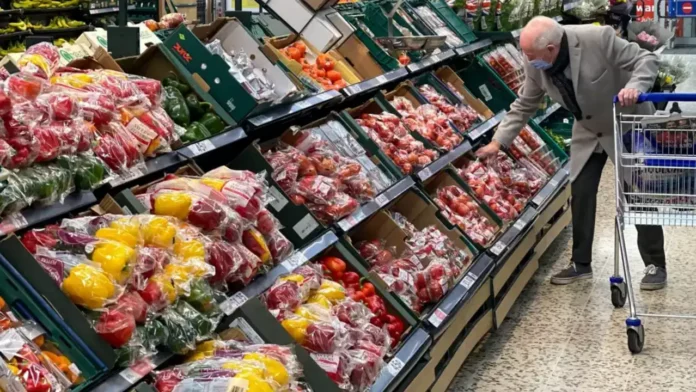
The winter season breathes life into menus with an array of fresh vegetables. Nevertheless, indulging in winter delights such as undhiyu may prove to be a more expensive endeavor compared to the previous year, when prices were relatively lower. This year, vegetable prices have not yet shown any signs of a decrease.

Last year, tomatoes were priced between INR 4 and INR 10 per kilo in the wholesale market. However, this year, the cost has surged to a range of INR 8 to INR 25. Wholesale prices for nearly all vegetables have experienced an increase ranging from 20% to 150%. As a result, retail prices have also remained elevated, almost doubling the wholesale prices.

Last year, a kilo of ginger, which was available for approximately INR 47 to INR 52 in the wholesale market, is now being retailed at INR 100, and on delivery apps, the price has surged to INR 200.

According to a wholesaler in Jamalpur, ginger farmers in Maharashtra and South India have organized unions to collaboratively set and regulate prices.

Furthermore, the supply of numerous vegetables has been impacted this year due to untimely rains. Sanjay Patel, the secretary of the Agricultural Produce Marketing Committee (APMC), attributes this factor, along with heightened demand during the wedding season, as contributing to the sustained high prices.

Patel further stated that the wedding season ends mid-December, following which prices of vegetables may start declining, but will end up stabilizing only by month-end.

Advertisement

Uttar Pradesh tourism department unveils new star classification system for hotels

0
hospitality hotel
(Representative Image)

In an effort to enhance the tourism and hospitality industry in Uttar Pradesh, the state’s tourism department launched an innovative portal for classifying star hotels in Lucknow.

The new system classifies hotels and resorts into five tiers, namely platinum, diamond, gold, silver, and bronze. Minister Jaiveer Singh, who oversees tourism and culture, revealed the introduction of this system at the Tourism Department Directorate. Singh highlighted that the classification would be determined by factors such as quality, services, overall facilities, and guest experiences, with the goal of advancing the hotel business.

The latest system categorizes hotels and resorts into five tiers—platinum, diamond, gold, silver, and bronze. Minister Jaiveer Singh, responsible for tourism and culture, announced the launch at the Tourism Department Directorate. Singh emphasized that the classification would be based on quality, services, overall facilities, and guest experiences, aiming to propel the hotel business forward.

Singh emphasized the diverse benefits of this classification system, pointing out that hotels meeting the criteria would receive a range of incentives, subsidies, and industry-standard tax benefits. This would enhance their recognition and support within the industry.

Highlighting the benefits of the system, the minister underscored its aim to bolster the state’s hospitality industry by expanding the availability of hotel rooms. Additionally, he mentioned that hotels and resorts providing exceptional facilities would qualify for subsidies and incentives in line with industry standards.

Singh remarked that Uttar Pradesh is renowned for its cultural heritage, historical landmarks, and lively cities. He highlighted the state government’s ongoing efforts to promote the tourism industry. Explaining the new revised classification system, he mentioned that the designations of platinum, diamond, gold, silver, and bronze align with the traditional star ratings in the hotel industry, corresponding to 5 Star, 4 Star, 3 Star, 2 Star, and 1 Star classifications for hotels.

The updated hotel classification aims to streamline the selection process for tourists and foster elevated service standards among hotels, as stated by him.

The tourism minister announced that the hotel industry can engage in the ranking system and obtain additional information about the new classification system through a dedicated online portal launched by the UP Tourism Department. Interested parties can apply for the new classification system by submitting their applications on the portal with a minimal requisite fee.

The Uttar Pradesh State Tourism Development Corporation will serve as the central agency for executing the new classification system in the state. According to him, the updated classification is expected to draw increased tourist interest and stimulate investment in the state’s hospitality sector.

Advertisement