Flipkart Internet Private Limited, the B2C division of Walmart-owned Flipkart, saw its operating revenue nearing the INR 15,000 Cr mark in the fiscal year ending on March 31, 2023. The operating revenue of the marketplace division surged by 42%, reaching INR 14,845.8 Cr in the financial year 2022-23 (FY23), compared to INR 10,477.4 Cr in FY22.
Flipkart Internet generates its main revenue through commission charges and additional services provided to merchants, such as product advertising. When factoring in other sources of income, the B2C division experienced a 41% increase in total revenue, reaching INR 15,044 Cr in the reviewed year, up from INR 10,640.5 Cr in FY22.
The company also successfully decreased its cash burn, leading to a 9% reduction in its net loss to INR 4,026.5 Cr in the reviewed year from INR 4,419.5 Cr in FY22.
In FY23, the total expenditure of the online marketplace division amounted to INR 19,043 Cr, marking a 27% rise from INR 15,024.3 Cr in FY22.
The company allocated INR 4,482.2 Cr for employee salaries, PF contributions, gratuity, and other welfare benefits. This figure marked a 20% increase from INR 3,735.7 Cr in FY22. Employee benefit expenses also encompassed ESOP expenses of INR 2,155 Cr in FY23, reflecting a 29% surge from INR 1,668.6 Cr in FY22.
The B2C division spent INR 6,571.2 Cr on transportation expenses in FY23, indicating a 30% increase from the previous fiscal year’s INR 5,045.6 Cr. These costs cover the expenditures related to moving products from one point to another.
In a bid to draw in additional users to its B2C marketplace, Flipkart allocated INR 2,407 Cr for advertising, marking a 24% uptick from INR 1,945.9 Cr in FY22.
It is noteworthy that Flipkart’s B2B or wholesale division, Flipkart India Private Ltd, recorded a 9% increase in operating revenue, reaching INR 55,823.9 Cr in FY23, up from INR 50,992.5 Cr in FY22. However, its net loss escalated to INR 4,845.7 Cr, representing a 1.4X rise from INR 3,404.3 Cr in FY22.
The fresh development comes at a time when, amidst the ongoing funding winter, Flipkart has secured a whopping $600 Mn from its parent Walmart. The startup is likely to raise another $400 Mn in this funding to take on its rival Amazon India.
Up until now, Flipkart has garnered more than $14 Bn in funding, with support from investors including Tencent, Softbank, Tiger Global, Microsoft, and several others. Nevertheless, a majority of the company’s stake, exceeding 70%, is currently held by the US retail giant Walmart.
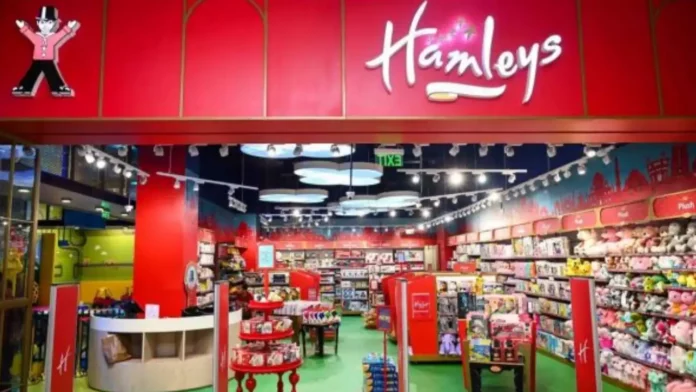
Reliance-owned multinational toy retailer Hamleys has unveiled the Hamleys Play store at Kopa Mall in Pune, as announced in a post on social media.
“Hamleys Play has now opened in Kopa, Pune! A delightful experience for any child – so many treats and games, you won’t know where to begin,” shared the official LinkedIn account of Reliance Brands Limited, the retail subsidiary of Reliance Industries Limited.
Catering to children between the ages of 3 and 8, Hamleys Play stores are concept-driven establishments offering 20 activities specifically crafted to captivate toddlers, kids, and even parents.
These encompass water play, a musical wall, ball pools, wall climbing, a donut slide, a building bricks zone, sand play, role play, a treehouse, a car track, and a dedicated area for storytelling and do-it-yourself (DIY) activities.
World’s first Hamleys Play store was launched in 2021 at Jio World Drive in Mumbai.
In July this year, Hamleys unveiled its inaugural Hamleys Play store in Chennai at the Phoenix Market City, signifying the brand’s expansion in South India.
In 2019, Reliance Brands secured the British toy retailer Hamleys through an all-cash transaction. The acquisition encompassed a complete 100% stake in Hamleys Global Holdings (HGHL).
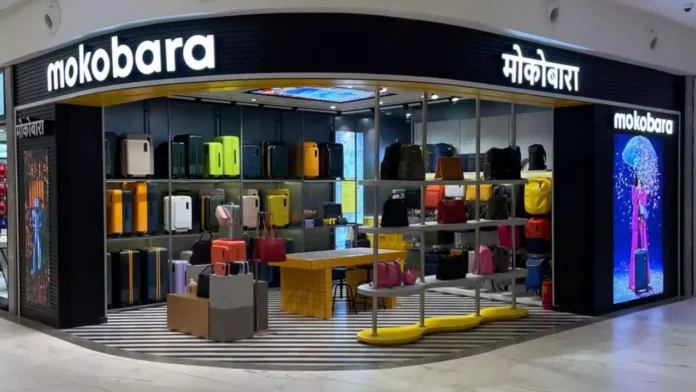
New-age luggage brand Mokobara reported a notable increase in its operating revenue, surpassing fourfold growth to reach INR 53 crore in the financial year ending March 2023, as disclosed in the company’s regulatory filings.
The startup, supported by investors such as Saama Capital and Sauce VC, announced a 78% increase in losses, amounting to approximately INR 8 crore for the year.
In FY22, Mokobara achieved a turnover of around INR 12 crore in operating revenue, coupled with a loss of nearly INR 4 crore.
Mokobara’s total expenses in FY23 amounted to about INR 61 crore, nearly three times higher than the INR 16 crore spent in FY22. The most substantial component of expenditure for Mokobara was the purchase of stock, with INR 29 crore expended in FY23 as opposed to INR 17 crore in FY22.
On September 20, it was reported that the company was in talks with venture investor Peak XV Partners (formerly Sequoia Capital India) for an expected investment of $12-15 million (INR 99-124 crore). This investment could value the startup at $65-80 million (INR 541-666 crore). In October, the company raised $3.6 million (INR 29 crore) from existing investors such as Sama Capital and Sauce VC.
During the fiscal year 2023, the company invested INR 16 crore in digital marketing, marking a substantial rise from the INR 5 crore expenditure recorded in FY22.
Founded by former Urban Ladder executives Sangeet Agrawal and Naveen Parwal, Mokobara began its operations in 2020. Sources familiar with its sales figures suggest that it is currently operating at an annualized revenue run rate of INR 140-150 crore.
The omnichannel retailer operates numerous stores in Bengaluru, Delhi, Mumbai, and Pune. In a press statement earlier this year, it announced plans to inaugurate 25 additional stores within the next eighteen months.
The company is entering the luggage segment, challenging established brands such as American Tourister, VIP, and Safari. Despite being positioned at a relatively higher price point compared to the current market players, it aims to establish itself as a premium choice.
According to a report from investment banking firm Merisis Advisors in February, the Indian luggage industry experienced a sales growth ranging from 50-70% in 2022 compared to the pre-pandemic period of 2019, which was historically considered the sector’s most robust growth year.
This year, despite a challenging funding climate, several direct-to-consumer (D2C) brands like Mokobara, boasting omnichannel operations, have successfully raised funding from venture capital firms. With the backing of VC support, these companies, once scaled, are positioning themselves to challenge prominent and established brands across a diverse range of sectors.
Certain investments have the potential to yield profitable returns for investors. Fireside Ventures, a venture capital firm with a focus on consumer-oriented ventures, emerged as the earliest institutional investor in the D2C firm Mamaearth’s listed parent company, Honasa Consumer. From this year’s initial public offering (IPO) alone, Fireside Ventures garnered INR 258 crore, retaining unsold holdings valued at INR 821.49 crore in the company. Notably, Fireside had cumulatively invested INR 29.1 crore in Honasa Consumer.
Furthermore, The Souled Store, an apparel startup with a focus on pop culture, secured INR 135 crore in a funding round led by Xponentia Capital in March of this year. In July, Freakins, a direct-to-consumer (D2C) apparel company specializing in denim, raised $4 million (approximately INR 33 crore) in a funding round backed by Matrix Partners India and Blume Ventures. Concurrently, footwear startup Solethreads received $3.7 million (INR 31 crore) in funding from Fireside Ventures.
IPO-bound omnichannel retailer FirstCry witnessed a fivefold increase in its net loss during the financial year concluding on March 31, 2023. The Mumbai-based startup recorded a consolidated net loss of INR 486 Crores in the previous fiscal year 2022-23 (FY23), marking a 518% surge from INR 78.6 Crores in the fiscal year before.
It’s worth mentioning that the startup had reported a net profit of INR 215.9 Crores in FY21.
FirstCry’s consolidated financials encompass the financial performance of its 38 subsidiaries, including Globalbees.
Established in 2010 by Supam Maheshwari and Amitava Saha, FirstCry is an omnichannel marketplace specializing in baby and kids products. The startup transitioned into a public company last year, marking the initial phase of its path towards being listed on the stock exchanges.
Meanwhile, the startup’s sales crossed the INR 5,000 Crore mark during the year under review. Operating revenue rose by 135% to INR 5,632.5 Crores in FY23 from INR 2,401.2 Crores in the previous fiscal year. It primarily earns revenue from the sale of baby care products.
Incorporating other income, the total income amounted to INR 5,731.2 Crores in FY23, marking a substantial increase of 127.7% from INR 2,516.9 Crores in FY22.
In FY23, FirstCry disclosed a total expenditure of INR 6,315.6 Crores, reflecting a surge of 146% compared to INR 2,568 Crores in FY22.
As an e-commerce marketplace, FirstCry’s major expenditure was attributed to its procurement cost. In FY23, the startup allocated INR 3,953.3 Crores to restock its shelves, marking a substantial 150% increase from INR 1,572.1 Crores in FY22.
FirstCry allocated INR 769.8 Crores for staff salaries, gratuity, PF, and other employee welfare benefits, marking a substantial 127% rise from INR 338.8 Crores in the preceding year. The notable increase indicates that the startup expanded its workforce during the layoff season. Interestingly, it disbursed INR 361.4 Crores on ESOPs, experiencing a remarkable surge of 292% from INR 92.1 Crores in FY22.
It witnessed a sharp increase in its transportation cost for the year under review. In FY23, the startup spent INR 429.2 Crores on transportation costs, reflecting a significant 604% increase from INR 61 Crores in the previous fiscal year.
Advertising costs surged by 55% to INR 416.4 Crores in FY23, compared to INR 268.6 Crores in FY22.
FirstCry’s EBITDA margin declined to -2.9% from 4.05% in FY22.
Maheshwari-led startup, backed by significant funding rounds totaling over $700 million and supported by investors including SoftBank, Chrys Capital, and Vertex Ventures, is poised to submit its draft red herring prospectus (DRHP) by the end of the month.’
According to media reports, FirstCry is seeking to secure $500 million to $600 million through its IPO, with a targeted valuation of $4 billion.
A few months ago, three family investment offices – MEMG Family Office led by Ranjan Pai of Manipal Group, Sharrp Ventures of Harsh Mariwala from Marico, and the DSP family office of Hemendra Kothari – acquired stakes in the startup for approximately INR 435 Crores in a secondary round facilitated by SoftBank.
Mish Designs Limited has unveiled its latest collaboration with Nykaa Fashion, marking a step in expanding its retail presence. The collection is now available on Nykaa Fashion’s online platform, and the company has an exclusive space in the physical store located at Indiranagar, Bangalore.
The company stated that Nykaa Fashion, the fashion e-commerce branch of Nykaa, garnered widespread acclaim for its modern Western attire. This collaboration offers an opportunity to display its style and elegance within Nykaa Fashion’s recently established retail network.
Kaushal Goenka, co-founder at Mish, said, “We are thrilled to partner with Nykaa Fashion, a brand that shares our commitment to quality and innovation. This collaboration is an exciting leap into the world of retail, allowing us to connect with our audience in a more tangible way.”
The stocks experienced a 2.66% decline, reaching INR 129.95 at 2:28 pm on the BSE.
This acquisition marks a notable milestone for Clear Premium Water, signaling its commitment to expanding its product range and spearheading innovation in the bottled water sector.
“Our association with Kelzai Volcanic Water underscores our dedication to meeting the increasing demand for natural mineral water. With the strategic plant location, we aim to reach a broader audience, leveraging Clear’s expertise, extensive network, and KELZAI’s established brand identity. This alliance is set to transform KELZAI’s market presence, ensuring remarkable growth and establishing dominance in the luxury water segment. This partnership enhances our natural mineral water offerings, positioning us to deliver exceptional value and impeccable service to our customers,” said Nayan Shah, the visionary Founder & CEO of Clear Premium Water.
The surge in high-end dining and the advent of distinctive culinary experiences has heightened the demand for natural mineral water.
Kelzai is poised to elevate the dining experience in these exclusive venues, catering to a broader luxury clientele in cafes, restaurants, institutions, multiplexes, hotels, and similar settings.
According to the acquisition agreement, Energy Beverages Private Limited, the parent company of Clear Premium Water, will exclusively manage the distribution and marketing of Kelzai Volcanic Water.
Harnessing its robust network and extensive nationwide presence in India, this collaboration underscores a shared dedication to delivering premium natural mineral water.
It commits to exceptional service and endeavours to enhance the market presence of both Clear Premium Water and Kelzai Volcanic Water.
The partnership between Clear Premium Water and Kelzai Volcanic Water signifies a notable transformation in the industry, presenting a potent combination of expertise, innovation, and unwavering commitment to sustainability and excellence.
This collaboration seeks to captivate the market and reinforce Clear Premium Water’s position as a dominant force in the bottled water sector.
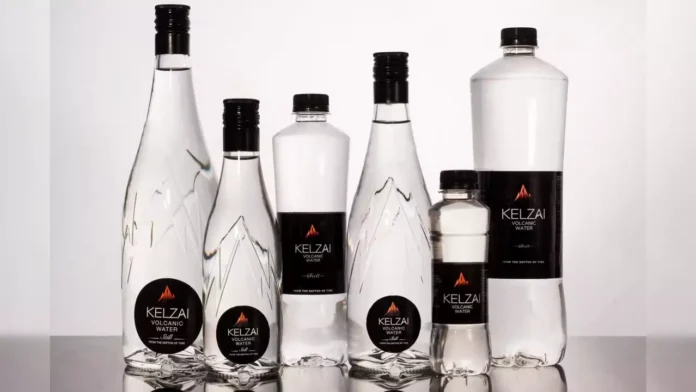
Kelzai Volcanic Water is available in eco-friendly PET bottles ranging from 200ml, 500ml, to 1 liter, as well as in glass bottles sized at 300ml, 500ml, and 750ml.
The global assessment of food systems leading up to 2030, as recently released by The Food Systems Countdown to 2030 Initiative (FSCI), provides the first science-based monitoring to guide decision-makers in their efforts to bring about a comprehensive transformation of global agriculture and food systems.
This urgent transformation is necessary to diminish the environmental impact of these systems and alleviate the effects of climate change upon them.
The primary goal is to ensure that everyone, particularly those who are vulnerable, has fair access to nutritious diets through sustainable and resilient agriculture and food systems.
The UN Food Systems Summit spurred action in agriculture and food systems, yet policymakers frequently lack the necessary data to inform crucial decisions.
The FSCI has established a framework comprising 50 indicators to oversee global agriculture and food systems, utilizing existing data to facilitate prompt action. Repurposing existing data, instead of undertaking time-consuming new research, ensures that policymakers can swiftly access pertinent information.
Following this first global baseline, the FSCI will track agriculture and food systems annually until 2030, updating the framework as needed when new indicators or better data emerge.
Lawrence Haddad, executive director, Global Alliance for Improved Nutrition, said, “The first annual Countdown report shows that no single region has all the answers. Europe and North America do well on undernutrition but poorly on indicators of unhealthy diets. In contrast, Africa and South Asia do relatively well on some environmental indicators but poorly on indicators of livelihoods. The data show very clearly that every region has significant room for improvement.”
Agriculture and food systems are crucial in achieving all 17 Sustainable Development Goals (SDGs). However, the SDGs alone are inadequate for monitoring these systems. The FSCI aims to bridge this gap.
The transformation of agriculture and food systems is imperative for countries to fulfill their Nationally Determined Contributions. However, this remains a developing discourse: agriculture and food systems had a limited role in climate negotiations at COP27. They gained more prominence at the recent COP28, where over 150 countries endorsed the Emirates Declaration on Sustainable Agriculture, Resilient Food Systems, and Climate Action. They pledged to integrate agriculture and food systems into their climate plans by 2025, signifying very encouraging progress.
Mario Herrero, professor and director of the Food Systems & Global Change Program at Cornell University, said, “You can’t manage what you don’t measure. That’s why we need a monitoring system that shows strengths and weaknesses at national, regional and global levels across all parts of agriculture and food systems. And this complete picture highlights successes that provide valuable lessons for others.”
The FSCI indicator framework is designed for the worldwide monitoring of the transformation of agriculture and food systems. It also provides a selection of indicators that can be employed to formulate policies and actions, as well as to guide customized monitoring systems to address the specific needs of individual countries.
José Rosero Moncayo, director of the Statistics Division at United Nations FAO, commented, “We are at the beginning of the process and there are still gaps in the data that we need to fill to ensure we are effectively monitoring progress across all dimensions of agriculture and food systems. Filling those data gaps is a top priority for ourselves, and the global science and policy communities concerned about the future of agriculture and food systems.”
Kate Schneider, research scholar, Johns Hopkins University School of Advanced International Studies and lead author of the paper, said, “Better data is urgently needed to monitor progress in food safety, off-farm livelihoods tied to agriculture and food systems, food loss and waste, agriculture and food systems’ economic contributions, governance, and agriculture and food system resilience.”
She continued, “The state of food systems worldwide in the countdown to 2030” organises agriculture and food systems monitoring into five themes: diets, nutrition, and health; environment, natural resources, and production; livelihoods, poverty, and equity; governance; and resilience. Each theme contains three-to-five indicator domains that together provide a comprehensive picture of agriculture and food systems.
Jessica Fanzo, professor of Climate and Director of the Food for Humanity Initiative at Columbia Climate School, concluded, “There is a growing urgency to transform agriculture and food systems to support healthy diets in sustainable and equitable ways, and to protect the environment. Our research sets the stage for a data-driven approach to address the challenges and seize the opportunities to create a healthier, more equitable and sustainable future for all.”
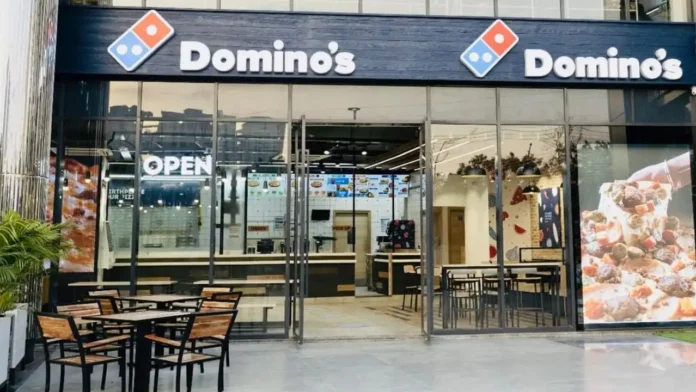
DPC Dash Ltd., the exclusive master franchisee for Domino’s Pizza in the China Mainland, the Hong Kong Special Administrative Region of China, and the Macau Special Administrative Region of China, is delighted to announce the grand opening of ten new stores in the region. These additions span eight new cities and have taken place over the past week.
This strategic expansion represents a noteworthy milestone for DPC Dash, introducing its delicious offerings to new customers in the Chinese mainland cities of Tangshan, Xi’an, Xiamen, Fuzhou, Changsha, Nantong, Yangzhou, and Hefei. All of the stores opened between December 23rd and 24th.
Significantly, the company is simultaneously opening two stores each in both Fuzhou and Nantong. In 2023, DPC Dash has already unveiled a total of 175 new stores for both new and existing consumers. As of December 26, DPC Dash directly operates 761 stores across 29 cities in the Chinese mainland.
The extension of DPC Dash outlets into these newfound cities corresponds with the Company’s commitment to providing Chinese consumers with delectable, cost-effective pizzas through online platforms, with a particular emphasis on delivery, bolstered by technological advancements.
Before the recent inaugurals, the company already secured nine out of the top 10 positions for the first 30-day sales among Domino’s stores worldwide. The novel outlets persistently set new sales records. The establishments in Xi’an and Changsha, both recently inaugurated, have shattered Single Day Sales records among DPC Dash stores in China, while other outlets are also demonstrating outstanding performance.
“We are thrilled for the new store openings and DPC Dash’s expansion to eight more new cities,” stated Aileen Wang, director and chief executive officer of DPC Dash. “This expansion represents an exciting milestone for our company as we bring our exceptional food and outstanding service to new communities. It is encouraging to witness the overwhelming passion and enthusiasm our valued customers have shown for our food and brand as we expand into new cities. I am incredibly grateful to our dedicated staff who have worked tirelessly to create spectacular openings, delivering outstanding food and service to our cherished customers. Our expansion in China is on the right track, and we continue to strengthen our development capabilities in regards to both menu and technology.”
Cosy Box, the designated culinary collaborator of the Cannes Film Festival, is all set to extend its hospitality to the residents of Mumbai.
Founded by restaurateur Aashish Begwani, Cosy Box stands as a visionary venture in the business world.
“With the launch of Cosy Box at Lodha World Tower in mumbai our aim is to craft an ambiance where each visit unfurls as a gastronomic journey, where every meal and every cocktail shares its distinctive narrative, allowing our patrons to relish extraordinary moments, whether it’s the sun-kissed hours of lunch or the vibrant nights of lively nightlife. We’re thrilled to bring this culinary adventure to life,” said Aashish Begwani, the Founder of Cosy Box.
The menu at Cosy Box encompasses a diverse range of culinary styles, including Mediterranean, European, Oriental, and Modern Indian.
From petite servings of seafood and seasonal vegetables grilled live on Japanese robata grills to the captivating Turkish flaming trolley that turns dining into an extraordinary experience, Cosy Box aspires to redefine the dining scene in Mumbai.
The Asian selection offers a varied range of cherished dishes from Korea, China, Indonesia, and Japan. Turkish and Indian offerings bring richness and warmth, featuring an array of kebabs, platters, koftes, and flamboyant specialties.
The skilled mixologists have crafted an experience encapsulated in every glass, presenting a celebration of flavors.
From daytime selections such as the “Nobody Knows” to evening favorites like the “On Your Knees” and “Showstopper,” the bar menu guides patrons on a journey through inventive concoctions.
During Communion/Aperitivo hours, patrons can indulge in cocktails such as the “Valentino Fizz” and “Moschino Berry,” creating the perfect ambiance for an evening enriched by tempting Tequila & Tonic blends and a cinematic immersion with the Barrel-Aged selection.
Shares of Credo Brands Marketing Ltd, the owner of the renowned denim brand Mufti, marked a modest entry into the market on Wednesday. They were listed with a marginal gain of nearly 1 percent against the issue price of INR 280.
The shares were listed at INR 282, reflecting a 0.71 percent increase from the issue price on the BSE. Subsequently, it regained lost ground and surged by 6.71 percent to reach INR 298.80.
On the NSE, the stock premiered at INR 282.35, registering a gain of 0.83 percent.
The company’s market capitalization stood at INR 1,834.21 crore in the morning trading session.
The Initial Public Offering (IPO) of Credo Brands Marketing was oversubscribed by 51.85 times on Thursday, the final day of the subscription period.
The INR 549.77-crore initial share offering, comprising 1,96,34,960 equity shares, was priced in the range of INR 266 to INR 280 per share.
Credo Brands’ public offering constituted an Offer For Sale (OFS) of a maximum of 1.96 crore shares by promoters and other existing shareholders.
Credo Brands Marketing stands as one of the prominent indigenous brands in the mid-premium and premium segments of the casual men’s wear market in the country.
As of September, the company boasted 1,807 touchpoints nationwide, encompassing 404 exclusive brand outlets, 71 large-format stores, and 1,332 multi-brand outlets.
We use cookies to ensure that we give you the best experience on our website. If you continue to use this site we will assume that you are happy with it.