Major consumer goods firms such as Hindustan Unilever (HUL), ITC, Maruti Suzuki, and Parle Products have reported fluctuations in certain commodity prices. According to industry executives, these fluctuations are influencing the companies’ decisions on product pricing and affecting the recovery process of demand in specific categories.
In a investor presentation on Monday, ITC highlighted that although there is commodity price deflation on a year-on-year basis in the October-December quarter, there is a sequential increase in prices for specific commodities like wheat, maida, and sugar.
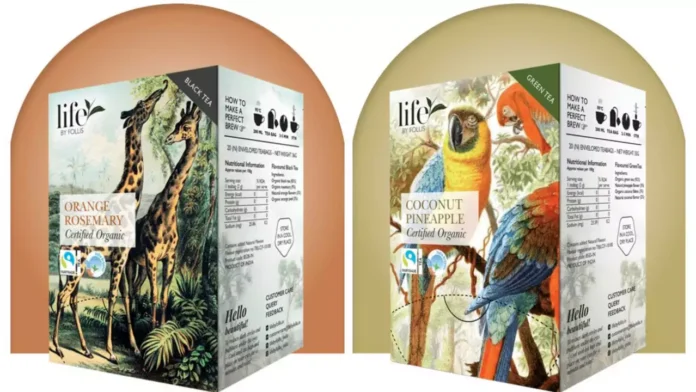
HUL, the largest consumer goods manufacturer in the country, stated that sectors such as health food drinks and coffee are experiencing rising inflation, affecting volume recovery. Additionally, in the tea category, consumers are downgrading due to the price disparity between premium and regular tea. The company has labeled this phenomenon as an ‘inflation-deflation cycle.’
Earlier this month, Ritesh Tiwari, the Chief Financial Officer of HUL, informed analysts that the foods and refreshment business maintained positive pricing, driven by inflation in commodities such as coffee and sugar.
Producers of automobiles and household appliances, including refrigerators, air conditioners, and washing machines, have reported a 3-4% sequential rise in commodity costs like steel, aluminum, and polypropylene over the past 2-3 months. While this situation justifies a potential price increase, appliance manufacturers are absorbing the additional costs, whereas car makers are passing on a portion to support the recovery of demand.
Maruti Suzuki implemented a slight 0.45% price increase, while Hyundai Motor raised prices by 0.5%. MG Motor India has not made any price adjustments thus far. Tata Motors has announced a conservative price hike of 0.7%, which will be effective from February 1. This marks one of the most restrained price hikes in the industry, as companies traditionally raise prices by 2-3% in January.
Mayank Shah, senior category head at Parle Products, noted that over the past 3-4 months, the prices of wheat have increased by 10-15%, and sugar has seen a rise of 20-25%. These hikes are attributed to shortages, offsetting the gains achieved from the significant 50% decline in edible oil prices.
“At an overall deflationary environment, certain commodities are acting volatile whose contribution is high in the total input cost. Due to this, we are not able to pass on the full benefit of dip in edible oil prices. Input cost deflation is not happening the way it was expected initially,” he said.
Shashank Srivastava, senior executive officer (marketing and sales) at Maruti Suzuki, stated that the price increase in January is among the most minimal the company has implemented in recent times.
“We did not want to raise prices and put pressure on the small car segment. While steel prices are still high, costs of some other commodities have softened balancing out that impact. We have also undertaken production efficiency measures to control costs and not burden our customers,” said Srivastava.
Material expenses make up 75-77% of the total vehicle costs across various car manufacturers.
Certainly, the majority of commodity prices have stabilized, leading to a decrease in the overall material costs for FMCG companies in recent months. In an effort to enhance volume recovery, FMCG companies have either lowered prices or increased product weight where feasible. Consequently, HUL witnessed a negative price growth of 2% in the December quarter, resulting in a flat underlying sales growth.
Saugata Gupta, Marico's
Managing Director and Chief Executive Officer
Marico Ltd. is set to achieve “meaningful profitability” in its portfolio of digital-first brands within the next three years, according to Saugata Gupta, the Managing Director and Chief Executive Officer.
The current portfolio includes acquired brands such as Beardo, True Elements, Just Herbs, and Plix, along with two organic brands—Pure Sense and Coco Soul—spanning both food and personal care categories.
In the third quarter of FY24, these brands achieved an annual run rate of INR 400 crore on exit basis. Marico’s objective is to generate 20% of its domestic business from the combined digital-first portfolio of food and premium personal care.
The company is actively pursuing increased profitability in these ventures through scale expansion. It anticipates that the overall Ebitda margin will not be significantly affected by the scale-up, given that the majority of products exhibit accretive gross margins.
“The biggest improvement in D2C business has been in terms of the burn rate… the entire diversified portfolio of both food and digital will become meaningfully profitable by 2027,” Gupta said.
The company aims to achieve a double-digit Ebitda margin for its digital-first brands within the next three years.
Beardo, the men’s grooming brand acquired by Marico in 2017, is already operationally profitable, according to Gupta. The premium personal care brand, Just Herbs, and the health food brand, True Elements, are expected to achieve Ebitda break-even next year. Additionally, Gupta anticipates that the plant-based nutrition brand, Plix, will generate INR 200 crore in revenue in FY25, with margins higher than the overall foods category.
For FY24, Marico is revising its expectations for the foods business, now anticipating a revenue of INR 750 crore compared to the previous guidance of INR 850 crore. The company aims for an organic top-line growth rate exceeding 20% for the overall foods segment in the coming year.
The packaged consumer goods manufacturer recorded a decrease in revenue growth and a volume growth of only 2% in the October-December quarter.
The company anticipates achieving positive top-line growth in Q4 as price cuts in its core brands, Parachute and Saffola, stabilize. This growth is poised to gain additional momentum, reaching double digits in FY25, supported by sustained price adjustments, revenue expansion, and modest inflation in copra. However, the gradual pace of volume growth is expected due to the slower-than-anticipated recovery in rural demand.
Gupta anticipates that volume growth will fall within the mid-single digits during the first quarter of FY25.
Marico has also guided for a gross margin expansion of 450-500 basis points at the FY23 level. This increase is expected to be supported by favorable input cost trends, a strategic emphasis on premiumization, and enhanced margins in the food and digital business. However, the growth in operating margins is projected to be constrained, reaching a maximum of 250 basis points, capped at 21%, owing to elevated advertising expenditures.
CURRYiT, a highly cherished food startup, is delighted to introduce India’s first Ginger Garlic Paste without any preservatives or additives. This innovative product disrupts the existing market landscape dominated by established brands relying heavily on additives and preservatives for everyday staples like Ginger Garlic paste.
Ginger and garlic are staples in most Indian cuisines, making ginger garlic paste a popular choice, especially in urban areas. Unfortunately, many packaged ginger garlic pastes contain preservatives and additives, resulting in a sour, industrial aroma that has discouraged mothers and home cooks from using these staples in their cooking.
At CURRYiT, the team undertook a comprehensive consumer survey to grasp the challenges and expectations associated with a staple product like this. Aligned with the brand’s commitment to producing clean and additive-free items, the solution was straightforward – introducing a preservative-free Ginger Garlic Paste for everyday culinary use. Through this product, CURRYiT challenges the widespread reliance on preservatives by major players, providing an alternative that prioritizes transparency and authenticity.
CURRYiT’s Ginger Garlic Paste is crafted using traditional homemade techniques, reminiscent of the age-old sil batta (mortar & pestle) method. This process aligns perfectly with the brand’s commitment to providing a fresh, pure, and flavorful experience that captures the essence of Indian culinary traditions.
Richa Sharma & Nischal Kandula, Co-Founders of CURRYiT said, “We believe in keeping it 100% Natural, ensuring 100% Great Taste. The preservative-free Ginger Garlic Paste by CURRYiT is a game-changer in the ready-to-cook category. Unlike other commercial pastes, we ensure a perfect balance of garlic and ginger without the foul smell and health impacts of preservatives or additives. It is truly a clean convenience.”
Testimonials from users commend the product’s natural taste and aroma, describing it as an essential element for curries and a valuable time-saving addition to the kitchen by eliminating the need to peel garlic and ginger. In contrast to competitors laden with preservatives, acidity regulators, stabilizers, xanthan gum, and thickening agents, CURRYiT distinguishes itself with a preservative-free formula—no preservatives, no acidity regulators, no stabilizers, no xanthan gum, no thickening agents.
Available at an affordable price of only INR 99, CURRYiT’s Preservative-Free Ginger Garlic Paste becomes a readily accessible option for enthusiasts and home chefs in search of high-quality culinary ingredients without any compromise.
Aquaconnect, a Chennai-based full-stack aquaculture startup, has raised $4 million (INR 33 crore) in a Pre-Series B funding round led by US-based S2G Ventures.
The recently secured funding will be utilized by the startup to enhance its operations and extend its presence nationwide. Additionally, the capital will be allocated to strengthen its technological infrastructure, broaden the product portfolio, explore new market segments, and double its network of partners within the next six months.
Aquaconnect Founder and chief executive officer (CEO) Rajmanohar Somasundaram, said, “The investment from S2G reinforces our mission of transforming the Indian aquaculture landscape through a phygital approach. The funds come at a critical juncture as we gear up for our next phase of growth to capture new opportunities, with an intense focus on expanding our operations in major markets.”
Commenting on the fundraise, managing director at S2G Ventures Kate Danaher added, “As a leading organisation in the second largest aquaculture market in the world, we believe Aquaconnect is ideally positioned to capture meaningful market share and contribute to a future of sustainable growth across the sector.”
Established in 2017 by Somasundaram, Aquaconnect is a full-stack aquaculture platform employing AI and remote sensing data to predict the demand for farm inputs and the supply of harvested produce.
Capitalizing on this data, the platform operates offline last-mile touchpoints that facilitate connections between aqua farmers and farm input brands. Additionally, it collaborates with Non-Banking Financial Companies (NBFCs) to provide formal credit services to its retail partners and seafood buyers, addressing their working capital requirements.
Aquaconnect asserts its presence in six states with a network of over 500 on-ground partners. The platform also states that it serves over 30 brands and has achieved a fourfold increase in revenues in the last fiscal year.
This development comes more than a year after the startup last raised $15 million as part of a Series A funding round led by Lok Capital in December 2022. Prior to that, it also secured $8 million in venture debt from Trifecta Capital in early 2022.
The startup has garnered support from notable entities, including Louis Dreyfus Company Ventures, Suneight Investments, AgFunder, Omnivore, Rebright Partners, and various others.
It competes with companies like AquaExchange, Captain Fresh, Eruvaka, and others.
Interestingly, this development occurred mere days after AquaExchange successfully raised $6 million in its Series A funding round, led by the London-based private equity firm Ocean 14.
The aquaculture market in India remains predominantly unorganized, characterized by the presence of local players. However, with the increasing demand for seafood both in domestic and international markets, Indian aquaculture startups are turning to technology to enhance the efficiency of feed procurement and forecast market trends.
On Tuesday, Arvind Ltd, a leading player in the casual and denim market, announced a decline in revenue for the fifth consecutive quarter. This downturn was influenced by lackluster prices of woven products and decreased demand for denim.
The Bengaluru-based company, known for its portfolio of owned and licensed international brands like Tommy Hilfiger and Calvin Klein, disclosed a 4.6% decrease in consolidated revenue from operations to 18.8 billion rupees during the December quarter.
The textile segment, constituting approximately 75% of the company’s total sales, experienced an 8% decline in revenue.
The decline in cotton prices, a crucial raw material, led the retailer to lower product rates compared to the levels observed a year ago.
Additionally, the company noted a seasonal decline in volumes, attributing it to subdued demand in the denim category.
Arvind retails denim products under brands like U.S. Polo Association, Arrow, and Flying Machine.
Retailers, grappling with subdued demand throughout the fiscal year as inflation-weary consumers cut back on spending, have faced challenges in maintaining steady financial performances. Arvind has seen its revenue fall between 11% and 21% in the last four quarters.
During the reported quarter, the company experienced a 6.4% reduction in total expenses, contributing to a 9% increase in its consolidated net profit.
The company anticipates improved volume growth across its segments and robust margins in the March quarter.
The advanced materials segment, responsible for producing fabrics and protective gear for construction work at Arvind, is anticipated to experience an export impact due to limitations in Red Sea freight movement.
After reaching a record high earlier in the day, shares reversed direction, trading down by as much as 2.6%.
Rival Shoppers Stop reported a third consecutive fall in quarterly profit earlier this month, as consumers spent less on clothes and cosmetics. Results from Tata Group-owned Trent are due to be reported next week.
Despite the early signs of recovery, the FMCG industry faced significant inflationary pressures, especially in the mass consumption segment. In anticipation of the February 1st interim budget, FMCG companies expressed their anticipation of measures aimed at curbing inflation and promoting increased consumption.
Sharing his pre-budget expectations, Aasif Malbari, CFO, GCPL said, “To support more inclusive economic growth the government could consider proactive measures aimed at future controlling inflation and stimulating consumption in the larger economy. A consumption boost will lead to a cycle of sustained economic growth in the long run.”
Underscoring the significance of favorable rural policies in the 2024 budget, Shammi Agarwal, director of Pansari Group, emphasized that prioritizing rural policies is crucial for easing the strain on consumption within these markets.
“We anticipate a particular emphasis on boosting rural consumption in the budget. This could manifest in various ways, including additional sops for women and marginalized communities to stimulate consumption ahead of the general elections,” he added.
Emphasizing the goal of enhancing consumption, industry leaders stressed the importance of creating rural employment, investing in infrastructure and agriculture, providing incentives for capital expenditure, and promoting research and development. These measures are expected to have a multiplier effect on the rural economy, ultimately fostering heightened consumption.
Anticipating the government’s focus on agriculture in the upcoming budget, Angshu Mallick, MD and CEO, Adani Wilmar said, “New policies are anticipated that safeguard the interests of oilseed farmers and the oleochemical industry while effectively addressing challenges faced by rural communities. This, in turn, will have a positive ripple effect on industries connected with rural landscapes.”
Additionally, Mallick suggested that placing imports such as palm oil, stearic acid, soap noodles, oleic acid, and refined glycerin in the restricted-items list or imposing a 25 percent import duty on finished products instead of raw materials would contribute to establishing a fair and equitable environment for manufacturers.
Highlighting the importance of agricultural measures, Manish Aggarwal, director of Bikano, Bikanervala Foods, emphasized their significance for the development of rural areas and overall business expansion. Acknowledging the potential for increased funding for the Agriculture Accelerator Fund, Aggarwal expressed the belief that such a step would enhance storage solutions and advance farming practices through new technology, ultimately benefiting both farmers and the broader FMCG sector.
Addressing the anticipated developments in the direct selling industry, Gautam Bali, Managing Director of Vestige Marketing, a company specializing in health and wellness FMCG products, expressed the industry’s anticipation of regulatory frameworks and policies that can consistently reinforce ethical business practices. Additionally, he emphasized the necessity of introducing social security schemes for gig workers.
Swiggy, the Bengaluru-based food delivery giant, saw its net loss cross the INR 4,000 Crore threshold for the financial year ending on March 31, 2023. Supported by Invesco, this decacorn incurred a net loss of INR 4,179.3 Crores in the fiscal year 2022-23 (FY23), reflecting a 15% increase from INR 3,628.9 Crores in the previous financial year.
Swiggy experienced a significant surge in its operating revenue, with a growth of more than 40% to INR 8,264.4 Cr in the year under review, compared to INR 5,704.9 Cr in FY22. This increase can be attributed to the expansion of its quick commerce vertical during the same period.
Established in 2014 by Sriharsha Majety, Nandan Reddy, Phani Kishan Addepalli, and Rahul Jaimini, Swiggy originally began as a food delivery startup. Subsequently, amid the pandemic, it introduced its quick commerce vertical – Swiggy Instamart. Additionally, Swiggy provides services such as Swiggy Genie and Minis store.
Swiggy generates income through its online platform services offered to partner merchants, which include restaurant merchants, grocery merchants, and delivery partners. Additionally, the company earns revenue through advertisement services, the sale of food and traded goods, subscriptions, and other related platform services.
Swiggy’s Cost Breakdown:
In the fiscal year 2023, the startup achieved a revenue of INR 3,221.4 Crores by retailing FMCG products through Swiggy Instamart, marking a 39.7% growth compared to the INR 2,035.6 Crores earned in the preceding fiscal year.
It also generated INR 4,413.9 Crores from service sales, reflecting a 28% growth from the INR 3,444.4 Crores recorded in FY22. However, Swiggy did not disclose a detailed breakdown of this revenue.
The foodtech giant witnessed a surge of over 35% in expenditure, reaching INR 12,884.4 Crores in FY23, compared to INR 9,574.5 Crores in the preceding fiscal year.
The procurement cost for the startup experienced a 49% increase to INR 3,380.9 Crores in FY23 from INR 2,268.1 Crores in the previous fiscal year. This cost encompasses the expenses associated with acquiring FMCG products for Swiggy Instamart.
In FY23, the outsourcing support cost for the startup increased by 34% to INR 3,159.3 Crores, up from INR 2,350.2 Crores in the preceding fiscal year. This expenditure may encompass employees on third-party payrolls, including delivery executives and personnel operating in dark stores.
During the reviewed period, Swiggy allocated INR 2,361.7 Crores to advertising, marking a 28% increase from the INR 1,848.7 Crores spent in FY22. In simple terms, Swiggy generated INR 3.4 for every rupee invested in advertising.
The costs associated with employees rose by 25% to INR 2,129.8 Crores in FY23, up from INR 1,848.7 Crores in FY22.
In FY23, the startup incurred INR 139.5 Crores in losses due to order cancellations, representing an 11% decrease from the INR 156.4 Crores recorded in the previous fiscal year.
The release of financial statements follows recent reports indicating Swiggy’s plan to reduce its workforce by approximately 400 employees. This move is seen as part of the foodtech giant’s strategy to enhance its financial performance ahead of filing draft papers for its upcoming initial public offering (IPO) later this year. Swiggy aims to raise $1 billion (INR 8,300 Crores) through the IPO.
Last year, the startup asserted that it had attained profitability in its food delivery operations by March 2023. CEO Majety stated that the foodtech giant stood among the limited number of global food delivery platforms to reach profitability, although the company did not disclose specific figures.
Just last week, Swiggy extended its food delivery services to the city of Agatti in Lakshadweep, the union territory that gained prominence following Prime Minister Narendra Modi’s visit earlier this month.
In recent times, Swiggy has witnessed several notable departures, with key figures such as Karthik Gurumurthy (senior vice president and head of Swiggy Instamart), Dale Vaz (CTO), Anuj Rathi (SVP, central revenue and growth), Ashish Lingamneni (VP, marketing), and Dineout co-founder Vivek Kapoor among those who have exited the company.
With a valuation over $10 billion, the startup has raised more than $3 billion in funding and is supported by notable backers like SoftBank, Invesco, Prosus Ventures, DST Global, among others. It competes with Zomato, which has reported two consecutive profitable quarters in FY24.
Kaivalya Vohra & Aadit Palicha - Co-Founders of Zepto
In a strategic move, Nexus-backed Zepto is actively considering a reverse flip to India. According to sources close to the company, Zepto aims to follow the path of Eruditus, RazorPay, Pine Labs, and Groww in joining the reverse flipping trend.
However, considering the instance of PhonePe, facing a tax liability as substantial as $900 million, many of these unicorns are strategically biding their time and determining the most effective reverse flipping structure.
Zepto’s Ambitious Plans
Although Zepto has not yet settled on its reverse flipping structure, the startup is aiming to officially register itself as an Indian company by 2024. According to sources, the company intends to achieve EBITDA profitability targets in 2024 and subsequently pursue a public listing by 2026. In the fiscal year 2023, Zepto recorded a net loss of INR 1,272.4 crore.
As per a source, Zepto is exploring a share swap approach, in which shareholders of the Singaporean company would receive shares from the Indian entity, ultimately resulting in the liquidation of the Singaporean entity. However, confirmation regarding the share swap ratio, if it indeed takes place, could not be obtained. The Mumbai-based company did not respond to queries about the reverse flipping process.
To clarify, Kiranakart Technologies Private Limited is the Indian entity that oversees Zepto, with its Singaporean holding company being Kiranakart PTE LTD. In this scenario, the majority of shares in the Indian entity are held by the Singapore entity. Investors in Zepto receive shares of the Singaporean company, indirectly possessing shares in the Indian company.
Engaging in a reverse flipping process through a share swap would result in shareholders of Kiranakart PTE LTD receiving shares of Kiranakart Technologies Private Limited.
“From an Indian taxation point of view, investors are getting the shares of the Indian company for virtually nothing. But these shares will have a huge value when they are acquired. The purchase price will be zero and the tax liability will apply to the total value of the shares acquired,” according to a finance professional who was earlier a CFO at two ecommerce companies.
The quick-commerce unicorn is presently valued at close to $1.4 billion. Even though investors would acquire shares for zero, the value of each share in the company would measure up to this valuation.
Tax Implications and Considerations
Under Indian laws, investors might face potential taxation ranging from 33% to 42% for this transaction, leading to an expenditure of approximately $600 million at the highest tax rate of 42%.
“The tax liability will be very high, but the company is looking to take this step in pursuit of a public listing in the next two years,” the finance professional added.
Certainly, there are alternative choices for startups considering relocating to India. For example, Groww is exploring the amalgamation route, intending to merge its foreign entity with the Indian entity. It remains uncertain whether Zepto will choose this path or opt for a share swap.
As we will observe, both approaches present challenges, and companies, in particular, aim to steer clear of a substantial tax burden during the reverse flipping process.
In the scenario of reverse flipping through share swaps, the capital gains tax is levied on the variance between the value of shares of the Indian entity at the time of reverse flipping and the acquisition cost of the shares of the foreign entity.
However, the acquisition cost of shares and the valuation of the Indian entity are subjects of considerable dispute between businesses and tax authorities.
For instance, in the case of the telecommunications giant Vodafone, the Indian government issued a tax notice, sparking a legal dispute that stretched over 13 years before being resolved in favor of the company.
“In Vodafone’s case, the company’s views on the valuation and share acquisition price differed from the government’s view. Ideally any company looking to reverse flip needs to align its views with the government. Failing which, there could be a big tax liability and potentially prolonged litigation,” said the source quoted above added.
Should the company draw the taxman’s scrutiny for any unpaid taxes related to this transaction, the government is apt to enforce severe penalties and accrued interest on the outstanding tax amounts. In certain instances, the penalty may soar as high as three times the original tax obligation.
For instance, Vodafone’s potential tax liability had increased to more than INR 20,000 Cr from approximately INR 12,000 Cr after years of legal battles. It’s important to highlight that Vodafone ultimately secured a favorable ruling and is currently awaiting a settlement from the Indian government.
In addition to the capital gains tax, foreign shareholders might face additional tax ramifications upon exiting the Indian entity.
While the tax is applicable to Zepto investors, the presence of indemnity clauses in the shareholders’ agreement implies that the company is obligated to bear this cost, as demonstrated in the case of PhonePe. Despite securing a substantial funding round to offset a portion of the $900 million expenditure, it remains a significant financial burden for the company.
If a share swap occurs, Zepto faces the risk of forfeiting the opportunity to set off its accumulated losses from the preceding fiscal year against prospective profits. Additionally, employees holding stock options may need to transition to a new ESOP plan, resetting the vesting clock for their shares to zero.
As mentioned earlier, alternative methods for reverse flipping exist, including an in-bound merger where the Indian entity acquires the foreign entity.
For in-bound mergers of this nature, shareholders can seek exemptions from capital gains tax if the transaction meets the criteria for being classified as an “amalgamation.” An amalgamation implies the creation of a unified entity post-merger.
If the merger fails to meet the criteria for being labeled as an ‘amalgamation,’ the capital gains tax on the cancellation of shares held by the foreign entity in the Indian entity may be subject to taxation in the hands of the foreign entity.
Potential Share Swap Approach
Nevertheless, Zepto is leaning towards the share swap alternative, deeming it the quickest method for executing a reverse flip. This inclination stems from the belief that amalgamation procedures entail regulatory approval, according to one source.
For instance, Groww applied to the National Company Law Tribunal (NCLT) for approval of amalgamation in August of last year. The Bengaluru-based fintech unicorn is considering the amalgamation of its US holding company, Groww Inc, with its primary Indian entity, Billionbrains Garage Ventures Private Limited.
Razorpay is reportedly assessing whether Groww can obtain approval through the amalgamation process within a reasonable timeframe. However, if the NCLT approval for Groww is significantly delayed, Razorpay might opt for a share swap, similar to PhonePe’s approach.
The circumstances for US-registered companies like Groww and Razorpay are expected to be different from those of Singapore-registered entities such as Zepto and PhonePe. In this scenario, PhonePe serves as the most relevant example that can be applied to Zepto and LivSpace, another Singapore-registered startup seeking to reverse its flip.
Singapore imposes no tax on capital gains, while in the US, income profits are taxed at a rate of 21%. This contrast explains why PhonePe faced a substantial tax bill in India. Should Groww or Razorpay consider a reverse flip to India through a share swap agreement, the 21% US tax liability for their investors could potentially be counterbalanced against their Indian tax obligations.
Hurdles in the Reverse Flipping Process
Numerous hurdles exist for investors and companies engaging in reverse flipping, and these challenges persist despite longstanding requests from various investors and key stakeholders within the startup ecosystem.
The surge in reverse flipping is primarily driven by the plans of Indian unicorns to go public and the imperative for financial services and fintech players to align their shareholding and governance structures with Indian laws, especially in response to stricter regulations imposed by the Reserve Bank of India.
Moreover, in contrast to the United States, the Indian stock market is presently experiencing a bullish phase for new-age IPOs, given the significant expansion of the investor base in recent years.
“Given the market conditions in India, it’s only right for ‘IPO-able’ companies to look at ways to redomicile to India. Zepto is still trying to figure out the best way that would allow it to get this process completed in 2024,” said another source close to the leadership.
Larger startups are aiming to leverage the increased liquidity and risk appetite for technology stocks in the Indian market, reevaluating their IPO aspirations in 2022 and 2023. Companies such as Ola Electric, OYO, Swiggy, Awfis, and MobiKwik are among those preparing for their stock exchange debuts in 2024, while many others are targeting an IPO in 2025.
Having joined the unicorn club in 2023, Zepto witnessed its net loss skyrocketing by 3.35 times in FY23, reaching INR 1,272.4 Cr. Concurrently, revenue from operations experienced a remarkable 14.3-fold increase, totaling INR 2,024.3 Cr in FY23, set against expenses amounting to INR 3,350 Cr.
Nevertheless, the company did show a positive development in the net profit margin, improving from -277% to -63% in FY23. It also asserted its commitment to achieving EBITDA positivity by FY25, a target set just over a year from the present.
“People are starting to realise that quick commerce is not only a much more concrete guarantee than people thought a year-and-a-half ago, but it’s also gonna be a much bigger category. I think there is a realisation that quick commerce has the potential to disrupt ecommerce,” said one of the sources in the company.
The source added that the momentum in the quick commerce sector for groceries presents a significantly greater potential outcome compared to the current activities of ecommerce marketplaces.
Attaining profitability on an EBITDA level and outlining a pathway to net profits are crucial elements for Zepto’s aspirations for a public listing. Despite optimism, the market is not granting consumer services companies considerable leeway in terms of losses.
Zomato’s stock price witnessed a significant rally only after reporting profits in consecutive quarters. Meanwhile, Swiggy is strengthening its bottom line through revenue initiatives and workforce reductions as part of its preparations to go public. Zomato’s profitability has demonstrated that losses in this sector can be surmounted through focused revenue planning.
In contrast, Zepto is the most recent entrant in the arena, and it must demonstrate signs of profitability at a faster pace than Zomato and possibly Swiggy to garner support from the public markets.
The seventh iteration of the largest agricultural startup expo, “Uttishtha 2024,” has concluded with great fanfare after two days of showcasing talent, innovation, and creativity. Organized by the Foundation for Innovation and Entrepreneurship Development [FIED] and E-Cell at IIM Kashipur, the event highlighted several forward-thinking startups led by bright young individuals from all around the nation.
Various startups received funding from IIM Kashipur’s FIED, including Krushika Naturals Pvt. Ltd. (INR 25 Lakhs), Himshilpi Hunar LLP (INR 5 Lakhs), Zarin Gourmet Pvt Ltd (INR 25 Lakhs), MyPahadiDukan (INR 25 Lakhs), BABA Agrotech (INR 20 Lakhs), SS Agriculture Innovations Pvt Ltd (INR 5 Lakhs), and Svastha Samriddhi Pvt Ltd (INR 25 Lakhs). This financial support aims to catalyze the growth of these ventures and contribute to the entrepreneurial ecosystem.
A cumulative disbursement of INR 14.6 Crores has been allocated to startups through various startup support schemes. Of this, INR 1.30 Crores has been sanctioned to 13 Agri-focused startups in the fiscal year 2023-24 through the RKVY RAFTAAR RABI scheme by the Ministry of Agriculture & Farmers Welfare. Additionally, INR 2.89 Crores has been sanctioned to 13 startups under the Startup India Seed Fund Scheme.
Leveraging the support of IIM Kashipur’s FIED, notable startups like Bijak, Loopworm, Greenpod Labs, InfyU Labs, Agronxt, Industill, and Ikayu Foodlabs have successfully secured over INR 320 Crores in funding from external venture capital firms and angel investors. Since its establishment in 2018, IIM Kashipur FIED has played a pivotal role in the Ministry of Agriculture & Farmers Welfare’s RKVY RAFTAAR RABI scheme, providing funding and business training to 200+ startups, with a particular emphasis on 68 ventures focused on agriculture.
The agricultural fair saw the active participation of 100 promising agri-startups and community-focused businesses from the hills of Uttarakhand. These participants showcased their products and services dedicated to supporting the agricultural industry and its associated ecosystems.
IIM Kashipur introduced impactful initiatives, including the Scaleup Pitchathon, a national live startup pitching competition. From a pool of over 100 government-recognized startups, the top three creative ventures competed for a prize of INR 1.5 lakh, vying for the title of the best startup.
Prof. Kulbhushan Balooni, Director of IIM Kashipur, expressed the institution’s dedication to bolstering the startup ecosystem on multiple fronts. This commitment involves actively engaging academic members to train and support incubatees, ensuring they receive comprehensive assistance. Prof. Balooni emphasized the crucial role of continued support from the Government of India in sustaining incubators’ activities across higher education institutions. Highlighting IIM Kashipur’s commitment to regional development, he mentioned the institute’s efforts to assist agri-tech enterprises based in Uttarakhand, setting it apart among the leading B-schools.
Since its establishment in 2018, FIED has successfully incubated 189 startups, leading to the creation of over 3000 jobs. IIM Kashipur’s impact has extended to benefit more than 7 lakh farmers, underscoring its commitment to driving positive change in the region.
Prof. Safal Batra, managing director of FIED and chairperson of E-Cell at IIM Kashipur said, “Throughout India, we are recognized as leaders in entrepreneurship. NITI Ayog, Govt of India has granted Atal Community Innovation Centre to IIM Kashipur. We are working with farmer producer organizations in Uttarakhand at the grassroots level, similar to us, where we plan to train 15 FPO. In the future, this center will become as prominent as the achievements it has garnered.”
Udaan 7.0, the National Business Plan Competition, is another notable initiative providing a platform for aspiring students to showcase their creative ideas to professors and industry professionals. The top 7 teams, out of over 300, earned a total of INR 50,000 in cash prizes.
During Uttishtha ’24, IIM Kashipur FIED recognized and honored 13 agriculture-focused startups, granting them a total sanction of INR 1.30 crores, with support from the Ministry of Agriculture & Family Welfare.
Actress Shilpa Shetty Kundra has collaborated with fashion consultant Ashmika Sadh to establish a new venture, marking her entry into the children’s clothing industry.
The venture Zip Zap Zoop seeks to redefine the landscape of the kids’ and teenagers’ clothing industry.
With the launch of Zip Zap Zoop, Shetty aims to push the boundaries and redefine the children’s clothing industry, as stated by the company.
”I have always wanted to understand the manufacturing process, whether the dyes are chemical free, the fabric is azo-free, friendly for kids as well environmentally sustainable,” Shetty said.
According to the brand, 80% of its assortment is crafted from sustainable materials such as organic cotton and recycled polyester, minimizing environmental impact and reducing waste. Additionally, the brand has directly and indirectly hired over 100 workers, with plans to create more job opportunities in the future. The goal is to have 1000 employees associated with the Zip Zap Zoop brand.
Sadh added, “We have introduced some special kinds of fabrics in our line of clothing which are extremely soft, comfortable & hypoallergenic, suitable for children who have sensitive skin allergies.”
Zip Zap Zoop is set to debut with a collection of 500 styles, featuring a diverse range of options in terms of styles and sizes for both boys and girls, spanning ages 0-19. This inclusive approach ensures that no child is left out. The brand’s objective is to simplify choices for both parents and kids, with the intention of establishing a devoted customer base in the months ahead.
The kids apparel market caters to kids aged 0 to 14. According to a report, India’s kids apparel market reached a size of $21.1 billion in 2022 and is expected to expand at a CAGR of 2.6% to $24.5 billion by 2028.
Last year in May, the online kids’ apparel retailer Hopscotch disclosed that its parent company, Hit the Mark, Inc., had successfully raised $20 million in a funding round led by Amazon.
We use cookies to ensure that we give you the best experience on our website. If you continue to use this site we will assume that you are happy with it.