Tuesday, February 10, 2026
Home Blog Page 629

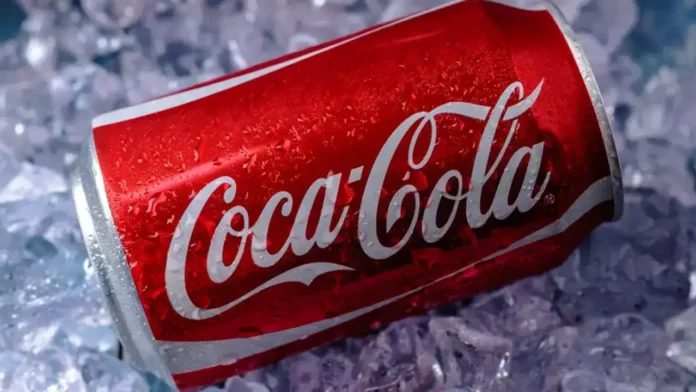
Turkish beverage giant CCI to acquire Coca-Cola Bangladesh Beverages for $130 Million

0
Coca-Cola
Coca-Cola

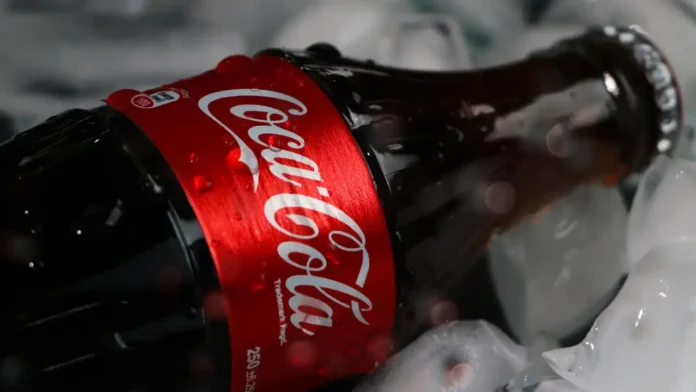
Coca-Cola Icecek (CCI), the Turkish beverage company, has inked an agreement to purchase Coca-Cola Bangladesh Beverages Ltd (CCBB) for a sum of $130 million.

CCBB stands as one of the two bottlers operating in Bangladesh, responsible for the manufacturing, marketing, and distribution of Coke brands within the nation.

According to a statement released on its website, CCI will purchase all of CCBB’s shares, totaling 100 percent ownership, at a net worth of $130 million, equivalent to over Tk 1,400 crore, after deducting CCBB’s estimated net financial debt as per the agreement.

“The equity value will be subject to a post-closing price adjustment mechanism following the completion of a closing audit to determine the exact net financial debt amount of CCBB as of the closing date,” it said.

Continue Exploring: Coca-Cola undertakes major refranchising move in India, shifting bottling operations to independent partners

CCI stated that the acquisition will likely be funded using existing cash reserves of CCI International Holland BV (CCIHBV) and will result in a minimal effect on CCI’s net leverage.

Officials from CCBB have verified the development, noting that the deal is anticipated to be finalized upon receiving regulatory approval in Dhaka.

In its statement, CCI, along with its wholly-owned subsidiary CCIHBV and a subsidiary of The Coca-Cola Company, announced the signing of the deal. CCIHBV will serve as the primary direct shareholder.

CCBB is going to be transferred to the Istanbul-based company seven years after International Beverages Private Ltd (IBPL), Bangladesh, a subsidiary of The Coca-Cola Company, established the plant in 2017 in Bhaluka of Mymensingh, with an investment of $74 million and developed other infrastructure.

Abdul Monem Ltd, a local firm, is another bottler of Coca-Cola beverages in Bangladesh, where the non-alcoholic ready-to-drink market saw a 10 percent compound annual growth rate in the three years leading up to 2022.

The soft drink market in Bangladesh, estimated to be between Tk 4,000 crore and Tk 6,000 crore, is served by two US-based soft drink giants, Coca-Cola and PepsiCo, as well as by several local beverage manufacturers like Pran, Akij, and Partex.

According to CCI, the non-alcoholic ready-to-drink market in Bangladesh is anticipated to achieve a 12 percent average annual growth rate over the decade leading up to 2032.

CCI produces, distributes, and markets various Coca-Cola brands and operates in 11 predominantly Muslim countries, namely Azerbaijan, Iraq, Jordan, Kazakhstan, Kyrgyzstan, Pakistan, Syria, Tajikistan, Turkey, Turkmenistan, and Uzbekistan.

In his comment, CCI Chief Executive Officer Karim Yahi said, “We are very pleased to sign the share purchase agreement to acquire CCBB, which we see as a great opportunity to enter a market with significant future potential, where growth and value can be generated by deploying CCI’s core capabilities.”

“This acquisition also creates a more diverse geographical footprint for CCI and solidifies its alignment with The Coca-Cola Company.”

Continue Exploring: Coca-Cola to debut exclusive flavor on TikTok, setting a new trend in beverage marketing

CCI, referencing forecasts from the International Monetary Fund, stated that Bangladesh’s economy experienced an average annual growth rate of 6.5 percent from 2012 to 2022 and is projected to grow at an average annual rate of 6.7 percent from 2023 to 2028.

CCBB caters to approximately 10 crore consumers across the Rangpur, Rajshahi, Mymensingh, and Dhaka regions.

With a workforce of over 300 employees, a single bottling plant, and three main warehouses, CCBB operates approximately 300,000 points of sale and collaborates with nearly 500 distributors.

Most of CCBB’s total sales come from soft drinks, with the remaining portion of its product portfolio comprising the water category.

Over the last five years, the company has consistently enhanced its competitive standing in Bangladesh, rising to become the market leader in the soft drinks category with a 45.3 percent share as of 2023, as reported by CCI.

Continue Exploring: Coca-Cola reports robust growth in India in 2023, plans increased investments for expansion

Advertisement

Wendy’s reports strong Q4 2023 with nearly 14% rise in net income, reaching $46.9 Million

0
Wendy's
(Representative Image)

Wendy’s has disclosed a notable 13.6% surge in net income during the fourth quarter (Q4) of 2023, soaring to $46.9 million compared to $41.3 million in the corresponding period of the prior year.

The company attributed the growth to a gain from the early extinguishment of debt and an increase in operating profit.

Wendy’s total revenues for the quarter ending December 31, 2023, stood at $540.7 million, marking a modest increase of 0.8% from $536.5 million in the corresponding period of the previous year.

The company recorded an operating profit of $86.6 million for the quarter, reflecting a 3.1% increase from $84 million in the fourth quarter of 2022.

The improvement primarily resulted from increased franchise royalty revenue, reduced investment in breakfast advertising, and a decrease in general and administrative expenses.

Wendy’s diluted earnings per share experienced a notable increase of 21.1% to $0.23 from $0.19 in the corresponding quarter of the previous year.

Continue Exploring: Wendy’s appoints former PepsiCo executive Kirk Tanner as new CEO

The company’s adjusted earnings before interest, taxes, depreciation, and amortization for the quarter rose by 2.5% to $126.6 million from $123.5 million in the fourth quarter of 2022.

The company witnessed a 3.2% growth in system-wide sales globally, with a 2.3% increase in the US and a notable 9.7% rise in international markets.

Global system-wide sales increased from $3.39 billion in Q4 2022 to $3.49 billion in Q4 2023.

Regarding same-restaurant sales, Wendy’s noted a 1.3% global growth, with the US experiencing a 0.9% increase and international markets seeing a 4.3% rise in the fourth quarter of 2023.

Wendy’s company president and CEO Kirk Tanner stated, “The Wendy’s system delivered strong sales, profit and cash flow growth in 2023, all supported by progress on our strategic growth pillars.

“2023 marked the brand’s 13th consecutive year of global same-restaurant sales growth, highlighting the system’s consistent execution and strong franchisee alignment as the team continued to grow the beloved Wendy’s brand.

“The team also significantly accelerated digital sales, opened nearly 250 new restaurants across the globe, and expanded US company-operated restaurant margin to pre-Covid levels despite extreme inflationary headwinds in recent years.”

Continue Exploring: Wendy’s unveils exciting ‘Flavour Fresh’ range for Indian palates

Advertisement

Pernod Ricard reports 4% sales growth in Indian market during first half of FY24

0
Pernod Ricard
Pernod Ricard (Representative Image)

Pernod Ricard, the renowned French spirits producer, has reported a 4% increase in sales within the Indian market for the first half of the ongoing fiscal year. The company, adhering to a fiscal year from July to June, notes a robust market appetite for spirits in India, as stated in its latest earnings report.

Moreover, a “strong growth” is expected in the second half (January to June 24) from India, which is the second largest market globally for Pernod Ricard after the US.

Its international brands Jameson, Absolut and The Glenlivet reported a “very strong growth” in the Indian market during the period, the company said.

Besides, its Indian whisky portfolio Seagram’s which includes IMFL (Indian-made foreign liquor) brands such as Blenders Pride, Imperial Blue and Royal Stag also reported over 4 per cent growth in sales, Pernod Ricard added.

Continue Exploring: Pernod Ricard anticipates a threefold increase in India sales, expects to topple US market

The company had an “acceleration in Q2 net sales against easing comparables”, according to the earnings statement.

Globally in the first half of FY24, Pernod Ricard’s sales at 6.59 billion euros declined 7 per cent. Its organic sales were down 3 per cent.

The India market contributed 11 per cent of the global net sales of Pernod Ricard in the first half of FY24, becoming the second largest contributor after the US which contributed 19 per cent.

Pernod Ricard’s premium portfolio was driving high-single-digit pricing in all regions, which was offset by lower volumes and an adverse market mix.

Pernod Ricard’s global portfolio comprises over 200 premium brands, including 100 Pipers, Chivas Regal, The Glenlivet, Absolut, Havana Club and Jacob’s Creek.

It also owns IMFL brands such as Blenders Pride, Imperial Blue and Royal Stag.

Pernod Ricard’s local unit in India has already crossed INR 25,000 crore sales mark

Pernod Ricard India posted a consolidated revenue of INR 25,039.47 crore from its operations in the financial year that ended on March 31, 2023.

Its India MD Jean Touboul in an interview last December said he expects India to become a leader in the next 10-15 years, replacing the US market as the domestic market is growing faster here than other markets.

The company expects the Indian market to triple its sales by next decade, led by macroeconomic tailwinds, extremely favourable demographic dividend and growing premiumisation in IMFL and imported brands here, Touboul had said.

Continue Exploring: Pernod Ricard unveils its first made-in-India single malt, Longitude77

Advertisement

Drone carrying frozen chicken crashes in Gurugram society, sparks investigation

0
Drone
(Representative Image)

A drone delivering frozen chicken crashed into a residential society in Gurugram on Thursday, according to police reports. They also mentioned that an FIR was registered against the company operating the drone for breaching CrPC Section 144, which was enforced in the city.

The drone was being operated by Skye Air when it crashed into G Block of South City 2 society in Gurugram’s Sector 50. According to police reports, Chief Minister Manohar Lal Khattar was visiting the city at the time, and there was an active order under Section 144 of the CrPC regarding unmanned aerial devices.

Drones are allowed to transport items weighing less than 5 kg, and the payload of this specific drone was within that limit. According to the complainant quoted by the Indian Express, the drone crashed into the building and descended.

The police have requested the necessary permissions and documents required for the operation of the drone during the implementation of the order. Currently, an investigation is in progress.

The drone was on its way to deliver food from Vipul Trade Centre to Fresco Apartments when it crashed just 50 meters away from its intended destination.

Continue Exploring: Delhi’s iconic restaurants engage in legal tussle over ‘Butter Chicken’ and ‘Dal Makhani’ origins

A representative from Skye Air stated that the company has obtained all requisite approvals and permissions for conducting drone operations along the designated route.

“As per our findings, we had to do an emergency landing due to a sudden object coming in the path. No loss of lives or any major damage has been reported. Skye Air has all the required permissions from local authorities too. The company has been testing this system with zero incidents and has completed thousands of flights. We ensure maximum safety with parachutes and ADSB on board,” a Skye Air official as quoted in several media reports.

This comes at a time when drone startups are thriving, following the Center’s relaxation of policies governing drone operations in India through the Drones Rules 2021.

A series of positive measures have been introduced for the sector. For instance, the Cabinet’s approval of a INR 120 crore PLI scheme, a ban on drone imports to promote domestic manufacturing, and the implementation of a drone certification scheme to uphold safety and quality requirements are among the notable steps taken.

Furthermore, the introduction of digital airspace mapping for drones, along with initiatives like Drone Shakti and Kisan drones, has been lauded as a positive step by experts.

As technology advances and regulations evolve, the future of drone delivery in India is becoming increasingly promising. With improved capabilities and a conducive regulatory framework, there is anticipation for a significant expansion of drone delivery services in the near future, reshaping logistics across the country.

Continue Exploring: Top 10 Places in Delhi to Try Chicken Tikka

Advertisement

Indian delights Achappam and Gulab Jamun named among top 50 doughnuts globally

0
Achappam and Gulab Jamun

When it comes to culinary indulgence, few things rival the sheer delight of sinking your teeth into a perfectly fried treat, especially in the realm of desserts. Recently, Taste Atlas, a globally recognized food rating platform, embarked on a quest to unearth the top 50 doughnuts from around the world, showcasing the diverse array of flavors and textures celebrated across cultures. Among these delectable discoveries were two beloved Indian delicacies, Gulab Jamun and Achappam, reaffirming the universal love for deep-fried delights in the sweetest way possible.

Continue Exploring: Indian cuisine ranked 11th best in the world by TasteAtlas

The top 5 spots on the list are occupied by Bombolini, Bola De Berlim, Giraffe Napoletane, Kkwabeaegi, and Krapfen, forming a truly international selection of deep-fried delights. Among Indian entries, Achappam claimed the 39th spot, while Gulab Jaman secured 44th place. Meanwhile, in a separate ranking by Taste Atlas focusing on the Top Deep-Fried Desserts, Gulab Jamun ranked 8th and Achappam followed at 92nd.

Gulab jamun, a delightful sweet, originates from the Persian terms ‘gol’ and ‘ab,’ translating to flower and water, with rose water being the essence used in this confection. Dough balls are fried until golden brown, then immersed in sugar syrup, making it a beloved mithai across India, Pakistan, Nepal, the Maldives (known as gulab ki janu), Bangladesh, and even Myanmar.

On the flip side, Achappam resembles more of a cookie than a traditional doughnut, yet as a deep-fried dessert, it’s a highly coveted treat for many. Commonly referred to as rose cookies, they originate from Kerala and are believed to have been introduced to India by the Dutch. Variations of the rose cookie can be discovered throughout India and beyond, with Andhra Pradesh offering its own eggless version known as Gulabi Puvvulu or the Persian ‘Nan Panjereh’.

Doughnuts and various other deep-fried desserts hold a unique significance across many culinary traditions. This collective exploration of the worldwide array of doughnuts and their diverse interpretations provides valuable insights into the indispensable role these sugary delights play in the gastronomy of each nation.

Continue Exploring: Indian classic ‘Rajma Chawal’ earns global acclaim, ranks high on Taste Atlas’ Finest Bean Dishes List

Advertisement

Tamil Nadu bans cotton candy sales after cancer-causing element detected by food lab

0
Cotton candy
Cotton candy

Tamil Nadu has prohibited the sale of cotton candy due to the alarming presence of a cancer-causing substance. State Health Minister Ma Subramanian announced the ban on Saturday following a food lab analysis.

The Food Analysis Laboratory had found Rhodamine-B in cotton candy and various other coloured sweets, terming them unsafe and substandard for consumption.

Describing it as a punishable offense, Mr. Subramanian announced that any participation in the production, sale, distribution, or packaging of products containing Rhodamine B would lead to strict repercussions.

Continue Exploring: India’s confectionery market sweetens up as dark chocolate takes the lead in rapid growth

Directives have also been issued to food safety authorities to carry out comprehensive inspections and impose strict measures against those who violate the regulations.

The neighbouring Union territory of Puducherry has already enforced a prohibition on cotton candy.

The ban is bound to affect the livelihood of hundreds of cotton candy vendors and manufacturers across the state.

Continue Exploring: Confectionery market witnesses resilient growth: Candies, toffees and chewing gum bars defy stagnant trends

Advertisement

E-commerce firms boost efforts for gender diversity in supply chain roles

0
e-commerce
E-commerce

E-commerce firms are actively working to address the gender imbalance in supply chain roles, which have historically been dominated by men.

In a bid to overcome the challenges in hiring women for supply chain roles, companies like Flipkart, Amazon, Meesho, and Jumbotail are implementing various initiatives. These include providing creche facilities, offering period leave, sourcing with gender balance in mind, establishing women-only delivery and customer service stations, and forming partnerships with women’s campuses to attract female talent.

In the past two years, Flipkart has boosted female representation in its supply chain by 64%, while Meesho aims to elevate it to 33% by March next year, up from the current 21%.

“At Flipkart, we believe in the power of diversity as a catalyst for success,” said Prajakta Kanaglekar, vice-president of supply chain and customer experience teams.

In addition to extensive hiring efforts and women-led hubs, Flipkart has embraced localized hiring tactics, transportation provisions, and the establishment of creche facilities at approximately 28 sites. These measures aim to tackle the obstacles associated with recruiting female employees in remote regions.

Its training programs, such as Vidhyarthini (focused on raising awareness about supply chain roles for female B-School students), Disha (a train-and-hire model for MBA students), Neev (a train-and-hire model for engineering students), and the Supply Chain Certification Programme (SCCP), are tailored to equip female candidates with the necessary skills for a range of positions, spanning from internships to management trainees and roles within supply chain management.

Continue Exploring: Amazon retains top spot as MSMEs’ preferred platform, reveals ISF Report

Within the B2B food and grocery sector, Jumbotail is leveraging its formal program, Project Shakti, to increase female representation in supply chain operations. The goal is to achieve a 50% female presence in operational roles at supply chain fulfillment centers within the next 12-18 months.

Project Shakti aims to recruit, train, and promote women to key positions in order processing and inventory management, specifically focusing on grocery, staples, and FMCG products.

“Our strategy was developed from the insight that women’s natural qualities of discipline, diligence and intuition, critical for enhancing operational efficiency and innovation in the supply chain, when combined with their innate understanding of grocery products, can result in substantial benefits to customers while making a meaningful impact in the women workforce,” said Kamlesh Kumar, vice-president, supply chain, Jumbotail.

Meesho’s strategy includes gender-focused sourcing, collaborations with women’s campuses and educational institutions, along with internship opportunities for individuals seeking practical experience in the field.

“Despite progress, we acknowledge the unique challenges faced by women in such industries, including a lack of mentorship,” said Ashish Kumar Singh, Meesho’s chief HR officer. To address these, the company has initiatives to support the professional growth of its female employees.

Liju Thomas, Director of HR for Amazon India’s operations, stated that the company has introduced several initiatives to enhance opportunities for women in the logistics sector, while reinforcing its commitment to diversity, equity, and inclusion (DEI).

Recruitment agencies report a significant increase in such directives.

According to Aditya Narayan Mishra, the Chief Executive of CIEL HR, there has been a 40% increase in demand for female talent. This surge is driven by a growing emphasis on gender diversity and inclusivity within India’s e-commerce sector.

“Ecommerce players like BigBasket, Flipkart, Amazon and Ecom Express are actively looking to hire women. Most ecommerce companies are hiring for roles such as pickers/packers, scanning executives, supervisors, analysts, last-mile delivery personnel, mid-mile delivery personnel, riders and customer service executives within the supply chain,” he added.

According to Senior Director Alok Kumar, Manpower has experienced at least a twofold increase in demand for diversity hiring compared to the previous quarter. He attributes this rise to lower attrition rates and higher productivity among women in comparison to their male counterparts.

Continue Exploring: Ecommerce to be the driving force for Indian MSMEs, says ministry of MSME

Advertisement

India’s fresh fruit exports surge by 29%, market presence expands to 111 countries

0
fruits
Fruits

Fresh fruits have emerged as a standout performer in India’s agri export basket, with a robust growth of 29 percent in the nine-month period from April to December 2023, according to the latest data compiled by the Agricultural and Processed Food Products Export Development Authority (APEDA).

During this period, the market reach of India’s fresh fruits has expanded to 111 countries, compared to 102 destinations in the previous year, as the commodity takes the lead in the category of exports valued at over $100 million.

From April to November 2023, several key commodities experienced significant growth compared to the previous year. For instance, bananas surged by 63 percent, while kesar and dasheri mango saw impressive increases of 120 percent and 140 percent, respectively. Lentils (dried and shelled) soared by 110 percent, and fresh eggs witnessed a remarkable growth of 160 percent.

Continue Exploring: Indian coffee exports set to soar by 10% in 2024, fueled by global price rally and European demand

During the period from April to December 2023, the export value of Basmati rice surged by 19 percent, reaching USD 3.97 billion, compared to USD 3.33 billion in the previous year.

At the same time, there was a notable 11 percent increase in the quantity of exports, rising from 31.98 lakh metric tons to 35.43 lakh metric tons within the same timeframe.

Basmati rice made its mark in the top markets, with Iran, Iraq, Saudi Arabia, the US, and the UAE emerging as the leading destinations for these exports. This strong performance highlights the enduring popularity and global demand for Basmati rice, reaffirming its position as a significant agricultural product in India’s export portfolio.

Continue Exploring: From basmati to chicken: Indian products in high demand as the UAE seeks to expand imports

The export of processed vegetables surged by 24 percent during this period, followed by miscellaneous processed items. Additionally, fresh vegetables also saw substantial growth compared to the corresponding period last year.

In the period from April to December 2023, among the 23 Principal Commodities (PCs) in APEDA’s export basket, 18 exhibited positive growth. Notably, 13 out of the 15 large PCs, with exports exceeding USD 100 million in the previous year, experienced positive growth, with an average growth rate of 12 percent, as indicated by the figures.

During the fiscal year 2022-23, India’s agricultural exports reached USD 53.1 billion, with APEDA’s commodity basket contributing a significant 51 per cent to India’s agricultural exports.

Continue Exploring: Indigenous spirits shine: India’s liquor exports soar, set to break $1 Billion barrier

Advertisement

MEWA 2024 kicks off with Hon’ble Lok Sabha speaker’s inauguration, showcasing India’s potential in nut & dry fruits market

0
MEWA 2024
MEWA 2024

MEWA 2024, India’s first-of-its-kind two-day exposition, kicks off today with the inauguration of the trade show by Shri. Om Birla, Hon’ble Lok Sabha speaker. The inaugural day unfolds an array of vibrant showcases, spotlighting the richness and potential of India’s burgeoning nut & dry fruits market. The event commenced with a captivating Panel Discussion and Culinary Show, offering a tantalizing glimpse into the diverse flavors of India’s nut and dry fruit offerings.

During the opening of the trade show MEWA 2024, the esteemed Lok Sabha Speaker, Shri. Om Birla, addressed the exhibitors, praising the efforts of NDFCI and highlighting the significant role platforms like MEWA 2024 play in advancing the growth and stability of the sector. He stressed the critical importance of boosting nut and dry fruit production in India, given its role in providing employment to over 10 lakh individuals.

Continue Exploring: Dry fruit consumption in India soars by 25% in 2023, fueled by health-conscious trend post-pandemic

Sri Om Birla visiting the trade show

Recognizing the potential for export expansion, the Indian government is actively pursuing technological solutions in agriculture to enhance farmers’ productivity. The Speaker urged associations like NDFCI to engage more with farmer groups to explore cultivating nuts and dry fruits tailored to the diverse climatic conditions of various Indian states.

Addressing exhibitors at the inauguration of the trade show, Shri. Om Birla, Hon’ble Lok Sabha Speaker, praised the efforts of NDFCI and highlighted the significant role platforms like MEWA 2024 play in advancing the growth and development of the sector. He stressed the pressing need to boost nut and dry fruit production in India, citing the employment opportunities it offers to over 10 lakh individuals. Acknowledging the potential for export expansion, the Indian government is actively pursuing technology-driven agritech solutions to enhance farmers’ productivity. He urged associations like NDFCI to increase engagement with farmer groups to explore the cultivation of nuts and dry fruits tailored to the diverse climate conditions of various Indian states.

MEWA 2024

Exploring the core of industry knowledge, MEWA 2024 hosted power-packed knowledge sessions focusing on the key players in the market, including Pistachios, Almonds, Dates, Raisins, and Walnuts. Esteemed panels engaged in dynamic discussions, unraveling global market dynamics, consumer trends, and sustainable practices shaping the industry’s landscape.

Led by NDFCI, MEWA 2024 serves as a symbol of unity, striving to unite India’s fragmented Nut & Dry Fruit Trade under a unified voice. Boasting over 200 exhibitors, the trade show acted as a hub for industry stakeholders to join forces and seize upon India’s growing market prospects.

Continue Exploring: NDFCI unveils MEWA India 2024: India’s first B2B exhibition for nuts and dry fruits industry

Addressing the audience at the event, Mr. Gunjan Jain, President of NDFCI, emphasized the shifting consumer preferences and the increasing demand for exotic dry fruits among health-conscious Indians. MEWA 2024 offers a vital platform for industry stakeholders to capitalize on this burgeoning market segment.

The trade show’s inaugural day ended on a positive note, highlighted by a Gala Dinner that provided attendees with an ideal setting for networking and forming valuable connections. The evening was enhanced by an electrifying performance by the acclaimed artist Shalmali Kholgade.

As MEWA 2024 unfolds, it paves the way for two days filled with immersive experiences, collaborative knowledge sharing, and fostering industry camaraderie. It holds the promise of setting new benchmarks in India’s nut & dry fruits sector.

Advertisement

Hard Rock Cafe teams up with Lionel Messi to unveil exclusive Messi Kids Menu

0
Hard Rock Cafe
Messi Kids Menu

Situated on the iconic Park Street, Hard Rock Cafe in Kolkata is thrilled to unveil the Messi Kids Menu, an extraordinary dining experience tailored for children aged 12 and below. Created in partnership with the esteemed soccer icon Lionel Messi, this special menu brings an enchanting flair to the dining journey for the budding rockstars in the vibrant City of Joy.

The Messi Kids Menu presents a delightful array of dishes, ranging from the Messi X Cheeseburger and Messi’s Golden Chicken Sandwich to beloved classics like the Bacon Cheeseburger and Hot Dog. Health-conscious alternatives such as Grilled Chicken Breast and Twisted ‘N Tasty Cavatappi Pasta are also on offer, accompanied by sides such as Fresh Fruit, Seasoned Fries, and decadent Milkshakes available in chocolate and vanilla flavors, served in charming mini glasses.

For those preferring a veggie-centric option, the Grilled Chicken House Salad combines fresh greens with diced chicken, Monterey Jack, and cheddar. The meal concludes on a sweet note with the irresistible Hot Fudge Sundae.

The menu itself undergoes a delightful transformation into an interactive activity sheet, also serving as a poster to take home. Children can enhance their experience by personalizing it with stickers, and for the inaugural occasion, a special Golden soccer ball is included with each meal, bringing a dash of enchantment to every dining moment.

The Messi Kids Menu, personally curated by global soccer icon Lionel Messi, embodies his dedication to crafting a vibrant and nutritious dining experience for children. Teaming up with Hard Rock Cafe, Messi not only contributes his culinary prowess but also infuses a playful essence, showcased through the addition of activity sheets, stickers, and the sought-after Golden Ball.

Advertisement