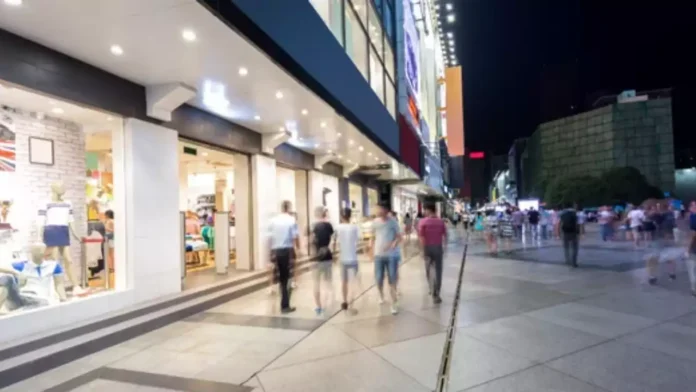
According to a report released on Wednesday by CBRE South Asia, high streets emerged as the preferred location for luxury brands in India’s leading eight cities in 2023.
The eight cities tracked for leasing include Delhi-NCR, Mumbai, Bangalore, Kolkata, Pune, Ahmedabad, Chennai, and Hyderabad.
In 2023, High Streets accounted for approximately 45 percent of the total luxury retail leasing, while luxury brand stores in malls comprised 40 percent, with standalone stores making up the remaining 15 percent.
“The luxury sector, which saw a significant increase in leasing in 2023, shows a promising trend with the entry and expansion of international brands,” said Anshuman Magazine, chairman and CEO, India, Southeast Asia, Middle East & Africa, CBRE.
In 2023, luxury brands collectively leased 0.6 million square feet of space. This comprised 0.24 million square feet in malls, 0.3 million square feet across high streets, and 0.1 million square feet in standalone stores.
The report attributed the surge in luxury retail to several factors, including rising demand for premium and luxury goods, heightened exposure to luxury brands via social media, and the expansion strategies of luxury brands in metropolitan areas.
India’s vegetable oils import fell 13 per cent year-on-year in February to nearly 9.75 lakh tonne, according to industry data. In a statement on Wednesday, Solvent Extractors’ Association of India (SEA) said the import of vegetable oils (comprising edible oils and non-edible oils) during February stood at 9,74,85 tonne as compared to 11,14,481 tonne in the year-ago period.
Out of the total imports, the edible oil shipments fell to 9,67,852 tonne last month from 10,98,475 tonne in February 2023.
Non-edible oils imports too fell to 7,000 tonne from 16,006 tonne in the year-ago period.
During November 2023-February 2024 period, the overall import of vegetable oils declined 21 per cent to 46,47,963 tonne from 58,87,900 tonne in the corresponding period of the previous oil year.
Edible oils import fell to 46,15,551 tonne during the first four months of 2023-24 oil year from 58,44,765 tonne in the year-ago period.
Non-edible oils import dropped to 32,412 tonne during November-February period of 2023-24 oil year from 43,135 tonne in the corresponding period of the previous year.
India meets more than 50 per cent of its domestic requirements of edible oils through imports.
The country imports palm oil from Indonesia and Malaysia. It imports soyabean oil from Argentina and Brazil.
“The decline of vegetable oil imports continued in February 2024. The availability of palm oil for edible oil requirements has come down as the main two producers Malaysia and Indonesia are diverting it for the production of biodiesel,” SEA said.
This might result in an increase in prices this year, it added.
“Palm oil output in Indonesia and Malaysia, which account for a bulk of global production is likely to either rise marginally in 2024 or decline from last year’s level, as ageing plantations and lack of expansion cap output,” SEA said.
Import of soyabean oil from Argentina increased sharply in February 2024, while import from Brazil declined due to growing requirements of the domestic biofuel industry.
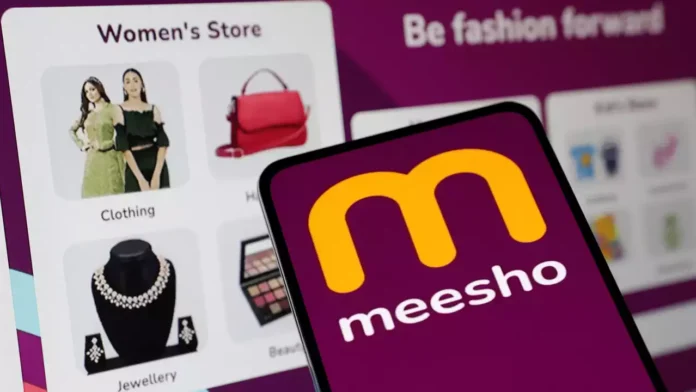
Meesho has announced an Employee Stock Ownership Plan (ESOP) buyback program of INR 200 crore (approximately $25 million), marking it as the company’s largest ESOP buyback pool to date.
This signifies the fourth buyback event at the horizontal e-commerce unicorn. In February 2020, the company repurchased shares valued at $1 million, followed by $5 million in November 2020, and $5.5 million in October 2021.
The fresh buyback program will extend benefits to approximately 1,700 current and former employees spanning from junior-level executives to senior leadership positions.
Meesho offers small businesses, including SMBs, MSMEs, and individual entrepreneurs, access to millions of customers, a diverse selection from over 30 categories, nationwide logistics, payment services, and customer support capabilities.
The Vidit Aatrey-led company recently announced the launch of Valmo, a full fledged logistics marketplace that allows the network of micro-entrepreneurs to become Meesho logistics partners.
In July 2023, Meesho claimed to be the first horizontal Indian e-commerce company to turn profitable. Since announcing profitability in July 2023, the company continues to remain profitable and cash flow positive. The company also reduced its losses in FY23 by 48%, but its revenue spiked 77% year-on-year to INR 5,735 crore in the last fiscal year.
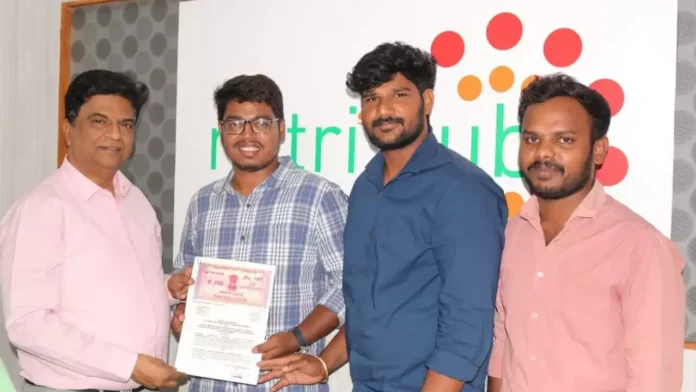
Manga Srinivas Foods has partnered with Nutrihub, the Indian Institute of Millets Research (IIMR), and signed an MoU, marking a pivotal moment for innovation in millet-based products. This collaboration promises a fresh wave underscoring the commitment to advancing millet-based cuisines in the coming year. The signing ceremony took place at Nutrihub, IIMR in Hyderabad.
Dr. B. Dayakar Rao, the CEO and principal scientist at Nutrihub, ICAR- Indian Institute of Millets Research (IIMR), and Manideep Kavali, CEO and managing director of Manga Srinivas Foods, signed the MoU officially, with the aim of advancing product development in the realm of millet-based offerings. The event also saw the presence of Telugu Mallesh, director of Manga Srinivas Foods International, showcasing the company’s dedication to culinary innovation from its Hyderabad headquarters.
On this partnership, Manideep Kavali said, “This partnership paves the way for unprecedented advancements in millet-based cuisine, leveraging cutting-edge technology to elevate product quality and nutritional value. With the imminent launch of Millet Factory outlets, we are excited to bring the goodness of millets to consumers across the nation.”
Manga Srinivas Foods, renowned for its dedication to millet-based cuisine, is unveiling an innovative dining venture called “Millet Factory.” This Quick Service Restaurant (QSR) offers a diverse range of millet-packaged foods, including Millet Cookies, Millet Muffins, Nutribars, and various Millet Noodles options, both ready-to-eat and ready-to-cook. In addition to physical locations, the company is expanding its digital presence, making its products available for purchase on mangasrinivas.com and Milletfactory.in. With a steadfast dedication to promoting healthier eating habits, Manga Srinivas Foods continues to lead the way in innovating millet-based offerings.
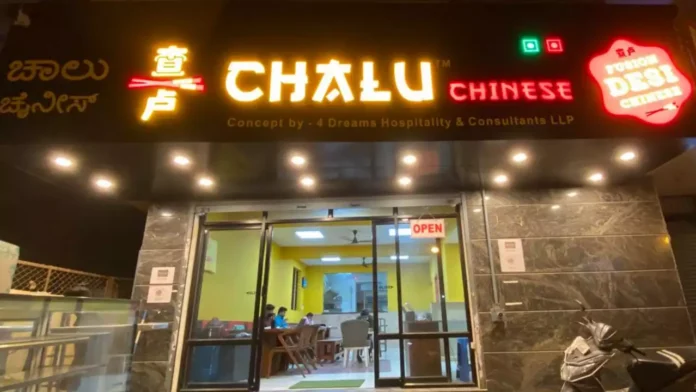
Bhopal-based restaurant chain Chalu Aapna Desi Chinese plans to enter Punjab with the launch of three new outlets on March 15, as stated by its CEO and founder Vibhanshu Mishra.
The brand, which boasts more than 158 outlets across various formats like Chalu Chinese, The Indian Momo Co., and Wh-eat Burger, is set to open stores at Celebration Mall on the Ambala-Chandigarh highway, Mohali Walk (Shopping Mall) in Mohali, and Urban Hatt, a food street located in Amritsar.
“We are planning to open 15 outlets in Punjab and over 25 in North by the end of 2024 including all 3 brands,” said Mishra.
The planned expansion in Punjab will encompass cities such as Ludhiana, Gurdaspur, Mohali, Bathinda, Jalandhar, Pathankot, and Barnala.
Mishra shared that with each store requiring approximately INR 25 lakh for setup, the brand has allocated INR 10 crore for expanding in Punjab and INR 50 crore for broader expansion in the North region.
Reports indicate that the brand is planning a global expansion, aiming to inaugurate more than 25 outlets in Canada. The initial launch is scheduled for June at Trafalgar Crossing, 2481 Taunton Road, Oakville, Ontario, followed by an additional 24 outlets by the end of 2025.
Following its global expansion spree, the chain also plans to expand to Arizona, US, with an additional 10 outlets.
Last year, the company clocked a revenue of INR 29 crore with plans to wrap up 2024 with over INR 50 crore, an increase of over 70%. It now plans to open and reach 250 outlets, a 58% increase by the financial year (FY) 2024-25, as stated by Mishra in an earlier interview.
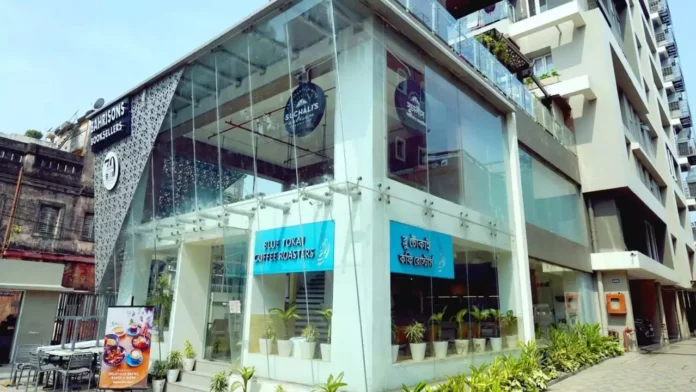
After leading the entire nation on an exceptional coffee odyssey and elevating Indian specialty coffee to global recognition, Blue Tokai Coffee Roasters, the largest specialty coffee brand in India, has inaugurated its 100th café in the country.
With the opening of its newest café in Kolkata, the company has successfully reached its milestone ahead of schedule, aiming to create a nationwide coffee experience that fosters community and shared interests.
“With the increasing affinity for high-quality coffee, consumers are now actively seeking out-of-home coffee experiences that extend beyond just transactions and focus on the need for inclusive, safe spaces. Such experiences, when paired with a thoughtfully curated food menu and experiential offerings like workshops, have transformed the way people see coffee shops. Our growth in the last 12 months reflects the impending demand for go-to coffee spots and increasing brand loyalty. Our aim is to take this count closer to 200 by the end of the coming fiscal year,” shared Shivam Shahi, Co-Founder and COO, Blue Tokai Coffee Roasters.
For Blue Tokai, what began as a modest roastery experience center in the lesser-known neighborhood of Said-ul-ajaib in Delhi has evolved into instrumental channels shaping India’s coffee preferences across all demographics. The brand has experienced a twofold increase in its café presence since FY23, reflecting the escalating demand for specialty coffee, a segment pioneered by Blue Tokai since its inception in 2013.
Blue Tokai’s cafés are strategically positioned in convenient locations such as premium markets, corporate parks, malls, and residential neighborhoods, seamlessly integrating into consumers’ daily routines. In line with the goal of making exquisite Indian coffee readily available nationwide, Blue Tokai’s 100th café is strategically situated in the vibrant Ballygunge neighborhood. It offers the enchanting scent of freshly brewed coffee, a diverse selection of artisanal bakes, delightful culinary choices, and an inviting space for readers, complemented by a bookstore hosted by Bahrisons Booksellers on the first floor.
The Ballygunge outlet will offer an array of both hot and cold brews, including Espresso, Pourover, Americano, Cappuccino, Flat White, Trioccino, and Vietnamese-style iced coffee, among others, all crafted using Blue Tokai’s premium roasted beans. Patrons can indulge in a diverse range of food options, spanning from wholesome to decadent, featuring a wide assortment of sweet and savory delights meticulously baked by Suchali’s Artisan Bakehouse. Additionally, this café will showcase a captivating selection of roasted coffee beans, freshly baked breads, and an array of other coffee and bakery retail offerings.
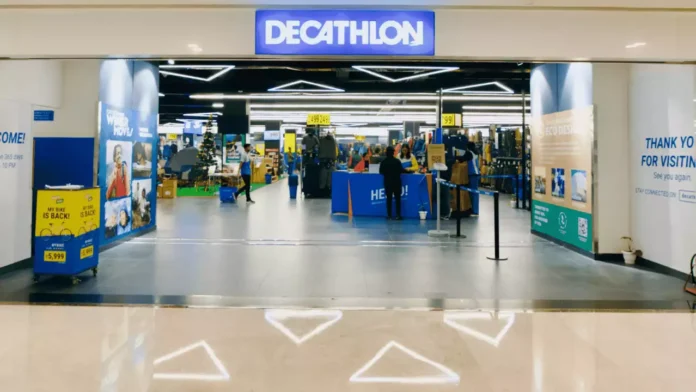
Decathlon, the French sports retailer, views India as a “top priority” market. According to a top company official, they expect the country to be among its top five global markets within the next five years, aided by the expansion of the store network and increased local sourcing efforts.
Steve Dykes, Chief Retail & Countries Officer at Decathlon, revealed that as part of its growth strategy, the company aims to incorporate 10 new stores annually in India. Additionally, Decathlon intends to expedite online sales and elevate local sourcing to over 90 percent within the next five years, a significant surge from the current average of 60 percent.
According to him, this initiative will enhance Decathlon’s competitiveness within the rapidly expanding Indian sports and athleisure sector. Furthermore, it will facilitate increased exports to global markets from its manufacturing facility in India.
India “is a top priority for us. We have five countries, which we call as leapfrog jump countries and one of them is India,” Dykes said, while speaking at a Decathlon global event here.
For Decathlon, India is already among the top ten (markets globally in revenue terms). “We wanted to get it into the top five,” Dykes said, adding that this would happen within the next five years.
For the financial year ended March 31, 2023, Decathlon India’s sales were at INR 3,995 crore, registering a 37 per cent growth.
“We want a good rhythm of (opening) 10 stores per year. We are really accelerating online at the moment and positioning ourselves digitally because of the convenience element,” he said, adding besides large format stores, Decathlon is also working on small stores in big cities.
These new stores could be smaller stores between 1,000 to 2,000 square meters or could also be large experience stores spread across 4,000 square meters, with a bigger play area and other amenities.
“We have two in Bengaluru at the moment but we feel that in cities like Mumbai and Delhi, we should follow that kind of concept,” he added.
The leading sports retailer also believes it has a role to play by encouraging more people towards sports and creating a market in India.
Decathlon, which competes with leading athleisure brands such as Nike, Adidas, Reebok, Puma and Asics in the Indian market, is currently operating around 100 stores across formats.
Regarding the potential of the Indian market, Dykes said India has a high number of young people in its demography, who are looking at sports as a career option.
Moreover, there are some big Indian cities such as Mumbai, whose GDP is expected to be broadly equal to countries like Romania. “We would like to treat these cities like a country,” he said.
Moreover, cities like Bengaluru, Delhi, Hyderabad, Kolkata etc follow different kinds of sports passions. For example, in cities like Hyderabad Badminton is popular, while running is picking up in Delhi. Similarly, Mumbai and Kolkata have different sports passions.
Over domestic sourcing, Dykes said Decathlon plans to increase it to 90 to 95 per cent.
“We put a vision to get there in about five years by 2028,” said Dykes, who earlier led the India business of Decathlon as its CEO there.
The company is increasing its accessibility and working on the value chain with more “sustainable components” for the Indian market, which is price-sensitive.
On Tuesday, Decathlon launched a brand new identity and said it is deploying a new strategy steeped in its new purpose, “Move People Through the Wonders of Sport”.
Speaking at the press meet, Barbara Martin Coppola, Global CEO, Decathlon said, “Anchored to this new purpose, we have created a new strategy to concretely evolve many aspects of our business. This includes recreating our customer experience, accelerating the movement towards sustainability, and modernising our company end-to-end.”
She added that the brand structure is also evolving to reflect its new identity as a global, multi-specialist sports brand.
Winston India, the innovative lifestyle brand, has achieved an impressive fivefold increase in revenue, profit, and sales following its feature on Shark Tank. This remarkable growth underscores the brand’s dedication to excellence, strategic foresight, and invaluable mentorship from industry experts.
Following its debut on Shark Tank, Winston India has notably broadened its retail footprint across multiple platforms such as Vanity Wagon, Tata 1Mg, Jio Mart, Tira Beauty, Net Mets, Ajio, BlinkIt, and Cred. This expansion correlates with a significant increase in the customer base, surging from 15,000-20,000 customers to an impressive 100,000. Notably, the trimmers and skincare category have emerged as the flagship segment, leading the pack as the best-selling products within the Winston India portfolio.
Himanshu Adhlaka, Co-Founder of Winston India said, “The experience on Shark Tank and the subsequent growth have been nothing short of phenomenal. We are immensely grateful for the mentorship provided by Vineeta and Anupam, their guidance helped us strategise, plan, and network. They not only helped us with better industry insights but also suggested where we should invest, and where we should not. This has been instrumental in guiding us on the right path.”
Vineeta Singh, Co-Founder and CEO of Sugar Cosmetics and Investing Shark in Winston India further congratulates the team said, “Congratulations team Winston on 1 year since Shark Tank. It was amazing to collaborate with Winston India and bring the brand from 5 crore to 15 crore, and I am sure 100 crore is not far away. Good Luck!”
Anupam Mittal, Founder of Shaadi.com and Investing Shark, Winston India congratulates the team said, “Congratulations Winston India on this epic journey from Shark Tank and beyond. We are very proud to see how much your brand has grown and can’t wait to see it dominate the personal care market in the country.”
In celebration of this noteworthy achievement and to express gratitude to its dedicated customer base, Winston India is presently hosting the Winston Shark Tank Sale on its website. The sale features discounts of up to 70 percent off on Singles, up to INR 4000 off on combos, and the revelation of unlimited hidden freebies.
Moving forward, Winston India remains committed to elevating customer satisfaction, fostering ongoing product innovation, and amplifying its footprint within the ever-evolving e-commerce realm. Additionally, the brand foresees exclusive launches with prominent e-commerce platforms, marking the onset of the next chapter in Winston India’s journey toward success.
Established in 2022 by Sudhakar Adapa and Anudeep Chappa, BIA operates as a ‘house of brands’, focusing on developing and expanding various brands. The platform is dedicated to nurturing Indian-origin brands into global entities.
Meanwhile, Asa Beauty, founded in 2020 by Asha Jindal Khaitan and Sukriti Khaitan, offers clean, natural, vegan, and cruelty-free makeup, catering to a selective global clientele that values ethical practices and environmental responsibility.
Adapa, said, “Asa Beauty represents exactly what we aspire to bring under the BIA Brands umbrella – excellence, innovation, and sustainability.”
“With BIA Brands’ strong market presence and innovative approach, we are confident that the brand is in capable hands. We believe wholeheartedly that BIA Brands will elevate Asa Beauty to the heights it truly deserves,” said Asha Jindal Khaitan.
This acquisition comes three months after BIA Brands acquired Mumbai-based TrueKind, marking its initial venture into the skincare sector.
It’s worth noting that BIA also completed three acquisitions within the food and beverage (F&B) sector. These include Brew & Bliss, a specialty coffee brand, Nut-O-Licious, a flavored nuts startup, and La Kah Fay, a blends company.
Last year, the company appointed Karen Wilson Kumar, a former manager at Louis Vuitton and Ferragamo, as its BPC segment’s Chief Executive Officer.
In recent years, investors have been increasingly drawn to Indian startups focusing on FMCG.
Recently, D2C beauty and personal care (BPC) brand Foxtale secured INR 119 Cr (approximately $14.4 Mn) in a funding round led by Singapore-based Panthera Growth Partners.
Data indicates that the beauty and personal care market reached $4 Bn in 2022 and is projected to achieve a value of $28 Bn by 2030, with a Compound Annual Growth Rate (CAGR) of 27%.
The newly acquired funds will be used to focus on tech development, expanding into new geographies, and building a strong team.
Established in 2019 by Niharika Jalan & Kartik Jalan, Indicold is dedicated to constructing a sustainable cold supply chain network tailored for the future. As a comprehensive B2B solution provider in environment-controlled logistics, it ensures swift turnaround times, optimal asset utilization, and decreased operational expenses. Indicold operates through three core verticals: Store, Move, and Prepare, covering essential aspects of the cold supply chain. Leveraging extensive knowledge and experience within India’s cold chain industry, the company has curated a prestigious clientele that includes industry giants such as Amul, Unilever, Britannia, Zomato, Jubilant Foodworks, Theobroma, Baskin Robbins, and more
Niharika Jalan, Co-founder CGO, Indicold, says, “We are excited to partner with Fundalogical Ventures in our journey going forward. The ethos of both Indicold and Fundalogical are growth, innovation and sustainability.
Kartik Jalan, Co-founder CEO, Indicold, adds, “Indicold is implementing state of the art automation in cold chain leveraging Deep Tech, AI, and ML with emphasis on sustainability. Our partnership with Fundalogical will accelerate our efforts in this direction.”
Commenting on the investment, Tushar Jani, Sponsor, Fundalogical Ventures, “With the country’s rapidly expanding demand for efficient cold logistics solutions, we see immense potential for growth in this sector. With huge losses in storage and transportation of temperature-controlled food supply chains, Indicold’s visionary founders and innovative operations will bring value-added propositions to their customers.”
Ratna Mehta, CEO & Managing Partner, Fundalogical Ventures says, “We believe that the next decade is going to see a lot of innovation in the supply chain space to support the consumption and manufacturing growth in India. We are excited to partner with Indicold which is building a disruptive platform for cold supply chain solutions.”
Indicold is setting up India’s first frozen Automatic Storage and Retrieval System – a High Bay Warehouse with over 7,000 pallets in Gujarat. This initiative aims to establish new benchmarks in automation and supply chain solutions within India. Additionally, the company has ambitious plans to extend its presence across multiple states, catering to clients spanning diverse industries by offering comprehensive cold chain solutions. Notably, over the past 12 months, the company has witnessed a remarkable threefold year-on-year growth.
We use cookies to ensure that we give you the best experience on our website. If you continue to use this site we will assume that you are happy with it.