Sunday, February 1, 2026
Home Blog Page 608

Kellogg’s CEO faces backlash after suggesting Americans eat cereal for dinner amid soaring food prices

0
Kellogg's
Kellogg's CEO Gary Pilnick

At a time when Americans are facing the highest food spending in three decades, Kellogg’s CEO Gary Pilnick‘s suggestion to eat cereal for dinner has sparked a firestorm of criticism.

During an interview with CNBC, Pilnick proposed turning to cereal as an affordable meal option, citing that “the price of a bowl of cereal with milk and with fruit is less than a dollar.”

Pilnick’s remarks come at a time when US consumers are spending over 11 per cent of their disposable income on food, a significant increase fueled by escalating grocery prices.

He claimed that the consumption of cereal is increasing for meals other than breakfast, with 25 percent now being eaten outside the typical morning timeframe.

Continue Exploring: Kellogg’s spices up snack aisles with new ‘Pringles Hot’ lineup, featuring fiery flavors!

“Cereal for dinner is something that is probably more on trend now, and we would expect to continue as that consumer is under pressure,” he said.

Critics on social media platforms have drawn parallels between Pilnick’s remarks and the infamous “let them eat cake” phrase, mistakenly attributed to Queen Marie Antoinette during the French Revolution.

The suggestion that economically strained families resort to cereal for dinner has been met with skepticism and outrage, with many pointing out the irony of such advice coming from a CEO whose annual compensation exceeds $1 million, not including bonuses.

The backlash has been amplified by worries about the nutritional content of cereal, which often contains high levels of sugar, and by the observation that cereal prices have surged markedly in recent years.

Continue Exploring: Kellanova successfully splits cereal business, paves the way for a new snacks-led era

As per data from the US Bureau of Labor Statistics, although the cost of cereals experienced a slight decrease of 0.3 percent in 2023, it had previously spiked by 6 percent in 2021 and 13 percent in 2022.

Social media users have also criticised Pilnick’s pitch as out of touch. Comments on platforms like X reflected a growing frustration with corporate profits amidst rising living costs, with one critic denouncing the suggestion as “exploiting the hungry for financial gain.”

Recent data from the FDA reveals that US consumers are allocating a larger portion of their budget to food purchases than they have in the past three decades. By the close of 2023, the expense of groceries had surged by nearly 20 percent compared to 2021.

Advertisement

Convergent Finance LLP and Samara Capital to acquire 51.8% stake in Agro Tech Foods for $78 Million

0
Agro Tech Foods
Agro Tech Foods

Convergent Finance LLP and the private equity firm Samara Capital are set to collaboratively purchase a majority stake of 51.8% in Agro Tech Foods Limited from Conagra Brands, Inc. for $78 million (INR 650 crore).

The funds will pay another $44 mn (INR 360 cr) for the additional 26% of the outstanding shares through mandatory open offer.

Conagra holds a controlling stake in ATFL, a company renowned for marketing popular brands such as ACT II popcorn and Sundrop edible oil.

Continue Exploring: Tata Consumer Products approves INR 6,500 Crore fundraising for Capital Foods and Organic India acquisitions

As of Thursday, ATFL boasts a market capitalization of INR 2431 crore. ATFL’s shares concluded at INR 997.85, marking a 3.5% increase on the BSE.

ATFL will continue to license the ACT II brand from Conagra for use in India.

“As India’s rapidly-growing consumer class expands and discretionary income levels continue to rise, we will expand ATFL’s distribution reach and product range, thereby transforming it into the country’s leading packaged and snack food platform,” said Harsha Raghavan, Managing Partner at Convergent Finance.

“We are delighted to lead the acquisition of a majority stake in ATFL. We intend to create a large and unique branded food platform in the country with this acquisition,” said Manish Mehta, Managing Director and Co-Chief Investment Officer at Samara Capital.

Chicago-headquartered Conagra Brands, Inc. stands as one of North America’s leading branded food companies.

Continue Exploring: PepsiCo’s key bottler Varun Beverages acquires South Africa-based Bevco for INR 1,320 Crore

Advertisement

Gopal Snacks set to debut on stock market with INR 650 Crore IPO launch on March 6

0
Gopal Snacks
Gopal Snacks

Gopal Snacks has announced that it will launch its initial public offering (IPO), which received regulatory approval earlier this year, on March 6. The issue will be available for public subscription till March 11.

The price range for the public offering, which consists entirely of an offer for sale (OFS) worth up to INR 650 crore, will be disclosed on Friday.

Given that the IPO is structured as an Offer for Sale (OFS), the company will not receive any proceeds. Instead, all funds raised will be directed to the selling shareholders, namely Bipinbhai Vithalbhai, Gopal Agriproducts, and Harsh Sureshkumar.

Continue Exploring: ITC mulls 47% stake acquisition in Prataap Snacks, eyes market share growth

About 50% of the offer will be allocated to qualified institutional investors, with 35% reserved for retail investors and 15% designated for non-institutional investors.

Gopal Snacks, an Indian fast-moving consumer goods (FMCG) company, holds a significant market presence in Gujarat. Under its brand ‘Gopal’, the company offers a diverse range of savory products, encompassing traditional snacks like namkeen and gathiya, as well as western snacks such as wafers, snack pellets, and extruder snacks.

As of September 2023, the company’s product portfolio included 84 distinct products with a total of 276 SKUs spanning across different product categories. Operating in India, the company runs six manufacturing facilities, consisting of three primary manufacturing plants and three supplementary manufacturing facilities.

The three main manufacturing facilities are situated in Nagpur, Rajkot, and Modasa. These sites are primarily dedicated to producing the company’s finished goods.

The three supplementary manufacturing facilities specialize in the production of besan (gram flour), raw snack pellets, and seasoning and spices. These items are primarily intended for internal consumption, used in the manufacturing of finished products.

For the six months ended September 2023, revenue from operations fell 3% year-on-year to INR 676 crore. Profit after tax during the same period increased marginally to INR 55.5 crore from INR 51.9 crore in the last year period.

Intensive Fiscal Services, Axis Capital, and JM Financial are the book-running lead managers, and Link Intime India is the registrar of the offer.

Continue Exploring: Swiggy prepares for IPO with name change to Swiggy Private Limited

Advertisement

Starshine Brands set for expansion, planning 50 new outlets across 12 cities within one year

0
Starshine Brands
Starshine Brands

Starshine Brands, a prominent player in the food and beverage industry renowned for its flagship restaurants including Ivoryy, Aviary, Chhupa Rustam, Drops Beach Bar, Hola Goa, and Casa Nova, has revealed its expansion plan spearheaded by Manish Sharma, the company’s CEO & MD.

The expansion plan includes the launch of 30 more outlets for Ivoryy across 12 cities, including Indore, Bhopal, Goa, Delhi, Bhubaneswar, Lucknow, Hyderabad, Pune, Gurgaon, Chandigarh, Meerut, and Kolkata.

Currently, Starshine Brands operates in Goa, Delhi, and Bhopal, with plans to solidify its presence in tier 2 cities recognized for their promising growth potential, substantial consumer buying power, and relatively sparse market offerings.

Continue Exploring: Baskin Robbins targets major expansion in India and South Asia, aiming for 1000 stores in 2024

Additionally, another 20 outlets will be established across India for Chhupa Rustam, Casa Nova, and other brand offerings.

The company’s expansion strategy prioritizes customizing each outlet to serve local markets and meet specific demands.

Starshine Brands emphasizes its dedication to delivering a distinctive culinary journey, with food being the primary unique selling proposition (USP) of the brand.

“We believe that tier 2 cities present a tremendous opportunity for growth. These cities have a burgeoning market, and our goal is to provide them with a premium experience that combines excellent food with a vibrant atmosphere,” said Manish Sharma, CEO & MD, Starshine Brands.

Within the next year, Starshine Brands plans to open 30 outlets with the goal of reaching a revenue target of 100 Crores by 2025.

This expansion includes well-known brands like Ivoryy, Aviary, Casa Nova, Chuppa Rustam, and Hola Goa (Night Club).

Continue Exploring: Biggies Burger secures pre-series A funding, valuation soars to INR 210 Crore, fueling rapid expansion plans

It is noteworthy that the brand has announced its partnership with the renowned figure, Osama Jalani, who will be affiliated with Chhupa Rustam.

As part of its expansion strategy, Starshine Brands will implement menu changes aimed at achieving a perfect mix to cater to the diverse tastes and preferences of the local clientele.

Advertisement

Bansooriwala’s to invest INR 8 Crore in Delhi-NCR expansion: 4 new outlets in the pipeline

0
Bansooriwala's
Bansooriwala's

Sweets and restaurant chain startup Bansooriwala’s is gearing up to add 4 outlets in the Delhi-NCR region this year with an investment of INR 8 crore.

The company stated that the first outlet is scheduled to open on the Delhi-Mumbai expressway in the coming months. With the launch of these outlets, the firm anticipates a fourfold increase in revenue generation for FY 2024-25 compared to FY 2023-24.

Continue Exploring: Anand Sweets launches its first store at Kempegowda Airport, offering authentic Indian delicacies

“Our expansion into North India marks an exciting chapter for Bansooriwala’s as we strive to bring our authentic Indian sweets and culinary experiences to even more discerning customers,” said Vikrantt Singh, Founder and managing director of the company.

Bansooriwala’s meticulously crafts each product, ensuring authenticity by exclusively using pure desi ghee. Renowned for its array of beloved cuisines such as gulab jamun, pav bhaji, chole bhature, and motichoor ladoo, the brand has garnered a reputation for excellence.

Established in 2021, the company presently operates four outlets within the Delhi-NCR region.

Continue Exploring: India’s confectionery market sweetens up as dark chocolate takes the lead in rapid growth

Advertisement

Working on sustainability practices to enhance competitiveness of apparel exporters: AEPC

0
Apparel
Apparel

Apparel exporters body AEPC stated that the industry is actively pursuing sustainable production practices to bolster the sector’s competitiveness in the international market.

Apparel Export Promotion Council (AEPC) Chairman Sudhir Sekhri said the mantra given by Prime Minister Narendra Modi to boost textiles exports through 5F – Farm to Fiber, Fiber to Factory, Factory to Fashion, Fashion to Foreign – will energise the textiles export sector.

Continue Exploring: California lifestyle apparel brand Dockers makes big bet on Indian market, plans five store openings in first year

Addressing a gathering after inaugurating Bharat Tex 2024, one of the largest-ever global textile events organised in the country, on Monday, the prime minister promised all support to the textiles sector, stressing that it will play a crucial role in making India a developed nation by 2047 when India will complete hundred years of independence.

Sekhri said the expo will help promote the brand India in the international markets.

“For such a long time we did not have an international show of such a global standard and scale. We are working on sustainability and ethical production practices by ensuring ESG (Environmental, Social, and Governance) compliance which will give us an edge in the international market,” he said.

Continue Exploring: Apparel brand Bombay Shirt Company raises $3.2 Million in bridge funding round led by Singularity Ventures

Mithileshwar Thakur, Secretary General AEPC said many global organisations and international trade bodies including Better Cotton Initiative, International Apparel Federation, and Cotton Egypt Association are partnering with Bharat Tex 2024 to facilitate discussion and deliberations on issues like global trends in textiles and apparel, sustainability, circularity, traceability, innovation, and green financing.

Advertisement

Zepto launches Zepto Pass membership program for all users, offering exclusive benefits

0
Zepto
Zepto

On Thursday, Zepto, the quick-commerce unicorn, unveiled a membership program called Zepto Pass for all of its users.

Snackfax reported on February 19th that the company was experimenting with Zepto Pass for select users.

Continue Exploring: Quick-commerce unicorn Zepto launches Zepto Pass membership program

The membership, priced at between INR 149 and INR 299 per month for various users, allows for free deliveries of orders above INR 99.

The service will extend additional discounts for purchases meeting a certain threshold, ranging from INR 299 to INR 599 for most users. Additionally, it will include orders from Zepto Cafe, the company’s snacks and beverage division.

“Over the discount threshold, we are offering prices comparable to discounted offline grocers like DMart… the threshold is determined by a number of user behaviour metrics that will make it tailor-made for individual users,” said Devendra Meel, vice president of strategy and head of Zepto Pass.

By introducing ‘Pass’, Zepto has become the second quick-commerce company, following Swiggy Instamart, to provide subscription benefits. In contrast, Zomato, a competitor of Swiggy, does not offer benefits from its Gold subscription for its quick-commerce service Blinkit.

Continue Exploring: Swiggy competes with Zomato Gold with its new affordable Swiggy One Lite subscription plan

Zepto is significantly discounting the initial offering, pricing it at INR 19 to INR 39 for the majority of users.

“Pass will obviously hit our profit and loss sheet initially, but even with the hit we are confident of turning profitable at an earnings before interest, taxes, depreciation and amortisation (Ebitda) level in the next two quarters,” stated Aadit Palicha, cofounder and chief executive.

During the pilot program, Pass users raised their average spending by more than 30% compared to non-pass users, Meel remarked. He further stated that the company anticipates acquiring 1 million Pass subscribers within the first month of launch. Zepto currently boasts approximately 5 million registered users.

“We expect the growth through Pass to be cheaper than through pure marketing spend… eventually Pass will be bringing in a large chunk of the overall business,” Meel said.

Subscription models are increasingly recognized as pivotal tools for enhancing engagement and fostering customer loyalty within the food delivery and quick commerce sectors.

Zomato reported in its statement for the June quarter that its ‘Gold’ program contributed more than 30% of the total gross order value (GOV) of its food business, which amounted to INR 7,318 crore for the quarter.

Meanwhile, Swiggy has been endeavoring to broaden the reach of its ‘One’ subscription service by integrating it with telecommunications subscriptions and financial products like credit cards.

“We want to become the main grocery destination for all of our users by offering them the best prices available… we also want to use this service to bump up average spend per customer,” Palicha said.

Continue Exploring: Swiggy to partner with banking and telecom firms for integrated subscription plans

Advertisement

India’s retail market set to hit $2 Trillion in next decade: BCG-RAI Report

0
FMCG
(Representative Image)

India continues to be a bright spot among the major economies and the retail market is expected to reach $2 trillion in next 10 years, presenting a large opportunity for retailers, a new report showed on Wednesday.

India is the fastest growing country among top five global economies and expected to become the third largest by GDP in 2030.

According to the report by the Boston Consulting Group (BCG) and the Retailers Association of India (RAI), the retail market growth is expected to continue at 9-10 per cent.

“The Indian retail sector will more than double in size to $2 trillion in the next decade across categories and formats, and the successful retailers are the ones who continue to challenge the perceived growth profitability trade off,” said Abheek Singhi, Managing Director and Senior Partner at BCG.

Continue Exploring: Retail boom in tier-2 Indian cities: Global brands and local players invest heavily as economic growth spurs consumption hubs

Store expansions continue to happen and with increasing urbanisation, there is more consumption expected to happen in tier 1 to 4 cities.

“While e-commerce continues to grow, net new user addition has seen a slower pace in the year and the role and proposition of online needs to be re-imagined,” the report mentioned.

Organised retailers need to sustain performance and continue to grow shares.

“Retail is going through key shifts impacting the pace and shape of growth,” the findings showed.

“Income growth remains steady, and consumers are optimistic on their personal income outlook. At the same time, consumers increasingly look to spend on ‘experiences’ or save more through newer/nascent vehicles.”

According to Kumar Rajagopalan, CEO, RAI, by focusing on personalised customer experiences, exploring new collaborations, and leveraging AI for efficiency, “we can propel India’s retail industry towards unprecedented growth and global competitiveness.”

Continue Exploring: Retailers report modest 5% year-on-year growth in January sales: RAI Survey

Advertisement

Rural consumption trends shift: JM Financial Report highlights decline in food expenditure, signals rise in discretionary spending

0
FMCG
(Representative Image)

According to a report by JM Financial Institutional Securities, the decline in the share of food expenditure to 46.3 percent in the rural consumption basket could have significant implications for the next decade. This shift creates opportunities for increased discretionary spending.

The recent household consumption survey for 2022-23 in India presents an encouraging outlook, particularly for the rural economy. The decrease in the proportion of food expenditure in the rural consumption basket indirectly suggests an increase in rural income. This stands in contrast to corporate commentary over the past 4-6 quarters, which lacked substantial evidence of a resurgence in rural consumption, according to the report.

The rise in the proportion of durable goods (6.9 percent compared to 4.9 percent previously) aligns with a decrease in the share of expenditure on footwear and clothing. This trend clearly signals a rise in rural income, particularly driven by non-agricultural activities.

Continue Exploring: NielsenIQ forecasts 4.5-6.5% growth for FMCG sector in FY24; volume surges by 6.4% in Q4 2023 as urban-rural gap narrows

Effective fiscal policy measures ensured that the impact of fuel costs on consumption patterns remained stable, even amidst volatility in Brent crude prices.

The growing preference for beverages/processed food and toilet/household consumables aligns with the corporate commentary indicating heightened penetration by FMCG players in rural areas, according to the report.

Within the consumption basket, the increase in the share of conveyance has been even sharper than in urban areas. When compared with urban areas, consumption disparity is the lowest in lower fractile, indicating the effectiveness of public policies in reducing poverty, the report said.

As per the report, the change in consumption pattern is largely a by-product of increased income, as it is generally seen that the share of spending on food decreases as income increases.

Regarding policy aspects, with food comprising a smaller share of the consumption basket, governments will need to adjust their policy actions to address items that still burden consumers’ budgets. While initial analysis might suggest that government policies would prioritize subsidized electricity over free food in the future, it’s worth noting that food programs entail lower cash outlay and offer greater political advantage. Therefore, despite first-level thinking suggesting a shift, the report anticipates that food programs will likely persist.

Secondly, the findings within this report would necessitate a restructuring of the significance placed on food within the CPI basket, thereby mitigating the volatility linked to it accordingly.

Continue Exploring: FMCG firms optimistic about rural recovery amid macroeconomic improvements

Advertisement

Reliance and Primark explore options to bring fashion retailer to India

0
Primark
Primark

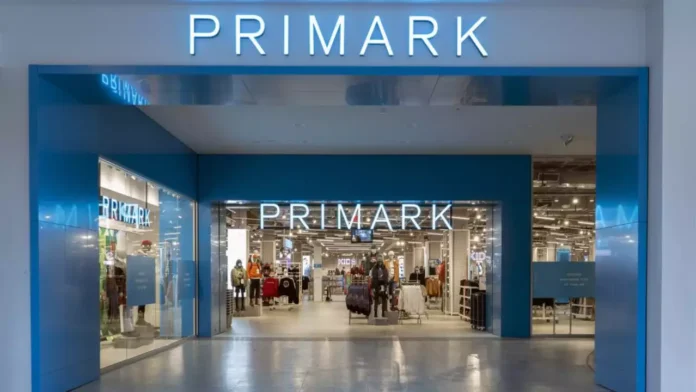
Reliance is currently exploring the possibility of partnering with British fashion retailer Primark to introduce its label to India. This venture would place Reliance in direct competition with Tata’s Zudio, Max owned by the Landmark Group, and Shoppers Stop’s recently launched value format, InTune.

The well-established 55-year-old brand, known for its affordable clothing and footwear, has been assessing the Indian market for several years. According to two individuals familiar with the matter, the brand might collaborate with Reliance either through a joint venture or licensing agreement. Unlike many other international retailers that focus on malls, the majority of their stores are expected to be situated on high streets, owing to their large-scale format, as per company executives.

Primark, renowned for its success as a value-priced retailer, has experienced remarkable global revenue growth in recent years, except for two years impacted by Covid-19. Its average prices undercut even those of retailers like H&M and Uniqlo. Although China remains Primark’s primary sourcing country, India follows closely as the second-largest hub for supplying the company, with a range of small to large factories. Primark has already integrated nearshoring into its supply chain strategy, enabling direct delivery of goods from Indian suppliers to local retail units. This approach ensures cost efficiency, flexibility, and responsiveness to local market demands.

Continue Exploring: Reliance Retail leverages B2B potential to expand apparel reach

According to Devangshu Dutta, founder of retail consulting firm Third Eyesight, Reliance, being the largest retailer in India and boasting a portfolio of numerous international brand partnerships, holds a substantial advantage due to its access to real estate and operational synergies.

“India is an obvious growth market choice for large brands and retailers such as Primark,” he said. “In the end, though, it will come down to how effective the merchandise and the marketing is in connecting with the diverse needs of Indian consumers across the country.”

Primark, under the ownership of London-listed Associated British Foods, operates over 400 stores worldwide and aims to further extend its presence across both new and established markets, targeting a total of 530 outlets by the conclusion of 2026. In the affordable retail sector, Reliance already offers Trends and its recently launched fashion and lifestyle store, Yousta, which directly competes with fast-fashion giants like Zara and H&M in India. With a vast retail network exceeding 18,774 stores encompassing supermarkets, electronics, jewelry, and apparel outlets, Reliance has also forged partnerships or acquisitions with over 80 global brands to cater to local consumers.

Continue Exploring: Reliance Retail’s Tira debuts in North India with flagship store in New Delhi’s DLF Avenue Mall

Reliance didn’t respond to queries. A Primark spokesperson said, “As a growing international business, we’re always open to new opportunities. However, we don’t comment on speculation about where we might expand to next.”

Experts said India’s consumption patterns have traditionally favored a narrow base of affluent consumers, who have wielded considerable influence over the market. However, there is currently a burgeoning opportunity for value-oriented brands to flourish and broaden their appeal.

Continue Exploring: British menswear brand Charles Tyrwhitt debuts in India in collaboration with Reliance Brands, unveils first store in Ahmedabad

Advertisement