The Kerala government has decided to introduce security labels for Indian-made foreign liquor (IMFL) within the state. These new labels boast 30 distinct security features aimed at facilitating track and trace capabilities. Central to this initiative is a taggant-based holographic tax label featuring a QR code for enhanced security measures.
The state’s newly devised track and trace system for its liquor supply chain aims to guarantee product safety, streamline inventory management, and empower customers with comprehensive information about their preferred liquor choices. Through QR code scanning, any customer will have access to detailed information regarding the liquor product.
This new version of the hologram inbuilt security system will replace existing 15 security features enabled system that have been in place since 2002 in Kerala.
Global food commodity prices continued to fall in February, marking the lowest average since February 2021, mainly as a result of lower world cereal prices.
The FAO Food Price Index, monitoring the prices of five food commodities, dropped by 10.5% compared to the corresponding month last year and decreased from 118.2 points in January. Compiled by the Food and Agriculture Organization of the United Nations, the index averaged 117.3 points in February.
The cereal price index decreased by 5% from January to 113.8 points, marking a 22.4% decrease from its February 2023 value. The FAO reported that international prices for all major cereals experienced a month-on-month decline, with maize exports registering the most significant drop.
Wheat prices were down due to “lower export quotations due a strong export pace from the Russian Federation, which exerted downward pressure on prices from other origins, in particular the European Union”, the FAO wrote in a statement.
In a separate report on cereal supply and demand, the FAO raised its forecast for 2023 cereal output by 1.1% from 2022 to 2,840 million metric tons due to increased maize supplies in Brazil, China, and the US.
Vegetable oil prices declined by 1.3% compared to the previous month and were down by 11% compared to the previous year, primarily attributed to reduced world prices of soy, sunflower, and rapeseed oils. The agency noted that this decrease offset marginally higher palm oil quotations.
Dairy prices were marginally up on January but stood 13.4% lower than 2023. The FAO said, “In February, world butter prices rose the most, underpinned by higher import demand from Asian buyers and seasonally declining milk production in Oceania.”
The meat price index increased by 1.8% compared to January and was only 0.8% below its corresponding value from one year ago. This marked a reversal from seven months of consecutive decreases.
The FAO said international price quotations for poultry meat rose the most, followed by bovine meat, “underpinned mainly by a rise in demand from leading importing countries”.
Meanwhile, sugar prices rose by 12.5% compared to the previous year and 3.2% compared to the previous month, indicating the second consecutive monthly increase.
“Persistent concerns over the outlook for the upcoming season in Brazil following a prolonged period of below-average rainfall continued to support world sugar prices, exacerbating the seasonal upward pressure. Furthermore, forecasts pointing to likely production declines in Thailand and India, two leading exporting countries, contributed to the price increase,” the FAO wrote.
Coffee, renowned for its rich aroma and delightful bitterness, is a beloved brewed beverage enjoyed worldwide. With a plethora of coffee beans and preparation methods available, it caters to diverse tastes. TasteAtlas, a prominent platform for culinary exploration, has just unveiled its latest ranking of the ‘Top 38 Coffees In The World’. Leading the list is ‘Cuban Espresso‘ at the pinnacle, with ‘South Indian Coffee‘ securing the esteemed second spot.
The ‘Cuban Espresso’ is crafted from a sweetened espresso shot made with dark roast coffee and sugar. The sugar is added during the brewing process, whether through a stovetop espresso maker or an electric espresso machine. This method yields a distinctive light-brown foam atop the coffee.
Indian Filter Coffee is crafted using a straightforward yet efficient Indian coffee filter apparatus. Constructed from durable stainless steel, it comprises two chambers: the upper chamber, featuring a perforated bottom for containing ground coffee, and the lower chamber where the brewed coffee gradually trickles down. This method of coffee preparation enjoys widespread popularity throughout South India.
Many people prepare the filter in advance, ensuring a freshly brewed coffee blend is ready by morning. This blend is typically combined with warm milk and sugar. Served in a small steel or brass tumbler resembling a glass, it is accompanied by a small saucer-like bowl known as a ‘dabara’. Prior to serving, the coffee is often poured from one vessel to another to achieve a frothy texture.
The top 10 coffees in the world, as meticulously ranked by TasteAtlas, offer a tantalizing journey through the diverse flavors and cultural nuances of coffee. Leading the pack is the robust Cuban Espresso from Cuba, closely followed by the aromatic South Indian Coffee from India. Greece makes its mark with two entries, the invigorating Espresso freddo and the creamy Freddo cappuccino. Italy’s coffee culture shines with classics like the velvety Cappuccino and the intense Ristretto. Turkey boasts its rich heritage with the traditional Turkish Coffee. Also representing Greece is the refreshing Frappe, while Germany’s Eiskaffee offers a delightful fusion of coffee and ice cream. Rounding out the list is the indulgent Vietnamese Iced Coffee, showcasing Vietnam’s unique take on the beloved beverage. This compilation celebrates the global diversity and rich heritage found in every cup of coffee.
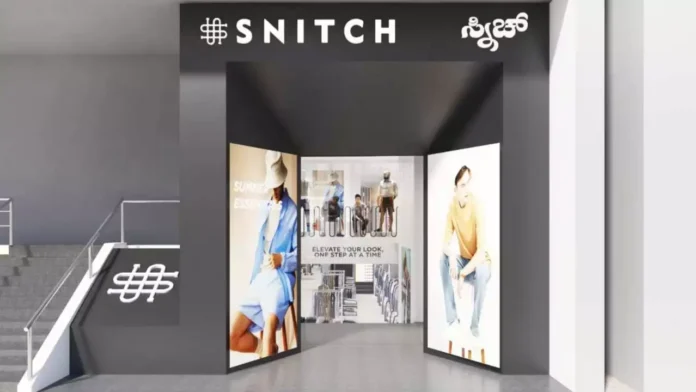
Snitch, the Bengaluru-based men’s fashion and apparel brand, plans to open its third store at Surat on Sunday, as revealed by a top executive.
“We are opening our 3rd store this Sunday which will be the second in Surat. It will be bigger, better and exponential,” said Siddharth Dungarwal, founder of Snitch.
The new 3,600 sq. ft. carpet area store, located at MBH Shopping Center in Vaaracha, Gujarat, stands as the largest among its counterparts.
Regarding expansion plans in Gujarat, Dungarwal stated, “We aim to establish six to eight stores within the next six months in Gujarat alone, with the broader goal of exceeding 20 stores nationwide.”
The company has set its sights on Gujarat, with nearly eight out of the 20 stores planned in India being located in the state. This represents approximately 40% of the offline expansion plans for 2024.
As part of the direct-to-consumer (D2C) brand’s strategy to expand its physical stores, Snitch has recently recruited Varun Muralidharan, previously a retail manager at Bestseller India, to oversee retail operations and projects. Additionally, the company has brought on board Mayur Ashtekar from Rare Rabbit to spearhead business development and offline expansion efforts.
The company has acquired over 1.5 million customers now, and the target is to reach 25 million plus consumers in the next four years, the company said in a release.
It experienced more than double the growth in gross merchandise value (GMV) from Q1 to Q4 in the fiscal year 2023 and attained a GMV of 400 crore, with a projected GMV of 600 crore by the end of the fiscal year 2024.
Over the past two years, the company has consistently sustained a growth rate of 30-35% in average quarter-on-quarter (Q-o-Q) revenue. With the recent expansion into offline retail, the brand anticipates a further 35-40% Q-o-Q increase in sales and revenue as it continues to expand its physical retail presence, aiming to introduce 30-40 stores over the next two years.
Established as a direct-to-consumer (D2C) brand in 2020, Snitch garnered attention by featuring on Shark Tank India Season 2, where it stood out as the sole brand to secure an all-Shark Deal. Additionally, Snitch successfully raised INR 110 crore during its Series A funding round.
Home-cooked vegetarian meals saw a decrease in price in February, while the cost of non-vegetarian thalis went up during the month, as per the latest Crisil report.
The price of a vegetarian thali declined by 2% to INR 27.5 in February compared with the previous month, due to a 14% decrease in onion prices and a 3% decrease in potato prices. The prices of tomatoes and pulses, two other significant components, remained unchanged during this period.
Non-veg thali prices surged to INR 54 in February, up from INR 52 in the previous month.
“The cost of the non-veg thali rose as prices of broilers, which account for ~50% of the cost, increased an estimated 10% on-month due to lower supply amid the spread of bird flu in Andhra Pradesh and increasing temperatures, as well as rising demand ahead of Ramadan,” Crisil noted.
Nevertheless, in comparison to the previous year, thali prices remained elevated, suggesting that consumer inflation is unlikely to decline in February.
The price of a vegetarian thali increased by 7% compared to the previous year, driven by a 29% rise in onion prices and a 38% increase in tomato prices.
Uneven rainfall has adversely impacted onion production. The latest horticulture estimates for 2023-24, released by the government earlier this week, indicate a decrease in crop production.
Onion production is expected to decrease to 25.47 million tonnes, down from approximately 30.21 million tonnes in 2022-23.
“Prices of rice (accounting for 12% of the veg thali cost) and pulses (9%) also increased 14% and 20% on-year, respectively,” Crisil noted.
Non-veg thali cost, on the other hand, is 9% lower compared to the previous year, as broiler prices have eased from the peaks witnessed in 2023.
Experts indicate that inflation print is likely to be higher at than 5.1% in January, owing to a modest increase in food prices in February.
“On a sequential basis, the increase in food CPI was driven by cereals, fruits and meat, which was partly offset by a drop in prices for eggs, pulses and spices,” said Rahul Bajoria, MD & Head of EM Asia (ex-China) Economics, Barclays.
Barclays anticipates that inflation will increase to 5.3% in February.
Too Yumm!, a snack brand from Guiltfree Industries owned by the RP-Sanjiv Goenka Group, has joined forces with Marvel to introduce a range of healthy snacks. This special collaboration seamlessly blends Marvel’s unparalleled storytelling and fan-favourite characters with Too Yumm!’s expertise in innovation. Too Yumm! aims to provide consumers a delightful and unmatched snacking experience. The new range of snacks features the iconic Marvel Super Heroes Iron Man, Captain America, and Black Panther, across four products: Rings, XOXO, Kraze, and Puffs.
For the launch of the new range, the brand has embraced a musical approach for its digital campaign: #TooGalbandi #FindYourToo. Partnering with music management company Hoopr, the catchy song emphasizes the message of ‘Jaise bhi ho tum, usme thoda TOO milaao aur apne hero ko jagaao’, urging consumers to “FIND YOUR TOO” by unleashing their inner hero. Crafted to resonate with Marvel enthusiasts in India, the range aims to celebrate the resilience, bravery, and determination embodied by Marvel’s Avengers. The campaign seeks to inspire Marvel fans to draw strength and empowerment from these iconic heroes, encouraging them to uncover their own inner strength and potential.
Through this new range of snacks, Too Yumm! has injected innovation and creativity. From introducing unique flavors and attractive packaging to crafting evocative shapes and adopting a digital-first strategy, the brand has demonstrated its commitment to ingenuity. The campaign features popular young icons such as Somansh, Gunjan Sinha, Geet Kaur, and Aneesh Tattikota, leveraging their star power to establish a relatable connection with young teens.
Commenting on the collaboration and the new launch, Yogesh Tewari, Vice President of Marketing, Guiltfree Industries Ltd. said, “We are thrilled to announce our collaboration with Marvel, introducing a snack range that resonates with Marvel fans in a fun and engaging way. This new range includes a wide selection of lip-smacking products ranging from Rings, XOXO, Puffs and Kraze. We are announcing the new range with a music video, “Hero Ko Jagao” which adds an extra layer of joy to the experience, encouraging young teens to embrace their uniqueness and discover the hero within. With this new range inspired by iconic Marvel characters, we’re excited to make snacking time a joyous occasion for our consumers.”
Meghna Mittal, Co-founder of Hoopr & Songfest added, “We’re excited to partner with Too Yumm! on a campaign that brings to the foray our expertise in music along with the vast creator and artist network. As a music and content focused company, Songfest approached the song and the music video with a view towards capturing the spirit of Too Yumm and helping the brand connect with its target audience. We’re proud of having seen this to fruition. Somewhere, we all found our “TOO”. Additionally, what also resonates with us is Too Yumm!’s spirit of innovation and commitment to a quality product.”
Too Yumm! assures a guilt-free snacking choice with 45%-60% less saturated fat. The campaign endeavors to forge a robust bond with its delicious, nutritious, and innovative offerings that are remarkably delightful and irresistible.
Too Yumm! has adopted a comprehensive digital-first approach, leveraging various platforms such as Instagram, YouTube, Snapchat, WhatsApp, and Facebook to engage with its audience through preferred channels, including collaborations with influencers. The brand’s latest music track, “Hero Ko Jagao,” will be distributed on popular platforms like Spotify, Apple Music, Wynk, and others, ensuring that the catchy Too Yumm! tunes reach a wide audience.
The innovative spirit of Too Yumm! and Hoopr shines through in the new range of snacks, which draws inspiration from the iconic Marvel Super Heroes.
GoodDot, a prominent player in plant-based meat alternatives, has announced its collaboration with the International Centre for Culinary Arts (ICCA) Dubai. This partnership aims to empower chefs with specialized certifications in crafting exquisite plant-based protein dishes. Marking a significant milestone in the evolution of plant-based protein, GoodDot and ICCA Dubai are committed to creating a standard in which the world consumes plant-based protein.
Sunjeh Raja, the Director & CEO of ICCA Dubai, emphasized, “At the ICCA, we believe that a culinary school is an ideal platform to nurture the chefs of tomorrow and to instil a deep understanding of sustainability. Our partnership with GoodDot underscores our commitment to integrating sustainable practices from the beginning of a chef’s journey. By equipping young chefs with the knowledge and skills to craft plant-based protein dishes, we have helped empower them to lead the way towards a more sustainable culinary future.”
“In partnership with pioneers and leaders in the Plant-based proteins like GoodDot, Resources Nature aims at bringing to the fore leading brands from the Indian Sub-continent. In providing comprehensive distribution infrastructure & services, we pride ourselves in being a part of the eco-system to provide sustainable Alternative-Protein food offerings in both HoReCa and Retail segments across the Middle East and beyond. Affordable, competitive, and nutritious products are the cornerstone of Resources Nature Trading LLC,” said Sanjay Kavalekar, Executive Director, Resources Nature Trading.
Amidst the global shift towards sustainable and cruelty-free dining experiences, there has been a surge in demand for plant-based protein, prompting chefs to seek ways to enhance their skills. Recognizing this demand and aiming to help chefs adapt to the evolving culinary landscape, GoodDot and ICCA Dubai have partnered to offer a specialized certification program. This tailored program is designed to equip chefs with the knowledge and skills to excel in plant-based cooking.
Highlighting the Gooddot products, Chef Islam Masoud, Chairman of Young Chef Club, Emirates Culinary Guild said “I would like to extend my gratitude to ICCA and GoodDot for organising this immersive experience in the world of Novel Plant Proteins. Plant based proteins have a very important role to play in widening the culinary horizons of consumers and also have an incredible sustainability foot-print. It was really interesting to see how Chefs can apply their culinary skills to versatile formats of plant-based proteins and curate various dishes and cuisines from them. In the days ahead consumers across the Middle East can expect incorporation of local flavours and cooking traditions in the space of plant proteins.”
Adding to this, Chef Yara Mostafa, TV Presenter Chef, Jumeirah Hotels & Resort, said, “As a chef, we are always looking for new ingredients to apply our culinary skills too. The course on Smart Proteins organised by the ICCA was an incredible introduction for me to the entirely new world of alternative proteins. I was pleasantly surprised to see the versatility of GoodDot plant proteins which could be cooked across various global cuisines. With more and more consumers & institutions looking to diversify their protein portfolio by incorporating plant proteins in their offerings, such experiential programs on plant-based proteins will go a long way in mainstreaming plant-based proteins in the Middle East.”
“The world is increasingly embracing plant-based living, thanks to the multiple benefits the lifestyle carries. I am confident that the GoodDot-ICCA Dubai partnership will stand as a beacon of innovation, education, and culinary excellence. Our collaboration will set an example and encourage culinary schools around the world to dive deeper into the world of alternative proteins,” said Abhishek Sinha, Founder, GoodDot.
Plant-based protein is embraced by a diverse spectrum of people facing myriad challenges due to contemporary lifestyles. Offering essential nutrients while reducing intake of saturated fats and cholesterol, plant-based proteins contribute to improved health outcomes. Moreover, they address crucial sustainability and food security issues, making a global impact and aiding in environmental conservation and resource preservation. Companies like GoodDot provide consumers with a more cost-effective protein alternative compared to animal meat, while the versatility in recipes and preparation methods for plant-based protein remains largely untapped despite its increasing adoption as a primary source of nutrients.
The collaboration between GoodDot and ICCA Dubai not only highlights their dedication to sustainable dining but also positions itself to establish a new benchmark for plant-based culinary education worldwide.
A fund overseen by Baron Capital Group, an asset manager headquartered in the United States, has increased the fair value of the food-delivery platform Swiggy to $12.1 billion. This marks a 13% increase from Swiggy’s previous valuation of $10.7 billion, which was set during its last round of fundraising in 2022.
Baron Capital, involved in the $700-million funding round in January 2022, has once again increased the fair value of its stake in Swiggy for the third consecutive time. The most recent valuation, as of December 31, 2023, was reported in filings submitted to the US Securities and Exchange Commission.
As of December 31, the fund managed by the asset manager held a stake valued at $87.2 million in Swiggy’s parent company, marking a 17% increase from $74.4 million in the previous quarter. The initial value of the stake at the time of acquisition was $76.8 million.
Crossover funds, which allocate investments to both publicly traded and privately held companies, regularly reassess the valuation of their portfolio firms. This determination of fair value takes into account various factors such as significant events within a company or the comparative performance of similar companies in the stock market.
As of December 31, Baron Capital Group, through two of its funds, also held stakes worth more than $11 million in Zomato, Swiggy’s chief rival.
From September 30 to December 31, the share price of Gurugram-based Zomato surged by 22%. By Friday, its market capitalization had reached INR 1.41 lakh crore (equivalent to over $17 billion).
Baron Capital isn’t the sole investor to have adjusted Swiggy’s fair value in its records. On January 4, it was reported that Invesco had raised Swiggy’s valuation to $9.5 billion, as of October 31, 2023.
Swiggy is also preparing for a $1-billion initial public offering (IPO). On January 23, it was reported that the company’s IPO is anticipated to include an offer-for-sale component valued at a minimum of $600 million, allowing existing investors to sell off a portion of their stake.
In December, Prosus, the largest shareholder of the firm, announced that Swiggy had reduced its losses by 35% compared to the previous year, with losses amounting to $208 million for the half-year ending on September 30.
Swiggy and Zomato are in fierce competition for a larger portion of their primary food-delivery market. Meanwhile, industry experts and analysts highlight their quick-commerce divisions as the driving force behind the next growth phase. Zomato possesses the quick-commerce company Blinkit, while Swiggy operates within this sector through its Instamart vertical.
As per a January report from Bernstein, Zomato commanded a 54% market share in terms of gross merchandise value (GMV) in the food delivery segment, whereas Swiggy held 46%.
“Zomato’s active user base continues to grow faster than Swiggy. We expect that Zomato stands to gain higher incremental GMV as compared to Swiggy,” it had noted.
Dabur India has established an all-women production line at its largest greenfield plant near Indore, with a crew of 20 women engaged in the production of the company’s Vatika hair oils.
The move signifies the fast-moving consumer goods company’s dedication to building a more diverse workforce and promoting women’s empowerment in the manufacturing industry, as stated in a company announcement.
The company plans to expand this initiative by including 30 more women in its factory workforce, it said.
“Dabur has always been committed to the principle of equal opportunity in employment. We continue to make progress on our commitments as we enhance representation and inclusion across our organisation,” said executive director-HR Biplab Baksi. “Setting up an all-woman production line is one step forward in this direction and seeks to not only transform a traditionally male-dominated manufacturing sector but enhance the lives of local women and the community in the process.”
Dabur has set up a new production line at its INR 550-crore greenfield manufacturing unit near Indore in Madhya Pradesh. The purpose is to address the increasing demand for its natural personal care products, especially hair oils. With a capacity to produce 2.5 million packs annually, the production line will operate in three shifts.
“This is a powerful statement for gender equality and women’s empowerment in the workplace, but also serves as a shining example of breaking stereotypes and providing equal opportunities,” said global head of operations Rahul Awasthi.
“This unit exclusively produces a range of hair care products designed by women, produced by women, for women. This unique approach ensures that the products cater to the diverse needs and preferences of the female consumer base, fostering a strong sense of connection between the brand and its consumers. And in the process, this unit is also significantly contributing to economic independence,” he said.
Awasthi stated that the implementation of an all-women workforce has acted as a catalyst for elevated productivity, strengthened team unity, improved efficiency, meticulous attention to detail, and dedication to quality standards. These factors have resulted in a 10% boost in the factory’s overall productivity.
The bankruptcy court in Ahmedabad has rejected Gujarat-based Express Group of Hotels’ revival plan for Neesa Leisure Ltd, which operates a luxury hotel chain under the brand Cambay.
The company has admitted liabilities of INR 1,580 crore, whereas the resolution plan approved by the lenders proposed to give INR 150 crore to them to acquire the company through the bankruptcy process. The successful resolution applicant had proposed INR 250 crore towards capex and fresh funds, bringing the total value of the plan to INR 400 crore.
“The resolution plan approved by CoC (committee of creditors) has not been done with a process that can be approved by this adjudicating authority as it lacked a due and transparent process of examining each application on its merits,” the division bench of judicial member Chitra Hankare and technical member Velamur G. Venkata Chalapathy said in its order on March 1.
Prior to the rejection of the plan by the National Company Law Tribunal (NCLT), Neesa Leisure’s lenders had given their approval with a 67.5% voting majority.
“The plan has treated the secured creditors to be paid and not considered the claims of unsecured creditors when the majority of the assets are under dispute which are mainly leased properties against which these secured creditors have created exposure,” said the bench.
The insolvent company’s assets are situated in Gandhinagar and Ahmedabad in Gujarat, as well as in Neemrana, Udaipur, and Jaipur in Rajasthan.
According to Vishal J Dave, an independent counsel and insolvency consultant from Ahmedabad, the next steps in this case would involve creditors collaborating to devise a new plan, addressing the issues highlighted in the order, as some of them delve into the core of the matter.
Initially, the company entered the resolution process after Asset Reconstruction Company (I) Ltd filed an application in April 2019.
Numerous strategic buyers and investors are actively seeking hotel and resort properties undergoing bankruptcy proceedings due to loan defaults. The surge in revenge tourism following Covid-19 lockdowns has rendered the sector appealing to well-funded individuals and entities.
In January, Hemant Kanoria-promoted Sarga Hotels, which operates a five-star hotel under the Westin brand in Kolkata, was acquired by Shri Ram Multicom under the Insolvency and Bankruptcy Code (IBC) process.
Likewise, investors and strategic buyers have expressed keen interest in the resolution proceedings of Viceroy Hotels, listed on the Bombay Stock Exchange (BSE), which operates Marriott Hyderabad and Courtyard Marriott Hyderabad, as well as Mumbai-based V Hotels Ltd, the proprietor of Tulip Star, formerly recognized as Centaur Hotel Juhu.
The latest data from the Insolvency & Bankruptcy Board of India showed 7,325 companies were brought into administration until December-end last year. Of these, about 146 companies were from the hotels and hospitality sector.
We use cookies to ensure that we give you the best experience on our website. If you continue to use this site we will assume that you are happy with it.