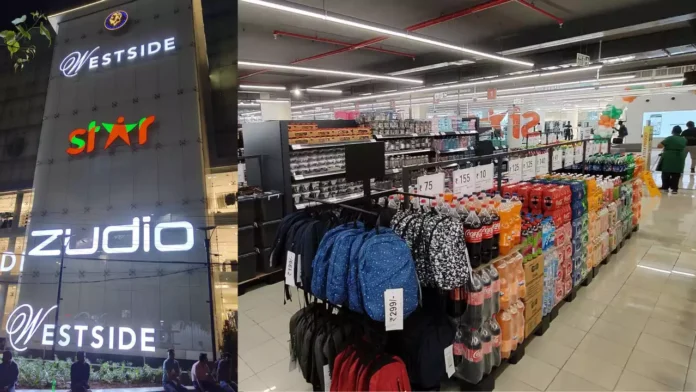
Trent Ltd., the retail arm of Tata Group, has introduced three distinct store formats within a single establishment in Hyderabad. This innovative venture is situated at GS Center Mall, Punjagutta Circle, as disclosed by an industry official on social media.
The recently launched stores comprise Zudio, a fast-fashion retailer offering great value, Westside, a fashion and lifestyle brand, and Star Bazaar, a hypermarket and supermarket chain.
“We are delighted to introduce an unparalleled world-class experience for our valued customers through the new stores situated at GS Center, Punjagutta Circle, in the heart of Hyderabad,” shared Sanit Basu, Deputy Manager of Productivity and Operations Support at Star Bazaar, in a LinkedIn post.
The latest establishment marks the 232nd Westside outlet, the 545th Zudio store, and the 5th Star Bazaar location nationwide.
Since its inception in 1998, Tata Trent has been managing apparel brands like Utsa and Samoh, alongside the beauty, accessories, and decor brand Misbu. Additionally, the company has formed two joint ventures with Spain’s Inditex SA to operate the Zara and Massimo Dutti labels in India.
Boosted by robust sales momentum and enhanced margins, the company recorded a twofold increase in consolidated net profit to INR 370.64 crore for the third quarter ended December 2023.
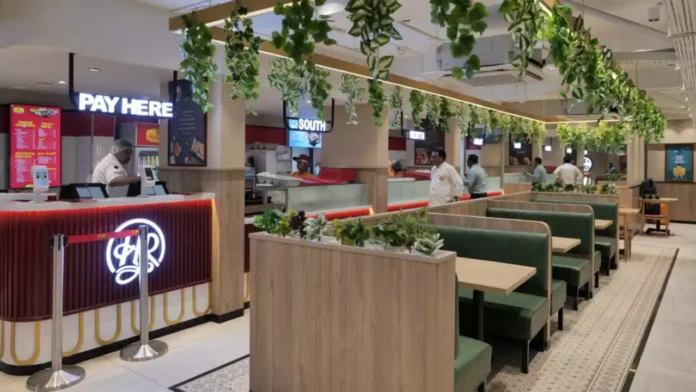
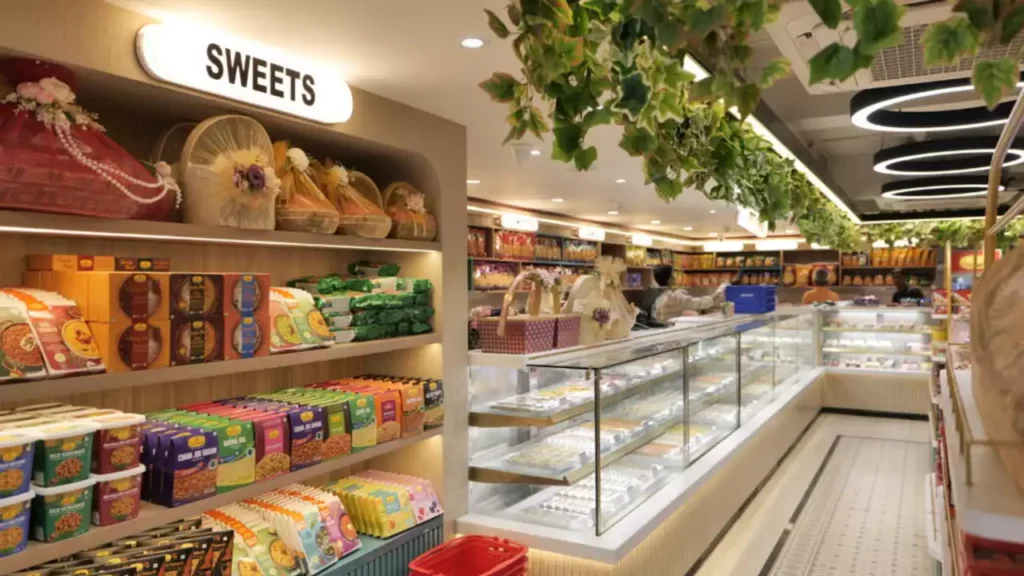
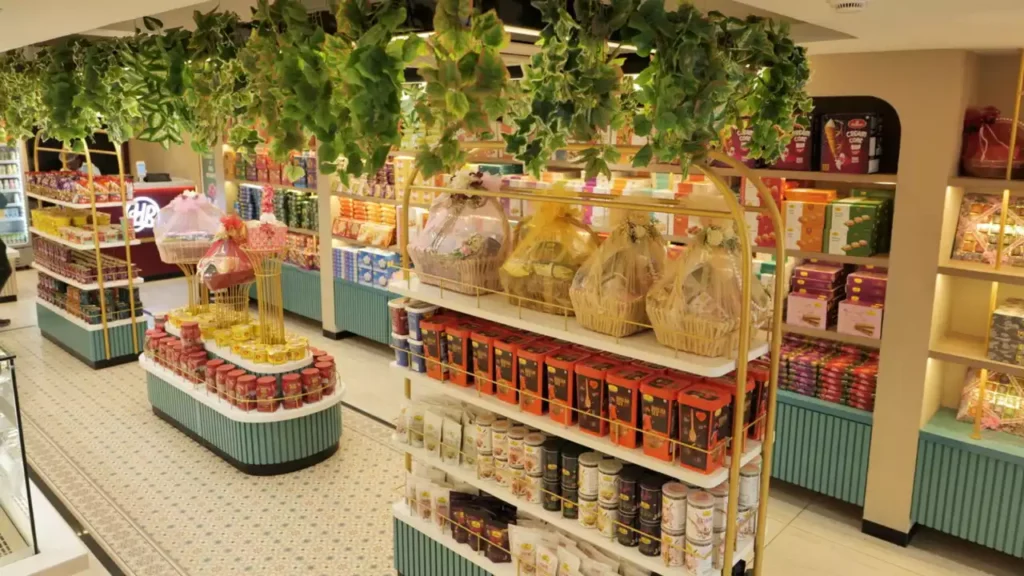
Haldiram’s Nagpur, a renowned name in the Indian culinary realm, has unveiled its latest restaurant and sweets emporium in Malleshwaram, Bengaluru. Situated within the elegant Gokul Complex in this city’s esteemed locale, the freshly inaugurated eatery assures a delightful experience for travelers, commuters, and aficionados of fine cuisine.
Following a grand inauguration on April 12th, Haldiram’s latest establishment in Bengaluru signifies a significant stride for the brand as it extends its presence in one of India’s dynamic cities. Offering an array of delectable treats ranging from Haldiram’s Aloo Bhujia and Moong Dal to traditional Indian delights like Gulab Jamun, Rasmalai, Kaju Katli, Raj Kachori, Sampurna Deluxe Thali, Pav Bhaji, Jain Delights, and more, the new outlet ensures a delightful dining experience.
Moreover, in celebration of its launch, Haldiram’s presents a special breakfast promotion, granting a 50% discount on South Indian dishes from 8:00 AM to 11:00 AM until April 30, 2024, exclusively at the Malleshwaram venue.
“We are delighted to announce that Haldiram’s has opened its 14th outlet in Bengaluru, located in the vibrant neighbourhood of Malleshwaram,” said Neeraj Agrawal, Director of Haldiram’s Foods International Pvt Ltd. “This recent expansion underscores our unwavering commitment to serving delectable sweets and authentic Indian cuisine. We eagerly await the opportunity to welcome our guests and provide them with an outstanding dining experience, distinguished by unrivalled food standards & exceptional service.”
Renowned for its dedication to excellence and flavor, Haldiram’s has long been synonymous with quality, presenting a remarkable assortment of snacks and mouthwatering dishes. With a steadfast commitment to upholding tradition while embracing innovation to cater to evolving consumer tastes, Haldiram’s continuously endeavors to please its patrons with top-notch quality, flavor, and distinction. This ethos finds resonance in its latest culinary venture in Malleshwaram, set to emerge as a premier spot for connoisseurs in pursuit of genuine tastes and extraordinary dining encounters.
Vidit Aatrey and Sanjeev Barnwal, Co-Founders, Meesho
Meesho, the ecommerce platform, is reportedly considering increasing the size of its upcoming funding round to $500-$650 million from $300 million earlier, given the strong interest from investors.
Out of the total amount, roughly $300 million will be designated as primary capital to settle taxes incurred during the transfer of the company’s domicile from Delaware to India, as reported by Moneycontrol. The remaining funds will constitute the secondary component.
The report quoted a source stating that discussions are ongoing, and the final round size will depend on how much each investor dilutes. However, it appears likely that the total round size will be around $500 million.
The report mentioned that Meesho had also commenced discussions with Accel over the past few months regarding the funding round. However, negotiations between the investor and the company did not come to fruition.
It’s noteworthy that Accel was an early supporter of Flipkart, which happens to be Meesho’s main competitor.
Previous reports suggested that the ecommerce startup was in discussions to raise $300 million from Tiger Global, Peak XV Partners, SoftBank, and other investors.
Tiger Global and Peak XV are anticipated to spearhead the current round, with participation expected from SoftBank, WestBridge Capital, and Singapore-based Mars Growth Capital.
Additionally, it’s reported that Venture Highway and Meta (formerly Facebook) are among the initial investors planning to decrease their stake in Meesho as part of this round.
Nonetheless, the funding round is expected to value Meesho at $3.9 billion, reflecting a 20% decrease from its prior valuation of $4.9 billion. This adjustment comes after Fidelity’s revaluation of Meesho to $3.5 billion.
Meesho refrained from providing comments regarding inquiries on the progress of the funding round and the decline in valuation. No response was received from them up to the time of publishing this story.
It’s worth noting that in January, Fidelity adjusted the valuation of Meesho on its books, valuing the ecommerce startup at $3.5 billion. This marked a decline of 29% from Fidelity’s peak valuation of $4.9 billion for Meesho.
Established in 2015 by Vidit Aatrey and Sanjeev Barnwal, Meesho, once lauded as the epitome of social ecommerce, underwent a strategic shift in 2022, transitioning into a marketplace model.
In a recent report, brokerage Bernstein highlighted that Meesho is capturing market share and emerging as the fastest-growing ecommerce platform in India, benefiting from the robust growth observed in Tier-II and III cities within the sector.
With a budget of INR 200 crore (about $25 million), Meesho recently revealed its largest employee stock ownership plan (ESOP) buyback programme. With this programme, the company is making a major step forward, benefiting almost 1,700 current and former employees.
Established in 2020 by siblings Hima and Vineel Parvataneni, the company emerged with a mission to address the pressing challenges within the supply chain industry. Given the fragmented nature of the ecosystem, supply chain costs loom large, accounting for 14% of GDP. Additionally, there is a notable lack of transparency concerning both goods and associated expenses.
This urgent challenge fueled the inception of Navata SCS. Adopting a comprehensive, customer-focused strategy, the company enhances the entirety of the supply chain, encompassing transportation, warehousing, and last-mile delivery. Leveraging technology and data-driven approaches, their goal is to revolutionize B2B logistics, offering live tracking and visibility at each stage.
Hima Parvataneni, CEO of Navata Supply Chain Solutions, said, “By aiding customers in navigating the challenges of coordinating multiple vendors, Navata SCS provides a comprehensive, single-point solution for all their supply chain requirements. Our integrated strategy is focused on minimizing overall supply chain expenses and optimizing operations. With Equanimity Ventures as our partner, we aspire to expand our last-mile and warehousing solutions, enabling more customers to efficiently reach their clientele across every corner of the country.”
Navata has already transformed the supply chains of over 100 companies operating across various sectors including FMCG, Agro, Apparel, Electronics, and Pharma, leading to significant cost savings. NavataSCS stands out as an expert in rural delivery solutions. Leveraging their strategic hub network and collaborating with vetted local ecosystem partners, they excel in providing the shortest lead times and cost-effective rural delivery services. By harnessing AI/ML algorithms for route optimization and utilizing a combination of delivery methods, NavataSCS has effectively addressed the complex challenges associated with last-mile delivery in both urban and rural settings.
Vineel Parvataneni, the Chief Operating Officer at Navata Supply Chain Solutions, remarked, “Throughout the last four years, we’ve diligently honed and perfected our operational frameworks to guarantee smooth deliveries, particularly in rural regions. Teaming up with Equanimity Ventures, our objective is to extend our network to every corner of the nation, with the goal of empowering over 100,000 MSME logistics vendors. This expansion will facilitate us in offering comprehensive supply chain solutions on a national scale.”
Rajesh Sehgal, Managing Partner at Equanimity Ventures, highlighted, “Navata is addressing the industry’s most pressing challenge: last-mile delivery. With their extensive rural network and proficiency in modern trade, they are poised to become the preferred partner for numerous brands. Hima and Vineel demonstrate a fervent commitment to enhancing supply chain efficiencies, and we are thrilled to join forces with Navata as they embark on their journey of growth.”
Looking ahead, the partnership with Equanimity Ventures propels Navata into its next phase of growth. This entails expanding its network to reach every corner of the country and establishing a robust base of over 100,000 vetted and reliable vendors, even at the grassroots level. Navata aims to further enhance its proprietary software, NSCS one, by consolidating supply chain data under a unified platform and leveraging AI insights to optimize operations. With a commitment to extending its mission to more customers, NavataSCS endeavors to transform their supply chains into a competitive advantage rather than a mere cost center, thus driving top-line growth.
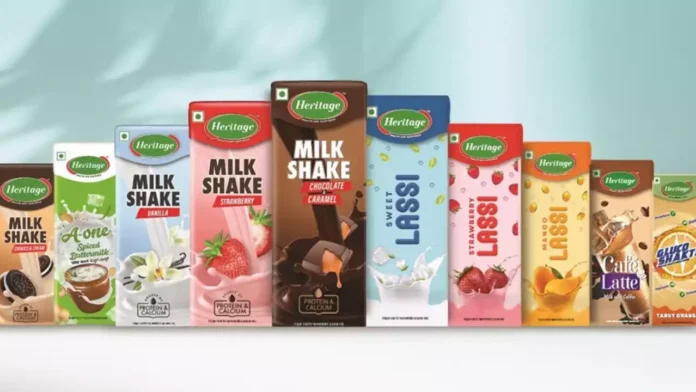
Heritage Foods, the second-largest private dairy in India, has joined forces with SIG to utilize aseptic carton packs for its beverages. Equipped with cutting-edge filling solutions and inventive aseptic packaging, SIG has provided Heritage Foods Limited with tools to cater to changing consumer demands effectively.
Heritage Foods recently integrated an SIG XSlim 12 Aseptic filling machine into its production facility located in the Medchal−Malkajgiri district of Telangana. Capable of filling 12,000 SIG XSlimBloc carton packs hourly, this machine offers the versatility to accommodate nine varying volume sizes, ranging from 80ml to 200ml, all within a swift volume change that takes less than 15 minutes to execute. This enhancement enables Heritage to effectively cater to a broad spectrum of consumer demographics, thereby addressing different price points in the market.
Bhuvaneswari Nara, serving as the vice-chairperson and managing director of Heritage Foods, emphasized, “Our commitment at Heritage Foods is centered around delighting consumers with our offerings while promoting health and happiness. The introduction of the new line from SIG marks a significant step forward, enabling us to introduce a diverse array of products tailored to meet the varied taste preferences of our consumers. From sweet and indulgent milkshakes to refreshing spiced buttermilk, we aim to cater to a wide spectrum of tastes. Our partnership with SIG is highly valued, as it aligns with our shared principles of sustainability and convenience.”
Brahmani Nara, serving as the executive director at Heritage Foods, emphasized, “At Heritage Foods, our focus is on the continuous expansion of our value-added product offerings, with particular emphasis on the drinkables segment, which represents a crucial area for driving growth. Innovation and distribution expansion are key factors driving growth in this segment, and the synergy between the two is paramount. The introduction of the new SIG line is poised to make a significant impact in this regard. With advanced filling technology at our disposal, we can now diversify our range of drinkables, while the flexibility in pack sizes enables us to offer the same product at multiple appealing price points, thus tapping into new consumer segments. This level of versatility was previously unattainable before our collaboration with SIG.”
Similar to all SIG carton packs, SIG XSlimBloc carton packs boast a significant proportion of forest-based renewable materials, featuring a lightweight, space-efficient design. Manufactured utilizing 100% renewable electricity, they are meticulously crafted to be entirely recyclable. Heritage Foods Limited intends to leverage SIG’s packaging solutions to accommodate a diverse selection of beverages. This encompassing range will encompass various flavors of lassi, buttermilk, cold coffee, milkshakes, whey-based energy drinks, and UHT milk.
Abdelghany Eladib, serving as the President and General Manager for IMEA (India, Middle East, and Africa) at SIG, expressed, “Leveraging Heritage Foods Limited’s robust foothold in the South Indian market alongside our innovative packaging solutions, we anticipate a transformative shift in India’s packaging landscape. This collaboration is strategically poised to foster growth for both entities, empowering Heritage Foods Limited with agility to swiftly adapt to evolving market dynamics, while concurrently facilitating SIG’s deeper penetration into the Indian market. We are thrilled to embark on this partnership with Heritage Foods Limited and eagerly anticipate a prosperous and enduring journey ahead.”
Vandana Tandan, leading the Markets division for India and Bangladesh at SIG, expressed enthusiasm about collaborating with Heritage Foods Limited. Leveraging our cutting-edge packaging solutions and adaptable filling technology, the dairy company is primed to expand its product range, swiftly adapt to market shifts, and capitalize on the burgeoning demand for on-the-go products prevalent in the Indian market.
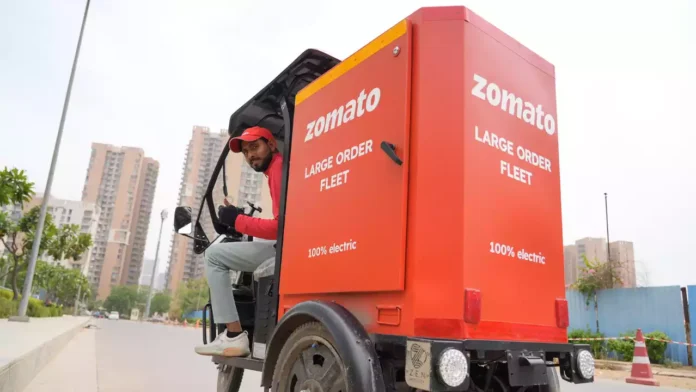
Foodtech giant Zomato unveiled its “large order fleet” on Tuesday, aimed at managing orders for groups or events. CEO Deepinder Goyal announced the initiative on X, emphasizing its all-electric nature designed specifically for gatherings of up to 50 people. However, he didn’t disclose the fleet’s vehicle count.
Earlier, Snackfax had reported that the Gurgaon-based company was considering venturing into the catering industry. They intended to utilize their extensive network of restaurant partners as a key component of their strategy to fulfill sizable orders.
The decision aligns with the company’s broader strategy of diversifying food delivery offerings to broaden its potential market reach.
Today, we are excited to introduce India's first large order fleet, designed to handle all your large (group/party/event) orders with ease. This is an all electric fleet, designed specifically to serve orders for a gathering of upto 50 people. pic.twitter.com/RCH6v0kxfn
“Earlier, several conventional fleet delivery partners fulfilled such massive orders, and the client experience wasn’t what we really aimed for. These vehicles are still a “work in progress,” and we are working to add significant upgrades to them, such as temperature-controlled hot boxes and cooling compartments, to make sure everything gets to you exactly how you want it, Goyal stated.
During its December 2023 quarterly earnings call, Zomato stated that it anticipated monthly transacting customers, in addition to new customers, to be pivotal in fueling growth.
Referring to the electric fleet, Goyal expressed confidence that these new vehicles would address the majority of the challenges encountered by customers when placing large orders on Zomato.
In June 2023, Zomato introduced the multi-cart feature, allowing users to order from multiple restaurants at the same time.
On March 20, the company unveiled a specialized fleet of delivery partners wearing green uniforms to serve vegetarian customers exclusively. However, it had to backtrack on its decision following backlash over its ‘pure veg mode’ service.
Zomato’s consolidated operating revenue surged by 69% year-on-year to reach INR 3,288 crore in the December quarter. Meanwhile, adjusted revenue for the food-delivery vertical increased by 29% year-on-year to INR 2,025 crore.
Oteria, a brand with a gender-neutral ethos, takes a holistic approach to skincare, haircare, and body care. Currently offering 19 products, it aims to expand its range with an additional 30 products by 2026.
“Oteria’s primary objective is to interact directly with customers by partnering with e-commerce & quick-commerce platforms to deliver goods to their doorsteps. At the same time, we’re dedicated to teaching them about the comprehensive advantages of understanding the rhythm of their skin,” said Vibhor Rastogi, director of Rivpra Formulation Pvt. Ltd.
Oteria’s products will be accessible through various e-commerce platforms such as Amazon, Flipkart, and its own D2C platform. Additionally, the company intends to introduce its products on Nykaa, Foxy, and Tira Beauty, along with quick-commerce platforms like Zepto and Blinkit.
The product line is produced at Rivpra Formulation’s standalone manufacturing facility situated in Sidcul, Haridwar, covering an expansive area of over 100,000 square feet. This operation is facilitated by its subsidiary, Medisch Lifesciences, which serves as the distribution channel.
Polar Bear recently collaborated with MadHawks to boost the opening of their latest store in Gachibowli, Hyderabad, marking their 16th outlet in the city and 137th in India. Employing a strategic influencer marketing strategy with 14 influencers predominantly focused on food and lifestyle content creation, the campaign garnered over 2 million views and engaged 1.5 million individuals. This contributed to a triumphant store launch, evident in lengthy queues during the weekend and complete sell-outs on weekdays.
Founded in 2008 with its first ice cream parlor in Bangalore, Polar Bear – The Ice Cream Sundae Zone has consistently won the hearts of its patrons, fueling its expansion across numerous destinations across the country.
Prashant P., Vice President at Polar Bear, expressed appreciation for MadHawks’ flawless execution of the influencer campaign, emphasizing their skill in pinpointing the ideal influencers and surpassing expectations through a strategic approach. He praised the entire MadHawks team for their exceptional support and professionalism.
In March 2024, Polar Bear inaugurated its latest outlet in Gachibowli, Hyderabad, in collaboration with MadHawks to harness the power of social media. Influencers were invited to the new store, where they indulged in ice cream sundaes and showcased their experiences via Instagram reels. This collective effort reached an audience of over 1.5 million individuals and accumulated more than 2 million views and 20 thousand likes within just a few days.
The sustained organic viewership of the reels highlighted the success of MadHawks’ influencer marketing strategy. Ravi Kumar, the founder & CEO of MadHawks, credited the campaign’s triumph to their dedication to providing value for partners, a principle deeply rooted in the company’s ethos from the beginning. He expressed admiration for the dedication and enthusiasm of the social media team, while also expressing gratitude to Polar Bear for their trust and collaboration.
The recently unveiled Godrej Food Trends Report 2024, presented in Mumbai last month, delves into India’s rich culinary landscape through expert-led surveys. It explores a spectrum of dining trends, home cooking practices, and more. Rushina Munshaw Ghildiyal, Managing Director of Perfect Bite Consulting and the report’s curating editor, highlights a shift: “The traditional plate, once shaped by seasonality and local abundance, is now influenced by a pursuit of flavor.”
From the very roots of ingredients to the expertise in crafting superior locally sourced chocolates and bespoke cocktails, the quest for flavor knows no bounds. Food provenance will shape menus centered around top-quality ingredients, enriching both culinary and beverage offerings. This movement encompasses experiences such as farm-to-table or farm-to-bar, highlighting the utilization of hyperlocal produce and inventive methods to enhance the dining and imbibing experience.
Tanya Dubash, Executive Director & Chief Brand Officer at Godrej Industries Limited and Associate Companies, expressed, “The Godrej Food Trends Report 2024 signifies yet another milestone in our journey to ignite discussions and uncover trends within the food industry. Consumers are becoming increasingly conscious about their dietary choices, placing emphasis on mindful nutrition. This edition, centered around Provenance, celebrates India’s vibrant culinary legacy, encouraging readers to delve into the multitude of flavors and cultures that shape our nation. I am confident that readers will be intrigued by the richness and variety of insights presented in this edition, further cementing India’s stature as a global frontrunner in the domain of food and gastronomy.”
The report also sheds light on conscientious eaters who prioritize transparency and authenticity, gravitating towards products that embody the values ingrained in their journey from farm to plate. Additionally, experts predict that 92.3% of travelers will participate in culinary site tours to enhance their journeys with genuine culinary experiences.
Celebrity Chef Ajay Chopra remarks, “India’s soft power lies in its cuisine and its remarkable diversity, as well as the strength of its history, pluralism, and continuity. It brings me joy to witness its recognition for its authenticity and unapologetic adherence to its roots. For far too long, we’ve been inundated with a simplistic portrayal of Indian cuisine confined by political borders. However, regardless of the lens through which you view it, the essence of regional cuisines will forever be shaped by the geography, agriculture, climate, and culture of their origins.”
With increasing interest in Indian-origin ingredients and a shift towards health-conscious eating habits, ghee has gained significant popularity. Anticipate a surge in innovative dishes incorporating ghee, and possibly even the introduction of ghee-infused cocktails to entice palates.
In 2024, the Godrej Foods Trends Report highlights several significant insights shaping the culinary landscape:
Culinary Travel Experiences: Authentic cuisine will drive travel experiences, as 92.3% of travelers are expected to pursue culinary site tours for immersive encounters with genuine cuisine.
Customized Cocktails: The bar landscape will ascend with specialized menus showcasing Indian-origin spirits, projected to surge by 82.7%, setting a higher standard for cocktail experiences.
Artisanal Chocolates: With Indian chocolatiers highlighting the distinctive qualities of locally sourced, premium cacao beans, the popularity of artisanal chocolates is expected to soar by 94.2%, ushering in a new era of refined chocolate appreciation.
Mainstream K-Food:Korean cuisine is making its mark in mainstream culture, captivating food enthusiasts with its bold flavors and diverse offerings. In 2024, expect Korean restaurants showcasing concepts such as teppanyaki, robata, and ramen to gain considerable momentum.
The revival of Ghee: Ghee, celebrated for its natural benefits, is poised for a comeback in popularity, expected to surge by 84.6%. Embraced by health-conscious millennials and flavor enthusiasts alike, its versatility and rich culinary tradition will captivate a broad spectrum of consumers.
Spotlight on Women in Food: In 2024, attention will be directed towards the significant impact women have on molding India’s culinary scene. Whether as guardians of regional traditions, innovative food business owners, talented chefs, skilled bartenders, or master brewers, women will be acknowledged for their invaluable contributions to Indian gastronomy.
These observations illustrate the changing tastes and cultural dynamics molding the food and beverage sector in 2024, emphasizing a fusion of tradition, creativity, and culinary discovery.
Spicy Pineapple showcases the delightful tastes of pineapple and passionfruit, mixed with ice, real pineapple bits, lemonade, and a touch of chili powder.
The new Spicy Cream Cold Foam is now available as a customizable choice. Crafted with cold foam and the unique powder blend, it can be incorporated into any cold drink of your choice.
The company suggests trying it out by mixing it with an iced chai tea latte for a fusion of spices, or complementing it with a Cold Brew coffee.
Starbucks expressed in a statement, “Drawing inspiration from the ‘swicy’ trend, which melds sweet and spicy flavors in inventive ways, our new Spicy Lemonade Refreshers unite the sweetness of a Starbucks Refreshers Beverage, the tanginess of lemonade, and the kick of Starbucks Spicy Chili Powder Blend. The result? A wonderfully refreshing sip with a perfect balance of flavors and no shortage of excitement.”
In February 2024, Starbucks rolled out its spring beverage line-up across the Asia Pacific region.
The fresh selection included the French Vanilla Mille-Feuille Oatmilk Latte, Peach Passion Blossom Pure Matcha Latte, and Peach Passion Blossom Cream Frappuccino Blended Beverage.
We use cookies to ensure that we give you the best experience on our website. If you continue to use this site we will assume that you are happy with it.