American media personality Kylie Jenner‘s cosmetic brand, Kylie Cosmetics, has made its debut in India through a collaboration with the beauty specialty company House of Beauty.
Jenner expressed her enthusiasm for the launch of Kylie Cosmetics in India, stating, “I’m thrilled to introduce Kylie Cosmetics to India. My aim with Kylie Cosmetics has always been to offer my fans the makeup products I personally adore, and I’m eager to share my collection with all my supporters in India.”
The debut collection features matte and velvet lip kits, lip liner, foundation, mascara, concealer, and lip balm.
Kylie Cosmetics will be exclusively accessible at 25 Sephora outlets across the nation, in addition to being available online on the Sephora website.
In 2015, Jenner ventured into the beauty industry by introducing Kylie Lip Kits, featuring a trio of liquid lipsticks paired with matching lip liners.
In 2020, Coty, a global beauty giant, acquired a 51% stake in Kylie’s beauty brands, with a mutual goal of collaboratively expanding and enhancing the beauty enterprise.
Backed by Coty, the brand extended its reach to more than 50 countries and introduced new product lines catering to eye and face complexion needs.
Quest Retail’s subsidiary, House of Beauty, manages various exclusive international brands including Anastasia Beverly Hills, Kylie Cosmetics, Max Factor, EcoTools, Juice Beauty, and Neal’s Yard Remedies.
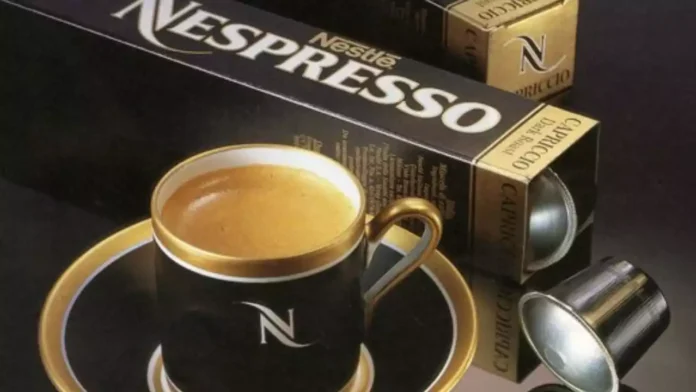
Responding to the rising consumer demand for high-quality portioned coffees, Nestlé has announced the launch of Nespresso in India. With the goal of expanding the premium coffee category in the country, Nestlé will offer Nespresso coffees through e-commerce channels. It will commence by opening the first Nespresso boutique in Delhi and subsequently expand to other key cities in India. Nespresso coffees and systems, in both original and professional formats, will be available by the end of 2024 to cater to in-home and out-of-home consumers alike.
Guillaume Le Cunff, the CEO of Nespresso, expressed his enthusiasm about the introduction of Nespresso to coffee enthusiasts in India. He remarked, “I am delighted that we are bringing Nespresso to coffee lovers in India. For nearly four decades, Nespresso has been dedicated to enhancing the coffee experience with its distinctive taste and integrating sustainability into every aspect of the business. Having been sourcing green coffee from India since 2011, I am thrilled to witness the brand’s ongoing growth in this promising coffee market.”
Nespresso, as a certified B Corp company and the trailblazer of the portioned coffee category, collaborates directly with approximately 2,000 coffee farmers in India through its Nespresso AAA Sustainable Quality Program.
Suresh Narayanan, Chairman and Managing Director of Nestlé India, expressed his satisfaction, stating, “I am delighted that Nespresso will soon be accessible, providing consumers, coffee enthusiasts, and connoisseurs in India with the opportunity to explore new experiences and discover exceptional coffees. In recent years, there has been a notable increase in coffee consumption in India, particularly in-home. With its rapidly expanding young demographic, exposed to global trends and embracing novel experiences, India stands as one of Nestlé’s fastest-growing coffee markets.”
Nespresso coffees are crafted in three cutting-edge factories located in Switzerland, employing over 1,300 dedicated staff members. With a presence in more than 90 markets worldwide, the brand boasts a network of over 800 boutiques spread across 500 cities.
Nestle India, a major FMCG company, reported a 27% increase in net profit to INR 934 crore for the fourth quarter ended March 31, 2024. This surge is attributed to strong growth across its product portfolio. In comparison, the company had recorded a net profit of INR 737 crore in the corresponding period of the fiscal year 2022-23.
During the period under review, revenue from operations increased to INR 5,267 crore, compared to INR 4,830 crore during the same quarter of the fiscal year 2022–2023.
Nestle India Chairman and Managing Director Suresh Narayanan remarked, “Despite the challenges presented by escalating food inflation and fluctuating commodity prices, we have achieved double-digit growth.”
He added that the company has experienced robust growth momentum across its product portfolio, driven by a combination of pricing and product mix.
Narayanan noted, “This quarter marks a significant milestone for us as our domestic sales surpassed INR 5,000 crore.”
He mentioned that the confectionery division showed robust performance in the last fiscal year, driven by KitKat, thereby positioning India as the second-largest market for the brand worldwide.
Narayanan noted, “Our beverages business demonstrated strong performance… and our milk products and nutrition segments experienced significant growth despite inflationary pressures.”
He added that India has become the largest market globally for Maggi.
The company observed that commodity prices, particularly in coffee and cocoa, are facing unprecedented challenges, marked by all-time high prices and an ongoing price rally.
Cereals and grains are undergoing a structural cost increase backed by MSP, while milk prices are expected to rise due to the anticipated harsh summer, it added.
Nestle reported a net profit of INR 3,933 crore for the fifteen-month period ended on March 31, 2024, compared to INR 2,390 crore for the period ended on December 31, 2022 (January to December).
The revenue from operations amounted to INR 24,394 crore for the period ended on March 31, 2024, compared to INR 16,897 crore reported for January to December 2022.
The company has shifted its financial year from the January 1-December 31 cycle to the April 1-March 31 cycle.
Accordingly, the company’s prior financial year extended until March 31, 2024, covering a period of 15 months from January 1, 2023, to March 31, 2024, comprising five quarters.
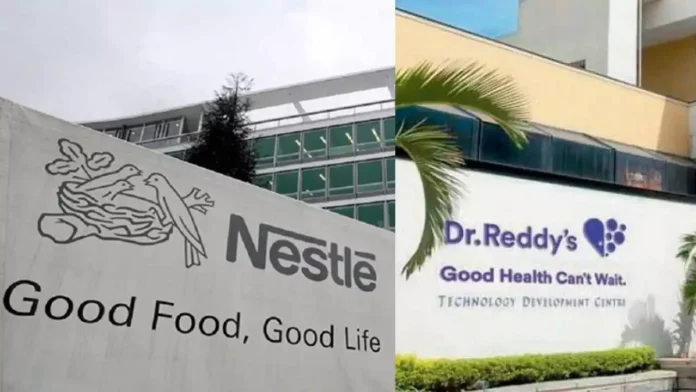
Nestle announced that its board has approved the execution of a definitive agreement to establish a joint venture with Dr. Reddy’s Laboratories.
The partners aim to unite a diverse range of global nutritional health solutions, along with Nestle Health Science’s vitamins, minerals, and health supplements.
The FMCG firm stated that the joint venture is anticipated to commence operations in the second quarter of the financial year 2024-25, pending customary closing conditions.
The board also greenlit the introduction of Nespresso in India, where the company will handle the sales and distribution of the product (machines and capsules) through its distribution network, online channels, and boutiques.
The company anticipates launching Nespresso in India by the end of 2024, as per their statement.
The board proposed a final dividend of INR 8.50 per share of INR 1 each for the fifteen-month financial year that ended on March 31, 2024.
The company’s shares were up by 2.53 percent, trading at INR 2566.15 each on the BSE.
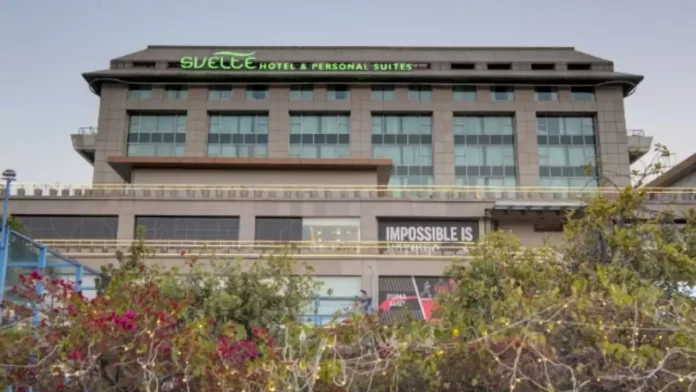
On Thursday, the Radisson Hotel Group announced the signing of the 108-room Svelte Delhi, a member of Radisson Individuals.
The hotel is anticipated to commence operations by Q3 2024, creating over 100 job opportunities spanning various roles for talented individuals in the industry.
Positioned strategically at the heart of South Delhi District Centre – Saket, which serves as the city’s retail and entertainment hub, the hotel offers easy access to prominent tourist attractions such as Qutub Minar, Humayun’s Tomb, and Lodhi Gardens.
“Given the proximity to corporate hubs, the hotel is positioned to attract both business and leisure travelers, becoming their preferred destination.”
Once operational, the 108-room hotel will offer guests comfortable accommodations across different categories, including superior rooms, premium rooms, and suites, as stated.
“We are thrilled to introduce Svelte Delhi, a Radisson Individuals member, to our portfolio. Nikhil Sharma, Managing Director & Area Senior Vice President, South Asia, Radisson Hotel Group, stated, “This expansion demonstrates our dedication to growing our footprint in significant cities so that we can meet the growing demand for both MICE events and weddings.”
He continued, “We are pleased to collaborate with Advent Hospitality & cater to the needs of modern travellers by offering them with exceptional hospitality experiences.”
“This partnership signifies a major milestone for us, highlighting our commitment to delivering top-notch hospitality experiences. Through our collaboration with Radisson Hotel Group, we aim to enhance operations and industry benchmarks, ensuring guests receive an exceptional experience that distinguishes us,” stated Satish Kumar Gupta, Managing Director, Advent Hospitality Pvt. Ltd.
McDonald’s has unveiled its revamped outlet at East Delhi Mall in Ghaziabad, Uttar Pradesh, boasting a brand-new appearance.
The restaurant underwent closure for renovation, aiming to transform it into a concept resembling that of McCafe.
Gaurav Gulati, Managing Director of East Delhi Mall, emphasized, “Our goal at East Delhi Mall is to ensure visitors enjoy an unparalleled experience, and the reintroduction of McDonald’s perfectly fits our vision.”
The newly opened outlet, inaugurated on April 16th, showcases modern aesthetics and integrates cutting-edge ordering technology, including AI-powered self-ordering kiosks.
Tanvi Sareen, Marketing Head of East Delhi Mall, expressed, “Customers were thrilled to have McDonald’s back in their neighborhood, and their response was overwhelmingly positive.”
Spanning an area of 2 lakh square feet, East Delhi Mall presents a varied selection of retail options. According to reports, the mall attracts a footfall of 7500-8000 visitors on weekdays.
Last year, it underwent renovations aimed at elevating its visual appeal. The outcome was a distinctive design, providing increased space and a smoke-free environment.
Connaught Plaza Restaurants Pvt. Ltd. manages McDonald’s eateries across the north and east regions of India. With a network of over 150 restaurants, McDonald’s employs 5,000 individuals in North and East India. The chain operates through various formats, such as standalone restaurants, Drive-thrus, 24/7 outlets, and McDelivery services.
This collaboration will unite the renowned global assortment of nutritional health solutions, including vitamins, minerals, herbals, and supplements from Nestle Health Science (NHSc), while also harnessing the commercial expertise of Dr. Reddy’s.
The joint venture partners will license specific brands to the JV company.
Optifast, Peptamen, Resource Diabetic, Osteo Bi-Flex, Ester-C, Nature’s Bounty, and Resource Renal and Resource Dialysis will be some of the brands that the Nestle Group will licence. In the OTC and nutrition markets, Dr. Reddy’s will licence brands such Becozinc, Kidrich-D3, Celevida, Rebalanz, and Antoxid. Headquartered in Hyderabad, the joint venture company is anticipated to start operations in the second quarter of FY25.
“This partnership will empower us to establish a strong retail and distribution network, bringing our brands within reach of consumers and fostering a significant impact on enhancing quality of life,” remarked Suresh Narayanan, Chairman and Managing Director of Nestlé India.
“This innovative strategy of capitalizing on the mutually reinforcing strengths of both parent companies will enhance accessibility and affordability for consumers,” commented M.V. Ramana, CEO of Branded Markets (India & Emerging Markets) at Dr. Reddy’s.
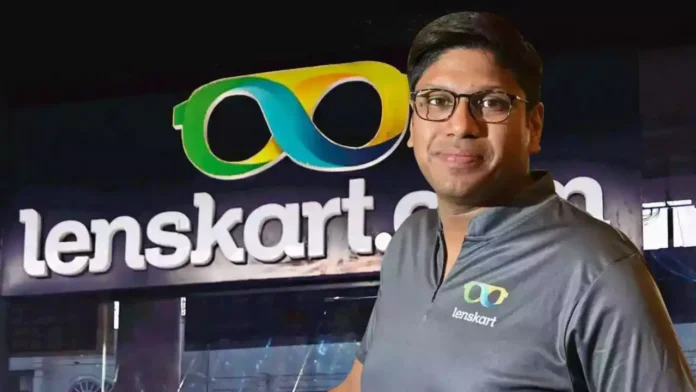
Singapore’s state investment firm Temasek and US-based Fidelity are in the last stages of negotiations to inject approximately $200 million into Lenskart via a secondary share sale, placing the omnichannel eyewear unicorn‘s valuation at roughly $5 billion.
According to ET, the secondary sale of Lenskart might achieve a valuation 11-12% higher than its previous $4.5 billion, setting it apart from typical transactions that frequently settle at lower valuations.
Temasek, already a current investor in Lenskart, is poised to spearhead the funding round with an investment ranging from $125-150 million. Fidelity, making its inaugural investment in the startup, will provide the remaining funds.
In this funding round, early investors such as TR Capital, KKR, and Avendus are considering selling a part of their stakes in Lenskart. However, SoftBank, holding the largest institutional stake at 16.5%, will not be divesting any shares in this round.
Established in 2010, Lenskart is India’s largest omnichannel eyewear retailer, with a growing presence in Singapore, the UAE, and other geographies. Lenskart has a customer base of 20 million in India.
Lenskart is further extending its reach into international markets across Asia and the Middle East. As part of its efforts to drive international expansion, the eyewear unicorn acquired OWNDAYS, Japan’s largest online eyewear brand, in a deal valued at $400 million.
Additionally, Lenskart is strategizing to broaden its presence in the Southeast Asia (SEA) market by introducing 300-400 stores in the region within the next two years. Currently operating approximately 70 stores in Singapore, the Delhi NCR-based unicorn intends to venture into Thailand and the Philippines as part of its expansion plans.
Last year, Lenskart secured a $100 million investment from the private equity firm ChrysCapital. Additionally, earlier in 2023, Lenskart raised $500 million from the Abu Dhabi Investment Authority (ADIA).
In FY22, the eyewear unicorn reported a consolidated loss of INR 102.3 crore compared to a profit of INR 28.9 crore in FY21. Lenskart’s revenue from operations saw a remarkable 66% increase to INR 1,502.7 crore from INR 905.3 crore in FY21.
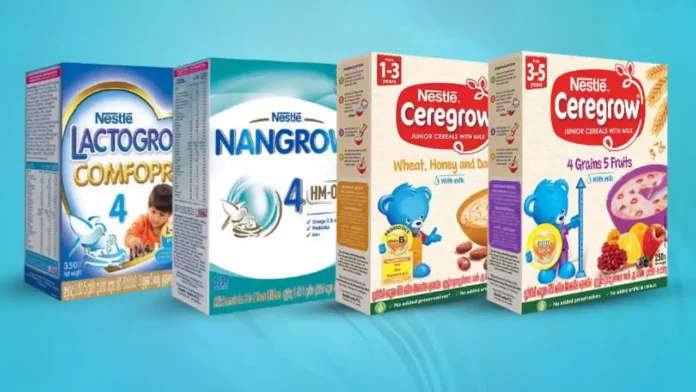
On Thursday, the Food Safety and Standards Authority of India (FSSAI) stated that it is currently collecting samples of Nestle’s Cerelac baby cereals from various regions across India. This action follows a global report alleging an increase in the sugar content of the product.
“We are in the process of gathering samples of Nestle’s Cerelac baby cereals from various regions of the country. The entire procedure is expected to span 15-20 days,” shared G Kamala Vardhana Rao, CEO of the Food Safety and Standards Authority (FSSAI), during an Assocham event on food fortification.
FSSAI operates as a statutory body within the jurisdiction of the Ministry of Health and Family Welfare.
The decision was made in response to concerns voiced by the consumer affairs ministry as well as the National Commission for Protection of Child Rights (NCPCR) following the publication of a global report by Swiss non-governmental organisation Public Eye.
The global report alleges that Nestle marketed baby products with higher sugar content in less developed regions of South Asia, such as India, as well as in Africa and Latin American countries, in contrast to its practices in European markets.
Nonetheless, Nestle India asserts its unwavering commitment to compliance, affirming that it has decreased the added sugar content in its baby food products by up to 30% across various variants over the last five years.
Earlier, at the Assocham event, the CEO of FSSAI highlighted the importance of food fortification for human health and called for fortification beyond rice to include millets and other alternative foods.
He added that FMCG firms have introduced various millet-based products in recent years and can continue to broaden the range of nutritious foods available in the country.
The CEO also took the opportunity to unveil an Assocham knowledge report titled “Fortifying India’s Future: The Importance of Food Fortification and Nutrition.”
LT Foods Global Branded Business CEO Vivek Chandra, Shariqua Yunus from the World Food Programme, Fortify Health CEO Tony Senanyake, and Farm to Fork Solutions CEO Umesh Kamble also shared insights on food fortification.
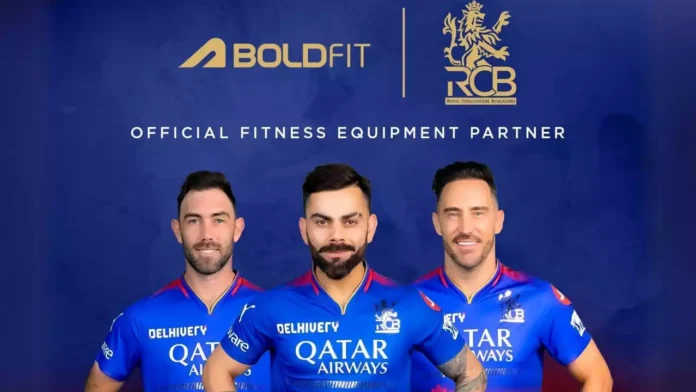
Pallav Bihani, the Chief Executive Officer of Boldfit, expressed excitement about the partnership with Royal Challengers Bengaluru, stating, “We are delighted to become the official fitness equipment partner of RCB.”
“We, at Boldfit, are ardent supporters of RCB, and it was a natural decision to collaborate with the team we’ve supported and respected from the beginning. We’re thrilled to introduce our exclusive RCB collection, which we believe fans nationwide will proudly showcase,” he elaborated.
Established in 2019, Boldfit is a Bengaluru-based startup offering products across various categories including yoga, nutrition, health, and wellness.
The company plans to provide complimentary fitness equipment for both RCB players and fans, crafted to elevate their training routines and enhance performance both on and off the field.
Nestle, the largest packaged food company globally, stated that commodity prices are encountering unparalleled challenges in both coffee and cocoa, with prices reaching all-time highs amid a continuous upward rally.
The producer of Maggi noodles, Nescafe coffee, and KitKat chocolate wafer bars anticipates a rise in milk prices owing to the expected harsh summer conditions.
The FMCG major stated that cereals and grains are experiencing a structural cost increase supported by MSP.
Nestle India revealed plans to establish a joint venture company with Dr. Reddy’s, with the latter group holding a 51% stake and Nestlé India owning the remaining 49%.
The joint venture is anticipated to commence operations in the second quarter of the fiscal year 2024-25.
Nestle India will retain the right to enhance its shareholding up to 60% after six years at a Fair Market Value. Dr. Reddy’s commitment includes maintaining a minimum 40% shareholding even after Nestle exercises its call option.
Furthermore, Nestle is poised to introduce Nespresso in India by the end of 2024. Following the approved launch of Nespresso in the country, the company plans to roll out its products, including machines and capsules, by the end of the same year.
Nestle India reported a larger-than-expected gain in quarterly profit on Thursday, boosted by higher product prices as well as demand for its packaged food goods.
Nestle’s Indian arm posted a net profit of 9.34 billion rupees ($112.03 million) for the three months that ended March 31, compared to 7.37 billion rupees a year earlier.
We use cookies to ensure that we give you the best experience on our website. If you continue to use this site we will assume that you are happy with it.