Friday, February 6, 2026
Home Blog Page 540

Consumer goods prices hold steady despite recent reductions; raw material inflation hints at future price hikes

0
retail
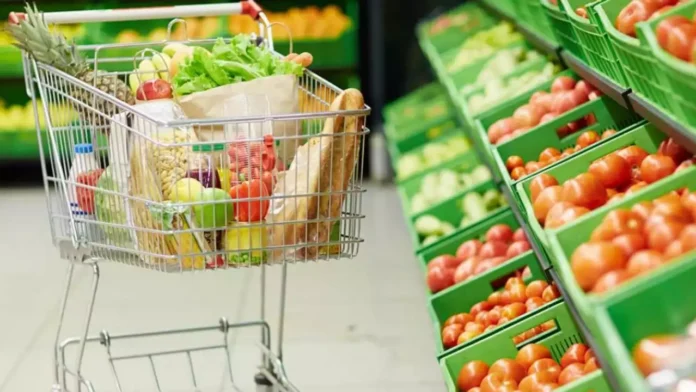
(Representative Image)

Consumer goods prices are still elevated compared to two years ago, even though companies have reduced prices on the majority of products in home, personal, and food categories over the past few quarters.

Raw material prices are beginning to exhibit early signs of inflation following a period of moderation, suggesting potential price hikes in certain categories may be imminent.

Over the past two years, the majority of consumer goods companies have implemented price increases of over twenty-five percent to counteract escalating costs attributed to factors such as raw materials, supply chain, and energy.

Cost inflation initially emerged during the pandemic and intensified following Russia’s invasion of Ukraine. Prices of crude oil, palm oil, LAB, and coffee experienced notable increases compared to both a quarter and a year earlier, while cocoa, coffee, and sugar prices saw sharp rises.

Continue Exploring: Pricey cocoa, coffee, palm oil, and sugar spike dining costs: Restaurant bills set to increase by 5-8% 

Krishnarao Buddha, senior category head for marketing at Parle Products, India’s largest food company, stated, “We need to acknowledge that the current product prices represent the new norm. Despite reductions in the prices of certain raw materials, we continue to face pressure on input costs, particularly in the food sector. Product prices are likely to either remain steady or even rise in some cases, with further price reductions being improbable.”

Boston Consulting Group notes that prices for household care products, foods, and beverages have more than doubled over the last decade, with a particularly sharp rise observed in the period following the Covid pandemic.

Analysts noted that despite the deflation of raw material prices over the past year, companies have mostly preserved the benefits through margin expansion. In a recent report, BNP Paribas mentioned that due to competitive pressures, volume constraints, and robust gross margins, companies are likely to refrain from raising prices in the immediate future.

The report, which monitors monthly prices of over 150 FMCG products across 20 categories, states that in beauty and personal care, some categories experienced slight price reductions in the last two months. However, oral care witnessed significant price increases with no reversal observed thus far. Despite a 15% reduction in prices for detergents and dishwashing products over the last six months, they remain 4-30% higher compared to two years ago. In the food and beverage sector, prices have largely remained stable over the past six months, except for edible oil.

For instance, soap prices have remained steady over the past six months but are still 15-20% higher compared to levels seen two years ago.

Over this period, the oral care category has experienced significant price increases, contributing to market leader Colgate’s Ebitda margin reaching a record high of 33.6% in the December quarter.

While detergent prices saw a 15% rise over the past two years, there were price cuts in the last quarter. However, with raw material prices beginning to rise again, implementing further price increases may prove challenging.

Continue Exploring: FMCG companies eye price-led growth with planned hikes in consumer goods

The growth in sales of fast-moving consumer goods (FMCG) in rural areas has surpassed that in urban markets for the first time in nearly three years. This early indication of demand recovery is attributed to a lower base and price reductions aimed at mitigating hyperlocal competition.

In February, Sudhir Sitapati, the managing director at Godrej Consumer Products, remarked that commodity prices are currently stable to slightly on the rise, whereas wage inflation is increasing. As a result, product prices are expected to be slightly higher than before in the coming quarters, potentially leading to high-single-digit value growth for the industry this calendar year. He also noted that in Fiscal Year 2024, volume growth outpaced value growth for the industry, mainly due to many FMCG product prices turning negative.

Advertisement

Key nutritional data missing from online food delivery menus, study reveals

0
food delivery
(Representative Image)

With a growing number of young people turning to apps for food purchases, a recent study has raised concerns about the lack of nutritional information for most advertised items on online food delivery menus. This absence hampers consumers’ ability to make informed and healthy choices.

Researchers from the University of Sydney analyzed the menu offerings available on leading online food delivery platforms and apps.

They discovered that fewer than 6 percent of food outlet menus on online delivery platforms such as UberEats, Menulog, and Deliveroo included comprehensive nutritional labeling.

The researchers reviewed a collective of 482 menus from UberEats, Menulog, and Deliveroo for their study, which was published in the journal Public Health Nutrition.

Continue Exploring: Food delivery app surge leaves QSRs struggling with revenue and margins amidst fragmented sales: BNP Paribas Report

Lead study author Sisi Jia stated, “Numerous studies demonstrate that menu labeling has tangible effects in the real world, with consumers provided nutritional information opting for meals with notably lower energy content.”

“Although there is an increasing need for food delivery services, it is still unclear how well online platforms are implementing menu labelling,” said Jia from the University of Sydney’s Susan Wakil School of Nursing & Midwifery and the Charles Perkins Centre.

The utilization of online food delivery services has experienced rapid growth, particularly during the pandemic.

According to the researchers, online food delivery is also simplifying the purchase of food with low nutritional value.

Continue Exploring: Food delivery app Thrive hits record highs in consumer numbers and orders, unveils ‘Faves’ loyalty program and expands restaurant portfolio

Advertisement

Impresario eyes aggressive growth: Plans to add 10-15 ‘Social’ outlets annually, targets tier-2 cities

Riyaaz Amlani, Founder and MD, Impresario Entertainment and Hospitality

Impresario Entertainment and Hospitality, the company behind the restaurant chain ‘Social’, is aiming to establish 10 to 15 new brand outlets annually, particularly targeting tier-2 cities for expansion, according to its founder and MD Riyaaz Amlani.

The company, which also owns restaurant brands such as Smoke House Deli and Mocha, remains positive about its future in India, citing factors like as demographic dividend and rising demand for premium experiences.

Amlani stated, “Within the broader food services market, quick service restaurants (QSR) and casual dining restaurants (CDR) stand out as the primary drivers of growth. Our flagship brand, Social, uniquely positioned between a cafe and a bar, falls within the CDR category, presenting significant opportunities for expansion within this segment.”

Impresario intends to launch 10-15 new Social outlets each year, leveraging its expertise. Highlighting the company’s performance, he pointed out a double-digit revenue growth in the current fiscal year (FY24) compared to FY23.

Continue Exploring: Nestlé India collaborates with SOCIAL and BOSS Burger to debut MAGGI’s plant-based menu across major cities

“We maintain a bullish outlook and are optimistic about our growth in India. In the upcoming year, we will continue to expand Social into new neighborhoods,” Amlani affirmed.

Impresario operates a network of more than 60 restaurants spanning across over 20 cities in India.

Based on information obtained from the business intelligence platform Tofler, Impresario’s total consolidated revenue stood at INR 573.66 crore in FY23.

Regarding expansion, Amlani described the company’s two-fold strategy: “expanding into new tier-2 towns and targeting state capitals, while also delving deeper into existing markets to reach additional neighborhoods.”

In 2023, it expanded by opening Social outlets in emerging markets such as Dehradun, Kolkata, and Hyderabad.

“We have high hopes for growth outside of our present cities of Mumbai, Bangalore, New Delhi, Pune, Kolkata, Hyderabad, Gurugram, Chandigarh, Indore, Dehradun, & Faridabad. This year, we want to explore new cities and look for chances to offer unique, locally relevant experiences,” he said.

Continue Exploring: SOCIAL breaks ground in Hyderabad with first outlet at Mindspace IT Park

The company is implementing a strategy of diversifying outlet formats based on regional considerations and other relevant factors.

We currently run corporate parks in Bengaluru & Mumbai, as well as standalone stores in upscale neighbourhoods and malls. “We will continue to innovate our designs & spaces to suit the unique attributes of every area and community we enter,” Amlani said.

It also manages several cloud kitchen brands such as Boss Burger, Lucknowee, and Aflatoon by SocialL, primarily operating from Social premises to provide a diverse culinary experience.

“Currently, a significant part of our sales comes from these cloud kitchen brands & currently makes up 10 to 12 % of our overall business,” he stated.

Additionally, it manages restaurants such as Slink & Bardot, a French diner, Bandra Born, a cocktail bar, and Prithvi Cafe in Mumbai.

Continue Exploring: SOCIAL unveils new cloud kitchen brand ‘Aflatoon,’ elevating North Indian cuisine with creative flair

Advertisement

J&J Snack Foods expands portfolio with acquisition of Thinsters cookie brand

0
Thinsters
Thinsters

J&J Snack Foods Corp. has completed the acquisition of the Thinsters cookie brand from The Hain Celestial Group, Inc. The transaction’s terms were not made public.

Thinsters are slender, bite-sized cookies crafted with ingredients known for their purity. Originally launched in 2014 under the name Mrs. Thinsters, the brand became part of Clearlake Capital Group, LP’s acquisition of That’s How We Roll, LLC in 2016. In 2019, it was rebranded as Thinsters. Subsequently, in a deal totaling $259 million, the Hain Celestial Group acquired Thinsters along with Parmcrisps two years later.

“This acquisition seamlessly aligns with our extensive range of cookies and baked goods,” stated Dan Fachner, President and CEO of J&J Snack Foods. “Thinsters’ commitment to utilizing top-notch, wholesome ingredients perfectly aligns with the preferences of our expanding customer base. We eagerly anticipate utilizing our expertise to broaden distribution channels and introduce Thinsters cookies to a broader audience.”

J&J Snack Foods also boasts ownership of other snack brands such as SuperPretzel, Hola Churros, and Funnel Cake.

Continue Exploring: Britannia eyes diversification into chocolates, salty snacks, and fresh dairy through joint ventures, unveils aggressive growth strategy

Wendy Davidson, President and CEO of Hain Celestial, expressed, “By divesting Thinsters, we enhance the efficiency of our supply chain network, allowing us to concentrate our efforts on expanding the reach and scale of our core better-for-you brands within our targeted categories. We are pleased to have reached this agreement with J&J Snack Foods and have full confidence that the business will flourish under their leadership.”

The acquisition of Thinsters and Parmcrisps did not yield favorable results for The Hain Celestial Group. Just over a year post-acquisition, the company reported a pre-tax, non-cash impairment charge of $156 million related to the brands, citing a substantial decline in distribution, according to the company’s statement.

The initial premise, in my opinion, was that the risk associated with channel concentration would be surpassed by the growth of channels. Davidson made this comment during a May 9, 2023, conference call regarding the impairment charge. “But it turned out that these two elements were actually in opposition.” “Therefore, what we are witnessing currently is a result of acknowledging the current state of the brand.”

Continue Exploring: Global cocoa supply shortage pushes Cadbury and major chocolate brands to consider price hikes

Advertisement

Unilever’s Wall’s expands handheld ice cream range with trio of new products

0
Unilever's Wall ice cream

Unilever‘s Wall’s has unveiled a trio of new products under its Twister, Cornetto, and Guuud frozen treat brands, just in time for the warmer months.

Wall’s is broadening its Twister range with the introduction of Twister Berry-licious, touted by the company as the first ice cream in the market to naturally tint tongues blue. This non-HFSS sweet berry-flavored ice lolly is crafted with real fruit juice and devoid of artificial flavors or colors.

Rhiannon Lines, the handheld marketing manager at Unilever for Wall’s, remarked, “The beloved Twister is renowned for its distinctive shape and inventive flavor blends. It’s perfect for parents and caregivers seeking tasty, guilt-free ice creams for kids to savor as a treat. Ice cream embodies both fun and flavor, and what could be more delightful than a delicious treat that naturally turns tongues blue?”

Continue Exploring: Unilever announces spin-off of ice cream business, 7,500 job cuts planned in cost-cutting effort

Unilever’s latest Cornetto innovation, Cornetto Soft Stracciatella and Caramel, is hailed as their “most indulgent Cornetto yet.” This iteration boasts delectable stracciatella and caramel toppings and sauce, paired with a novel crunchy cocoa wafer cone, marking a first for the brand.

Lines remarked, “Cornetto Soft was crafted to bring the joy of soft ice cream to households. This luxurious new Cornetto Soft recipe provides a convenient option for consumers to indulge themselves, ideal for the increasingly popular sofa snacking trend.”

Amidst the ongoing quest for healthier dessert options, Guuud, the Greek-style yogurt ice cream brand, is embracing the trend with the introduction of three fresh flavors: salted caramel, sweet and sour passionfruit, and fruity raspberry. With just 68 calories per stick, this yogurt-style ice cream line complies with HFSS regulations.

Lines wrapped up by stating, “Guuud plays a vital role in our strategy to make ice cream a year-round option. With this brand, we’re introducing fresh occasions for enjoying ice cream throughout the year, presenting a perfect alternative to traditional yogurt. Whether savored on-the-go, as a mid-afternoon treat, or as a luxurious post-dinner indulgence on the sofa, Guuud is crafted to open up new avenues for frozen delights.”

Continue Exploring: Froneri expands Oreo ice cream line with new mini bites

Advertisement

Retail food inflation eases to 8.52% in March 2024 as prices of pulses and oils decline marginally

0
Vegetables
(Representative Image)

Retail food inflation eased slightly to 8.52% in March 2024 from 8.66% in the previous month, driven by a sequential decline in the prices of pulses, edible oils, and spices, alongside a high base effect. Conversely, key items such as cereals, milk, meat, and vegetables witnessed an uptick in prices on a month-on-month basis.

The consumer food price index (CFPI) for the previous month showed a modest sequential increase of 0.16%. In March 2023, the annual food inflation stood at 4.73%.

Vegetable inflation reached 28.34% in March, marking a decrease from the 30.25% recorded in February 2024. Meanwhile, annual retail price growth for potatoes surged to 41% last month, a significant rise from the 12.38% seen in February 2024. Notably, potato inflation had remained negative between February 2023 and January 2024.

Last month, retail onion inflation surged to 36.88%, up from the 21.87% increase recorded in February 2024. Conversely, tomato prices saw a slight decrease in their year-on-year growth, rising by 32.52% last month compared to the 41.83% rise in February 2024.

Continue Exploring: Kishore Biyani’s daughters Ashni and Avni set to re-enter retail space with Foodstories venture

Milk and dairy product prices saw a 3.38% increase last month compared to the previous year, reflecting a marginal decrease from the 3.86% rise in February 2024. Additionally, pulse inflation witnessed a slight decline to 17.71% in March from 18.9% in February 2024, while the arhar variety experienced a notable price increase of 33.54%.

Aditi Nayar, Chief Economist at ICRA, anticipates that food and beverages inflation will continue to exceed the 7% threshold in April 2024. She highlighted concerns about the potential exacerbation of the seasonal rise in perishable prices due to an impending heatwave, underscoring the importance of a favorable monsoon in 2024 to mitigate food inflation pressures.

The overall inflation in cereals increased to 8.37% last month from 7.6% in February 2024, primarily driven by the rise in wheat prices.

Wheat inflation climbed to 4.74% last month, compared to a mere 2% increase in February 2024 and a substantial 12% surge in July 2023. This shift can be attributed to improved supplies, facilitated by the open market sales conducted by the Food Corporation of India. Notably, the corporation has achieved a significant milestone, selling a record 9.6 million metric tons of wheat through weekly e-auctions this fiscal year.

Retail rice prices increased by 12.69% last month, a slight uptick from the previous month. To enhance domestic supplies, the government has implemented measures such as prohibiting exports of white rice and imposing a 20% export duty on par-boiled rice.

Last month, inflation in the meat and fish category increased by 6.36%, slightly higher than the 5.24% rise recorded in February 2024. Specifically, chicken prices surged by 8.53% due to elevated feed costs, compared to a 5.69% increase in February 2024.

Continue Exploring: India’s fresh fruit exports surge by 29%, market presence expands to 111 countries

Mustard oil and refined oil prices experienced sharp declines of 15.12% and 17.96% respectively last month compared to the previous year, resulting in an overall decrease of 11.71% in the inflation rate within the oils and fats category.

Inflation in the ‘spices’ category last month stood at 11.4% year-on-year, marking a decrease from 13.51% in February 2024. Jeera (cumin seeds) prices saw a 50% increase last month, following an 89.83% rise in January 2024 compared to the previous year. Experts anticipate a further decline in jeera inflation with the arrival of robust crops.

Advertisement

Aplós revolutionizes refreshment with new line of functional alcohol-free canned cocktails

0
Aplós

Aplós, the beverage brand, has unveiled a series of ready-to-drink alcohol-free cocktails that are both functional and infused with natural botanicals and adaptogens.

Aplós Cocktails strives to provide the elegance and functional benefits of traditional cocktails, minus the drawbacks of alcohol. Their concoctions feature blends of natural, functional ingredients to achieve this aim.

Made with Aplós’s distinctive non-alcoholic functional spirits, Arise and Calme, these cocktails are debuting in two tantalizing flavors: Ume Spritz and Chili Margarita. They’re non-GMO, vegan, and gluten-free, with no added sugar and just 30 calories per can.

Ume Spritz combines the refreshing essence of ume plum, oroblanco grapefruit, white tea, and sea buckthorn with Aplós’ alcohol-free Calme spirit. Calme, infused with broad-spectrum hemp, offers a soothing and uplifting experience.

Continue Exploring: Diageo’s Captain Morgan unveils exciting line of RTD cocktail-inspired malt beverages!

The Chili Margarita fuses mandarin, Persian lime, orange habanero, sea salt, and Aplós’ Arise spirit. Arise, enriched with a blend of adaptogens such as suntheanine, moringa, l-choline bitartrate, ginseng, and vitamins B3 and B12, is crafted to enhance mood, promote cognitive function, and increase energy levels.

Emily Onkley and David Fudge, the co-founders of the brand, remarked, “Eighty percent of our customers have shared that they’ve significantly cut back on their alcohol consumption and are continuously seeking innovative, functional cocktails. Our goal was to craft the finest non-alcoholic cocktails available, and we’re confident that we’ve achieved just that.”

They further emphasized, “As our industry rapidly expands, with millions seeking alternatives to alcohol, our mission remains steadfast: to develop intricate flavor profiles that rival the artisanal cocktail experience, all without the aftermath of a hangover or any detrimental health effects.”

The cocktails are packaged in sets of four 8.5 fl oz cans, priced at $24 as suggested retail. Aplós beverages are conveniently accessible online for direct consumer purchase, as well as at handpicked cocktail bars globally and retail outlets throughout the US.

Continue Exploring: Dr. Dre and Snoop Dogg collaborate to launch ‘Gin & Juice’ canned cocktails

Advertisement

Arctic Coffee takes chill factor up a notch with new RTD iced coffee variants

0
Arctic Coffee
Arctic Coffee

Arctic Coffee, a UK-based chilled coffee brand, has enriched its selection by introducing a new high-protein caramel latte and a 1-liter mocha carton.

Additionally, the brand is unveiling a larger 1-liter carton of mocha iced coffee. These new offerings are crafted at Crediton Dairy, a dairy farm located in Devon, UK, and the proud owner of Arctic Coffee.

Arctic Coffee noted that the recent product developments were spurred by consumer demand for more budget-friendly and convenient ready-to-drink beverages, especially with coffee shop drink prices currently reaching record highs.

The freshly launched Arctic Coffee Hi-Protein Caramel Latte offers a delightful blend of caramel and chilled coffee. Packed with 15g of protein and only 125 calories per carton, it’s also low in fat and free from added sugars.

Continue Exploring: Blue Tokai Coffee in advanced talks for new raise at over $180 Million valuation

Abigail Kelly, Head of Marketing and Insight at Crediton Dairy, expressed, “Coffee shops have long been the pioneers of indulgent and adventurous coffee flavors. In a period where consumers seek compelling reasons to spend, innovation becomes pivotal in maintaining brand relevance. Our aim was to introduce similarly enticing and diverse options to supermarket shelves, catering better to the preferences of shoppers.”

Continuing, she emphasized, “Shoppers aren’t just seeking nutritional indicators and trendy flavors; they crave indulgence. The mocha flavor remains relatively scarce in the market, with few options delivering on the rich, indulgent chocolate experience. We’re poised to revolutionize that.”

The freshly introduced iced coffees are now accessible for purchase at leading UK retailers, priced at £1.15 and £2.20, respectively.

Continue Exploring: Victor Allen’s unveils delectable ice cream-inspired RTD iced coffees

Advertisement

McCain Foods completes acquisition of Strong Roots, strengthening position in growing market for sustainable frozen foods

0
Strong Roots
Strong Roots

McCain Foods has finalized the acquisition of Strong Roots, an Irish plant-based frozen food manufacturer.

The acquisition comes in the wake of McCain and Strong Roots forming a strategic partnership in 2021, buoyed by a $55 million investment.

Strong Roots emphasizes genuine food that is both beneficial for the planet and people. Their array of vegetable-centric dishes, including meals, sides, and snacks, complements McCain’s current portfolio. This partnership ensures improved global access to high-quality, sustainable food for customers and consumers worldwide.

Through the acquisition, McCain anticipates broadening the reach of the Strong Roots brand into additional regions. This expansion aims to provide a wider array of eco-friendly, vegetable-focused products, catering to the growing demand from consumers seeking healthier, natural, and uncomplicated meal options.

Continue Exploring: JustDeliveries raises $1 Million to provide cold chain solutions for frozen food brands and restaurants

Jillian Moffatt, regional president of McCain GB and Ireland, expressed, “This investment reinforces McCain’s dedication to environmentally conscious food, allowing us to broaden our range of healthier choices produced, processed, and delivered sustainably. With a shared vision and values, we are thrilled to advance the global expansion of the Strong Roots brand.”

Peter Dawe, McCain Foods’ chief growth and strategy officer, remarked, “Our collaboration with Strong Roots since 2021 exemplifies our commitment to future investment and portfolio diversification, aligning with shifting consumer preferences. We are eager to enhance growth, extending access to natural, uncomplicated meals and ingredients across retail and foodservice sectors.”

Samuel Dennigan, founder and CEO of Strong Roots, emphasized, “Our collaboration with McCain has fueled significant growth, and this step forward will allow Strong Roots to uphold its commitment to sustainability while driving innovation to introduce delightful, vegetable-centric products to a broader global audience.”

Under the leadership of CEO Charlotte Turton, Strong Roots will continue to operate as a separate entity. Founder Samuel Dennigan will collaborate with the team to drive continued portfolio innovation and brand expansion.

The specific terms of the agreement remained undisclosed.

Continue Exploring: BigBasket teams up with Chef Sanjeev Kapoor to introduce frozen foods brand ‘Precia’, targets INR 100 Crore in online sales by 2026

Advertisement

Indian coffee growers rejoice as robusta prices hit historic high of INR 10,080 per 50 kg bag

0
Coffee
Coffee

India’s coffee industry is experiencing a windfall as robusta coffee bean prices skyrocket to an unprecedented INR 10,080 per 50 kg bag as of Friday. This price hike represents a historic high since the establishment of coffee estates in the Western Ghats region during the 1860s by the British.

While Arabica coffee, known for its creamy layer in a shot, has exhibited a relatively stable pricing trend, robusta prices have typically fluctuated between INR 2,500 to INR 3,500 per 50 kg bag for almost 15 years.

The spike in robusta coffee prices has brought a sense of relief and happiness to coffee farmers, particularly those with smaller farms who predominantly grow robusta because of its lower production expenses in contrast to Arabica. These farmers have grappled with various challenges over the past decade, including unpredictable rainfall, crop damage caused by wildlife, and escalating input and labor expenses.

G Nithin, a coffee cultivator in Chikkamagaluru, shared his excitement, saying, “I could hardly believe it, not even in my wildest dreams, that prices would hit the INR 10,000 milestone.” Nithin had already offloaded a portion of his inventory expecting prices to climb even higher.

Continue Exploring: India’s coffee exports soar by 13.35% in Q1 2024, Robusta demand leads the way

As per Nanda Belliappa, chairman of the Codagu Planters Association, the rise in robusta coffee prices can be explained by the fundamental principles of supply and demand. Factors like reduced coffee output in leading robusta-producing nations because of unfavorable weather conditions and shifts in cropping patterns have played a role in this boon for Indian growers.

Insiders at the Coffee Board of India also point to the price surge being linked with significant robusta coffee producers like Vietnam and Indonesia diversifying into more lucrative crops such as dragon fruits and avocados. Moreover, there’s a rising demand for coffee in the cosmetics sector.

Karnataka alone accounts for 70% of India’s total coffee production, with Kerala, Tamil Nadu, and other districts contributing 83% of the total. However, Karnataka’s coffee plantations have had difficulties recently. Due to declining profits and a labour scarcity, many farmers have sold their land to real estate developers or turned it into tourist attractions.

Somaiah, a coffee farmer, highlighted, “There’s a significant shortage of skilled workers to manage the estates, along with a sharp rise in labor expenses.” Planters have increasingly turned to migrant laborers from Bengal and Assam, who bring expertise from their work in tea estates.

Additionally, wildlife encroachment presents a substantial risk to coffee plantations, as elephants, bisons, monkeys, and giant squirrels cause damage to crops while seeking food and water.

Despite these obstacles, the upsurge in robusta coffee prices provides a ray of hope for Indian coffee growers, indicating a possible revival for the industry following years of hardship.

Continue Exploring: Blue Tokai Coffee in advanced talks for new raise at over $180 Million valuation

Advertisement