Yum Brands saw a decline in quarterly global same-store sales, attributed to fluctuating demand for its KFC and Pizza Hut brands among inflation-wary consumers both in the United States and abroad.
As inflation lingers, consumers across the United States are showing a growing preference for value-driven dining options. This trend is prompting fast food chains to intensify their efforts in offering promotions, revamping store layouts, and enhancing ordering experiences.
Yum Brands saw a 3.7% decline in premarket trading as the parent company of Pizza Hut experienced its first decrease in total same-store sales in approximately three years, following in the footsteps of coffee giant Starbucks.
CEO David Gibbs expressed, “As anticipated, same-store sales faced pressure this quarter. However, we find encouragement in robust two-year same-store sales growth and the positive momentum as we conclude the quarter.”
According to LSEG data, Yum Brands’ total revenue for the first quarter ended March 31 decreased by nearly 3% to $1.60 billion, falling short of analysts’ estimates of $1.71 billion.
In the first quarter, the company experienced a 3% decline in worldwide same-store sales, contrary to analysts’ expectations of a 0.04% growth.
Despite the launch of KFC’s first loyalty program in the reported quarter, it didn’t succeed in boosting demand for the fast-food giant. Consumers persisted in seeking more economical options, such as meals prepared at home.
In contrast to these results, pizza chain Domino’s has thrived, benefiting from a revamped loyalty program that has retained consumer loyalty over the past two quarters.
Same-store sales at KFC restaurants globally declined by 2%, while Pizza Hut experienced a 7% drop in the same metric.
Taco Bell’s posted a 1% increase, falling short of estimates by 1.83%.
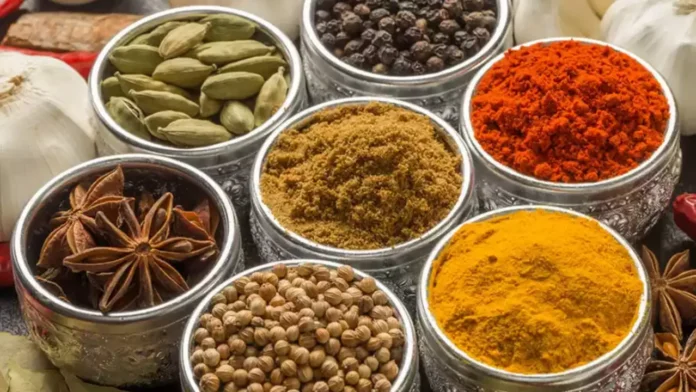
After the recent controversy over food spices exported by India, the central government has directed all state administrations to conduct quality testing on spices.
Earlier, the Food Safety and Standards Authority of India (FSSAI) and the Spices Board initiated regular sampling, but neither organization—nor any other government body—has released any official statements regarding the quality of spices.
In Uttarakhand, the state Commissioner of Food Safety, Dr. R Rajesh Kumar, has issued directives to test all food spices produced within the state. Uttarakhand houses over 50 spice manufacturing units.
“The commissioner has directed the food safety officials of all 13 districts to make visits to spice manufacturing units & conduct sampling to assess the quality of different spices,” said Commissioner of the Food and Drug Administration.
As per a report, the ongoing controversy involving MDH and Everest spice companies has the potential to jeopardize more than half of India’s spice shipments. The report emphasized the urgent need for the country to address the quality issue.
Recently, Food Standards Australia New Zealand (FSANZ) announced its investigation into contamination allegations concerning spice mixes manufactured by Indian companies MDH and Everest. This scrutiny may prompt a product recall in Australia, mirroring actions taken in Hong Kong and Singapore.
The controversy over the alleged detection of the carcinogenic chemical ethylene oxide in their products led to a mandatory recall from shelves. According to the report, the main violations in these occurrences were the presence of salmonella contamination, a common bacterial cause of foodborne illness, and ethylene oxide, a carcinogen used as a fumigating agent.
Nuvama Institutional Equities has adjusted the 12-month price target (PT) for IndiaMart InterMESH downward by 5% to INR 2,650 from its previous INR 2,800, attributing the change to the B2B marketplace’s subdued subscriber growth in the quarter that ended March 2024.
In its report, the brokerage highlighted that IndiaMART’s decelerating subscriber growth is impacting its revenue collections. It upheld its ‘HOLD’ rating on the stock, emphasizing the absence of indications for a rebound in subscriber acquisitions.
This comes after the company announced that its consolidated net profit increased by more than 78% to INR 99.6 Cr in Q4 FY24 from INR 55.8 Cr in the same period the previous year. According to IndiaMART, its total customer collections for Q4 of FY24 were INR 484 Cr.
Nuvama noted that the company’s paid supplier additions remained restrained in the March quarter, with a persistently high turnover rate among new consumers in its ‘silver’ package.
It’s worth mentioning that IndiaMART provides four packages to suppliers – silver, gold, platinum, and diamond. These packages vary in price from INR 1.1 Lakh to INR 6.5 Lakh per annum, with the silver package being the most affordable option.
The subdued turnover of paid subscribers has hindered the startup’s capacity for upselling, specifically in converting paid subscribers from the silver package to higher tiers. Consequently, Nuvama noted, this has had an impact on the overall collections.
The brokerage stated, “Although we recognise the company’s leadership and strong position in the B2B ecommerce market, we think that high churn would keep subscriber addition counts low, thus impacting collection/revenue growth.”
IndiaMART reported 24 million unique business enquiries in Q4 FY24. Commenting on this, the brokerage noted that this growth has been largely consistent over the past three quarters, implying potential challenges on the buyer’s end as well.
Established in 1999, IndiaMART facilitates connections between buyers and suppliers through its online B2B marketplace. It enables buyers to explore a selection of over 10 crore products offered by more than 78 lakh suppliers.
The company witnessed a 17% increase in operating revenue, reaching INR 314.7 Cr in the March quarter of FY24, up from INR 268.8 Cr in Q4 FY23.
In FY24, IndiaMART recorded a consolidated net profit growth of 18%, reaching INR 334 Cr compared to INR 283.8 Cr in FY23. Operating revenue for FY24 stood at INR 1,196.8 Cr, marking a growth of over 21% from INR 985.4 Cr in FY23.
Fortune Hotels, under the umbrella of ITC‘s hotel group, is gearing up to launch a new hotel every month in the ongoing financial year, according to Samir MC, the company’s Managing Director. Sharing the expansion blueprint, Samir highlighted the recent inauguration of Fortune Hotels’ first international property, the Fortune Resort & Wellness Spa Bhaktapur, situated in Nepal.
He characterized it as a major achievement within the company’s expansion strategy aimed at transcending geographical boundaries, with aspirations for establishing a strong foothold in South Asia and neighboring markets.
“Following the recent opening, we’re gearing up to launch at least four to six more hotels in the first half of the fiscal year. These will be in unique destinations like Kevadia (Ekta Nagar, Gujarat), Candolim (Goa), Palampur (Himachal Pradesh), and a beach resort in Chennai, among others. We’re also planning an equal number of openings in the second half from October to March,” Samir stated.
He added, “This pace is in line with our objective of inaugurating a new hotel nearly every month during this fiscal year, signifying substantial advancement towards our expansion objectives.”
Discussing the hurdles confronting India’s hospitality sector, Samir highlighted how economic uncertainties, such as fluctuating exchange rates, geopolitical tensions, and global economic downturns, can influence travel demand and consumer expenditure, thereby presenting challenges for hotels in managing revenue, occupancy rates, and profitability.
He pointed out the growing global travel patterns, propelled by increasing disposable incomes, a craving for distinctive experiences, and enhanced accessibility, as “noteworthy opportunities” for the hospitality sector to allure a varied spectrum of travelers.
The substantial rise in the disposable incomes of Indians has spurred significant growth in the alcobev sector within the country. According to the International Spirits & Wines Association of India (ISWAI), the alcobev industry in India is set to touch $64 billion by 2030.
The sector provides employment opportunities, both directly and indirectly, to an astounding 7.9 million individuals in India, as stated in the report titled “Economic Value of the Indian Alcoholic Beverage Industry” by ISWAI.
The country’s burgeoning middle class is also driving significant premiumization in the sector as demand for premium liquor is surging. Additionally, according to experts, Indian alcobev producers have not only met the colossal domestic demand but have also established a significant global presence.
“The Indian beverage sector has changed its focus over the last ten years from producing just in India to developing products especially for the Indian market. Nowadays, discerning consumers are searching for products with Indian heritage. The emphasis has switched over the past two years to “Made for India” and “Made in India for the world,” particularly since the COVID-19 outbreak,” according to Kunal Vasudeva, co-founder and managing director of the Indian School of Hospitality.
“For the past 3-4 years, the leading single malt globally has hailed from India, while the finest infused gins are also crafted in India for international markets. Additionally, Bira now exports to the Middle East from India, meaning that 10-15% of all ‘Made in India’ products are also ‘Made for the World,’ remarked Mr. Vasudeva.”
Experts also assert that the entire industry is experiencing a significant upheaval across various sectors, including supply chain, cold storage, manufacturing, logistics, and consumer behavior.
In response to these shifting trends and to provide global travelers with unparalleled experiences, esteemed hospitality institutions are also establishing international partnerships with leading hospitality education institutions.
“We are a member of Sommet Education, and we have strategic partnerships with Les Roches & Ecole Ducasse across Europe. International faculty members join ISH to improve the learning experience and provide a global perspective. Furthermore, our students have the option of moving to Les Roches and Ecole Ducasse, where they can get an extra degree and take advantage of worldwide placement prospects,” added Vasudeva.
Adapting to the shifting landscape of the alcobev sector and addressing the preferences of contemporary travelers, prominent hospitality education institutions like the Indian School of Hospitality are introducing initiatives such as the Concocting Conclave. These events serve as platforms for aspiring beverage managers to grasp the nuances and evolution within the beverage industry.
The National Education Policy (NEP) 2020 facilitated the globalization of education by permitting foreign universities to establish their International Branch Campuses (IBCs) in India. This development is mutually beneficial for Indian students and foreign educational institutions, as the establishment of IBCs contributes to the improvement of higher education quality in India.
“Presently, India is bolstering the entire Middle Eastern hospitality sector. With a keen understanding of international tourists’ and consumers’ preferences, Indian students can enhance guest experiences. Just as India exported its IT expertise, in the coming five years, we aim to export hospitality worldwide,” Vasudeva elaborated.
Walmart is introducing its largest store-label food brand in two decades, offering a wide range of items. This move aims to attract younger customers who aren’t committed to specific grocery brands but crave chef-inspired cuisine at wallet-friendly prices.
The new brand, Bettergoods, is now available at Walmart stores and on the company’s online platform. Walmart announced on Tuesday its plans to expand the line to include 300 products by fall, spanning frozen foods, dairy items, snacks, beverages, pastas, soups, coffee, and chocolate. Prices vary from under $2 to under $15, with the majority of products priced below $5.
The Bettergoods line is categorized into three sections: plant-based selections like desserts crafted with oat milk and non-dairy cheeses; offerings tailored to various dietary preferences, such as gluten-free options or those free from artificial flavors, colors, or added sugars; and “culinary experiences,” which include delights such as creamy corn jalapeno chowder and authentic Italian pasta.
As inflation pushes shoppers to explore more budget-friendly options, the introduction by the nation’s leading retailer is timely. This trend has propelled the popularity of private-label brands, which constituted nearly 26% of total units sold in the food and beverage category last year, up from 24.7% the year before, as reported by market research firm Circana. In contrast, national name brands accounted for 74.5% of sales last year, down from 75.3% in 2022.
In 2023, private brands captured 36.6% of the market share in dollars for core pantry items like breakfast meats, baking essentials, fresh bread, and savory snacks, marking a slight increase from 36.2% in 2019. In contrast, national brands held 63.4% of the market share last year, a slight decrease from 63.8%, according to Circana.
However, store brands are evolving to offer tastier and higher-quality options, comparable to national brands. Walmart’s competitors, such as Target, have been expanding and enhancing their own labels. Target’s Good & Gather food and beverage brand, introduced in 2019, has broadened its offerings to include dishes like chicken tikka masala.
Many grocery retailers are facing increased competition from Trader Joe’s, known for offering shoppers an adventurous treasure hunt experience with its diverse selection of high-quality meals, ingredients, and snacks.
Alongside Great Value and Equate, Bettergoods is another Walmart store label food brand offering more affordable options compared to national names. Bettergoods, on the other hand, claims that many of its products are made just for Walmart, introducing the retailer’s customers to new flavours and trends.
Scott Morris, Walmart’s Senior Vice President of Private Brands, Food, and Consumables, stated, “We’re observing a shift in younger customers towards brand neutrality, emphasizing quality and value, which is fueling greater interest in private brands within the industry.”
In a bid to expand its product range and appeal, online fast-fashion retailer Shein is actively courting brands like toothpaste conglomerate Colgate-Palmolive and toymaker Hasbro, aiming to sell more household names on its platform.
Renowned for its affordable in-house clothing and accessories, Shein is diversifying into additional categories, extending access to its platform to brands and retailers across nine European countries. This expansion follows its successful ventures into the United States, Brazil, and Mexico last year.
As part of Shein’s overarching strategy to enhance credibility and bolster competition against Amazon, this initiative facilitates the business’s expansion and innovation in sales methods, laying the groundwork for its anticipated stock market listing later this year.
Last month in Madrid, Shein showcased its marketplace services in conjunction with prominent brands such as Colgate-Palmolive, Hasbro, Suntory Beverage & Food (the maker of Orangina), and Spanish cosmetics brand Bella Aurora.
At a conference in Paris on April 17th, Christina Fontana, Senior Director of Brand Operations for Europe, Middle East, and Africa at Shein, emphasized, “While Shein is widely recognized for fashion, we’re actively involved in all verticals.”
Fontana stated that witnessing shoppers opening Shein and exploring other brands served as the driving force behind this initiative.
“Our consumers desire brands, if that’s what they are searching for, that’s what we are going to give them.”
Fontana, formerly with Alibaba, is among a group of marketplace specialists that Shein has recruited from prominent companies, including the Chinese e-commerce giant and others.
This recruitment drive has contributed significantly to rapid expansion. Shein garnered an average of 108 million monthly active users across European Union member states in the six months leading up to January 31st.
However, the company’s expansion has introduced new challenges, such as adhering to new EU regulations mandating the monitoring of its platform for illegal or harmful products.
In Europe, Shein’s marketplace is currently accessible in the following countries: Britain, France, Germany, Italy, the Netherlands, Poland, Portugal, Spain, and Sweden.
According to experts, the success of Shein’s new marketplaces and its ability to rival Amazon and AliExpress will hinge on the brands it manages to attract.
Xiaofeng Wang, an e-commerce analyst at Forrester in Singapore, emphasized, “For Shein to establish itself as a reliable and respected marketplace platform, securing endorsements from prominent Western brands is crucial.”
During a Zoom webinar tailored for potential sellers in the United States, Claire Lin, Shein’s Head of Seller Marketing, presented an enticing opportunity for brands to tap into millions of shoppers and “supercharge” their sales.
“Our shopping experience is highly engaging; it’s like playing some sort of game,” she explained. “Browsing our site is enjoyable, which is reflected in our minimum shopping time of around eight minutes, surpassing the industry average.”
According to Lin, Shein’s shoppers primarily consist of Gen Z and millennials, with a notable majority being female, accounting for approximately an 80-20 split between women and men.
She mentioned that home, electronics, beauty, and health are currently the top-performing categories. Interestingly, the only category Shein doesn’t offer is food and beverages.
As per a slide displayed during the webinar, the gross merchandise value (total value of products sold) in the home category saw a threefold increase in 2023. Likewise, electronics experienced a 2.5-fold growth, and beauty & health products surged by 2.1 times.
Before opting to sell directly through a marketplace, brands often seek assurances that the platform aligns with their target audience and that they’ll maintain control over pricing and promotions. This ensures they can maximize their sales potential through the platform.
Many third-party retailers have been drawn to Shein’s platforms.
Currently, third-party shops in the United States, Britain, Brazil, and Mexico are selling products on Shein’s platform; these merchants include Caudalie, CeraVe, Shiseido, The Ordinary, and Weleda.
Jayn Sterland, the UK & Ireland country manager at Weleda, stated that the Swiss cosmetics brand had no plans to sell directly on Shein.
Sterland added that when evaluating a marketplace, factors such as reputation, perception, and environmental impact are crucial considerations for the brand. She pointed out sustainability initiatives that Weleda collaborates on with Amazon, where it directly sells its products.
There was no response from Colgate-Palmolive to a request for comment. A spokesperson from Hasbro mentioned that the company took part in the Madrid event to discuss the advantages and disadvantages of marketplaces in general.
According to a spokesperson from Suntory, the company does not currently sell any of its beverages on Shein’s marketplace, nor do they have any plans to do so. Their participation in the event was solely an opportunity to exchange best practices.
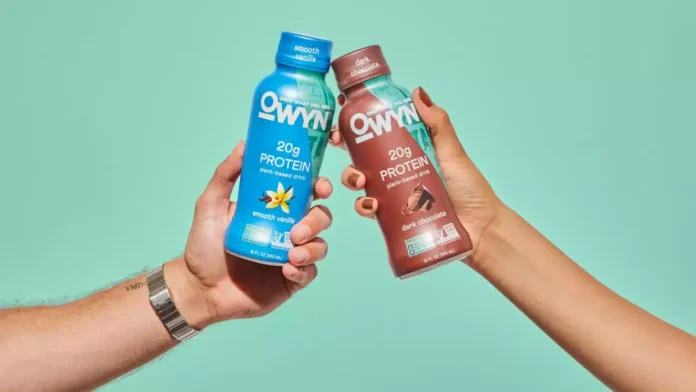
OWYN, a nutrition company, crafts its products from top-notch, pure ingredients, void of any artificial additives. Presently, the brand boasts five shake and powder options featuring plant-based protein.
The agreement, amounting to $280 million, aims to strengthen and broaden Simply Good Foods’ portfolio, enhancing its footprint in the ready-to-drink protein shake market segment.
Simply Good Foods’ acquisition of OWYN from United Nutritional Brands, an affiliate of Purchase Capital, and other minority investors, reinforces its standing in the nutritional snacking sector, further solidifying its position within the market.
Through the deal, Simply Good Foods will elevate OWYN products by utilizing combined research and development capabilities to improve core product performance and tap into untapped growth opportunities.
“The purchase of Only What You Need is strategically attractive as it adds a third, complementary brand to Simply Good Foods & strengthens our position in the rapidly expanding RTD shake market,” according to Geoff Tanner, the CEO and president of Simply Good Foods. To further enhance our category-leading presence with retail customers, OWYN expands its consumer base to include a new, additive group.
He further stated, “We are confident that our go-to-market capabilities will drive profitable growth by accelerating distribution expansion, enhancing household penetration, and leveraging our cost-effective supply chain.”
Mark Olivieri, OWYN’s president and CEO, chimed in, stating, “Since OWYN’s inception in 2017, our aim has been to prioritize truth and transparency in all our endeavors, while delivering the most delicious ready-to-drink protein shakes available. This deal aligns seamlessly with our mission, as Simply Good Foods shares our commitment to offering consumers high-quality products centered around ample protein, minimal sugars, and low net carbohydrate levels.”
Following the completion of the transaction, Simply Good Foods will collaborate with Olivieri and the OWYN leadership team, who will remain in their current positions.
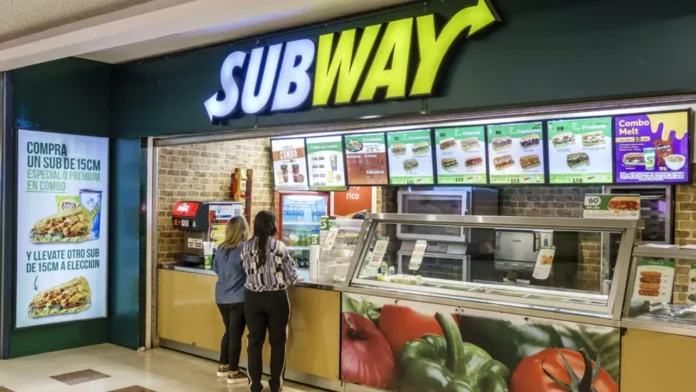
Subway, the American sandwich chain, has finalized its sale to affiliates of the private equity firm Roark.
The agreement, initially disclosed in August 2023, has been finalized following approval from federal regulators.
While the financial specifics were not publicly disclosed by the companies, reports from Reuters and Bloomberg suggest that the winning bid surpassed $9.5 billion.
Roark’s acquisition comes on the heels of a notable growth phase for Subway, marked by three consecutive years of sales upticks and the first positive global net restaurant growth since 2016.
Following the takeover, neither its executive staff nor the overarching plan will change, and it will continue to maintain its distinctiveness from the rest of Roark’s brands.
Subway CEO John Chidsey expressed, “The entire Subway system is thrilled that our sale to Roark has been finalized.”
“As we gaze ahead, our journey of growth is still unfolding. With an ongoing strategic commitment to providing superior food and enhancing the guest experience, our forthcoming chapter promises to be the most thrilling yet.”
Subway remains committed to its “Build a Better Subway” mission for its franchisees, employees, and customers alike.
This encompasses a dedication to culinary and digital advancements, the modernization of its restaurants, and a strategic expansion into international markets.
In 2024, the restaurant chain furthered its innovation by introducing Subway Sidekicks, a new category of hot food, along with a fresh selection of wraps served on a new lavash-style flatbread.
The company’s forward-thinking strategy is geared towards enriching the Subway experience on a global scale.
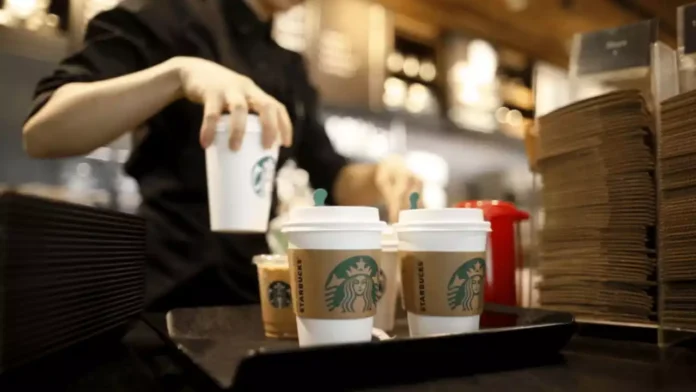
Starbucks Canada has pledged CAD 500,000 (approximately $364,426) to fund dairy sustainability projects throughout this year, championing the endeavors of Canadian dairy farmers as they strive for net zero emissions.
The partnership encompasses three projects. The first, already underway, involves collaboration with Farm Credit Canada (FCC) and Lactanet for FCC’s Dairy Sustainability Incentive program. This program recognizes farmers who effectively implement environmental best practices and promotes ongoing sustainable farming by offering annual incentives to qualifying participants.
David Wiens, president of Dairy Farmers of Canada, expressed, “Starbucks’ support will acknowledge more farmers’ dedication to environmental stewardship and illustrate to Canadians that sustainability starts with the individuals producing their food. As farmers aim for net-zero emissions by 2050, we understand we cannot do it alone. DFC warmly welcomes Starbucks as they join us on this part of the journey.”
Lori Digulla, Senior Vice President and General Manager for Starbucks Canada, remarked, “At Starbucks, we’re dedicated to partnering with others to support thriving communities and safeguard the environment. As a company that relies on the dairy industry daily, we feel a responsibility to innovate and cooperate in responsibly and sustainably sourcing dairy. Teaming up with DFC, we aim to merge our expertise and resources to benefit Canada’s farming community and ensure a sustainable future for dairy production.”
Dairy plays a crucial role on the Starbucks menu, and bolstering the enduring vitality of the dairy industry represents one of the company’s recent strides toward sustainability. Just last week, the coffee giant teamed up with the Environmental Defense Fund’s Dairy Methane Action Alliance on a global scale, alongside Californian dairy brand Clover Sonoma.
The alliance was initially unveiled in December 2023 during the UN’s climate summit (COP28) in Dubai, with Danone, Bel Group, General Mills, Lactalis USA, Kraft Heinz, and Nestlé among its founding members.
By participating in the initiative, these corporations undertake to publicly disclose methane emissions within their dairy supply chains on an annual basis by the end of 2024. Each company has pledged to develop and release a methane action plan by the close of the year.
Starbucks’ action plan will specifically address methane emissions in regions where the company directly procures milk for its stores.
Katie Anderson, Senior Director of Business Food and Forests at the Environmental Defense Fund, expressed, “We’re delighted to welcome Clover Sonoma and Starbucks to the Dairy Methane Action Alliance. With their inclusion, the alliance now encompasses an even broader spectrum of participants within the dairy sector, ranging from regional producers to processors to restaurants. This expansion underscores the growing momentum within the sector toward addressing methane emissions.”
Angela Anderson, Director of Starbucks Sustainable Dairy, further commented, “As a company, we’re dedicated to assisting farmers in our collective effort to decrease emissions throughout our dairy supply chain. We’re enthusiastic about joining the Dairy Methane Action Alliance and engaging in cross-industry collaboration to drive progress toward our resource-positive objectives.”
We use cookies to ensure that we give you the best experience on our website. If you continue to use this site we will assume that you are happy with it.