Wednesday, January 28, 2026
Home Blog Page 531

Ethnic fashion brand Libas partners with GoKwik to strengthen D2C presence and drive growth

0
Libas
Libas

Libas, an ethnic fashion brand, has teamed up with GoKwik, an ecommerce enabler, to expand its direct-to-consumer presence and stimulate growth.

Libas seeks to utilize its partnership with GoKwik to enrich its direct-to-consumer presence, focusing on optimizing the checkout process for shoppers and enhancing accessibility throughout India.

“We’re thrilled to join forces with GoKwik to elevate our brand in the digital landscape. Leveraging their eCommerce proficiency, we anticipate expanding our online presence and connecting with a broader audience. Our focus on implementing a seamless one-click checkout reflects our commitment to enhancing the shopping journey, fostering higher conversions, and customer contentment. This resonates with our overarching strategy of establishing a robust and adaptable omni-channel presence,” expressed Sidhant Keshwani, Founder and CEO of Libas.

Continue Exploring: Bootstrapped ethnic fashion brand Libas surpasses INR 500 Crore revenue milestone in FY24; eyes 60-70% growth and seeks first round of funding

Through KwikCheckout, GoKwik’s one-click checkout solution, shoppers skip the hassle of logging in every time they shop on a website. Moreover, one in three eCommerce shoppers already frequents GoKwik’s network. Consequently, GoKwik also fills in up to 85% of addresses, cutting down on drop-offs at the address page. With industry-leading payment success rates and strong payment assurance, merchants on KwikCheckout can unleash higher conversion rates and revenue growth.

“Currently, internet channels account for more than 85 percent of their revenue, with their D2C channel accounting for 15% of total sales. With a major boost from their D2C channel, they are all expected to rise by 35% this year. Chirag Taneja, co-founder and CEO of GoKwik, stated, “We were delighted to have established a solid partnership with Libas in their endeavour to enhance their online revenue share through their D2C website.”

Within its network, GoKwik accommodates more than 1500 eCommerce brands such as Lenskart, Neemans, Man Matters, Levis, Shoppers Stop, and others. These brands span across various sectors including fashion, beauty, health and nutrition, electronics, and other pivotal categories within the online shopping realm. Libas, in particular, has enlisted Kiara Advani as their brand ambassador for the unveiling of their summer collection. Additionally, Libas aims to broaden its presence both online and offline throughout India.

Libas is already witnessing a 10% uplift in conversions and prepaid transactions, highlighting the benefits of the partnership, as stated in a recent announcement.

Continue Exploring: Beyoung teams up with Gokwik to enhance digital footprint and combat RTO rates

Advertisement

Sanjay Dutt’s Glenwalk scotch whisky wins silver medal at London Spirits Competition 2024

0
Sanjay Dutt

Cartel Bros, a prominent Indian spirits company, is delighted to announce that its flagship scotch whisky brand, The Glenwalk, has been honored with the prestigious Silver Medal at the renowned London Spirits Competition 2024. This recognition stands as a testament to the brand’s unwavering commitment to excellence and quality in the global spirits industry, further solidifying its established reputation.

The London Spirits Competition stands as a pinnacle in the spirits realm, spotlighting top-tier brands from across the world.

Speaking about their victory, Moksh Sani, Founder of Living Liquidz, & Co-founder of Cartel Bros, shared, “We’re immensely proud of this acknowledgment from the London Spirits Competition. It underscores the commitment and skill of our team, who have painstakingly developed The Glenwalk into an outstanding Scotch whisky, greatly enhancing the imbibing journey for our devoted customers.”

Continue Exploring: Short Story Gin earns top accolades at World Gin Awards 2024, crowned Best London Dry Gin from India

Jitin Merani, Founder of Drinq Bar Academy & Co-Founder of Cartel Bros, remarked, “Securing the second-highest accolade, The Glenwalk competed against esteemed single malts and other premium spirits, emerging triumphant and showcasing its exceptional craftsmanship and taste. This beloved Indian Scotch Whisky embodies the rich history of Scotland’s finest distilleries, crafted with utmost care and perfection, earning itself a stellar reputation not only in the Indian market but also overseas.

We are thrilled to witness Glenwalk’s recognition on the global stage, validating our commitment to producing high-quality Scotch whisky that stands shoulder to shoulder with the most established brands. It’s an immense honor for us, and we eagerly anticipate continuing our journey of innovation and excellence.”

The Glenwalk’s brand ambassador and renowned actor, Sanjay Dutt, expressed, “As an aficionado of fine whisky, I take pride in my association with Glenwalk and am thrilled by its success at the London Spirits Competition. This accolade further cements its status as a top-tier whisky. Congratulations to the Cartel Bros. team on this thoroughly deserved recognition!”

Continue Exploring: Kadamba Whisky wins prestigious title of ‘Best Indian Single-Malt’ at Icons of Whisky awards

The success of The Glenwalk at the London Spirits Competition underscores its commitment to delivering an exceptional whisky experience, combining tradition with innovation to create a Scotch whisky that captivates enthusiasts worldwide. Currently valued just above the IMFL premium and Scotch sales range, The Glenwalk holds a market share of 16% in Maharashtra. With this prestigious accolade, Glenwalk reaffirms its position as a premium brand synonymous with excellence.

Advertisement

DS Group’s Catch Spices hits INR 1,000 Crore in sales, plans expansion into ready-to-cook and digital-first products

0
Catch Spices
Catch Spices

DS Group‘s Catch Spices has crossed INR 1,000 crore in sales, marking a significant milestone for the brand. This achievement positions Catch salt and spices as the second brand within the group’s consumer portfolio to achieve such impressive sales figures, following Rajnigandha pan masala.

Rajiv Kumar, the vice-chairman of DS Group, outlined the company’s expansion strategy, which entails boosting presence in modern-format stores and quick-commerce platforms. Additionally, they plan to diversify their portfolio to include ready-to-cook pastes, gourmet gravies, and other tabletop sprinklers, with a strong emphasis on digital-first products. Moreover, they aim to regionalize offerings to cater to local taste preferences.

Kumar mentioned that the group’s expansion in the spices business would be organic, distinguishing their approach from that of certain packaged goods manufacturers who opt to acquire regional brands for expansion purposes.

The company stated that Catch has seen a 24% year-on-year growth over the last two years, with a reach extending to over seven lakh retail touchpoints and 1,500 distributors.

Continue Exploring: MDH Spices to invest INR 150 Crore in new Ujjain facility, eyes INR 2,000 Crore expansion nationwide

“We used to primarily target metro and mini-metro areas before. Now, our attention is shifting towards second and third-tier cities,” Kumar explained. He further stated that the company aims to expand distribution to towns, even those with a population of just one lakh.

The diversified group, manufacturing spices, confectionery, ready-to-eat mixes, luxury chocolates, and operating gourmet and lifestyle retail ventures, has surpassed a total revenue of one billion dollars at the group level. Apart from Catch salt and spices, the group’s brands encompass Pulse confectionery, Pass Pass mouth freshener, L’Opera and Le Marche gourmet retail, and Laderach luxury chocolate.

Continue Exploring: DS Group unveils India’s first exclusive Läderach chocolate store in New Delhi’s DLF Emporio Mall

The packaged spices industry is valued at around INR 34,000 crore, with an annual growth rate of 18%. Apart from Catch, notable players in this sector include MDH, ITC, Dabur, MTR, and Everest, among others. Notably, both ITC and Dabur chose to enter this category through acquisitions.

Advertisement

Agrimax Foods enters millet-based snack market with ‘Bake&Co’ brand

0
Bake&Co
Bake&Co

Agrimax Foods LLP, a leading food solutions company, has launched its latest brand, ‘Bake&Co.’ This innovative brand is poised to revolutionize the millet-based baked goods market, prioritizing health, nutrition, and unparalleled flavor. The launch of Bake&Co. is backed by the government’s PMFME scheme, designed to empower micro food enterprises nationwide.

Agrimax Foods was established with the goal of enhancing the agricultural value chain, benefiting farmers, processors, & consumers alike. The company believes in procuring raw materials directly from farmers, enhancing them during processing, while matching the expectations of discerning customers.

Bake&Co. emphasizes “Healthy Snacking” with a delectable assortment of nutritious baked goods, designed to blend enjoyment with well-being. Their product line features Millet Cookies and Indulgence Cookies. Millet Cookies are tailored for health-conscious individuals desiring gluten-free, sugar-free, and preservative-free alternatives, crafted from nourishing ingredients such as millets, oats, fruits, nuts, seeds, and natural jaggery. On the other hand, Indulgence Cookies cater to those seeking luxurious treats without sacrificing health standards.

Continue Exploring: Nestlé India adds flavor to nutrition: Launches MAGGI Oats Noodles with Millet Magic

Looking ahead, the Bake&Co. brand is set to focus on expanding its product offerings to include a range of Millet-based ready-to-eat snacks. This expansion will encompass savory options, namkeen, breakfast cereals, energy cookies, protein-rich cookies, and diabetes-friendly cookies. With India’s millet-based packaged food market projected to grow at a CAGR of 9.2% from 2022 to 2032, reaching an estimated value of US $91.1 million by 2032, Bake&Co. is positioned to play a significant role in this promising journey.

Having established a nationwide presence in India through direct-to-consumer (D2C) channels and e-commerce platforms, Bake&Co. intends to expand its reach by entering select retail outlets, vending machines, and retail chains in major metro cities. Looking ahead, the brand aims to explore opportunities for exporting its products to countries with high demand for value-added millet-based products.

The PMFME scheme played a pivotal role in enabling Agrimax Foods to establish its manufacturing unit, located in Gautam Buddha Nagar. As part of this initiative, Bake&Co. received substantial assistance, including a notable subsidy of INR 10 lakhs.

Continue Exploring: Slurrp Farm unveils healthy millet-based instant noodles for kids

Shivani Tomar, the Department of Horticulture & Food Processing’s District Horticulture Officer (DHO) in Gautam Budhha Nagar, highlighted the impact of the initiative by saying, “The PMFME scheme aims to empower and uplift local food businesses.” Agrimax Foods’ use of this platform to launch a brand like Bake&Co. that prioritises sustainability and wellness is encouraging. The scheme’s goal of supporting businesses that significantly improve our economy and the welfare of our people is emphasised by their accomplishment.”

Monica Kohli Srivastava, Co-Founder and Chief Marketing Strategist of Agrimax Foods, said, “The PMFME scheme has played a crucial role in empowering us to actualize our vision. It has not only offered financial aid but also cultivated an environment that nurtures growth and innovation within India.”

Monica continued, “We take immense pride in our achievements with Bake&Co. Not only do we provide products that promote wellness, but we also play a role in fostering a sustainable and ethical food sector. We’re eager to share our dedication to premium, nutritious baked goods with our customers.”

Continue Exploring: FMCG players shift focus to millets as demand for healthier options grows

Advertisement

India’s pulses imports nearly double in 2023-24, expected to rise further in current fiscal year

0
Pulses
(Representative Image)

Despite implementing several measures, including offering various incentives to farmers, India continues to rely on imports of pulses to meet its domestic needs.

Imports of pulses nearly doubled in the fiscal year 2023-24, reaching a total of USD 3.74 billion.

Nonetheless, the official figure remains undisclosed, but estimates indicate that shipments have surpassed 45 lakh tonnes in the recently concluded fiscal year 2023-24, compared to 24.5 lakh tonnes the previous year.

According to government sources, negotiations are underway with new markets such as Brazil and Argentina to secure long-term contracts for pulse imports, aimed at meeting domestic demand and stabilizing prices.

Continue Exploring: Despite open import policy, tur dal prices rise by over 10% in a month

Brazil is set to supply over 20,000 tonnes of urad, with negotiations for arhar imports from Argentina nearing their final stages.

Additionally, the government has secured contracts with Mozambique, Tanzania, and Myanmar for pulse imports.

The recent increase in imports aims to bolster domestic supply and maintain price stability.

Earlier, the government permitted duty-free imports of urad and arhar until March 31, 2025, and yellow peas until June of this year.

Pulse inflation is a significant concern for the government, especially during ongoing election processes. Recent data indicates pulse inflation stood at 17 percent in March and 19 percent in February of this year.

In an effort to control prices, the government implemented stock limits on pulses starting Monday, April 15, and urged states to remain vigilant against hoarding activities.

Continue Exploring: Indian households ditch tur dal for cheaper lentils amid skyrocketing prices

Despite the government’s implementation of various incentives such as guaranteed purchase and higher Minimum Support Price (MSP), domestic pulse production has declined over the past 2-3 years. Estimates from the Ministry of Agriculture indicate that pulse production in 2023-24 is projected to be 234 lakh tonnes.

Last year, production reached 261 lakh tonnes.

In 2019-20, domestic pulse production stood at 230.25 lakh tonnes. However, following various government incentives in 2020-21, production increased to 254.63 lakh tonnes. Subsequently, in 2021-22, it further rose to 273.02 lakh tonnes. However, in 2022-23, production declined to 260.58 lakh tonnes.

This fiscal year (FY24), Kharif production is anticipated to decrease from 76.21 lakh tonnes to 71.18 lakh tonnes. Urad production is projected to decrease from 17.68 lakh tonnes to 15.15 lakh tonnes, while Moong production is expected to decline from 17.18 lakh tonnes to 14.05 lakh tonnes.

Continue Exploring: Retail food inflation eases to 8.52% in March 2024 as prices of pulses and oils decline marginally

According to experts, the decrease in domestic output is also attributed to unpredictable climate conditions in key producing regions.

However, there is also concern over the reduction in pulses sowing area over the last 3-4 years, declining from 307.31 lakh hectares in 2021-22 to 257.85 lakh hectares in 2023-24. Over two years, the sowing area decreased by 16 percent, accompanied by a nearly 14 percent reduction in production.

The Reserve Bank of India has emphasized that food price pressures are presenting challenges in achieving the target inflation rate of 4 percent, with the price of pulses playing a significant role in inflation figures.

India, being a major consumer and producer of pulses, fulfills a portion of its consumption requirements through imports. The country’s primary pulse consumption includes chana, masur, urad, kabuli chana, and tur.

Advertisement

Plum Goodness eyes profitability in FY25, plans product segment revamp for growth

0
Plum Goodness
Plum Goodness

Plum Goodness, a homegrown beauty and personal care (BPC) brand, is aiming for profitability in the current financial year. Founder Shankar Prasad disclosed that the strategy involves launching new products in their core segments, discontinuing less profitable product lines, and refining their marketing approach.

Prasad mentioned that the Mumbai-based brand intends to unveil fresh products within the upcoming six months, concentrating particularly on skincare (encompassing cleansers, serums, and moisturizers), hair care, and makeup segments.

The company will also revamp its men’s brand, ‘Phy,’ by dropping certain skincare items for men, which include face packs, moisturisers, as well as face washes. Plum will instead expand its bath & body product offerings, including shower gel and men’s scents. Prasad stated that these adjustments are expected to be implemented by mid-June or July of this year.

“The majority of FY23 & FY24 was devoted to attempting to strike a compromise between our desire for rapid growth and the amount of investment we wish to make. We now have a comprehensive understanding of the calibration, and we anticipate breaking even during the current fiscal year,” according to Prasad.

Continue Exploring: Personal care brand Joy targets INR 750 crore revenue in FY2025; expands distribution and enters new international markets

As a cost-saving measure, the brand plans to restrict its investments to ‘Baby Plum’, the segment launched last year, which focuses on baby care. Marketing expenses constituted more than 42% of the brand’s total expenditures in FY23.

During FY23, although there was a rise in total revenue, Pureplay Skin Sciences Ltd, Plum’s parent company, witnessed a 66% increase in net losses, reaching INR 52.9 crore compared to the previous year.

Prasad emphasized the importance of refining their marketing strategy by allocating more resources to core categories, optimizing engagement with their existing consumer base, discontinuing less profitable channels or segments, and maximizing the utilization of their fixed assets as key areas for achieving profitability.

Prasad added that Plum concluded FY24 with a revenue run rate of INR 350 crore and is targeting to surpass the quarterly revenue run rate threshold of INR 100 crore in the current financial year. This objective translates to an annual revenue target of INR 400 crore.

Plum presently serves customers in more than 300 cities and towns across India, with the majority of its revenue originating from regions beyond metropolitan areas. The brand boasts 36 exclusive outlets, approximately 1,500 assisted outlets staffed with trained beauty advisors, and over 10,000 unassisted outlets, including pharmacies and supermarkets.

Around 65 to 70% of the company’s revenue is generated through online channels, with prominent marketplaces such as Amazon, Flipkart, and Nykaa being the primary contributors.

Serving a consumer base of approximately 8 to 10 million, Plum specializes in offering vegan, toxin-free products within the direct-to-consumer market, positioning itself in competition with brands such as Mamaearth, Sugar Cosmetics, and MyGlamm.

Additionally, Prasad observed a trend of premiumization within the beauty industry, where consumers are gaining greater access to products spanning various price ranges.

Continue Exploring: ITC’s emphasis on premium products propels personal care business, doubles sales contribution to 38%

There have been numerous price corrections at the lower end of the market caused by inflation throughout the past three or four years. According to him, the difference between mass and premium brands has shrunk and is no longer as significant.

In its most recent funding round, the company secured $35 million, spearheaded by A91 Partners, alongside continuing support from existing investors Unilever Ventures and Faering Capital.

According to a collaborative report by Redseer Strategy Consultants and Peak XV, India’s beauty and personal care market is anticipated to experience the most rapid growth globally among similar nations. The market is forecasted to attain a compounded annual growth rate (CAGR) of 10% between 2022 and 2027, reaching a value of $30 billion.

Advertisement

PC Jeweller’s board greenlights INR 2,000 Crore fund raise through rights issue and convertible warrants

0
PC Jeweller
PC Jeweller

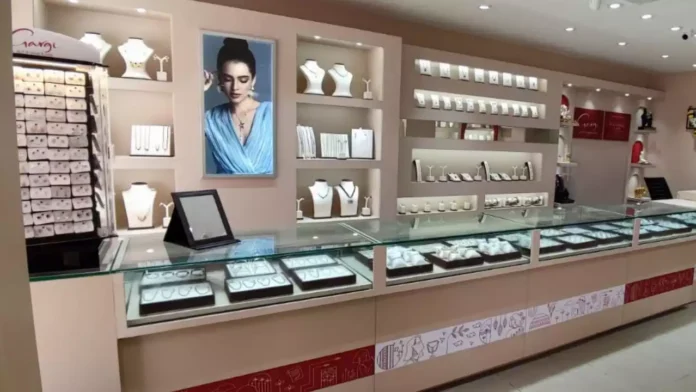
PC Jeweller‘s board has approved a proposal to raise INR 2,000 crore through rights issues and preferential allotment of fully convertible warrants. Additionally, in a meeting held on Tuesday, the board approved a proposal to increase the authorized share capital and make alterations to the capital clause of the memorandum of association, according to a regulatory filing.

The company announced that, out of the total of INR 2,000 crore, its board has sanctioned the raising of INR 1,500 crore through a rights issue of equity shares priced at INR 10 each for eligible equity shareholders.

The filing stated that the record date for this will be announced later. It also mentioned that the issue size, capped at INR 1,500 crore, is contingent upon obtaining regulatory and other necessary approvals.

Continue Exploring: Titan’s CaratLane jewellery line to make US debut in FY25

Furthermore, the company announced that the board has authorized the raising of up to INR 500 crore through a preferential allotment of fully convertible warrants.

“The funds from the preferential issue will be allocated towards settling the company’s financial obligations, pending approval from the consortium of lenders,” stated the company.

Since June 2021, the company’s accounts have been categorized as non-performing assets (NPAs) by its lenders, including the State Bank of India. Legal actions for the recovery of outstanding dues have been initiated by the lenders.

As of December 2023, the company operated 55 owned stores and seven franchise stores. Three of its stores in Delhi are temporarily closed due to ongoing court proceedings.

Continue Exploring: D2C jewellery brand Kushal’s raises $34 Mn in Series B funding from Lighthouse’s fourth PE fund

Advertisement

India’s consumer and retail sector sees surge in M&A and private equity deals, up 30% in Q1 2024: Grant Thornton Report

0
Deal business
(Representative Image)

During the March quarter, India’s consumer and retail sector experienced a significant uptick in mergers and acquisitions as well as private equity deals. Deal value increased by nearly 30%, while volume rose by 20% compared to the previous year. According to a report by Grant Thornton Bharat, the segment witnessed 102 deals amounting to $1.74 billion in the first quarter of 2024, up from 85 deals totaling $1.28 billion in the corresponding period last year.

In the consumer sector, there were 88 private equity deals, marking the highest volume in five quarters. However, M&A activity in the consumer industry experienced a decline, with the number of deals dropping to 14 from 17 compared to the previous year. Despite this, the value surged to $925 million from $79 million in 2023.

Naveen Malpani, partner and consumer industry leader at Grant Thornton Bharat, suggested that the slowdown in M&A activity could be attributed to the upcoming elections prompting businesses to exercise caution, along with sluggish consumer spending leading to restrained revenue growth. Nevertheless, there was a significant increase in deal value, primarily fueled by Tata Consumer Goods‘ acquisitions of Capital Foods and Organic India, valued at $615 million and $229 million respectively. These two transactions collectively accounted for a 91% share in M&A values, totaling $843 million.

Continue Exploring: Tata Consumer Products seals INR 7,000 Crore dual acquisition, adding Capital Foods and Organic India to portfolio

Private equity activity reached its highest quarterly volume since Q3 2022, with 88 deals totaling $823 million. While this represented a 30% increase in volume, the deal value saw a 32% decline. This decrease in deal value can be attributed to a higher number of small-ticket transactions during the quarter under review.

In fact, approximately half of the volume of private equity deals was attributed to transactions valued at less than $7 million. Additionally, there was a significant contribution to deal activity from late-stage companies raising Series B rounds or above.

The top five deals in the sector represented 59% of the total value, amounting to $1.03 billion, yet they comprised only 5% of the total volume. Notably, four out of these five deals were in the food processing segment.

Malpani added that established players are driven by the expanding healthy food market in India, projected to hit $30 billion by 2026. They are actively pursuing acquisitions of niche brands that cater to specific dietary requirements or follow premiumization trends.

In the realm of e-commerce, the most substantial transaction was spearheaded by a consortium of investors, including Jungle Ventures, Sidbi Venture, Anicut Capital, Sharrp Ventures, and angel investors. They invested $27 million in a late-stage Series C round for The Ayurveda Experience.

Continue Exploring: D2C brand The Ayurveda Experience raises $27 Million in Series C funding led by Jungle Ventures

Advertisement

Godfrey Phillips explores sale of 24Seven grocery chain to major retail players

0
24Seven
24Seven

KK Modi Group-backed Godfrey Phillips is reportedly in talks with Tata Trent, Reliance Retail, and Avenue Supermarts to sell the retail grocery chain 24Seven, as reported by ET, citing executives familiar with the matter.

In an exchange filing on April 12, Godfrey Phillips India announced its intention to divest from the 24Seven convenience chain due to its lack of profitability, following a thorough review of the company’s retail business division.

As per one of the cited sources, the negotiations will revolve around valuation.

“The (Modi) group leadership has engaged in discussions with other groups that exhibit clear synergies at present. These discussions are currently at various stages,” stated the executive.

Continue Exploring: Godfrey Phillips India to shut down 24Seven retail chain citing financial struggles

24Seven has a presence in approximately 145 stores across the Delhi-National Capital Region (NCR), Punjab, and Hyderabad.

Established in 2005, the chain provides a variety of goods such as groceries, staples, snacks, beverages, personal care items, the Modi group’s exclusive beauty brand Colorbar, and even ready-to-eat food counters in certain larger format stores.

According to the executive mentioned earlier, grocery retail presents considerable potential for growth, and the 24Seven format can be expanded due to its combination of hyper-convenience grocery, staples, general merchandise, and even small in-store cafes, despite its current accumulated losses.

Trent Ltd, the retail subsidiary of the Tata Group, manages the grocery chain Star Bazaar. However, grocery constitutes a minor segment of the conglomerate’s diverse retail operations, with 24Seven potentially providing only marginal additional value, as per another executive’s perspective. Trent’s other retail brands, Westside and Zudio, have experienced swifter growth and expansion compared to Star Bazaar.

Reliance Retail Ventures, serving as the master franchise partner for the Texas-based chain, oversees approximately 50 stores under the 7-Eleven brand, having begun operations in 2021.

Continue Exploring: Reliance Retail’s 7-Eleven continues Indian expansion with Panvel store

“Should an acquisition occur, Reliance might consider merging its existing convenience store chain with 24Seven, given the similarity between both formats,” stated another executive.

Avenue Supermarts, the operator of DMart stores, offers a range of general merchandise and apparel, yet its primary focus lies in groceries, with plans for aggressive expansion in this segment. The chain witnessed a 7% growth in revenue per store and a 13% year-on-year increase in store additions for the quarter ending in March, marking a 20% rise compared to the corresponding quarter from the previous year.

Samir Modi, the managing director of Modi Enterprises, did not respond to inquiries. Representatives from Tata Trent and Avenue Supermarts declined to provide comments.

In an email statement, a spokesperson from Reliance Retail stated, “As per our policy, we refrain from commenting on media speculations and rumors.”

In the fiscal year 2023, Godfrey Phillips’ retail business division recorded revenue from operations amounting to INR 396 crore, which accounted for 9.3% of the tobacco maker’s total revenue. Nonetheless, the retail business division reported a negative net worth due to accumulated losses as of March 31, 2023.

Godfrey Philips announced last week that, “following careful review of stakeholder feedback, the division’s performance since its establishment, current market conditions in the retail sector, and the company’s long-term business strategy, the board has resolved to exit its retail business division.”

Continue Exploring: Tech-enabled grocery retail chain SuperK raises INR 31 Crore in Series A round led by Catalyst Trusteeship

Advertisement

Clear Premium Water hits milestone, now serving 1600 HoReCa clients nationwide

0
Clear Premium Water
Clear Premium Water

Clear Premium Water, the primary offering from Energy Beverages Pvt. Ltd. (EBPL), has achieved a noteworthy milestone in its endeavor to supply safe and pure drinking water to millions. With an unwavering dedication to excellence and a strong emphasis on social and environmental responsibility, Clear Premium Water has effectively expanded its clientele to encompass 1600 HoReCa (Hotels, Restaurants, and Catering) establishments by March 2024. This marks a substantial increase from the 90 HORECA clients it served in 2020. Presently, the HoReCa sector accounts for 50% of the brand’s total sales.

Since its establishment in 2005, Clear Premium Water has been leading the charge in reshaping industry benchmarks, all while staying committed to societal and environmental welfare. Introduced in 2010, Clear Premium Water has gained recognition for its superior quality and innovative packaging design. Sporting vertical labeling within a distinct square bottle, it provides co-branding opportunities, setting it apart in the market.

Continue Exploring: JM Financial Private Equity invests INR 45 Crore in ‘Clear Premium Water’ to accelerate growth and market expansion

Nayan Shah, the Founder & CEO of Clear Premium Water, stated, “At Clear, we are dedicated to embracing all facets of the market, reinforcing our leadership in the HoReCa sector while extending our impact. This underscores our expanding footprint and our unwavering commitment to providing outstanding quality and service.”

Drawing on over 18 years of industry experience, Clear Premium Water boasts a production capacity of over 50 lakh bottles per day. This enables its widespread availability across more than 80,000 retail outlets and distribution through a network of over 1,000 nationwide distributors. Such extensive coverage ensures that Clear Premium Water fulfills its pledge to provide safe and clean drinking water accessible to people throughout the country.

While Clear Premium Water expands its footprint and influence, it stays steadfast in upholding its fundamental principles of quality, sustainability, and social responsibility. By initiatives such as connecting with 1600 HoReCa clients, Clear Premium Water solidifies its status as a frontrunner in the bottled water sector, establishing benchmarks for excellence and ingenuity.

Continue Exploring: Clear Premium Water expands portfolio with acquisition of Kelzai Volcanic Water

Advertisement