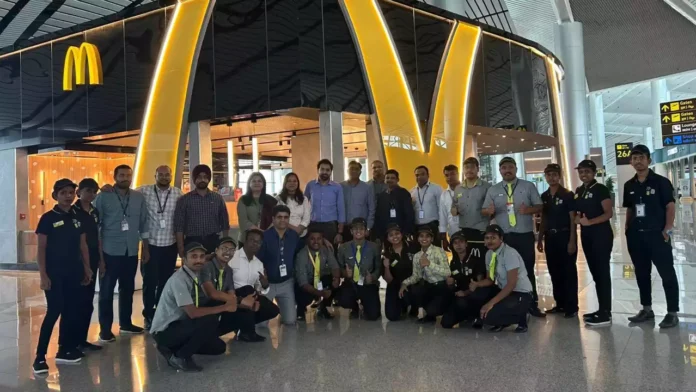
McDonald’s, the American fast-food chain, has achieved the milestone of 400 stores in India, according to a recent social media post by an industry official. This comes following the multinational brand’s entry into the Indian market in 1996.
The latest outlet is situated within the International Departures section of GMR Hyderabad International Airport.
In a LinkedIn post, Prem Khatri, associate of business development at GMR Group, said, “Happy to have been part of McDonald’s India 400th store at the International Departures of GMR Hyderabad International Airport Ltd. The outlet has been well-designed for both productivity as well as aesthetic appeal.”
GMR Group, a conglomerate consisting of multiple entities such as GMR Infrastructure, GMR Energy, GMR Airports, and GMR Enterprises, has hosted McDonald’s India outlets across various GMR Airport sites for over 15 years.
Hardcastle Restaurants, a subsidiary of Westlife Foodworld Ltd., is responsible for owning and managing McDonald’s restaurants in West and South India. Since 1996, it has maintained a master franchisee partnership with McDonald’s Corporation USA, serving as the brand’s custodian in the region.
The company headquartered in Chicago operates across diverse formats and brand extensions, encompassing standalone restaurants, drive-thrus, 24/7 outlets, McDelivery services, McBreakfast offerings, and dessert kiosks.
In recent years, international quick-service restaurant (QSR) chains have been rapidly expanding in India. In the fiscal year (FY) 2024, Domino’s achieved the milestone of 300 stores, Wendy’s inaugurated its 100th store, and Subway commenced operations at over 200 stores across the country.
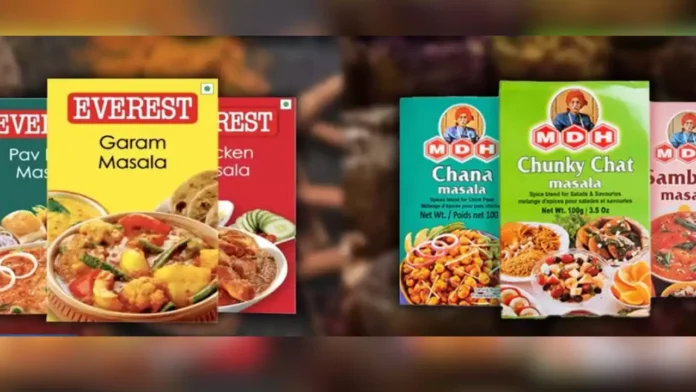
Sources have stated that the scientific panel at FSSAI has cleared a total of 28 samples, all of which show no traces of Ethylene Oxide (ETO).
The regulatory body gathered nine samples of Everest spices from manufacturing facilities located in Maharashtra and Gujarat. Additionally, 25 samples of MDH spices were collected from facilities in Delhi, Haryana, and Rajasthan.
Of the total 28 lab reports received and scrutinized, six are still pending.
Each collected sample underwent analysis to ensure compliance with quality parameters such as moisture content, presence of live and dead insect fragments, and rodent contamination. Safety parameters including heavy metals like lead, copper, and tin, as well as aflatoxins, melamine, 234 pesticide residues, macrobacteria, and additives were also assessed. Furthermore, the samples were analyzed for Ethylene Oxide (ETO) at NABL-accredited laboratories.
Sources mentioned that the panel also scrutinized test reports from over 300 spice samples of various other brands sourced from different parts of the country. These reports conclusively indicated the absence of Ethylene Oxide (ETO).
Earlier this month, sources informed that the government would not shy away from revoking licenses of spice manufacturers should they be discovered violating the regulations concerning acceptable limits for pesticide residue in packaged products.
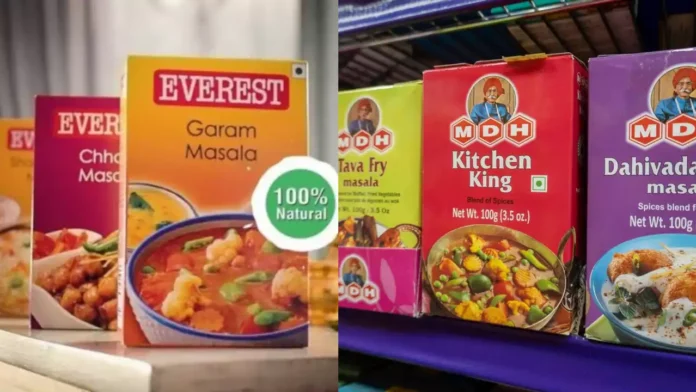
On April 22, the food regulator initiated nationwide quality inspections on spices available in the market. This action followed after the Centre for Food Safety (CFS) in Hong Kong and the Singapore Food Agency highlighted the presence of Ethylene Oxide (ETO) in samples of pre-packaged spice mix products from two Indian brands—MDH and Everest Spices—and subsequently recalled them from the market.
“Substances such as ETO are utilized for fumigation to facilitate the storage of these goods. In an ideal scenario, products intended for export should not be diverted to the domestic market,” stated an official from FSSAI previously.
According to a senior official, the FSSAI had gathered more than 1,500 spice samples from both small and large brands across the country for the initiative.
Pluugin E-commerce, a Dubai-based company, is planning to extend its footprint in India. With a strategic vision for expansion, the company aims to create over 2,100 job opportunities in the local market over the next three years.
Operating across 12 states presently, Pluugin E-commerce is gearing up to achieve full nationwide coverage within the next 12 months. Furthermore, it revealed that India will function as the backend office supporting its global operations in Bangladesh, Nepal, and Sri Lanka.
Aparna Gupta, Founder & Managing Director of Pluugin E-commerce, expressed, “We firmly believe that in today’s e-commerce realm, every brand holds the promise of transcending borders. Our aim is to empower them to realize this potential, particularly focusing on MSMEs. Our strategic foray into the Indian market opens up fresh avenues for growth in e-commerce, facilitating a global platform for all ‘Make in India’ brands.”
The e-commerce sector is rapidly burgeoning in India, extending its influence beyond metropolitan centers to tier 2 and 3 regions. Projections indicate that by 2024, it will be valued at $112.93 billion, with expectations to soar to $299 billion by 2029.
E-commerce platforms are experiencing a surge in the demand for essentials like groceries, as consumers choose the convenience of shopping from home to steer clear of stepping out during intense heatwave conditions. This rise in deliveries is also driving up the need for additional manpower at these companies.
Industry experts have reported that daily deliveries by e-commerce companies, including quick-commerce platforms, have surpassed 2.0 million in the last month, up from 1.2-1.5 million a year earlier. TeamLease Services, a staffing services provider, suggests that this surge could lead to a demand for an additional 10,000 operations personnel at the dark stores or distribution centers of these platforms, along with 30,000 more bikers to handle the increased volume of orders.
Ujjwal Chaudhry, a partner at consultancy firm RedSeer, noted that quick-commerce orders experienced a significant surge in the National Capital Region during the initial weeks of May. He emphasized that the growth rate in Delhi-NCR was nearly double that of other metropolitan cities.
He attributed this largely to the heat, noting that people are reluctant to venture outside for shopping.
Executives at staffing and e-commerce firms noted that a growing proportion of consumers are ordering ice creams and beverages online in addition to groceries.
Kartik Narayan, Chief Executive of Staffing at Teamlease Services, pointed out that there’s a greater demand for bikers in grocery delivery compared to restaurant delivery. He highlighted that with the rising demand for items like ice cream and cold drinks, alongside the soaring temperatures, there’s a substantial increase in the requirement for workers both at the dark stores of the platforms and for order delivery.
During this summer season, Amazon has experienced a notable increase in demand for ice cream and dairy products on Amazon Fresh, its grocery delivery platform.
Srikant Sree Ram, Director of Amazon Fresh, said, “We observed remarkable growth in both ice cream and dairy beverage categories, with a 43% year-on-year increase in units sold for each. Additionally, our customer base expanded, with a 20% rise in ice cream shoppers and a 33% surge in those purchasing dairy and dairy alternative beverages.”
Jayen Mehta, Managing Director of the Amul dairy brand, noted, “We have observed a 55-60% increase in sales on e-commerce and quick-commerce channels in April-May, compared to the corresponding period last year.” He further stated that overall ice cream sales across various channels, such as grocery stores, modern trade, e-commerce, pushcarts, and ice cream parlors, have risen by 40% compared to the previous year.
Executives noted that the surge encompasses categories typically associated with the summer season.
Manish Bandlish, Managing Director at Mother Dairy, stated, “As peak summer conditions prevail across most regions of the country, we are experiencing a notable increase in demand for products such as ice cream, curd, and beverages in key markets. Ice cream sales alone have surged by more than 20% compared to the corresponding period last year.”
The demand for delivery and warehouse staff has increased by 20% compared to the previous summer. Companies have adjusted their incentive policies and enhanced working conditions for gig workers to incentivize them to work during the hot summer months. Aditya Mishra, Chief Executive of CIEL HR Services, noted, “With rising temperatures across all regions in India, consumers are minimizing their time spent outside their homes for routine purchases.”
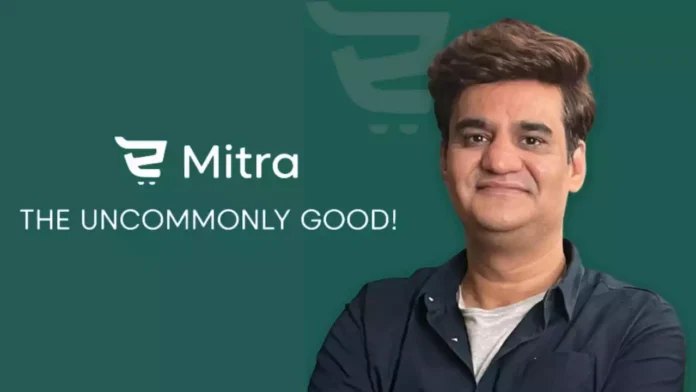
Gurugram based D2CFMCG brand, Mitra has strategically forayed into the mustard oil market and has been seeing an impressive growth with the oil portfolio. “Mustard oil is doing extremely well for us, particularly because mustard is in season. The demand is really high, especially among our target demographics,” said Abhishek Kaushik, Founder and CEO of Mitra.
In an exclusive conversation with Snackfax, Kaushik delved into the company’s growth trajectory in the food market. Kaushik shared insights on the company’s journey, the critical role of fundraising, and future plans, including an upcoming expansion into the spices market.
Founded in January 2023, Mitra has swiftly positioned itself as a formidable player in the FMCG sector. Reflecting on the past year, Kaushik expressed his enthusiasm for the company’s progress. “Last year, we started in January, and it was an incredible journey for us. What we expected in our P&L and what happened in the market were vastly different; we received a response 2-3 times greater than anticipated,” he shared.
Mitra’s mustard oil venture has proven particularly successful. “Mustard oil is used three times per day, from breakfast to dinner, representing a significant market opportunity. While there is considerable untapped potential, the presence of adulterated products is a challenge we are addressing,” he explained.
Mitra started white labeling mustard oil last September, and quickly realized the vast market potential, selling around 20,000 liters per month. This success led the brand to open their own plant. The company’s transition from trading to manufacturing has significantly enhanced their margins and control over product quality. “Our gross margin nearly grew by 2.5 times when we inaugurated our own plant,” he added.
Currently, with the manufacturing of mustard oil, Mitra expects monthly sales of mustard oil to reach INR 1.5 to 2 crores. “With the upcoming season, especially post-monsoon, we anticipate a surge in demand. We are confident in delivering a monthly recurring revenue (MRR) close to INR 3 crores, with mustard oil potentially accounting for this amount on its own,” he said.
On the other hand, fundraising has been a critical component of Mitra’s growth strategy. The company raised approximately INR 5 crores at a INR 35 crore valuation, with investments from platforms like Best Vantage Investments, Beach Network and Southern Unicorns. This capital has been instrumental in scaling operations and preparing for future growth. “We are planning to take our numbers to 3x this year, aiming for INR 35 to INR 40 crores,” Kaushik noted.
Mitra clocked over INR 30 crore in revenue last year, with flour being their best-selling product.
With a firm foothold in the Delhi-NCR region, which accounts for 65% of their revenue, Mitra is expanding its reach. The establishment of two manufacturing plants in Mathura has bolstered their production capacity, enabling them to meet increasing demand. “We now have a flour plant with a 600-ton capacity and an oil plant capable of producing 3 lakh liters per month,” said Kaushik.
Besides, Mathura, the FMCG brand is also focusing on Ayodhya. “We see a tremendous opportunity in this region which extends from Noida along the Mumbai Expressway to Ayodhya, covering a distance of 357 kilometers. Our core strategy has always been to target tier 2 and tier 3 markets, where we see substantial market gaps and opportunities for growth. This focus has proven to be highly effective for us,” he said.
Mitra’s next big move is entering the spices market, a sector currently under scrutiny due to quality concerns with major brands. “We are setting up a spice plant, which should be operational within the next quarter. We will start with raw and powdered spices,” Kaushik revealed. This expansion aligns with Mitra’s core strategy of focusing on essential commodities. “Our aim is to deal with essential products like flour, oil, pulses, rice, and spices,” he added.
Operating in the volatile commodity market presents its own set of challenges. “Commodity prices, particularly for mustard, can be extremely volatile. It’s crucial to maintain our gross margins, regardless of price fluctuations,” Kaushik explained. The company’s strategy involves balancing affordability with premium packaging to attract a broad customer base without compromising on quality. “Premiumization of our products has been a key USP for us, and we intend to maintain this approach,” he stated.
As Mitra prepares for the festive season, the company anticipates a significant uptick in demand. “The festive season is a crucial period for FMCG businesses. We expect our revenue to increase 2-3 times during this period,” Kaushik predicted. With plans to utilize their full plant capacities and introduce new products, Mitra is well-positioned for sustained growth.
One out of every three household consumers are likely to refrain from buying spices from MDH and Everest, given the recent quality check cases against them. Additionally, six out of every ten consumers express a lack of confidence in the actions taken by FSSAI and state food departments on the matter so far, according to a survey by LocalCircles.
The central government, through FSSAI, has instructed MDH and Everest to take “corrective measures” following the discovery of allegedly high levels of pesticide ethylene oxide in their spices, exceeding permissible limits. To probe further into the recall, the Spice Board of India is reportedly conducting tests on spice samples from these two companies.
Late last week, Nepal joined Singapore and Hong Kong in prohibiting the sale of certain mixed spice products from these two companies. According to Reuters, the US FDA is also looking into products from both of these brands for possible pesticide contamination, according to an FDA spokesperson.
LocalCircles conducted a follow-up survey to assess consumer sentiment on the matter, aiming to understand households’ altered consumption patterns regarding these brands and their satisfaction levels with the actions taken by FSSAI and the state food department.
The survey garnered more than 27,000 responses from household consumers across 306 districts of India. Of the respondents, 61% were male and 39% were female. Regarding the distribution, 40% were from tier-1 cities, 27% from tier-2 cities, and 33% from tier-3, 4, and rural districts.
The survey was executed through the LocalCircles platform, and all participants were verified citizens required to be registered with LocalCircles to partake in the survey.
According to the survey findings, 36% of consumers are inclined to abstain from purchasing spices from the two brands in the foreseeable future. Conversely, 17% of consumers are inclined to persist with their purchases despite the safety concerns associated with these brands.
Approximately 58% of surveyed consumers expressed that the actions taken by the food regulator thus far have failed to inspire confidence in food safety. Meanwhile, 28% indicated that they are unaware of the actions that have been undertaken thus far.
Since the spice issue came to light, less than five out of 30 states in India have initiated active audits of food manufacturing units and restaurants.
Respondents lamented the slow response of Indian authorities in contrast to other nations’ proactive measures to safeguard consumers by ensuring the safety of all edible products.
According to feedback from food business owners, as posted on LocalCircles, the licensing, auditing, and enforcement processes concerning food are marred by bribery and mismanagement in various regions of India, often involving the engagement of agents or middlemen for various tasks.
Respondents suggested that FSSAI, as the central food regulator, should contemplate adopting a centralized system akin to the passport office, rather than depending on state food departments, which lack a direct reporting line to FSSAI. Until such reforms are implemented and food safety is improved in India, consumer trust in food will likely remain low.
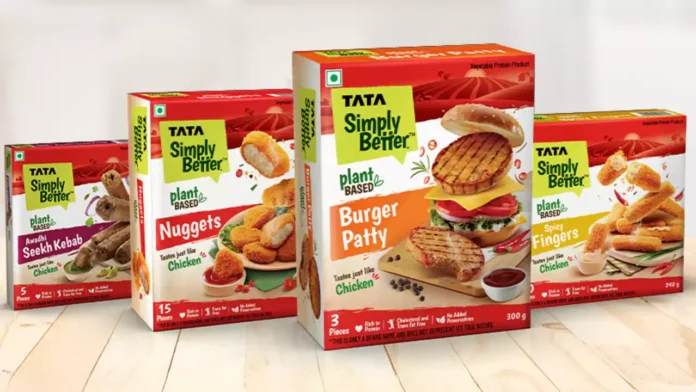
ITC Ltd. and Tata Consumer Products Ltd. have opted out of the plant-based meat market, citing a decline in its buzz and economic feasibility. The companies, renowned for their packaged consumer goods, find the niche category insufficiently profitable to sustain operations.
“We introduced plant-based meat anticipating a global trend, but unfortunately, the category hasn’t gained momentum,” explained Sunil D’Souza, managing director and chief executive officer of Tata Consumer Products. Uncertain about future demand, Tata Consumer has chosen to shift its focus from the alternative meat segment to more lucrative categories, such as its millet-based portfolio.
Meanwhile, ITC Ltd. has also discontinued the sale of its plant-based meat products. Consumers will no longer find these vegan alternatives on retail shelves, e-commerce platforms like BigBasket, or ITC’s online store. However, certain variants are still available for institutional purchases.
“The [plant-based meat] sector is still in its early stages and evolving in India,” remarked Ashu Phakey, business head of frozen food at ITC Ltd. “We are keeping a close eye on developments and trends within this segment.”
During the initial months of the Covid-19 pandemic, sales of plant-based meat products, designed to replicate the taste of chicken, experienced a significant surge. Several startups, such as Blue Tribe, Shaka Harry, and Imagine Meats, established themselves in this niche market as plant-based diets gained traction and acceptance in the world’s largest vegetarian nation. This trend was particularly notable among younger consumers residing in major urban centers with relatively high disposable incomes.
Famous personalities have joined the trend of investing in plant-based food companies. For instance, Indian cricketer Virat Kohli and actor Anushka Sharma support Blue Tribe, while MS Dhoni backs Shaka Harry. Bollywood actors Riteish and Genelia Deshmukh are actively promoting Imagine Meats.
The burgeoning trend swiftly attracted the interest of two major fast-moving consumer goods corporations—ITC and Tata Consumer—who joined the market in 2022. ITC introduced meat-free burger patties and nuggets through its Master Chef Incredible brand, while Tata Consumer unveiled vegan versions of seekh kebabs and spicy fingers under the new brand “Tata Simply Better”.
ITC and Tata’s foray into the market ignited optimism among analysts, who foresaw substantial potential. According to a September 2021 report by Nirmal Bang, the plant-based meat market was projected to hit $500 million by 2024. Despite the initial excitement, however, the growth of this innovative category has fallen short of expectations. Statista now anticipates the current market size of $160 million to expand to $260 million by 2027.
While certain consumers are deterred by the lackluster taste of faux meat, the more worrisome aspect is its price point. To illustrate, a 520-gram pack of ITC’s genuine chicken grill patty is priced at INR 375, whereas its 330-gram vegan burger patty was listed at INR 630. In essence, the plant-based alternative is nearly three times pricier than its animal counterpart.
Some consumers also harbor doubts about whether plant-based meat truly represents a healthier alternative when compared to traditional protein sources such as dairy.
“Considering the plethora of delicious and nutritious protein choices available, why would I resort to processed substitutes?” Maya, 29, who became vegan five years ago, laments her decision. “Even for my mom and dad, who adhere to a vegetarian diet, the idea of plant-based meat holds no fascination whatsoever.”
The tepid reception of the plant-based meat category in India spurred FMCG players to explore beyond this terrain. “However, should the trend resurge tomorrow, we’re prepared to dive in, as we’re among the select few companies in the country equipped with the necessary capabilities, whether in manufacturing or distribution,” stated TCPL’s D’souza.
Weak sales performance in India compelled Beyond Meat, a US-based alternative meat brand, to withdraw from the market merely a year after forging a partnership with the Allana Group in 2022 to distribute its sausages and burgers in the country.
In the meantime, the faux meat industry is experiencing global challenges, with major players like Impossible Foods and Beyond Meat witnessing revenue declines, while smaller counterparts such as Hooray Foods and Nowadays have ceased operations.
Impossible Foods, renowned for its vegan burgers as an alternative to beef hamburgers, intends to undergo a rebranding effort aimed at “enticing the carnivorous appetites of meat eaters,” as stated in a press release issued in March 2024.
Anand Nagarajan, co-founder and CEO of Shaka Harry, acknowledges that the widespread embrace of plant-based meat in the country has not materialized as rapidly as initially expected. In fact, the only segment demonstrating promising growth potential is dairy alternatives.
“That may be because these products are not marketed optimally,” he remarked.
He emphasized the necessity for vegan meat and plant protein to be contextualized within an Indian framework and narrative. “We cannot simply apply what is used in the West and anticipate widespread adoption. This category must align with our culinary and cultural context.”
The perception of elitism, commonly linked with plant-based alternatives, is deterring numerous consumers. In response, the Bengaluru-based startup has launched a 13-gram plant-based sandwich patty priced at INR 99. Additionally, it has introduced more affordable variants of its plant-based products ranging from INR 99 to INR 199, aiming to appeal to a wider range of consumers.
Nagarajan is hopeful about increasing turnover by 2.5 times in fiscal 2025 compared to the previous year, expressing confidence that the trend of “eating clean” is enduring.
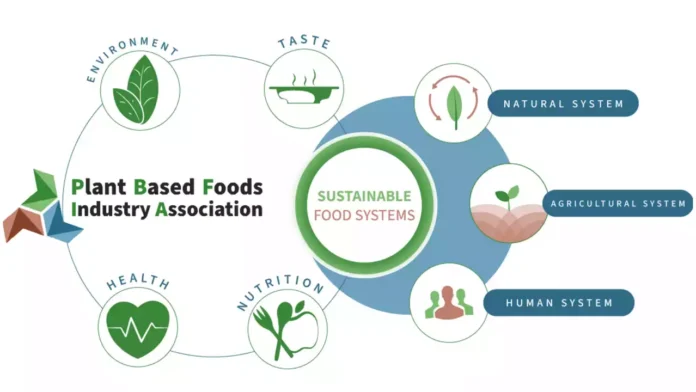
The Plant Based Foods Industry Association (PBFIA) has urged the Food Safety and Standards Authority of India (FSSAI) to reconsider restrictions on the usage of the term ‘milk’ in product labeling. At a recent summit, Sanjay Sethi, Executive Director of PBFIA, called upon FSSAI to adopt a more standardized approach to labeling practices. Despite the current mandate for a ‘this is not dairy’ disclaimer on packaging, Sethi emphasized the importance of uniform nomenclature.
Sethi urged the CEO of FSSAI to actively engage with the industry, facilitating dialogue and collaboration to bolster support for startups and foster innovation in product development, particularly in competition against larger corporations.
He suggested the establishment of ‘Plant Protein Clusters’ in various states to promote collaboration among educational institutes, startups, and government entities.
Speaking at the event, FSSAI CEO G Kamala Vardhana Rao urged the industry to enhance public awareness. He shared his astonishment upon discovering the term ‘flexitarian,’ which refers to individuals who mainly consume plant-based proteins while occasionally incorporating meat and dairy into their diets.
Referring to an ICMR report, Rao highlighted that the protein content in pulses is comparable to that in meat products. He praised the industry’s endeavors and expressed gratitude for Sethi’s backing of plant-based startups, commending the Cluster initiative.
Rajesh Agrawal, Additional Secretary at the Ministry of Commerce and Industry, emphasized the importance of technology in encouraging voluntary production and fostering investments in large-scale exports to enhance the market value of plant-based products.
OYO, a major player in the hospitality industry, is reportedly in talks to raise a down round at a valuation of $2.3 billion, down 77% from its peak $10 billion valuation back in 2019.
According to a report from The Arc, the Ritesh Agarwal-led startup is in talks with the financial services firm InCred to secure approximately $80 million to $90 million from family offices. The hospitality giant is said to be open to receiving commitments of at least $2 million each from investors within InCred’s network.
The OYO company spokesperson refrained from commenting on the issue. However, a company spokesperson informed The Arc, “This information is incomplete and inaccurate. Our current priority is refinancing our existing debt, which is poised to greatly enhance our profitability.”
InCred reportedly proposed that OYO establish a special purpose vehicle (SPV) aimed at facilitating investments from affluent individuals and family offices into the company. A portion of the funds will be allocated to clearing the debt of the company preparing for its IPO, with the remainder earmarked for bolstering growth initiatives.
According to a source familiar with the matter, InCred organized a conference call with founder and CEO Ritesh Agarwal, which saw the participation of nearly 100 investors, as reported by The Arc.
What’s intriguing is that during the call, the company’s management purportedly disclosed to investors that the round’s total size would be $150 million, with half of it sourced from an undisclosed sovereign wealth fund. Additionally, OYO is reportedly considering a public listing within the next 12 to 24 months.
Although the fund’s name remains undisclosed, earlier reports have indicated that OYO has been engaged in discussions with the Malaysian sovereign wealth fund, Khazanah Nasional Berhad, since at least the beginning of this year.
During the call, investors purportedly pressed Agarwal for further details regarding his strategy for resolving the $2.2 billion debt secured from Japan’s Mizuho and Nomura in 2019. Over the past three years, this debt has been adjusted to a quasi-equity segment amounting to $950 million as of 2022, which must be reimbursed within a 10-year timeframe. An installment of $383 million is expected to be settled by 2027.
This development comes in the wake of reports suggesting that OYO was contemplating raising up to $450 million through the sale of dollar bonds as part of a refinancing effort led by JP Morgan.
Consequently, reports indicate that the company has approached the market regulator Securities and Exchange Board of India (SEBI) to retract its IPO documents, intending to submit a revised draft red herring prospectus after completing the financing round. The SoftBank-backed startup, resubmitted its IPO draft via a confidential route last year, aiming to garner between $400 million to $600 million from the public markets. This sum is notably lower than the initial $1.2 billion IPO target set in 2021.
Established in 2012 by Ritesh Agarwal, OYO provides a range of accommodations including vacation rentals, coworking spaces, economical hotels, and corporate lodging. To date, the startup has secured over $3.5 billion in funding, with notable investors including SoftBank, Peak XV Partners, and Microsoft.
The startup reportedly concluded the financial year 2023-24 (FY24) with operating revenues amounting to $700 million. Meanwhile, its adjusted EBITDA, excluding ESOP costs and interest payments on debt, surged threefold year-on-year (YoY) to $110 million.
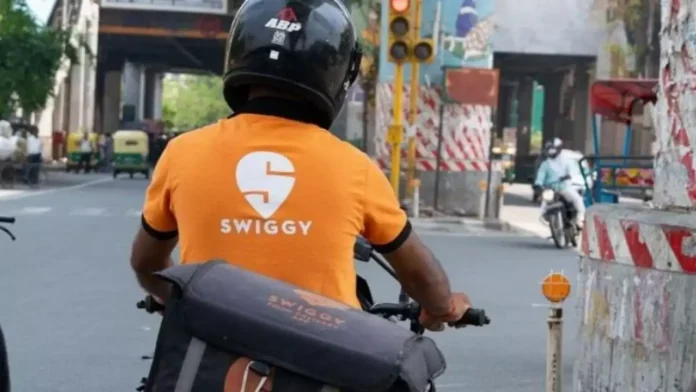
Swiggy has introduced two new initiatives to enhance the health and well-being of its delivery partners starting this summer. Collaborating with Dial 4242 and the Reliance-powered Visit app, the online delivery service has rolled out Mobile Medical Units (MMUs) and Teleconsultation Services for its entire fleet of delivery partners under its ‘Delivering Safely’ charter.
Stationed at key locations, these units offer health check-ups, including monitoring vital signs, identifying underlying health issues, and providing first aid for minor injuries sustained during delivery hours. Additionally, optometrists are available to conduct vision screenings and offer eye care services. Health education sessions are also held to promote wellness and preventive care among delivery partners. Starting with Bangalore, the MMUs will be deployed across various city locations, benefiting approximately 200 delivery partners daily.
Swiggy has also partnered with the Reliance-powered Visit app to offer teleconsultation services for all delivery partners and their families. This initiative provides virtual access to specialists in General Medicine, Gynecology, Orthopedics, and Pediatrics, catering to the healthcare needs of delivery partners, their spouses, and children. Additionally, delivery partners will receive prescribed medicines at subsidized rates to ensure they have access to necessary healthcare.
“At Swiggy, the safety and well-being of our delivery partners have always been top priorities. We’ve implemented various initiatives such as on-demand ambulance services, paid time off for periods, access to telemedicine, and summer recharge zones. Introducing mobile medical units and teleconsultations is just another step we’re taking to ensure their health and safety,” said Mihir Shah, Swiggy’s Head of Operations.
“Our delivery partners are constantly on the move, but their health should never be neglected. These mobile medical units meet them where they are, emphasizing the importance of prioritizing their well-being. By offering essential healthcare services, we strive to cultivate a culture of wellness among our delivery partners,” he added.
Both programs will soon be extended to additional cities in the coming weeks. This rollout further strengthens the company’s commitment to the health and safety of its delivery partners, building upon the successful introduction of initiatives such as the on-demand ambulance service in 2022, as outlined in the “Delivering Safely” charter.
We use cookies to ensure that we give you the best experience on our website. If you continue to use this site we will assume that you are happy with it.