rue21, a teen apparel retailer, has filed for Chapter 11 bankruptcy protection for a third time, seeking to shut down its 540 stores and sell its intellectual property.
In documents filed in Wilmington, Delaware, bankruptcy court, rue21 stated that despite attempts to sell its business, no buyer emerged willing to offer more than the potential earnings from liquidating inventory through “going out of business” sales and closing down stores.
Based in Warrendale, Pennsylvania, the retailer rue21, which has previously undergone bankruptcy proceedings in 2003 and 2017, specializes in budget-friendly fashion geared towards teens and young adults. The company currently employs around 4,900 individuals and carries a debt of $194.4 million.
During its prime, rue21 operated 1,000 stores across malls nationwide in the United States. In its 2017 bankruptcy, the company closed approximately 400 stores as part of an agreement that enabled rue21 to reduce its debt by $700 million.
However, even after emerging from bankruptcy, the company faced ongoing challenges exacerbated by the rapid transition to online shopping, a trend further accelerated by the COVID-19 pandemic.
In 2022, rue21 aimed to secure additional capital to tackle its business obstacles, ultimately securing a $25 million investment from its current lenders. According to court documents, these lenders now hold an 80% stake in rue21’s stock.
rue21 plans to sell its brand and other intellectual property independently of its store closure proceedings. The company has enlisted Gordon Brothers to aid in the store closure sales.
On Saturday, the Government announced the lifting of the ban on onion exports, as per a notification from the Directorate General of Foreign Trade (DGFT), ending a restriction that had been in place for approximately six months.
“The export policy of onions has been modified from “prohibited to free,” subject to a minimum export price of $550 per metric tonne, with immediate effect and until further orders,” according to the DGFT notification.
This move is part of the government’s efforts to strike a balance, ensuring farmers receive fair prices while also maintaining inflation at manageable levels to safeguard consumers from its effects.
On April 27, the Government permitted the export of 99,150 metric tonnes of onions to six neighboring countries: Bangladesh, UAE, Bhutan, Bahrain, Mauritius, and Sri Lanka.
On December 8, 2023, the government imposed a restriction on onion exports effective March 31 of the same year. The restriction was imposed to ensure adequate local supply and price stability in light of reduced outputs expected for both the Kharif and Rabi harvests in 2023-24 compared to the previous year, as well as increased demand in the foreign market.
The National Cooperative Exports Limited (NCEL), tasked with exporting onions to these nations, procured domestic onions for export via an e-platform at L1 prices. These onions were then supplied to government-nominated agencies in the destination countries at negotiated rates, with payment made on a 100% advance basis, as outlined by the Food Ministry.
NCEL’s offer rate to buyers considers current prices in the destination market, as well as trends in international and domestic markets. Quotas assigned for export to the six countries are fulfilled based on requests from these destinations.
Being the leading onion producer in the nation, Maharashtra serves as the primary onion supplier for NCEL’s export operations.
The Government also authorized the export of 2000 metric tonnes (MT) of white onions, specifically cultivated for markets in the Middle East and certain European countries. Given its focus solely on exports, the production costs of white onions are higher compared to other varieties, attributable to increased seed expenses, adherence to good agricultural practices (GAP), and compliance with stringent maximum residue limit (MRL) regulations.
This year, the Department of Consumer Affairs’ Price Stabilisation Fund (PSF) has set a procurement target of 5 lakh tonnes for onion buffer beginning in Rabi 2024. NCCF and NAFED are working with local agencies such as FPOs/FPCs/PACs to help with purchase, storage, and farmer registration for any store-worthy onions. On April 11-13, 2024, a high-level team from the Department of Consumer Affairs, NCCF, and NAFED toured the Maharashtra districts of Nashik and Ahmednagar to promote awareness among farmers, FPOs/FPCs, and PACs about the procurement of 5 LMT of onion for the PSF buffer.
To mitigate onion storage losses, the Department of Consumer Affairs has opted to increase the amount of onions to be irradiated and cold-stored from 1200 MT last year to over 5000 MT this year, with technical assistance from BARC, Mumbai. The previous year’s pilot project on onion irradiation and cold storage has demonstrated a reduction in storage losses to less than 10 percent.
CHUK, a manufacturer of compostable tableware crafted from sugarcane residue, reported a significant profit rebound in the third quarter of the fiscal year 2023–24. During Q3 2023, CHUK saw a remarkable pre-tax profit (PBT) of INR 174.24 lakhs.
Satish Chamyvelumani, Business Head-Compostable at CHUK, expressed, “It’s incredibly motivating and uplifting to see CHUK’s remarkable growth within just six years. The rising demand for compostable packaging reflects a growing commitment to sustainability. We’re leading this change by offering compostable tableware solutions globally. This achievement underscores our unwavering dedication to fostering a cleaner, greener planet. We’re continuously innovating and expanding our product range, eagerly anticipating sustained growth ahead.”
The projected growth of the global bagasse tableware products market indicates a CAGR of 6.7% from 2023 to 2032, with the market value anticipated to rise from US$ 2,985.1 million in 2023 to US$ 5,230.5 million by 2032, according to data. CHUK plans to expedite its growth, aiming for double the pace in the upcoming financial year. The brand’s objectives include boosting profitability, extending its global presence, and introducing new product lines that resonate with changing consumer tastes.
Earlier, CHUK collaborated with the Ram Mandir Trust during the Ayodhya Mandir consecration event to distribute compostable tableware and showcased its product portfolio at the Aahar 2024 show in Delhi.
Driven by a trend towards healthier options and convenience, ready-to-drink punch and mocktail brands, boasting ‘natural’ ingredients ranging from fruits and roots to herbs and spices, are entering India’s beverage market.
Moving away from alcoholic indulgences and fizzy aftereffects, revelers are embracing fruity blends. A Statista report suggests that the worldwide non-alcoholic beverage market is poised for a 2.3% volume growth this year. By 2027, it’s expected to soar to 944.6 billion liters, with a compound annual growth rate (CAGR) of 4.6% from 2023 to 2027. Presently, India hosts a market with over 200 contenders in the ready-to-drink juice, mocktail, and non-alcoholic beverage segment.
Producers are capitalizing on millennials and health-conscious Gen Zs, who eagerly embrace all things natural and organic.
“Post-Covid, there has been a notable shift towards healthier living, prompting a surge in demand for non-alcoholic options. Lifestyle adjustments have heightened consumer awareness of the harmful effects of alcohol, yet there persists a desire for non-alcoholic beverages that offer similar taste experiences. This trend is particularly prominent among consumers aged 25 to 34,” noted Neha Singh, co-founder of Tracxn, a startup information and market trends provider.
Singh highlighted that in recent years, a plethora of new brands have emerged to cater to the growing demand, with India standing out among other leading nations in terms of funding raised in this sector. The market is witnessing significant interest, with startups securing fresh funding from angel investors, while FMCG giants are eyeing stakes in these ventures.
For instance, Bengaluru-based Swizzle secured seed funding of nearly $67,000 from angel investors Akshay Singhal and Monika Rao in February. Coolberg received $1.1 million in its latest funding round from institutional and angel investors, including Ashok Kumar Damani. Last September, institutional investors such as Emami and Venture Catalysts, along with nine unicorns, invested an undisclosed amount in AloFrut.
According to data from Tracxn, leading players in this domain secured over $33 million in funding from institutional and angel investors between 2019 and 2024.
Harsha V Agarwal, Vice Chairman and Managing Director of Emami, resonates with similar sentiments. “We see immense growth in the segment,” she added, noting that “health and wellness” is currently the buzzword for consumers.
“Consumers are not just looking for products that are beneficial for their health, but also those that are ethically produced, with minimal environmental impact,” stated Deepender Singh, co-founder of the ready-to-drink mocktail brand Swizzle. Swizzle, which experienced a remarkable 210% growth in FY23, aims to achieve a projected revenue of INR 12 crore by the end of FY25.
Echoing the trend, Rishabh Gupta, promoter of Axiom Ayurveda, which produces canned fruit mocktails under the brand AloFrut, draws parallels between the surge in this market and the demand for energy drinks. “Energy drinks have significantly expanded their market presence in India over the past decade, and I anticipate a similar growth trajectory over the next five years. I envision the fruit or natural ingredient-based mocktail market following a comparable growth trajectory to where energy drinks currently stand within the next five to seven years,” stated Gupta. “Post-Covid, there has been a rise in house parties, and people are seeking alternatives to cola. Ready-to-drink mocktails offer them a viable option, without the need for a bartender,” he further explained.
Vaishali Mehta, co-founder of Swa, a Bangalore-based women-led initiative specializing in artisanal syrups, expresses optimism about the growing presence of natural concoctions in social gatherings. Mehta highlights that in India, many beverages rely on artificial concentrates and preservatives for their supposed exotic flavors. “Our company sources locally grown ingredients such as jamun, jackfruit, kokam, bird’s eye chili, and passion fruit for our beverages,” she emphasized.
Simpli Namdhari’s, an omnichannel retailer, has launched “WhatAir” mineral water, heralding a significant breakthrough in the beverage industry. This innovative product utilizes state-of-the-art technology to extract water directly from the air. By tapping into atmospheric moisture, WhatAir offers a sustainable solution to the global water crisis while providing consumers with a refreshing and eco-friendly alternative to traditional bottled water.
As Bangalore faces severe water scarcity, Simpli Namdhari steps forward as the first retailer in the city to offer “WhatAir” through its retail channels. This launch not only demonstrates the retailer’s dedication to sustainability, but also positions it as a pioneer in utilising technology to tackle environmental issues.
For every bottle of WhatAir bought, the retailer pledges to conserve a minimum of one liter of water per bottle, which would otherwise have been extracted from natural water reservoirs. Additionally, by utilizing glass bottles, WhatAir contributes to safeguarding water bodies from the harmful effects of single-use plastics.
Hema L, the Head of Marketing at Simpli Namdhari’s, stressed the significance of innovation in tackling ecological emergencies. “At Simpli Namdhari’s, we acknowledge the pressing need to tackle Bangalore’s water crisis. We firmly believe that innovation holds the answer to discovering enduring solutions to environmental dilemmas. With the introduction of ‘WhatAir’ mineral water, we take pride in our contribution to water conservation endeavors and in offering consumers a product that not only fulfills their hydration requirements but also champions environmental sustainability. We are excited to have been instrumental in bringing this pioneering solution to the market,” she expressed.
Consumers can now find “WhatAir” mineral water available at all Simpli Namdhari’s retail outlets.
Renowned Indian actress and entrepreneur Katrina Kaif has expanded her beauty brand, Kay Beauty, into the United Arab Emirates, marking its debut on the international stage. The eagerly awaited launch took place at Nysaa, the latest beauty destination in the UAE, where the exclusive range of Kay Beauty products is now accessible.
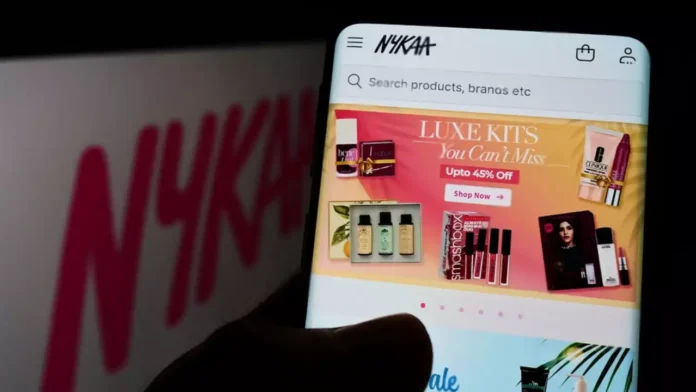
Established in partnership with Nykaa, India’s leading beauty retailer, Kay Beauty proudly stands as India’s first celebrity-backed makeup brand. Celebrated for its innovative spirit and top-notch products, the brand quickly gained prominence in the Indian beauty landscape. Designed to blend elegance with skincare benefits, Kay Beauty offers a diverse range of products, including lipsticks, eyeshadows, foundations, and nail colors, tailored to meet the preferences of beauty enthusiasts.
Kay Beauty’s essence lies in the mantra #ItsKayToBeYou, embodying self-acceptance and empowerment, as advocated by Kaif. The brand’s statement emphasizes, “With the foundational belief #ItsKayToBeYou, Katrina assures us a personalized experience with Kay Beauty.”
Since its inception, Kay Beauty has experienced exceptional growth, reaching a gross margin value of INR 1.5 billion in a span of just over four years. It has solidified a strong presence throughout India, operating extensively online and through more than 300 retail outlets.
Katrina Kaif, Co-Founder of Kay Beauty, expresses, “Bringing Kay Beauty to the UAE brings me immense joy. It has always been my vision to expand Kay Beauty globally, enabling customers from diverse backgrounds to experience our products firsthand. Our entry into the GCC market allows us to engage with a demographic that holds a strong passion for both beauty and Indian cinema. Launching Kay Beauty in the region through omnichannel retailing is a strategic move for us. The GCC region embraces various ethnicities, genders, and age groups, and Kay Beauty’s fundamental ethos revolves around catering to all skin tones while upholding the commitment of #makeupthatkares.”
Adwaita Nayar, Co-Founder of Nykaa and CEO of Nykaa Fashion, expressed excitement, stating, “I am thrilled to announce the launch of Kay Beauty in the GCC region, in partnership with omnichannel retailer Nysaa. Kay Beauty has made a remarkable impact in India with its innovative and inclusive product range, resonating strongly with consumers from diverse backgrounds. Given the GCC’s emergence as a focal point for beauty enthusiasts eager to explore new market offerings, we are eager to introduce Kay Beauty to the region.”
Kay Beauty debuts in the UAE featuring an expansive collection of over 60+ SKUs for lips and face, along with approximately 30+ SKUs for nails and eyes, offering a comprehensive selection to suit every beauty requirement and preference. With a steadfast dedication to inclusivity, exceptional performance, and cruelty-free formulations, the brand emerges as a premier option for makeup enthusiasts in the region.
This strategic move by Kay Beauty not only introduces its celebrated range to the UAE but also seeks to leave a notable impression in a region renowned for its diverse demographic and shared enthusiasm for both beauty and Indian cinema.
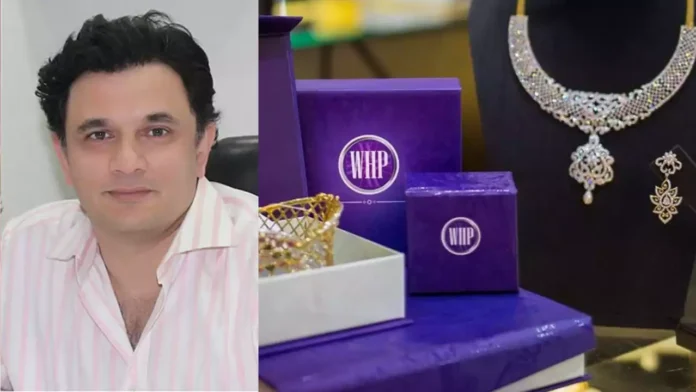
The jewellery brand Mia by Tanishq, a part of the diversified conglomerate Tata Group, has opened four new stores in Tamil Nadu as part of its expansion initiative. To celebrate the inauguration, the brand is offering discounts of up to 20 percent on Mia’s product range until May 5th.
The company has opened three new stores, one each in Kellys, Adyar, & Velachery in Chennai, while another in Tiruppur District.
“We were thrilled with the tremendous reaction we received when we opened 12 new Mia by Tanishq stand-alone boutiques in Tamil Nadu last year. “We are launching four new stores in Chennai (3) and Tiruppur (1) between,” stated Shyamala Ramanan, Business Head of Mia by Tanishq.
Ramanan emphasized, “Mia comprehends the desires of contemporary women, seeking jewelry that mirrors their individuality. Our offerings feature lightweight designs crafted with trendy flair, tailored to match their preferences.”
BOSH!’s Falafel Wrap and Gingernut Loaf Cake with Oat Iced Latte
Costa Coffee has strengthened its partnership with plant-based food provider BOSH! by introducing two new vegan products across its stores in the UK.
In response to the increasing demand for plant-based options, Costa Coffee is set to launch The Fab Falafel and Houmous Wrap along with the Gingernut Loaf Cake in May 2024.
The Fab Falafel and Houmous Wrap, a vegan delight, melds spinach and pine kernel falafel with spiced chutney and houmous, all crowned with pink pickled onions.
It offers a nutritious choice for customers during lunchtime.
Paired with an Oat Latte, the Gingernut Loaf Cake offers a delightful indulgence, boasting warm spices, sweetness, ginger frosting, and a crumbly ginger biscuit topping.
The latest additions are currently accessible at 2,600 Costa Coffee outlets throughout the UK.
Since initiating their partnership in January 2024, both Costa Coffee and BOSH! have been actively working to increase the availability of plant-based options for busy consumers on-the-go.
Cathy Goodwin, Head of Food Innovation at Costa Coffee, remarked, “Our partnership with BOSH! keeps progressing, now bringing forth two new summer delights.”
“We’re excited to provide our customers with even more delectable plant-based options to enjoy either in-store or on-the-go with these offerings.”
Henry Firth and Ian Theasby, co-founders and co-CEOs of BOSH!, expressed, “The high street’s plant-based choices have received a significant boost with the introduction of one new sweet and one new savory product in collaboration with Costa Coffee.”
“By offering these options, we aim to encourage more plant-based eating, providing the perfect bite for a delightful lunch in the sunshine.”
BOSH! has recently obtained B Corp certification, reaffirming its dedication to ethical business practices and environmental sustainability.
In April 2024, Starbucks Hong Kong unveiled a fresh plant-based meal option in collaboration with UNLIMEAT, a leading South Korean plant-based meat producer.
The UNLIMEAT Pulled Pork Wrap boasts vegan pulled pork alongside crisp vegetables such as carrots, red cabbage, and lettuce.
The Food Safety and Standards Authority of India (FSSAI) recently launched an investigation into alleged norm violations within branded spice products. Now, FSSAI plans to expand its oversight to include other food items such as fortified rice, dairy products, and spices sold in the domestic market.
According to sources, FSSAI also intends to monitor food items such as fruits and vegetables, salmonella in fish products, spices and herbs, fortified rice, and milk and dairy products. They are already collecting samples of powdered spices from all brands, including MDH and Everest, from across the country, as concerns about quality have been raised by Singapore and Hong Kong.
“In view of the current development, the food regulator is gathering samples of spices from all brands to check whether they adhere to regulations,” a source said on April 22.
According to sources, the FSSAI does not oversee the quality of spices meant for export. In a recent development, the Centre for Food Safety (CFS) in Hong Kong advised consumers against purchasing certain spice products, including Madras Curry Powder, Everest Fish Curry Masala, MDH Sambhar Masala Mixed Masala Powder, and MDH Curry Powder Mixed Masala Powder. They also urged traders not to sell these items.
The CFS reported the discovery of the pesticide ethylene oxide in samples of various pre-packaged spice mixes from two Indian brands.
Following the directive from Hong Kong, the Singapore Food Authority (SFA) has also issued a recall order for ‘Everest Fish Curry Masala’ imported from India.
Last week, the FSSAI announced that it was in the process of collecting samples of Nestle’s Cerelac baby cereal across India following global reports indicating that the company had added higher levels of sugar to the product.
Sources indicate that the FSSAI is conducting extensive nationwide surveillance of various food products to evaluate their compliance with relevant regulations in India.
Over the last few years, there has been a notable surge in the number of samples analyzed, escalating from 107,829 in 2020-21 to over 451,000 in 2023-24, marking a more than threefold increase. In 2020-21, out of the 107,829 samples analyzed, 28,347 were found non-compliant. In 2021-22, 144,345 samples were analyzed, with 32,934 found non-compliant.
In the fiscal year 2022-23, a total of 177,511 samples underwent analysis, with 44,626 found to be non-compliant. In the most recent financial year, 451,296 samples were analyzed.
The rise in the number of cases initiated and convictions reflects the dedicated efforts of the relevant food safety authorities in enforcing the FSS Act of 2006.
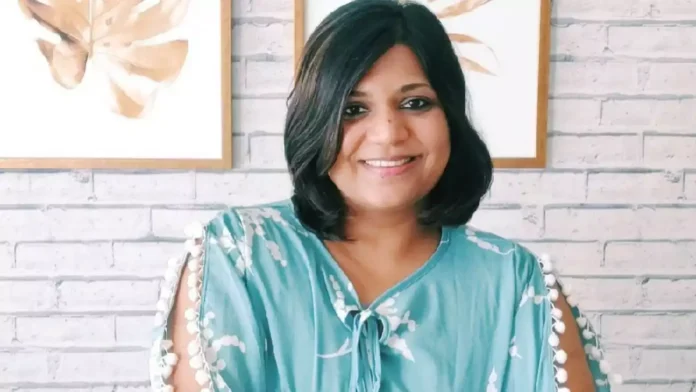
Aashnee Gajaria, the Co-Founder and CMO of Niblerzz
In India, where the candy aisle often reflects a sugary wonderland, a home-grown D2C brand Niblerzz Food and Confectionery Pvt Ltd emerges as a game-changer, reshaping the landscape with its revolutionary approach to sweet indulgence. Despite the plethora of options available, the market for sugar-free and vegan candies remains relatively untapped in India. However, Niblerzz’s bold entry into the scene signifies a seismic shift, capturing the hearts of health-conscious consumers and establishing a unique foothold in the confectionery domain.
As it celebrates its second anniversary with remarkable growth, talking to SnackFax, Aashnee Gajaria, the Co-Founder and CMO of Niblerzz, shared insights into the journey of their innovative candy brand post their appearance on Shark Tank season 3.
“We turned two on April 4th. And it’s been an amazing journey. We are already available in over 140 locations across 19 cities in retail. Still bootstrapping, with a tiny circle of friends and family,” Aashnee said.
Despite being bootstrapped, Niblerzz has secured placements in esteemed retailers like Hamleys and Crossword, standing shoulder to shoulder with established giants in the confectionery realm such as Hershey’s Kisses, M&M’s, and Cadbury’s, to name a few. “Niblerzz is India’s first clean, better-for-you confectionery brand. We aim to cater to every sweet palate, offering a range of products from hard-boiled candies to soft-boiled candies and chocolates,” she stated.
Appearing in Shark Tank Season 3 provided them with a pivotal platform, amplifying its visibility and garnering widespread consumer interest. Aashnee shared the experience, “The whole experience was fantastic. We are grateful to the Shark Tank and Sony team for providing us with this platform, but it was not an easy feat. We went with the mindset that it was a once-in-a-lifetime opportunity for our company,” she said.
After its appearance on the show, Niblerzz experienced surge in popularity. The Co-Founder recounted heartwarming stories of customer engagement, with parents expressing unwavering support and children enthusiastically embracing Niblerzz products. “People have sent us messages of support. They’ve shared images of kids enjoying our products. During a Delhi event in April, parents approached us saying, we continue to buy from you.” These gestures, including messages, social media interactions, and in-person encounters, underscore the deep connection customers feel towards the brand.
The brand’s commitment to clean ingredients and delectable flavors has earned it a dedicated fan base, evident in the surge of sales, which has quadrupled compared to its inaugural year.
“Initially we were offering just one product, in July and August of 2023, we launched peanut chocolate butter cups and lollipops. Notably, lollipops have surpassed sales of mixed fruit gummies in the shortest span. Being India’s first clean lollipop—free from artificial flavors, colors, and preservatives—has further contributed to our success. And yes, I see the brand growing as we plan to launch new products and extend retail operations,” she said.
Discussing Niblerzz’s retail strategy, Aashnee revealed their focus on A+ organic and gourmet stores, strategically positioning their products where parents and children frequently visit. She emphasized the brand’s appeal to children, stating, “Once a child sees our product, it becomes a must-have, creating a delightful challenge for parents.”
Aashnee then described the brand’s offline and online sales dynamics, noting a significant portion of repeat purchases occurring offline due to the impulse nature of candy buying. “The category we play is still niche. It’s not top of the mind, so its impulse indulgence. Interestingly, while online platforms like Amazon and D2C website play a significant role in sales, offline retail remains a stronghold, with repeat purchases,” she said.
She stressed the significance of trials in converting customers, especially in physical retail settings. “If people don’t taste the product, they won’t know if it’s good. And if it’s not enjoyable, they won’t purchase it again. That’s why many customer interactions and purchases occur offline. We’ve observed consistent repeat purchases since entering retail and marketplaces within just two or three months of our launch,” she explained.
Currently, the brand is extensively working on an expansion roadmap with innovative marketing initiatives. “We’re looking to add at least one or two new products this fiscal year, most likely before the festive season because we want to double down on the celebrations.”
Besides this, their packaging strategy also showcases focus on marketing. “We have kept it very bright and colorful to maintain the category codes. We also have the Paw Patrol licence in India, which is like what McDonald’s and Cadbury’s do with their Mac Meals and Minion toys. But we, as a startup, have the licence and are providing kids with the same collection experience that we had when we were collecting WWE cards, Pokemon cards and even Tazos.”
They’ve something for this summer too, Aashnee revealed. Niblerzz is gearing up for summer by venturing into summer camps and play areas, capitalizing on increased consumer activity during the season. Additionally, the introduction of exclusive play date boxes on their website caters to evolving consumer needs for unique experiences. “We have curated special play date boxes for the summer which kids can buy while enjoying their lego sessions and movies.”
In terms of expansion, Niblerzz prioritizes consolidating its presence in key markets such as the South and West regions of India, leveraging the success witnessed in metros and tier 2 cities. “Our focus is on doubling down on the cities where we’re already seeing success. Cities like Mumbai, Bangalore, Chennai, Hyderabad, Ahmedabad, and others have shown promising results. In the north, we’re concentrating on cities like Delhi, Chandigarh, and Noida, where our brand is gaining traction,” she said.
The Indian candy market, rooted in centuries-old sweet traditions, has evolved to meet the changing tastes of consumers. From traditional ‘mithai’ to global confections, it’s a dynamic segment within India’s food industry. According to TechSci, it hit USD 1845.2 million in 2023 and is expected to grow at 15.2% CAGR from 2025 to 2029, fueled by ongoing product innovation.
Asking about the competitive landscape in the market, while many international brands have entered India, Aashnee doesn’t feel the heat. “We don’t view them as direct competition. Instead, we see them as incumbents who will inevitably need to adapt to changing consumer preferences for cleaner, healthier products,” she said.
According to her, the recent example of Bournvita highlights the shift towards healthier choices, impacting both consumer behavior and product offerings. “We believe that in the coming years, this shift will become more pronounced, providing an opportunity for us to establish ourselves as a leading Indian brand offering healthier alternatives,” she asserted.
We use cookies to ensure that we give you the best experience on our website. If you continue to use this site we will assume that you are happy with it.