Boldfit, a Bengaluru-based health and fitness products company, has teamed up with the quick commerce platform Blinkit.
This partnership will enable Boldfit to deliver its range of products, including workout apparel, fitness equipment, accessories, and supplements, within 10 minutes to numerous cities across India.
Pallav Bihani, CEO of Boldfit, expressed, “Partnering with Blinkit marks a significant stride towards our objective. With Blinkit’s strong delivery network, we’re committed to enabling our customers to sustain their fitness and wellness regimens seamlessly.”
Established in December 2018, Boldfit is a direct-to-consumer fitness enterprise specializing in an array of products, including fitness gear, workout equipment, and dietary supplements. With aspirations to expand, the brand aims to inaugurate 100 stores across diverse formats within the next four years. Currently, it offers over 200 SKUs through various digital platforms.
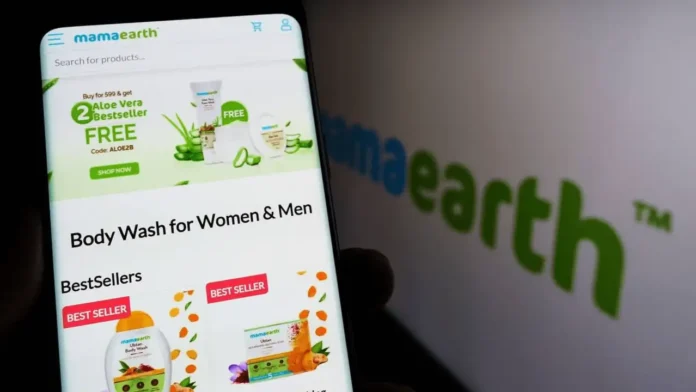
Honasa Consumer Ltd., the holding entity of Mamaearth, The Derma Co., Aqualogica, and Dr. Sheths, has acquired the assets of CosmoGenesis Labs. Renowned for its expertise in cosmetic formulation and development, particularly in premium skincare solutions, CosmoGenesis Labs will significantly bolster Honasa’s research-driven innovation capabilities. This acquisition underscores Honasa’s steadfast dedication to pioneering product development tailored for the Indian consumer market.
Founded in 2011 by Rohini Manoj, CosmoGenesis has risen as a prominent player in cosmetic formulation and development within India. Fueled by a dedication to innovation and excellence, CosmoGenesis has played a pivotal role in crafting over 5000 cosmetic and personal care formulations for enterprises throughout the country.
Ghazal Alagh, CIO and Co-founder of Honasa Consumer Limited, commented, “Innovation has always been at the core of Honasa Consumer, and our data-driven consumer research has kept us ahead in the personal care segment. This strategic alliance with CosmoGenesis will significantly enhance our ability to research new trends more efficiently and help us create best-in-class products. It sets the foundation for transformative growth and innovation in profound ways. This acquisition empowers us to explore new sub-categories, leverage cutting-edge research and development, and ultimately deliver exceptional value to our consumers. With CosmoGenesis joining the Honasa family, we are confident that we will drive meaningful growth and make a lasting impact in the beauty industry, while staying true to our values of innovation, quality, and sustainability. Together, we are set to elevate skincare standards, providing unparalleled benefits to our consumers, employees, and stakeholders.”
R&D Expertise and Facilities at CosmoGenesis
The R&D team at CosmoGenesis boasts extensive expertise in cosmetics and significant experience in developing natural and organic formulations. With a state-of-the-art, fully equipped laboratory, CosmoGenesis demonstrates a commitment to excellence, offering global knowledge and support to both emerging companies and established brands worldwide.
“We’ve collaborated with Honasa Consumer for a while now, producing some remarkable innovations. Joining forces with Honasa fills me with excitement for the vast potential this partnership brings. Our mutual dedication to innovation and excellence, especially in botanical ingredients and natural beauty care, assures that we’ll keep crafting groundbreaking products our consumers can rely on,” expressed Rohini Manoj, Founder of CosmoGenesis.
Teaming up with CosmoGenesis, Honasa is committed to offering an extended range of groundbreaking, safe, and scientifically validated skincare solutions to modern and future generations of consumers.
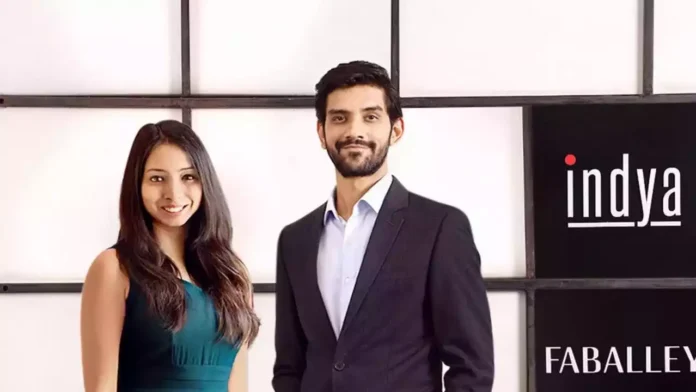
Shivani Poddar and Anurag Murali, Co-Founders of High Street Essentials
High Street Essentials, the parent company behind women’s fashion labels Indya and FabAlley, has secured INR 50 Cr ($6 Mn) through a combination of equity and debt infusion in its latest funding round.
JSW Foundation chairperson Sangita Jindal spearheaded the round, with contributions from family offices of SRF Group, Cyient’s executive vice chairman and MD Krishna Bodanapu, and Pure Home + Living’s MD and CEO Timmy Sarna.
The infusion of fresh capital will support Indya in extending its footprint both within India and in global markets.
Established in 2012, High Street Essentials is a direct-to-consumer omnichannel fashion house specializing in women’s apparel. The company offers affordable western and ethnic-fusion wear under the FabAlley and Indya brands.
The infusion of funds is expected to propel the brand’s premium occasion-wear line, ‘Weddings By Indya,’ while simultaneously enhancing its presence in the occasion and wedding wear market.
Shivani Poddar and Anurag Murali, cofounders of High Street Essentials, expressed their vision, stating, “We perceive a significant opportunity to establish a formidable presence for Weddings By Indya within the $15 Bn wedding wear market, much of which remains unorganized.”
Indya asserts its collaboration with esteemed Indian designers, including Rohit Gandhi, Rahul Khanna, Varun Bahl, Ashish N Soni, and Nikhil Thampi, among others, to serve India’s thriving wedding wear market.
At present, Indya distributes its products through its website, online marketplaces, and 12 exclusive brand outlets situated in cities like New Delhi, Bengaluru, Chennai, Bhubaneshwar, Indore, and Ahmedabad.
Financial Performance and Targets
High Street Essentials asserts achieving EBITDA profitability in FY24, with a growth rate exceeding 30% year-over-year. The company targets achieving profit after tax (PAT) positivity and is aiming for a 50% year-over-year growth in FY25.
Listed companies and industry trackers have noted a slowdown in online consumption during the March quarter across various segments including electronics, wearables, and beauty products.
In the fourth quarter, Delhivery, a logistics firm, reported a 13% sequential decline in its express parcel shipments, which serve as a proxy for ecommerce delivery volumes, down to 176 million.
Sahil Barua, co-founder and CEO, pointed out that the decline in the March quarter followed a robust October-December period, typically marked by festive season sales on ecommerce platforms. Despite this, the company’s delivery volumes were down by 2% year-on-year.
In its analysis of Delhivery’s results, brokerage firm Citi acknowledged the subdued online consumption but expressed confidence that it wouldn’t jeopardize the long-term growth expectations of 15%-20% in ecommerce.
Nykaa, a beauty and fashion retailer, highlighted the trend of consumer brands reallocating their advertising budgets towards offering increased discounts to stimulate demand in the currently subdued market. During the post-earnings analysts call on May 22, Anchit Nayar, CEO of Nykaa E-retail, expressed optimism that brands would revert to investing in advertising once demand recovered.
Likewise, Honasa Consumer, the parent company of the beauty and personal care brand Mamaearth, observed single-digit growth for its flagship brand during fiscal year 2024. Consequently, it is adjusting its offline strategy to enhance both growth and margins.
Assessment of Overall Ecommerce Sales
According to an executive at a prominent third-party logistics firm, overall ecommerce sales remain lackluster, with growth likely to be below 15%, in contrast to the typical approximate 20% growth rate.
The logistics expert continued, “Due to the lack of big events and the large amount of sales made over the previous holiday season, apparel and smartphone shipments—which typically drive overall ecommerce growth—have not had the chance to develop significantly. But because of the early summer season, appliance sales have improved, which has provided some help.
According to reports, demand for air conditioners (ACs), fans, and coolers surged by 80%, 20%, and 45%, respectively, during March and April compared to the previous year on Amazon India. Meanwhile, on rival platform Flipkart, AC demand witnessed a 50-60% increase in March year-on-year.
According to a senior ecommerce executive, although the first quarter experienced a decline in consumption growth, volumes steadily improved on a month-on-month basis.
Regarding smartphones, the move towards offline purchases and the absence of significant releases have contributed to subdued sales. According to a report by market intelligence firm Counterpoint Research, Indian smartphone shipments recorded an 8% year-on-year growth from January to March. However, it’s worth noting that the low base of the corresponding period last year was a key factor driving this growth.
The report further noted that the offline share of total sales reached 64%, representing the highest quarterly figure since the onset of the Covid-19 pandemic.
Nevertheless, in the smartphone sector, premiumization persisted as the market experienced an 18% growth in terms of value. The premium segment, encompassing products priced above INR 30,000, accounted for 20% of the total sales volume and 51% of the total sales value for the quarter, marking its highest-ever contribution, as highlighted in the report.
“The trend we’re observing is that an increasing number of smartphone purchases appear to be upgrades, with users holding off for major discount periods, and this phenomenon is also reflected in the premiumization,” stated the logistics executive mentioned earlier.
According to data from research firm IDC, shipments of wearable devices such as earphones and smartwatches through online channels decreased by 14.1% year-on-year, marking the second consecutive quarter of decline.
A leading executive at a smartwatch manufacturer noted that during the December quarter, multiple brands shipped surplus inventory for the festive season, which unfortunately did not meet the anticipated demand levels.
“The January-March period didn’t witness significant shipments due to the high levels of inventory from the preceding quarter,” the executive explained. “This indicates insufficient demand as well. Additionally, it’s evident in the declining average selling prices (ASPs) of products like smartwatches and earphones.”
A venture investor specializing in consumer brands noted emerging macro indicators suggesting an uptick in demand in tier 2 and tier 3 cities.
“Some early indicators, such as increasing two-wheeler dispatches and FMCG sales in smaller towns, are becoming apparent,” he explained. “Once this trend gains momentum, discretionary spending will also rise, reflecting in ecommerce volumes across the board.”
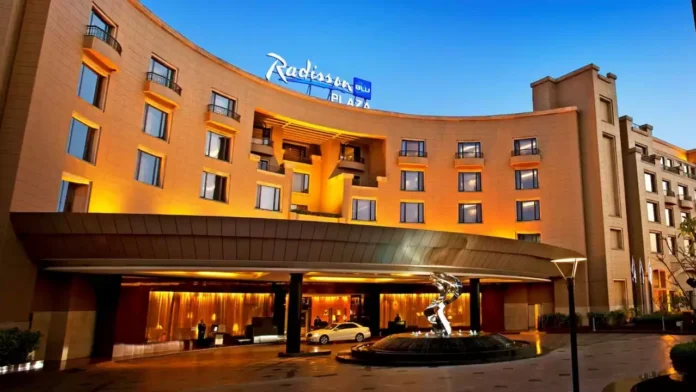
Radisson Hotel Group, the second largest international chain in India by hotel network and room inventory, is set to open a new hotel every 20 days in the country this year, according to Nikhil Sharma, the chain’s new managing director and area senior VP for South Asia.
Sharma mentioned that the chain’s goal is to have a hotel within a two-hour driving radius throughout India. Additionally, they are expanding their footprint in religious destinations and plan to introduce the first globally branded hotels in markets like Vrindavan, Ujjain, and Guruvayur.
Sharma mentioned that the chain’s goal is to ensure a hotel within every two hours of driving distance throughout India. Additionally, they are expanding into religious destinations, with plans to introduce the first globally branded hotels in markets like Vrindavan, Ujjain, and Guruvayur.
“People are visiting religious destinations far more than they did before Covid times. We were pioneers in launching a branded hotel in Ayodhya prior to the Ram temple inauguration. During the first month, the hotel recorded an average daily rate of INR 1.15 lakh. Even now, it remains consistently booked out on most days, with the average daily rate standing at INR 30,000,” Sharma remarked.
Recent Openings and Future Developments
Last month, Radisson Hotel Group unveiled the 212-key Radisson Collection hotel in Srinagar, marking the largest hotel in the Jammu and Kashmir region. With a robust presence across over 70 locations, the chain boasts over 180 hotels operational or in the pipeline, totaling 13,700 rooms. Future developments include properties in Saputara (Gujarat), Dhanbad, Nainital, and Jamshedpur. Recent signings encompass new hotel agreements in Delhi, Bengaluru, Raipur, Sonamarg, Sonipat, Dera Bassi, Kevadia, Jhansi, Gopalpur, and Vizag. Approximately 50% of Radisson’s current hotel portfolio resides in tier two, three, and four locations.
“In India, Bharat extends beyond the metros. To thrive in this country, one must have a nationwide presence and focus on smaller cities. Our aim is to expand and ultimately become the largest international operator. Currently, we hold the second position in the country,” Sharma explained. “It’s imperative to look beyond tier two and three cities now. The market is ripe, with widespread internet access and increased spending capacity. Indians are eager for international standards in various locations. We aim to lead the way as the first international player to delve deeper into the country,” he emphasized.
Sharma stated that the chain plans to recruit a minimum of 3000 individuals for new positions this year, supplementing its current workforce of approximately 16,000 employees.
“These 3000 positions are new opportunities, not replacements. Our focus is on skill enhancement, and with each new hotel opening, we’re generating additional employment opportunities in the cities. This is of utmost importance,” he emphasized. “We’re witnessing a trend of team members migrating back to their hometowns from larger cities. They’re willing to accept slightly lower salaries for the comfort of being home. Job creation, skill enhancement, and reverse migration play significant roles in our growth strategy in India. It’s gratifying to see skilled professionals thriving in tier two and three cities, which wasn’t the case before,” he concluded.
Factors Driving Radisson’s Strategic Expansion
He highlighted that factors such as India’s GDP growth, the surge in domestic tourism, the expansion of the Indian middle class, the proliferation of airports and railway traffic, and the enhancement of road infrastructure are key drivers behind Radisson’s strategic decision to expand its network.
“All indicators point to India as a promising destination, and one of people’s top desires is to travel. ” Our aim is to ensure that we meet those needs,” he stated. “The market is poised for expansion. Apart from India, only three or four markets are experiencing similar growth, including Saudi Arabia and Indonesia. With a strong government in place this year, we expect even faster growth,” he said.
Sharma stated that the Indian hospitality market is expected to reach 200,000 classified rooms this year, with rates likely to hold steady. “The demand is projected to outstrip the supply. In my view, within the next seven to ten years, India will see a million classified rooms. This growth won’t be exclusive to international brands; domestic ones will also expand. There’s plenty of space for all of us to grow,” he emphasized.
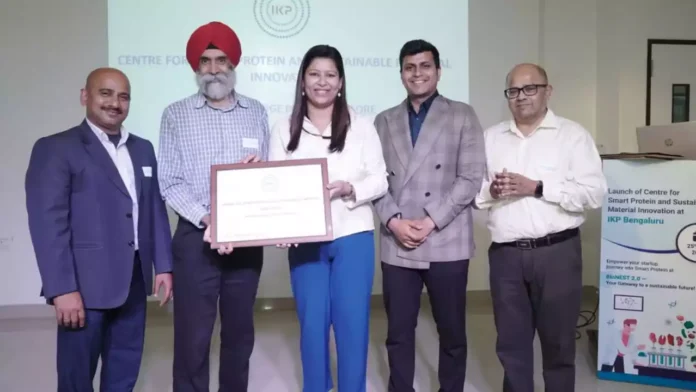
IKP Knowledge Park in Bengaluru, a prominent science and technology hub, has teamed up with The Good Food Institute India (GFI India), the central expert organization, thought leader, and convening body in the Indian alternative protein sector, to unveil the nation’s first Centre for Smart Protein and Sustainable Material Innovation in Bengaluru. This groundbreaking collaboration stems from an MoU signed between the two entities last year, aimed at supporting smart protein startups with incubation and product development. The newly inaugurated facility is tailored to empower Indian smart protein startups by granting them access to cutting-edge equipment and expert guidance, dedicated to nurturing nascent concepts in smart protein innovation.
Facilities and Resources Available at the Centre
Situated in the vibrant hub of Koramangala, this center is fully equipped to aid startups specializing in fermentation-based, plant-based, and cultivated protein products and ingredients. The facility features a comprehensive range of cutting-edge equipment, including biosafety cabinets, shaker incubators, freezers, homogenizers, and two ISO7-clean rooms. Currently accepting memberships, the center can accommodate up to 20 startups, offering them round-the-clock access to its resources and amenities.
As part of the launch event, GFI India and IKP presented their report titled ‘Incubation Support for a Thriving Smart Protein Ecosystem’. This report underscores the significance of a robust incubation ecosystem for startups engaged in pioneering solutions across the value chain within the plant-based, fermented, and cultivated protein sectors. Drawing insights from the challenges experienced by entrepreneurs and innovators, the report offers tangible recommendations to assist both public and private entities interested in incubating smart protein enterprises.
During the launch of this one-of-a-kind innovation center, Deepanwita Chattopadhyay, chairperson and chief executive officer of IKP Knowledge Park, remarked, “As we inaugurate the Centre for Smart Protein and Sustainable Material Innovation at IKP Knowledge Park, we’re invigorated by the progress and potential of the pioneering smart protein startups, despite the challenges of limited ecosystem support. This burgeoning sector in India holds immense promise, poised to lead globally with the right backing. Leveraging India’s exceptional scientific talent and manufacturing capabilities, we aim to spearhead a transformative industry that ensures food security for all.”
Sneha Singh, Acting Managing Director of GFI India, expressed, “We’re thrilled to partner with IKP in advancing the development of the smart protein ecosystem. With over 113 startups dedicated to crafting sustainable alternatives to animal-based protein, there exists a clear opportunity and necessity for breakthrough innovations throughout the value chain. We extend our gratitude to IKP for acknowledging the sector’s potential and establishing a robust platform to address infrastructure gaps, provide specialized guidance, and facilitate commercialization. Collaborating with the right allies, GFI India is dedicated to fostering cutting-edge smart protein technologies that can profoundly impact India’s agriculture, climate resilience, nutritional security, and economic prosperity.”
In order to nurture the development of startups incubated within the center, IKP is providing elite mentorship programs across technical, intellectual property, regulatory, marketing, and business strategy realms. These initiatives are designed to guide and offer comprehensive assistance to innovators and startups within the incubator. Dedicated to accelerating the growth of the smart protein industry, IKP is actively looking for financing to expand the capabilities and services provided by the centre.
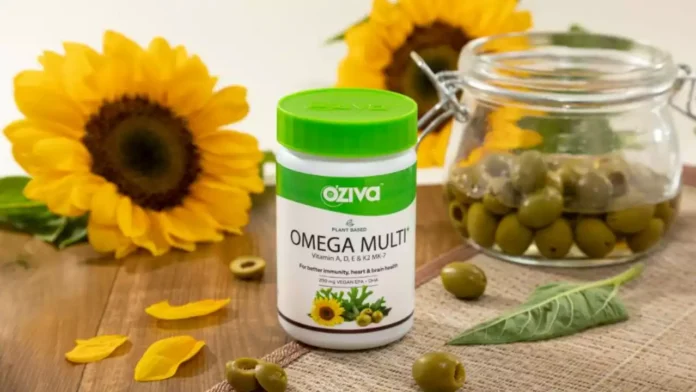
OZiva, a plant-based nutrition brand, reported a net loss of INR 44 crore on a turnover of INR 104 crore for the fiscal year ended March 2024, as disclosed in the annual report of Hindustan Unilever Ltd, which holds a majority stake in the startup.
FY23 Net Profit and Operating Revenue
During FY23, OZiva recorded a net profit of INR 58.3 crore, driven by a one-time gain of INR 95.5 crore. The brand’s operating revenue for the year amounted to INR 99.3 crore.
In January 2023, Hindustan Unilever acquired a 53.34% share in OZiva’s parent company, Zywie Ventures Pvt Ltd. The brand was evaluated at INR 361 crore utilising the multi-period excess earnings approach, according to HUL’s annual report for FY24.
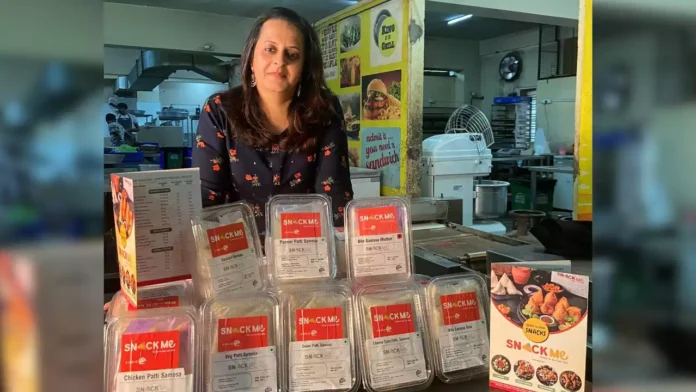
Anushka Jaisinghani, the dynamic founder of Snack Me and LJ Snacky’s, has an audacious dream: to become India’s “Samosa Queen.” Anushka’s journey from an HR professional to a leading figure in the snack manufacturing industry is as fascinating as the samosas she passionately creates. Her story is not just about business success but also about resilience, innovation, and an unyielding commitment to quality.
Anushka began her career in HR, accumulating 14 years of experience before deciding to venture into the world of snacks. “I needed to do something I was passionate about,” she recalls. In 2010, leveraging her corporate skills and experience, she launched a small snack business with a kiosk model. This modest start, offering just three to four varieties of snacks, laid the foundation for what would become a significant enterprise.
Over the years, LJ Snacky’s expanded its offerings from a handful to 50 varieties of snacks, catering primarily to the corporate sector in Bangalore. By 2020, her company, erstwhile called Snackys was the preferred corporate snack partner in the city, serving 10,000 packs daily. “We grew close to 25 times in ten years, which I am really proud of,” Anushka notes.
However, the COVID-19 pandemic brought unexpected challenges, halting the corporate catering business. Faced with a standstill, Anushka pivoted to the frozen snack segment, launching the Snack Me brand under LJ Snackys. “We moved from ready-to-eat to ready-to-cook snacks, embracing technology to ensure our products remained fresh and healthy without added preservatives,” she explains.
The shift to frozen snacks opened new horizons for Snack Me, enabling them to cater to a pan-India market and even explore exports. Today, Snack Me runs two successful manufacturing units: one for corporate catering and another for frozen snacks, both reaching pre-COVID numbers.
However, Sindhi by birth and foodie by nature, Anushka’s fascination with samosas is at the heart of her business. “My hero product is samosa. I wish to have 30 varieties of samosas by 2025. We currently offer about 20 varieties,” she says. The versatility and mass appeal of samosas make them a staple across generations, unlike more niche snacks like pizza or pasta.
Statistics show that 6 million samosas are sold daily in India alone. Meanwhile, organized samosa sales in India amount to about INR 100 crores a day, and this doesn’t even account for the unorganized sector. This reinforces Anushka’s belief in the samosa market, “This staggering figure highlights the vast potential of the Indian market. It gives me confidence that we’re in the right segment—even capturing just 5% or 10% of this market would be incredibly rewarding,” she says.
Snack Me’s strategy is to focus on B2B manufacturing, partnering with brands rather than competing in the consumer market. “I want to partner with brands and say, ‘We will manufacture and white-label for you.’ I don’t want to compete on the front end, which requires significant cash flow and different segmentation,” she elaborates.
Efficiency and Innovation in Manufacturing:
This approach has proven successful, with Snack Me manufacturing samosas for 8 to 10 prominent brands exporting to Dubai and the US. “We have mastered the art of manufacturing samosas, achieving 98% efficiency with only 2% wastage, even though they are handcrafted,” Anushka proudly states.
Snack Me’s product development is driven by a blend of market intelligence and culinary creativity. “Along with the classical Punjabi aloo samosa, which is our best-seller, we also make patti samosas and experiment with various fillings,” Anushka explains. She constantly seeks inspiration, even envisioning fusion samosas with unique fillings like those from Taco Bell.
Despite the challenges, Anushka has maintained robust operational efficiency. “In a B2B segment, it’s a high volume, low margin game. Our margins are about 10-15% depending on the brand and volume,” she notes. Key factors for success include purchasing power, controlling wastage, and maintaining efficient credit terms.
Future Growth and Expansion:
Looking ahead, Anushka aims to significantly scale up production. “We currently manufacture about 20,000 samosas a day. I target to grow this to 50,000 samosas a day by 2027,” she says. Plans are also underway to expand into new frozen snack categories, including breaded products, which promise further growth opportunities.
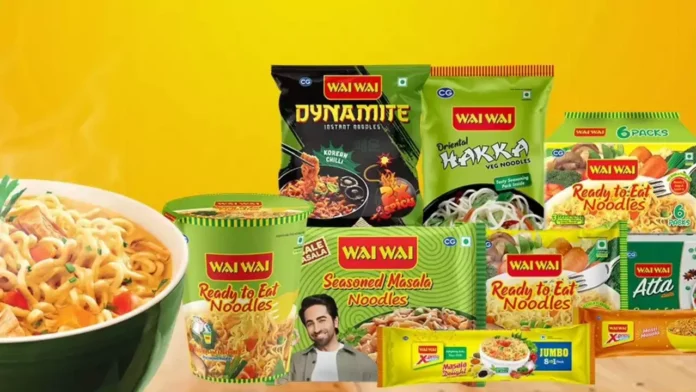
CG Foods, the producer of India’s third-largest instant noodles brand Wai Wai, will reduce the salt content in select variants of its noodles by 10% to 25% starting next quarter. This initiative marks the first time the company has made such a change, according to Manvendra Amber Shukla, the global CEO of CG Foods, which is owned by the Nepal-based CG Corp Global.
This decision comes amid tighter regulations and heightened scrutiny on packaged foods.
“The government’s regulatory efforts are indeed appreciated; they benefit consumers and contribute positively to the ecosystem, highlighting the shared responsibility of all organizations toward consumer welfare,” he said.
Phased Approach to Salt Reduction
The salt reduction process will begin with the spicier packs of Wai Wai, according to Shukla. “In India, starting next quarter, we will initiate the first phase of salt reduction by 10%, beginning with our spicy noodles. As we progress, we plan to reduce salt by up to 25% in other variants of our portfolio,” he said. Additionally, the group is working on introducing healthier options such as millet noodles and renewing its focus on atta noodles.
Wai Wai was officially launched in India two decades ago by CG Foods, owned by Nepalese billionaire Binod Chaudhary. Before that, the brand was imported.
Growth Targets and Market Expansion Strategy
Shukla stated that in the financial year 2024-25, the group is aiming for 15% growth by focusing on larger packs of INR 15 and above and expanding beyond its core geographies such as the Northeast. “We hold a leadership position in some segments in the Northeast; we want to extend this leadership to other parts of the country, such as the Hindi heartland and the western regions where our presence is currently weaker,” he said.
Wai Wai competes in the instant noodles category with the market leader, Nestle’s Maggi, followed by ITC’s Sunfeast Yippee.
Reliance Consumer Products, known for its diverse range of launches spanning from biscuits to detergents, is shifting its focus to beverages, confectioneries, and its proprietary brand, Independence.
It ventured into the fast-moving consumer goods (FMCG) sector with its first acquisition in 2022, acquiring the defunct Campa Cola brand for approximately INR 22 crore. This sector remains its primary focus to this day.
As per an informed source, the company has focused on expanding the distribution reach of Campa Cola, which currently extends to half a million retail outlets across six states, including Andhra Pradesh, Telangana, West Bengal, and Uttar Pradesh, among others.
The source elaborated that although cola brands hold sway in certain states, the beverage brand led by Mukesh Ambani aims to secure the second position in specific states across South India.
Independence, its line of packaged goods, has established a presence across six states, with distribution in over 100,000 outlets. The source notes that the brand’s strongest presence is in Gujarat.
Product Portfolio under Independence Brand
Within the Independence brand, Reliance offers a range of products including atta, edible oil, rice, sugar, glucose biscuits, and energy toffees.
Currently, both Campa Cola and Independence are the primary focus areas for the company.
The confectionery segment is another key focus for the company, evident in its acquisitions of Ravalgon and Lotus Chocolates, as well as its efforts to expand the presence of Joy Land, all prominent confectionery brands.
According to the source, the company’s revenue stood at approximately INR 3,000 crore in FY24.
During its January-March results, the company announced that its consumer brands are witnessing a significant surge, with general trade sales growing over three times year-on-year (Y-o-Y).
Strong momentum was observed in both the Campa and Independence brands, fueling growth in beverages and staples. The company’s upcoming area of focus is biscuits.
Strategic Partnerships and Future Plans
The company has already entered into a strategic partnership with Sri Lanka-headquartered Maliban Biscuit (Maliban).
Nevertheless, given its Sri Lankan origin, the source added that the company will initially concentrate on introducing products tailored to suit Indian taste preferences. Subsequently, it will shift its focus to other product offerings.
The most popular biscuits consumed in the country are Marie and Glucose, and the company is collaborating with Maliban to launch these two varieties.
Once it has solidified its distribution network in the segments it has earmarked for entry, the company will venture into other FMCG categories.
We use cookies to ensure that we give you the best experience on our website. If you continue to use this site we will assume that you are happy with it.