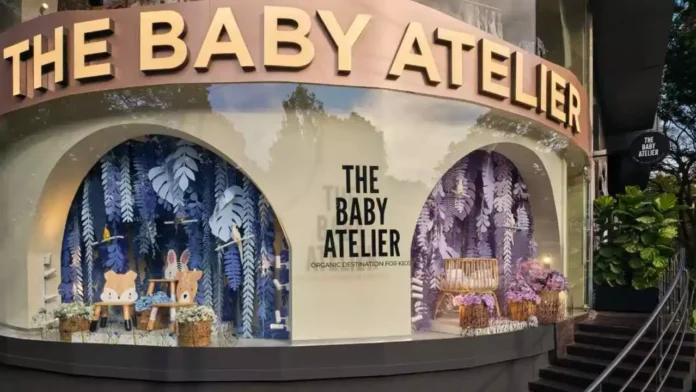
The Baby Atelier, a renowned brand, has opened its flagship retail store in Bangalore, offering a wide selection of organic products for toddlers and kids, as well as comprehensive design services for children’s rooms. Breaking away from traditional methods, The Baby Atelier seeks to revolutionize children’s spaces by delivering seamless solutions that integrate current trends and interactive designs, ensuring optimal functionality, durability, and enjoyment.
From infancy to adolescence, The Baby Atelier understands the evolving needs and preferences of children, offering customized solutions for every stage of development. Specializing in design, the brand provides bespoke home design and furnishing services for children aged 0-15 years. These innovative spaces combine timeless aesthetics, modern functionality, and eco-friendly materials to create safe, fun, and practical environments. The Baby Atelier’s comprehensive services include space planning, color schemes, furniture, accessories, and furnishings, ensuring a cohesive and harmonious look.
Payal Karumbiah, Design Director at The Baby Atelier, stated, “Our mission at The Baby Atelier is to redefine the aesthetics of children’s rooms. We recognize the importance of these spaces in nurturing creativity and fostering early learning. Our goal is not just to design rooms, but to understand the multifaceted role a child’s bedroom plays throughout their development. Childhood is a pivotal period where minds are open to exploration and education. At The Baby Atelier, we are dedicated to creating environments that both stimulate and support each child’s developmental journey.”
Eco-Friendly Solutions:
The Baby Atelier is dedicated to offering eco-friendly solutions for children, focusing on organic fabrics and sustainability. Their product range includes not only bed and bath linen but also furniture, interactive play items, rugs, lamps, and nightwear, all designed with simplicity, durability, and a neutral or minimalist aesthetic. This minimalist approach ensures easy adaptability as children grow, allowing for seamless updates to their spaces. The Baby Atelier’s decor adds a stylish touch to any room, providing parents with a wide array of options to choose from.
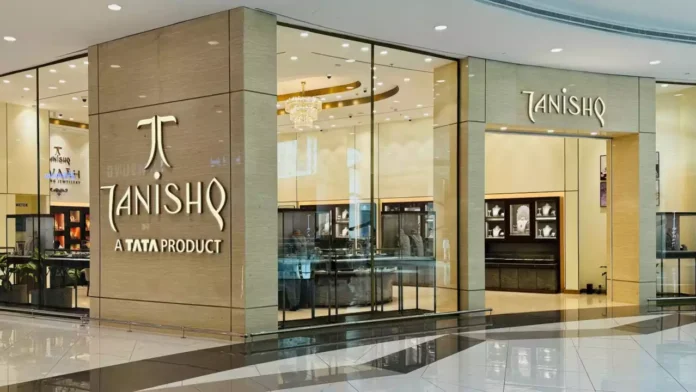
Tanishq, the renowned jewellery brand within the Titan Company, a subsidiary of the Tata Group, has expanded its international presence with a new venture in Oman. The inaugural store in the country can be found at Oman Avenues Mall, Muscat, as announced by an industry professional on social media.
“Tanishq officially debuted in Oman with the grand opening of their inaugural store at Oman Avenues Mall, Muscat,” stated Amol Jungari, Head of Retail Design and Delivery at LuLu Group International, in a LinkedIn update.
Opened in May 2015, Oman Avenues Mall stands as one of Oman’s premier shopping destinations. Operated by the Abu Dhabi-headquartered LuLu Group International, it ranks among the largest malls in the country.
Currently, Tanishq has expanded its presence with over 16 international stores outside India.
In July 2023, Titan unveiled its ambitious strategy to establish 50 boutiques globally, with a focus on key markets such as the United Kingdom, Australia, and Malaysia.
In the fiscal year 2023, the jewellery retailer expanded its international store count from two to seven.
Tanishq, a part of Titan’s jewellery division, was established in 1994, alongside other brands such as CaratLane, Zoya, and Mia by Tanishq.
In 1996, Tanishq inaugurated its first retail showroom in Chennai, followed by its first international store in Dubai in 2020. Currently, the retail chain comprises over 410 exclusive outlets spread across more than 240 cities within the country, alongside international boutiques in the UAE, USA, Qatar, Oman, and Singapore.
Cartel Bros, a renowned spirits company, has achieved a remarkable milestone with the unveiling of its premium blended Scotch whisky, Glenwalk, in Dubai during the recent Travel Retail Consumer Forum ‘24. This marks the company’s bold entry into the Middle East market. Celebrated for its exceptional quality and exquisite taste, Glenwalk has already garnered international acclaim, including a Silver Medal at the 2024 London Spirits Competition. Within just a year of its introduction, Glenwalk has rapidly expanded its reach across five states in India, forging partnerships with over 25 distribution partners—an impressive feat for a new player in the AlcoBev industry. The strategic move into Dubai signifies a pivotal moment for Cartel Bros as it aims to position Glenwalk as the preferred choice among whisky connoisseurs in the Middle East.
Glenwalk’s Rise in India:
Glenwalk Scotch Whisky is reshaping the Indian whisky scene with its remarkable surge in demand and strategic pricing strategy. Introduced in June 2023 with Sanjay Dutt as its brand partner, Glenwalk has leveraged the expertise of Cartel Bros’ leadership team, spearheaded by co-founders Mokksh Sani, Jitin Merani, Rohan Nihalani, Manish Sani, and Chief Business Officer Neeraj Singh, to achieve extraordinary success.
Since its launch in India, Glenwalk has carved out a distinct niche among Indian consumers and is now ready to make waves in the Middle Eastern market. Building on its triumph in India, Glenwalk has experienced a surge in global sales orders and inquiries, facilitating its expansion into the Middle East and solidifying its international reputation. As the world’s premier Indian celebrity-owned alcohol brand, Cartel Bros’ Glenwalk, co-owned by Bollywood icon Sanjay Dutt, boasts a unique distinction. Sanjay Dutt’s involvement has played a pivotal role in propelling Glenwalk to unparalleled heights. Leveraging his global celebrity status and forward-thinking approach, Sanjay Dutt has been instrumental in elevating Glenwalk and establishing its brand presence.
Glenwalk is set to make a spectacular debut across all duty-free outlets in the Middle East by the end of July 2024. This development follows the brand’s successful collaboration with Ospree Duty-Free, an Adani company. In order to ensure regulatory compliance and effective market penetration, Cartel Bros has partnered with Gulf Beverages, a reputable Dubai-based firm with over three decades of industry experience.
Gulf Beverages will act as the exclusive distributor and brand partner, catering to the entire UAE and other Gulf regions. This strategic alliance empowers Cartel Bros to focus on implementing key initiatives and enhancing brand visibility.
Mokksh Sani, Founder of Living Liquidz, Mansionz, and co-founder of Glenwalk, emphasized the strategic significance of the Middle East expansion, stating, “Our entry into the Middle East is driven by a strategic vision to establish a prominent presence in the AlcoBev sector. Our partnership with Gulf Beverages ensures adherence to all regulatory standards and provides a robust platform for our brand’s growth in this region.”
Future Plans
The announcement of the Middle East launch marks a major milestone for the brand, highlighting its dedication to providing the highest quality Scotch whisky to discerning consumers in the region. Additionally, it reflects Cartel Bros’ overarching strategy, which includes intentions to expand into the Canadian and Australian markets within the next 90-120 days.
As Glenwalk by Cartel Bros makes its debut in Dubai and prepares for its forthcoming availability in Middle Eastern duty-free outlets, it stands ready to leave a significant mark on the global spirits market. Being the first Indian celebrity-owned alcohol brand, Glenwalk harmoniously fuses tradition with innovation, presenting a premium Scotch whisky experience and positioning itself as a key contender in the global spirits landscape.
Havells India Ltd, a leading electrical goods and electronics company, has teamed up with UAE-based consumer electronics and technology product distributor, Jumbo Group, to venture into the kitchen appliances market.
Market Expansion Strategy:
The products will first be accessible through Jumbo’s e-commerce platform, with subsequent distribution to retail outlets at Jumbo Electronics stores. This partnership aims to bolster brand visibility in the Middle East and Africa (MEA) region by reaching retailers across the UAE.
Vikas Chadha, CEO of Jumbo Group, expressed, “Given the increasing demand for kitchen appliances, this collaboration enables us to offer our customers top-notch products, enriching their lifestyles and convenience. Considering the expanding tech-savvy consumer base, we’re commencing availability through e-commerce, later extending to retail stores, ensuring utmost accessibility and convenience for our customers.”
After-Sales Support:
Jumbo Serve, the after-sales service provider, will support Havells’ products distributed by the Jumbo Group. It will oversee warranty management and contract services for Havells products sold in the UAE.
The product lineup will feature Havells India’s leading kitchen appliances, such as advanced mixer grinders initially. Subsequently, premium juicers and state-of-the-art air fryers will also join the product range.
Rahul Murgai, Senior Vice President of Havells India, emphasized, “Havells’ commitment to global expansion remains unwavering, reflecting our ‘Make in India’ philosophy for an international audience.” He further stated, “This partnership not only signifies a pivotal move in bolstering Havells’ brand visibility but also in broadening our distribution channels to greatly improve customer accessibility to our innovative products.”
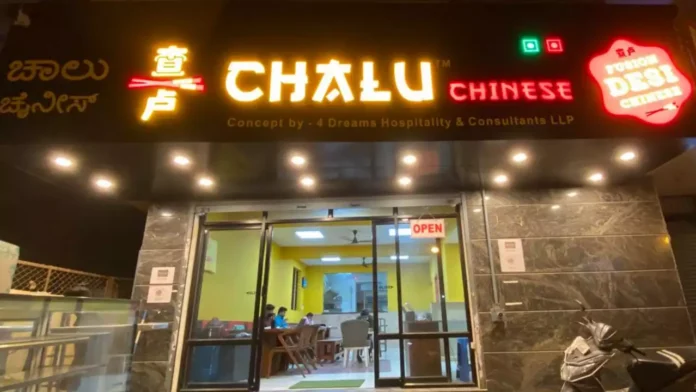
Chalu Chinese, a Bhopal-based food and beverage enterprise, has ventured into the food court business with the launch of Twenty1 Food Courts. According to a top executive of the company, the first food court is set to open on July 7th in Raipur, followed by five others across North India this year.
Expansion Plans and Locations
“Currently, we’re in the process of launching approximately six food courts across Ludhiana, Delhi, Greater Noida, Raipur, Barnala, and Zirakpur,” stated Vibhanshu Mishra, Founder and CEO of Twenty1 Food Courts & Chalu Chinese.
The upcoming courts will be situated in venues such as Colors Mall in Raipur, Kingsespade in Ludhiana, Shoeplaza Destination Mall in Samrala, Golden Valley in Zirakpur, Utkarsh Arcade in Mathura, and Royal Wallk in Noida.
Furthermore, the company aims to extend its reach by establishing more food courts across India down the line.
“Our expansion strategy is designed to guarantee a widespread presence, serving a diverse clientele nationwide,” Mishra emphasized.
Revenue Projections and Investment Expectations
The company anticipates a threefold return on investment with the upcoming launches, although Mishra declined to disclose specifics regarding the investment amount.
“We anticipate an annual turnover of INR 20 crore from each individual food court,” Mishra elaborated on the expected returns.
The food courts will feature an average seating capacity ranging from 150 to 350 and will host a variety of both international and domestic brands.
According to Mishra, the number of outlets in each food court varies depending on the available space, usually between 12 and 15 outlets per site.
Speaking about leasing trends by brands in food courts, Mishra noted, “There is significant interest in securing prime locations with high foot traffic and visibility. This has resulted in competitive leasing markets, particularly in urban centers and popular malls.”
“Operators are also seeking spaces capable of accommodating technological advancements,” he remarked, alluding to the forthcoming implementation of a centralized ordering system at the company’s upcoming food courts.
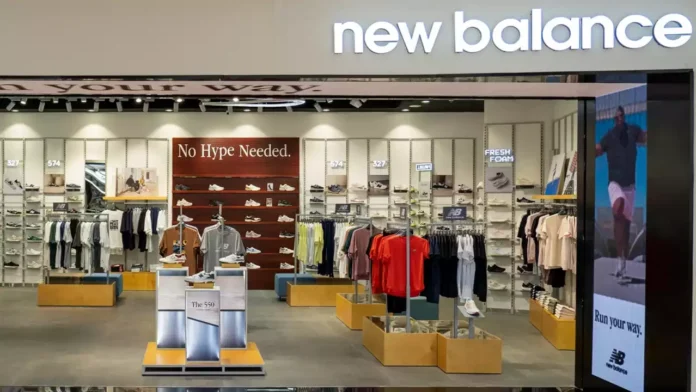
New Balance, a US-based sports footwear and apparel manufacturer, has extended its reach in Mumbai with the opening of a new store at Infiniti Mall, Malad.
This marks the brand’s second store in Mumbai, debuting less than a month following the inauguration of its first store on Linking Road.
Radeshwer Davar, New Balance India’s country manager, shared, “It’s been an exhilarating month for us in Mumbai. After the successful launch of our first store, we’re delighted to unveil a second one within such a short span. This signifies a significant stride in our expansion efforts across India.”
The store presents a carefully curated selection of performance and lifestyle products, showcasing exclusive technologies such as Fresh Foam X and FuelCell.
Founded in 1906 by William J. Riley as the New Balance Arch Support Company, New Balance initially specialized in producing arch supports and other accessories aimed at enhancing shoe fit.
The American footwear brand first entered the Indian market in the early 2000s but withdrew shortly after. However, in 2016, New Balance staged a comeback, partnering with Mumbai-based The Major Brands Group for distribution and inaugurating its inaugural store in India at DLF Mall of India, Noida. Subsequently, in 2022, it established its subsidiary in India.
In February, the brand opened its first company-owned store in the nation in Hyderabad, quickly followed by another opening in Pune in March.
In 2023, New Balance recorded worldwide sales totaling $6.5 billion.
Following the success of its tasting room in Goa, which was launched five months ago, Ochre Spirits, a Goa-based flavored spirits brand, is now gearing up to introduce its products in Karnataka and Maharashtra. The brand’s initial offerings, including a berry-flavored rum and a peach and cherry-flavored vodka, have been well-received in Goa and are poised to captivate new markets.
Established in 2023, Ochre Spirits swiftly captured attention in the Indian alcohol market, capitalizing on the growing trend among consumers to explore new experiences. Its founder, John Royerr, with over a decade of experience in the liquor industry, envisioned a product that would cater to those seeking a smoother drinking experience. “Many people enjoy beer, but they think hard liquor is too strong,” he explains. “We wanted to create something that makes the drinking experience much better and smoother, with no burn on the throat.” The brand is witnessing 65% of the traction from rum category and rest from Vodka.
During the pandemic, Royerr and his team focused on developing blends that cut down on sugar, catering to the evolving cocktail culture. “Each drink contains a minimum of 50 grams of sugar. We wanted to offer something that people could enjoy without the excess sugar,” he says.
Eye on Market Expansion
At present, the brand is in 185 retail stores and 40 on-premises venues, with plans to expand to 350 retail outlets and 120 on-premises locations by July. Over the next four years, Ochre Spirits aims to secure over 10% of the premium flavored spirits segment in India and 5-7% of the craft spirits market, showcasing its confidence in product quality and market strategy.
Royerr highlights the potential of the Indian market despite its fragmentation. “India’s population means that even a small percentage of consumers represents a large number. The artisanal segment has been growing steadily, and there’s room for new players,” he notes.
Challenges and Strategies in the Spirits Market
Competing in a market dominated by established brands is no small feat. “Taking away market share from larger players is difficult due to their established trust and distribution channels,” Royerr admits. However, Ochre Spirits aims to attract new-age consumers, particularly millennials and Gen Z, who are more open to experimenting with different types of spirits.
“There are two distinct groups of consumers: those who stick to what they know and are comfortable with, and the new generation who are more adventurous with their spirit choices. It’s this latter group that presents a promising future for the rum market, as they’re likely to continue exploring and consuming spirits for decades to come. We’re working towards tapping into this market segment and meeting their evolving preferences,” he says.
“The premiumization of rum has started over the last two to three years. Consumers are willing to pay more for a good product,” he explains. The company’s strategy involves offering quality products at competitive prices, with their premium rum priced around INR 1450, compared to the usual INR 750.
Navigating Market Complexities
Royerr is candid about the complexities of the Indian alcohol market, where different states have varying regulations and consumer preferences. “Understanding distribution networks and market dynamics is crucial for survival,” he says.
He also acknowledges the challenges posed by the discount game many new brands play. “Discounts are not sustainable in the long run. Consumers today are more willing to try new things, but they also seek quality. If your product is good, they’ll come back, regardless of the price.”
In terms of production, the brand is maintaining a sustainability in number. Royerr informs that they aim for around 10 to 12,000 cases in the first fiscal year, considering various bottle sizes such as 750 ml or 2750 ml.
Future roadmap
Looking ahead, Ochre Spirits has ambitious plans. Domestically, the brand will focus on expanding its presence in Karnataka, Maharashtra, and eventually other states. Internationally, they are eyeing the Middle East and South Korea. “We see great potential in South Korea, a country known for its love of flavoured spirits. We’re currently in advanced discussions with several distributors there, and if all goes well, we aim to enter the market by the fourth quarter of this fiscal year,” Royerr reveals.
The company is also diversifying its product line, planning to launch gin and whiskey, and add more flavors to its existing rum and vodka categories. This multi-category approach allows Ochre Spirits to tap into a broader market within each city, maximizing its reach and potential.
Despite the competition, Royerr remains optimistic. “The market is huge, and there’s room for many players. The key is to have a solid business strategy and understand the market dynamics,” he emphasizes.
Ochre Spirits aims to carve out its niche by focusing on quality, sustainability, and strategic market entry, ensuring that it not only survives but thrives in the competitive spirits industry. “It’s not just about surviving; it’s about creating a lasting brand that consumers trust and enjoy,” Royerr concludes.
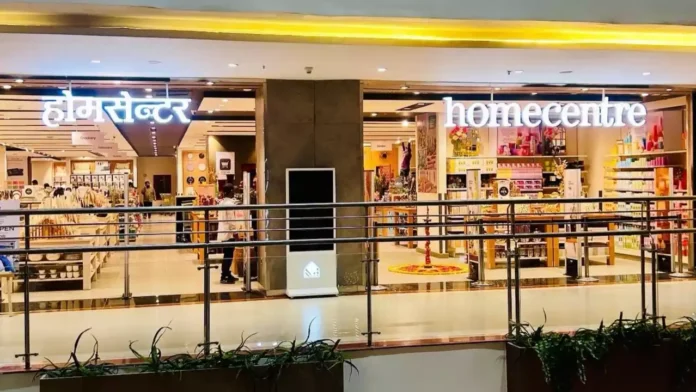
Home Centre, a leading home décor chain, has opened a new store in Lucknow, according to a social media post by a mall official.
The latest store, located in Phoenix United Mall in Lucknow, is Home Centre’s second store in the city. This location will feature a range of categories including home décor, furnishings, and kitchenware.
“We are excited to announce the grand opening of our latest store, Homecentre, at Phoenix United Mall in Lucknow. Come and experience Home Centre’s dedication to quality and customer satisfaction firsthand. We look forward to welcoming you! Stay tuned for updates and exclusive opening day offers. Thank you for your ongoing support,” said Vikash Joshi, Centre Head at The Phoenix Mills Limited, in his LinkedIn post.
Expansion Strategy: Focus on E-commerce and New-format Stores
The retailer aims to expand its reach through e-commerce and innovative new-format stores.
Owned by the Dubai-based Landmark Group, Home Centre provides a wide selection of furniture, modular furniture, home furnishings, home accessories, bed and bath products, and kitchenware. The retailer boasts 95 stores across the nation, located in both malls and on high streets. With an average store size of 25,000 sq. ft., Home Centre contributes 10% to 12% of Landmark Group’s total turnover in India. Its presence is predominantly in metropolitan areas, where 60% of its stores are situated.
Wonderchef, a leading brand known for its premium kitchen appliances, plans to expand its presence by opening 50 Exclusive Brand Outlets (EBOs) across India over the next two years. This announcement comes following the recent opening of its largest exclusive outlet in Gaur City Mall, Greater Noida West.
The brand has been making significant strides in bolstering its retail footprint. This is evidenced by the recent opening of its 28th store in India, notably in the National Capital Region (NCR), which marks Wonderchef’s eighth outlet in this strategic area. Besides its exclusive outlets, Wonderchef products are available in approximately 20,000 multi-brand stores and over 3,000 modern trade outlets. With ambitious goals in mind, the company aims to expand its presence to 30,000 multi-brand stores and 4,000 modern trade outlets within the next two years.
Wonderchef has witnessed remarkable growth, recording a 25% Year-on-Year (YoY) increase in the fiscal year 2023-2024, with brand sales soaring to INR 700 crore.
Regarding the expansion strategy, Ravi Saxena, Founder and CEO of Wonderchef, remarked, “Our ambitious expansion strategy reflects our dedication to delivering unmatched product experiences to our customers and offering access to our innovative line of kitchen and home appliances. We are thrilled to bring our cutting-edge products, such as Chef Magic, within reach of consumers worldwide.”
Aligned with its expansion plan, Wonderchef has introduced Chef Magic, a comprehensive kitchen robot tailored for tech-savvy individuals desiring both convenience and health benefits. Saxena further elaborates, “In addition to Chef Magic, we are diversifying our range in the smart appliances sector, featuring items like coffee machines, Nutri-blend, and our pro-health cookware collection. With this strategic direction, we are targeting to surpass the INR 1000 crore milestone in brand sales by 2026.”
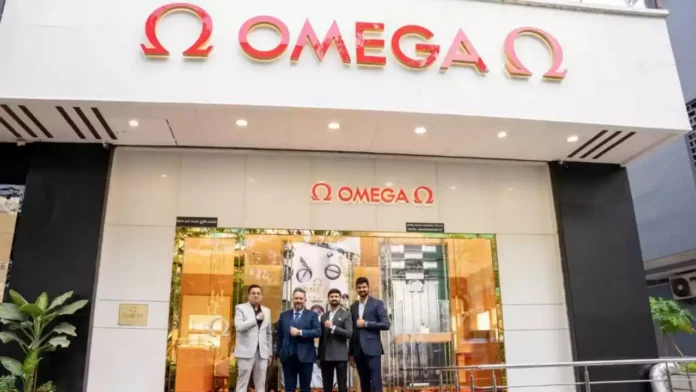
OMEGA, the renowned Swiss watchmaker, has unveiled its newly refurbished boutique in Jubilee Hills, Hyderabad, signaling a major stride in its retail endeavors in India. This revamped high-street boutique provides watch aficionados with a generous 703 sq. ft. space to discover the newest OMEGA collections.
Incorporating OMEGA’s latest design concept, the boutique elevates the shopping experience with its spacious layout and contemporary style. Warm lighting, textured furnishings, and touches of gold accentuate the ambiance, underscoring the brand’s commitment to sophistication. An exceptional highlight is the exclusive lounge area, complete with a library, where patrons can savor a coffee while delving into OMEGA’s rich heritage and craftsmanship.
Spotlight on OMEGA’s Newest Additions: The Constellation Series
Presently showcased at the boutique are the newest additions to the Constellation series: the Meteorite watches. Drawing inspiration from the celestial dance of stars, the OMEGA Constellation line introduces models featuring dials crafted from the Muonionalusta meteorite, a relic aged over 4.5 billion years, making it one of Earth’s oldest known meteorites. Each watch dial boasts a unique natural pattern, guaranteeing individuality as no two dials are alike.
OMEGA has further enhanced these watches by employing cutting-edge color treatment technologies, presenting a captivating array of options. The extensive collection comprises 20 models, with five variants available in each size category: 41mm Co-Axial Master Chronometers, 29mm Co-Axial Master Chronometers, as well as 28mm and 25mm selections.
This boutique not only signifies OMEGA’s dedication to delivering outstanding retail experiences in India but also mirrors the brand’s fervor for innovation and excellence in watchmaking.
We use cookies to ensure that we give you the best experience on our website. If you continue to use this site we will assume that you are happy with it.