Osh, a leading D2C brand known for its environmentally conscious products, has expanded its online presence to include Mumbai, Delhi and Hyderabad in addition to its base in Bangalore. Recognized for its commitment to provide safe and effective home care solutions it now offers same day delivery services to meet the demand for its 99% natural and plant-based products across several cities.
This move marks a major achievement for the brand as it anticipates substantial 5X growth in sales within the coming six months. Mumbai, in particular, has shown promising capability as a market, with post-expansion data revealing that 20% of orders are actually originating from this city.
The market research data shows a positive outlook for home care products in India, where the household cleaners segment is currently valued at INR 48,000 crore and is expected to grow at a compound annual growth rate (CAGR) of 19 .6% over the next five years. As part of The Organic World product line, Osh is well positioned to capitalize on this growth. Headquartered in Bengaluru, The Organic World is India’s leading organic and organic food retailer recognized as key Responsible Retailer in the nation.
Gaurav Manchanda, Founder and Managing Director of The Organic World, stated, “We are delighted to introduce Osh Homecare Solutions to new cities, meeting the rising demand for natural, plant-based products. Our e-commerce expansion underscores our commitment to delivering accessible, sustainable solutions to households across India. This online initiative is a key part of Osh Homecare Solutions’ growth strategy, aiming to increase its online presence by 15% through expanded operations in metropolitan cities, positioning us for significant growth.”
In an effort to expand its product range, Osh has launched the new Osh 2-in-1 Bathroom Cleaner, designed to clean tile, granite and metal surfaces. This new addition complements Osh’s current offering of laundry detergent, laundry detergent, floor cleaner, toilet cleaner, dishwasher liquid, and multipurpose kitchen cleaner.
Osh Homecare Solutions is distinguished by its carefully crafted products made from 99% natural and botanical ingredients, certified non-toxic Embracing vegan and cruelty-free standards, the range features IFRA-compliant fragrances that are not hypoallergenic. Osh is committed to a plastic-negative approach, recycling twice the amount of plastic used. Its products are widely accessible through The Organic World’s omnichannel retail network, which spans 17 physical stores, more than 50 multi-brand retailers, and leading online platforms such as Amazon, BigBasket and Flipkart
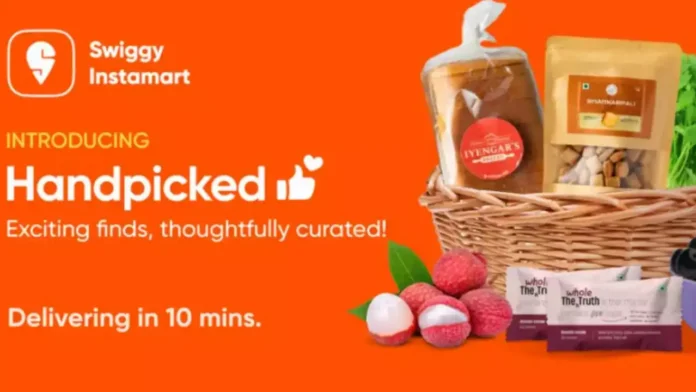
India’s leading quick commerce platform, Swiggy Instamart has introduced “Handpicked,” a carefully curated selection of fresh, high-quality products. This new addition aims to provide constumers a range of items known for their quality, taste, and authenticity. Consumers can find this new addition at the bottom right corner of the Swiggy Instamart app, featuring specific labels across curated products.
The collection features local, regional, and select new-age brands, as well as clean-label products, freshly prepared items, as well as gourmet options. This selection appeals to consumers seeking alternatives to mass-produced goods, with a focus on small-batch and healthier options.
The “Handpicked” category features a diverse selection, including locally sourced products such as handmade paneer and freshly baked breads and cakes from renowned brands like Iyengar’s. It also offers elusive items like sourdough bread from Brik Oven. The assortment extends to homemade treats like laddoos and chikki made with premium ingredients, distinctive batters such as Adai and Pesarattu, and authentic global cuisine ingredients like spices and sauces from ORIKA and Masterchow. Furthermore, the fruit and vegetable offerings highlight locally harvested seasonal produce.
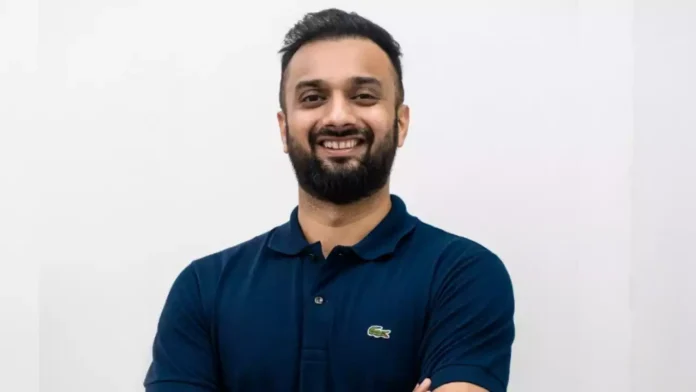
“Choosing a conscious lifestyle by embracing clean, small-batch, and authentic products is increasingly becoming a trend in Indian households,” said Phani Kishan, CEO of Swiggy Instamart. “Access and availability, however, frequently present difficulties. Consumers are actively looking for such offerings, particularly those who are worried about the welfare of their children. Handpicked features products that have been carefully chosen for their outstanding quality, distinct flavour, and compelling story. In order to ensure that products are rigorously evaluated and that they meet quality and consistency standards before being awarded the Handpicked label on Instamart, we work closely with local partners. In their respective markets, these products are unique, authentic, and state-of-the-art. The arrival of on-demand delivery, with its amazing 10-minute guarantee, is the icing on the cake.”
Currently available in Bengaluru, the new feature will soon extend its reach to Delhi and Mumbai.
Beauty and fashion retailer Nykaa is expected to post a compound annual growth rate (CAGR) of about 20% from FY24 to FY27, brokerage firm Jefferies said.
This growth rate is considered a baseline case, where the upside scenario implies about 25% growth and the downstream scenario estimates about 15% growth over the same period.
Segment-wise Growth Insights
In terms of base, Nykaa will grow incrementally as its customer base grows, according to Jefferies. The brokerage also said that the gross merchandise value (GMV) for the beauty and personal care (BPC) and luxury apparel categories is expected to grow at a CAGR of about 25%.
In FY24, Nykaa’s BPC segment experienced a 25% growth in GMV, reaching INR 8,340 crore, while the fashion segment grew by 27%, hitting INR 3,269 crore. The ‘others’ segment, which includes the business-to-business (B2B) arm Superstore and the media arm LBB, saw a 59% increase, totaling INR 835 crore.
Approximately one-third of Nykaa’s product lineup consists of makeup products, another third comprises skincare items, and the final third includes various other items, Nykaa’s senior management stated during a roadshow in the US, as quoted by Jefferies.
Nykaa holds about 35% of the Indian online BPC market and is expanding offline as well. Typically, its stores become profitable on an EBITDA (earnings before interest, taxes, depreciation, and amortization) basis within a year of opening and recover their initial investment within three years.
In its latest earnings call on May 22, the firm announced its expansion into Gulf Cooperation Council countries, including the United Arab Emirates and Saudi Arabia, via its website in January. Additionally, it opened its first physical store in Dubai in March.
“Recently, there has been a surge in interest from global brand partners. With India’s strong consumption story and the over-dependence on China, brands have accelerated their plans for entering the Indian market. Nykaa has experienced numerous new brand sign-ups in the last few quarters,” the note added.
In FY24, Nykaa, which features global brands, saw a GMV growth of 31% at its Global store, while the luxury vertical witnessed a massive 68% growth
In a separate note, brokerage Morgan Stanley revealed that Nykaa’s own brand in the BPC segment has shown significant growth and could contribute 15-20% of GMV at its peak (13.1% in FY24).
According to the Morgan Stanley note, Nykaa executives said Indian beauty brands are highly competitive, relying on steep discounts, which impacts profitability and marketing costs.
“The management emphasised that quick commerce is currently gaining market share from Kirana stores and may not have as extensive an inventory or assortment, especially when compared to long-tail inventory seen in the BPC category. Specialised platforms such as Nykaa, which focus on customer education, will remain important, and the company is actively working to reduce delivery times, according to the Morgan Stanley note.
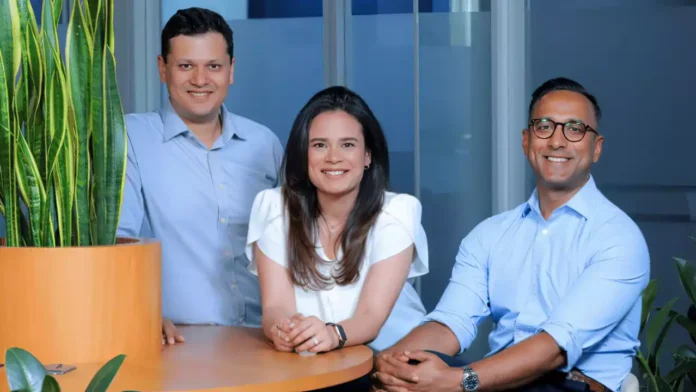
Kaivalya Vohra & Aadit Palicha - Co-Founders of Zepto
As competition in quick commerce space heats up, Zepto is looking to raise $650 million from new and existing investors.
The funding will be led by existing backer Nexus Venture Partners and its limited partner StepStone Group, according to news agency IANS. The round is expected to raise the startup’s valuation to $3.5 billion from a previous valuation of $1.4 billion.
Meanwhile, MoneyControl reports that the two investors plan to make the bulk of the capital investment in the fund, making it Nexus’ largest investment to date. According to sources quoted in the report, the round will also include existing investor Glade Brook Capital, as well as new investors Avenir Growth, Lightspeed Venture Partners, DST Global and Avra.
This follows another report that DST Global and Lightspeed Venture Partners are expected to fund Zepto’s round with the round expected to be around $300 million.
In its Series E round, Zepto raised $31. 25 million from investors including Goodwater Capital and Nexus Venture Partners, bringing the total of the round to $231. 5 million. This funding, which made the startup a unicorn, also included StepStone, Nexus, Lachy Groom, and others.
Zepto’s Growth Trajectory and Financial Performance
Zepto was founded in 2021 by Aadit Palicha and Kaivalya Vohra and has grown rapidly in response to rising demand for quick 10-minute deliveries. The startup’s revenue increased 14.3 times to INR 2,024.3 crore in FY23, up from INR 140.7 crore the previous fiscal year. In FY23, net loss increased 3.35 times year on year to INR 1,272.4 crore.
Though Zepto is yet to release FY24 figures, the company has previously said it wants to generate positive EBITDA and is committed to this target.
Earlier this year, reports suggested that Zepto was considering a move into India with the aim of becoming a publicly listed company by 2026.
In the new quick commerce space, Zepto competes with other players like Blinkit, Swiggy Instamart, BigBasket and others.
Meanwhile, anticipation mounts for heightened competition in the sector with Flipkart and Reliance’s JioMart poised to enter the fray. Additionally, recent reports suggest that Zomato is planning to inject INR 300 crore into Blinkit.
RENÉE͏ ͏Cosme͏t͏ics,͏ a di͏rect-͏to͏-͏con͏s͏umer͏ beauty brand,͏ is aiming to͏ raise a fresh ͏fu͏nding of INR 100 Cr (about $͏11.9 Mn) from ex͏isting investors
In 2022, RENEE raised $͏25 mil͏lion in its Series B funding ͏led by Evo͏lvanc͏e Ind͏ia with contributions from Edelwei͏ss G͏ro͏up, Equanimity an͏d 1͏00Unicorns
In the same year,͏ i͏t r͏a͏is͏ed $10 mi͏llion in Seri͏es A f͏unding,͏ led by Ana͏nth Narayanan’s D2C roll-up u͏nicorn͏ Mensa Brand͏s, with͏ participat͏ion fro͏m Equan͏imity ͏and 100Unicorns͏.
Renee has r͏aised $38 m͏il͏lion in͏ t͏otal so ͏far, ac͏co͏rd͏ing to Cru͏nchbase.
L͏aunched in 2018 ͏b͏y ͏Aashka ͏G͏oradia Goble and Be͏ardo co͏-found͏e͏r͏s Ashutosh ͏Valani ͏and ͏Pri͏yank ͏Shah, Reni ͏is an Indian cosmetics bran͏d that speci͏alizes ͏in a ra͏nge of ͏pro͏ducts i͏nclu͏ding͏ ͏eyeshado͏ws͏, lip colou͏rs, skin serums and highli͏ghte͏rs.
The startup distributes its products throug͏h o͏nli͏ne͏ platforms͏, p͏hysica͏l stores͏ and qu͏ic͏k com͏merce apps. ͏I͏n retail, it operate͏s over 650 point-͏of-sa͏l͏e outlets across͏ India.
It ͏competes with bran͏ds͏ like S͏ugar Cosmetics, MyGlamm, Tira, a͏nd others͏ in the͏ ͏be͏auty͏ segment.
I͏ndustry Tr͏e͏nds͏ an͏d Futur͏e͏ Outl͏ook
This ͏comes at͏ ͏a ͏time when ͏there is n͏otable investor intere͏st in startup͏s operatin͏g in the͏ beauty and ͏p͏erson͏al care sect͏o͏r.
Earl͏i͏er this͏ mont͏h, the ͏ski͏ncare solutio͏n startup ͏C͏HOS͏EN by Derma͏tology r͏aised $1.2 million in ͏see͏d fund͏ing from ͏friends an͏d f͏ami͏ly.
Creme Castle, a burgeoning bakery venture, has secured INR 7 crore in seed funding from V3 Ventures. This investment is spearheaded by venture capitalist Arjun Vaidya, along with participation from Amit Jain, CEO and co-founder of CarDekho, and Indian Silicon Ventures.
Market Growth and Opportunity in the Indian Bakery Sector
Citing data from CRISIL, the company stated that the Indian bakery market is expected to grow at a rate of 11-12% annually between 2024 and 2028, reaching sales of INR 1,850 billion by FY2028. “India is spending more on festivities, and demand in tier 2 and tier 3 cities has increased as a result of social media,” the statement said.
Pranjay Mittal, chief executive of Creme Castle, said, “Consumers are increasingly embracing celebrations, reflecting a growing enthusiasm for marking special occasions. This trend is one of the reasons our investors believe Crème Castle will be among the top three players in the specialised bakery space by 2026.”
Established in 2013, Creme Castle currently delivers across more than 20 pin codes and aims to rapidly expand into 15 new markets by FY2025. Over half of the brand’s revenue comes from its own platform, with the remainder generated through aggregators Zomato and Swiggy.
The funding round also saw participation from Alteria Capital, contributing an additional $2 million in venture debt.
The fresh funds will be utilized by the company to enhance its supply chain and sourcing capabilities, expedite new product development, and expand its team.
Abhik Ghosh, co-founder and CEO of Trampoline, stated, “Trampoline’s technological approach aims to empower independent retailers with data and personalization tools for efficient store curation, while also implementing technology-driven quality control and supply chain solutions for our manufacturing partners.”
Established in 2023 by Ghosh, Anushka Mahanti, and Varun Deo, Trampoline’s mission is to democratize design-led home decor by delivering a comprehensive experience from design to delivery. The platform grants small retailers access to tools typically reserved for larger counterparts, including minimal or no minimum order quantities, flexible payment terms, and meticulously curated product selections.
Trampoline is guided by a seasoned team boasting extensive experience in ecommerce and retail. Ghosh and Varun Deo, who held senior positions at Wayfair, a US-based home decor marketplace, together bring over 40 years of expertise in category management, supply chain, marketing, and product development. Anushka Mahanti, formerly spearheading go-to-market strategies for global brands at Amazon, adds a wealth of experience to the team.
‘China Plus One’ Strategy and Supply Chain Expansion
The startup’s goal is to democratize design-centric home decor for independent retailers. It intends to utilize the ‘China Plus One’ strategy to meet the growing demand for handmade, design-focused products. This will be achieved by establishing robust supply chains in both India and Southeast Asia.
Research Markets forecasts that India’s home decor market will expand at a compound annual growth rate (CAGR) of 4.14%, reaching $40.98 billion by 2028.
Analysis suggests that the online home decor market in the country is poised to achieve $5.4 billion by 2025, with a projected compound annual growth rate (CAGR) of 20.4%. Additionally, the total addressable market for direct-to-consumer (D2C) brands is anticipated to hit $100 billion by 2025.
In recent times, several innovative startups have emerged in India’s home decor sector, utilizing digital platforms and novel business approaches to meet the changing demands of consumers.
Among the prominent startups in this sector are Nestasia, The Purple Turtles, Chumbak, HomeLane, and Vaaree.
Last month, Vaaree, a startup specializing in home furnishings, announced its plans to raise INR 20.78 Cr ($2.5 Mn) in Pre-Series A funding, with Bengaluru-based venture capital firm Capier Investments leading the round.
Moreover, Livspace, which attained unicorn status in 2021, intends to shift its headquarters back to India from Singapore within the upcoming 9-12 months. The home renovation and interior platform is also targeting a public listing in India by 2025 and is actively striving for profitability by the conclusion of the current financial year.
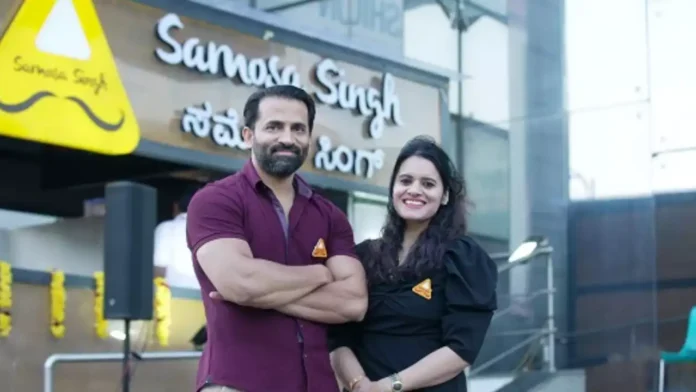
Nidhi Singh and Shikhar Veer Singh, Co-Founders, Samosa Singh
Samosa Singh, a trailblazer in the Indian snack industry, is all set to celebrate Father’s Day with a special treat for its patrons. Known for its distinctive and delectable samosas, the company is launching its first-ever food truck at Lulu Mall, one of Bangalore’s largest open-air arenas.
Founded in 2016 by the dynamic duo Nidhi Singh and Shikhar Veer Singh, Samosa Singh has rapidly carved a niche in the Indian snack market. The brand specializes in a variety of traditional Indian snacks, including samosas, kachori, pani puri, and matar kulcha. The company operates through a network of cloud kitchens and kiosks, ensuring that its culinary delights are accessible to a broad customer base.
Innovation in Offerings: Introduction of “Ready-to-Cook” Samosa Packs
Recently, the brand also introduced its innovative “Ready-to-Cook” samosa packs as part of its diverse lineup. These samosas feature a distinctive encrusted design meticulously developed through hours of rigorous research and development. The result is a delectable fusion of pleasure with minimal fat—reduced by up to 50%. With over 20 flavors to choose from, including paneer tikka, soya keema, cheese and corn, onion kachori, Punjabi aloo, and more, Samosa Singh ensures a delicious variety to cater to diverse palates.
Expansion and Investment: Scaling Operations and Funding
In 2020, Samosa Singh secured $2.7 million (INR 17 crore) in a Series A funding round led by She Capital. This investment was pivotal in expanding the capacity of its central kitchen in Bengaluru, enabling the brand to scale its operations significantly. Today, Samosa Singh operates 100 cloud kitchens across key cities in South India and boasts 62 outlets in 8 cities.
“We are excited to bring our first food truck to Bangalore on such a special occasion,” said Nidhi Singh, co-founder of Samosa Singh. “Father’s Day is the perfect time to launch this initiative, offering families a chance to enjoy our delicious snacks in a vibrant and dynamic environment.”
The food truck launch is part of Samosa Singh’s broader expansion strategy. In the coming months, the company plans to open over 20 new outlets, aiming for a total of 100 stores across India within the next 10 to 12 months. Furthermore, Samosa Singh has already started exporting its samosas to the Middle East and has ambitious plans to enter the Canadian and Australian markets soon.
To celebrate the launch of the food truck, Samosa Singh is offering special deals and discounts at Lulu Mall. This event not only marks a significant milestone for the brand but also provides an exciting opportunity for customers to experience their favorite snacks in a new and engaging way.
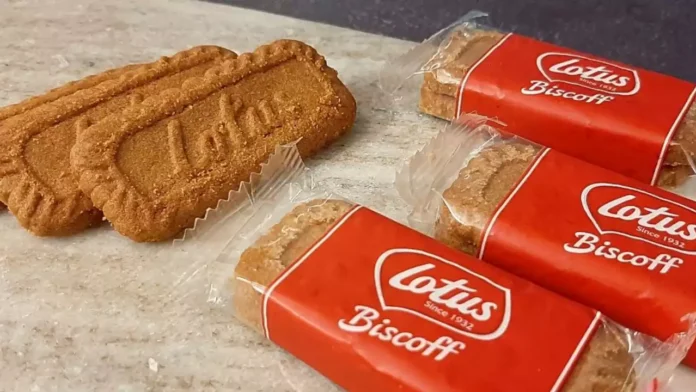
Mondelez, a leading snacking company, has partnered with Belgian biscuit maker Lotus Bakeries to manufacture, sell, and market Biscoff, the latter’s flagship brand, in India.
Under the license agreement, the company responsible for Cadbury Dairy Milk and Oreo will receive royalties from its sales. This strategic move aims to expand India’s largest chocolate maker’s presence in the premium cookie segment within the INR 45,000 crore biscuit market, currently dominated by Britannia, Parle, and ITC.
Samir Jain, president of Mondelez India, described the partnership as mutually beneficial, where both companies recognize the value they bring to each other. “From Biscoff’s perspective, it marks our entry into India, leveraging Mondelez’s robust manufacturing, distribution, and branding capabilities. For us, it represents the introduction of a fantastic product,” he explained, noting that the rollout is scheduled for the second half of next year.
Biscoff: From Belgium to India
Founded in Belgium in 1932, the Lotus brand evolved over the decades. In 1986, its renowned Speculoos biscuit was rebranded as Lotus Biscoff, a blend of “biscuit” and “coffee.” Over the last decade, Lotus has seen a threefold increase in sales, driven by the overwhelming popularity of its spiced caramelized Biscoff, now ranked among the world’s top five biscuit brands. While the company has made initial strides in India, it sees substantial opportunities to tap into this expansive market, which boasts millions of retail outlets.
Jan Boone, CEO of Lotus Bakeries, emphasized the importance of an extensive distribution network, a robust local presence, effective merchandising, and a suitable pricing strategy for successful operations in India. “We believe this is the opportune moment to accelerate the growth of Biscoff in this expanding market,” he stated. Expressing confidence in Mondelēz International, Boone highlighted their strong commercial expertise, market-specific knowledge, and local presence as ideal qualities to achieve their goal of making Biscoff a major success in India.
Manufacturing and Distribution Plans
Currently, Biscoff is predominantly imported into India and bears a substantial premium price tag, which could see a considerable reduction once Mondelez initiates local manufacturing. “Once we establish manufacturing facilities in India, we will be able to eliminate significant import duties. Therefore, the pricing will decrease significantly,” Jain explained.
Market Potential and Growth Opportunities
Internationally, Mondelez derives approximately 70% of its revenue from non-chocolate products like biscuits, gums, candies, and beverages. In India, however, chocolates constitute a significant portion of its sales. Over the last decade, the company has diversified into various categories such as cakes and breakfast cereals as part of its strategy to become a comprehensive snacking entity. Moreover, the biscuit category alone is nearly double the size of the chocolate and confectionery market, highlighting significant growth potential for Mondelez in the cookie segment.
Jain added, “With Oreo, we’ve shown our ability to establish a premium portfolio in this market, despite stiff competition. Although we entered the category later, our deep understanding of the consumer, coupled with a superior product and strong distribution network, enabled us to build a thriving business with Oreo.”
India ranks as the third-largest market for Oreo biscuits globally, following the US and China. Cadbury Dairy Milk holds the highest market share among all products of the US-based snacking firm in India. Last year, Mondelēz announced plans to invest Rs 4,000 crore in India over the next four years, primarily focusing on manufacturing and enhancing the supply chain to meet growing demand. The Indian operations contribute approximately $1.2 billion in revenue to Mondelēz, with its local unit commanding nearly two-thirds of the country’s chocolate market.
While chocolate consumption per capita in India is around 200 grams annually, in the UK, it exceeds 10 kilograms per year, indicating significant growth potential. The company emphasized its intensified focus on distribution, boasting a direct reach to nearly 2.5 million retail shops thus far.
Apart from expanding Biscoff’s presence in India, the two companies will collaborate on creating and promoting co-branded chocolate products in global markets. Although specific product formats are in initial development phases, the first co-branded products are anticipated to debut in early 2025. These will feature Cadbury and Biscoff in the United Kingdom, and Milka and Biscoff in Europe.
Dirk Van de Put, Chair and CEO of Mondelez International, stated, “We look forward to working with Lotus Bakeries to expand the Biscoff brand in India, where it already has a loyal following among key consumer segments.” “This relationship will enable us accelerate our strategic focus on the cookies category by reaching a much bigger audience with a premium brand that is highly adored in many areas. throughout the meanwhile, we’re excited to collaborate on creating fresh, cutting-edge chocolate flavours and forms throughout Europe, which will bolster customers’ steadfast devotion to the recognisable brands of our two firms.”
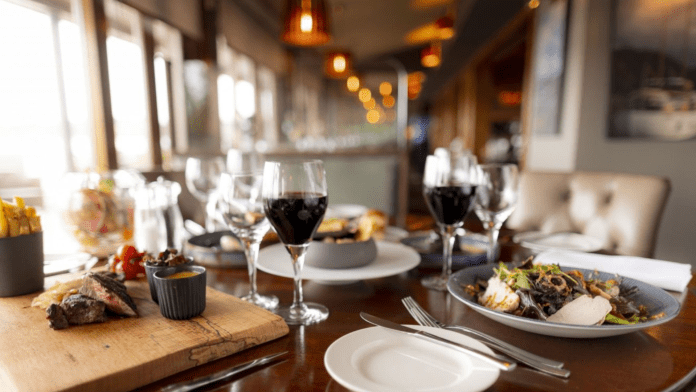
As the blazing sun sends temperatures soaring past 40 degrees Celsius, the merciless grip of summer becomes even more apparent, making the idea of stepping out for lunch unbearable. And with the scorching winds persisting well into the night, dinner outings lose their appeal as well. For non-mall restaurants in Delhi-NCR, the summer of 2024 has been marked by sparse reservations, dwindling foot traffic, and nearly deserted lunch hours, resulting in an estimated 25 percent decline in business. Some eateries even report figures closer to a staggering 40 percent drop.
Among those confronted with vacant tables and substantial financial setbacks is Rahul Arora, proprietor of The Big Tree Cafe in Gurgaon. His establishment’s unique selling point, as the name implies, lies in its al-fresco dining ambiance, which typically forms the cornerstone of its success for much of the year.
“Typically, we anticipate a minor decrease in foot traffic during the hotter months, but this year’s decline has been significantly greater due to the extreme temperatures. This has significantly impacted our business, affecting both our revenue and the exceptional dining experience that we pride ourselves on,” Arora conveyed.
He mentioned, “We’ve experienced a substantial 40 percent decline in business as a result of the unprecedented scorching heat.”
Record-breaking Temperatures:
This summer, temperatures in and around Delhi have reached record-breaking highs.
On May 29, the maximum temperature for the day reached 46.8 degrees Celsius, as documented by the primary weather station, Safdarjung Observatory, marking a 79-year record high. This surpassed the previous milestone of 46.7 degrees Celsius, set on June 17, 1945. In the Najafgarh area, temperatures climbed even further.
Lunchtime Lull:
As per industry experts, the lunchtime period has taken the hardest hit, with regular office workers and loyal shoppers opting to remain indoors. Moreover, devoted food enthusiasts are also forgoing their customary weekly dine-out routines in favor of staying home.
Manpreet Singh, treasurer of the National Restaurant Association of India (NRAI) and proprietor of several restaurants like Zen and Fujiya, highlighted the concerning decrease in foot traffic in prominent market centers like Connaught Place.
“Typically, even in summer, people would venture out in the afternoon for shopping and then seek respite in a restaurant to relax, enjoy a cooler, or grab a bite. However, this year, the scenario has been different… We’ve witnessed a 25 percent decline in business overall,” Singh remarked.
In an attempt to mitigate the impact of the heat, restaurants are implementing enticing discounts, adjusting menus, and upgrading outdoor cooling systems with mist fans and extra shaded areas.
For instance, to combat the sweltering temperatures, the casual dining chain Anardana is hosting a revitalizing plant-based summer event. Featuring dishes crafted from seasonal ingredients and refreshing mango beverages, it offers a cool respite at its multiple outlets.
Shruti Malik, founder of Anardana, remarked, “The unprecedented heatwave this year has notably affected foot traffic, especially during lunch hours…”
For those choosing to stay indoors, ordering takeout is the preferred option. While home deliveries have somewhat alleviated the worries of restaurant management, food delivery agents are feeling the brunt of the heat.
Navigating the streets of Delhi-NCR, these young men — and occasionally women — endure a challenging time, perspiring beneath their helmets in the scorching heat for a meager income. They earn as little as INR 40 for a 10 km ride, supplemented occasionally by tips.
A 36-year-old food delivery worker describes the period between 11 am and 3 pm as a “living nightmare” for earning his livelihood.
Speaking on the condition of anonymity, he explained, “We have to halt several times to seek shade. The glaring sun makes it impossible to see our mobile screens for navigation. Placing a wet handkerchief on my head, beneath the helmet, is my only method to stay cool during the rides.”
Certainly, he added, there are no summer bonuses to alleviate the challenges.
In an unusual move, food aggregator Zomato recently advised customers to refrain from ordering during the peak afternoon hours amidst the heatwave.
The appeal, circulated as an X post, initiated a debate, with some commending the company’s concern while others proposed alternative solutions to address the issue.
Rushabh Jhaveri, the founder of Recipe Cup, another food aggregator platform, praised Zomato’s initiative but suggested a more nuanced approach. He proposed that the company prioritize the well-being of delivery partners while maintaining a seamless customer experience, which would yield greater benefits.
Among his recommendations are “providing incentives for delivery partners during peak afternoon hours and encouraging customers to place pre-orders during morning and evening hours to avoid the extreme afternoon heat”.
It’s not entirely bleak for food businesses situated within the refreshing confines of air-conditioned malls. Insiders note that while there has been a decrease in foot traffic during the afternoons, this has been offset by an increase in evening foot traffic.
Therefore, establishments like Birch at Pacific Mall in Netaji Subhash Place, Harajuku Tokyo Cafe at Select Citywalk Mall in Saket, or Bira 91 Taproom, with outlets across various malls, have reported a “notable increase” in sales during the evening and nightlife hours.
Rahul Singh, Senior Vice President of Pubs at Bira 91, stated, “The heatwave hasn’t impacted our business; in fact, we’ve experienced our most successful May ever. We’re anticipating a stellar June as well. Since most of our outlets are located in malls, where people seek refuge from the heat, our business is thriving.”
We use cookies to ensure that we give you the best experience on our website. If you continue to use this site we will assume that you are happy with it.