Wednesday, January 14, 2026
Home Blog Page 458

House Of Masaba unveils its first flagship store in Chandigarh

0
House of Masaba
House of Masaba (Representative Image)

House of Masaba, a Mumbai-based apparel brand, has unveiled its first flagship store in Chandigarh. The inauguration event was hosted by digital creator Meera Bachan, Suhani Bachan, and other digital influencers from Chandigarh.

Covering a sprawling expanse of 2,451 square feet, the store is situated on Madhya Marg in sector 7 of Chandigarh. This newest establishment will showcase a curated selection from the Festive and Pret collections, complemented by an extensive array of cosmetics and beauty items from LoveChild by Masaba.

Continue Exploring: Masaba Gupta’s LoveChild brand makes offline debut with Mumbai kiosk launch

The Journey of House of Masaba: From 2009 to Present

Established in 2009, House of Masaba is the brainchild of Indian fashion luminary Masaba Gupta, renowned for her exquisite creations in bridal, festive, resort wear, and jewellery. Masaba, the daughter of Indian actress Neena Gupta and cricket legend Vivian Richards, has carved a niche as a luxury designer.

House of Masaba runs flagship outlets throughout India and extends its global reach through its online platform. With a network of 15 stores nationwide, the brand has a strong presence, including four stores in Delhi, four in Mumbai, two in Bengaluru, and one each in Ahmedabad, Hyderabad, Gurugram, Kolkata, and Ludhiana.

Continue Exploring: LoveChild by Masaba Gupta partners with Shoppers Stop for retail expansion

Advertisement

Senco Gold targets 15-20% revenue and profit growth in FY25

0
Senco Gold & Diamonds

Senco Gold Ltd, a prominent jewellery chain, expects a 15-20% growth in revenue and profit in the current fiscal year, despite the escalating prices of gold and global uncertainties.

The jeweller also plans to open 15-20 new stores during the current 2024-25 financial year (FY’25), with approximately half being owned by franchisees.

“We anticipate a conservative growth of 15%, which could potentially reach 20% under normal circumstances, in both revenue and profit for FY’25,” stated Suvankar Sen, MD & CEO of Senco Gold.

Continue Exploring: Senco breaks new ground as first Indian jewellery brand to join ONDC network

The jewellery chain saw a remarkable 39% year-on-year increase in revenue during the fourth quarter of FY’24 (2023-24), reaching INR 1,137 crore, with its profit also surging by 23% to INR 32.17 crore.

Throughout the fiscal year, revenue surged by 29%, totaling INR 5,241 crore, driven by escalating gold prices and heightened demand from both existing and new stores. Net profit also grew by 14%, reaching INR 181 crore.

Store Expansion Strategy

During the fiscal year 2023-24, the retail jewellery chain inaugurated 23 new outlets, increasing its total count to 159.

“We intend to incorporate an additional 15-20 stores in the ongoing fiscal year. These establishments will be evenly split between company-owned and franchise-based models. We’ve allocated significant funds, totaling more than INR 38.23 crore, towards new store capex and capacity enhancement, as part of our nationwide strategy,” he stated.

Sen also highlighted the retail jewellery chain’s expansion into new markets in the western and southern regions of the country, emphasizing that the majority, around 70-80%, of its growth would still originate from the eastern and northern parts of India.

The company plans to further strengthen its brand presence in these new markets.

Sen stated that Senco will capitalize on its brand and customer loyalty, although margins will face pressure due to the significant increase in gold prices.

He mentioned that the company must bear additional expenses to implement customer-centric schemes such as shielding customers from gold price fluctuations, aiming to attract more foot traffic into stores.

In FY’24, its EBITDA (earnings before interest, taxes, depreciation, and amortization) margin decreased by 60 basis points year-on-year to 7.2%.

Continue Exploring: Senco Gold & Diamonds Opens 150th Outlet in Kolkata

Advertisement

Adani Group plans entry into ecommerce and payments sector via ONDC

0
Adani Group
Adani Group

Gautam Adani-led Adani Group is reportedly exploring opportunities to enter the ecommerce and payments space as it expands its presence in burgeoning consumer-facing markets.

According to the Financial Times, the conglomerate, known for its diverse interests from ports to power, is gearing up to seek a license for operation on the Unified Payments Interface (UPI).

Additionally, discussions are underway between the company and various banks regarding the potential launch of a co-branded Adani credit card.

Potential Entry into Online Shopping via ONDC

Moreover, the Adani Group is also considering the provision of online shopping services through the government-supported Open Network for Digital Commerce (ONDC).

Should these plans come to fruition, it’s probable that the company will deliver these services through the Adani One app, which was introduced in 2022.

The proposed expansion will position the Adani Group squarely in competition with established players such as Google and Walmart-backed PhonePe, which have already established widely-used UPI-based payment apps. It will also bring them into the arena with domestic contenders like Paytm and Tata, which respectively offer grocery and online food delivery services via ONDC.

Continue Exploring: ONDC facilitates 7.22 Million transactions in April, onboards over 5 Lakh sellers

Earlier reports also indicated that the Adani Group is contemplating a collaboration with ride-hailing platform Uber to introduce its fleet of electric passenger cars.

Rebounding from Hindenburg Controversy

It’s worth noting that accusations of corporate misconduct and market manipulation by US-based short seller Hindenburg Research resulted in the Adani Group’s market value plummeting by over $150 billion last year. Additionally, it led to the loss of over $100 billion from Adani’s personal wealth.

Nonetheless, the group appears to have bounced back from the Hindenburg shock, as shares of Adani Group’s flagship company, Adani Enterprises, have nearly recouped all stock market losses suffered last year.

ONDC Integration Across Various Sectors

The Adani Group’s foray into e-commerce and payments coincides with the rise of ONDC, which is catalyzing success stories for Indian companies seeking to broaden their digital ventures.

In February, the online bus ticket booking platform redBus forged a partnership with ONDC to provide metro ticket booking services and facilitate auto-rickshaw rides.

Ride-hailing titans like Ola and Uber have also joined the network to extend their range of mobility services.

Additionally, Ola Cabs, led by Bhavish Aggarwal, is poised to introduce fashion and grocery delivery services through the ONDC.

Meanwhile, the digital division of Hindi media outlet Dainik Jagran is in the final stages of integration with the ONDC.

Earlier this month, automobile giant Hero MotoCorp also joined the ONDC platform to retail two-wheeler parts and accessories online.

Fintech unicorn Paytm is also strategizing to venture into the ride-hailing domain by providing auto-rickshaw booking services in tier I cities, in collaboration with the ONDC.

Continue Exploring: Govt pushes for ONDC shopfronts on e-commerce giants Amazon and Flipkart

Advertisement

Kadamba Single-Malt Whisky wins gold medal at New York International Spirits Competition

0
Kadamba Single-Malt Whisky

With over 1,400 entries from 39 countries, judges awarded Kadamba Single-Malt whisky the esteemed Gold medal, acknowledging its exceptional performance with a score of 95 points in the competition. Gold medals are reserved for products of exceptional quality.

“Securing a Gold medal with 95 points at the New York International Spirits Competition is an immense source of pride for us. It affirms the dedication and artistry we invest in each bottle we produce,” stated Dr. Mohan Krishna, founder of Cheers group.

“This acknowledgment strengthens our dedication to continually push the limits of distilling excellence, consistently innovating and offering remarkable spirits that captivate enthusiasts globally. We extend our heartfelt thanks to our committed team and steadfast supporters who have played a pivotal role in our journey,” expressed Ashwin Balivada, CEO of Cheers group.

Kadamba Single-malt sets a new standard among other Gold medal recipients such as Tia Maria, Courvoisier Cognac, Bacardi, Jose Cuervo, Martini, Angel’s Envy, Dewars, Ciroc, Highland Park 21-year-old, Glenmorangie 18-year-old, Smirnoff, Crown Royal 21-year-old, Glen Grant 21-year-old, Skyy Vodka, and Wild Turkey.

Continue Exploring: Kadamba Whisky wins prestigious title of ‘Best Indian Single-Malt’ at Icons of Whisky awards

The New York International Spirits Competition stands out from other spirit competitions due to its jury of active trade buyers from the hospitality and retail sectors. These judges provide a market-oriented perspective, ensuring that the award-winning spirits meet the industry’s practical and quality expectations, as well as the preferences of value-conscious consumers.

In addition to quality, the judges consider the price and in-store placement of each drink. This approach ensures that medal winners not only excel in taste and craftsmanship but also offer good value for money and market appeal. All spirits are judged through blind tastings.

The Essence of Kadamba Single-Malt

“Kadamba single-malt whisky, as noted by Ashwin Balivada, CEO of the Cheers group, offers a remarkable aromatic depth originating from handpicked casks sourced from exclusive reserves. It’s meticulously crafted to cater to the preferences of modern whisky enthusiasts.”

“Kadamba single-malt has clinched numerous international awards, celebrating not just the illustrious legacy of the Kadamba dynasty, from which it derives its name, and symbolizing Goa’s Golden Age, but also solidifying India’s position as a creator of top-tier single-malt whiskies,” remarked Dr. Divya Balivada, Global Creative Director of the Cheers group.

Kadamba single-malt whisky is renowned for its complex flavors, which result from a unique combination of production factors. The maritime climate imparts a slight salty tang, while the high-quality six-row barley malt, pot distilled, adds a touch of sweetness. The charred barrels used for aging introduce a fiery smoky flavor that remains pleasantly balanced and not overpowering.

Continue Exploring: Kadamba single-malt whisky shines on global stage, named ‘Emerging Brand of the Year’ by Ambrosia Magazine

Advertisement

Iceberg Organic Ice Cream: Redefining the frozen treat market with A2 milk and dark model stores

Suhas B Shetty, Founder of Iceberg Organic Ice Cream

Iceberg Organic Ice Cream, an 11-year-old brand from Nellore, a tier 3 city in Andhra Pradesh has carved a niche in the Indian ice cream market by pioneering the country’s first and only organic ice cream brand. As the demand for health-conscious and unique products rises, Iceberg’s use of A2 milk and innovative business models sets it apart from competitors.

Iceberg’s decision to use A2 milk as a primary ingredient is a strategic one aimed at offering a healthier alternative to conventional ice creams. A2 milk, known for its easier digestibility and health benefits, distinguishes Iceberg’s products in a market crowded with standard dairy options.

Suhas B Shetty, Founder of the brand explains, “Using A2 milk does make our products more expensive, but it’s about providing real health benefits along with the pleasure of enjoying ice cream. We source A2 milk from local farmers, paying them a premium price of about 60 rupees per liter, compared to the 40-45 rupees for regular milk. This not only supports local agriculture but also ensures the highest quality for our products.”

A2 milk is usually sold for approximately INR 120-150 per liter in cities like Bangalore, Hyderabad, Chennai, Delhi, and Mumbai. However, in cities like Nellore, there is no distinction between A1 and A2 milk, and it’s sold at the regular price of 50-55 rupees per liter.

According to Shetty, the goal is to upsell the same product by leveraging business model and entrepreneurship skills. Despite the higher costs and logistical challenges associated with A2 milk, Shetty plans to maintain centralized manufacturing in Nellore, aiming to produce 35,000 liters of ice cream per day.

Continue Exploring: From scoops to sundaes: Ice cream sales set to soar 15-20% this summer

“Currently, we have collaborated with over 3,500 local farmers. We are also reaching out to additional farmers and Farmer Producer Organizations (FPOs) to enhance their knowledge and upgrade their practices for product growth. This initiative aims to elevate their offerings, as many of these farmers currently sell their milk to dairy depots,” he said.

Flavor Innovation: Catering to Diverse Tastes

Iceberg prides itself on not just the health benefits of its products but also their taste and innovation. The brand offers a variety of flavors, including both standard options like chocolate and unique ones like sitaphal (custard apple) and tender coconut, which cater to diverse regional preferences. “Our product is the hero. I recently did a taste test on Shark Tank, comparing our ice cream with other top brands. The feedback was overwhelmingly in favor of Iceberg, which reinforces our commitment to quality,” Shetty shared.

While Iceberg’s organic and A2 milk-based products are more expensive, Shetty believes consumers are willing to pay for quality. “If you want real health benefits along with pleasure, you need to spend a little extra. We cannot dilute the quality of our ingredients,” he asserted.

Furthermore, to expand its footprint, Iceberg has adopted the “dark model” concept, particularly in North India. Dark stores, which operate without a traditional retail front, serve as fulfillment centers for online orders, enabling faster and more efficient deliveries. “Technology drives us every day,” said Shetty. “Our dark model outlets allow us to enter new markets without the overhead of physical stores. This is crucial as we expand into major cities like Delhi, Mumbai, and Pune.”

Shifting Business Models: From B2B to D2C

Initially focusing on a B2B model, Iceberg supplied stock and raw materials to physical outlets. However, recognizing the growing direct-to-consumer (D2C) trend, they have now shifted towards this approach. With over 120 physical outlets in South India, Iceberg is leveraging the dark model to penetrate the North Indian market. “Last financial year, we achieved a revenue of INR 9 crores in the B2B segment. This year, with our D2C expansion, we aim to double that,” Shetty revealed.

This bootstrapped brand has recently (end of March) ventured into the B2C market with dark model and quick commerce services. Considering the performance in the B2C sector, this translates into around INR 36 crore in total revenue, said Shetty. “Currently, with expansion plans, expected revenue will be around INR 16 to 18 crore for the current year,” he stated.

The brand has partnered with Frogo for the NCR region, covering cities like Faridabad, Ghaziabad, Noida, Gurgaon, and Delhi. Additionally, they have collaborated with kitchens in Mumbai and Pune.

Continue Exploring: FroGo rides high on booming demand for frozen treats as summer heats up, CEO Mira Jhala charts expansion plans

“These are the three key cities where we are expanding our dark model operations. For our physical model, we are focusing on Hyderabad, where we are already established. In terms of quick commerce, we are targeting six cities: Bangalore, Hyderabad, and Chennai in South India, and Mumbai, Pune, and the NCR region in North India,” he revealed.

Looking ahead, Iceberg plans to continue its expansion through both dark stores and physical outlets. The company is also exploring partnerships with quick commerce platforms like Blinkit and Zepto to ensure their products are readily available to a broader audience.

Continue Exploring: Amazon Fresh sees 43% YoY growth in ice creams and dairy beverages sales

Advertisement

Myntra surges ahead in online fashion market, expands focus on international brands and diversification

0
Myntra
Myntra

Despite rising competition from rivals like Reliance Ajio and Nykaa, online fashion retailer Myntra has gained market share over the past 12 to 18 months, according to chief executive Nandita Sinha.

Sinha, a Flipkart veteran and Myntra’s CEO for nearly two and a half years, stated that international and direct-to-consumer (D2C) brands have become a primary focus for the company, driving a substantial portion of its high-value retail. Additionally, Myntra is accelerating its diversification into fashion-adjacent sectors such as beauty and home decor, she added.

Consumer Trends and Market Penetration

Sinha noted that approximately 45% of Myntra’s total sales for international brands originate from tier-two towns and beyond, attributing this to the scarcity of physical stores and other channels meeting the rising demand in these markets. Additionally, demand for D2C brands such as Rare Rabbit, Snitch, and Bewakoof is also rapidly increasing.

Sinha reported that demand for D2C brands is growing by 80% year-on-year, while the luxury portfolio, featuring high-end brands such as Hugo Boss and Guess, has experienced a 150% expansion.

Continue Exploring: Myntra’s marketplace reports positive EBITDA in Q4 2023 amid strong growth

“It hasn’t been about dominating a single category. We have gained market share broadly across all categories,” Sinha said. “It’s also been about capturing new customer cohorts, whether it’s the 10 million Gen Z consumers we have or expanding deeper into tier-two cities, which are expanding faster than metro and tier-one cities and currently represent a significant portion of our consumption,” she stated.

Financial Performance and Industry Insights

Market research firm Datum Intelligence estimates that Myntra achieved gross sales of approximately $3.9 billion in 2023, while Reliance’s Ajio ended the year with over $2 billion in gross sales. Industry executives have reported similar figures for these companies.

Neither Myntra nor Ajio commented on their specific sales figures.

While Myntra continues to lead in online fashion, Ajio has emerged as a challenger to the Bengaluru-based company. Amazon India, the primary rival of Myntra’s parent company, Flipkart, has not solidified its position as a challenger in the online fashion sector.

The platform presently features over 400 international brands, such as Mango from Spain, Trendyol from Turkey, and Kiabi from France. Sinha noted that the contribution of international and D2C brands to the business has increased from low single-digit percentages in the first half of 2022 to approximately 10-15% currently.

According to several industry executives and analysts, online fashion, mirroring broader retail trends, has experienced growth primarily fueled by premium products, while items with lower average selling prices have encountered reduced demand in recent quarters. Sinha mentioned that Myntra observes a majority of its new customers joining the platform at lower price points, while repeat customers contribute to premiumization on the platform.

In addition to its core fashion operations, the company plans to expand into new segments such as beauty and home decor in the future.

Sinha stated that approximately one-third of the company’s user base has explored its beauty segment. The company introduced its home decor segment earlier this year.

By the end of 2023, Myntra had amassed a monthly transacting user base of 40 million.

Continue Exploring: Myntra reports robust growth, outpacing online fashion market; monthly active users surge to 60 Million

Sinha remarked, “We’ve established a significant presence with renowned international brands in the beauty segment, including Huda Beauty, numerous Korean beauty brands, and Mac Cosmetics.”

Direct competitors in the space for Myntra include Nykaa, Ajio, and Sugar Cosmetics.

Sinha also emphasized the importance of achieving profitable growth.

The company has been incentivizing users to minimize product returns or exchanges by providing discounts and other perks. Returns constitute a significant cost for such firms, with return rates in the online fashion industry averaging between 30-40%.

“The cost related to processing returns has decreased for us,” she said. “Returns are a service, and if they become expensive, we must ensure that the costs of providing that service are reduced.” Furthermore, even if all barriers are removed, customers may still find the return process difficult.”

During an earnings call on May 16, senior executives at Walmart, Flipkart’s US parent company, announced that Myntra had achieved profitability on an earnings before interest, taxes, depreciation, and amortization (EBITDA) basis for the last two quarters.

Sinha clarified, saying, “Missed development prospects or cost-cutting initiatives don’t account for our profitability. Our technology, scalability, and leverage enable us to pursue profitability without compromising our ability to grow.”

“We aspire to be the preferred platform for the emerging India, which is embracing trends more than ever. We’re shifting our focus from customers seeking commodity fashion towards those embracing forward-thinking, premium fashion,” Sinha explained.

Meanwhile, there’s been an increased emphasis on private labels, particularly focusing on top-performing brands.

Last year, Myntra underwent a restructuring process, shifting its focus to a few select private labels instead of expanding a multitude of in-house brands. As a result, the company now boasts 20 in-house brands.

Continue Exploring: Myntra sees 75 Million new users in 12 months, non-metro areas drive majority growth

Advertisement

Proventus Agrocom reports 96% YoY increase in profit after tax for FY24, targets INR 1000 Cr sales by FY28

0
Proventus Agrocom Limited (ProV)

Proventus Agrocom Limited (ProV), a prominent integrated health food brand, has released its financial results for the fiscal year ending March 31, 2024 (FY24). The company reported a Profit After Tax (PAT) of INR 7.2 crore, representing a significant 96 percent increase year-over-year (YoY).

Durga Prasad Jhawar, CEO and MD of ProV, stated, “We are proud to report our operational performance for FY24. We achieved an impressive 43 percent year-on-year growth in ProV brand sales, reaching INR 303 crore. This milestone is significant for two reasons: firstly, we are among the few companies in our sector to achieve such sales while maintaining profitability; secondly, this sales figure represents approximately 2 crore units sold, reflecting the trust our customers have in our products and our extensive reach. To support this growth, we increased our production capacity to over 1.25 lakh units per day, demonstrating our execution capability and efficiency.”

Continue Exploring: Healthy snack brands see explosive growth amidst health-conscious consumer trend

ProV has achieved significant financial milestones this year. The company’s EBITDA rose to INR 11.95 crore, marking a 54 percent year-over-year (YoY) increase. Gross margin improved to 17 percent from last year’s 14 percent. The Profit After Tax (PAT) of INR 7.2 crore reflects a robust 96 percent YoY growth. Additionally, the total consolidated income for FY24 reached INR 502 crore, showing a strong 19.5 percent YoY growth. These results underscore ProV’s growth trajectory, driven by strategic initiatives, operational excellence, and high customer satisfaction.

Future Growth Targets and Strategies

Looking ahead, ProV aims for substantial growth by FY28, targeting brand sales of INR 1000 crore, up from INR 303 crore in FY24, which translates to a compound annual growth rate (CAGR) of 32 percent. The company anticipates improving gross margins from 17 percent in FY24 to 30.1 percent by FY28. ProV plans to achieve these goals through strategic initiatives such as expanding general trade, diversifying the sales mix, product innovation, and targeted marketing and branding strategies.

India’s retail market, particularly within the “healthy snacking” segment of dry fruits, nuts, seeds, and berries, holds significant growth potential. The organised dry fruits industry in India is seeing a “Triple Push” of growth drivers. Firstly, the shift from unorganized to organized sectors is improving product availability, quality control, and customer trust. Secondly, increasing health awareness and changing dietary preferences are boosting the consumption of dry fruits, driving demand for branded products. Lastly, rising per capita income is leading to higher spending on premium, health-focused foods like dry fruits, supporting the growth of organized brands.

Continue Exploring: Dry fruit consumption in India soars by 25% in 2023, fueled by health-conscious trend post-pandemic

With impressive growth over the past three years and a culture dedicated to delivering quality products and profitable growth, ProV is poised to achieve its ambitious goals. The company’s strategic initiatives are designed to capture a significant share of the market by FY28, ensuring continued success in India’s dynamic retail sector.

Continue Exploring: Healthy snacking brand Farmley set to expand retail presence, targets 30-40% offline sales share by 2026

Advertisement

Ice popsicle brand Skippi secures INR 10 Cr in pre-Series A funding

Ravi and Anuja Kabra, Co-Founders, Skippi

Skippi, the ice popsicle brand, has secured INR 10 Cr ($1.2 Mn) in a pre-Series A funding round, co-led by Hyderabad Angel Network and Venture Catalysts.

Soonicorn Ventures, HEM Securities, and a group of angel investors also participated in the round.

The startup also announced plans to secure an additional INR 7 Cr soon.

Ravi Kabra, CEO and co-founder of Skippi, stated that the extra INR 7 Cr will be included in the ongoing round, with discussions underway with several investors.

The funds will mainly be directed towards brand building and marketing efforts, prioritizing the improvement of working capital, fostering new product development, and recruiting essential leadership personnel for the upcoming growth phase.

Continue Exploring: Skippi eyes INR 100 Crore revenue by FY25, unveils plans for new manufacturing facility in Hyderabad

Kabra explained, “40% of the funds will go towards branding and marketing, 30% for bolstering working capital, 10% for recruiting the next tier of leadership, and 20% for pioneering new product developments.”

Skippi asserts that it has amassed a total funding of INR 10 Cr to date.

Kabra continued, “This funding will be beneficial in our efforts to bolster our brand, innovate new products, as well as attract top talent to our leadership team.”

Skippi’s Funding History and Growth

It’s worth mentioning that in 2022, Skippi secured investments from all six sharks of Shark Tank India Season 1 – Aman Gupta, Ashneer Grover, Anupam Mittal, Namita Thapar, Vineeta Singh, and Piyush Bansal. They collectively invested INR 1.2 Cr for an 18% equity stake. Since then, the startup has experienced a remarkable 80-fold increase in monthly revenues, surging from their initial figures of INR 5-7 Lakhs.

“Before appearing on Shark Tank, our ARR was INR 60 lakhs (annual run rate). We are currently forecasting a revenue range of INR 60 Cr to INR 100 Cr this year,” Kabra stated.

Apoorva Ranjan Sharma, co-founder and managing director of Venture Catalysts ++, commented, “Skippi’s robust brand presence and rapid expansion position them as an appealing investment opportunity. This strategic step aims to amplify Skippi’s market influence and foster innovation within a burgeoning industry propelled by increasing disposable incomes and evolving consumer preferences.”

Founded by Ravi and Anuja Kabra in Hyderabad in 2021, Skippi Ice Pops has quickly expanded its presence to over 20,000 outlets across the country. Their product range includes popsicles in various flavors, cream rolls, and cornsticks, all sold through an omnichannel retail strategy.

Skippi Ice Pops crafts its products with all-natural ingredients and flavors, using RO water exclusively for its ice pops. The brand distributes its offerings through its website and quick-commerce platforms like Zepto, Swiggy Insta, Cred, Amazon, Skippi.in, and Big Basket.

Continue Exploring: Skippi goes desi with the launch of six iconic Indian flavors

With a distribution network spanning over 200 stockists and distributors throughout India, the startup asserts that its products are crafted using patented technology.

Indian Ice Cream Market Outlook

According to IMARC, the Indian ice cream market was valued at INR 228.6 billion in 2023 and is anticipated to soar to INR 956.0 billion by 2032. This upward trend is driven by various factors, such as increasing consumer inclination towards indulgence and the launch of inventive products by top brands.

Although Skippi asserts itself as India’s pioneering ice pops brand, a plethora of other brands such as Havmor, Kwality Wall’s, Mother Dairy, Vadilal, Creambell, Amul, Natural Ice Cream, Giani’s, and Dinshaw’s also present diverse selections of ice popsicles.

Continue Exploring: From scoops to sundaes: Ice cream sales set to soar 15-20% this summer

Advertisement

Zomato and Swiggy prioritize order frequency to drive growth amid slow user acquisition

0
Zomato-swiggy

A slowdown in user addition over the last few quarters has led online food-delivery platforms Zomato and Swiggy to prioritize increasing the frequency of orders from existing customers as a means to drive growth.

During fiscal 2024, Zomato experienced an 8% year-on-year increase in its average monthly transacting user base, reaching 18.4 million. This growth rate marks a slowdown compared to the 16% pace achieved in the preceding fiscal year.

Although Swiggy’s figures are not publicly disclosed, analysts have indicated that the IPO-bound company has also experienced a similar rate of slowdown in user growth.

According to data released by its largest investor, Prosus, Swiggy witnessed a 17% year-on-year growth in gross merchandise value (GMV) for food delivery in the first half of 2023. This marks a significant deceleration from the 40% growth recorded during the same period in 2022.

Continue Exploring: Swiggy files confidential draft papers with SEBI for IPO launch

According to a senior Zomato executive, the company’s current focus is on promoting increased order frequencies rather than prioritizing the acquisition of “more expensive” new customers.

“The growth in food delivery is predominantly steered by either elevating the average order value (AOV) or fostering higher order frequency. Currently, the average order frequency stands at two to three times… There’s still considerable ground to cover in terms of the addressable market, but it’s a strategic long-term endeavor,” stated the executive.

Strategies to Drive Growth

In recent quarters, Zomato has introduced a variety of new features and options for food delivery. These include a vegetarian-only mode, accommodating larger orders, promoting healthier food choices, expanding Zomato Everyday, and making several minor tweaks on the app, such as introducing “desk-friendly” options.

Continue Exploring: Zomato continues experimenting new initiatives, rolls out new feature to help users make healthier food choices

“Our Gold program has also significantly contributed to increasing order frequency,” shared the executive. The erosion in margins from discounts and free deliveries under the Zomato Gold subscription program is being offset by the increase in advertising revenue and platform fees that the company levies, the executive elaborated.

Zomato and Swiggy both charge a platform fee of INR 5 per order to their food delivery users.

Swiggy has also rolled out new features and choices to cater to a broader range of use cases for both existing and new customers. Among these are budget-friendly food selections available through ‘Pockethero’. Additionally, the Bengaluru-based company has collaborated with IRCTC to provide food delivery services on trains.

Queries directed to Zomato and Swiggy went unanswered.

Market Dynamics and Industry Insights

According to a March report from Baron Capital, a Gurgaon-based Zomato currently holds a 55% market share in the duopolistic food delivery sector, overshadowing its competitors.

Analysts and industry insiders note that as both companies expand their quick-commerce ventures—Zomato’s Blinkit and Swiggy’s Instamart—within food delivery, they are now striving to strike a balance between growth and profitability.

Continue Exploring: Quick commerce platforms Blinkit and Zepto expand into e-commerce, targeting fashion, beauty, electronics, and more

A Mumbai-based analyst at a global brokerage firm remarked, “Neither of the companies are burning excessive cash to fuel growth as they did a few years ago to capture a larger market share… coupled with macroeconomic challenges, this trend is impeding user growth.”

Even amidst the Indian Premier League cricket tournament, a time when companies typically invest heavily in advertising and marketing, growth this year remained subdued compared to previous years.

Financial Performance

According to a research report from brokerage firm Citi, Zomato experienced a 6% increase in daily average users on Android during the initial 30 days of this year’s IPL season, marking a slower growth rate compared to the 2022 and 2023 seasons.

Karan Taurani, senior vice president at Elara Capital, highlighted that Zomato is currently prioritizing striking a balance between expansion and profitability.

He mentioned, “We’ve observed a notable increase in Zomato’s margins over the past 4-5 quarters, moving from breakeven to a 3.3% EBITDA.”

Taurani added, “User growth for internet companies, previously around 20-25%, has tapered to 10-15%. This shift reflects a prioritization of profitability over rapid expansion. Many companies in the internet and ecommerce sectors are refraining from aggressive user acquisition, considering it could impact their margins negatively.”

Significantly, the food delivery sector has witnessed the emergence of the government-supported Open Network for Digital Commerce (ONDC), allowing major internet players like Ola and Paytm to incorporate food delivery services within their applications.

According to a recent consumer survey released by Bank of America Global Research, 60% of respondents have utilized ONDC apps for food ordering and intend to maintain this practice in the future. The survey noted that only 11% of users expressed dissatisfaction with their experience using the service.

Continue Exploring: ONDC facilitates 7.22 Million transactions in April, onboards over 5 Lakh sellers

Advertisement

NIN-ICMR introduces first-ever sugar thresholds for packaged foods and beverages

0
Packaged food companies FMCG
(Representative Image)

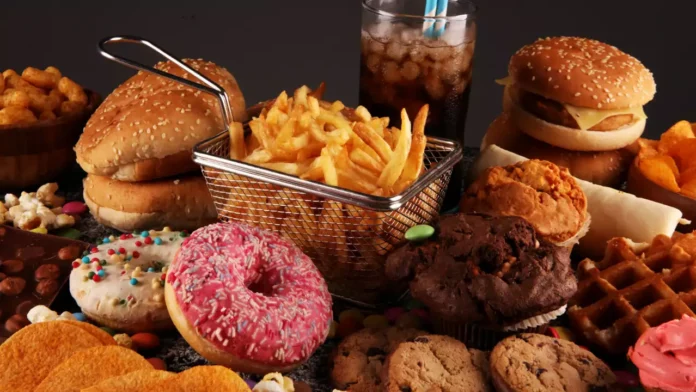
The National Institute of Nutrition (NIN), in collaboration with the health ministry-backed Indian Council of Medical Research (ICMR), has for the first time recommended thresholds for sugar content in packaged foods and beverages.

The potential effects of this decision might reverberate across a wide array of branded soft drinks, juices, cookies, ice creams, cereals, and various other products both online and on store shelves.

Shift from Calorie Thresholds to Sugar Content

This signals a change from the previous system of calorie thresholds for beverages and foods. The NIN-ICMR dietary guidelines have been updated after 13 years.

Packaged foods company executives, on the other hand, argued that the new guidelines are impractical. They stated that if the government chooses to adopt and enforce these recommendations, most branded food and beverage companies would have to alter their formulations.

Continue Exploring: Nestle faces regulatory heat as FSSAI launches probe into Cerelac sugar controversy

“A clear definition of these terms has been established for the first time, aligning with global best practices,” stated a senior executive from Hyderabad-based NIN. “While it’s generally accepted that foods high in sugar, salt, and fat, as well as highly processed foods, should be limited, there hasn’t been a definitive definition of these terms in India until now, neither by regulators nor researchers.”

Specifications of Updated Dietary Guidelines

The move comes amidst mounting worries about increasing rates of obesity and diabetes, along with debates surrounding the high sugar content in products like Bournvita and Cerelac, both online and in other forums. Crafted by a diverse committee of experts, the updated guidelines specify that for solid foods, the “limit for sugar has been determined to be approximately 5% of energy from added sugar, and should not surpass 10% of energy from total sugar.”

For beverages, the limit for sugar has been set at approximately 10% of energy from added sugar, with a cap of 30% of energy from total sugar, which includes naturally occurring sugars found in fruit juices, milk, etc.

Continue Exploring: Ministry directs e-commerce platforms to remove Bournvita and similar beverages from ‘health drinks’ category

It has been learned that packaged foods companies are preparing to collectively address the issue with ICMR and NIN within the next 10 days. “The guidelines were not developed in consultation with major packaged foods and beverage companies,” stated the head of one of India’s leading packaged foods manufacturers.

“These guidelines are not pragmatic and are predominantly theoretical. According to them, even fundamental foods would not meet the criteria for being labeled ‘healthy’.”

A senior executive from another beverage company remarked that expecting them to alter formulations would be “impractical and unrealistic… We already provide information to consumers on packaging regarding sugar content, allowing them to make informed choices.” Conversely, health advocates emphasized the importance of informing consumers about dietary guidelines.

Advertisement