Monday, January 19, 2026
Home Blog Page 433

B2B home decor startup Trampoline secures $5 Million in funding led by Matrix Partners India and WaterBridge Ventures

Abhik Ghosh, Anushka Mahanti, and Varun Deo, Co-Founders, Trampoline

Trampoline, a cross-border B2B home decor brand, has secured $5 million in a seed funding round co-led by Matrix Partners India and WaterBridge Ventures.

The funding round also saw participation from Alteria Capital, contributing an additional $2 million in venture debt.

The fresh funds will be utilized by the company to enhance its supply chain and sourcing capabilities, expedite new product development, and expand its team.

Abhik Ghosh, co-founder and CEO of Trampoline, stated, “Trampoline’s technological approach aims to empower independent retailers with data and personalization tools for efficient store curation, while also implementing technology-driven quality control and supply chain solutions for our manufacturing partners.”

Continue Exploring: D2C homecare startup Happi Planet raises $1M funding from Fireside Ventures to expand offline presence and drive growth

Established in 2023 by Ghosh, Anushka Mahanti, and Varun Deo, Trampoline’s mission is to democratize design-led home decor by delivering a comprehensive experience from design to delivery. The platform grants small retailers access to tools typically reserved for larger counterparts, including minimal or no minimum order quantities, flexible payment terms, and meticulously curated product selections.

Trampoline is guided by a seasoned team boasting extensive experience in ecommerce and retail. Ghosh and Varun Deo, who held senior positions at Wayfair, a US-based home decor marketplace, together bring over 40 years of expertise in category management, supply chain, marketing, and product development. Anushka Mahanti, formerly spearheading go-to-market strategies for global brands at Amazon, adds a wealth of experience to the team.

‘China Plus One’ Strategy and Supply Chain Expansion

The startup’s goal is to democratize design-centric home decor for independent retailers. It intends to utilize the ‘China Plus One’ strategy to meet the growing demand for handmade, design-focused products. This will be achieved by establishing robust supply chains in both India and Southeast Asia.

Continue Exploring: D2C home care brand Koparo secures INR 6 Crore from 4P Capital Partners and Shark Tank India

Growth Projections for India’s Home Decor Market

Research Markets forecasts that India’s home decor market will expand at a compound annual growth rate (CAGR) of 4.14%, reaching $40.98 billion by 2028.

Analysis suggests that the online home decor market in the country is poised to achieve $5.4 billion by 2025, with a projected compound annual growth rate (CAGR) of 20.4%. Additionally, the total addressable market for direct-to-consumer (D2C) brands is anticipated to hit $100 billion by 2025.

In recent times, several innovative startups have emerged in India’s home decor sector, utilizing digital platforms and novel business approaches to meet the changing demands of consumers.

Among the prominent startups in this sector are Nestasia, The Purple Turtles, Chumbak, HomeLane, and Vaaree.

Last month, Vaaree, a startup specializing in home furnishings, announced its plans to raise INR 20.78 Cr ($2.5 Mn) in Pre-Series A funding, with Bengaluru-based venture capital firm Capier Investments leading the round.

Continue Exploring: Home decor startup Vaaree secures INR 20.78 Cr in pre-Series A funding round led by Capier Investments

Moreover, Livspace, which attained unicorn status in 2021, intends to shift its headquarters back to India from Singapore within the upcoming 9-12 months. The home renovation and interior platform is also targeting a public listing in India by 2025 and is actively striving for profitability by the conclusion of the current financial year.

Advertisement

Samosa Singh to launch its first-ever food truck on Father’s Day, plans to open over 20 new outlets in coming months

Nidhi Singh and Shikhar Veer Singh, Co-Founders, Samosa Singh

Samosa Singh, a trailblazer in the Indian snack industry, is all set to celebrate Father’s Day with a special treat for its patrons. Known for its distinctive and delectable samosas, the company is launching its first-ever food truck at Lulu Mall, one of Bangalore’s largest open-air arenas.

Founded in 2016 by the dynamic duo Nidhi Singh and Shikhar Veer Singh, Samosa Singh has rapidly carved a niche in the Indian snack market. The brand specializes in a variety of traditional Indian snacks, including samosas, kachori, pani puri, and matar kulcha. The company operates through a network of cloud kitchens and kiosks, ensuring that its culinary delights are accessible to a broad customer base.

Innovation in Offerings: Introduction of “Ready-to-Cook” Samosa Packs

Recently, the brand also introduced its innovative “Ready-to-Cook” samosa packs as part of its diverse lineup. These samosas feature a distinctive encrusted design meticulously developed through hours of rigorous research and development. The result is a delectable fusion of pleasure with minimal fat—reduced by up to 50%. With over 20 flavors to choose from, including paneer tikka, soya keema, cheese and corn, onion kachori, Punjabi aloo, and more, Samosa Singh ensures a delicious variety to cater to diverse palates.

Continue Exploring: Samosa Singh launches diverse lineup of ‘ready-to-cook’ guilt-free Samosas with over 20 irresistible flavors

Expansion and Investment: Scaling Operations and Funding

In 2020, Samosa Singh secured $2.7 million (INR 17 crore) in a Series A funding round led by She Capital. This investment was pivotal in expanding the capacity of its central kitchen in Bengaluru, enabling the brand to scale its operations significantly. Today, Samosa Singh operates 100 cloud kitchens across key cities in South India and boasts 62 outlets in 8 cities.

“We are excited to bring our first food truck to Bangalore on such a special occasion,” said Nidhi Singh, co-founder of Samosa Singh. “Father’s Day is the perfect time to launch this initiative, offering families a chance to enjoy our delicious snacks in a vibrant and dynamic environment.”

Continue Exploring: Samosa Singh unveils first-ever ad featuring comedy genius and actor Sunil Grover!

The food truck launch is part of Samosa Singh’s broader expansion strategy. In the coming months, the company plans to open over 20 new outlets, aiming for a total of 100 stores across India within the next 10 to 12 months. Furthermore, Samosa Singh has already started exporting its samosas to the Middle East and has ambitious plans to enter the Canadian and Australian markets soon.

To celebrate the launch of the food truck, Samosa Singh is offering special deals and discounts at Lulu Mall. This event not only marks a significant milestone for the brand but also provides an exciting opportunity for customers to experience their favorite snacks in a new and engaging way.

Continue Exploring: Samosa Singh launches new outlet in Hyderabad, expands reach with diverse culinary offerings

Advertisement

Mondelez partners with Lotus Bakeries to manufacture and sell Biscoff in India, eyes premium cookie segment growth

0
Biscoff
Biscoff

Mondelez, a leading snacking company, has partnered with Belgian biscuit maker Lotus Bakeries to manufacture, sell, and market Biscoff, the latter’s flagship brand, in India.

Under the license agreement, the company responsible for Cadbury Dairy Milk and Oreo will receive royalties from its sales. This strategic move aims to expand India’s largest chocolate maker’s presence in the premium cookie segment within the INR 45,000 crore biscuit market, currently dominated by Britannia, Parle, and ITC.

Samir Jain, president of Mondelez India, described the partnership as mutually beneficial, where both companies recognize the value they bring to each other. “From Biscoff’s perspective, it marks our entry into India, leveraging Mondelez’s robust manufacturing, distribution, and branding capabilities. For us, it represents the introduction of a fantastic product,” he explained, noting that the rollout is scheduled for the second half of next year.

Biscoff: From Belgium to India

Founded in Belgium in 1932, the Lotus brand evolved over the decades. In 1986, its renowned Speculoos biscuit was rebranded as Lotus Biscoff, a blend of “biscuit” and “coffee.” Over the last decade, Lotus has seen a threefold increase in sales, driven by the overwhelming popularity of its spiced caramelized Biscoff, now ranked among the world’s top five biscuit brands. While the company has made initial strides in India, it sees substantial opportunities to tap into this expansive market, which boasts millions of retail outlets.

Continue Exploring: McDonald’s India teams up with Lotus Biscoff for delectable dessert delights! 

Jan Boone, CEO of Lotus Bakeries, emphasized the importance of an extensive distribution network, a robust local presence, effective merchandising, and a suitable pricing strategy for successful operations in India. “We believe this is the opportune moment to accelerate the growth of Biscoff in this expanding market,” he stated. Expressing confidence in Mondelēz International, Boone highlighted their strong commercial expertise, market-specific knowledge, and local presence as ideal qualities to achieve their goal of making Biscoff a major success in India.

Manufacturing and Distribution Plans

Currently, Biscoff is predominantly imported into India and bears a substantial premium price tag, which could see a considerable reduction once Mondelez initiates local manufacturing. “Once we establish manufacturing facilities in India, we will be able to eliminate significant import duties. Therefore, the pricing will decrease significantly,” Jain explained.

Market Potential and Growth Opportunities

Internationally, Mondelez derives approximately 70% of its revenue from non-chocolate products like biscuits, gums, candies, and beverages. In India, however, chocolates constitute a significant portion of its sales. Over the last decade, the company has diversified into various categories such as cakes and breakfast cereals as part of its strategy to become a comprehensive snacking entity. Moreover, the biscuit category alone is nearly double the size of the chocolate and confectionery market, highlighting significant growth potential for Mondelez in the cookie segment.

Jain added, “With Oreo, we’ve shown our ability to establish a premium portfolio in this market, despite stiff competition. Although we entered the category later, our deep understanding of the consumer, coupled with a superior product and strong distribution network, enabled us to build a thriving business with Oreo.”

India ranks as the third-largest market for Oreo biscuits globally, following the US and China. Cadbury Dairy Milk holds the highest market share among all products of the US-based snacking firm in India. Last year, Mondelēz announced plans to invest Rs 4,000 crore in India over the next four years, primarily focusing on manufacturing and enhancing the supply chain to meet growing demand. The Indian operations contribute approximately $1.2 billion in revenue to Mondelēz, with its local unit commanding nearly two-thirds of the country’s chocolate market.

Continue Exploring: Snacking continues to rise: Mondelēz International’s latest report reveals global surge in consumer snacking behaviors 

While chocolate consumption per capita in India is around 200 grams annually, in the UK, it exceeds 10 kilograms per year, indicating significant growth potential. The company emphasized its intensified focus on distribution, boasting a direct reach to nearly 2.5 million retail shops thus far.

Apart from expanding Biscoff’s presence in India, the two companies will collaborate on creating and promoting co-branded chocolate products in global markets. Although specific product formats are in initial development phases, the first co-branded products are anticipated to debut in early 2025. These will feature Cadbury and Biscoff in the United Kingdom, and Milka and Biscoff in Europe.

Dirk Van de Put, Chair and CEO of Mondelez International, stated, “We look forward to working with Lotus Bakeries to expand the Biscoff brand in India, where it already has a loyal following among key consumer segments.” “This relationship will enable us accelerate our strategic focus on the cookies category by reaching a much bigger audience with a premium brand that is highly adored in many areas. throughout the meanwhile, we’re excited to collaborate on creating fresh, cutting-edge chocolate flavours and forms throughout Europe, which will bolster customers’ steadfast devotion to the recognisable brands of our two firms.”

Advertisement

Restaurants in Delhi-NCR grapple as heatwave takes toll: Foot traffic plummets, businesses suffer up to 40% decline

Restaurant
Restaurant (Representative Image)

As the blazing sun sends temperatures soaring past 40 degrees Celsius, the merciless grip of summer becomes even more apparent, making the idea of stepping out for lunch unbearable. And with the scorching winds persisting well into the night, dinner outings lose their appeal as well. For non-mall restaurants in Delhi-NCR, the summer of 2024 has been marked by sparse reservations, dwindling foot traffic, and nearly deserted lunch hours, resulting in an estimated 25 percent decline in business. Some eateries even report figures closer to a staggering 40 percent drop.

Among those confronted with vacant tables and substantial financial setbacks is Rahul Arora, proprietor of The Big Tree Cafe in Gurgaon. His establishment’s unique selling point, as the name implies, lies in its al-fresco dining ambiance, which typically forms the cornerstone of its success for much of the year.

Continue Exploring: Demand soars for cola, beverages, and ice creams as heatwave grips India

“Typically, we anticipate a minor decrease in foot traffic during the hotter months, but this year’s decline has been significantly greater due to the extreme temperatures. This has significantly impacted our business, affecting both our revenue and the exceptional dining experience that we pride ourselves on,” Arora conveyed.

He mentioned, “We’ve experienced a substantial 40 percent decline in business as a result of the unprecedented scorching heat.”

Record-breaking Temperatures:

This summer, temperatures in and around Delhi have reached record-breaking highs.

On May 29, the maximum temperature for the day reached 46.8 degrees Celsius, as documented by the primary weather station, Safdarjung Observatory, marking a 79-year record high. This surpassed the previous milestone of 46.7 degrees Celsius, set on June 17, 1945. In the Najafgarh area, temperatures climbed even further.

Lunchtime Lull:

As per industry experts, the lunchtime period has taken the hardest hit, with regular office workers and loyal shoppers opting to remain indoors. Moreover, devoted food enthusiasts are also forgoing their customary weekly dine-out routines in favor of staying home.

Manpreet Singh, treasurer of the National Restaurant Association of India (NRAI) and proprietor of several restaurants like Zen and Fujiya, highlighted the concerning decrease in foot traffic in prominent market centers like Connaught Place.

“Typically, even in summer, people would venture out in the afternoon for shopping and then seek respite in a restaurant to relax, enjoy a cooler, or grab a bite. However, this year, the scenario has been different… We’ve witnessed a 25 percent decline in business overall,” Singh remarked.

In an attempt to mitigate the impact of the heat, restaurants are implementing enticing discounts, adjusting menus, and upgrading outdoor cooling systems with mist fans and extra shaded areas.

For instance, to combat the sweltering temperatures, the casual dining chain Anardana is hosting a revitalizing plant-based summer event. Featuring dishes crafted from seasonal ingredients and refreshing mango beverages, it offers a cool respite at its multiple outlets.

Shruti Malik, founder of Anardana, remarked, “The unprecedented heatwave this year has notably affected foot traffic, especially during lunch hours…”

Continue Exploring: Food delivery and e-commerce giants ramp up measures to protect delivery partners amidst sweltering heatwave

For those choosing to stay indoors, ordering takeout is the preferred option. While home deliveries have somewhat alleviated the worries of restaurant management, food delivery agents are feeling the brunt of the heat.

Navigating the streets of Delhi-NCR, these young men — and occasionally women — endure a challenging time, perspiring beneath their helmets in the scorching heat for a meager income. They earn as little as INR 40 for a 10 km ride, supplemented occasionally by tips.

A 36-year-old food delivery worker describes the period between 11 am and 3 pm as a “living nightmare” for earning his livelihood.

Speaking on the condition of anonymity, he explained, “We have to halt several times to seek shade. The glaring sun makes it impossible to see our mobile screens for navigation. Placing a wet handkerchief on my head, beneath the helmet, is my only method to stay cool during the rides.”

Certainly, he added, there are no summer bonuses to alleviate the challenges.

In an unusual move, food aggregator Zomato recently advised customers to refrain from ordering during the peak afternoon hours amidst the heatwave.

The appeal, circulated as an X post, initiated a debate, with some commending the company’s concern while others proposed alternative solutions to address the issue.

Continue Exploring: Zomato urges customers to avoid ordering during peak afternoon hours amid intense heatwave

Rushabh Jhaveri, the founder of Recipe Cup, another food aggregator platform, praised Zomato’s initiative but suggested a more nuanced approach. He proposed that the company prioritize the well-being of delivery partners while maintaining a seamless customer experience, which would yield greater benefits.

Among his recommendations are “providing incentives for delivery partners during peak afternoon hours and encouraging customers to place pre-orders during morning and evening hours to avoid the extreme afternoon heat”.

It’s not entirely bleak for food businesses situated within the refreshing confines of air-conditioned malls. Insiders note that while there has been a decrease in foot traffic during the afternoons, this has been offset by an increase in evening foot traffic.

Therefore, establishments like Birch at Pacific Mall in Netaji Subhash Place, Harajuku Tokyo Cafe at Select Citywalk Mall in Saket, or Bira 91 Taproom, with outlets across various malls, have reported a “notable increase” in sales during the evening and nightlife hours.

Rahul Singh, Senior Vice President of Pubs at Bira 91, stated, “The heatwave hasn’t impacted our business; in fact, we’ve experienced our most successful May ever. We’re anticipating a stellar June as well. Since most of our outlets are located in malls, where people seek refuge from the heat, our business is thriving.”

Continue Exploring: Indian restaurants struggle as scorching heatwave dampens sales by up to 40%

Advertisement

Top 5 Smart Gadgets That Will Impress Any Tech-Savvy Dad

Fathers day

Father’s Day is the perfect occasion to celebrate the tech-savvy dads who keep up with the latest trends in technology. If your dad loves gadgets and gizmos, then he’ll surely appreciate these top 5 smart gadgets designed to make his life easier, more enjoyable, and incredibly futuristic.

1. Sony Ult Field 1:

Now share the gift of music with your father with all new Sony Ult Field 1, Featuring a multi-way strap for easy portability, this waterproof, dustproof, and shockproof speaker ensures your father can enjoy music anywhere for longer, thanks to its impressive battery life.

Continue Exploring: India’s luxury market surges as affluent buyers propel growth

2. Nokia G42 5G:

The perfect Father’s Day gift, the new Nokia G42 5G, comes in three stunning colors: So Pink, So Grey, and So Purple. Designed for capturing and sharing memories, its 50 MP triple camera ensures every moment is detailed and vibrant. Available in 4GB/128GB and 6GB/128GB, there’s a perfect option for everyone. Get it on the HMD website, Amazon, or retail stores. For a limited time, the 4GB variant is just 9999 on the HMD website.

3. JBL TUNE 770NC:

For a top-notch Father’s Day gift, consider the JBL TUNE 770NC Adaptive Noise Cancelling wireless headphones. They deliver JBL Pure Bass Sound and boast an impressive 70 hours of battery life, making them perfect for any dad who loves high-quality sound and long-lasting performance.

4. Amazon Kindle 10th Generation:

For Father’s Day, consider this lightweight and compact e-reader, perfect for your book-loving dad. It features a crisp 6″ high-resolution display with adjustable lighting for comfortable reading anywhere, anytime. With double the storage capacity, it can hold thousands of books, magazines, audiobooks, and comics, ensuring he never runs out of reading material. Plus, the long battery life allows for weeks of reading on a single charge, making it a thoughtful and practical gift he’ll truly appreciate.

5. Nokia 3210 4G:

Gift your father a delightful trip down memory lane with the revamped Nokia 3210 4G. This classic phone, redesigned for modern times, now includes YouTube, UPI Scan & Pay, FM radio, an MP3 player , Dual Sim 4G Volte. Plus, it comes with a replacement guarantee. Available in stylish colours like Grunge Black, Y2K Gold, and Scuba Blue, the new Nokia 3210 also features the nostalgic “Snake” game. You can find it on Amazon.in and HMD.com.

These smart gadgets are sure to impress any tech-savvy dad, offering convenience, functionality, and a touch of modern flair. Whether he’s into health tracking, smart home automation, high-quality audio, or immersive reading, there’s a perfect gift here for every dad.

Continue Exploring: Swiss luxury watch retailer TimeVallée opens first boutique in Mumbai

Advertisement

HUL spearheads palm oil reduction in soaps, targets 25% cut with innovative technology

Hindustan Unilever
Hindustan Unilever

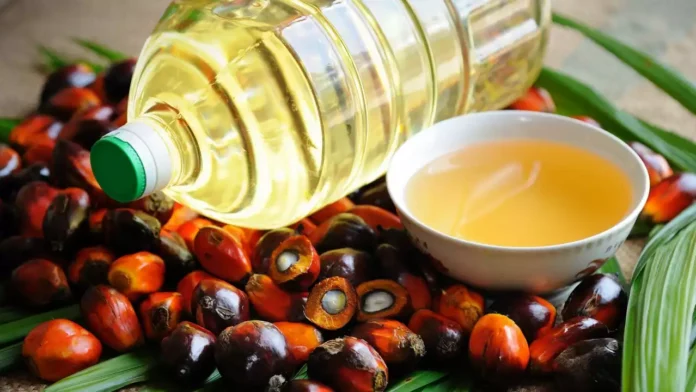
Hindustan Unilever (HUL), India’s largest consumer goods manufacturer, is cutting the use of palm oil and its derivatives in soaps by 25%, as part of a broader plan to counter fluctuations in commodity prices and minimize environmental footprint. This initiative, hailed as a global first by the company, involves pioneering technology developed by HUL over nearly five years, called Stratos. The success of this innovation will see its implementation in other countries by Unilever, with India being one of its key soap markets globally. Lux and Lifebuoy, among others, fall under the purview of this endeavor.

Continue Exploring: Hindustan Unilever shifts focus to bigger brands in pursuit of volume growth

Impact on Product Composition and Quality

The upcoming change will substitute palm oil with a unique blend comprising plant-based polysaccharides, vitamin combinations, and natural fatty acids. This formulation not only enhances the product’s quality but also results in a 25% reduction in palm oil and its derivatives compared to the current content found in grade 1 soap.

HUL dominates the soap market in India, commanding a staggering 38% share of a market valued at INR 24,000 crore.

Ankush Wadehra, Vice President of Skin Cleansing at HUL, explained, “With reduced palm usage, we can achieve significant cost savings, enabling us to reinvest in premium ingredients that enhance the quality of our products.”

“A decrease in TFM (total fatty matter) helps us navigate the swings between both deflation and inflation in commodity prices. Often, our pricing strategies are influenced by market trends in commodities, and by reducing our reliance on them, we are mitigating our exposure to risk,” he explained.

Continue Exploring: Hindustan Unilever’s net profit dips 1.53% to INR 2,561 Crore in Q4 FY24

Palm oil and its derivatives constitute more than 20% of the input expenses for consumer companies like HUL, and are known to be one of the most unpredictable components.

In India, the quality of soap is frequently assessed based on the total quantity of oils and fats utilized in its production, commonly known as total fatty matter (TFM). According to HUL, there’s a common misconception that higher TFM automatically signifies better soap quality. However, the efficacy of a soap is primarily determined by the specific type of fatty matter it contains, rather than just its TFM content.

“We’ve achieved this by optimizing our processes to deliver tangible benefits directly to the consumer,” stated Vibhav Sanzgiri, Executive Director of R&D at HUL.

Continue Exploring: Hindustan Unilever appoints Arun Neelakantan as executive director, customer development

Advertisement

Nestle India to pay royalty to Swiss parent at current rate of 4.5%

0
Nestle
Nestle

Nestle India, a leading FMCG company, will pay a royalty of 4.5 percent to its parent company, Société des Produits Nestlé S.A, as stated in an exchange filing on Wednesday.

The Company stated that the current rate of 4.5 percent, after accounting for taxes, applies to the net sales of products sold under the terms of the existing General License Agreements with the Licensor.

“Approval from members will be requested by the Company every five years, in adherence to the prevailing laws and regulations,” it stated.

Continue Exploring: Nestle India sets sights on 6 Million touchpoints, focusing on volume growth

Shareholder Decision on Royalty Increase

Last month, the company’s shareholders declined its proposal to elevate the royalty payout to its Swiss parent from 4.5 percent to 5.25 percent, net of taxes, over a five-year period.

The company notified the exchanges that 57 percent of its shareholders had opposed the proposal.

Continue Exploring: Nestle India shareholders reject proposal to increase royalty payments to Swiss parent company

Appointment of Sidharth Kumar Birla as Director

Meanwhile, the company’s board has approved the appointment of Sidharth Kumar Birla as an additional director and independent non-executive director.

He will officially assume the role starting from June 12, 2024, serving for a consecutive five-year term.

Furthermore, the board has adjusted the date for the company’s annual general meeting to July 8, for the purpose of deciding on the final dividend payment. If approved, the dividend will be disbursed on August 6, 2024.

Advertisement

Agritech startup DeHaat sees 40% revenue surge in FY24, cuts losses by half

0
Shashank Kumar, Amrendra Singh, Shyam Sundar, and Adarsh Srivastav - Co-Founders, DeHaat

DeHaat, an agritech startup, reported a 40% increase in operating revenue to INR 2,700 crore in FY24, while reducing its losses by half.

In FY23, the company posted a revenue of INR 1,996.9 crore and a net loss of INR 1,094.4 crore. In comparison, its revenue for FY22 amounted to INR 1,287.6 crore, while the net loss was INR 1,564.1 crore.

Key Drivers of Growth

The company attributed its continued top-line growth to operational leverage and an increased focus on profitability by expanding into high-margin sectors such as exporting sustainable farm produce, food processing, and selling biological agricultural inputs.

In FY25, the company aims to achieve full-year profitability.

Continue Exploring: Agritech startup DeHaat completes its first ESOP buyback, targets full-year profitability in FY25

The Patna-based firm has also announced its first-ever employee stock ownership plan (Esop) buyback programme worth INR 10 crore. The company stated that it has issued Esops to more than 200 people.

“Over the past decade, DeHaat’s unwavering growth and outstanding performance in empowering Indian farmers have solely relied on the commitment and hard work of our team. The Esop buyback program reflects our steadfast dedication to our employees. We are pleased to provide opportunities for wealth creation and nurture a culture of growth within the company,” remarked Shashank Kumar, co-founder, and CEO.

Established in 2012 by Shashank Kumar, Amrendra Singh, Adarsh Srivastav, Shyam Sundar Singh, and Abhishek Dokania, DeHaat offers a variety of services to farmers. These include direct market access, quality inputs, and expert agricultural advisory.

Operational Reach and Network

Operating across 12 agrarian states in India, the company boasts a network of more than 11,000 DeHaat Centers and 503 farmer producer organizations (FPOs), serving over 1.8 million farmers.

In April, it was reported that DeHaat had joined the ranks of business-to-business supply chain and market linkage service providers venturing into launching their own consumer brand.

Continue Exploring: Agritech startup DeHaat forays into consumer market with Honest Farms brand

Advertisement

Costa Coffee reports 49% surge in revenue to INR 152 crore in FY24, adds 67 new stores

0
Costa Coffee
Costa Coffee

Costa Coffee, the British coffee chain, saw a 49% increase in operational revenue in India, reaching INR 151.8 crore, according to Devyani International Ltd‘s annual report. Additionally, its gross profit rose to INR 116.6 crore, marking a 45% growth compared to the previous year.

Devyani International Ltd (DIL) holds the master franchise for Costa Coffee, a brand owned by the global beverage giant Coca-Cola.

In 2023-24, the company added 67 new stores in India, bringing its total to 179.

Continue Exploring: India a priority market for Costa Coffee: CEO announces plan to open 50 new stores annually

Financial Growth Metrics:

“In FY24, revenue from operations reached INR 151.8 crore, up from INR 101.8 crore the previous year, marking a 49% growth driven by store expansion. Gross profit increased to INR 116.6 crore from INR 80.4 crore the previous year,” the report stated.

However, the average daily sales per store declined to INR 32,710 in FY24, compared to INR 35,085 the previous year.

Future Outlook and Strategy:

The company stated that it expects performance to improve as the new stores stabilize and reach maturity.

DIL is rapidly expanding the Costa Coffee network in India, fueled by the growing young population.

“Moving forward, our focus is on adding 60-70 new units annually,” it stated, further adding, “As we persist in building the brand and capitalizing on business opportunities, we are confident in shaping a stronger future.”

According to DIL, India’s coffee culture is flourishing more than ever before.

“We are accelerating the expansion of Costa to cater to a larger consumer base, having incorporated 67 net new units in FY24, the highest in any year. With this growth, we have more than tripled our store count over the last two years, increasing from 55 stores to 179,” it stated.

DIL is extending Costa Coffee’s reach into high-traffic areas, including airports.

“With the domestic travel market flourishing, airports are bustling with activity, making them ideal spots for our premium coffee. Our presence at these locations perfectly matches the high demand and premium experience that travelers seek,” it stated.

Costa Coffee competes with Starbucks in the rapidly expanding Indian market. Starbucks operates through a 50:50 joint venture with Tata Consumer Products, while Barista also competes in this space.

“Our strategy involves exploring new channels and experimenting with various venues. The objective is to discern what resonates with consumers, understand their demands, and integrate successful approaches into our standard business operations,” it explained.

DIL also manages Quick Service Restaurant (QSR) chains such as KFC and Pizza Hut in India, along with the home-grown QSR chain Vaango.

DIL is promoted by RJ Corp Ltd, which also promotes Varun Beverages Ltd (VBL), PepsiCo’s bottling partner.

Continue Exploring: Costa Coffee teams up with easyJet for in-flight refreshments

Advertisement

KFC delights fans with new Honey BBQ Saucy Nuggets

0
Honey BBQ Saucy Nuggets

KFC, the renowned American fast food chain, has introduced Honey BBQ Saucy Nuggets to its summer menu for 2024, alongside wallet-friendly everyday meal offers.

The new addition to the menu, based on consumer feedback, is now available nationwide from June 10th at all participating restaurants in the US.

Continue Exploring: Chizza fever hits U.S. as KFC announces debut of unique pizza-inspired dish

Flavor Profile of the Honey BBQ Sauce

The Honey BBQ sauce boasts a delightful blend of sweetness, smokiness, and tanginess, crafted with brown sugar and honey to perfectly balance the zing of tomatoes and spices.

This is the first time KFC Nuggets will feature the Honey BBQ flavor.

Honey BBQ Saucy Nuggets have been added to KFC’s existing lineup of Korean BBQ and Honey Sriracha Saucy Nuggets.

The Korean BBQ sauce provides a blend of sweet and savory umami flavors, while the Honey Sriracha sauce offers a sweet and spicy experience.

Pricing and Delivery Options

For just $5.99, customers have the opportunity to indulge in a 10-piece meal at participating KFC locations, though prices may fluctuate and be higher in specific states and on third-party ordering websites.

KFC is additionally offering complimentary delivery on Sundays throughout the summer for orders placed via KFC.com and the KFC app.

Furthermore, KFC has introduced the “Taste of KFC” value menu, featuring daily deals priced at under $5.

The menu includes a $4.99 Meal for One, consisting of two pieces of chicken, mashed potatoes with gravy, and a biscuit, as well as a $20 Family Meal featuring six pieces of chicken, four sides, and four biscuits. Side choices encompass coleslaw, mac and cheese, and sweet corn.

Nick Chavez, the Chief Marketing Officer of KFC US, expressed, “Due to demand from our customers, we’re introducing our beloved Honey BBQ sauce to accompany our nuggets. Our guests have shown great enthusiasm for our Saucy Nuggets, and we’re thrilled to introduce new flavors to our offerings.”

Continue Exploring: KFC India unveils four refreshing beverages to beat the scorching summer heat!

Advertisement