Ola Electric’s Massive Expansion: 4,000 EV Stores Across India
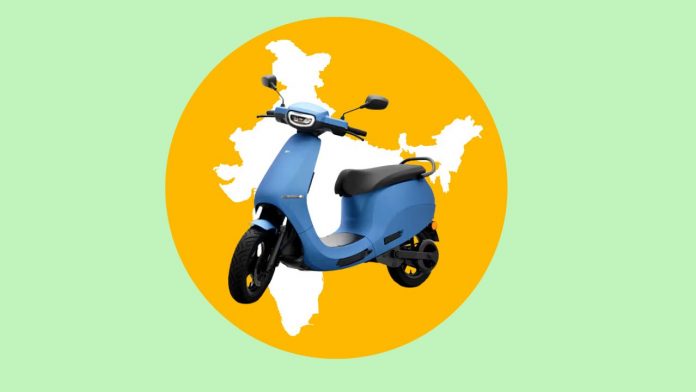
Ola Electric has announced a major expansion of its retail network, opening over 3,200 new outlets across India.
With this addition, the company now operates 4,000 stores nationwide, making it the largest EV retail network in the country. This aggressive move aims to boost accessibility for electric vehicles, not just in urban centers but also in smaller towns and rural areas, solidifying Ola’s position in the Indian EV market.
Ola Offering Special Benefits to Mark this Occasion
To celebrate this milestone, Ola is offering special benefits for its S1 series scooters on December 25, 2024. Customers can save up to ₹25,000 through a mix of discounts and offers, including ₹7,000 off on the S1 X series, ₹5,000 off on select credit card EMI payments, and MoveOS rewards worth ₹6,000.
In addition to its retail growth, Ola is enhancing its tech offerings with the launch of MoveOS 5, the latest version of its operating system. The update introduces innovative features like Group Navigation, Live Location Sharing, Road Trip Mode, Smart Charging, and Tire Pressure Monitoring System (TPMS) alerts. The beta version is available for early registration, giving users a sneak peek at the enhanced functionality.
On the product front, Ola has unveiled the S1 Pro Sona, a limited-edition scooter featuring 24-karat gold-plated components. The S1 Pro Sona isn’t just about aesthetics—it includes a “Sona Mood” interface and a customizable MoveOS dashboard, allowing users to tailor their riding experience. This luxurious edition highlights Ola’s efforts to blend premium design with cutting-edge technology in the EV space.
Malabar Launches New Flagship Store in Amritsar, Offering Exclusive Discounts
Malabar Gold & Diamonds, the world’s sixth-largest jewelry retailer, has made its debut in Amritsar with the opening of its first showroom in North India.
Situated on Mall Road in White Avenue, the 4,000-square-foot store showcases an extensive range of gold, diamond, and gemstone jewelry.
New Flagship Store in North India
The showroom was inaugurated by Om Prakash Soni, former Deputy Chief Minister of Punjab, in a ceremony that highlighted the brand’s commitment to expanding its presence in the region.
Customers can explore Malabar’s signature collections, including Mine diamond jewelry, Ethnix handcrafted designs, and the Precia line of gemstone jewelry. The store also features a special bridal section with over 30,000 designs, offering everything from traditional bridal sets and solitaires to lightweight contemporary pieces.
Brand Offers Great Discounts to Mark the Occasion
To celebrate the launch, the brand is offering up to 25% discounts on making charges for gold and diamond jewelry, along with a flat 25% discount on gemstone and uncut jewelry.
Since its establishment in 1993, Malabar Gold & Diamonds has grown into a global leader in jewelry retail, operating more than 370 showrooms across 13 countries. The company also manages a wide network of offices, design centers, wholesale units, and manufacturing facilities in regions including India, the Middle East, the Far East, North America, Europe, and Australia.
Dabur Accuses Patanjali of Misleading Consumers in Chyawanprash Ad
Dabur India has filed a lawsuit in the Delhi High Court against Patanjali Ayurved, accusing the company of airing a misleading advertisement that disparages its popular ‘Chyawanprash’ product.
The case was brought before Justice Mini Pushkarna on December 24.
Dabur Sues Patanjali Over Disparaging Advertisement
According to a report by Bar and Bench, the court has issued a notice and scheduled the matter for a hearing in the final week of January to decide on potential interim relief. Dabur has urged the court to impose an immediate ban on the advertisement. While the judge initially suggested mediation to resolve the issue, she agreed to proceed with the case after Dabur argued for urgent intervention.
Continue Exploring:
Dabur’s legal counsel, Akhil Sibal, argued that the advertisement misleads the public by implying that rival brands lack the expertise or authenticity to produce genuine chyawanprash. He pointed to the Drugs and Cosmetics Act, which outlines specific guidelines for preparing such products, emphasizing that labeling others as inferior unfairly tarnishes Dabur’s reputation. The company currently holds over 61% of the market share in this segment.
Continue Exploring:
Patanjali’s Controversial Advertisement
The advertisement in question features Patanjali founder Swami Ramdev, who questions the knowledge of competitors, saying, “How can those who lack understanding of Ayurveda, the Vedas, and the traditions of Charak, Sushrut, Dhanwantari, and Chyawanrishi create an ‘original’ chyawanprash?” The ad has been broadcast on television and published in a Delhi newspaper, prompting Dabur to seek immediate legal redress.
A Fresh Mediterranean Experience: Sevilla Restaurant Reopens at The Claridges
The Claridges New Delhi has unveiled the highly anticipated return of Sevilla, its renowned Spanish and Mediterranean restaurant, following an extensive makeover.
The revamped space promises a fresh, immersive dining experience that delights the senses and elevates the culinary adventure.
Sevilla Makes a Much Anticipated Comeback
Sevilla, with its signature alfresco charm, has undergone a stunning transformation, now evoking the essence of the Mediterranean. The expansive restaurant, set slightly apart from the main hotel, offers a cozy blend of indoor and outdoor seating, providing a serene and intimate atmosphere for guests, according to a statement from the hotel.
Leading the charge behind Sevilla’s new menu is Chef Alex Rodriguez, whose 20 years of international culinary experience shape the revamped offerings. A graduate of the prestigious Culinary Institute of America, Chef Rodriguez has honed his craft in top-tier establishments like the Waldorf Astoria, Four Seasons, and St. Regis in New York. His culinary journey has spanned Spain, the Caribbean, and Europe, melding traditional Mediterranean flavors with innovative techniques to create a truly unique dining experience.
Chef Rodriguez shared his excitement about the new menu, saying, “Every dish at Sevilla reflects the rich culinary traditions of Spain, enhanced by modern techniques. My inspiration comes from the vibrant flavors of roasted peppers, saffron, olive oil, and fresh fish, evoking the warmth of my family’s kitchen. We’re excited to invite guests to embark on a flavorful journey through Spain and the Mediterranean here in New Delhi.”
Starbucks Workers Set to Strike Ahead of Holiday Rush, Demanding Pay Increases
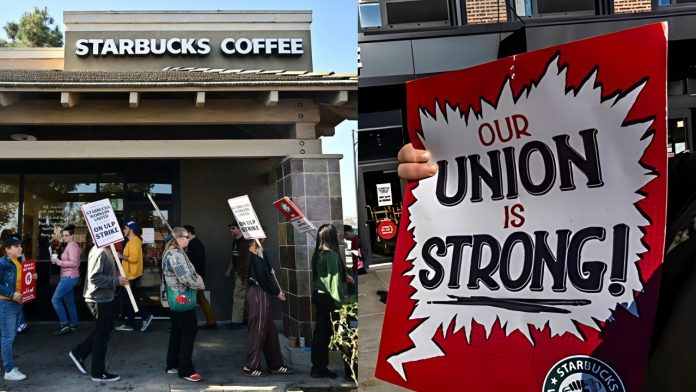
Baristas at select Starbucks locations are planning to strike on Christmas Eve, starting with cafes in Los Angeles, Chicago, and Seattle this Friday.
Strikes Expected to Grow
The strikes are expected to grow in scale each day, spreading to more cities, as workers push for higher wages. The union, Starbucks Workers United, expressed frustration in a post on X, accusing the company of “backtracking on our promised path forward.”
The strike could lead to longer wait times for customers seeking their favorite holiday drinks and merchandise in the days leading up to Christmas, which typically sees high demand as many people shop for last-minute gifts or enjoy a break from work and school.
Relationship Between Starbucks and Union Sours
Relations between Starbucks and the union have become tense once again after a brief period of cooperation earlier this year. In February, both sides had agreed on a “foundational framework” to work toward collective bargaining agreements for individual stores. Since then, they have held over nine bargaining sessions, according to the company.
This week, Starbucks and the union held their final scheduled bargaining session of 2024. However, before the meeting, Starbucks Workers United voted to authorize a strike if the company did not offer a comprehensive proposal addressing pay and benefits. During the session, Starbucks reportedly offered no immediate pay increase, instead guaranteeing annual raises of just 1.5%. In response, Starbucks stated that the union had prematurely ended the bargaining session, leaving the talks unresolved.
Popcorn & Company Eyes Tier-2 and Tier-3 Expansion; Targets to Double Its Online Sales next year
Leveraging its Shark Tank fame and a growing consumer base, Popcorn & Company, a Delhi-based venture under Krackle Foods Private Ltd., is making popcorn popular in India’s snacking industry with its innovative gourmet popcorn offerings. Founded by seasoned entrepreneur Vikas Suri, who also leads Kitchen Rama—a commercial kitchen equipment business—the brand has strategically positioned itself at the intersection of nostalgia and modern snacking trends.
He shares, “Popcorn has tremendous potential. It’s more than just a snack; it’s an experience. Our aim is to transform the concession-style cinema snack into a mainstream option across retail and digital platforms.”
Suri, who also runs Kitchen Rama, a commercial kitchen equipment business launched the brand officially launched in late 2018 but had to fine-tune its product line during the COVID-19 pandemic. “The idea took root in 2017-18 when we were supplying concession equipment and raw materials to cinemas. We often had surplus stock and decided to utilize this capacity, giving birth to Popcorn & Company,” Suri said.
A Market with Potential
India’s organized popcorn category has expanded significantly, with the market size now pegged at INR 700-800 crore. “The snacking habits of Indian consumers are evolving, and popcorn stands out as a versatile, enjoyable, and relatively healthy option,” Suri explained. The company has seen significant year-on-year growth and high repeat customer rates, particularly for its signature Movie Night Kits.
The kits allow customers to make popcorn at home with personalized seasonings and oils. “Our bestselling flavors include caramel crisp, cheesy sriracha, and sea salt caramel. This customization and innovation are driving our momentum,” Suri noted.
The company initially started with 20 flavors but has now carefully honed its offerings based on user preferences.
Retail Strategy: From Cinemas to Streets
Popcorn & Company operates across two verticals—FMCG and retail stores. Currently, it has 10-11 stores nationwide, primarily located in malls, where fresh popcorn is served over the counter. The stores are particularly popular among children and younger audiences.
“We aim to replicate the cinema concession experience on the streets. Alongside popcorn, some stores offer hot dogs, nachos, and samosas, depending on the location. This combo approach works wonders,” Suri revealed.
FMCG sales, on the other hand, target sub-30 consumers through online platforms such as Amazon, Flipkart, and Jiomart, alongside physical distribution networks. While digital channels have been a learning curve for Suri, he emphasized the benefits of starting online. “Digital platforms provide valuable insights into consumer behavior and allow for controlled scaling,” he added.
Navigating Challenges and Eyeing Expansion
Despite the brand’s growth, scaling up in India’s fragmented retail landscape is not without its challenges. “Setting up distribution and ensuring the right price points are crucial. However, once the foundation is laid, the potential is immense,” Suri explained.
While the company has found a foothold in Punjab, Himachal Pradesh, and Haryana, it is also keen on expanding into Tier-2 and Tier-3 cities. However this ambition requires more funding. “If I had more capital, I would be the first to enter these markets. The demand is there, and the untapped potential is huge,” Suri remarked.
“We’ll open stores in locations where we see clear potential for growth, profitability. Over the next two years, I anticipate doubling our numbers, particularly in our online sales. This is a significant focus area for us, and we are working diligently to achieve it,” he added.
With popcorn as its core focus, the brand aims to build a national presence, ensuring their products are available on the shelves of every major and popular store. Additionally, expansion into general trade (GT) and modern trade (MT) is also on the cards. “For now, we’re laser-focused on building a strong foundation with popcorn as our primary offering. We’re also exploring the possibility of a funding round soon to support these growth ambitions. Let’s see how things unfold,” Suri shared.
Popcorn & Company has also reinvented several of its products to enhance its offerings, which are set to hit the market soon. Alongside this, the brand is working to stabilize its store menu, exploring combos like hot dogs and nachos to complement its core offerings.
Virgio and Ola Electric Bring Sustainable Fashion Deliveries to Your Door
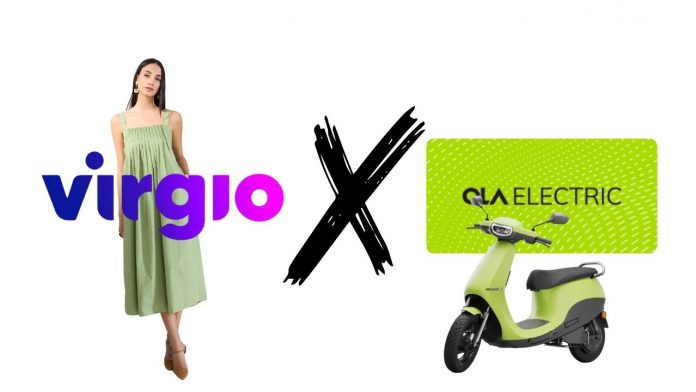
Virgio, a leading name in sustainable fashion, has teamed up with Ola Electric to offer eco-friendly doorstep deliveries for the festive season.
Virgio Teams Up with Ola
Customers who place prepaid orders by December 25, 2024, will have their purchases delivered using Ola Electric’s sustainable scooters and will also have the chance to receive a full refund on their orders.
Amar Nagaram, founder and CEO of Virgio, shared that the brand aims to ensure that the spirit of giving during the holidays benefits both people and the planet. He emphasized that this collaboration with Ola Electric during Christmas is a reminder of how mindful decisions can bring added meaning to the season’s festivities.
ICB’s Unique Craft Beer Experience Takes Bengaluru by Storm
Bengaluru has a new destination for craft beer enthusiasts with the launch of ICB-Indian Craft Brewery, a sprawling microbrewery located in the heart of Manyata Tech Park, Nagavara.
Spanning over 1,500 seats and two acres, ICB aims to offer an immersive beer experience that blends India’s ancient brewing traditions with modern craft techniques, creating a distinctive atmosphere and flavor profile unlike any other in the country.
An Aim to Revolutionise the Craft Beer Scene
ICB-Indian Craft Brewery sets out to revolutionize the craft beer scene in India by drawing on the nation’s rich culinary and cultural heritage. Co-founder Gopi Chand Cherukuri highlighted the brewery’s commitment to offering a truly unique experience, stating, “We’ve brought together a team of experienced brewmasters, including a renowned Costa Rican master brewer, and culinary experts, such as a former master chef from ITC Hotels, to create exceptional flavors that are both globally appealing and deeply connected to India’s roots.”
One of the key features of ICB is its thoughtfully designed “zones” that encourage visitors to engage with different aspects of the brewery’s philosophy—COAST, which stands for Culture, Opinion, Art, Sustainability, and Taste. These zones aim to evoke a deep connection to the brewery’s Indian heritage while offering a modern, sensory experience. The first zone is already operational, and the second is slated to open in January 2025.
ICB’s Beers are Backed by Solid R&D
ICB’s beers are the result of extensive research into India’s diverse culinary traditions and its cultural legacy. To further enhance its offerings, the brewery has established a research and development hub in Belgium, driving innovation in craft brewing. One of the standout creations will be a series of premium non-alcoholic beers named after the legendary mathematician Ramanujan, a tribute to India’s intellectual history.
Shein Returns to India: Reliance Retail Tests the Waters on Ajio
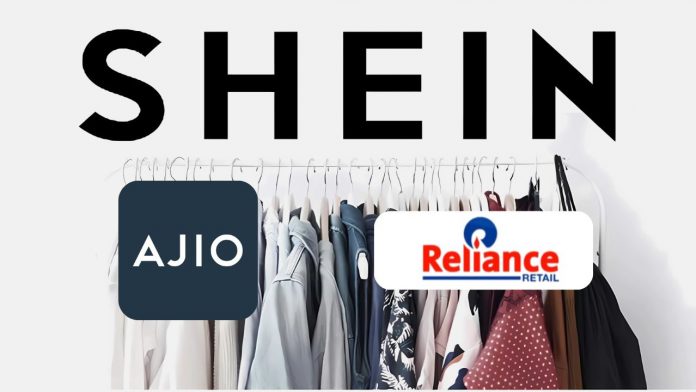
Reliance Retail has quietly initiated a test run for the return of Shein in India, collaborating with its fashion platform, Ajio.
Four Years After Getting Banned, Shein Makes a Big Comeback
This move comes over four years after the Indian government imposed a ban on the Chinese fast fashion brand. Shein has started uploading its casual women’s western wear collection on Ajio, with plans to gradually expand to other platforms, according to a source familiar with the development. However, there are no fixed dates yet for a full-scale launch.
Now based in Singapore, Shein is aiming to challenge established players in India’s affordable fashion market, including Tata Group’s Zudio and Flipkart-owned Myntra. Last year, Reliance Retail Ventures entered into a partnership with Shein to offer the brand’s fast fashion products through its Indian platforms.
OYO Acquires Motel 6 and Studio 6 Brands for USD 525 Million, Expanding Global Reach
OYO has officially completed its acquisition of Motel 6 and Studio 6 brands from Blackstone Real Estate for USD 525 million, marking a key moment in the company’s global expansion, OYO announced on Monday.
The deal, initially agreed upon on September 20, involved an all-cash transaction for G6 Hospitality, the parent company of the two hotel brands.
OYO Makes a Significant Acquisition
This acquisition is expected to significantly boost OYO’s earnings before interest, taxes, depreciation, and amortization (EBITDA), with a projected increase of over Rs 2,000 crore for the fiscal year 2025-26. Motel 6 is anticipated to contribute more than Rs 630 crore to this growth.
With the addition of around 1,500 franchised hotels in the US and Canada, OYO’s North American presence is set to expand further. The acquisition is projected to result in a gross booking value of approximately USD 3 billion, with Motel 6 contributing about USD 1.7 billion, according to OYO’s statement.
OYO’s Growing Footprint
Since launching in the US in 2019, OYO has been steadily growing its footprint in the region. “This acquisition marks a pivotal shift in OYO’s global operations. With the strong brand recognition of Motel 6 in the US, we are confident this deal will drive significant value for OYO,” said Ankit Tandon, OYO’s Global CBO and Head of M&A.
OYO’s recent financial performance has been strong, including its first-ever profit after tax of around Rs 229 crore in the fiscal year 2023-24 and a profit of Rs 132 crore in Q1 of 2024-25 “We’ve seen great support from Blackstone as investors in G6 Hospitality. Their strategic direction has set us up for success, and with the US market offering so much potential, this acquisition is a major step for OYO’s growth,” said Rakesh Prusti, Group General Counsel at OYO.
We use cookies to ensure that we give you the best experience on our website. If you continue to use this site we will assume that you are happy with it.