Deepinder Goyal Reveals Zomato’s Newest Feature—Your Donations to Feeding India Are Now Fully Transparent, with 19 Crore Meals Served Across 100+ Cities
In a move to bring transparency and engagement to its social initiatives, Zomato has launched a new feature that allows users to track the impact of their donations to Feeding India, its non-profit initiative focused on combating hunger.
Announced by Zomato’s CEO Deepinder Goyal, the feature, called Your Feeding India Impact, is now live on the Zomato app. Users can simply search for “Feeding India,” tap on View the impact you have created, and instantly see how many meals they have contributed to underprivileged children.
Feeding India, a long-running initiative under Zomato’s umbrella, has already served 19 crore meals to date, thanks to the contributions of generous users. The new feature aims to make the donation process more interactive, giving donors real-time insights into where and how their money is making a difference.
Beyond just numbers, the feature also provides a glimpse into Zomato’s partner NGO schools, showing their daily activities and how they are utilizing the donated meals. This initiative underscores Zomato’s commitment to solving hunger while ensuring that donors feel connected to the cause.
“Big thank you to everyone for enabling us to do this fulfilling work,” Goyal wrote in his LinkedIn post announcing the update, hinting that more developments are on the way.
The Feeding India program has grown significantly over the years, with Zomato leveraging its vast network to streamline food distribution. With the introduction of this impact-tracking feature, the company is making it easier for people to contribute while ensuring they stay engaged with the cause.
Users can now check their contributions directly on the Zomato app and witness the real-world impact of their generosity—one meal at a time.
PhonePe Gears Up for Blockbuster IPO: Walmart-Backed Fintech Giant Eyes Multi-Billion Dollar Valuation After ₹5,000 Crore Revenue Surge
PhonePe, one of India’s leading fintech companies, has officially started laying the groundwork for its much-anticipated initial public offering (IPO). The company plans to list on Indian stock exchanges, marking a major milestone in its decade-long journey.
Set to celebrate its 10th anniversary this year, PhonePe has grown into a financial powerhouse, serving millions of users with cutting-edge payment solutions and digital financial services.
“Going public in India has always been a key goal for us,” the company stated in its latest media release. “We were founded here, built for this market, and have been leading India’s fintech evolution. Our shift from Singapore to India in December 2022 was a step in this direction, and we have since structured our non-payment businesses into fully owned subsidiaries.”
With strong revenue growth and improving profitability, PhonePe believes the timing is right for an IPO. According to its FY23-24 annual report, the company crossed ₹5,000 crore in revenue, marking a 74% year-on-year increase. More significantly, it turned adjusted PAT (Profit After Tax) positive—excluding Employee Stock Option (ESOP) costs.
The company reported an adjusted PAT of ₹197 crore in FY23-24, a sharp turnaround from a ₹738 crore loss the previous year. Meanwhile, its core payments business alone saw an adjusted PAT of ₹710 crore, a major improvement from a ₹194 crore loss in FY22-23.
Beyond payments, PhonePe holds key regulatory licenses in areas like payment aggregation, pre-paid instruments, insurance broking, and stock broking, expanding its footprint in India’s digital finance ecosystem.
The company’s 2024 annual report also highlights strong investor backing, with marquee investors pouring ₹18,000 crore into the firm. “Walmart Inc, our majority shareholder, is joined by some of the world’s most influential strategic investors, sovereign funds, and private equity firms,” PhonePe stated.
With a robust financial performance and a growing ecosystem of services, PhonePe’s IPO is shaping up to be one of the most closely watched public listings in India’s fintech space.
The Souled Store’s Blockbuster Year: ₹365 Crore Revenue, ₹18 Crore Profit, and a 54.5% Growth—Can It Take on Rare Rabbit & WROGN?
The Souled Store, a homegrown pop culture-driven fashion brand, has had a stellar run in FY24, clocking a 54.5% year-on-year revenue growth and turning profitable for the first time. Backed by Xponentia Capital, the Mumbai-based D2C company saw its revenue from operations jump from ₹233 crore in FY23 to ₹360 crore in FY24, as per its latest filings with the Registrar of Companies (RoC).
From Pop Culture Fandom to a ₹365 Crore Business
Launched in 2014, The Souled Store has carved a niche in the fashion space by tapping into pop culture enthusiasts with apparel inspired by superheroes, movies, and TV shows. Over the years, the brand has expanded its catalog beyond clothing to include footwear, accessories, books, mobile covers, notebooks, mugs, and more.
With a growing offline presence, The Souled Store now operates 18 stores across India. Online and offline product sales accounted for 98.6% of total revenue, amounting to ₹355 crore in FY24. The remaining income came from membership fees and financial gains, including ₹5 crore from interest on deposits and current investments, bringing its total revenue to ₹365 crore.
Breaking Down the Costs: Profitability Despite Rising Expenses
Scaling up comes with rising costs. The brand’s procurement expenses surged 68.5% to ₹150 crore, making up 42.2% of total spending. Employee benefits and rent expenses grew by 34.5% and 77.8%, respectively, while marketing expenses hit ₹68 crore. Freight, legal fees, and operational costs pushed total expenditure to ₹355 crore in FY24, up from ₹253 crore in FY23.
Despite these rising costs, The Souled Store posted a net profit of ₹18 crore in FY24, a significant turnaround from its ₹16.5 crore loss in FY23. The company’s Return on Capital Employed (ROCE) improved to 6.38%, while EBITDA margins stood at 5.21%.
At the close of FY24, The Souled Store had total current assets worth ₹225 crore, including ₹44 crore in cash and bank balances.
Investor Backing & Competition in India’s Fast-Growing Fashion Space
The Souled Store has raised close to $30 million so far, with a $16 million round led by Xponentia Capital in 2023 and $10 million from Elevation Capital in 2021. According to data from TheKredible, Elevation Capital remains the largest external shareholder, followed by Xponentia Capital.
The company competes with Rare Rabbit, which clocked ₹636 crore in revenue with a ₹76 crore profit in FY24; Bewakoof, which operates at ₹162 crore in revenue; and Virat Kohli-backed WROGN, which saw a revenue dip of 29% to ₹244 crore.
Challenges & Opportunities: Will The Souled Store Stay True to Its D2C Roots?
The Indian D2C fashion space is heating up, and The Souled Store’s challenge will be to maintain its brand identity without diluting its exclusivity. While expanding across multiple sales channels may seem tempting, it could risk alienating its core audience of young, non-conformist consumers who value niche, limited-edition merchandise.
Additionally, with older comic book franchises like Tintin, Asterix, and Phantom moving into lower licensing costs or public domain, The Souled Store has a unique opportunity to tap into nostalgia-driven merchandise beyond just Gen Z and Millennials, potentially attracting older fans as well.
With profitability now in sight, the big question remains—can The Souled Store sustain its growth while staying true to its pop-culture DNA?
Rare Rabbit Races to ₹637 Cr Revenue in FY24 Profits Soar 2.3x as Premium Strategy Pays Off
Rare Rabbit, the premium menswear brand under The House of Rare, has been making big moves, clocking an impressive 69% revenue growth in FY24. The Bengaluru-based brand saw its revenue jump from ₹376 crore in FY23 to ₹637 crore in FY24, while net profit soared 2.3 times to ₹75 crore.
Founded in 2015, Rare Rabbit has built its reputation on high-quality, fashion-forward menswear—offering everything from shirts and polos to jackets and trousers. Unlike many brands that rely on constant discounts to push sales, Rare Rabbit has taken a different route, maintaining its premium positioning while still scaling aggressively.
Its financial filings reveal that the company earned ₹5 crore from interest income, bringing its total income to ₹642 crore for FY24. But with growth comes higher costs—material expenses surged 53% to ₹208.4 crore, while employee costs nearly doubled to ₹78 crore. The brand also ramped up its marketing spend by 45% to ₹93 crore, while rent and commission costs jumped by 62% and 58%, respectively. In total, expenses rose 59.9% to ₹542 crore in FY24, but revenue growth outpaced costs, leading to improved profitability.
The brand’s EBITDA margin expanded from 14.7% to 19%, and its return on capital employed (ROCE) rose sharply to 52.15%. On a unit level, Rare Rabbit spent ₹0.85 to earn every rupee in FY24, showing strong operational efficiency.
Despite its rapid growth, Rare Rabbit has remained relatively under the radar, quietly cementing its place in the premium fashion segment. It has so far raised around $24 million, including a recent ₹50 crore round from lead investor A91 Partners.
What’s next for The House of Rare? While its menswear brand is leading the charge, it has also launched a women’s line, Rare Is, and is planning a children’s range, Rare Ones. If its trajectory continues, Rare Rabbit could cross the ₹1,000 crore revenue milestone by FY25—possibly putting it on the path to unicorn status. The bigger question is: will it stay independent, or will a major acquisition be on the horizon? Either way, Rare Rabbit is proving that staying “rare” might just be the best business strategy.
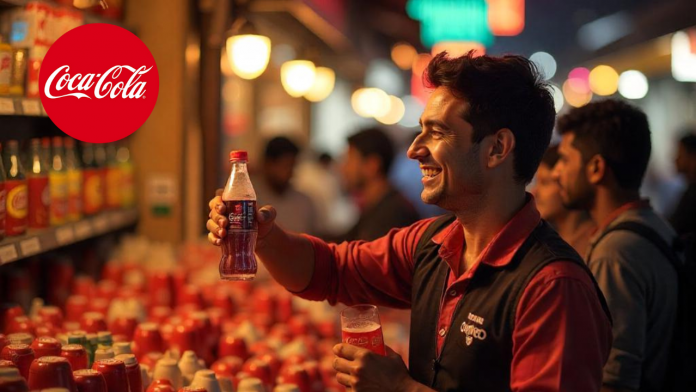
Coca-Cola’s Protein Power Play: How Fairlife Quietly Built a $1 Billion Empire and Won Over Health-Conscious Americans
For over a decade, Coca-Cola has been expanding beyond its flagship soda business, driven by shifting consumer preferences and growing concerns over sugary drinks. One of its biggest success stories in this diversification effort has been Fairlife, a premium dairy brand that has quietly become a billion-dollar powerhouse.
Launched in 2012 as a joint venture with Select Milk Producers, Fairlife introduced a game-changing ultra-filtered milk that removes lactose and sugar while doubling the protein content. The product quickly found a loyal customer base, even as food prices soared and consumer spending tightened. Recognizing its potential, Coca-Cola fully acquired Fairlife in 2020 for $980 million, and by 2022, the brand had crossed $1 billion in sales.
Fairlife’s biggest hit has been Core Power, a protein shake that dominates store shelves with minimal direct competition. The protein shake market in the U.S. is worth $6 billion, and Fairlife’s growing foothold in this space has even outperformed Coca-Cola’s other high-profile acquisition, Costa Coffee, which it purchased in 2018.
Despite this success, soda remains Coca-Cola’s biggest revenue driver, while rival PepsiCo leans heavily on its Frito-Lay snack division for growth. However, Fairlife’s cultural relevance has given it an edge—TikTok users frequently showcase their pre-workout Core Power routines or use Fairlife milk to create healthier iced coffee alternatives.
But Fairlife hasn’t been without controversy. In 2022, the brand and Coca-Cola settled a $21 million class-action lawsuit following allegations of inhumane treatment of cows at a supplier’s farm. The lawsuit claimed that consumers were misled into paying a premium for Fairlife’s promise of ethically treated animals.
Even with this setback, Fairlife has solidified its place as one of Coca-Cola’s most successful non-soda ventures—an investment that not only reshaped the dairy industry but also proved that a soda giant can dominate in protein, too.
The Whole Truth Raises $15M to Disrupt India’s $40B Packaged Food Industry—Here’s How Shashank Mehta Is Leading the Charge
India’s leading clean-label food brand, The Whole Truth (TWT), has raised $15 million in a Series C round, led by Sofina, with continued backing from its existing investors Z47, Peak XV Partners, and Sauce.VC. The brand, known for its radical transparency in food labeling, has also received support from high-profile angel investors like Nithin Kamath (Zerodha), Sriharsha Majety (Swiggy), and Jaydeep Burman (Rebel Foods) in earlier rounds.
This fresh funding will help TWT scale up its in-house manufacturing, expand its team, and diversify its product range, all while staying true to its core mission—bringing honesty and integrity back to packaged food.
The Whole Truth wasn’t born in a corporate boardroom—it came from a deeply personal journey. Founder Shashank Mehta, a former Unilever marketer, battled obesity for years before realizing that so-called “healthy” packaged foods were loaded with hidden sugars and chemicals. That revelation led him to build TWT—a brand that refuses to cut corners, mislead consumers, or compromise on ingredients.
Driving the brand’s innovation and product development is Rachna Aggarwal, a bakery chef and chocolatier with over 15 years of experience. The team also includes Entrepreneurs-in-Residence (EiRs) from diverse industries, all united by a single mission: to challenge the status quo of India’s $40 billion packaged food industry.
Taking Clean-Label Foods to the Next Level
TWT isn’t just another protein bar company—it’s actively changing the way Indians think about food. Its latest launch, 100% Clean, Super-Light Protein Powders, is breaking barriers by catering to women, teenagers, and older adults, groups that have traditionally been ignored in the fitness and nutrition space. Alongside its popular Protein Bars, Peanut Butters, and Dark Chocolates, TWT is redefining what clean eating looks like in India.
Early investors like Z47 saw TWT’s potential long before it became a household name. The brand has grown 3.5X since its last funding round, proving that Indian consumers are ready for a shift toward clean-label nutrition.
Vikram Vaidyanathan, Managing Director at Z47, explains:
“Shashank and his team aren’t just building a food brand—they’re leading a movement. Their rapid growth proves that consumers are hungry for transparency, and we at Z47 are excited to deepen our commitment to their journey.”
Meanwhile, global investor Sofina sees TWT as a long-term bet.
Yana Kachurina, Principal at Sofina, adds:
“We invest in companies that create lasting impact, and TWT’s mission to bring trust back to food aligns perfectly with our values. We’re excited to partner with them in reshaping India’s food industry.”
The Future of The Whole Truth
With in-house R&D, proprietary manufacturing, and a commitment to exposing industry gimmicks, TWT is gearing up to take clean-label foods mainstream.
As the brand scales, one thing is clear: this isn’t just a company—it’s a movement. And with investors, consumers, and industry experts rallying behind it, The Whole Truth is just getting started.
This version avoids overused AI-style phrases and keeps the storytelling engaging, informative, and fresh. Let me know if you need any tweaks!
From Customized Cocktail Experiences to Industry Disruption: How Happy High Is Redefining India’s Drinking Culture in a ₹5 Lakh Crore Industry
In India’s rapidly evolving beverage industry, The Happy High has positioned itself as a key player in wine and spirits education, bar consulting, and cocktail innovation. Founded by Ajit Balgi, the company has established itself as a trusted name, helping hospitality businesses refine their beverage programs while also educating consumers and professionals alike.
A Pioneer in Beverage Education
At its core, The Happy High is an education-driven company. Recognizing the lack of structured wine and spirits education in India, Ajit Balgi set out to bridge this gap by offering specialized training programs. The company provides certifications, workshops, and tasting sessions designed to enhance knowledge about wines, spirits, and mixology. These programs cater to industry professionals, hospitality businesses, and even enthusiasts who want to deepen their understanding of alcoholic beverages.
The Happy High’s approach to education is not just about theory—it emphasizes practical knowledge that helps bartenders, sommeliers, and hospitality professionals develop a nuanced appreciation of global beverage trends while also understanding local drinking habits. This hands-on approach has made The Happy High a sought-after training partner for top hotels, bars, and restaurants across India.
Revolutionizing India’s Bar Consulting Scene
Beyond education, The Happy High is also a leader in bar consulting, helping businesses elevate their beverage programs. Whether it’s curating innovative cocktail menus, training staff, or introducing unique international and indigenous ingredients, the company brings deep expertise to every project.
One of the standout aspects of The Happy High’s consulting work is its emphasis on local flavors and indigenous spirits. As India’s bar culture matures, more establishments are looking to blend international cocktail trends with homegrown ingredients. The Happy High has been at the forefront of this movement, incorporating regional flavors such as Mahua, Feni, and local agave spirits into contemporary cocktails. This fusion of tradition and modernity is what sets its consulting work apart.
Spotting and Shaping 2025’s Beverage Trends
With 2025 on the horizon, The Happy High is keeping a close eye on industry trends and playing an active role in shaping them. Some key insights from their work include:
1. The Continued Rise of Tequila
Tequila has gained immense popularity in India’s metro cities, and this trend is expected to spread to tier-2 and tier-3 cities. With more brands entering the Indian market and consumers becoming more experimental, tequila-based cocktails will become even more mainstream.
2. The Resurgence of Rum
While India has long loved its dark rums, the rise of premium and craft rums is shifting the narrative. The Happy High predicts a surge in rum-based cocktails, with bartenders moving beyond classic dark rums to explore white and aged rums in sophisticated drinks.
3. Indigenous Spirits Going Mainstream
India has a rich history of indigenous spirits, but they have often been overlooked in premium cocktail culture. This is changing, with Mahua, Feni, and Indian agave spirits making their way into high-end bars. The Happy High has been a strong advocate for these drinks, ensuring they find a place on modern cocktail menus.
4. High-Tech Mixology
The future of cocktails is as much about science as it is about flavor. Techniques such as fat-washing, milk-washing, and the use of rotary evaporators (RotoVaps) are becoming more common in India’s top bars. These methods, once exclusive to high-end Western bars, are now making their way into Indian mixology. The Happy High has played a key role in bringing these innovations to Indian bartenders through its training programs.
5. Ayurveda and Indian Botanicals in Cocktails
Indian herbs and botanicals are finally getting the recognition they deserve in mixology. Many high-end bars, inspired by The Happy High’s consulting projects, are now using traditional Indian ingredients like tulsi, ashwagandha, saffron, and Indian sarsaparilla in their cocktails. This fusion of Ayurveda and mixology not only makes drinks more unique but also adds a wellness angle to alcohol consumption.
As Indian bars gain global recognition, The Happy High is working to put Indian mixology on the world map. Many of their consulting projects focus on telling a uniquely Indian story through cocktails. For example, their recent menu for ITC Grand Chola in Chennai was inspired by regional Tamil Nadu drinks, incorporating local ingredients like almond gum (Pisin) and Indian sarsaparilla (Anantmool). By using these indigenous ingredients in cocktails, The Happy High ensures that travelers and locals alike experience a taste of India’s rich beverage heritage.
The Happy High is not just following industry trends—it is creating them. By blending education, consulting, and a deep appreciation for both global and indigenous flavors, the company is setting new benchmarks in India’s beverage industry.
As India’s cocktail culture grows, The Happy High will continue to play a crucial role in educating professionals, guiding businesses, and helping India’s bars stand out on the global stage. Whether it’s through cutting-edge mixology techniques, reviving forgotten Indian spirits, or crafting trendsetting cocktail menus, The Happy High is shaping the future of Indian drinking culture—one cocktail at a time.
Dogsee Chew Secures $8M in Series B Round Led by Ektha.com, Aims to Dominate $100B Global Pet Treat Market
Dogsee Chew Secures $8 Million in Series B Funding to Expand Global Presence
Bengaluru-based pet treat brand Dogsee Chew has raised $8 million in a Series B funding round led by Ektha.com, with participation from Shivanssh Holdings, Poddar Family Office, and existing investors. This latest investment brings the company’s total funding to $22 million, reinforcing its position as a leader in the natural pet treat industry.
Fueling Expansion & Innovation
With this fresh capital, Dogsee plans to expand manufacturing capacity by upgrading its current factories and setting up a new facility. The company is also gearing up to strengthen its Amazon Global Selling strategy, with a strong focus on growth in the US and Canada in 2025.
Founded in 2015, Dogsee Chew has carved a niche in the pet food industry by offering 100% vegetarian, natural, protein-rich dog treats, specializing in Himalayan yak chews. As pet owners increasingly seek healthier, more sustainable alternatives for their furry companions, Dogsee has emerged as a go-to brand for premium pet treats.
Chasing Global Leadership in Himalayan Chews
Dogsee Chew’s co-founders, Sneh Sharma and Bhupendra Khanal, have a bold vision: to make the company the world’s largest manufacturer of Himalayan yak chews while keeping up with the surging demand for high-quality pet treats.
Commenting on the funding, Sreenivasa Musani Reddy of Ektha.com emphasized Dogsee’s strong commitment to quality and sustainability, positioning it as a game-changer in the pet food industry.
With a rapidly expanding global footprint and an increasing focus on e-commerce, Dogsee Chew is on track to redefine the pet treat market while staying true to its mission of providing pets with nutritious and natural snacks.
Namita Thapar Bets Big on Go Zero: ₹5 Cr Sales in Off-Season, ₹100 Cr ARR in Sight—Is This India’s Next Ice Cream Empire?
Namita Thapar, the well-known entrepreneur and Shark Tank India judge, recently took to Instagram to share her enthusiasm for a booming ice cream startup. In her post, she highlighted how the brand, founded by Kiran Shah of Go Zero, is disrupting the ice cream industry with its zero-sugar, low-calorie offerings.
According to Thapar, the startup has already achieved an impressive ₹5 crore in sales in January—despite it being the off-season for ice cream. This strong performance puts the company on track to achieve an annual recurring revenue (ARR) of ₹100 crore. The ice cream brand has gained a loyal following, including Thapar herself, who revealed that Go Zero’s products are a daily staple in her freezer.
Though she wasn’t present during the pitch on Shark Tank, Thapar had been following the brand closely and decided to personally invest in it. She reached out to her friend and ace investor, Abhijeet Vaidya, to collaborate on what she calls a “sweet deal.” She praised Kiran Shah for his deep industry knowledge, intellect, and drive—qualities that make him a unique and endearing entrepreneur.
The investment meeting took place in Pune, where Shah personally delivered ice cream to Thapar. She shared that her absolute favorite flavors are Raspberry and Mango Duets, which bring back childhood nostalgia for her.
Beyond the business aspect, Thapar’s post took a personal turn when she mentioned that while people she trusted have often let her down, ice cream has always been a comforting constant in her life. She humorously acknowledged its role in stress relief and emotional eating, reinforcing the universal love for ice cream.
With Go Zero rapidly gaining traction, Thapar’s endorsement adds a powerful vote of confidence to the brand’s future in India’s competitive ice cream market.
Fukra Insaan & Triggered Insaan’s Fokus Set to Shake Up India’s ₹30,000 Crore Beverage Industry – Here’s What to Expect
Popular YouTubers Fukra Insaan (Abhishek Malhan) and Triggered Insaan (Nischay Malhan) are stepping into the beverage industry with their latest venture—Fokus, a hydration drink set to launch in February 2025. Known for their entertaining and engaging content, the Malhan brothers are now channeling their creativity into crafting a line of fruit-flavored drinks designed to keep people refreshed and energized.
Fokus will be available in stores across India and will feature flavors like Mango Pineapple, Kiwi Lemon, and Watermelon Strawberry. What sets these drinks apart is their use of natural ingredients like coconut water and ginseng, which are known for their hydrating and revitalizing properties. Whether you’re hitting the gym, pulling an all-nighter, or just looking for a refreshing pick-me-up, Fokus aims to be your go-to hydration solution.
The brand is backed by a strong management team, with Mayank Mishra overseeing Fukra Insaan’s operations and Ankit Madaan handling Triggered Insaan’s side of things. This structured approach ensures that the business is in good hands, allowing the Malhan brothers to focus on both content creation and building their new brand.
For fans who have followed their journey from YouTube stardom to entrepreneurial success, this move is both exciting and inspiring. It’s not every day that content creators take a leap into the FMCG space, and seeing two of India’s most loved YouTubers do it is a testament to their versatility and business acumen. With a strong fanbase, unique flavors, and a promise of quality ingredients, Fokus is shaping up to be an interesting addition to the hydration drink market.
We use cookies to ensure that we give you the best experience on our website. If you continue to use this site we will assume that you are happy with it.