The Complete Guide to FSSAI Food License – Everything You Need to Know
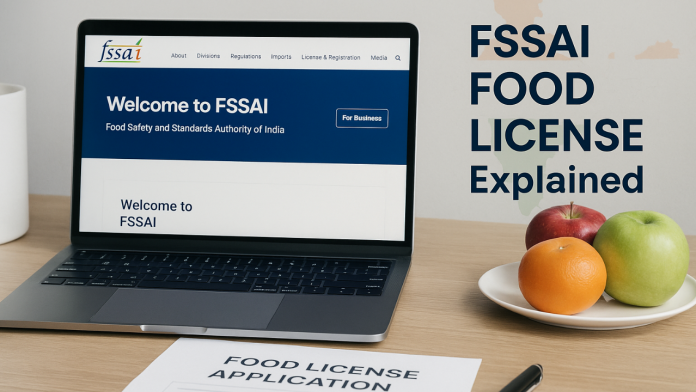
An FSSAI food license is essential for any business in the food sector operating in India. This guide provides a detailed overview of the FSSAI food licenses, the different types available, and how to apply for them.
Types of FSSAI Licenses:
Basic License: For small-scale food businesses with an annual turnover of less than ₹12 lakh.
State License: For medium-sized businesses with a turnover between ₹12 lakh and ₹20 crore.
Central License: For large businesses with a turnover exceeding ₹20 crore or businesses involved in interstate food trading.
Each license type has specific eligibility criteria. If you’re unsure which license to apply for, visit the FSSAI license types page for more details.
How to Apply for FSSAI Food License:
Register on the FSSAI Portal: Begin by creating an account on the official FSSAI portal.
Choose the License Type: Select the appropriate license based on the size and nature of your business.
Submit Documents: Upload the necessary documents, such as your business registration details, proof of address, and a health and safety audit report.
Wait for Verification: Once your application is submitted, FSSAI will verify the provided documents before granting approval.
Obtaining the correct FSSAI food license is not just about meeting legal requirements—it’s also vital for maintaining consumer confidence and ensuring your business complies with safety standards. Ensure you apply for the appropriate license type and follow the process to avoid penalties and ensure smooth operations.
Blinkit Closes in on Zomato with 30.1 Million Weekly Users, Leaves Swiggy Behind in India’s Quick Commerce Race
India’s digital shopping landscape is in the middle of a shake-up. Blinkit, the grocery delivery arm backed by Zomato, is now nearly toe-to-toe with its parent’s main food delivery app in terms of weekly user engagement. As of May 26, Blinkit clocked 30.1 million weekly active users (WAUs), just 600,000 short of Zomato’s 30.7 million — and well ahead of Swiggy’s total user base across its suite of services, according to fresh numbers from CLSA.
This surge highlights a larger trend: instant delivery isn’t just catching on, it’s exploding. What began as a solution for emergency grocery runs has quietly evolved into a daily utility — for everything from toothpaste to T-shirts — especially in metros and Tier 1 cities.
Blinkit has been setting the pace. In January, it had a 1.79 million user lead over its nearest competitor. By the end of May, that gap had widened to a record 7.7 million users, Sensor Tower data revealed. The momentum is unmistakable.
Swiggy, which long rivaled Zomato in the food space, is now playing catch-up in the quick commerce game. Its all-in-one super app sees 24.7 million weekly users. Meanwhile, its newly spun-off Instamart app — launched only in January — is already pulling in 8.2 million WAUs, emerging as a serious contender.
In terms of user growth this year, Blinkit leads with 9.3 million new users. Instamart follows closely with 8.2 million, making them 2025’s fastest-growing platforms so far. Zepto, despite being an early mover and strong performer, added 3.4 million users during the same window. JioMart, with 3 million new users, is also in the race — and gaining speed.
Legacy players aren’t sitting idle either. JioMart now sees 6.8 million WAUs, marking a 55% annual jump. BigBasket, though slower to scale, still managed a modest 8% rise to 4.3 million users.
If the numbers are anything to go by, India’s next e-commerce war won’t just be fought over restaurant meals — it’ll be over what’s in your fridge, on your bathroom shelf, and maybe even in your closet.
Why FSSAI Compliance is Crucial for Your Food Business
FSSAI compliance is not just a legal obligation but a crucial aspect of ensuring consumer safety, enhancing business credibility, and protecting your brand. Whether you run a small restaurant or a large food manufacturing unit, maintaining FSSAI compliance should be a top priority for your food business.
Top Reasons to Stay FSSAI Compliant:
Legal Compliance: FSSAI compliance is a legal requirement under the Food Safety and Standards Act, 2006. Non-compliance can lead to hefty fines, penalties, or even a shutdown of your business. You can learn more about these legal requirements on FSSAI’s official website.
Consumer Trust: An FSSAI certification on your products reassures consumers that the food they are consuming is safe and meets high-quality standards. Displaying the FSSAI logo on your food items helps build trust with your customers, which leads to repeat business and positive word-of-mouth recommendations.
Competitive Advantage: The food industry is highly competitive, and staying FSSAI compliant gives your business a distinct advantage. It shows your commitment to food safety, quality, and ethical business practices, which can elevate your brand’s reputation and foster customer loyalty.
Food Safety Standards: FSSAI sets stringent standards on food hygiene, storage, and handling. Compliance helps reduce the risks of contamination and foodborne diseases, ensuring that your products are safe and meet health regulations, which ultimately keeps your customers happy and healthy.
Consequences of Non-Compliance:
Failure to comply with FSSAI regulations can lead to severe consequences:
Fines: Non-compliant businesses can face penalties ranging from ₹25,000 to ₹5 lakh.
Business Closure: In some extreme cases, businesses found violating regulations can be shut down.
Legal Repercussions: Serious violations of food safety laws may result in imprisonment for up to six months.
By following FSSAI guidelines, you not only stay within the legal framework but also ensure long-term success, customer loyalty, and business growth.
How to Get FSSAI Registration in India – A Step-by-Step Guide
For any food business in India, FSSAI registration is a mandatory process that ensures compliance with food safety standards and helps maintain consumer trust. This guide will walk you through the FSSAI registration process, so you can get your business certified without hassle.
Step-by-Step Process for FSSAI Registration:
Determine the Type of License: FSSAI offers three types of licenses based on the size of your business:
Basic License: For small food businesses with an annual turnover of less than ₹12 lakh.
State License: For medium-sized businesses with a turnover between ₹12 lakh and ₹20 crore.
Central License: For large businesses with a turnover above ₹20 crore.
Check out FSSAI’s licensing guidelines to determine which license suits your business.
Fill Out the Application: You can submit your application online through the official FSSAI portal. Ensure you provide all the necessary details, such as business registration information, contact details, and food safety practices in place.
Submit Required Documents: Along with your application, upload essential documents like:
Verification Process: After submitting your application and documents, FSSAI will conduct a verification process. The duration of the verification may vary based on the type of license and how complete your submission is. The verification can take a few weeks.
Receive Your FSSAI License: Once the verification is complete, you will receive your FSSAI registration number, which you must display on your product packaging to show that your food business is compliant with safety standards.
By following these steps, you ensure that your food business is legally registered with FSSAI, gaining credibility and trust from consumers while adhering to the necessary food safety regulations.
FSSAI: What You Need to Know About Food Safety in India
FSSAI (Food Safety and Standards Authority of India) is the regulatory body responsible for maintaining food safety and setting standards in India. It ensures that food businesses adhere to guidelines that protect public health. Whether you’re running a food business or simply a consumer, understanding FSSAI compliance is critical for ensuring food quality and safety.
Why FSSAI Matters:
FSSAI plays an essential role in ensuring that food products in India are safe, hygienic, and properly labeled. For food businesses, following FSSAI’s rules is crucial to avoid contamination, foodborne diseases, and consumer complaints. For consumers, FSSAI certification guarantees that the food they consume meets safety and quality standards.
Key FSSAI Regulations:
Food Labeling: FSSAI’s food labeling regulations ensure that food packaging includes vital information such as nutritional content, ingredients, and expiration dates. This is not just for compliance, but also to provide transparency to consumers.
Hygiene and Sanitation: FSSAI mandates hygiene and sanitation measures across the food production process. From the farm to the table, these regulations ensure that food is produced and transported in safe and clean conditions.
Quality Control: FSSAI sets strict limits on the use of additives and preservatives in food to ensure that consumer health is not compromised. These measures prevent harmful levels of chemicals from making their way into food products.
How to Stay Compliant with FSSAI:
Register with FSSAI: Depending on the size of your business, you’ll need to register for a basic, state, or central FSSAI license. Visit FSSAI’s official website for detailed guidelines on the registration process.
Follow Food Safety Best Practices: Ensure that your business adheres to FSSAI’s rules for food storage, handling, and preparation. Consistently implementing these practices will help you avoid contamination and maintain high-quality standards.
By staying compliant with FSSAI’s regulations, you can ensure the safety of your food products and gain trust from your customers. Regularly check for updates to stay aligned with the latest food safety standards and regulations.
Housefull 5: The Ultimate Comedy Ride We’ve All Been Waiting For!
If you’re a Bollywood comedy fan, you’re probably already counting down the days until Housefull 5 hits theaters! This franchise has been a laugh riot for years, and the fifth movie in the series promises to take the fun and madness to a whole new level. With an ensemble cast, plenty of slapstick humor, and some seriously crazy twists, Housefull 5 is all set to be another hit. But before you rush to buy your tickets, let’s take a look at everything we know so far about the movie—its release date, box office predictions, cast, and more!
The Release Date: Mark Your Calendars! 📅 The excitement is real—Housefull 5 is slated for release in late 2025. Fans have been waiting for this moment, and now that it’s finally on the horizon, the buzz is only getting louder. If you’re a Housefull fan, you know what to expect: tons of laughs, some over-the-top drama, and of course, the signature chaos that the franchise is known for. The big question is, will it be able to break all the box office records? We think so!
Box Office Collection: This One’s Going to Be Big! 💸 Now, let’s talk about the money—because if Housefull 5 performs like its predecessors, it’s going to make a huge dent in the box office. The series has always done well, and with an amazing cast, this one’s expected to top previous earnings. If the opening weekend is anything like the past Housefull movies, you can expect huge numbers. It’s not just about the comedy; it’s about the star power and how this family-friendly movie appeals to audiences across all age groups. All eyes will be on the Housefull 5 box office collection as it unfolds.
The Cast: Old Faces, New Laughs 🤩 What would Housefull be without its iconic cast? Akshay Kumar, Riteish Deshmukh, Jacqueline Fernandez, and the rest of the gang are back to bring their signature humor to the screen. But here’s the exciting part—Housefull 5 is also adding some fresh faces, which means new characters, new dynamics, and even more hilarious moments. If you thought the previous Housefull movies were funny, just wait until you see what this new lineup has in store!
Bigger Budget, Bigger Laughs! 💥 As expected, Housefull 5 is going all out with its budget. Think lavish sets, huge action scenes, and eye-popping visuals. With a bigger budget comes bigger expectations, and Housefull 5 is definitely not skimping on the spectacle. If you loved the scale of Housefull 4, get ready for an even grander experience this time around. From the costumes to the production value, everything is set to be bigger and better. It’s safe to say that Housefull 5 will be a treat for the eyes and ears, not just for the laughs.
How Long Is Housefull 5 Going to Be? ⏰ If you’re wondering how long you’ll be in for the comedy marathon, Housefull 5 will likely clock in at around 2.5 to 3 hours. But don’t worry—it won’t feel like a drag. With non-stop jokes, wild plot twists, and a star-studded cast, you’ll barely notice the time passing. If you’re a fan of fast-paced, rollercoaster-style comedies, this movie will keep you on the edge of your seat, laughing the whole way through.
The Trailer: A Sneak Peek into the Madness 🎬 While we’re all eagerly waiting for the official Housefull 5 trailer, we can only imagine how wild it’s going to be. Expect plenty of crazy scenarios, misunderstandings, and some iconic Housefull moments that have made the series a household name. We know it’ll be packed with funny one-liners and unexpected twists, just like the previous movies. When the trailer finally drops, get ready to laugh out loud—even before the movie hits theaters.
The Reviews: What’s the Word on the Street? 📝 We can’t give you the full Housefull 5 review just yet (because, well, the movie isn’t out!), but if we go by the past films, we’re pretty sure it’s going to be a hit. Fans and critics alike have loved the wacky humor, the memorable characters, and the unexpected turns in every Housefull movie. We expect this one to be no different, with positive reviews flooding in post-release. The movie is likely to keep its U/A rating, making it perfect for a family outing.
Conclusion: Get Ready for More Chaos and Laughter! 🎉 In short, Housefull 5 is going to be a blast. With an amazing cast, a massive budget, and the hilarious antics that the Housefull series is known for, this movie is sure to be a hit at the box office. Fans of the franchise, new viewers, and anyone looking for a good laugh will have something to look forward to. So, what are you waiting for? Mark that release date, keep an eye out for the trailer, and get ready for the comedy ride of a lifetime. We’ll see you at the theaters!
Wellness Brand Plush Bags ₹40 Cr from Rahul Garg, Blume Founders Fund & Others to Go Big on Offline Growth
Plush, a fast-growing personal care brand focused on modern wellness needs, has bagged Rs 40 crore in its latest growth round. The funding was led by Rahul Garg, with backing from notable players such as Blume Founders Fund, OTP Ventures, Careernet, the Patni Family Office, Sumit Jalan, and Ajay Kumar Aggarwal, among others.
Started in 2019 by Prince Kapoor and Ketan Munoth, Plush offers a range of self-care products including period essentials, intimate hygiene, hair removal solutions, and daily personal wellness items. The brand has already raised Rs 26 crore in earlier rounds and currently clocks a net ARR of Rs 100 crore, with profitability at the EBITDA level. Now, it’s eyeing a leap toward the Rs 200 crore ARR milestone.
For FY24, the company saw an 84% jump in revenue, bringing in Rs 28.87 crore, while recording a loss of Rs 4.4 crore. It projects a top line of Rs 65 crore in the current financial year.
“This is about more than products—we’re building a brand that listens to women and designs around their real needs,” said co-founder Ketan Munoth. Co-founder Prince Kapoor added that the funding will support brand expansion and offline growth.
Lead investor Rahul Garg praised Plush’s capital-efficient scale and emotional connect with consumers.
Eternal Deploys 300 Electric Bikes in Delhi-NCR, Aims for 100% EV Delivery Fleet by 2030
Eternal has rolled out a fresh initiative aimed at greener deliveries in the Delhi-NCR region by introducing a fleet of electric rental bikes for food delivery workers. As part of the first phase, the company has deployed 300 electric bikes, which can now be rented by delivery partners across the region.
The move is part of Eternal’s broader environmental roadmap. The company has pledged to shift entirely to an electric vehicle (EV) fleet by 2030 and hit net zero emissions across its food delivery and logistics operations by 2033. According to Eternal, around 10% of Zomato’s current delivery fleet already runs on electric vehicles.
By encouraging this switch, the brand claims to have avoided nearly 4,900 tonnes of carbon dioxide emissions so far—an environmental gain roughly equal to planting 2.2 lakh trees in a year.
“This launch is not just about clean transportation—it’s about supporting delivery partners with reliable, low-cost mobility while pushing forward on climate goals,” said Anjalli Ravi Kumar, Chief Sustainability Officer at Eternal.
While the pilot is focused on Delhi-NCR, Eternal confirmed that it plans to expand the initiative to other cities soon, aiming to make electric mobility the norm across its delivery ecosystem.
Nothing CEO Carl Pei Declares London’s Indian Food Superior, Internet Fires Back with Biryani and Burns
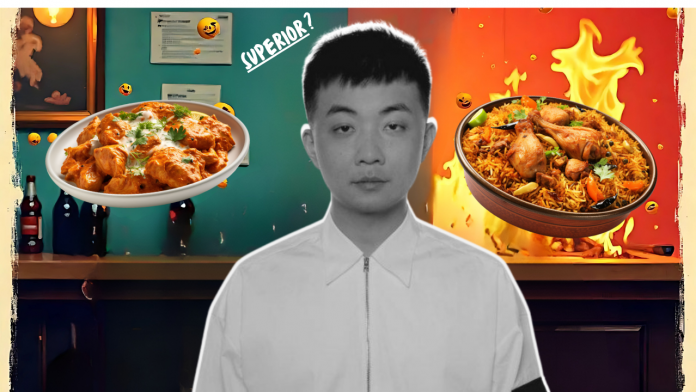
Swedish-Chinese tech entrepreneur Carl Pei found himself in the middle of a spicy cultural stir online after dropping a bold claim about Indian cuisine. The co-founder of OnePlus and current CEO of Nothing posted on X (formerly Twitter), saying, “Indian food in London is better than Indian food in India.” That alone was enough to ignite a fiery thread of opinions.
Pei backed his opinion with a photo of what looked like butter chicken, served at Jamavar—an upscale Michelin-starred restaurant in London’s posh Mayfair district. He then cheekily invited users to the launch of Phone (3) in London on July 1 to settle the debate over dinner.
The internet, naturally, didn’t take it lying down. One user fired back, “You clearly haven’t eaten at the right spots in India.” Another clapped back, “There’s nothing Indian about Indian food in London.” A few even poked fun at Pei’s dining habits—“This happens when all you eat in India is at Soho House,” someone quipped.
Trying to soften the backlash, Pei mentioned his favorite desi meal in India: a humble roadside biryani. Still, the jabs kept coming. “London’s curries are like Phone (3)—trying hard but still missing the real masala,” a user joked.
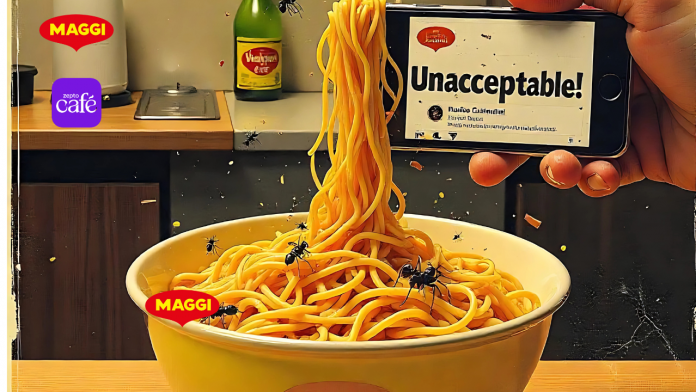
“Unacceptable!”: Customer Exposes Zepto Cafe’s Shocking Hygiene Lapse After Allegedly Finding Ants in Maggi
A recent food order from Zepto Cafe has stirred up concern after a Navi Mumbai woman found ants in her Maggi. Sukhmeet Kaur, who had placed the order via the Zepto app, shared a video online clearly showing ants crawling in the noodles. The incident has raised serious questions about food hygiene and quality control.
In her post, Sukhmeet didn’t hold back. She called out Zepto Cafe for “serving food with insects,” calling it “unacceptable.” She expressed frustration over what she believes is a trade-off between fast delivery and basic hygiene. “They are prioritising speed over people’s health,” she wrote, adding that this kind of negligence could easily lead to food poisoning.
Her video quickly caught attention on social media, sparking anger and concern among viewers. Many users echoed her worries, demanding accountability from the platform and better checks on food quality.
This isn’t the first time food delivery apps have faced backlash over hygiene lapses. With the growing reliance on online food ordering, incidents like these highlight the urgent need for stronger food safety protocols.
We use cookies to ensure that we give you the best experience on our website. If you continue to use this site we will assume that you are happy with it.