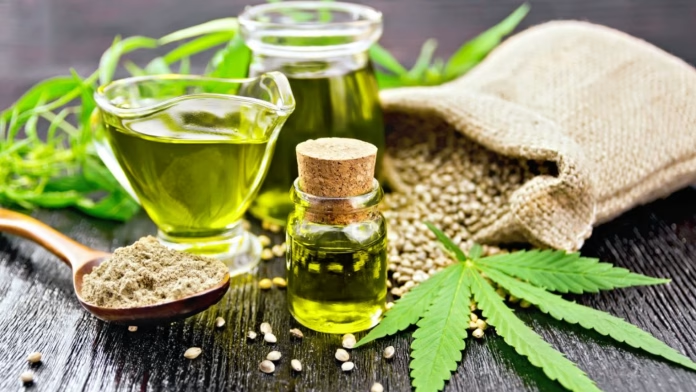
Baang, also known as hemp, is a plant from the Cannabis genus that has been used for its medicinal properties for thousands of years. Recent research has shown that baang can provide numerous health benefits due to its various compounds, including cannabidiol (CBD) and tetrahydrocannabinol (THC).
These compounds have been found to have pain-relieving and anti-inflammatory properties, promote heart and bone health, reduce seizures and drug-seeking behaviour, and improve sleep quality, anxiety, depression, skin health, and nausea and vomiting associated with chemotherapy. While baang has shown promising results in many studies, it is important to consult with a healthcare professional before using it for medicinal purposes, especially if you are taking any medications.
Baang or Hemp seeds are a great source of nutrients and offer many health benefits.
Hemp seeds are a nutritional powerhouse, packed with essential nutrients that can benefit overall health. They are an excellent source of protein, containing all nine essential amino acids, making them a complete protein source for vegetarians and vegans.
Additionally, hemp seeds are rich in healthy fats, including omega-3 and omega-6 fatty acids, which have been shown to reduce the risk of heart disease and support brain function. They are also an excellent source of dietary fibre, which is essential for maintaining a healthy digestive system and reducing the risk of certain chronic diseases.
Hemp seeds are rich in minerals such as magnesium, potassium, iron, zinc, and phosphorus, which are important for maintaining strong bones and teeth, supporting healthy immune function, and regulating blood pressure. They contain a variety of vitamins, including vitamin E, which is a powerful antioxidant that protects cells from damage and supports healthy skin and hair.
Hemp can be consumed in a variety of ways, including smoking, vaping, or ingesting it in the form of edibles or tinctures. However, it is important to note that smoking Baang can have negative effects on lung health and should be avoided. It is also important to consult with a healthcare professional before using Baang for medicinal purposes, as it may interact with other medications or have unwanted side effects.
Hemp seeds are a nutritious food source that offers many health benefits. However, it is important to be aware of potential risks associated with their consumption. Hemp seeds contain trace amounts of THC, which may be detected in drug tests, although they are not psychoactive. Some people may also experience digestive issues after consuming hemp seeds due to their high fibre content.
In Addition, hemp seeds can cause allergic reactions in some individuals. Finally, if hemp plants are grown in contaminated soil, the seeds may contain harmful levels of heavy metals, which can be detrimental to health. It is important to be mindful of these potential risks and consume hemp seeds in moderation.
Hemp seeds are a nutritious and healthy food that can offer many benefits. However, it is important to be aware of potential drawbacks and to consume hemp seeds in moderation as part of a balanced diet
Baang has many potential health benefits, including reducing pain, inflammation, and anxiety, improving mood, and treating epilepsy.
However, more research is needed to fully understand its effects on the body and to determine the most effective ways to use it for medicinal purposes. It is important to consult with a healthcare professional before using Baang and to use it responsibly.
Holi is one of the most celebrated festivals in India. It is celebrated with a lot of joy and enthusiasm. People gather together and smear each other with colors, sing and dance, and share delicious food. Hyderabad is one of the cities that celebrates Holi with much gusto and enthusiasm. The city is known for its great food and vibrant atmosphere. If you are looking for the best Holi parties with food in Hyderabad, then this list is the perfect guide for you.
The Best Holi Parties with Food in Hyderabad are:
1. Holi Splash
People of all ages can participate in a wide range of activities, including traditional music and dance performances, delectable foods and beverages, and colourful displays everywhere! Hosted at Aahwanam Resort at the Most loved Gandipet by Vajra Events, This event should be on your priority list for this Holi
This one-of-a-kind Holi celebration is the perfect way to enjoy the festival of colors in Hyderabad. This party is hosted by Prism club and kitchen and promises to be a great time for everyone. Enjoy unlimited food, drinks, and colors.
Hyderabad is hosting a Holi celebration like no other. Enjoy delicious food, live music, and lots of colors. There will also be a special performance by DJs.
This Holi, Peoples’s Plaza is hosting a paint party like no other. Enjoy a great view of the city skyline while you enjoy unlimited food, drinks, colors, and music.
Park Hyderabad is hosting a Holi celebration that is sure to be a hit. Enjoy delicious food, drinks, colors, and music. You can get a couple entry also.
Holi is a joyous festival that brings people together from all walks of life. Hyderabad knows how to celebrate Holi with great enthusiasm and gusto. If you are looking for the best Holi parties with food in Hyderabad, then this listicle is the perfect guide for you. Buy your tickets and get ready to have an unforgettable time.
Holi is one of the most vibrant festivals in India, and Bangalore is one of the best places to celebrate it. The city is filled with vibrant colors, music, and a plethora of food. For those looking for an unforgettable Holi experience, Bangalore has some of the best Holi parties in the country.
From traditional Indian snacks to delicious international cuisine, there is something for everyone. Here is a list of the best Holi parties with food in Bangalore, so you can get ready to enjoy all the festivities the city has to offer!
1. Rangotsav
Rangotsav is one of the most popular Holi parties in Bangalore. It takes place at the Radha hometel Whitefield and features an array of traditional Indian snacks and delicious international cuisine. Participants will get to enjoy a range of activities such as face painting, water balloon fights, and more.
It is another great option for those looking for a fun and festive Holi party in Bangalore. It takes place at the Jayamahal Palace Hotel and features a variety of activities ranging from dance performances to live music. Guests can also enjoy a range of delicious Indian snacks and international cuisine.
If you’re looking for a truly unique Holi experience, then it is a great option. This event takes place at the Lalit Lawn and features an array of activities such as pottery making, painting, and more. Guests can also enjoy a range of delicious Indian snacks and international cuisine.
It is one of the most popular Holi parties in Bangalore. It takes place at the Koramangala Club and features an array of activities such as water balloon fights, face painting, and more. Guests can also enjoy a range of delicious Indian snacks and international cuisine.
It is another great option for those looking for a fun and festive Holi party in Bangalore. It takes place at the Lago resort and features a variety of activities ranging from dance performances to live music. Guests can also enjoy a range of delicious Indian snacks and international cuisine.
Bangalore is one of the best cities to celebrate Holi, and these are some of the best Holi parties with food in the city. From traditional Indian snacks to delicious international cuisine, there is something for everyone. So don’t forget to grab your tickets and get ready to join in on all the festivities that Bangalore has to offer!
India’s modern food and beverage (F&B) industry has witnessed a surge of women entrepreneurs and leaders in recent years, who have disrupted the industry with their innovative ideas and bold initiatives. These women have not only created successful businesses but have also broken the traditional gender norms in the country’s male-dominated business landscape.
In this article, we will introduce you to Eight such women entrepreneurs and leaders who have left an indelible mark on India’s modern F&B industry with their passion, hard work, and determination. From healthy snacks to fusion cuisine, these women have carved a niche for themselves in the industry and continue to inspire many others to follow in their footsteps.
1. Kalpana Jha – Jhaji Store
Kalpana Jha is an entrepreneur and the founder of Jhaji Store, a company that produces authentic Indian pickles using natural ingredients and traditional techniques. She gained national recognition in India after appearing on the reality TV show Shark Tank India, where she impressed the judges with her product and business acumen. She with her sister Uma Jha build this company together.
Jhaji Achaar was founded in 2021 when Kalpana decided to turn her passion for cooking into a business. She noticed that there was a gap in the market for high-quality, all-natural Indian pickles, and decided to create her own using family recipes and traditional techniques. Jhaji Store’s pickles are made using locally sourced, organic ingredients and are free from preservatives, artificial colors, and flavors. Kalpana Jha appeared on Shark Tank India, a popular TV show where entrepreneurs pitch their business ideas to a panel of investors. She impressed the judges with her passion, knowledge, and the quality of her product.
2. Rashmi Daga – Fresh Menu
Rashmi Daga is an Indian entrepreneur and the founder of FreshMenu, a food delivery service that operates in multiple cities across India. She is known for her innovative approach to food delivery, with a focus on providing healthy and freshly prepared meals to customers. Daga was born and raised in Mumbai, India. She obtained a degree in engineering from the University of Mumbai and later went on to earn a master’s degree in management from the Indian School of Business in Hyderabad. After completing her education, Daga worked in various corporate roles before deciding to start her own business.
In 2014, Daga founded FreshMenu with the goal of providing healthy, nutritious meals to busy professionals who were looking for convenient meal options. FreshMenu’s menu features a variety of cuisines and dishes, all of which are prepared using high-quality ingredients and cooked fresh to order. Under Daga’s leadership, FreshMenu has grown rapidly, expanding its operations to multiple cities across India. The company has received numerous accolades for its innovative approach to food delivery, including being named one of the top 10 startups in India by Business Today in 2016.
3. Jaswantiben Jamnadas Popat – Lijjat Papad
Lijjat Papad is a popular brand of papad (a crispy Indian flatbread) that has become a household name in India and beyond. The brand was founded in 1959 by a group of women in Mumbai, led by Jaswantiben Jamnadas Popat. Jaswantiben Popat was a housewife who lived in a small apartment in Mumbai with her family. She was frustrated with her limited income and wanted to do something to help her family financially. One day, she had an idea to start making papad and selling it to her friends and neighbors.
She shared her idea with six other women in her neighborhood, and together they formed a cooperative called Lijjat Papad. The name “Lijjat” is a Gujarati word that means “tasty.” The cooperative started with an initial investment of just Rs. 80 (less than $2), and the women began making papad in their homes using traditional methods. They sold their papad under the Lijjat brand, which quickly gained a reputation for its high quality and taste.
4. Ahana Gautam – Open Secret
Ahana Gautam is an entrepreneur, social activist, and the founder of Open Secret, a wellness and self-care company based in Mumbai, India. Open Secret is dedicated to providing natural, organic, and sustainable self-care products that promote physical and mental well-being. Ahana Gautam’s journey towards entrepreneurship began after she completed her Masters in Clinical Psychology from Tata Institute of Social Sciences (TISS), Mumbai.
She was passionate about helping people overcome mental health issues, but she realized that the mainstream approach to therapy was not effective for everyone. Ahana saw that many people struggled to access mental health services due to social stigma, financial constraints, and a lack of awareness. In response to these challenges, Ahana founded Open Secret in 2017, with the mission to democratize wellness and promote self-care. She started by creating natural, handmade skincare products that were affordable and accessible to all. Open Secret’s products are free from harmful chemicals, parabens, and synthetic fragrances, and are made using natural ingredients like plant extracts, essential oils, and organic butter.
5. Urmila Jamnadas – Gujju Ben Na Nasta
Urmila Jamnadas, better known as Gujju Ben Na Nasta, is a popular food blogger and social media influencer from Gujarat, India. Her name, which translates to “Gujarati lady’s breakfast,” reflects her love for the traditional breakfast dishes of Gujarat, such as dhokla, khaman, fafda, and thepla.
Over the years, Urmila’s popularity has continued to grow, and she has become a household name among foodies in Gujarat and beyond. Her recipes have been featured in local newspapers and magazines, and she has even been invited to share her expertise on cooking shows and other media platforms.
6. Shashi Bahuguna – Namakwali
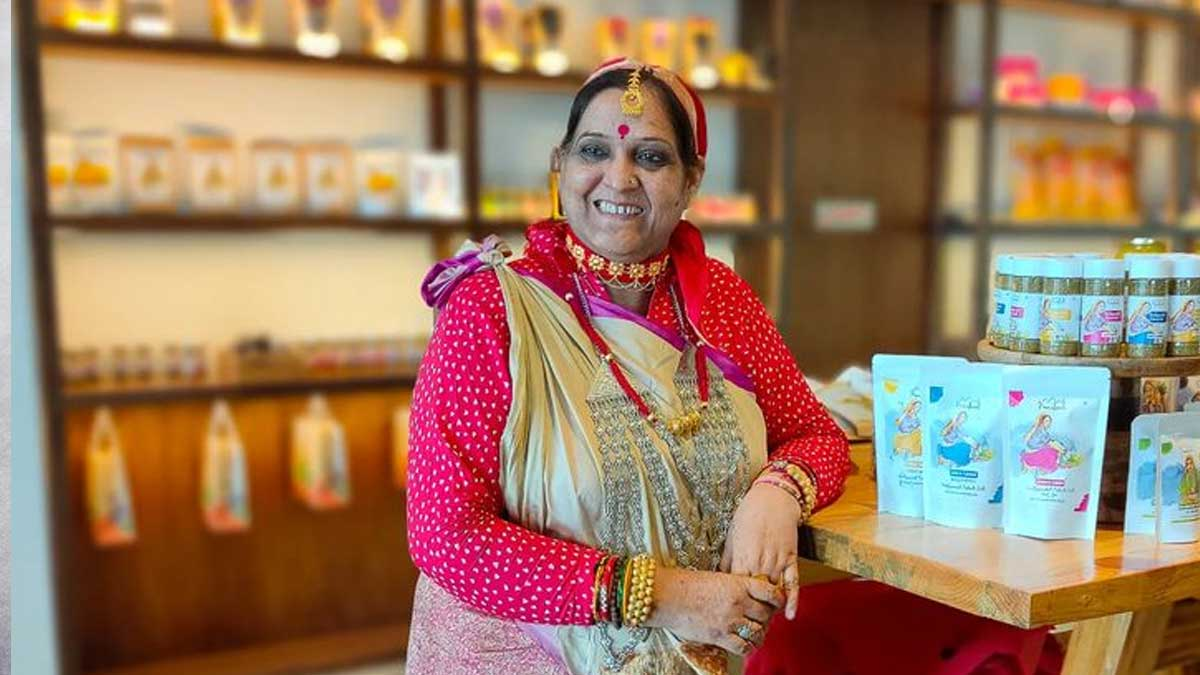
“Girl/women with salt” is what “Namakwali” signifies She made the decision to work with the Mahila Nav Jagran Samiti, an Organisation with roots in Dehradun, to create and distribute her salt in all of its flavours across the country.
Namakwali aims to provide access to the wholesome, organic flavours of Himalayan villages to people all around the world. The inventor of the distinctive brand, Shashi Bahuguna Raturi, did so out of worry for the disappearance of the hill state’s traditional eating practises. She started this endeavour by enlisting the help of ladies from different regions of Uttarakhand. They continue to use a traditional stone grinder to serve their customers (known as silbatta). The hills are where all of the herbs and spices are hand-picked from. The company uses conventional marketing methods to sell products made without chemicals.
7. Ritu Dalmia – Restauranteur
Ritu Dalmia is a well-known restauranteur, chef, and entrepreneur from India. Born in Kolkata, India in 1973, Ritu Dalmia grew up in Delhi and developed an early interest in cooking. She pursued her passion for cooking by enrolling in a culinary school in New York, where she trained under the guidance of some of the world’s most renowned chefs.
After completing her culinary education, Ritu Dalmia returned to India and opened her first restaurant in Delhi in 1993. She named it Mezzaluna, and it quickly became a popular destination for food lovers. Mezzaluna offered authentic Italian cuisine, and it was one of the few restaurants in India that used fresh, high-quality ingredients imported from Italy. Ritu Dalmia’s success with Mezzaluna led her to open several more restaurants, including Diva, which has become one of the most celebrated Italian restaurants in Delhi. Diva offers a wide range of traditional and contemporary Italian dishes, and it has been recognized with numerous awards, including the Best Italian Restaurant Award by Times Food Guide.
8. Karyna Bajaj – KA Hospitality
Karyna Bajaj is a young and successful entrepreneur from India, best known for her role as the CEO of KA Hospitality, a leading hospitality company that operates several popular restaurants and nightclubs across India. Born and raised in Mumbai, Karyna Bajaj developed a passion for hospitality from a young age, thanks to her family’s involvement in the industry.
After completing her education at the University of Pennsylvania’s Wharton School, Karyna returned to India to join her family’s business, which included operating several restaurants and bars. She quickly realized the potential for growth in the hospitality industry and set her sights on expanding the family business. Under Karyna’s leadership, KA Hospitality has become one of India’s most successful hospitality companies, with a portfolio of more than 20 restaurants, nightclubs, and hotels. Some of their most popular brands include Hakkasan, Yauatcha, and Nara Thai, which have won numerous awards and accolades for their innovative cuisine and stylish ambiance.
The seven women entrepreneurs and leaders featured in this listicle are inspiring examples of the many women leading the way in India’s modern F&B industry.
Holi is a much-anticipated festival in India, celebrated with great fanfare and enthusiasm. It is a time for friends and family to come together to celebrate the vibrant colors of spring and the joy of life. As we all know, Delhi NCR is home to some of the best Holi parties in the country.
From traditional Holi celebrations to modern-day Holi parties, Here are the best Holi parties with food in Delhi NCR that you should check out.
1. Holi High:
This is one of the most popular Holi parties in Delhi NCR. The event promises a wide range of entertainment, including live performances, DJ sets, and of course, delicious food. Unlimited mocktails and hard liquors will be also there.
This Holi party offers a unique experience with its open-air venue and a range of activities, including a foam party, rain dance, and a DJ set. Plus, you can enjoy a delicious buffet spread of traditional and modern Holi food.
If you’re looking for a fun and lively Holi party, then the Dreamland resort is the best place for you. Enjoy a wide range of beer and food, along with live music and dance performances, all day long.
This is one of the most luxurious Holi parties in Delhi NCR. Enjoy a wide range of activities, including a DJ set and a delicious buffet spread. There is also a special area for kids, making it a great choice for families.
This is one of the most unique Holi parties in Delhi NCR. Enjoy traditional Holi celebrations surrounded by lush greenery. There is also a wide range of food and drinks to choose from.
Holi is a time to celebrate with friends and family. Delhi NCR is home to some of the best Holi parties in the country. From traditional Holi celebrations to modern-day Holi parties, this listicle has listed the best Holi parties in Delhi NCR that you should check out. So, what are you waiting for? Get your tickets now and enjoy the vibrant colors of Holi with delicious food.
Drinking a soda can be one of the most refreshing drinks on a hot summer day. Whether it’s a classic or a new twist, sodas come in a variety of flavors and styles. Further more, Mixing soda’s in alcohol is a highly used across the globe. They are highly believed to be elevating your Drinks and Cocktails. If you’re looking to order sodas online, you’re in luck.
There are many online ordering platforms such as Swiggy, Zomato, BB, Zepto, and Blinkit that offer a wide selection of sodas. To make it easier for you to choose, we’ve compiled a list of the 9 best sodas to order online.
1. Coca-Cola
Coca-Cola is a classic soda that has been around for over a century. It’s a great thirst quencher and it’s available in a variety of flavors such as cherry, vanilla, and even caffeine-free. It’s a great choice if you’re looking for a classic soda with a classic taste.
Price: INR 40
2. Pepsi
Pepsi is another classic soda that has been around for decades. It’s available in a variety of flavors such as cherry, lemon-lime, and even caffeine-free. If you’re looking for a classic soda with a bit of a twist, then Pepsi is the way to go.
Price: INR 40
3. Dr. Pepper
Dr. Pepper is a unique soda that has a distinctive flavor that sets it apart from other sodas. It’s available in a variety of flavors such as cherry, diet, and even caffeine-free. If you’re looking for something a bit different from the usual sodas, then Dr. Pepper is the way to go.
Price: INR 1500
4. Mountain Dew
Mountain Dew is a popular soda that has a unique flavor that is different from other sodas. It’s available in a variety of flavors such as berry, citrus, and even caffeine-free. If you’re looking for a soda that has a bit of a kick, then Mountain Dew is the way to go.
Price: INR 40
5. Sprite
Sprite is a classic soda that has a light, crisp, and refreshing flavor. It’s available in a variety of flavors such as lemon-lime, berry, and even caffeine-free. If you’re looking for a soda that’s light and refreshing, then Sprite is the way to go.
Price: INR 40
6. Fanta
Fanta is a unique soda that has an orange flavor with a twist. It’s available in a variety of flavors such as orange, grape, and even caffeine-free. If you’re looking for a soda that has a unique flavor, then Fanta is the way to go.
Price: INR 40
7. Sunkist
Sunkist is a classic soda that has an orange flavor with a twist. It’s available in a variety of flavors such as orange, lemon-lime, and even caffeine-free. If you’re looking for a soda that has a classic flavor with a twist, then Sunkist is the way to go.
Price: INR 100
8. Root Beer
Root beer is a unique soda that has a sweet and creamy flavor. It’s available in a variety of flavors such as vanilla, cream, and even caffeine-free. If you’re looking for a soda that has a unique flavor, then root beer is the way to go.
Price: INR 120
9. Ginger Ale
Ginger ale is a classic soda that has a light and refreshing flavor. It’s available in a variety of flavors such as ginger, lemon-lime, and even caffeine-free. If you’re looking for a soda that has a light and refreshing flavor, then ginger ale is the way to go.
Price: INR 50
Sodas come in a variety of flavors and styles and can be a great way to quench your thirst on a hot summer day. If you’re looking to order sodas online, there are many online ordering platforms such as Swiggy, Zomato, BB, Zepto, and Blinkit that offer a wide selection of sodas. We’ve compiled a list of the 9 best sodas to order online so that you can find the perfect drink for you.
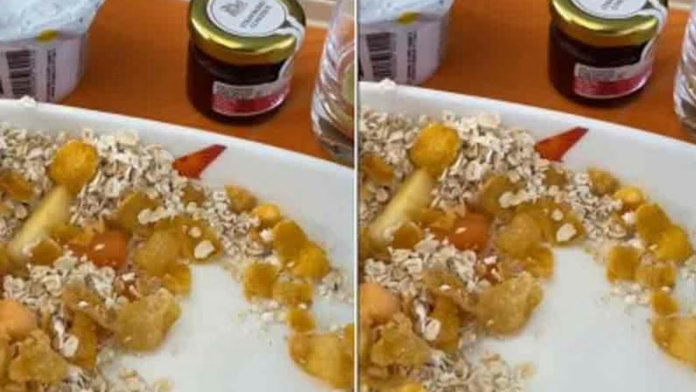
The incident of a passenger finding an insect in their food during a flight from Mumbai to Chennai has once again put Air India in the spotlight for all the wrong reasons. This comes soon after Chef Sanjeev Kapoor criticized the airline for serving unsatisfactory in-flight meals. This recent incident has sparked concern among passengers about the quality of food and hygiene standards on Air India flights.
Mahavir Jain, the passenger who found the insect in his food, shared a video of the incident on social media, which quickly gained attention and generated a flurry of reactions. As of now, the video has been viewed over 5000 times and has garnered numerous likes and comments from people expressing their views on the incident.
Mahavir Jain, a passenger, tweeted
“@airindiain insect in the meal served in business class,”
In response to the video, Air India’s official Twitter handle acknowledged the complaint and expressed regret over the experience. They assured the passenger that they are taking immediate action to address the issue and requested flight details for further investigation. Air India also stated that they always strive to keep their aircraft clean and insect-free, indicating their commitment to maintaining hygiene standards for their passengers.
The incident has generated mixed reactions from people, with some expressing outrage and others offering support to the airline. Some people have also shared their own experiences of finding insects or foreign objects in their in-flight meals. Many people have called for better quality control measures and stricter hygiene standards to be implemented on Air India flights.
The incident has sparked concerns among passengers about the quality of food and hygiene standards on the airline. While Air India has responded to the incident and assured passengers of their commitment to maintaining hygiene standards, it remains to be seen how they will address the underlying issues that led to this incident.
As a parent or caregiver, you want the best for your child, and one of the most important things you can do is to ensure that they are mentally agile. Mental agility is the ability to think quickly and critically, and it is essential for academic success, problem-solving, and decision-making.
While many factors contribute to mental agility, nutrition is one of the most significant. The foods that your child eats can have a significant impact on their brain function, and many foods can help to keep kids mentally agile.
Here are some of the best foods for boosting mental agility in children.
Fatty Fish excellent sources omega-3 fatty acids Fatty fish such as salmon, tuna, and sardines are excellent sources of omega-3 fatty acids. Omega-3s are essential for brain development and function, and they have been shown to improve memory and cognitive function in children. A study published in the journal Nutritional Neuroscience found that children who ate fatty fish at least once a week had higher IQ scores than children who did not eat fish regularly. Try to incorporate fatty fish into your child’s diet at least once a week.
Berries are a great source of antioxidants Berries such as blueberries, strawberries, and blackberries are rich in antioxidants, which protect the brain from oxidative stress. Oxidative stress can damage brain cells and lead to cognitive decline. In addition, studies have shown that berries can improve memory and cognitive function in both children and adults. One study published in the Journal of Agricultural and Food Chemistry found that consuming blueberries improved cognitive function in older adults. Try to incorporate berries into your child’s diet as a snack or a topping for yogurt or oatmeal.
Nuts and Seeds are rich in vitamin E Nuts and seeds are rich in vitamin E, which is essential for brain function. Vitamin E is an antioxidant that protects the brain from oxidative stress, and studies have shown that it can improve memory and cognitive function in children and adults. In addition, nuts and seeds are good sources of protein and healthy fats, which are essential for brain development. Try to incorporate nuts and seeds into your child’s diet as a snack or a topping for yogurt or salads.
Whole Grains provide a steady supply of glucose to the brain Whole grains such as brown rice, quinoa, and whole wheat bread are rich in complex carbohydrates, which provide a steady supply of glucose to the brain. Glucose is the primary source of energy for the brain, and it is essential for cognitive function. In addition, whole grains are a good source of fibre, which can improve digestion and promote overall health. Try to incorporate whole grains into your child’s diet as a substitute for refined grains such as white rice and white bread.
Eggs good source of choline Eggs is a good source of choline, which is essential for brain development and function. Choline is a nutrient that is used to produce acetylcholine, a neurotransmitter that is essential for memory and cognitive function. Studies have shown that choline can improve memory and cognitive function in both children and adults. In addition, eggs are a good source of protein, which is essential for brain development. Try to incorporate eggs into your child’s diet as a breakfast food or snack.
Dark Chocolate protects the brain from oxidative stress Dark chocolate is rich in flavonoids, which are antioxidants that protect the brain from oxidative stress. Studies have shown that flavonoids can improve memory and cognitive function in both children and adults. In addition, dark chocolate contains caffeine and theobromine, which can improve focus and alertness. However, it is important to note that dark chocolate should be consumed in moderation, as it is also high in sugar and calories. Try to incorporate dark chocolate into your child’s diet as a treat or a dessert.
Leafy Greens are rich in antioxidants Leafy greens, such as spinach, kale, and collard greens, are packed with important nutrients that can help kids stay mentally agile during exam season. They benefit your child’s cognitive function as they are rich in antioxidants such as vitamin C and beta-carotene, which can help to protect the brain from oxidative stress and improve brain function. Greens are High in fibre, which helps in regulating blood sugar levels and prevent energy crashes that can negatively impact cognitive function. Greens are also Abundant in vitamin K which is important for cognitive function. The best way to add Greens to your kids’ diet is in form of salads, smoothies, or soups. You can also sauté them with garlic and olive oil for a tasty side dish.
Yogurt is a great source of protein: Greek yogurt is a great source of protein, which is essential for brain development and function. It is also high in calcium, which is important for bone health. In addition, Greek yogurt contains probiotics, which are beneficial bacteria that can improve gut health. Research has shown that there is a strong connection between gut health and brain function, and improving gut health can lead to better cognitive function. Try to incorporate Greek yogurt into your child’s diet as a snack or breakfast food.
Avocado good source of healthy fats, including omega-3 fatty acids: Avocado is a good source of healthy fats, including omega-3 fatty acids. These healthy fats are essential for brain development and function, and they have been shown to improve memory and cognitive function in children and adults. In addition, avocado is high in fibre and potassium, which can help regulate blood sugar levels and promote overall health. Try to incorporate avocado into your child’s diet as a spread on toast or as a topping for salads.
Turmeric: Turmeric is a spice that is commonly used in Indian and Middle Eastern cuisine. It contains a compound called curcumin, which has potent antioxidant and anti-inflammatory properties. Studies have shown that curcumin can improve memory and cognitive function in both children and adults. In addition, turmeric has been shown to improve mood and reduce anxiety, which can have a positive impact on cognitive function. Try to incorporate turmeric into your child’s diet by adding it to curries, soups, or rice dishes.
Exam season can be a stressful time for both students and parents, and parents need to provide support and encouragement to their children during this time.
Given the extreme competitiveness around during exam times, parents should be supportive, communicate effectively with their children and reassure them of their abilities. It encourages them to do their best and Provides a peaceful space for your child to focus with a relaxed mind. It is equally important to encourage them to take breaks to avoid burnout. This helps them prioritize their tasks and manage their time effectively. The most important aspect during exam time is to Ensure that your child is well-nourished during exam season.
Healthy meals and snacks fuel their brain and keep them energized. It can help in keeping kids mentally agile. Foods like Fatty fish, berries, nuts and seeds, whole grains, eggs, dark chocolate, leafy greens, Greek yogurt, avocado, and turmeric are all excellent choices for promoting brain function and cognitive development in children.
By incorporating these foods into your child’s diet, you can help to support their overall health and well-being, and give them the best possible chance for success in school and life.
Exam season can be a stressful time for both students and parents, and it is important for parents to provide support and encouragement to their children during this time.
Given the extreme competitiveness around during exam times, parents should be supportive, communicate effectively with their children and reassure them of their abilities. It encourages them to do their best and Provides a peaceful space for your child to focus with a relaxed mind. It is equally important to encourage them to take breaks to avoid burnout. This helps them prioritize their tasks and manage their time effectively.
The most important aspect during exam time to Ensure that your child is well-nourished during exam season. Healthy meals and snacks fuel their brain and keep them energised. It can help in keeping kids mentally agile.
Foods like Fatty fish, berries, nuts and seeds, whole grains, eggs, dark chocolate, leafy greens, Greek yogurt, avocado, and turmeric are all excellent choices for promoting brain function and cognitive development in children. By incorporating these foods into your child’s diet, you can help to support their overall health and well-being, and give them the best possible chance for success in school and in life.
10 diet changes to help your kids beat the exam stress:
Add more fruits and vegetables to their diet: Fruits and vegetables are high in antioxidants, vitamins, and minerals that can help to reduce stress levels and improve brain function.
Include more protein in their meals: Protein is important for building and repairing tissues, and can also help to improve concentration and alertness.
Reduce sugar intake: Too much sugar can cause energy crashes and mood swings, which can negatively impact exam performance.
Increase whole-grain consumption: Whole grains are a good source of fiber and complex carbohydrates, which can help to keep your child’s energy levels stable throughout the day.
Add omega-3-rich foods to their diet: Omega-3 fatty acids are important for brain function and can help to improve memory and concentration. Foods such as salmon, walnuts, and flaxseed are good sources of omega-3s.
Encourage hydration: Dehydration can cause fatigue and negatively impact cognitive function. Encourage your child to drink plenty of water throughout the day.
Reduce caffeine intake: While caffeine can help to improve alertness, too much caffeine can cause jitters and anxiety, which can negatively impact exam performance.
Include healthy fats in their meals: Healthy fats, such as those found in avocados, nuts, and olive oil, can help to improve brain function and reduce stress levels.
Provide nutrient-dense snacks: Snacks such as hummus and carrots, or apple slices with almond butter, can provide a quick energy boost without the sugar crash.
Consider supplements: If your child’s diet is lacking in certain nutrients, such as iron or vitamin D, consider supplementing their diet with a high-quality supplement to support their overall health and well-being during exam season.
These diet changes are highly anticipated to bring a positive change in the Kids during their Exam Season.
The Culinary Art India (CAI) 2023 event will be a grand affair that will bring together culinary experts from across India to showcase their skills, knowledge, and creativity. The competition will be held at Pragati Maidan, New Delhi, one of the largest exhibition centers in India, and will be hosted by the Indian Culinary Forum (ICF). The event will run concurrently with the 37th edition of AAHAR International fair 2023, a five-day international food, hospitality, and beverages tradeshow.
The CAI 2023 competition is a professional culinary challenge that provides an excellent opportunity for budding chefs to showcase their culinary skills on a global platform. It is expected to draw national-level participation from senior and apprentice chefs from India who will compete with each other in various categories, such as baking, confectionery, and plated desserts. The competition will be judged by a panel of international judges who will evaluate the participants’ skills, creativity, and presentation.
Davinder Kumar, president of Indian Culinary Forum said “Indian Culinary Forum has set the standard for culinary competitions in India. The hospitality industry has also undergone significant change, with new trends in lodging, food and beverage concepts, and super specialty restaurants. Despite this, food is and will always be at the heart of this industry; ICF took the lead to start Culinary Art India fourteen years ago, where chefs are given a platform to demonstrate their culinary skills as well as help them improve to meet international standards. This experience has not only provided fellow chefs with excellent exposure to showcase their culinary skills, but also to learn and share their culinary knowledge with other contestants.” and added “I would like to assure all participants and members total transparency through a structured rules, regulations, systems and panel of WACS certified judges. The ICF will continue to strive to bring our fraternity closer together and to encourage the betterment of the culinary profession through improved education, related industry events, and collaboratively setting new benchmarks in the hospitality industry.”
The main goal of the CAI 2023 event is to create a professional platform where culinary professionals from all over India can showcase their individual and combined skills, creative talent, learn, share experiences, partner, and network in a purely business-like and competitive environment. The event offers an excellent opportunity for the participants to learn from each other, exchange knowledge, and build professional relationships. The competition is expected to be fierce, and the participants are preparing hard to bring their best to the table.
The CAI 2023 event will also feature live demonstrations by over 300 renowned chefs, exhibiting their exceptional cooking skills in front of food lovers. The event will be a treat for food enthusiasts as they will get to witness the chefs prepare delectable dishes right in front of their eyes. The live demonstrations will showcase various cooking techniques, ingredients, and flavors, providing a unique culinary experience to the visitors.
The CAI 2023 event is a highly anticipated culinary challenge that brings together the best culinary talent from India to showcase their skills, knowledge, and creativity. The event offers an excellent opportunity for budding chefs to learn, share experiences, partner, and network with each other in a highly competitive environment. The live demonstrations by renowned chefs will add an extra layer of excitement to the event and provide a unique culinary experience to the visitors.
We use cookies to ensure that we give you the best experience on our website. If you continue to use this site we will assume that you are happy with it.