If you’re looking for a healthy alternative to grains like wheat, buckwheat may be just what you need. Buckwheat is a gluten-free seed that is packed with nutrients and has been linked to a range of health benefits. In this article, we’ll take a closer look at buckwheat and explore whether it’s really good for you.
What is Buckwheat?
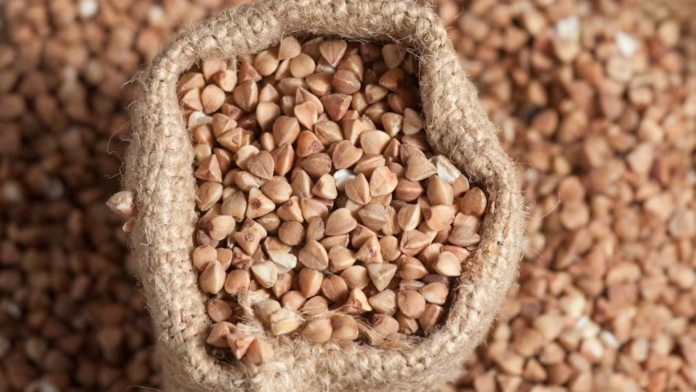
Buckwheat is not actually a grain, but rather a seed that is related to rhubarb and sorrel. It has a distinctive nutty flavor and is often used in place of grains like wheat and barley. Buckwheat is gluten-free, making it a great option for people with celiac disease or gluten intolerance.
Health Benefits of Buckwheat
Buckwheat is a nutrient-dense food that is rich in protein, fiber, and a range of vitamins and minerals. Here are some of the potential health benefits of including buckwheat in your diet:
Improve Heart Health
May Help Control Blood Sugar Levels
May Aid in Digestion
May Promote Weight Loss
Potential Side-Effects of BuckWheat
Despite its numerous health benefits, consuming buckwheat can also lead to some potential side effects. Here are a few things to keep in mind:
Gastrointestinal Issues: Buckwheat is high in fiber, which can cause digestive issues like bloating, gas, and constipation. People with sensitive stomachs may experience discomfort after consuming buckwheat.
Allergies: Buckwheat is a common allergen, especially for people who are allergic to pollen. Buckwheat can cause allergic reactions like hives, itching, and swelling. If you have a history of allergies, it’s best to avoid consuming buckwheat.
Thyroid Issues: Buckwheat contains goitrogens, which can interfere with the function of the thyroid gland. Eating large amounts of buckwheat can lead to an enlarged thyroid gland and other thyroid-related problems.
Blood Sugar Issues: Although buckwheat has a low glycemic index, consuming it in large amounts can still cause a spike in blood sugar levels. This can be especially problematic for people with diabetes.
How to Add Buckwheat to Your Diet
If you’re interested in incorporating more buckwheat into your diet, there are plenty of ways to do so. Here are some simple and tasty ideas:
Buckwheat Porridge
Buckwheat Pancakes
Buckwheat Salad
Buckwheat Flour
Buckwheat Noodles
Buckwheat Groats
Our Verdict:
Buckwheat is a highly nutritious food that can be a great addition to a healthy diet. It is gluten-free, rich in protein and fiber, and has been linked to a range of potential health benefits. If you’re looking for a healthy and versatile ingredient to add to your meals, buckwheat is definitely worth considering.
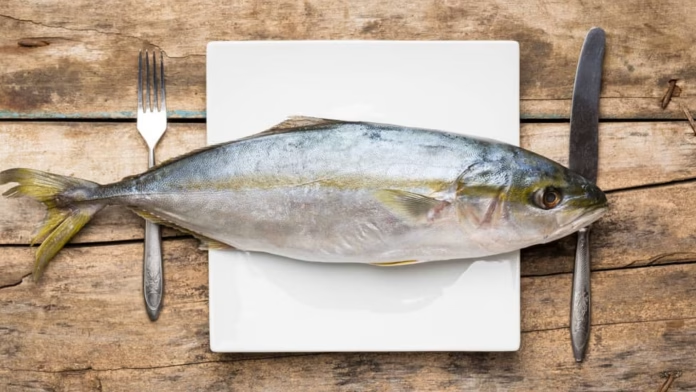
Tuna is one of the most popular types of fish consumed all around the world. It is known for its mild taste and versatility in cooking, making it a popular ingredient in salads, sandwiches, sushi, and many other dishes. Besides its culinary uses, tuna is also incredibly nutritious and offers a range of health benefits, making it a great addition to any diet.
Every year on May 2nd, people around the world celebrate World Tuna Day. This day is dedicated to raising awareness about the importance of tuna and promoting sustainable fishing practices.
World Tuna Day was established by the United Nations in 2016 to recognize the significant economic and nutritional benefits of tuna. Tuna is a major source of food and income for many countries, particularly those in the Pacific and Indian Oceans. It also plays an important role in the global seafood trade.
On World Tuna Day, people are encouraged to learn more about tuna and its importance, as well as to support sustainable fishing practices. You can also celebrate by incorporating tuna into your meals, learning more about sustainable fishing practices, and supporting organizations that work to protect tuna populations and other marine life. In this article, we will explore the many health benefits of incorporating tuna into your diet.
Tuna offers several health benefits due to its nutrient-rich profile. Some of the most significant health benefits of tuna are discussed below.
Heart Health:
Tuna is an excellent source of omega-3 fatty acids, which are known to promote heart health. Omega-3 fatty acids are beneficial for reducing inflammation in the body, lowering blood pressure, and decreasing the risk of heart disease. Studies have shown that consuming tuna regularly can help reduce the risk of heart disease and stroke.
Brain Health:
Tuna is rich in docosahexaenoic acid (DHA), which is a type of omega-3 fatty acid that is essential for maintaining brain health. DHA plays a crucial role in brain development and function, and research has shown that consuming tuna regularly can improve cognitive function and reduce the risk of Alzheimer’s disease.
Weight Loss:
Tuna is low in calories and high in protein, making it an excellent food for weight loss. A high-protein diet can help reduce appetite and increase feelings of fullness, which can lead to weight loss. Additionally, the omega-3 fatty acids in tuna can help reduce inflammation in the body, which is associated with obesity.
Cancer Prevention:
Tuna is rich in antioxidants, which can help reduce the risk of cancer. Antioxidants protect the body from free radicals, which can cause damage to cells and lead to cancer. Additionally, the omega-3 fatty acids in tuna have been shown to reduce the risk of certain types of cancer, including breast and colon cancer.
Eye Health:
Tuna is rich in vitamin A, which is essential for maintaining good eye health. Vitamin A plays a crucial role in maintaining the integrity of the eye’s surface, and a deficiency can lead to dry eyes and vision problems. Consuming tuna regularly can help ensure that you get enough vitamin A to maintain good eye health.
Immune System Boost:
Tuna is a good source of zinc, which is essential for maintaining a healthy immune system. Zinc plays a crucial role in immune function and deficiency can lead to a weakened immune system and increased susceptibility to infections. Consuming tuna regularly can help ensure that you get enough zinc to maintain a healthy immune system.
Bone health: Tuna is a good source of vitamin D, which is important for bone health. It can help prevent osteoporosis and other bone diseases.
Muscle health: Tuna is high in protein, which is important for muscle health. It can help build and repair muscle tissue, and may also help prevent muscle loss as you age.
Incorporating tuna into your diet can bring numerous health benefits that can improve your overall well-being. From its high protein content to its abundance of essential nutrients and omega-3 fatty acids, tuna is a nutritious and delicious food choice that can help you maintain a healthy lifestyle.
Additionally, by celebrating World Tuna Day, we can raise awareness about the importance of sustainable fishing practices and protect the future of this valuable food source. So whether you enjoy it fresh or canned, make sure to add tuna to your diet and join the global celebration of this amazing fish.
As a bustling city in India, Bangalore is home to a variety of cafes that offer the perfect atmosphere for writers and remote workers. From cozy spots with a peaceful ambiance to modern cafes with strong Wi-Fi connections, Bangalore has it all.
In this article, we will introduce you to the top 10 cafes in Bangalore that are perfect for writers and remote workers.
Paper and Pie: Paper and Pie is a charming cafe located in the heart of Indiranagar. This cafe offers a cozy ambiance, with comfortable seating and ample natural light. The walls are adorned with paintings and illustrations, creating a vibrant and artistic atmosphere. The menu offers a wide range of food and drinks, including freshly baked pies and sandwiches, as well as coffee and tea.
Address: 638, 12th Main Road, Indiranagar, Bangalore
Timing: 9:00 AM to 11:00 PM
Pricing: Average cost for two is around INR. 800
Blue Tokai: Blue Tokai is a popular cafe chain that has locations in multiple cities across India. Their cafe in Bangalore is located in the buzzing neighborhood of Koramangala. This cafe has a modern and chic decor, with wooden tables and white walls. The cafe also has an outdoor seating area, which is perfect for those who prefer to work outside. Blue Tokai is known for their high-quality coffee, which is sourced from their own farms in India.
Chai Point is a popular chain of tea cafes that has locations in multiple cities across India. Their cafe in Bangalore is located in the busy area of MG Road. This cafe offers a casual and relaxed ambiance, with colorful seating and modern decor. The menu offers a variety of tea options, as well as snacks and desserts. Chai Point is known for their fast and efficient service, which makes it a great option for those who need to get work done quickly.
Address: Church Street, MG Road, Bangalore
Timing: 8:00 AM to 10:00 PM
Pricing: Average cost for two is around INR. 300
The Caffeine Baar Cafe And Roastery:
The Caffeine Baar Cafe And Roastery is a specialty coffee shop located in the neighborhood of HSR Layout. This cafe offers a rustic and industrial ambiance, with exposed brick walls and wooden tables. The cafe also has a small outdoor seating area, which is perfect for those who prefer to work outside. The menu offers a variety of coffee options, as well as sandwiches and salads.
Address: 90 Feet Road, HSR Layout, Bangalore
Timing: 10:00 AM to 11:00 PM
Pricing: Average cost for two is around INR. 700
The Fatty Bao:
The Fatty Bao is a trendy Asian-inspired restaurant located in the neighborhood of Indiranagar. This restaurant offers a modern and chic ambiance, with colorful seating and unique decor. The restaurant also has an outdoor seating area, which is perfect for those who prefer to work outside. The menu offers a variety of Asian-inspired dishes, as well as cocktails and mocktails.
Address: 610, 3rd Floor, 12th Main Road, Indiranagar, Bangalore
Timing: 12:00 PM to 11:30 PM
Pricing: Average cost for two is around INR 1,800
Lahe Lahe:
Lahe Lahe is a creative and cultural space located in the neighborhood of Kodihalli. This space serves as a cafe, art gallery, and performance venue, making it the perfect spot for those seeking inspiration. The decor is eclectic, with a mix of colorful seating and unique art pieces. The cafe offers a variety of food and drinks, as well as board games and books to keep you entertained. Lahe Lahe also hosts regular events, including open mic nights and art exhibitions.
Third Wave Coffee Roasters is a specialty coffee shop located in the neighborhood of Koramangala. This cafe offers a modern and minimalist ambiance, with white walls and wooden tables. The cafe also has an outdoor seating area, which is perfect for those who prefer to work outside. Third Wave Coffee Roasters is known for their high-quality coffee, which is roasted in-house.
Caffe Pascucci: Caffe Pascucci is a European-style cafe located in the neighborhood of Whitefield. This cafe offers a cozy and welcoming ambiance, with comfortable seating and warm lighting. The menu offers a variety of coffee options, as well as sandwiches, pasta, and desserts. Caffe Pascucci also has a small library, making it the perfect spot for those seeking a quiet and peaceful environment.
Address: Phoenix Marketcity, Whitefield Main Road, Mahadevpura, Bangalore
Timing: 10:00 AM to 10:00 PM
Pricing: Average cost for two is around INR. 1,000
Araku Coffee: Araku Coffee is a specialty coffee shop located in the neighborhood of Church Street. This cafe offers a minimalist and modern ambiance, with white walls and wooden tables. The cafe also has an outdoor seating area, which is perfect for those who prefer to work outside. Araku Coffee is known for their high-quality coffee, which is sourced from their own farms in Araku Valley.
Address: 10/7, Ground Floor, Vittal Mallya Road, Church Street, Bangalore
Timing: 10:00 AM to 11:00 PM
Pricing: Average cost for two is around INR. 700
Happy Belly: Bakes Happy Belly Bakes is a cozy bakery located in the neighborhood of Indiranagar. This bakery offers a rustic and homey ambiance, with wooden tables and vintage decor. The menu offers a variety of baked goods, including cakes, cookies, and bread. Happy Belly Bakes also has a small selection of coffee and tea, making it the perfect spot for a quick snack and a caffeine fix.
Address: 1st Main Road, Indiranagar, Bangalore
Timing: 9:00 AM to 10:00 PM
Pricing: Average cost for two is around INR. 500
These 10 cafes in Bangalore are perfect for writers and remote workers, offering a range of atmospheres and amenities to cater to every need. Whether you prefer a cozy and quiet spot or a trendy and bustling cafe, Bangalore has it all. So next time you need to get some work done, head to one of these cafes and let the creativity flow.
We understand that it becomes a hustle every morning to decide what to prepare for kids’ school tiffin, especially if yours is a fussy one. So, what should one do? Should we give in to childrens’ demands and make instant and delicious food everyday to compromise on their health? Or should you just make a healthy home cooked meal only for it to come back as it is?
Well, you need to do neither as we are here with 6 healthy yet delicious tiffin ideas that are sure to make you a hit as a chef in your kids’ class, while also making sure that they are full in both belly and gut!
Soya Cutlet: Soya is an excellent source of protein, and these cutlets are a great way to get your child to eat more of it. Simply mix boiled and mashed soya chunks with veggies like onion, tomato, and capsicum, add some spices and breadcrumbs, shape into cutlets, and fry until crispy.
Veg Spring Roll: This is a classic snack that’s perfect for lunchboxes. Fill spring roll wrappers with a mixture of veggies like cabbage, carrot, and capsicum, add some noodles, and fry until crispy.
Quinoa Millet Noodles: These noodles are a great alternative to regular noodles, as they’re packed with nutrients like protein and fiber. Cook the noodles according to the instructions on the packet, then add some veggies like broccoli, carrot, and corn, and stir-fry until cooked.
Dhokla: Dhokla is a popular snack in Indian cuisine, and for good reason. It’s made with gram flour and is steamed, making it a healthy option. Mix gram flour with yogurt, ginger, green chili, and salt, and steam until cooked. Serve with chutney for a tasty snack.
Oats: Oats are a great source of fiber and can be made into a delicious snack. Mix oats with milk and a sweetener of your choice, then top with fruits like bananas and strawberries for a tasty treat.
Millet Vermicelli: Vermicelli made from millet is a healthy and tasty snack. Cook the vermicelli according to the instructions on the packet, then stir-fry with veggies like onion, carrot, and capsicum, and add some spices for flavor.
Incorporating these healthy snacks into your child’s diet is a great way to fuel them for success. They’ll love the taste, and you’ll love the fact that they’re getting the nutrients they need to perform their best in school and also the tiffin box will always come empty!
In the highly competitive food industry, having a strong brand identity and increasing brand awareness is critical for success. One effective way to achieve this is by partnering with a brand ambassador.
What is a brand ambassador?
A brand ambassador is a well-known personality in the industry who can promote a brand’s products or services to a larger audience. A brand ambassador can promote a product or service in a way that resonates with their audience, which can lead to increased consumer engagement and ultimately, increased sales.
The use of brand ambassadors has become a popular marketing strategy for businesses to increase their brand’s visibility, credibility and brand awareness. Many brands have partnered with sports stars and Bollywood stars in the past two years to connect more with the audience and tribes of these stars.
Why is a brand ambassador important for a brand?
The first reason why a brand needs to have a brand ambassador is that it allows the brand to reach a larger audience. When a brand ambassador promotes a product or service, their followers and fans are more likely to take notice, especially if the ambassador has a large and engaged audience. By having a brand ambassador, a company can leverage the ambassador’s social influence and reach a larger audience than they would be able to on their own.
They help in the brand’s credibility and brand awareness
Brand ambassadors can also increase a brand’s credibility and brand awareness. When a brand ambassador promotes a product or service, it can add an extra level of credibility to the brand, as the ambassador is a trusted and respected figure in the industry. This can help to improve the brand’s reputation and make it more attractive to potential customers.
They provide a competitive advantage for a brand:
Brand ambassadors also provide a competitive advantage for a brand. By promoting a brand uniquely and engagingly, a brand ambassador can help a company stand out from its competitors.
Additionally, having a well-known and respected brand ambassador can help a company to build a stronger emotional connection with its customers, which can lead to increased brand loyalty and ultimately, increased sales.
Brands, particularly in the Food Industry are choosing their ambassadors who resonate well with their Brand Message and Identity. It has become mutually important for both parties to maximize the partnership. Ambassadors are also getting particular about how much their followers and fans could relate to the brand and its message to provide optimal results.
Brand ambassadors help brands in targeted marketing:
One of the ways that brand ambassadors can help with targeted marketing is by being from a related field. For example, a fashion brand could choose a fashion blogger as its brand ambassador. This can help the brand to connect with its target audience more effectively and can help to increase engagement and sales.
When it comes to creating an emotional connection between the brand and its consumers, the creative team plays an important role. The creative team can work with the brand ambassador to develop ad campaigns that not only promote the brand’s products or services but also communicate the brand’s ethos and values. This can help to build a stronger emotional connection between the brand and its consumers, which can lead to increased sales.
Having a brand ambassador is more cost-efficient:
Choosing a brand ambassador can also be more cost-efficient than traditional advertising methods. With the rise of social media and influencer marketing, it has become easier for brands to partner with influencers and brand ambassadors to promote their products or services. This can be a more cost-efficient way of promoting a brand, as it can be more targeted and engaging than traditional advertising methods.
Brand ambassadors can help in increasing user engagement on social media:
In addition to promoting the brand through their social media channels, brand ambassadors can also leverage social media to increase user engagement. By creating engaging and shareable content, brand ambassadors can help to increase engagement and reach more potential customers. This can lead to increased brand awareness, increased sales, and ultimately, increased revenue.
Having a brand ambassador can be an effective marketing strategy for Food businesses looking to increase their brand’s visibility, credibility, and brand awareness in the competitive world. By leveraging the social influence of a trusted and respected figure in their industry, a company can achieve great success in promoting its products or services.
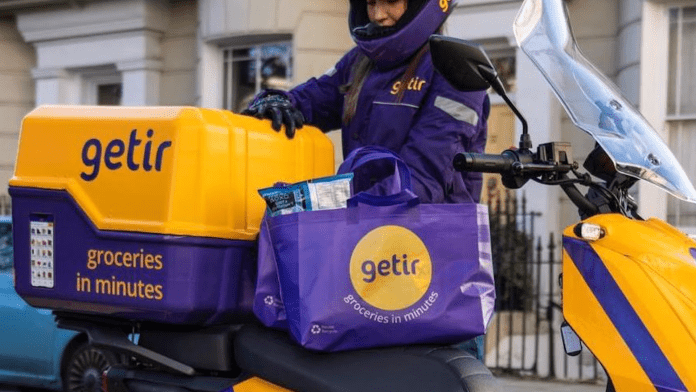
Turkish delivery app Getir is in talks with its German competitor Flink regarding a possible acquisition, as reported by the Financial Times on Monday. This move towards consolidation could have significant implications for the food delivery market in Europe, which has been struggling with a slowdown since the Covid-19 pandemic.
The paper, citing insiders, has indicated that while negotiations are underway, there is no guarantee that the parties will come to an agreement.
Both Flink and Getir have declined to comment on the report.
The report also mentioned that Flink is currently in discussions with its existing investors to raise approximately $100 million, with a valuation exceeding $1 billion.
Last December, Getir acquired German grocery firm Gorillas for $1.2 billion, thereby bringing together two of the few companies in Europe that provide groceries within minutes.
Despite their rapid growth, quick commerce businesses were negatively impacted by a decrease in demand for deliveries due to lockdowns and increasing interest rates in March of last year. Moreover, investors lost interest in tech firms that were not profitable, which further worsened the situation.
The Federation of Indian Micro and Small and Medium Enterprises (FISME) held a “National Workshop on Growth of Retail & E-commerce in India” to address the policy barriers that impede small businesses and retailers from venturing into digital retail and e-commerce.
Over 40 delegates, comprising representatives from MSMEs, payment service providers, think tanks, e-commerce and last-mile delivery platforms, and industry organizations such as Amazon, Meesho, Zomato, BlinkIt, PayU, Shiprocket, and others, attended the consultation. The objective was to offer productive suggestions to the government on how online and offline channels can collaborate to usher in the new era of retail 4.0.
During the consultation, the focus was on the reforms necessary to integrate offline and online retail channels. Over the past two years, there has been a significant shift in consumer purchasing patterns, particularly in tier 2 and tier 3 cities, where e-commerce has gained popularity. Consumers now have the flexibility to purchase and compare products online, pay digitally when shopping from offline stores, and return products from the comfort of their homes. Despite this, only approximately 10% of India’s small businesses sell their products online.
The existence of multiple regulations for online platforms creates overlapping rules and a sense of uncertainty within the entire ecosystem. Additionally, there is an imbalance in regulatory requirements between online and offline sellers, resulting in online sellers having to bear the burden of additional compliance obligations. These obligations include disclosing the country of origin for their goods and services, ensuring the authenticity of imported products, and providing a detailed breakdown of product charges.
Furthermore, small sellers often lack digital literacy on how to expand their businesses through online platforms like Amazon and ONDC. However, MSMEs can benefit from the expertise of online platforms, which offer easy access to exports, last-mile delivery solutions, warehousing and logistics support, and training and skill development programs.
Rajneesh, Additional Secretary & DC, MSME, Ministry of MSME said in a statement, “India is an aspirational country – we are on our way to becoming a $5 trillion economy and will soon also be $10 trillion economy. This won’t be possible by only relying on traditional ways of businesses. E-commerce is a disruptive force for unleashing the potential of MSMEs in India. We, at the government, realise the relevance and importance of e-commerce. We are in line with the recommendations shared by FISME and the MSME representatives present today. We are committed to digitise businesses so that they can recognise the true value of e-commerce in growing their business and contributing to the the economy at large.”
Anil Bhardwaj, Secretary General, FISME, said, “There is an urgent need to educate MSMEs on the benefits of online selling, such as access to a wider audience and nuanced market intelligence. We need to establish a level-playing field between online and offline businesses, and limit the additional compliance burden imposed on online sellers.”
Several important recommendations were proposed during the consultation, including:
GST parity: Low digital adoption can be attributed, in part, to the intricate compliance requirements for Goods and Services Tax (GST) that hinder the transition from offline to online selling platforms. Currently, online businesses are obligated to register under GST regardless of their turnover. In contrast, offline sellers are only required to register if their turnover exceeds INR 40 lakhs. This creates an uneven playing field between offline and online retail, thereby contributing to low digital penetration.
MSME empowerment: Small and Medium Enterprises (SMEs) are a vital component of India’s economy, contributing nearly 30% to the country’s GDP and playing a crucial role in achieving the goal of a $5 trillion economy. To facilitate and empower SMEs, policies must include provisions such as exemption from import duties on returns, assistance with inventory and order management for new businesses, simpler funding options, and subsidies. Additionally, efforts should be made to increase awareness around digital marketing for new SMEs.
Enabling e-commerce policy: As India experiences rapid digitization, it becomes increasingly critical for SMEs to embrace e-commerce to ensure the sustainability and resilience of their business. To facilitate this, the government must implement simpler and more accommodating policies for online businesses. Regulatory requirements for online and offline sellers must also be made consistent, and online sellers should be exempted from additional compliance obligations.
Driving awareness: Many SMEs lack awareness about the advantages of e-commerce platforms and the regulatory obligations involved in selling online. To assist small sellers, policies must be put in place to increase women entrepreneurs’ participation, introduce a standardized e-commerce logistics policy that simplifies the onboarding process for new SMEs, and provide information about the process. Additionally, an informational portal that serves as a one-stop-shop for regulatory policies can help educate SMEs about their obligations.
French spirits maker Pernod Ricard India’s MD, Paul-Robert Bouhier, has resigned from his position within a few months of his appointment. In a press release on Monday, the company announced that Jean Touboul would take over as the new Managing Director, effective from May 1, 2023.
The departure of Bouhier and the appointment of Touboul come at a time when Absolut Vodka maker, Pernod Ricard India, is facing regulatory challenges in the country.
As part of his new role, Touboul will be reporting to Philippe Guettat, the Chairman and CEO of Pernod Ricard Asia.
“What I look forward the most in my new role, is to drive our many strategic priorities and the vast opportunities in a culturally diverse market that India is,” Touboul said on his appointment.
Before taking up the role in India, Touboul was the Managing Director of Pernod Ricard’s South-East Asia entity in Singapore. He has also served as the Chairman and CEO of Pernod Ricard Korea and as the Managing Director for South-East Asia. It’s worth noting that Touboul began his journey with Pernod Ricard Europe in 2004 as a Financial Controller and Internal Auditor.
Pernod Ricard India, the liquor giant, has been grappling with significant regulatory challenges and allegations of earning profits illegally and flouting Delhi’s excise policy to gain a bigger market share. The company’s recent application to renew its liquor sale license was denied by the Delhi Excise department due to its supposed involvement in the Delhi Excise policy case.
In addition to this, K T Rama Rao inaugurated the 'Innovation in Food Processing Grand Challenge', which invites startups and innovators from Telangana and across India to develop solutions that can improve local food processing.
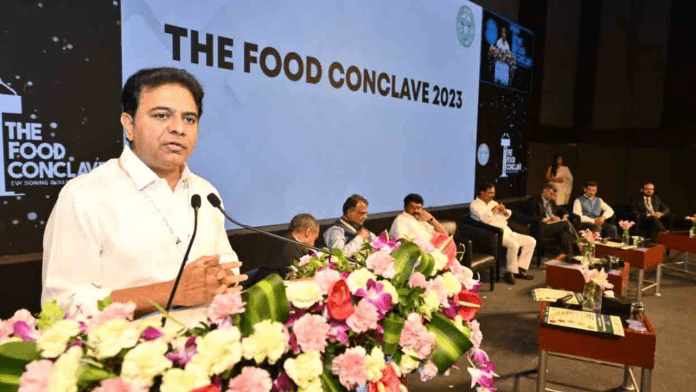
According to the Telangana government, the ‘Food Conclave 2023’ concluded on a high note last Saturday, with an investment of more than INR 7,000 crore being attracted. This investment is expected to create over 58,000 direct jobs.
As per a press release issued by the state government, the one-day ‘Food Conclave 2023’ has a reputation as one of the most prestigious and influential gatherings in the food-agri community. The release stated that the event showcased a range of new partnerships and investments, strengthening its position as a crucial platform for shaping the future of the industry.
Industries Minister K T Rama Rao, in his inaugural address, said Telangana identifies food processing as a core thrust area and during the past five years, the state has added more than INR 7,000 crore worth fixed capital base to food processing capacities in order to boost the sector.
“At the end of the conclave, the state received more than INR 7,000 crore investment commitment across the sectors in aqua, dairy, agro processing, and allied sectors creating total direct employment of 58,458 by way of these investment opportunities,” he said.
In addition to this, Rama Rao inaugurated the ‘Innovation in Food Processing Grand Challenge’, which invites startups and innovators from Telangana and across India to develop solutions that can improve local food processing. It has been announced that the Food Conclave will now become an annual event.
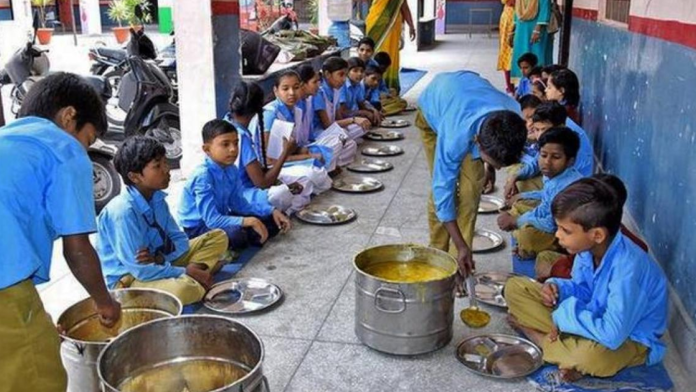
Under the proposed plan, students receiving mid-day meals will be offered either chapatis or khichdi made from bajra, along with a serving of either vegetables or moong dal. (Representative Image)
To enhance the nutritional value of mid-day meals, students attending government schools in Uttar Pradesh could soon receive millets at least once a week.
The proposal to designate the year 2023 as the ‘International Year of Millets’, put forth by the Government of India, has been endorsed by the governing bodies of FAO (Food and Agriculture Organisation) and the 75th session of the UN General Assembly. Thus, 2023 has been officially declared as the ‘International Year of Millets’.
In recognition of a proposal put forth by the Government of India and endorsed by members of the FAO Governing Bodies, as well as by the 75th session of the UN General Assembly, the year 2023 has been designated as the ‘International Year of Millets’.
Director General School Education in Uttar Pradesh Vijay Kiran Anand said, “We will soon have a meeting with Union government officials regarding the introduction of millets in mid-day meals.”
The Mid Day Meal Authority of Uttar Pradesh is responsible for providing mid-day meals to government and aided schools from grades 1 to 8. They have proposed to the Union government that a millet-based meal should be served to students in 1.42 lakh schools across the state.
Under the proposed plan, students receiving mid-day meals will be offered either chapatis or khichdi made from bajra, along with a serving of either vegetables or moong dal.
To implement the proposal, the Mid Day Meal Authority would need to obtain around 62,000 metric tonnes of millet. At present, children are served wheat or rice-based meals along with vegetables or protein six days a week.
The mid-day meal program in Uttar Pradesh is set to include millets, as announced by the state’s Agriculture Minister, Surya Pratap Shahi, in a recent statement.
In addition, the state government has submitted a proposal to the Food Corporation of India (FCI) requesting the provision of millets for the mid-day meal program.
Officials from the education department have stated that if the proposal is approved by the Union government and the required quantity of millets is obtained, the plan will be implemented soon after the summer vacations.
Currently, the budget for mid-day meals in Uttar Pradesh amounts to approximately INR 3,000 crore, with 60% of the cost being borne by the Union government and the remaining 40% by the state government.
Experts suggest that millets are a more nutritious food option than wheat or rice, as they are rich in essential nutrients and compounds.
Poornima Kapoor, a Lucknow-based Dietician, said, “Millets are currently not a food option in our homes. So, it will be a challenge to introduce millets as a meal for children in schools, especially because of their different taste and texture.”
In light of this, the state government has assigned teachers with the responsibility of raising awareness among students regarding the advantages of consuming millets.
“Teachers have been suggested to undertake several interactive activities to make students aware of the benefits of millets. This will certainly increase the acceptability of the grains among them,” an education department official said.
The Uttar Pradesh government has declared that it will allocate over INR 110 crore towards promoting the cultivation and consumption of millets in the state this year.
“The programme to promote the production and consumption of millets in the state will be run till 2027. Introduction of millets in mid-day meals is also part of this effort,” said Jagdish Kumar, the Joint Director of Agriculture (planning).
Agriculture department statistics indicate that in 53 out of the 75 districts in Uttar Pradesh, the state produces roughly 19.5 lakh metric tonnes of millets.
We use cookies to ensure that we give you the best experience on our website. If you continue to use this site we will assume that you are happy with it.