The kitchen can be a hectic place, and without the proper equipment, preparing meals can be time-consuming and frustrating. As an Indian mom, cooking for your family can be a time-consuming and exhausting task. From chopping vegetables to making chapatis, the list of things to do in the kitchen can seem never-ending. However, with the right kitchen tools, you can simplify your meal preparation and save time without compromising on the taste and nutrition of your dishes.
So, Whether you’re a stay-at-home mom or a working mom, these tools will help you whip up delicious and healthy meals in no time, leaving you with more time to spend with your family.
Peeler:
A peeler is an essential tool that every kitchen should have. It makes peeling fruits and vegetables a breeze, saving you time and effort. You can use it to peel potatoes, carrots, cucumbers, and much more. A peeler is a versatile tool that can also be used to create thin slices for salads and garnishes.
Mandolin Slicer:
A mandolin slicer is a fantastic tool that can save you a lot of time in the kitchen. It allows you to slice vegetables and fruits quickly and uniformly, making your dishes look more appealing. A mandolin slicer is perfect for making salads, stir-fries, and gratins. You can adjust the thickness of the slices, making it suitable for various types of produce.
Bread Knife:
A bread knife is a must-have tool for anyone who loves fresh bread. It’s designed with a serrated blade that can cut through the crusty exterior of bread without squishing the soft interior. A bread knife is also useful for cutting cakes, tomatoes, and other delicate foods.
Chopping Board:
A good quality chopping board is an essential tool in any kitchen. It provides a stable surface to chop and prepare ingredients and protects your countertops from damage. A chopping board can be made from wood, plastic, or bamboo, and it’s important to choose one that is durable and easy to clean.
Grill Pan:
A grill pan is an excellent tool for those who love grilled food but don’t have access to an outdoor grill. It’s perfect for grilling vegetables, meats, and fish, giving them a charred and smoky flavor. A grill pan is also great for cooking pancakes, eggs, and other breakfast items.
Having these essential kitchen tools will make your cooking experience more efficient and enjoyable. They will save you time, effort, and frustration, allowing you to prepare delicious and healthy meals with ease. Invest in these tools, and you’ll notice the difference in your cooking experience!
Triphala juice is a traditional Ayurvedic formulation that has been used for centuries to promote overall health and wellness. It is made from three fruits: amla (Indian gooseberry), haritaki (chebulic myrobalan), and bibhitaki (belleric myrobalan). Each of these fruits has unique properties that work together to create a powerful tonic for the body.
Triphala juice has been used in Ayurvedic medicine to treat a wide range of conditions, including digestive issues, inflammation, and skin problems. It is also known for its ability to boost the immune system, support healthy liver function, and improve vision.
In this article, we will explore the many benefits of Triphala juice, including its potential to improve digestion, support healthy weight loss, and enhance overall vitality. We will also discuss the best ways to consume Triphala juice and how to incorporate it into your daily routine.
What is Triphala Juice?
Triphala juice is a powerful tonic made from a combination of three fruits: amla, haritaki, and bibhitaki. Each of these fruits has unique properties that work together to create a synergistic effect on the body.
Amla is a rich source of vitamin C, antioxidants, and minerals. It is known for its ability to boost the immune system, support healthy digestion, and promote healthy skin and hair.
Haritaki is a potent digestive aid that has been used in Ayurvedic medicine to treat constipation, bloating, and other digestive issues. It is also known for its ability to support healthy weight loss and improve overall vitality.
Bibhitaki is a powerful antioxidant that has been used in Ayurvedic medicine to treat a wide range of conditions, including inflammation, skin problems, and respiratory issues. It is also known for its ability to support healthy liver function and improve vision.
Together, these three fruits work to create a powerful tonic that promotes overall health and wellness.
What Are the Benefits of Triphala Juice?
Improves Digestion:
Triphala juice is known for its ability to improve digestion and relieve digestive issues such as constipation, bloating, and gas. This is because it contains a high concentration of digestive enzymes that help break down food and improve nutrient absorption.
Additionally, Triphala juice stimulates the production of digestive juices in the stomach and intestines, which helps to improve overall digestion and prevent digestive problems.
Supports Healthy Weight Loss
Triphala juice is an effective weight loss aid due to its ability to improve digestion and regulate metabolism. It helps to increase the body’s metabolic rate, which in turn helps to burn more calories and promote healthy weight loss.
Triphala juice also helps to reduce appetite and cravings by regulating blood sugar levels and improving nutrient absorption. This makes it an effective tool for weight loss and weight management.
Boosts Immune System:
Triphala juice is a powerful immune booster due to its high concentration of vitamin C and antioxidants. Vitamin C is essential for a healthy immune system as it helps to protect the body against infections and diseases.
The antioxidants in Triphala juice help to neutralize free radicals in the body, which can damage cells and lead to a weakened immune system. By protecting the body against free radicals, Triphala juice helps to boost overall immunity and protect against a wide range of diseases.
Promotes Healthy Liver Function:
Triphala juice is known for its ability to support healthy liver function. The liver plays a vital role in detoxifying the body and removing toxins from the bloodstream.
Triphala juice helps to support the liver by stimulating the production of bile, which helps to break down fats and eliminate toxins from the body. It also helps to protect the liver against damage from toxins and free radicals, promoting healthy liver function and preventing liver-related diseases.
Reduces Inflammation:
Triphala juice contains powerful anti-inflammatory compounds that can help reduce inflammation throughout the body. Chronic inflammation has been linked to a wide range of diseases, including heart disease, diabetes, and cancer.
The anti-inflammatory properties of Triphala juice can help to reduce inflammation and prevent these diseases. Additionally, Triphala juice can help to relieve inflammation-related pain and discomfort, making it a useful tool for those suffering from arthritis or other inflammatory conditions.
Improves Vision:
Triphala juice has been used in Ayurvedic medicine to improve vision for centuries. This is because it contains a high concentration of antioxidants and other nutrients that are essential for healthy vision.
The antioxidants in Triphala juice help to protect the eyes from free radical damage, which can lead to vision problems and eye diseases. Additionally, Triphala juice helps to improve blood circulation to the eyes, providing them with the nutrients they need to function properly.
Promotes Healthy Skin and Hair:
Triphala juice is known for its ability to promote healthy skin and hair. This is because it contains a high concentration of vitamin C and antioxidants, which help to protect the skin and hair against damage from free radicals.
Additionally, Triphala juice helps to improve blood circulation, which can help to nourish the skin and hair. This can lead to healthier, more vibrant skin and hair.
How to Consume Triphala Juice?
Triphala juice is typically consumed in a diluted form. To make Triphala juice, simply mix one to two teaspoons of Triphala powder with a glass of water or juice. You can also add honey or lemon to improve the taste.
It is recommended to consume Triphala juice on an empty stomach in the morning or before bed. This will help to maximize its benefits and improve absorption.
Alternatively, you can consume Triphala in capsule or tablet form. However, it is important to ensure that you are purchasing high-quality products from a reputable supplier.
Incorporating Triphala Juice into Your Daily Routine:
If you are looking to incorporate Triphala juice into your daily routine, there are a few simple ways to do so. Here are some ideas:
Add it to your morning routine: Start your day off with a glass of Triphala juice to help improve digestion and boost your immune system.
Use it as a weight loss aid: Drink Triphala juice before meals to help reduce appetite and promote healthy weight loss.
Use it as a skin and hair tonic: Apply Triphala juice topically to your skin and hair to promote healthy, glowing skin and shiny, strong hair.
Use it to promote healthy liver function: Drink Triphala juice regularly to support healthy liver function and detoxify the body.
By incorporating Triphala juice into your daily routine, you can enjoy its many benefits and promote overall health and wellness. Whether you choose to drink it as a morning tonic or use it as a skin and hair tonic, Triphala juice is a valuable addition to any health-conscious lifestyle. So, why not give it a try today and discover the miraculous benefits of Triphala juice for yourself?
Testosterone is a hormone that’s primarily produced in the testicles in men. However, women also produce testosterone in smaller amounts in their ovaries. Testosterone plays a vital role in men’s health and well-being. It affects everything from muscle mass to bone density, sex drive to mood. However, as men age, their testosterone levels naturally decline.
Low testosterone levels can lead to a range of symptoms, including reduced muscle mass, fatigue, low sex drive, and even depression. Low testosterone levels can be caused by several factors, including age, medical conditions, and lifestyle factors.
Some of the most common causes of low testosterone levels include:
Age: Testosterone levels naturally decline as men age. The decline typically starts around age 30 and continues throughout life.
Medical conditions: Certain medical conditions can lead to low testosterone levels, including diabetes, obesity, and HIV.
Medications: Some medications can lower testosterone levels, including corticosteroids and opioids.
Lifestyle factors: Lifestyle factors such as poor diet, lack of exercise, and excessive alcohol consumption can also lead to low testosterone levels.
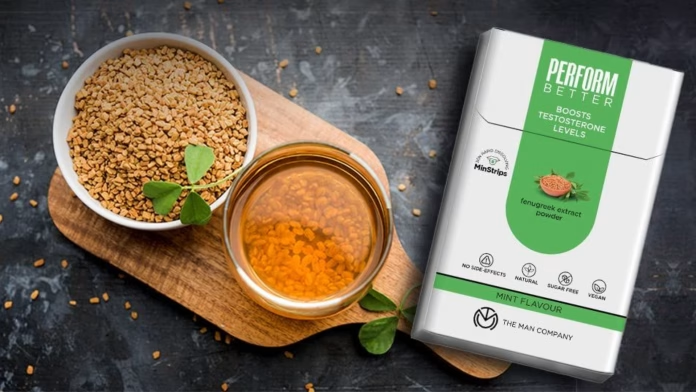
Many men turn to testosterone replacement therapy to address these issues. However, testosterone therapy comes with risks and side effects, and it’s not suitable for everyone. Fortunately, there are natural ways to boost testosterone levels, and one such product is The Man Company Perform Better MinStrips.
The Man Company is a well-known brand in the world of men’s grooming and personal care products.
The Man Company Perform Better MinStrips is specifically designed to help men improve their physical performance, increase muscle mass, reduce body fat, and improve their overall health and well-being.
The Man Company Perform Better MinStrips are easy-to-use, dissolvable strips that are placed under the tongue for quick and effective absorption. Each strip contains a blend of natural ingredients that have been scientifically proven to help increase testosterone levels and support overall health and wellness.
Ingredients in The Man Company Perform Better MinStrips and their Benefits:
The Man Company Perform Better MinStrips contain a blend of natural ingredients that have been carefully selected for their ability to boost testosterone levels and support overall health and wellness.
Here are the key ingredients in The Man Company Perform Better MinStrips and their benefits:
D-Aspartic Acid: D-Aspartic Acid is an amino acid that has been shown to increase testosterone levels in men. Studies have shown that D-Aspartic Acid can help improve sperm quality, increase muscle mass, and improve overall physical performance.
Zinc: Zinc is a mineral that is essential for the production of testosterone. Studies have shown that zinc can help increase testosterone levels in men who are deficient in the mineral.
Magnesium: Magnesium is another mineral that is essential for testosterone production. Studies have shown that magnesium can help increase testosterone levels in men who are deficient in the mineral.
Vitamin D3: Vitamin D3 is a vitamin that is essential for overall health and well-being. Studies have shown that vitamin D3 can help increase testosterone levels in men who are deficient in the vitamin.
Vitamin B6: Vitamin B6 is a vitamin that is essential for the production of testosterone. Studies have shown that vitamin B6 can help increase testosterone levels in men who are deficient in the vitamin.
Ashwagandha Extract: Ashwagandha is an adaptogenic herb that has been used in traditional medicine for centuries. Studies have shown that ashwagandha can help reduce stress and anxiety levels, which can in turn help increase testosterone levels in men.
How to Use The Man Company Perform Better MinStrips:
The Man Company Perform Better MinStrips are easy to use and require no preparation. Simply place one strip on your tongue and allow it to dissolve. The recommended dosage is one strip per day, taken in the morning. The company recommends taking the product for at least three months to see optimal results.
If you are looking for a natural supplement to support healthy testosterone levels and improve overall health and wellness, The Man Company Perform Better MinStrips may be worth considering. However, it’s important to remember that supplements are not a substitute for a healthy diet and exercise regimen. Consult with your healthcare provider before taking any new supplements, especially if you have underlying health conditions or are taking medication.
Health and wellness are two critical aspects of our lives that we must prioritize. In today’s world, we are constantly bombarded with unhealthy food options, sedentary lifestyles, and stressful work environments that take a toll on our physical and mental well-being. However, the good news is that nature has provided us with a variety of superfoods that can help us boost our health and wellness.
India is renowned for its rich culinary heritage, and the country has a wealth of superfoods that have been consumed for centuries for their incredible health benefits. These nutrient-dense foods are packed with vitamins, minerals, and antioxidants that help boost immunity, improve digestion, and support overall health and wellness.
Here are seven Indian superfoods that you should add to your diet for optimal health and wellness.
Ashwagandha:
Ashwagandha is a herb that has been used in Ayurvedic medicine for centuries. It is known for its adaptogenic properties, which means that it helps the body adapt to stress and promote relaxation. The root of the ashwagandha plant is used to make medicine, and it is available in various forms such as powders, capsules, and tinctures.
One of the main benefits of ashwagandha is its ability to reduce stress and anxiety. Studies have shown that ashwagandha can lower cortisol levels, which is the hormone responsible for stress. Additionally, ashwagandha can also improve brain function, increase muscle mass and strength, and reduce inflammation.
To incorporate ashwagandha into your diet, you can add it to smoothies, teas, or other recipes. You can also take ashwagandha supplements in the form of capsules or powders.
Amaranth:
Amaranth is a gluten-free grain that has been a staple food in India for centuries. It is rich in nutrients such as protein, fiber, iron, and calcium. Amaranth can be eaten as a porridge, added to soups and stews, or used as a substitute for rice or other grains.
One of the main benefits of amaranth is its high protein content. It contains all the essential amino acids that the body needs to build and repair muscles. Additionally, amaranth is also rich in fiber, which can help improve digestion and reduce the risk of heart disease and other chronic illnesses.
To incorporate amaranth into your diet, you can cook it as you would cook rice or quinoa. You can also add it to salads, soups, and stews for an extra boost of nutrition.
Amla:
Amla, also known as Indian gooseberry, is a fruit that is native to India. It is rich in vitamin C, antioxidants, and other nutrients that can help boost the immune system and prevent disease. Amla is available in various forms such as fresh fruit, juice, and powder.
One of the main benefits of amla is its ability to boost the immune system. It is rich in antioxidants such as vitamin C, which can help fight free radicals and prevent oxidative stress. Additionally, amla can also help improve digestion, promote healthy skin, and reduce inflammation.
To incorporate amla into your diet, you can eat it fresh or use it in recipes such as chutneys and pickles. You can also drink amla juice or take amla supplements in the form of capsules or powders.
Turmeric:
Turmeric is a spice that has been used in Indian cuisine for centuries. It is known for its anti-inflammatory and antioxidant properties, and it is a staple ingredient in Ayurvedic medicine. Turmeric contains a compound called curcumin, which is responsible for its health benefits.
One of the main benefits of turmeric is its ability to reduce inflammation in the body. Chronic inflammation is linked to a variety of diseases such as cancer, heart disease, and Alzheimer’s disease. Additionally, turmeric can also improve brain function, lower the risk of heart disease, and promote healthy skin.
To incorporate turmeric into your diet, you can add it to curries, soups, and stews. You can also make turmeric tea or take turmeric supplements in the form of capsules or powders.
Tulsi:
Tulsi, also known as holy basil, is a herb that is commonly used in Ayurvedic medicine. It is known for its adaptogenic properties, which means that it can help the body adapt to stress. Tulsi is available in various forms such as teas, supplements, and tinctures.
One of the main benefits of tulsi is its ability to reduce stress and anxiety. Studies have shown that tulsi can lower cortisol levels, which is the hormone responsible for stress. Additionally, tulsi can also boost the immune system, improve digestion, and promote healthy skin.
To incorporate tulsi into your diet, you can make tulsi tea by steeping tulsi leaves in hot water. You can also add tulsi leaves to salads, soups, and stews for an extra boost of nutrition.
Moringa:
Moringa is a tree that is native to India. Its leaves, fruits, and seeds are used in traditional medicine to treat a variety of ailments. Moringa is rich in nutrients such as protein, vitamins, and minerals. It is available in various forms such as powders, capsules, and teas.
One of the main benefits of moringa is its ability to boost energy levels. It contains iron and other nutrients that can help prevent anemia and fatigue. Additionally, moringa can also improve digestion, lower the risk of heart disease, and reduce inflammation.
To incorporate moringa into your diet, you can add moringa powder to smoothies, soups, and stews. You can also drink moringa tea or take moringa supplements in the form of capsules or powders.
Ghee:
Ghee is a type of clarified butter that has been used in Indian cuisine for centuries. It is made by heating butter and removing the milk solids, leaving behind a rich, golden liquid. Ghee is rich in nutrients such as vitamin A, vitamin E, and butyric acid.
One of the main benefits of ghee is its ability to improve digestion. It contains butyric acid, which is a short-chain fatty acid that can help improve gut health. Additionally, ghee can also boost the immune system, promote healthy skin, and reduce inflammation.
To incorporate ghee into your diet, you can use it as a cooking oil or add it to recipes such as soups and stews. You can also spread ghee on toast or use it as a substitute for butter.
Incorporating these 7 Indian superfoods into your diet is an easy and effective way to improve your overall health and well-being. However, it is important to consult with a healthcare professional before making any significant changes to your diet or lifestyle.
Are you tired of using harsh chemicals on your hair in the hopes of achieving healthy, shiny locks? The good news is that you can achieve luscious hair naturally, with the help of Fitday’s Hair Gummies. These gummies are packed with nutrients that nourish your hair from within, giving you stronger, shinier, and more beautiful locks.
Fitday’s Hair Gummies
Fitday’s Hair Gummies are a dietary supplement that is designed to support healthy hair growth and nourishment. They contain a unique blend of vitamins and minerals that work together to improve hair health and appearance. Some of the key ingredients in Fitday’s Hair Gummies include:
Biotin: Biotin is a B-vitamin that plays a vital role in maintaining healthy hair, skin, and nails. It helps to strengthen the hair follicles, prevent hair breakage, and promote hair growth.
Vitamin C: Vitamin C is an antioxidant that helps to protect the hair follicles from damage caused by free radicals. It also helps to boost collagen production, which is essential for healthy hair growth.
Zinc: Zinc is a mineral that is essential for healthy hair growth. It helps to regulate oil production in the scalp, which can prevent dandruff and other scalp conditions.
Vitamin E: Vitamin E is another antioxidant that helps to protect the hair follicles from damage. It also helps to improve blood circulation in the scalp, which can promote hair growth.
How do Fitday’s Hair Gummies work?
Fitday’s Hair Gummies work by providing your body with the nutrients it needs to promote healthy hair growth and nourishment. They are easy to take and can be incorporated into your daily routine. Simply take two gummies per day, preferably with a meal.
The nutrients in Fitday’s Hair Gummies work together to strengthen the hair follicles, prevent hair breakage, and promote healthy hair growth. They also help to improve the overall health of your hair, making it look shinier and more lustrous.
Why choose Fitday’s Hair Gummies?
Fitday’s Hair Gummies are a natural and effective way to achieve healthy, luscious locks. They are made with high-quality ingredients and are free from harsh chemicals and additives. They are also gluten-free, non-GMO, and vegan-friendly.
Fitday’s Hair Gummies are easy to take and can be incorporated into your daily routine. Simply take two gummies per day, preferably with a meal. They are gluten-free, non-GMO, and vegan-friendly, making them suitable for a wide range of dietary requirements.
Fitday’s Hair Gummies are a natural and effective way to achieve healthy, luscious locks. They provide your hair with the nutrients it needs to thrive, and they are a safe and convenient alternative to harsh chemical treatments. Try them today and see the difference for yourself!
If you want to achieve healthy, shiny, and luscious locks, Fitday’s Hair Gummies are the perfect solution. They provide your hair with the nutrients it needs to thrive, and they are a natural and effective alternative to harsh chemical treatments. Try them today and see the difference for yourself!
Contrary to the popular opinion, red bananas, instead of being an exotic breed of bananas, are native to the southern region of India.’
Found in South Indian States like Karnataka, Kerala and some parts of Maharashtra, these bananas have a unique and distinctive taste that is different from the more common yellow bananas. They’re generally sweeter and have a more pronounced flavor, with notes of raspberry, strawberry, and a hint of vanilla. The texture of red bananas is also slightly different from yellow bananas – they’re creamier and softer, with a dense and firm texture that almost melts in your mouth. Some people describe the taste and texture of red bananas as being similar to a dessert or candy, which makes them a popular choice for baking, grilling, or frying.
But do you know that there is more to these bananas than their delicious taste?
These bananas are not only delicious, but also packed with nutrients. They’re rich in vitamin C, vitamin B6, and potassium, making them a great addition to any diet. Plus, the deep red color of the skin and flesh is due to the presence of antioxidants, which are beneficial for overall health and well-being.
Health Benefits that They Offer
Red bananas are a unique and nutritious variety of banana that offer several health benefits. Here are some of the benefits of red bananas:
Rich in antioxidants: Red bananas contain high levels of antioxidants, such as vitamin C and anthocyanins, which can help protect your body from free radicals and reduce the risk of chronic diseases like cancer and heart disease.
Good for digestion: Red bananas are rich in fiber, which can help improve digestion and prevent constipation. The fiber content also helps to regulate blood sugar levels and lower cholesterol levels.
Boosts immunity: Red bananas are a good source of vitamin C, which is essential for maintaining a healthy immune system. Vitamin C helps to produce white blood cells, which are necessary for fighting off infections and diseases.
Good for heart health: Red bananas contain potassium, which is essential for maintaining a healthy heart. Potassium helps to regulate blood pressure and reduce the risk of stroke and heart disease.
Good for energy: Red bananas are a great source of carbohydrates, which provide energy to the body. They also contain vitamin B6, which helps to convert food into energy.
Why are Red Bananas a Must-Try When it comes to Managing Sugar?
Red bananas can be a good option for managing blood sugar levels due to their low glycemic index and high fiber content. The glycemic index (GI) is a measure of how quickly a food raises blood sugar levels. Foods with a high GI can cause a rapid spike in blood sugar levels, which can be problematic for people with diabetes or those trying to manage their blood sugar levels.
Red bananas have a lower GI compared to regular bananas, meaning they are less likely to cause a spike in blood sugar levels. Additionally, the high fiber content of red bananas slows down the absorption of sugar in the bloodstream, which also helps to prevent spikes in blood sugar levels.
Furthermore, the resistant starch present in red bananas has been shown to improve insulin sensitivity, which is essential for managing blood sugar levels. Resistant starch is a type of carbohydrate that resists digestion and passes through the body undigested. It can also help to increase satiety and reduce appetite, which can be beneficial for weight management and blood sugar control.
Incorporating red bananas into your diet can be a good option for managing blood sugar levels, especially for people with diabetes or those at risk of developing diabetes. However, as with any dietary changes, it is always best to consult with a healthcare professional before making any significant changes to your diet.
And it is the easiest thing to incorporate these red bananas in your diet, as they are just like regular bananas. So, they can either be eaten as it as or can be enjoyed in form of a:
Add them to smoothies: Red bananas can be a great addition to smoothies, adding natural sweetness and creaminess to the drink. Try blending red bananas with other fruits, vegetables, and protein sources like nut butter or Greek yogurt to make a healthy and delicious smoothie.
Use them in baked goods: Red bananas can be used in baked goods like banana bread or muffins, replacing regular bananas for a different flavor and nutrition profile.
Incorporate them into salads: Red bananas can be added to salads for an extra boost of nutrition and flavor. Try adding sliced red bananas to a green salad or a fruit salad.
Make a dessert: Red bananas can be used in desserts like banana pudding or ice cream. There are also many healthy dessert recipes that use red bananas as a base, such as banana oatmeal cookies.
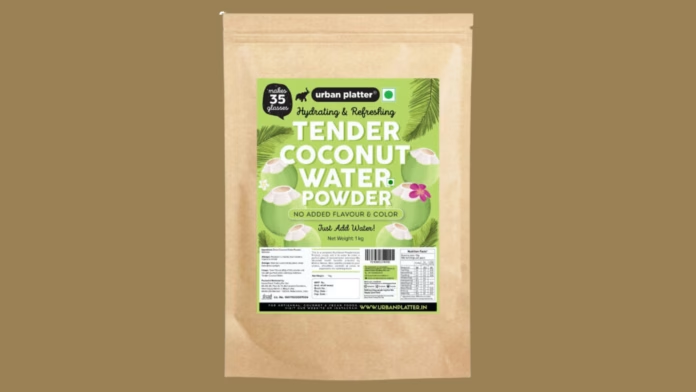
Summer is here, and with rising temperatures, it’s important to stay hydrated to keep your body cool and healthy. While drinking water is the most obvious and effective way to stay hydrated, many people also turn to coconut water for its refreshing taste and added health benefits. However, carrying around fresh coconuts or even pre-packaged coconut water can be inconvenient and difficult, especially if you’re on the go. This is where Urban Platter’s Tender Coconut Water Powder comes in – a convenient and portable solution for staying hydrated and refreshed this summer.
Urban Platter’s Tender Coconut Water Powder is made from the freshest and highest quality tender coconuts, which are dehydrated and powdered to create a convenient and long-lasting solution.
One of the biggest advantages of Urban Platter’s Tender Coconut Water Powder is its convenience.
Whether you’re at home, work, or on the go, the powder can be easily mixed with water to create a refreshing and healthy drink. This is especially useful for those who travel frequently or lead busy lifestyles and may not have access to fresh coconuts or pre-packaged coconut water. Additionally, the powder has a long shelf life, which means it can be stored for an extended period without the need for refrigeration.
The powder is easy to use – simply mix it with water to create a refreshing and natural drink that can be consumed anytime, anywhere. The powder contains no added preservatives, artificial flavors, or colors, making it a healthy and safe option for hydration.
The taste of Urban Platter’s Tender Coconut Water Powder is another advantage that sets it apart from other hydration options. The powder retains the natural taste of fresh tender coconuts, which is both refreshing and delicious. The powder can also be adjusted to your taste preferences – add more or less water depending on how concentrated you want the drink to be. The powder can also be used in a variety of recipes, such as smoothies, cocktails, and even desserts.
Urban Platter’s Tender Coconut Water Powder is also environmentally friendly. By using a powder instead of pre-packaged coconut water, you’re reducing waste and minimizing your carbon footprint. The powder is packaged in a resealable bag, which means it can be used multiple times and stored without the need for additional packaging.
Coconut water is known for its natural electrolytes, which can help replenish the body’s fluids and minerals lost during sweating. This makes it an excellent option for staying hydrated during hot summer months or after a workout. Coconut water is also rich in antioxidants, which can help prevent oxidative damage and improve overall health. Additionally, coconut water is low in calories and sugar, making it a great option for those looking to maintain a healthy diet.
Urban Platter’s Tender Coconut Water Powder is a convenient, healthy, and delicious option for staying hydrated and refreshed this summer. Its convenience, health benefits, taste, and environmental friendliness make it an excellent choice for anyone looking for a quick and easy hydration solution. So, whether you’re at the beach, gym, office, or on the go, don’t forget to bring along Urban Platter’s Tender Coconut Water Powder for a refreshing and healthy drink.
Sugar is a widely used ingredient in most kitchens. It’s used in baked goods, beverages, sauces, and toppings. However, consuming too much sugar can have negative effects on our health.
The World Health Organization recommends that adults consume no more than 6 teaspoons of sugar per day. With the rise in health-consciousness, people are looking for alternatives to traditional white sugar. One such alternative is Demerara sugar.
What is Demerara Sugar?
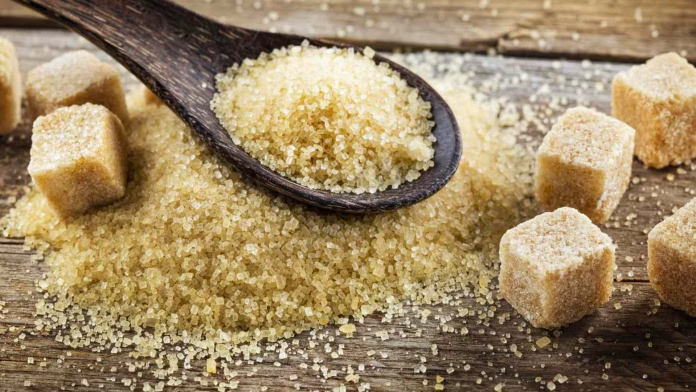
Demerara sugar is a type of unrefined sugar that is made from sugarcane. It is named after the Demerara River in Guyana, where it was originally produced. Demerara sugar has large, golden-brown crystals and a crunchy texture. It has a subtle molasses flavour and is less sweet than white sugar. It is often used as a sweetener in coffee and tea.
Nutritional Benefits of Demerara Sugar
Demerara sugar is less processed than white sugar, which means that it retains more of its natural minerals and nutrients. Here are some of the nutritional benefits of Demerara sugar:
Contains Minerals: Demerara sugar contains minerals such as calcium, magnesium, and potassium, which are essential for maintaining healthy bones, muscles, and nerves.
Low Glycemic Index: Demerara sugar has a low glycemic index, which means that it does not cause a rapid spike in blood sugar levels. This makes it a better option for people with diabetes.
Antioxidants: Demerara sugar contains antioxidants, which can help protect the body against damage from free radicals.
Comparison with Other Sweeteners
White Sugar:
White sugar, also known as table sugar or granulated sugar, is the most commonly used sweetener in the world. It is made from either sugar cane or sugar beets and is highly processed. During processing, all of the molasses, minerals, and nutrients are removed, leaving behind pure sucrose.
While white sugar is commonly used, it is not the healthiest option. It has a high glycemic index, which means it can cause spikes in blood sugar levels. It also lacks any nutritional value. On the other hand, demerara sugar is less processed and contains some of the natural molasses and minerals that are removed from white sugar.
Brown Sugar:
Brown sugar is another popular sweetener that is often used in baking. It is made by adding molasses back into white sugar. The amount of molasses added determines the colour and flavour of the brown sugar. Dark brown sugar has more molasses than light brown sugar, making it richer in flavour.
Brown sugar is a slightly healthier option than white sugar because it retains some of the molasses and minerals. However, it is still a highly processed sweetener and has a high glycemic index. Demerara sugar, on the other hand, is less processed and contains more of the natural molasses and minerals.
Honey:
Honey is a natural sweetener that is made by bees from the nectar of flowers. It has been used for thousands of years as a natural sweetener and also has many health benefits. Honey contains antioxidants and has antibacterial properties.
While honey is a healthier option than white sugar, it still has a high glycemic index and can cause spikes in blood sugar levels. It also has a distinct flavour that may not work in all recipes. Demerara sugar is a less processed alternative that can be used in place of honey in many recipes.
Maple Syrup:
Maple syrup is a natural sweetener that is made by boiling down the sap of maple trees. It has a rich, complex flavor that works well in many recipes. Maple syrup is also a good source of antioxidants and minerals like zinc and manganese.
While maple syrup is a healthier option than white sugar, it is still a highly processed sweetener and has a high glycemic index. Demerara sugar is a less processed alternative that can be used in place of maple syrup in many recipes.
Stevia:
Stevia is a natural sweetener that is made from the leaves of the Stevia rebaudiana plant. It is a popular sweetener among people who are trying to reduce their sugar intake because it has zero calories and does not raise blood sugar levels.
While stevia is a healthier option than white sugar, it has a distinct flavour that may not work in all recipes. It also lacks the caramel-like flavour of demerara sugar. Demerara sugar is a less processed alternative that can be used in place of stevia in many recipes.
How to Use Demerara Sugar in Recipes
Demerara sugar can be used in a variety of recipes. Here are some ideas:
Baked Goods: Demerara sugar can be used in place of white sugar in baked goods such as cakes, cookies, and muffins. It adds a subtle molasses flavor and a crunchy texture. Demerara sugar can also be sprinkled on top of baked goods before baking to create a caramelised crust.
Beverages: Demerara sugar is often used as a sweetener in coffee and tea. It adds a subtle sweetness and a hint of molasses flavour.
Sauces and Glazes: Demerara sugar can be used in sauces and glazes for meats, poultry, and fish. It adds a sweet and savoury flavour that compliments the flavours of the meat.
Toppings and Sprinkles: Demerara sugar can be used as a topping for desserts such as fruit pies and crumbles. It can also be sprinkled on top of oatmeal, yoghourt, and other breakfast foods.
Demerara sugar is a healthier alternative to many other sweeteners. It is less processed and contains more of the natural molasses and minerals that are removed from white sugar. While it is still a form of sugar and should be consumed in moderation, demerara sugar can be a better option for people who are looking for a less processed and more natural sweetener.
As the food delivery industry experiences a decline in growth after the pandemic peak, Zomato is said to be preparing to launch a B2B logistics service to bolster its revenue streams. Sources suggest that the service will transport food, pharmaceuticals, and other consumer goods for other e-commerce players.
According to insiders, Zomato has begun reaching out to potential customers such as smaller food and grocery aggregators, online pharmacy firms, and consumer brands over the last 30-45 days. Additionally, the company’s trial service has already expanded to several thousand daily deliveries.
“We are in the initial stages of discussion with Zomato. If we choose to go through with the integration, there will be a lot of alignment needed to be done in the next 30-60 days,” said a senior executive of an e-commerce aggregator that works with more than 10,000 restaurants.
“Zomato is not really offering a much different price point for the service as compared to other players in the market. Logistics is a commodity… What Zomato can offer to us is a great product which comes with a trained fleet, better delivery timelines. It won’t move the needle much for us from a cost-centre perspective,” he added.
According to an informed source, Zomato is reportedly providing a service at a price range of INR 10 to INR 15 per kilometer.
The company has refrained from making any official statements regarding the matter.
As per an internet sector analyst from a brokerage firm, this new service has the potential to revive Zomato’s revenue growth in a profitable manner.
“It improves your fleet utilisation and also reduces friction points with sellers. As it is a B2B service, you don’t own the customer anyway. So, it is easier for you to take your full cut…. Swiggy is also doing Minis which is a form of this service only where they have partnered with D2C brands. This also helps you build scale moats against any new player trying to disrupt the hyperlocal industry,” he said.
“It is better than logistics players like Dunzo and Shadowfax taking the delivery leg revenues… That way at least you get back at least some part of the revenue loss,” he added.
Taking a cue from its American counterpart, Doordash, Zomato is now diving into the B2B logistics service. Doordash, a prominent food delivery giant based in the US, had already paved the way with its own service called ‘Drive’ back in late 2016.
“With Drive, and as we continue to expand into other industry verticals beyond food, we expect to compete with large internet companies with substantial resources, users, and brand power, such as Amazon and Google,” Doordash said in its 2021 annual report.
The company derives its revenue from the Drive service by charging per-order fees to merchants who utilize its local logistics platform for arranging delivery services to fulfill demand generated through their own channels. Revenue from Drive is recognized when the consumer gains control over the merchant’s products.
Zomato’s search for growth:
Despite experts suggesting a slowdown in the growth of the food delivery sector, primarily confined to metro cities, Zomato has been actively testing and introducing several new services throughout the past year.
Zomato experienced a significant expansion in gross order value, reaching INR 5,500 crore, representing an 85 percent growth between Q3 FY21 and Q3 FY22. However, the growth rate tapered off in the subsequent period, resulting in a 21 percent growth between Q3 FY22 and Q3 FY23.
In February, Zomato introduced a new service targeting students and office-goers, offering affordable home-style meals. These meals are priced as low as INR 89 per serving (excluding delivery costs) and are available for breakfast (8 am-11:30 am) and lunch (11:30 am-3:30 pm).
The infrastructure for Zomato’s new service, called ‘Everyday,’ was developed on the foundation of their 10-minute food delivery service, which was tested last year but later put on hold due to limited demand.
In the previous year, Zomato introduced a food delivery service called ‘Legends,’ allowing customers to order from renowned restaurants located in different cities. Initially piloted without any usage restrictions, it is now exclusively available to customers who subscribe to Zomato’s newly-launched Gold subscription program.
In January of this year, Zomato relaunched its ‘Gold’ loyalty program, emphasizing food delivery, at an introductory price of Rs 149 for a three-month period. This revamped program not only offers discounts for food delivery but also allows users to avail discounts when dining at restaurants.
Sunfeast Farmlite Super Millets Cookies, available in both Multi Millet and Choco-chip Multi Millet variants, are packaged in 75g packs and priced at INR 50 per pack.
ITC Foods has launched its first millet cookies under the Sunfeast Farmlite brand, in line with its core purpose of promoting better eating habits in India.
Millets have gained recognition from experts as the food of the future, not only for being climate-smart crops but also as superfoods backed by scientific research. Earlier this year, ITC Foods launched “ITC Mission Millet,” a dedicated initiative powered by a strategic three-pillar model to develop a portfolio of “good-for-you” products, promote sustainable farming systems, and enhance consumer awareness of the benefits of millets.
The introduction of Sunfeast Farmlite Super Millets Cookies coincides with the ITC Mission Millet program. These millet cookies, available in two flavors – Multi Millet and Choco-chip Multi Millet, are crafted from a mix of millets, such as ragi and jowar (sorghum), and do not contain any added maida.
Notably, these cookies provide essential nutrients such as iron, protein, and fiber. The Choco-chip Multi Millets variant, in particular, offers an added element of indulgence with the inclusion of choco-chips. Both variants have skillfully balanced taste and nutrition, making them an excellent snacking choice for consumers.
Commenting on the launch, Ali Harris Shere, COO, Biscuits and Cakes Cluster, ITC Foods Division said, “At ITC, we are committed to provide our consumers with nutritious and sustainable food choices. With Mission Millet, we have embarked on a journey to build a culture of millet consumption through an exciting range of ‘good for you’ product portfolio. The new millet cookies are an integral step towards that mission. With the goodness of millets and the unique flavours at the centre stage, we are sure that our consumers will enjoy this new range of biscuits. We believe that these millet cookies will not only satisfy the taste buds of our consumers but also have nutrients like protein and iron.”
ITC Foods has already introduced several millet-based products like Aashirvaad multi-millet mix, Aashirvaad ragi flour, and Aashirvaad gluten-free flour. Looking ahead, ITC Foods aims to broaden its millet-based product line by introducing a variety of delicious and nutritious options across numerous segments.
Sunfeast Farmlite Super Millets Cookies, available in both Multi Millet and Choco-chip Multi Millet variants, are packaged in 75g packs and priced at INR 50 per pack. These cookies are currently sold in retail stores located in major cities such as Mumbai, Pune, Ahmedabad, Delhi-NCR, Kolkata, Chennai, Coimbatore, Hyderabad, Bangalore, and Kerala. Furthermore, the product is expected to be available on various e-commerce and quick commerce platforms in the near future.
We use cookies to ensure that we give you the best experience on our website. If you continue to use this site we will assume that you are happy with it.