The whole idea of a beer cocktail might sound a bit off, but hey! Who will not be impressed with a refreshing concoction that combines the effervescence of beer with the tantalizing flavors of carefully selected ingredients.
After all, if you’ve ever encountered or become acquainted with someone cool, you’ll understand that having unique and unconventional preferences is part of their charm. Although beer, in itself, doesn’t really require an add-on, if you’re not a big fan of it, this simple cocktail will just blow your mind!
Whether you’re hosting a party as a rookie, in-house bartender or want to feel the coolest laid back version of yourself, this cocktail can make you go places! And the best part? It doesn’t even require any technical skills or hassle of sticking to a particular recipe.
What Beer is needed for the Cocktail?
Well, go back to the part where we said, this cocktail doesn’t require any recipe! Yes, no recipe at all and absolutely no rules!
So, if you’re on a tight budget but wanna feel tipsy grab the cheapest pind out there or if it is the beginning of the month and you wanna feel fancy, grab yourself something luxurious or whatever suits you.
Light Beer + Aperol Or Campari + Citrus
For the days you don’t wanna feel too tipsy, this can become your regular go to, with just a shot (typically 1 ½ ounces, but just eyeball it) of Aperol or Campari to your beer, squeeze in orange or lemon (lime or grapefruit works too), swirl it around, and enjoy.
Light Beer + Amaro
Yet another no brainer, which will absolutely leave you tantalize! If you are an adventurous person, just Take a gulp of whatever cold, cheap, light beer you enjoy, then pour in an ounce or two of your preferred Amaro.
Sour Beer + Rum + Citrus
Not a big fan of sour beer? Well try to mingle it up with rum and/or citrus and just have faith on this one as it will make you come back for it over and over.
The Best One!
Just be adventurous and try it with whatever you feel like, since there are no concoction upon you!
When it comes to soccer superstars, Lionel Messi’s name stands out prominently. As one of the greatest players in the history of the sport, Messi has mesmerized fans around the world with his incredible skills and unrivaled talent. But did you know that Messi’s love for excellence extends beyond the soccer field? The Argentinian maestro also has a passion for good food, and one dish that holds a special place in his heart is the Milanesa Napolitana.
The Milanesa Napolitana is a classic Argentine recipe that combines breaded meat, tangy tomato sauce, savory ham, and melted cheese into a delightful culinary creation. It is a dish deeply rooted in the cultural heritage of Argentina, brought to the country by Italian immigrants and embraced as a beloved staple in Argentine cuisine. The combination of flavors and textures in the Milanesa Napolitana creates a truly satisfying and indulgent experience that captivates the taste buds.
Now, you have the opportunity to cook like a soccer superstar and savor the flavors that Lionel Messi holds dear. By preparing Messi’s signature Milanesa Napolitana recipe, you can embark on a culinary journey that connects you with the global icon on a personal level.
To help you recreate Messi’s favorite dish in your own kitchen, we have curated his signature Milanesa Napolitana recipe. By following the steps below, you can embark on a gastronomic adventure that will transport you to the heart of Argentina and delight your senses.
Ingredients:
4 thinly sliced skillet steaks, such as top round
3 eggs
1 teaspoon oregano
Salt and pepper to taste
2 cups fresh bread crumbs
1/4 cup grated parmesan cheese
2 cloves garlic, finely minced
1/3 cup olive oil or vegetable oil
1/2 cup tomato sauce
4 slices of deli ham
1 cup grated Mozzarella cheese
1 teaspoon Italian seasoning or oregano
Preparation:
Place the eggs in a shallow bowl or pan, and whisk them together with the oregano and some salt and pepper.
Stir the parmesan cheese and garlic into the bread crumbs and place them in another shallow pan.
Dip each steak first in the egg mixture, ensuring it is coated evenly, then in the bread crumbs, pressing gently to ensure the crumbs adhere well.
Heat the olive oil in a heavy skillet over medium heat. Cook the steaks for several minutes on each side, until they turn golden brown and crispy. Transfer the cooked steaks to a paper towel-lined plate to drain excess oil.
Place the cooked steaks on a baking sheet and preheat the oven broiler.
Top each steak with a slice of ham, followed by 2-3 tablespoons of tomato sauce, and finally, 1/4 cup grated Mozzarella cheese. Sprinkle Italian seasoning or oregano over the cheese.
Place the steaks under the broiler until the cheese melts and turns bubbly and golden.
Serve the Milanesa Napolitana warm, accompanied by fries or your preferred side dish.
Cooking Lionel Messi’s signature recipe not only allows you to enjoy a delicious meal but also offers a glimpse into the culinary preferences of a soccer superstar. So, grab your apron, gather the ingredients, and channel your inner Messi as you embark on this delightful gastronomic journey.
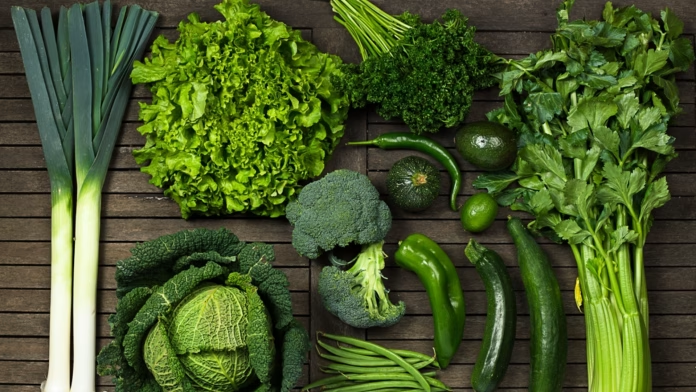
When it comes to maintaining a healthy and balanced diet, incorporating a variety of greens is a wise choice. These leafy powerhouses not only add vibrant colors to your plate but also pack a punch of nutritional value. From spinach and kale to broccoli and Swiss chard, these 9 healthy greens offer a wealth of health benefits that can contribute to your overall well-being. Whether you’re a seasoned greens lover or looking to expand your culinary horizons.
Get ready to discover how these leafy wonders can nourish your body, support your health, and contribute to a happier, more energetic lifestyle.
Watercress:
Watercress is a vibrant green leafy vegetable known for its crisp texture and peppery flavor. Packed with vitamins A, C, and K, as well as calcium and iron, watercress is a nutritional powerhouse. It is known to support bone health, boost immunity, and promote healthy digestion. Its high antioxidant content may also contribute to reducing the risk of chronic diseases.
Chinese Cabbage:
Chinese cabbage, also known as Napa cabbage, is a versatile and mild-flavored green that is commonly used in Asian cuisine. It is an excellent source of vitamin C, fiber, and folate. Chinese cabbage is low in calories and rich in antioxidants, which may help protect against cell damage and support heart health. It also contains glucosinolates, which have been associated with potential cancer-fighting properties.
Chard:
Chard, also called Swiss chard, features colorful stems and dark green leaves. It is rich in vitamins A, C, and K, as well as magnesium and potassium. Chard’s high fiber content supports healthy digestion, while its antioxidant properties help reduce inflammation. It may also contribute to regulating blood sugar levels and maintaining cardiovascular health.
Beet Greens:
Beet greens are the leafy tops of beetroots, and they are often overlooked despite their incredible nutritional value. Packed with vitamins A, C, and K, as well as iron and calcium, beet greens provide a range of health benefits. They support healthy vision, aid in detoxification, and promote bone health. Beet greens are also rich in antioxidants that help protect against cellular damage and inflammation.
Spinach:
Spinach is a popular leafy green that deserves its reputation as a nutritional powerhouse. Loaded with vitamins A, C, and K, as well as iron, folate, and fiber, spinach offers numerous health benefits. It supports healthy vision, aids in digestion, strengthens the immune system, and promotes heart health. Spinach is also rich in antioxidants, which contribute to overall cellular health.
Chicory:
Chicory is a leafy green with a slightly bitter taste, often used in salads or as a coffee substitute. It is a great source of vitamins A, C, and K, as well as fiber and antioxidants. Chicory has been associated with improved digestion, reduced inflammation, and enhanced liver health. It may also help regulate blood sugar levels and support weight management.
Lettuce:
Lettuce is a versatile and widely consumed green that comes in various forms, such as romaine, iceberg, and leaf lettuce. While lettuce is low in calories, it offers essential nutrients like vitamins A, C, and K, as well as folate and fiber. It provides hydration and supports healthy digestion. Different types of lettuce vary in nutrient content, so incorporating a mix of varieties can maximize their nutritional benefits.
Parsley:
Parsley is a flavorful herb that is often used as a garnish or ingredient in dishes. It is rich in vitamins A, C, and K, as well as folate and antioxidants. Parsley offers benefits such as supporting bone health, aiding in digestion, and promoting a healthy immune system. Its high antioxidant content may also help reduce inflammation and protect against chronic diseases.
Collard Greens:
Collard greens are dark leafy greens that have a slightly bitter taste and hearty texture. They are an excellent source of vitamins A, C, and K, as well as fiber, calcium, and folate. Collard greens support bone health, contribute to a healthy immune system, and may have anti-cancer properties. Their high fiber content aids in digestion and helps maintain a healthy weight.
Incorporating these 9 healthy greens into your diet can have a transformative impact on your overall health and well-being. From the peppery watercress to the versatile spinach and nutrient-packed beet greens, each green brings its own array of vitamins, minerals, and antioxidants to the table.
Whether you enjoy them in salads, sautés, smoothies, or as part of your favorite dishes, these greens offer an abundance of nutrients that support bone health, boost immunity, aid digestion, and reduce the risk of chronic diseases. So, embrace the vibrant world of greens and make them a regular part of your meals. Your body will thank you for the nourishment and vitality they provide, helping you thrive on your journey to a healthier lifestyle.
Mumbai, the bustling metropolis on the western coast of India, is known for its vibrant street food culture and diverse culinary scene. While it is famous for its savory snacks and aromatic curries, Mumbai also offers a wide range of refreshing beverages to beat the city’s scorching heat. Among these, juices and smoothies have gained immense popularity in recent years, with numerous establishments specializing in crafting the perfect thirst-quenching concoctions.
Mumbai’s fast-paced lifestyle and scorching summers make it an ideal city for juices and smoothies. The city’s residents have embraced this trend wholeheartedly, incorporating these beverages into their daily routines. From office-goers seeking a quick mid-day pick-me-up to fitness enthusiasts looking to replenish their energy post-workout, Mumbai offers a plethora of options to cater to diverse preferences.
In this article, we will explore Mumbai’s 12 ultimate juice and smoothie destinations that you must visit to satiate your cravings and revitalize your senses.
XYZ Juice Bar
Located in the heart of Mumbai, XYZ Juice Bar is a popular destination for health-conscious individuals. They offer a wide variety of fresh juices and smoothies made from locally sourced organic fruits and vegetables. With their commitment to quality and taste, XYZ Juice Bar has garnered a loyal customer base.
ABC Smoothie Corner
If you’re craving a delicious and creamy smoothie, ABC Smoothie Corner is the place to visit. Known for their creative flavor combinations and thick, velvety textures, this corner shop will leave your taste buds delighted. From classic fruit smoothies to indulgent chocolate blends, ABC Smoothie Corner offers a wide range of options to suit every palate.
PQR Fresh Juice Stall
For those looking for a more traditional juice experience, PQR Fresh Juice Stall is a hidden gem. This humble roadside stall offers an array of freshly squeezed juices made from seasonal fruits. The simplicity of their preparation allows the natural flavors to shine through, making every sip a refreshing delight.
LMN Organic Juices
LMN Organic Juices is a haven for health enthusiasts. With a focus on organic and sustainable ingredients, they offer a range of nutrient-packed juices and smoothies. From green detox blends to antioxidant-rich berry concoctions, LMN Organic Juices ensures that every sip contributes to your overall well-being.
DEF Superfood Smoothies
If you’re looking for a nutritional powerhouse in a glass, DEF Superfood Smoothies is the place to be. They specialize in blending superfoods like kale, chia seeds, and spirulina into their smoothies, ensuring a boost of vitamins and minerals with every sip. Their innovative recipes make healthy eating a flavorful experience.
GHI Tropical Juice Paradise
Transport yourself to a tropical paradise at GHI Tropical Juice Paradise. Known for their exotic fruit juices and smoothies, this destination offers a taste of the tropics in the heart of Mumbai. From refreshing pineapple blends to creamy coconut concoctions, GHI Tropical Juice Paradise is a true oasis for juice lovers.
JKL Juice Express
Convenience meets flavor at JKL Juice Express. This grab-and-go juice bar caters to busy individuals looking for a quick and nutritious option. Their pre-packaged juices and smoothies are made fresh daily, ensuring that you can fuel up on the go without compromising on quality.
MNO Detox Smoothie Bar
If you’re in need of a detox, look no further than MNO Detox Smoothie Bar. Their menu is curated with ingredients known for their cleansing and purifying properties. Whether you’re seeking to flush out toxins or simply reset your system, MNO Detox Smoothie Bar has a range of revitalizing options to support your wellness journey.
RST Juice Haven
RST Juice Haven offers a unique blend of flavors and health benefits. With their expert mixologists, they create innovative combinations that cater to different needs and preferences. Whether you’re looking for an immunity-boosting blend or a refreshing post-workout replenishment, RST Juice Haven has you covered.
UVW Smoothie Delight
UVW Smoothie Delight takes smoothies to the next level with their creative ingredients and presentation. Their menu includes Instagram-worthy smoothie bowls topped with an array of fresh fruits, nuts, and seeds. UVW Smoothie Delight is not just a treat for your taste buds but also a feast for your eyes.
OPQ Juice Oasis
OPQ Juice Oasis is a popular destination for cold-pressed juices. Using a hydraulic press to extract juice from fruits and vegetables, they ensure maximum retention of nutrients and flavors. If you’re looking for a healthy and refreshing option, OPQ Juice Oasis is worth a visit.
STU Refreshing Blends
Last but not least, STU Refreshing Blends offers a wide range of customized juices and smoothies. With their interactive menu, you can choose your preferred ingredients and watch as they blend them into a delicious and personalized beverage. STU Refreshing Blends allows you to unleash your creativity and enjoy a drink tailored to your liking.
From humble juice stalls to trendy grab-and-go bars, these establishments offer a wide range of options to cater to every taste and preference. So, the next time you find yourself in Mumbai, embark on a flavorful journey and discover the vibrant world of juices and smoothies that await you.
Delhi, the vibrant and bustling capital of India, is renowned for its rich history, cultural heritage, and, of course, its diverse and delectable cuisine. From the spicy street food of Chandni Chowk to the upscale restaurants in South Delhi, the city offers a plethora of culinary experiences that cater to all taste buds. However, when the clock strikes late into the night and hunger strikes, finding quality places that serve delicious food can be a challenge.
Late-night cravings can be a powerful force, urging us to seek out satisfying meals long after regular dining hours have ended. Whether you’ve just wrapped up a late-night work shift, had a night out with friends, or simply find yourself awake and hungry in the wee hours, the hunt for a place that caters to your nocturnal appetite can be a daunting task. That’s where our curated list of the top 7 spots in Delhi comes to the rescue, guiding you to the best late-night eateries that will tantalize your taste buds and satisfy your midnight cravings.
Delivery Jack:
When it’s late and you’re craving a greasy, post-party meal, Delivery Jack has got you covered. Located in Greater Kailash, this restaurant understands the importance of satisfying your late-night cravings. Whether you’re in the mood for appetizers, rolls, pizza, pasta, or biryani, Delivery Jack offers a wide variety of options. Their JD Glazed Honey Chilli Potato, Arrabbiata Prawn Pasta, and Greek Salad with Feta are highly recommended. Don’t forget to order a mix of dishes to share with your friends.
Operating Hours: 2:30 am on weekdays, 4 am on weekends
Baking Bad:
If you’re a pizza lover, Baking Bad is a must-visit, even during regular business hours. Unlike many late-night delivery options that often serve rubbery and cheese-sparse pizzas, this pizzeria stands out with its exceptional offerings. Indulge in their phenomenal Heisenberg pizza, featuring smoked pepperoni, bacon, salami, smoked chicken, chili, and fresh basil. Alternatively, try their Shroom Fest pizza with pecorino romano cheese, shiitake, chestnut, and enoki mushrooms. You can even choose from special crust options like spinach, beetroot, or quinoa.
Operating Hours: 4 am
The Munchbox:
As a late-night delivery kitchen that offers a mix of cuisines, The Munchbox is the perfect place to satisfy your comfort food cravings. From momos and biryanis to burgers and tandoori delicacies, their menu is filled with indulgent treats. For meat lovers, the Double Cheese Mutton Burger is a must-try, while vegetarians can enjoy the Cajun Spiced Cottage Cheese Burger. Wash it all down with a Nutella or New York Cheesecake Shake for a truly satisfying experience.
Operating Hours: 4 am
Mandarin House:
While greasy Chinese food is abundant in the late-night market, finding quality Chinese cuisine can be a challenge. However, Mandarin House stands out with its delicious offerings. Their noodles are cooked in Herculean woks, ensuring a delightful texture, and their gravies are free from stray chunks or clumped flour. For a satisfying one-person meal, try their Hot Garlic Fish Bowl, accompanied by Golden Fried Prawns and Paneer Pan Fried Dumplings.
Operating Hours: 24 hours
Hunger Strike:
When hunger strikes, and you crave comforting, no-nonsense food, Hunger Strike is the place to go. Known for their rolls and momos, this oldie-but-goodie eatery never fails to hit the spot. Treat yourself to a mix of their Chicken Afghani Tandoori Momos, Paneer Kurkure Momo, Chilli Chicken Rolls, and Malai Chaap Roll for a burst of flavors and textures.
Operating Hours: 24 hours
Gurbers:
Late-night meals and burgers go hand in hand. Gurbers understands this connection and offers a variety of mouth-watering burger options. Whether you’re a meat lover or prefer a vegetarian delight, Gurbers has something for everyone. Indulge in their Chimichurri Lamb Cheese Gurber or BBQ Bean Burger, and don’t forget to complement your meal with Jalapeno Poppers and Mozzarella Sticks on the side.
Operating Hours: 24 hours
Dilli BC:
While Dilli BC has a disadvantage of closing a few hours after most places declare “last order,” it is definitely worth a visit for its Mughlai fare and biryani. Located in Kalkaji, this kitchen serves up messy, flavorful meals with generous portions. Highlights from their menu include Chicken Tikka Biryani, Tandoori Pineapple, Bhatti Chicken, and Mutton Rara. Make sure to order a mountain of steaming stuffed naans and kulchas to complete your dining experience.
Operating Hours: Midnight
If you find yourself craving delicious late-night eats in Delhi, these top 7 spots will satisfy your appetite. Whether you’re in the mood for pizza, Chinese cuisine, comfort food, burgers, or Mughlai delights, these restaurants have you covered. So, the next time you’re out and about in the city during the midnight hour, head over to these culinary gems and treat yourself to mouth-watering midnight delights.
Garlic, scientifically known as Allium sativum, has been a staple ingredient in cuisines across the globe for centuries. This pungent and flavorful herb not only adds depth to various dishes but also boasts a wide range of health benefits. From supporting cardiovascular health to bolstering the immune system and fighting off infections, garlic is truly a superfood that should not be overlooked. In this article, we will explore the numerous health benefits of consuming garlic. Furthermore, we will discuss different ways to incorporate garlic into your everyday foods and highlight any precautions or possible side effects to be aware of.
Health Benefits of Consuming Garlic:
Garlic is not only a flavor powerhouse but also a nutrient-dense food. It contains an array of essential vitamins and minerals, including vitamin C, vitamin B6, manganese, selenium, and potassium. Additionally, garlic is a great source of sulfur compounds, such as allicin, which is responsible for many of its health benefits.
Cardiovascular Health
One of the most well-known benefits of garlic is its positive impact on cardiovascular health. Research suggests that garlic consumption can help lower blood pressure, reduce cholesterol levels, and prevent the formation of blood clots. These effects contribute to a reduced risk of heart disease and stroke.
Immune System Boost
Garlic has potent antimicrobial properties that can help strengthen the immune system. It has been shown to have antibacterial, antiviral, and antifungal properties, which may help protect against various infections and illnesses.
Anti-Cancer Properties
Studies have indicated that garlic may possess anti-cancer properties. Its sulfur compounds have been found to have anti-tumor effects and may help inhibit the growth of cancer cells. Garlic consumption has been associated with a reduced risk of certain cancers, including colorectal, stomach, and prostate cancer.
Digestive Health
Garlic can support digestive health by promoting the growth of beneficial gut bacteria. The sulfur compounds in garlic act as prebiotics, nourishing the gut microbiota and aiding in digestion. Garlic’s antimicrobial properties may also help combat harmful bacteria and reduce the risk of digestive infections.
Anti-Inflammatory Effects
Chronic inflammation is linked to various health conditions, including heart disease, diabetes, and certain types of cancer. Garlic contains compounds that possess anti-inflammatory properties, which can help reduce inflammation in the body and lower the risk of chronic diseases.
Blood Sugar Regulation
Garlic has been found to have a positive impact on blood sugar levels. It can help regulate insulin sensitivity and improve glucose metabolism, which is beneficial for individuals with diabetes or those at risk of developing the condition. Including garlic in your diet may help stabilize blood sugar levels and promote better overall glycemic control.
Cognitive Function Improvement
Emerging research suggests that garlic consumption may have cognitive benefits. Certain compounds in garlic can enhance antioxidant activity and improve blood flow to the brain, which may help protect against age-related cognitive decline and improve memory and cognitive function.
How to Incorporate Garlic into Your Daily Diet
Incorporating garlic into your everyday foods is simple and can add both flavor and health benefits to your meals. Here are three popular ways to enjoy garlic:
Raw Garlic
Consuming raw garlic is believed to provide the most potent health benefits. You can mince or crush garlic cloves and add them to salad dressings, dips, or spreads. However, keep in mind that raw garlic can be strong and pungent, so start with small amounts and gradually increase as per your taste preference.
Cooked Garlic
Cooking garlic can mellow its flavor while retaining some of its health benefits. You can sauté garlic in olive oil as a base for various dishes, including stir-fries, pasta sauces, and roasted vegetables. Adding cooked garlic to your meals will infuse them with a delightful aroma and taste.
Garlic Supplements
If you find it challenging to incorporate garlic into your diet regularly, you can opt for garlic supplements available in the form of capsules or tablets. However, it’s essential to consult with a healthcare professional before starting any supplementation to ensure it’s suitable for your specific health needs.
Precautions and Possible Side Effects
While garlic is generally safe for consumption, it may cause side effects in some individuals. Common side effects include bad breath, body odor, heartburn, and gastrointestinal discomfort. Additionally, garlic may interact with certain medications, such as blood thinners, so it’s crucial to consult with a healthcare provider if you’re taking any medications or have underlying health conditions.
Garlic’s impressive health benefits, culinary versatility, and rich historical significance make it a superfood worth incorporating into your daily diet. From promoting cardiovascular health and boosting the immune system to potentially combating cancer and improving cognitive function, garlic offers an array of advantages. By exploring various ways to enjoy garlic in your meals, you can enhance both the flavor and nutritional value of your dishes while reaping the numerous health benefits that this incredible herb has to offer. Embrace the power of garlic and experience its wonders for yourself.
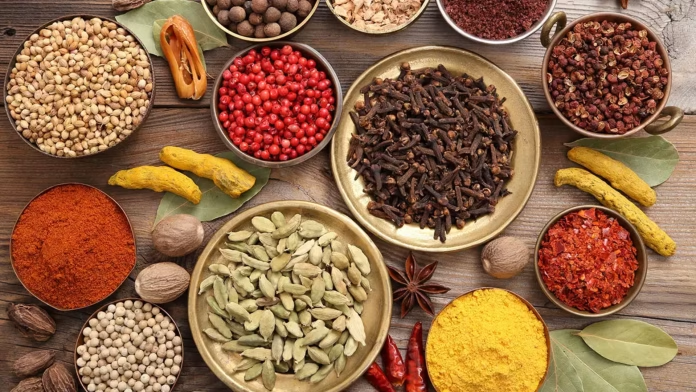
When it comes to adding depth, complexity, and flavor to your dishes, Indian spices are the secret ingredient you need. The world of Indian cuisine is renowned for its vibrant and aromatic spices, which have been used for centuries to create mouthwatering dishes that are loved and cherished across the globe. Whether you’re a seasoned chef or a home cook looking to experiment with new flavors, incorporating Indian spices into your cooking repertoire will take your dishes to the next level. In this article, we will explore 12 essential Indian spices that can transform any dish you make.
Turmeric: The Golden Spice:
Known as the “Golden Spice,” turmeric is a staple in Indian cooking. It is widely recognized for its vibrant yellow color and earthy flavor. Turmeric has been used in Ayurvedic medicine for centuries due to its anti-inflammatory properties and potential health benefits. In cooking, it adds a warm and slightly bitter taste to dishes, and it is a key ingredient in curry powders and spice blends.
Cumin: The Earthy Flavor:
Cumin seeds are widely used in Indian cuisine for their distinctive earthy and slightly nutty flavor. They can be used whole or ground, and their warm aroma adds depth to a variety of dishes, including curries, soups, and rice. Cumin is also known for its digestive properties and is often used in traditional remedies.
Coriander: The Versatile Herb:
Coriander, both in seed and leaf form, is a versatile herb used extensively in Indian cooking. The seeds have a warm, citrusy flavor, while the leaves (known as cilantro) have a fresh and vibrant taste. Coriander seeds are often ground and used as a spice, while the leaves are used as a garnish or added to chutneys and sauces.
Cardamom: The Fragrant Pods:
Cardamom is one of the most prized spices in Indian cuisine. The small, green pods contain aromatic black seeds with a sweet and floral flavor. Cardamom is often used in both sweet and savory dishes, such as biryanis, desserts, and masala chai. Its fragrance and unique taste make it a must-have spice in any Indian kitchen.
Cloves: The Intense Aroma:
Cloves are known for their strong, pungent aroma and warm, sweet flavor. These dried flower buds are used in various Indian dishes, including curries, rice preparations, and spice blends. Cloves add depth and richness to both savory and sweet recipes, making them a versatile spice in Indian cuisine.
Cinnamon: The Sweet and Warm Spice:
Cinnamon is a popular spice used in Indian cooking for its warm, sweet flavor and enticing aroma. It is derived from the inner bark of cinnamon trees and adds a unique depth to dishes. Cinnamon is often used in curries, rice dishes, desserts, and even beverages like chai tea. Its distinct taste enhances both sweet and savory recipes, making it a beloved spice in Indian cuisine.
Mustard Seeds: The Tiny Powerhouses:
Mustard seeds come in two varieties: black and yellow. These small but mighty seeds are commonly used in Indian cooking to add a pungent and slightly bitter flavor. When heated in oil, mustard seeds release a nutty and aromatic taste that elevates dishes like curries, pickles, and chutneys. They also provide a crunchy texture when used as a tadka (tempering) in various recipes.
Fenugreek: The Bitter-Sweet Herb:
Fenugreek, both in its seed and leaf form, is a unique spice used extensively in Indian cuisine. The seeds have a slightly bitter taste and are often roasted and ground to enhance their flavor. Fenugreek leaves, known as methi, have a distinct, earthy flavor and are used as a fresh herb or dried for later use. They are commonly used in curries, dals (lentil dishes), and spice blends like garam masala.
Kashmiri Red Chili: The Vibrant Heat:
Kashmiri red chili is known for its vibrant red color and moderate heat level. It adds a beautiful hue and a mild spiciness to dishes without overwhelming the flavors. Kashmiri red chili powder is widely used in Indian cuisine, particularly in tandoori dishes, marinades, and curries. It imparts a rich, red color and a subtle kick to the recipes, making them visually appealing and flavorful.
Asafoetida: The Pungent Resin:
Asafoetida, also known as hing, is a unique spice that has a strong, pungent aroma reminiscent of garlic and onions. It is commonly used in vegetarian and lentil dishes to add depth and flavor. Asafoetida is usually added to hot oil or ghee at the beginning of the cooking process, where it releases its distinct aroma and mellows down to provide a subtle umami taste to the dish.
Curry Leaves: The Aromatic Leaves:
Curry leaves are a staple in South Indian cuisine and are prized for their distinctive aroma and flavor. These shiny, dark green leaves are used as a seasoning in various dishes, imparting a citrusy and slightly nutty taste. Curry leaves are often added to tempering (tadka) to release their aromatic compounds, enhancing the overall flavor of curries, chutneys, and rice dishes.
Garam Masala: The Fragrant Blend:
Garam masala is a quintessential spice blend in Indian cuisine. It is a combination of various ground spices like cinnamon, cardamom, cloves, cumin, coriander, and more. Garam masala adds depth, warmth, and complexity to dishes, making it a crucial component in curries, biryanis, and even snacks. The exact blend of spices may vary from region to region and household to household, allowing for unique flavor profiles and personal touches in Indian cooking.
Indian spices are the key to elevating every dish you make in your kitchen. With their vibrant flavors, enticing aromas, and rich cultural heritage, these 12 essential Indian spices bring depth, complexity, and a touch of magic to your culinary creations. From the golden hue of turmeric to the fragrant pods of cardamom, each spice has its unique characteristics that contribute to the tapestry of Indian cuisine.
Whether you are preparing a traditional curry, experimenting with fusion dishes, or simply adding a sprinkle of flavor to your everyday meals, incorporating Indian spices will transport your taste buds to a world of exquisite flavors. These spices not only tantalize your senses but also offer numerous health benefits and a connection to a culinary tradition that spans centuries.
So, venture into the world of Indian spices, explore their nuances, and allow them to transform your cooking game.
Superfoods have garnered significant attention in recent years, and for good reason. These nutrient-packed powerhouses offer an array of health benefits that can contribute to overall well-being. Packed with essential vitamins, minerals, antioxidants, and phytochemicals, superfoods possess the potential to enhance our immune system, support healthy digestion, boost energy levels, and promote optimal brain function. Incorporating superfoods into our diets can help combat inflammation, reduce the risk of chronic diseases, and promote a healthy weight.
Moreover, superfoods often contain high levels of fiber, which aids in digestion and promotes a feeling of fullness. Whether it’s vibrant berries, nourishing leafy greens, or wholesome grains, embracing superfoods empowers us to make conscious choices about our nutrition and take proactive steps towards a healthier lifestyle. By harnessing the power of these extraordinary foods, we unlock the potential for enhanced vitality and overall wellness.
How Do These Superfoods Help?
Since they have high nutrient content, these superfruits are like a fully functioning powerhouse of nutrients that the body.
Superfoods are rich in essential nutrients such as vitamins, minerals, and antioxidants. These nutrients play a vital role in supporting various bodily functions, boosting our immune system, and promoting overall wellness.
They have:
Fiber
Antioxidants
Vitamins
Minerals
Complex Carbohydrates
Healthy Fats
Omega 3 fatty acids
Which helps with overall but in particular digestive health, heart health, brain health and even skin health!
Best Time to Consume Superfoods?
The best time to consume superfoods may vary depending on the specific food and individual preferences. However, there are a few general considerations to keep in mind.
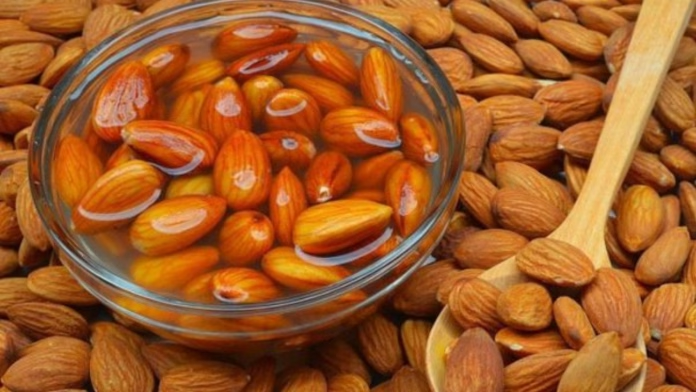
Soaking superfoods, such as nuts, seeds, and grains, can be beneficial for digestion and nutrient absorption. Soaking helps to break down enzyme inhibitors and phytic acid, which can interfere with the body’s ability to absorb nutrients. It is recommended to soak these superfoods overnight or for a few hours before consuming them.
Having superfoods on an empty stomach can be advantageous for some individuals. When consumed on an empty stomach, superfoods are more readily absorbed by the body, allowing for efficient utilization of their nutrients. This can provide a quick boost of energy and promote optimal digestion.
However, it’s important to note that individual responses to food timing may vary. Some people may prefer to consume superfoods with other meals or as part of a balanced snack. The key is to listen to your body and find a routine that works best for you.
Ultimately, incorporating superfoods into your daily diet is more important than focusing solely on the timing. Whether you choose to soak them and have them on an empty stomach or include them in your meals and snacks throughout the day, the goal is to enjoy the nutritional benefits they offer and support your overall health and well-being.
Benefits of Superfoods- A simple yet effective tool to boost your kids’ Health
Soaked superfoods can provide several benefits, especially for kids, as they are more easily digestible and offer enhanced nutrient absorption. Here are some specific advantages:
Improved Digestion
Soaking superfoods, such as nuts, seeds, and grains, helps break down complex carbohydrates, proteins, and fats, making them easier to digest. This can be particularly beneficial for children with sensitive digestive systems or those prone to digestive discomfort.
Enhanced Nutrient Availability
Soaking superfoods reduces the presence of anti-nutrients, such as phytic acid and enzyme inhibitors, which can interfere with nutrient absorption. By reducing these compounds, soaking helps unlock the nutrients present in the superfoods, making them more bioavailable for the body to utilize effectively.
Increased Nutrient Absorption
Soaked superfoods are gentler on the digestive system, allowing for better absorption of nutrients. The soaking process activates enzymes and breaks down complex molecules, making it easier for the body to extract essential vitamins, minerals, and antioxidants from the superfoods.
Improved Hydration
Some superfoods, like chia seeds and flaxseeds, absorb water during soaking, forming a gel-like consistency. This gel helps retain water in the body and supports hydration, which is important for overall health and well-being, especially in children who may not drink enough water.
Enhanced Taste and Texture
Soaking certain superfoods can enhance their taste and texture, making them more appealing to kids. For example, soaked nuts become softer and creamier, which may be more enjoyable for children who find the texture of raw nuts challenging.
Allergy Reduction
Soaking superfoods can help reduce the risk of allergic reactions in some cases. Soaking and rinsing certain foods like legumes (e.g., beans, lentils) can help eliminate or reduce potential allergens, making them safer for consumption.
It’s important to note that while soaking can enhance the digestibility and nutrient absorption of superfoods, it may not be necessary for all types of superfoods. Some superfoods, like berries, leafy greens, and certain vegetables, can be consumed raw or cooked without the need for soaking.
Incorporating soaked superfoods into your child’s diet can offer nutritional benefits and support their overall health. However, it’s always a good idea to consult with a pediatrician or nutritionist for personalized advice based on your child’s specific dietary needs and any potential allergies or sensitivities they may have.
Devyani International Limited (Representative Image)
Devyani International Limited (DIL), a quick service restaurants chain operator, recorded a 21.2% decrease in consolidated net profit for Q4, ending on March 31, 2023. The net profit dropped to INR 59.8 crore from INR 75.9 crore in the corresponding quarter of the previous financial year, according to a regulatory filing.
DIL is India’s largest franchisee of Yum Brands, overseeing popular brands like KFC, Pizza Hut, and Taco Bell.
As per the BSE filing, DIL witnessed a notable increase in total income during Q4 FY23. The company’s total income surged by 29.14% to INR 7,65.99 crore, surpassing the INR 5,93.13 crore generated in the same period of the previous fiscal year.
In Q4 FY23, Devyani’s total expenses climbed to INR 7,24.76 crore, reflecting an increase from INR 5,47.99 crore in the same period of the previous fiscal year.
According to the exchange filing, Devyani’s total income for the fiscal year 2023 experienced a significant year-on-year growth of 44.29%, reaching INR 3,030.30 crore. This is in comparison to the previous fiscal year FY22, where the total income was INR 2,100.13 crore.
Ravi Jaipuria, Non-Executive Chairman at Devyani International said, “In FY23, DIL demonstrated strong growth momentum and we have crossed some very significant milestones. Our consolidated revenues have reached INR 3,000 crore.”
Over the past three years, the company has expanded its store count by more than double and currently operates 1,243 stores across a diverse range of countries and brands.
In FY 2023, both KFC and Pizza Hut achieved significant milestones by surpassing 500 stores each. Additionally, as of March 31, 2023, Costa Coffee has also reached the milestone of 100 stores.
Jaipuria said, “We continue to actively pursue new trade areas in metro cities and upcoming locations. This will help us take our brands closer to our customers and give them better experience, thus solidifying our presence in the domestic markets.”
Sharing on the future growth, he said that the confidence in DIL’s brands and the Indian market remains strong.
“We are seeing initial signs of inflation stabilizing. This gives us hope for a rebound in consumer spending in second half of the coming fiscal,” Jaipuria added.
Despite high inflation and squeezed disposable incomes, Greggs is expected to experience a 10% increase in profit this year. (Representative Image)
Greggs, the British bakery, is poised for continued growth this year despite tighter household budgets. The company’s assortment of baked goods and introduction of new products are anticipated to support its forecasted performance.
Despite high inflation and squeezed disposable incomes, Greggs is expected to experience a 10% increase in profit this year. The company’s value offerings, along with the introduction of new products like chicken goujons and the vegan Mexican chicken-free bake, are driving customer spending.
Greggs witnessed a significant 15.7% increase in underlying sales across its 2,300 outlets during the 10-week period ending on May 13. The company anticipates a gradual normalization of these figures throughout the year as it surpasses comparisons to the Covid-affected periods experienced in early 2022.
Chief Executive Roisin Currie anticipates substantial growth for Greggs. Factors such as store openings in airports, extended operating hours, and the company’s ability to gain market share from competitors like McDonald’s and Costa Coffee are expected to drive this growth.
According to her, data from the Greggs app, which offers rewards for frequent purchases, indicates an increase in purchase frequency.
“Exciting new products in the range convince customers to come for those extra visits,” Currie said, adding that Greggs will launch a flat bread range and a sweet chilli chicken noodle salad box in the coming weeks.
Goodbody analysts characterized Greggs’ performance thus far as “highly resilient.”
Shares in Greggs have outperformed Britain’s midcap index with a remarkable 27% surge in the past six months. However, in early Tuesday trading, the stock experienced a marginal 0.7% decline.
According to Refinitiv data, analysts predict that Greggs will report a pre-tax profit of approximately £163 million ($205.7 million) for 2023, compared to £148.3 million in 2022.
We use cookies to ensure that we give you the best experience on our website. If you continue to use this site we will assume that you are happy with it.