The restaurant is meticulously designed as a modern-classic blend, seamlessly integrating the best features of both styles.
Bengaluru welcomes a fresh addition to its dining scene with the opening of O’ver Coffee, a European restaurant and wine bar. Situated on Lavelle Road, this unique establishment offers a seamless fusion of a coffee and wine bar experience. Founded by Mahesh Krishnachari, director at Vevra, O’ver Coffee boasts an exquisitely designed ambiance and a carefully curated menu.
Partnering with Chef patron and oenophile Abhijit Saha, O’Ver Coffee presents an exquisite menu of European cuisine, blending sophistication and comfort. With Saha’s extensive three-decade experience, the menu showcases a fusion of traditional and modern flavors.
“Our aim is to offer our customers value on their plate or in their cup, regardless of the price,” says Krishnachari.
He added, “To me, it’s all about honesty on the plate. O’ver Coffee promises to offer an unforgettable dining experience to all our guests, whether they are looking for a relaxed evening with friends, a romantic dinner, or a business meeting. Above all we are deeply grateful for chef Abhijeet Saha’s consistent efforts in curating the menu and everything at O’ver Coffee. With his culinary skills and unwavering attention to detail, his expertise and flair for combining unique ingredients and flavor have elevated the dining experience at O’ver Coffee.”
O’Ver Coffee not only offers a diverse menu and a wide range of beverages, but it also provides a private meeting room and secluded corners, making it an ideal space for business meetings and co-working. The restaurant is meticulously designed as a modern-classic blend, seamlessly integrating the best features of both styles. The warm and inviting lighting creates a cozy ambiance, promoting relaxation and meaningful conversations. The walls are adorned with tasteful pictures of Europe and India, adding an elegant touch to the overall sophistication of the space.
Restaurant Brands Asia's shares closed slightly lower on Wednesday prior to reporting its results, falling 4% year-to-date. (Representative Image)
Restaurant Brands Asia Ltd, previously known as Burger King India, reported a wider Q4 loss as it ramped up ingredient spending while expanding in India and Indonesia.
Rising costs of essential ingredients such as cheese and milk have been impacting restaurants in India, leading to increased expenses in recent quarters. Despite a decrease in vegetable prices, other costs remain on the rise for the industry.
Additionally, restaurants are facing a decline in consumer demand due to inflation concerns, further adding to their challenges.
Domino’s franchisee Jubilant Foodworks and KFC-operator Devyani International joined McDonald’s-operator Westlife FoodWorld and Yum Brands franchisee Sapphire Foods in reporting lackluster results earlier today.
Restaurant Brands Asia recorded a wider consolidated net loss of INR 733.7 million (around USD 9 million) for the quarter ended March 31, compared to INR 670.7 million in the previous year.
Driven by the opening of numerous new restaurants to expand into different cities and combat competition, Restaurant Brands Asia witnessed a substantial growth of nearly 29 percent in its revenue from operations, reaching INR 5.14 billion.
Total expenses rose by around 29 percent, overshadowing the company’s top-line growth. It is worth noting that the company also operates Popeyes restaurants in India and Indonesia under Restaurant Brands International.
Restaurant Brands Asia’s shares closed slightly lower on Wednesday prior to reporting its results, falling 4% year-to-date. (USD 1 = INR 81.78)
Are you craving a scrumptious office lunch that will satisfy your taste buds and leave you feeling satisfied? Look no further than Hyderabad, the bustling city renowned for its booming IT sector and diverse culinary scene. With an array of tempting lunch buffets available, Hyderabad offers a variety of options to cater to every palate and preference. Whether you’re a fan of traditional Indian cuisine, a lover of international flavors, or someone who enjoys fusion delights, you’ll find something to tantalize your taste buds in this vibrant city.
In this article, we will take you on a culinary journey through ten of the most enticing lunch buffets in Hyderabad. We’ll provide a brief description of each restaurant, including their specialties, pricing, address, location, and timing. So, get ready to explore these gastronomic havens and discover your next favorite lunch spot in Hyderabad!
Biryani by Kilo
Specializing in authentic biryanis, Biryani by Kilo is a haven for biryani connoisseurs. They offer a range of biryanis, including the popular Hyderabadi Biryani, Mutton Biryani, and Paneer Biryani. With generous portions, aromatic flavors, and quality ingredients, Biryani by Kilo guarantees a satisfying lunch experience.
Price range: INR 300-INR 500 per person.
Address: Multiple locations across Hyderabad.
Timing: 12:00 PM to 3:30 PM.
Rajthali
If you’re in the mood for Chinese and Continental cuisine, Rajthali is the place to be. This restaurant offers a delightful buffet spread featuring dishes like Paneer aur Masala Dal Ke Sath Roti Chawal and Masaledar Puri Bhaaji. With attentive service and a soothing ambiance, Rajthali ensures a memorable dining experience.
Price range: INR 400-INR 600 per person.
Address: Road No. 14, Banjara Hills, Hyderabad.
Timing: 12:30 PM to 3:30 PM.
Tulips – Hotel Green Park
Tulips at Hotel Green Park is more than just a buffet; it’s an opportunity to socialize and enjoy flavorsome food. Their lunch buffet includes specialties like Haleem, Paya, and Hyderabadi Biryani. With its welcoming atmosphere and impeccable service, Tulips is perfect for a relaxing and delicious office lunch.
Price range: INR 600-INR 800 per person.
Address: Greenlands, Begumpet, Hyderabad.
Timing: 12:30 PM to 3:30 PM.
Flechazo
For a unique fusion experience, head to Flechazo, where Mediterranean and Asian flavors come together. This vibrant restaurant offers live counters, signature dishes like Cheesy Corn Roll and Chicken 65, and a wide variety of starters, main courses, and desserts. The interactive dining experience at Flechazo is sure to impress.
Price range: INR 700-INR 900 per person.
Address: Hitech City, Kondapur, Hyderabad.
Timing: 12:00 PM to 3:30 PM.
Ohri Jiva
Step into the themed decor of Ohri Jiva and indulge in a delectable buffet spread that combines South Indian and Chinese cuisines. Their menu includes Banana Dosa, Paneer Manchurian, and other regional delights. With spacious seating and a focus on cleanliness, Ohri Jiva promises a pleasant lunch experience.
Price range: INR 400-INR 600 per person.
Address: Gachibowli, Hyderabad.
Timing: 12:30 PM to 3:30 PM.
Rotis
If you’re looking for a diverse menu, Rotis is the place to be. This restaurant offers a buffet that caters to both vegetarians and non-vegetarians, with options like Veg Biryani, Butter Chicken, and Paneer Butter Masala. The cozy ambiance and friendly staff make Rotis an excellent choice for a fulfilling lunch.
Price range: INR 500-INR 700 per person.
Address: Karkhana, Secunderabad, Hyderabad.
Timing: 12:00 PM to 3:30 PM.
Deccan Pavilion – ITC Kakatiya
Located in the prestigious ITC Kakatiya hotel, Deccan Pavilion offers a luxurious lunch buffet experience. With an extensive range of cuisines, including North Indian, South Indian, and Continental, this restaurant caters to diverse palates. Indulge in their delightful culinary creations while enjoying the elegant ambiance and attentive service.
Price range: INR 1,200-INR 1,500 per person.
Address: Begumpet, Hyderabad.
Timing: 12:30 PM to 3:30 PM.
Serai’s Kitchen
When looking for a delightful lunch with your team, head to Serai’s Kitchen. This restaurant boasts ample seating arrangements, themed decor, and courteous staff. From buffets to thalis, salads to desserts, and biryani to South Indian and Chinese cuisine, Serai’s Kitchen offers a diverse range of options to please every palate.
Price range: INR 400-INR 600 per person.
Address: Gachibowli, Hyderabad.
Timing: 12:00 PM to 3:30 PM.
Dakshina Mandapa
Dakshina Mandapa entices diners with its cool ambiance, tasteful decor, and live music entertainment. Indulge in their offerings of Veg Manchurian, French Fries, and Chilli Cheese Toast. With a variety of rice delicacies, accompaniments, and an elaborate buffet, Dakshina Mandapa guarantees a fulfilling lunch experience.
Price range: INR 500-INR 700 per person.
Address: Banjara Hills, Hyderabad.
Timing: 12:30 PM to 3:30 PM.
Pepper and Salt
Pepper and Salt will tantalize your taste buds with their delectable Chinese and Mughlai cuisine. Their Chicken Manchow Soup, Chicken Sweet Corn, and 8 Treasure Soup are must-try appetizers. Relish their Pepper and Salt Soup, Chicken Starters, and an enticing buffet, ensuring a memorable dining affair.
Price range: INR 600-INR 800 per person.
Address: Hitech City, Madhapur, Hyderabad.
Timing: 12:00 PM to 3:30 PM.
Hyderabad presents a treasure trove of lunch buffet options for office-goers and food enthusiasts alike. From the biryanis at Biryani by Kilo to the fusion delights at Flechazo, these ten restaurants promise a culinary journey filled with diverse flavors and remarkable experiences. So, the next time you’re craving a scrumptious office lunch, be sure to explore these tantalizing lunch buffets in Hyderabad and embark on a gastronomic adventure like no other!
Pregnancy is an incredible journey filled with joy, anticipation, and new beginnings. During this special time, expectant mothers prioritize their health and well-being more than ever before. While it’s important to avoid alcohol during pregnancy, it doesn’t mean you have to miss out on delicious and refreshing beverages.
Mocktails are the perfect solution, offering all the taste and excitement of a cocktail without the alcohol.
Mocktails offer expectant mothers the opportunity to celebrate special occasions, socialize, and enjoy a variety of flavors without compromising their health or the well-being of their baby. They can be made with a wide range of ingredients such as fruits, herbs, and spices, providing essential nutrients and antioxidants that support a healthy pregnancy. They also contribute to the overall hydration needs of the body, helping to alleviate common pregnancy discomforts such as nausea and fatigue.
In this article, we present three irresistibly delicious mocktail recipes crafted specifically for expectant moms. So, raise a glass and toast to your health with these delightful concoctions!
Sparkling Strawberry Lemonade
Ingredients:
Fresh strawberries
Lemon juice
Sparkling water
Honey or agave syrup (optional)
Preparation:
Blend fresh strawberries and strain the juice.
Mix the strawberry juice with lemon juice.
Add sparkling water and sweeten with honey or agave syrup if desired.
Serve over ice and garnish with a strawberry slice.
Cucumber Mint Mocktail
Ingredients:
Cucumber slices
Fresh mint leaves
Lime juice
Club soda
Simple syrup (optional)
Preparation:
Muddle cucumber slices and mint leaves in a glass.
Add lime juice and club soda.
Sweeten with simple syrup if desired.
Stir well, add ice, and garnish with a mint sprig.
Pineapple Ginger Punch
Ingredients:
Pineapple juice
Ginger ale
Lime juice
Fresh ginger slices
Grenadine syrup (optional)
Preparation:
In a pitcher, combine pineapple juice, ginger ale, and lime juice.
Add fresh ginger slices and allow the flavors to infuse.
Sweeten with grenadine syrup if desired.
Serve chilled over ice and garnish with a pineapple wedge.
Tips for Enjoying Mocktails Safely during Pregnancy
While mocktails are generally safe for expectant mothers, it’s essential to keep a few things in mind to ensure the health and well-being of both the mother and the baby. Firstly, always use fresh and high quality ingredients to maximize nutritional benefits. Secondly, avoid artificial sweeteners and opt for natural sweeteners like honey or agave syrup in moderation. Thirdly, consult with your healthcare provider if you have any concerns about specific ingredients or if you have gestational diabetes or other dietary restrictions.
Additionally, it’s important to practice proper hygiene and food safety when preparing mocktails. Wash fruits and vegetables thoroughly before use, and ensure that all utensils and equipment are clean. If you’re using herbs or spices, make sure they are fresh and stored properly to maintain their flavor and potency.
Pregnancy is a time of joy, anticipation, and taking care of your health. While alcohol is off-limits during this period, expectant mothers can still indulge in delicious and refreshing mocktails. These alcohol-free alternatives provide a safe and enjoyable way to celebrate special occasions, socialize, and quench your thirst.
Protein is a vital nutrient that plays a crucial role in the growth, repair, and maintenance of tissues in our bodies. While many people associate protein with animal-based foods, it’s important to recognize that plant-based sources can provide all the protein our bodies need. In fact, adopting a vegan diet can offer numerous health benefits while meeting protein requirements through a diverse array of plant-based options. Whether you’re a long-time vegan or considering a transition, understanding the significance of protein in a vegan diet is key to ensuring optimal nutrition and overall well-being.
Importance of Protein in a Vegan Diet
With a diet as hot as a vegan diet, even misconceptions like “how do you get your proteins?” follow.
Although there are not many high protein plant based sources out there, there still are many good options that you can consider as every food has at least some amount of protein in it.
It’s important for vegans to ensure they consume a variety of these protein-rich plant foods to obtain all the essential amino acids necessary for their health. By combining different plant proteins throughout the day, such as legumes with whole grains or nuts with seeds, vegans can create complete protein profiles that provide all the necessary amino acids.
The key to meeting protein needs on a vegan diet is variety and conscious planning. By incorporating a wide range of plant-based protein sources into meals and snacks, individuals can easily obtain the recommended daily protein intake. Additionally, incorporating fortified foods like plant-based milk, tofu, and cereal can further enhance protein intake.
It’s worth noting that most people, including vegans, generally consume more protein than they actually need. The World Health Organization recommends a daily protein intake of 0.8 grams per kilogram of body weight, which is easily attainable through a diverse vegan diet.
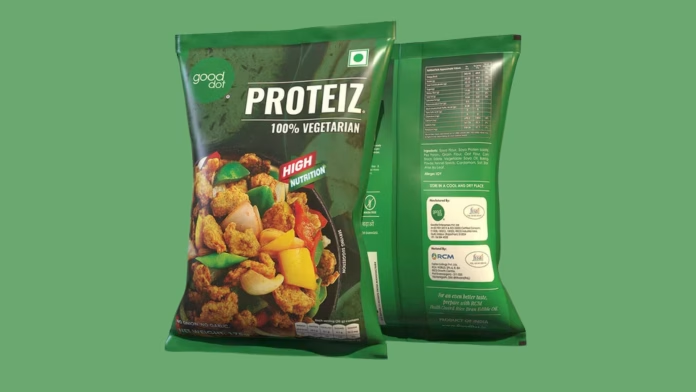
So, if you are concerned about your proteins as a vegan, Goodot’s- PROTEIZ is an option that we vouch for!
Goodot’s-PROTEIZ
Introducing Goodot’s Proteiz, a premium plant-based protein powder that’s designed to fuel your active lifestyle and support your protein needs. Made from a blend of high-quality plant proteins, Proteiz is a convenient and delicious way to supplement your diet with a complete amino acid profile.
Each serving of Proteiz provides a generous amount of protein, packing in all the essential amino acids your body needs for muscle recovery and growth. Whether you’re a vegan, vegetarian, or simply looking to incorporate more plant-based options into your diet, Proteiz is a versatile protein powder that can easily be added to your favorite smoothies, shakes, or recipes.
What sets Proteiz apart is its exceptional taste and texture. Created using a unique blend of plant proteins, it offers a smooth and creamy consistency that is satisfying to drink and easy to digest. With its subtle and natural flavors, Proteiz can be enjoyed on its own mixed with water or added to your favorite recipes without overpowering the taste.
Not only is Proteiz a great source of protein, but it is also free from artificial colors, flavors, and preservatives. It’s a clean and wholesome option that supports your overall health and well-being. Plus, it is gluten-free and suitable for individuals with dietary restrictions or sensitivities.
With Goodot’s Proteiz, you can fuel your body with the power of plants. Whether you’re an athlete, fitness enthusiast, or simply looking for a convenient protein option, Proteiz is here to support your active lifestyle and provide the nourishment your body needs. Experience the goodness of plant-based protein with Proteiz and unlock your full potential.
With so many easily available, instant and tasty food items out there, it is very hard to put healthy food in your kids’ system, a teenager in particular because this is the stage when hormones are at peak and this age group, in particular is notorious for their rebellious nature, so finding a mid way that works for both the parent and the teen is the best way to overcome this issue.
Which means that the meals not only have to be health centric but also focussed on taste as well so that teens are not only encouraged but actually want to inculcate healthy eating habits as this is the stage, otherwise they might just end up having an eating disorder as this is the stage when this starts budding.
Nutrition for Teens- Must need nutrients in kids
Nutrition plays a crucial role in the growth, development, and overall well-being of teenagers. During this stage of life, adolescents experience significant physical and cognitive changes, making it essential to provide them with the key nutrients they need to thrive. Here are some important nutrients that are particularly beneficial for teenagers:
Protein: Protein is crucial for proper growth and development during the teenage years. It is essential for building and repairing tissues, supporting immune function, and providing energy. Good sources of protein include lean meats, poultry, fish, eggs, dairy products, legumes, and plant-based sources such as tofu and quinoa.
Calcium and Vitamin D: Calcium and vitamin D are essential for bone health, which is particularly important during the teenage years when bone growth is rapid. Calcium-rich foods include dairy products, leafy green vegetables, fortified plant-based milks, and calcium-fortified foods. Vitamin D can be obtained from sunlight exposure and dietary sources such as fatty fish, fortified dairy products, and fortified plant-based milks.
Iron: Iron is vital for the production of red blood cells and oxygen transport throughout the body. Teenagers, especially girls, are at higher risk of iron deficiency due to growth spurts and menstrual cycles. Good sources of iron include lean meats, poultry, fish, fortified cereals, beans, lentils, spinach, and tofu.
Omega-3 Fatty Acids: Omega-3 fatty acids, particularly EPA and DHA, are essential for brain health and cognitive function. They also have anti-inflammatory properties and support heart health. Good sources of omega-3 fatty acids include fatty fish like salmon, trout, and sardines, as well as walnuts, flaxseeds, and chia seeds.
Fiber: Adequate fiber intake is essential for maintaining a healthy digestive system, regulating blood sugar levels, and supporting overall gut health. Teenagers should aim to include plenty of fruits, vegetables, whole grains, legumes, nuts, and seeds in their diet to meet their fiber needs.
B Vitamins: B vitamins, including folate, vitamin B12, and vitamin B6, play a vital role in energy metabolism, brain function, and red blood cell production. Good sources of B vitamins include fortified cereals, whole grains, leafy green vegetables, eggs, poultry, fish, and dairy products.
It’s important for teenagers to maintain a balanced and varied diet that includes a wide range of nutrient-rich foods to meet their nutritional needs. Encouraging healthy eating habits, promoting regular physical activity, and involving them in meal planning and preparation can help ensure they receive the necessary nutrients for optimal growth and development during this important stage of life.
Top Food for Teens
During the teenage years, it’s crucial for adolescents to consume a balanced diet that provides them with essential nutrients for growth, development, and overall health. Here are some top foods that can benefit teenagers:
Orange Juice
Orange juice is a great source of vitamin C, which supports immune function and helps with the absorption of iron. It also provides hydration and a refreshing burst of flavor.
Wild Berries
Berries like strawberries, blueberries, and raspberries are packed with antioxidants and fiber. They provide essential vitamins and minerals while adding a naturally sweet and delicious touch to meals and snacks.
Peanut Butter
Peanut butter is a nutritious and satisfying source of protein, healthy fats, and fiber. It can be spread on whole grain bread, added to smoothies, or used as a dip for fruits or vegetables.
Yogurt
Yogurt is rich in calcium, protein, and probiotics, which support bone health and gut health. Choose plain yogurt and add your own fruits or honey for natural sweetness.
Walnuts
Walnuts are a nutrient-dense source of omega-3 fatty acids, fiber, and antioxidants. They can be enjoyed as a snack or added to salads, oatmeal, or baked goods for a crunchy and nutritious boost.
Popcorn
Air-popped popcorn is a whole grain snack that provides fiber and can satisfy cravings for something crunchy. Opt for plain or lightly seasoned varieties to keep it healthy.
Eggs
Eggs are an excellent source of protein and contain essential nutrients like choline and vitamin D. They can be prepared in various ways, such as boiled, scrambled, or used in omelets, providing a versatile and nutritious option.
These foods offer a combination of vitamins, minerals, protein, healthy fats, and fiber that can support the nutritional needs of teenagers. It’s important to incorporate a variety of foods from different food groups to ensure a well-rounded diet. Encourage teenagers to make mindful food choices, listen to their hunger and fullness cues, and engage in regular physical activity for overall health and well-being.
As the summer heat intensifies, it’s essential to keep ourselves cool and hydrated. While there are numerous beverages available in the market, some stand out due to their health benefits. One such superfood drink that can quench your thirst, keep you refreshed, and promote your overall well-being is buttermilk.
What is Buttermilk?
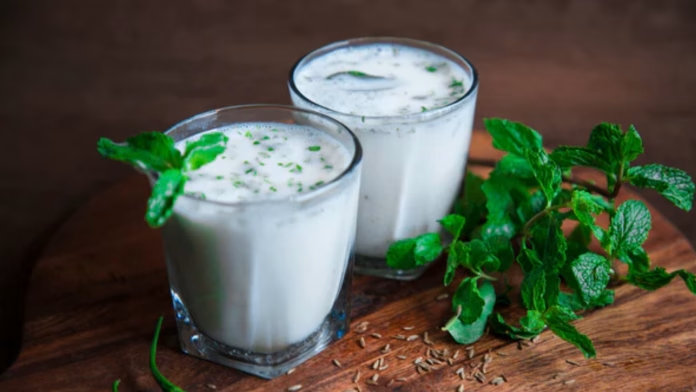
Buttermilk is a traditional fermented dairy drink made by blending yogurt or curd with water. It has a tangy taste and a thin consistency. Historically, buttermilk was the leftover liquid obtained after churning butter from cream. However, modern buttermilk is usually made by fermenting milk with beneficial bacteria.
Buttermilk is a low-fat, low-calorie beverage packed with essential nutrients. It is an excellent source of calcium, vitamin D, riboflavin, and vitamin B12. Additionally, it contains probiotics, which are beneficial bacteria that promote gut health.
Health Benefits of Buttermilk:
Hydration and Electrolyte Balance: Buttermilk is an effective hydrating beverage, especially during hot summer months. Its high water content helps replenish lost fluids, while the presence of electrolytes, such as potassium and sodium, aids in maintaining the body’s electrolyte balance.
Digestive Health: The probiotics found in buttermilk contribute to a healthy gut flora, improving digestion and reducing the risk of gastrointestinal issues like bloating and constipation. Regular consumption of buttermilk can also alleviate symptoms of lactose intolerance.
Weight Management: Buttermilk is a satisfying and low-calorie beverage, making it a suitable addition to weight loss or weight maintenance diets. The protein content in buttermilk helps increase satiety, reducing the chances of overeating.
Bone Health: The combination of calcium, vitamin D, and phosphorus in buttermilk supports bone health and prevents conditions like osteoporosis. These nutrients work together to enhance calcium absorption and bone mineral density.
Blood Pressure Regulation: Potassium, a mineral abundant in buttermilk, plays a vital role in maintaining blood pressure levels. Consuming potassium-rich foods, like buttermilk, helps regulate blood pressure and reduces the risk of hypertension.
Improved Immunity: Probiotics in buttermilk enhance the body’s immune response, strengthening the immune system’s ability to fight off infections and diseases. Regular consumption of buttermilk can contribute to a stronger immune system.
Buttermilk vs. Curd: Which is a Better Summer Cooler?
While curd is commonly consumed during summers, buttermilk offers additional health benefits. Unlike curd, buttermilk is lighter, easier to digest, and has a higher water content, making it an ideal choice for hydration. Additionally, the probiotics in buttermilk provide additional gut health benefits that curd lacks.
Ways to Enjoy Buttermilk
There are various ways to enjoy the refreshing taste of buttermilk. Here are a few suggestions:
Plain Buttermilk: The simplest way to enjoy buttermilk is by drinking it plain. Pour a glass of chilled buttermilk and savor its tangy and refreshing flavor.
Flavored Buttermilk: Add a twist to your buttermilk by infusing it with flavors. You can blend it with fresh herbs like mint, coriander, or dill for a herby kick. For a sweeter option, mix in a dash of honey or a sprinkle of cinnamon.
Spiced Buttermilk: In many cultures, spiced buttermilk is a popular summer cooler. Add a pinch of salt, roasted cumin powder, black salt, and a hint of crushed ginger to your buttermilk. Stir well and enjoy the flavorful blend.
Buttermilk Smoothies: Blend buttermilk with your favorite fruits like strawberries, mangoes, or bananas to create a creamy and nutritious smoothie. You can also add a handful of spinach or kale for an extra boost of vitamins and minerals.
Buttermilk Salad Dressing: Buttermilk makes an excellent base for salad dressings. Mix it with herbs, garlic, lemon juice, and a touch of olive oil for a light and tangy dressing that complements a variety of salads.
Buttermilk Lassi: Give a traditional twist to the famous Indian lassi by using buttermilk as the base instead of yogurt. Blend buttermilk with sugar, cardamom, and a splash of rose water for a refreshing and aromatic drink.
When it comes to summer refreshment and health benefits, buttermilk stands out as a superfood drink. Its impressive nutritional profile, along with numerous health benefits, makes it an ideal choice for staying hydrated and maintaining overall well-being.
Whether enjoyed plain or in various flavorful variations, buttermilk offers a tangy and refreshing taste that can be enjoyed by people of all ages. So, beat the summer heat and embrace the goodness of buttermilk for a cool, healthy, and invigorating summer experience.
In today’s beauty-conscious world, achieving a glowing and radiant complexion is a top priority for many. While skincare products and treatments play a crucial role, the secret to truly transformative skin lies in nourishing your body from within. Your diet plays a significant role in determining the health and appearance of your skin, and incorporating superfoods into your meals can work wonders in boosting your glow and enhancing your overall complexion.
In this article, we will explore a selection of skin-transforming superfoods that are rich in powerful antioxidants. These foods are packed with essential nutrients, vitamins, and minerals that combat free radicals, reduce inflammation, and promote healthy skin cell regeneration. By incorporating these superfoods into your daily diet, you can unleash their incredible potential and experience a noticeable improvement in your skin’s texture, tone, and luminosity.
So, get ready to discover the remarkable benefits of these skin-transforming superfoods and unlock the secrets to radiant and healthy skin.
Extra Virgin Olive Oil:
Let’s start with a staple of the Mediterranean diet – extra virgin olive oil. Not only is it a key ingredient in culinary creations, but it also offers numerous benefits for your skin. Rich in monounsaturated fats and polyphenols, extra virgin olive oil nourishes the skin from within and helps maintain its elasticity and suppleness. The antioxidants in olive oil combat oxidative stress and protect the skin against environmental damage. Incorporate extra virgin olive oil into your salad dressings and cooking to harness its skin-loving properties.
Almonds:
Almonds are not only a delicious snack but also a fantastic superfood for your skin. These nuts are an excellent source of vitamin E, a powerful antioxidant that helps protect the skin from sun damage and premature aging. Vitamin E also promotes skin cell regeneration, giving you a smoother and more youthful complexion. Additionally, almonds are packed with healthy fats and nutrients that keep your skin hydrated and nourished. Enjoy a handful of almonds as a snack or sprinkle them over your salads and yogurt to reap their skin-boosting benefits.
Salmon and Shrimp:
Fatty fish like salmon and shrimp are rich in omega-3 fatty acids, which are essential for healthy skin. These fatty acids help maintain the skin’s moisture barrier, keeping it hydrated and supple. Omega-3s also have anti-inflammatory properties that can calm irritated skin and alleviate conditions like acne and eczema. Additionally, salmon and shrimp are excellent sources of protein, which supports collagen production and helps keep the skin firm and plump. Include grilled or baked salmon and shrimp in your meals to give your skin a nourishing boost.
Green Tea:
Sipping on a cup of green tea not only offers a moment of relaxation but also provides numerous benefits for your skin. Green tea is rich in antioxidants called catechins, which have potent anti-inflammatory and anti-aging effects. These antioxidants help protect the skin from damage caused by free radicals and UV radiation, reducing the appearance of wrinkles and promoting a youthful complexion. Drinking green tea regularly can also help improve skin hydration and texture. Brew a cup of green tea and savor its soothing properties while nourishing your skin from within.
Berries:
Berries, such as strawberries, blueberries, raspberries, and blackberries, are vibrant and delicious fruits that pack a punch when it comes to skincare. These colorful gems are loaded with antioxidants, including vitamin C and anthocyanins, which fight off free radicals and protect the skin against oxidative stress. The high vitamin C content in berries also promotes collagen production, giving your skin a firm and youthful appearance. Add a handful of berries to your morning cereal, smoothies, or enjoy them as a healthy snack to supercharge your skin.
Bell Peppers:
Bell peppers not only add a burst of flavor and color to your dishes but also offer significant benefits for your skin. These crunchy vegetables are rich in vitamin C, which plays a vital role in collagen synthesis and helps maintain the skin’s elasticity. Vitamin C also has antioxidant properties that protect the skin against environmental damage and promote a brighter complexion. Whether you enjoy them raw in salads, roasted, or sautéed in stir-fries, bell peppers are a fantastic addition to your skin-enhancing diet.
Kale:
Kale has gained popularity as a superfood for its exceptional nutritional profile, and it also happens to be a skincare powerhouse. Packed with vitamins A, C, and K, as well as antioxidants and minerals, kale nourishes your skin and boosts its radiance. The high vitamin A content in kale promotes cell turnover, while vitamin C supports collagen production and helps fade dark spots and discoloration. Include kale in your salads, smoothies, or sauté it as a side dish to enjoy its skin-transforming benefits.
Guava:
Don’t underestimate the humble guava when it comes to skincare. This tropical fruit is a rich source of vitamin C, lycopene, and antioxidants, making it a potent ally for achieving a glowing complexion. The antioxidants in guava neutralize free radicals and protect the skin against damage, reducing the signs of aging. Vitamin C in guava promotes collagen synthesis and helps improve skin texture and tone. Enjoy guava as a snack or blend it into a refreshing juice to give your skin a vibrant boost.
Chia Seeds:
Small but mighty, chia seeds are packed with essential nutrients and offer a range of benefits for your skin. These tiny seeds are a great source of omega-3 fatty acids, antioxidants, and fiber. Omega-3s help maintain the skin’s moisture and improve its elasticity, while antioxidants combat inflammation and protect against premature aging. The fiber in chia seeds promotes a healthy digestive system, which is essential for clear and radiant skin. Add chia seeds to your smoothies, yogurt, or sprinkle them over your oatmeal to enhance your skin’s vitality.
Cocoa:
Who said indulging in chocolate couldn’t be good for your skin? High-quality cocoa or dark chocolate (70% cocoa or higher) is rich in flavonoids, antioxidants that improve blood flow to the skin and protect it against UV damage. These antioxidants also contribute to skin hydration and give you a natural glow. Additionally, cocoa contains minerals like zinc and selenium, which support collagen production and promote skin elasticity. Enjoy a piece of dark chocolate as an occasional treat and let your skin reap the rewards.
Eating your way to healthy and radiant skin is not a far-fetched idea but an achievable reality. By incorporating these skin-transforming superfoods into your daily diet, you can nourish your skin from within and experience remarkable improvements in its appearance and vitality. From extra virgin olive oil and almonds to salmon and shrimp, green tea, berries, bell peppers, kale, guava, chia seeds, and cocoa, each superfood brings its unique set of antioxidants, vitamins, and minerals that work synergistically to enhance your skin’s health and radiance.
Remember, consistency is key when it comes to reaping the rewards of these superfoods. Aim to include a variety of them in your meals and snacks regularly, and you’ll soon notice the positive effects on your skin. So, embrace the power of these antioxidant-rich superfoods and let your skin glow with a newfound radiance that comes from nourishing it from the inside out.
As a parent, you always want your kids to be full of energy, ready to take on the world. However, maintaining high energy levels can be a challenge, especially with the demanding activities and fast-paced lifestyles that children lead today.
While there are many commercial energy drinks available in the market, they often contain excessive sugar, caffeine, and artificial additives that may not be the best choice for your child’s health. In this article, we will explore the benefits of homemade energy drinks for kids and provide you with simple, nutritious recipes to boost their energy levels naturally.
Why Homemade Energy Drinks are beneficial for Kids:
Homemade energy drinks offer a healthier alternative to store-bought options. By preparing these drinks at home, you have control over the ingredients, ensuring that your child receives a nutritious boost without the harmful additives. Homemade energy drinks can provide a variety of benefits:
Natural Ingredients: Homemade energy drinks can be made using fresh fruits, vegetables, and other natural ingredients. These provide essential vitamins, minerals, and antioxidants that support overall health and boost energy levels.
Hydration: Staying hydrated is vital for maintaining energy levels. Many homemade energy drink recipes include hydrating ingredients such as coconut water or cucumber, helping your child stay refreshed and energized.
Customization: Each child’s nutritional needs may vary. With homemade energy drinks, you can tailor the recipes to suit your child’s preferences and dietary requirements. This flexibility allows you to incorporate ingredients that target specific health concerns or deficiencies.
Homemade Energy Drink Recipes for Kids
Here are five simple and delicious homemade energy drink recipes that will provide your kids with a nutritious punch:
Method: Squeeze the juice from oranges and grapefruits. Blend the juice with pineapple, lime juice, honey, and ice cubes until well mixed. Serve over ice.
Method: Blend all the ingredients together until smooth. Adjust the consistency with more coconut milk if desired. Serve chilled.
Tips for Making Homemade Energy Drinks
When preparing homemade energy drinks for your kids, keep the following tips in mind:
Use Fresh Ingredients: Opt for fresh fruits, vegetables, and natural sweeteners to maximize the nutritional value of the drinks.
Balance the Flavors: Experiment with different combinations of fruits and vegetables to create balanced flavors that your kids will enjoy.
Add Protein and Healthy Fats: Consider incorporating sources of protein and healthy fats, such as yogurt, nut butter, or chia seeds, to increase satiety and provide long-lasting energy.
Control Sweetness: Use natural sweeteners like honey or maple syrup sparingly to avoid excessive sugar intake.
Serve Chilled: Cold drinks can be more refreshing and appealing to children. Keep the homemade energy drinks in the refrigerator or add ice cubes before serving.
Boosting your kids’ energy levels doesn’t have to rely on unhealthy commercial energy drinks. By preparing homemade energy drinks, you can provide your children with a nutritious punch that supports their overall health and well-being.
The recipes shared in this article offer a variety of flavors and ingredients, ensuring that your kids will enjoy these homemade alternatives. Remember to use fresh, natural ingredients, customize the recipes to suit your child’s preferences, and prioritize hydration. With these homemade energy drinks, you can give your kids the boost they need to tackle their daily activities while promoting a healthy lifestyle. Cheers to happy and energized kids!
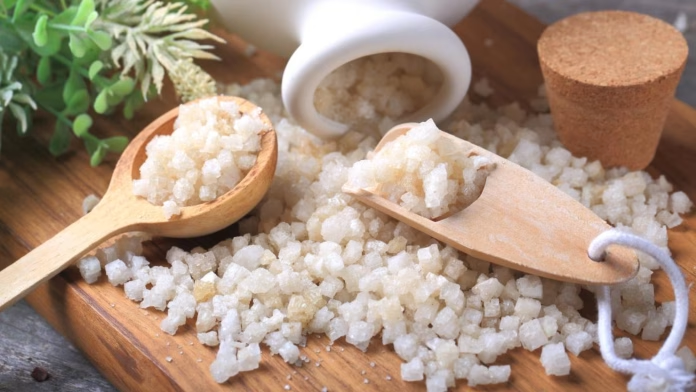
Epsom salt, also known as magnesium sulfate, has been revered for centuries as a natural remedy with a wide range of applications. With its crystalline structure and rich composition of magnesium, sulfate, and oxygen, Epsom salt has become a staple in various practices, including bathing, foot care, and even as a laxative. In this article, we will delve into the numerous uses, benefits, and potential side effects of Epsom salt, shedding light on its transformative potential in enhancing our well-being.
Unlocking the Versatility of Epsom Salt:
The diverse applications of Epsom salt are testament to its versatility and effectiveness. Let us explore the various ways it can be utilized:
Muscle Relaxation: Epsom salt’s renowned muscle-relaxing properties have made it a popular ingredient in bath soaks and foot soaks, providing relief from muscle tension and promoting relaxation.
Alleviating Pain: Epsom salt has shown efficacy in reducing pain associated with conditions such as arthritis, fibromyalgia, and sore muscles. Its analgesic properties make it a go-to solution for individuals seeking natural pain relief.
Laxative Aid: Known for its ability to ease constipation, Epsom salt acts as a gentle laxative by drawing water into the intestines, facilitating smoother bowel movements. However, caution must be exercised to avoid dehydration and electrolyte imbalances.
Nourishing the Skin: Epsom salt can serve as a natural exfoliant, aiding in the removal of dead skin cells and unclogging pores. Its benefits extend to foot care, where it can alleviate foot pain and reduce inflammation, while simultaneously leaving the skin soft and supple.
Plant Fertilizer: With its essential nutrients of magnesium and sulfate, Epsom salt can also be utilized as a plant fertilizer, fostering healthy growth and vibrant foliage.
Household Cleaning: Surprisingly, Epsom salt’s cleaning properties extend to household surfaces, enabling effective stain removal on items like tiles, grout, and ovens.
The Transformative Benefits of Epsom Salt:
Now, let us delve into the remarkable benefits that Epsom salt can provide for our well-being:
Soothing Sore Muscles and Relieving Pain: Epsom salt has been embraced by athletes and individuals seeking relief from muscle soreness. By adding 2 cups of Epsom salt to a warm bath, the body can experience accelerated recovery and muscle relaxation. Alternatively, creating a compress with Epsom salt-infused warm water and applying it to the affected area can yield similar soothing effects.
Facilitating Digestion and Alleviating Constipation: As a trusted natural remedy for constipation, Epsom salt’s laxative effect helps draw water into the intestines, softening stool and easing the passage. However, it is crucial to maintain proper hydration and adhere to recommended dosages to avoid dehydration and electrolyte imbalances.
Enhancing Skin Health: Epsom salt’s exfoliating properties make it an excellent addition to skincare routines. By removing dead skin cells and toxins, it rejuvenates the skin, providing a refreshed and radiant appearance. Foot soaks, in particular, can alleviate foot fatigue and soften calluses, leaving feet feeling revitalized.
Reducing Stress and Anxiety: One of the lesser-known benefits of Epsom salt lies in its ability to alleviate stress and anxiety. By inducing relaxation and calming the nervous system, Epsom salt helps promote the production of serotonin, a neurotransmitter responsible for regulating mood and behavior. Incorporating Epsom salt into a warm bath, complemented by the soothing scents of essential oils like lavender or chamomile, can create a tranquil and serene environment.
Navigating Potential Side Effects:
While Epsom salt offers numerous benefits, it is essential to be aware of potential side effects and exercise caution:
Dehydration: Due to its laxative properties, excessive use of Epsom salt can lead to dehydration. It is vital to stay hydrated by consuming ample water throughout the day, particularly when using Epsom salt as a laxative. The recommended dosage for use is 2-4 teaspoons dissolved in 8 ounces of water, taken once per day, to prevent dehydration.
Diarrhea: Overuse of Epsom salt as a laxative can result in diarrhea. Although it facilitates bowel movements, excessive consumption may lead to severe diarrhea and dehydration. If such symptoms occur, it is advisable to discontinue use and consult with a healthcare provider.
Skin Irritation: High concentrations of Epsom salt or prolonged contact with the skin can cause irritation, resulting in redness, itching, and discomfort. To mitigate the risk of skin irritation, it is crucial to rinse off any residual Epsom salt after use. Diluting Epsom salt in water before utilizing it for soaks or scrubs also helps minimize the likelihood of skin irritation.
Magnesium Overdose: Given Epsom salt’s high magnesium content, overuse can lead to magnesium overdose. Symptoms may include nausea, vomiting, dizziness, and confusion. Magnesium overdose can have severe consequences, including heart issues and, in extreme cases, fatality. To prevent magnesium overdose, it is vital to adhere to recommended dosages and avoid exceeding the prescribed use of Epsom salt.
Epsom salt holds tremendous potential in revolutionizing our lives and enhancing our well-being. From its therapeutic effects on sore muscles and digestive system to its skincare and relaxation benefits, Epsom salt has cemented its place as a valuable natural remedy. However, it is crucial to approach its usage mindfully, ensuring proper hydration, adhering to recommended dosages, and seeking medical advice when necessary.
Before incorporating Epsom salt into your wellness routine, consulting with a healthcare provider is especially crucial for individuals with underlying health conditions or those taking medications. By harnessing the transformative powers of Epsom salt while practicing caution and moderation, you can unlock the countless benefits it has to offer, paving the way for a healthier and more fulfilling life.
We use cookies to ensure that we give you the best experience on our website. If you continue to use this site we will assume that you are happy with it.