As the summer heat rises, it becomes essential to keep our children hydrated throughout the day. Dehydration can lead to fatigue, dizziness, and decreased concentration, making it challenging for children to stay active and focused. Along with drinking enough water, including hydrating foods in their tiffin boxes can play a vital role in keeping them refreshed and hydrated. These foods are not only rich in water content but also provide essential nutrients.
In this article, we will explore the top 5 hydrating foods for your child’s tiffin box that will help beat the summer heat and keep them energized all day long.
Cucumbers: Cucumbers are fantastic hydrating food, consisting of about 95% water. They are not only refreshing but also a great source of dietary fiber and essential vitamins like vitamin C. Including cucumber slices or sticks in your child’s tiffin box will not only keep them hydrated but also provide a satisfying crunch. Pair them with a healthy dip like hummus for added flavor and nutrients.
Watermelon: Watermelon, with its deliciously sweet and juicy nature, is the perfect summer fruit for hydration. It contains about 92% water and is packed with essential vitamins, minerals, and antioxidants. Slicing watermelon into bite-sized pieces and packing them in your child’s tiffin box will keep them cool, refreshed, and hydrated throughout the day. It can also be a fun and hydrating addition to fruit salads or smoothies.
Peaches: Peaches are not only juicy and flavorful but also incredibly hydrating, with a water content of around 90%. They are a rich source of vitamins A and C, as well as dietary fiber. Pack sliced peaches in your child’s tiffin box as a sweet and hydrating snack. You can also include them in yogurt parfaits or make a refreshing peach salsa to go along with whole-grain chips.
Strawberries: Strawberries are not only a delicious treat but also a hydrating powerhouse. With a water content of approximately 92%, they are packed with antioxidants, vitamins, and minerals. Add sliced strawberries to your child’s tiffin box as a sweet and refreshing snack. You can also incorporate them into salads, make strawberry-infused water, or blend them into smoothies for a nutritious and hydrating beverage.
Yogurt Parfait: Yogurt is an excellent hydrating food that also provides essential probiotics for good gut health. Create a yogurt parfait by layering low-fat yogurt, fresh fruits like watermelon, peaches, and strawberries, and a sprinkle of granola or nuts for added texture. This hydrating and nutritious treat will keep your child cool, satisfied, and hydrated throughout the day.
Including cucumbers, watermelon, peaches, strawberries, and yogurt parfaits will not only provide hydration but also offer essential nutrients, vitamins, and minerals. Encourage your child to stay hydrated by making these foods a regular part of their meals. Remember to also encourage them to drink water throughout the day. With these hydrating foods, your child will stay energized, focused, and ready to take on the summer days ahead!
When it comes to weight loss and achieving a toned physique, one of the most common problem areas people struggle with is belly fat. Stubborn and hard to get rid of, belly fat can be a cause of frustration for many individuals. While a healthy diet and regular exercise are crucial components of any weight loss journey, there are also certain drinks that can help boost your efforts and specifically target belly fat.
In this article, we will explore some amazing belly fat-melting drinks that have gained popularity for their potential to aid in weight loss. From green tea to lemon water, apple cider vinegar to ginger tea, and more, we will uncover the truth behind these beverages and their ability to melt away belly fat.
Understanding Belly Fat
Before we delve into the specific drinks, it’s important to understand what belly fat is and why it can be so challenging to eliminate. Belly fat, also known as visceral fat, is the fat that accumulates around the abdominal organs. It is different from subcutaneous fat, which is the fat found just beneath the skin. Visceral fat is metabolically active and can increase the risk of various health conditions, including heart disease, diabetes, and certain cancers.
14 Beverages that can Effectively Reduce Abdominal Fat:
Green Tea:
Green tea has long been touted for its numerous health benefits, including its potential to aid in weight loss. Rich in antioxidants and compounds like catechins, green tea has been studied for its metabolism-boosting and fat-burning properties. Some studies suggest that the catechins in green tea can enhance fat oxidation and increase calorie expenditure, potentially leading to a reduction in belly fat. However, it’s important to note that the effects of green tea on weight loss are modest, and it should be consumed as part of a healthy lifestyle.
Lemon Water:
Lemon water has gained popularity as a detoxifying beverage that can aid in weight loss. While lemon water itself does not directly melt belly fat, it can be a useful addition to a weight loss regimen. Lemon is a rich source of vitamin C, which supports the immune system and helps the body absorb iron. Additionally, the citrus fruit contains compounds that may help with digestion and reducing bloating. Staying hydrated with lemon water can also help curb cravings and promote a sense of fullness, potentially leading to reduced calorie intake.
Apple Cider Vinegar:
Apple cider vinegar has been praised for its potential weight loss benefits, including its ability to target belly fat. It is believed that the acetic acid in apple cider vinegar can help suppress appetite, increase metabolism, and reduce insulin levels. However, the evidence supporting these claims is limited, and more research is needed to fully understand the effects of apple cider vinegar on weight loss. It’s important to note that apple cider vinegar should be consumed in moderation and diluted with water to prevent potential damage to tooth enamel and the esophagus.
Ginger Tea:
Ginger, a popular spice known for its anti-inflammatory and digestive properties, has also been associated with weight loss benefits. Drinking ginger tea can help boost metabolism and increase calorie burning. Additionally, ginger may have a satiating effect, helping to reduce appetite and control food cravings. While ginger tea may offer some potential benefits in reducing belly fat, it should be consumed as part of a balanced diet and active lifestyle.
Cucumber and Mint Infused Water:
Infused water, particularly cucumber and mint-infused water, has gained popularity as a refreshing and hydrating beverage with potential weight loss benefits. Cucumbers are low in calories and high in water content, making them a hydrating and filling ingredient. Mint, on the other hand, can aid in digestion and help alleviate bloating. While infused water itself does not directly target belly fat, it can be a healthy alternative to sugary beverages, helping to reduce overall calorie intake and promote hydration.
Water:
Water is the ultimate drink for hydration and plays a crucial role in overall health and weight management. Staying properly hydrated can support metabolism, regulate appetite, and help the body efficiently burn calories. By replacing sugary drinks with water, individuals can reduce calorie intake and potentially facilitate weight loss, including the reduction of belly fat.
Sparkling Water:
Sparkling water, also known as carbonated water or seltzer water, is a bubbly and refreshing alternative to sugary sodas and beverages. While sparkling water itself does not directly target belly fat, it can be a healthier substitute for calorie-laden drinks. By opting for sparkling water instead of sugary sodas, individuals can reduce their overall calorie intake and potentially support weight loss efforts.
Black Tea:
Black tea is a popular beverage that contains compounds called polyphenols, which have been associated with weight loss benefits. Some studies suggest that black tea may help reduce body weight and waist circumference. However, it’s important to note that these effects are modest, and black tea should be consumed as part of a balanced diet and active lifestyle.
Kombucha:
Kombucha is a fermented tea beverage that has gained popularity for its potential health benefits, including improved digestion and gut health. While some anecdotal evidence suggests that kombucha may aid in weight loss, scientific research on its effects is limited. Kombucha should be consumed in moderation and as part of a healthy lifestyle.
Prebiotic Soda:
Prebiotic soda is a newer category of beverages that contains prebiotic fibers, which can support gut health and promote the growth of beneficial bacteria. While prebiotic sodas may offer some digestive benefits, they should not be relied upon as a primary solution for weight loss or targeting belly fat. It’s important to incorporate prebiotic sodas as part of an overall healthy diet and lifestyle.
Black Coffee:
Black coffee is known for its stimulating effects and ability to increase alertness. Additionally, coffee can boost metabolism and enhance fat burning. However, it’s important to consume coffee in moderation and be mindful of added sugars or high-calorie creamers that can negate its potential weight loss benefits.
Raw Vegetable Juice:
Raw vegetable juices, such as green juices or blends containing ingredients like kale, spinach, and celery, have gained popularity for their nutrient content and potential weight loss benefits. Vegetable juices can be a convenient way to increase vegetable intake and provide essential vitamins and minerals. However, it’s important to note that juicing removes the fiber from vegetables, which can impact satiety. Additionally, excessive consumption of fruit juices or juices high in natural sugars can contribute to calorie intake and hinder weight loss efforts.
Psyllium Water:
Psyllium water is a drink made from psyllium husk, a soluble fiber that can absorb water and form a gel-like substance in the digestive tract. This gel-like substance can promote a feeling of fullness and potentially reduce appetite. While psyllium water may offer some benefits in weight management, it’s important to consume it with adequate water and as part of a balanced diet.
Milk:
Milk, particularly low-fat or skim milk, is a good source of protein and calcium, which are important for overall health and weight management. Including milk as part of a balanced diet can provide essential nutrients and contribute to satiety. However, it’s important to choose milk options that align with personal dietary preferences and restrictions.
While the idea of belly fat-melting drinks may be enticing, it’s crucial to approach them with a realistic mindset. These drinks can complement a healthy lifestyle and aid in weight loss efforts, but they are not magical solutions on their own. Green tea, lemon water, apple cider vinegar, ginger tea, cucumber and mint-infused water, and other beverages discussed in this article may offer certain benefits that can support weight loss and potentially reduce belly fat. However, it’s important to combine these drinks with a balanced diet, regular exercise, and overall healthy habits to achieve sustainable weight loss and a toned physique. Remember, there are no quick fixes or miracle solutions when it comes to weight loss—consistency, dedication, and a holistic approach are key to long-term success.
When it comes to summer superfoods, there is one gem that often goes unnoticed – kokum.
Kokum is a fruit native to the Western Ghats region of India and is widely used in traditional Indian cuisine and Ayurvedic medicine. It is a small, round fruit with a reddish-purple skin and a tangy flavor. The fruit is primarily consumed in its dried and powdered form, as well as in the form of kokum juice or kokum-infused beverages.
In this article, we will explore the surprising health benefits of kokum and discover how you can incorporate it into your daily routine.
Nutritional Profile of Kokum
Kokum is a nutritional powerhouse, packed with essential vitamins, minerals, and antioxidants. It is rich in vitamin C, which boosts immunity and helps in collagen synthesis. Additionally, kokum contains B-complex vitamins, such as niacin, thiamine, and folate, which are vital for energy production and maintaining a healthy nervous system. The fruit also provides minerals like potassium, magnesium, and manganese, which support various bodily functions.
Antioxidant Powerhouse
One of the standout features of kokum is its high antioxidant content. Antioxidants play a crucial role in neutralizing harmful free radicals in the body, which can cause oxidative stress and damage cells. The antioxidants present in kokum, such as garcinol and hydroxycitric acid, help protect against chronic diseases like cancer, diabetes, and cardiovascular diseases.
Boosts Digestive Health
Kokum has long been used as a digestive aid in traditional medicine. It stimulates the secretion of digestive enzymes, which improves digestion and prevents common gastrointestinal issues like indigestion, acidity, and constipation. The fruit also possesses mild laxative properties, promoting regular bowel movements and relieving discomfort.
Weight Management Aid
If you’re looking to shed those extra pounds, kokum can be your ally. It contains hydroxycitric acid (HCA), which has been shown to suppress appetite and inhibit the conversion of excess carbohydrates into fat. HCA also helps boost metabolism and increases fat oxidation, making it an effective tool for weight management.
A Good Cooling and Hydrating Agent
The scorching summer heat often leads to dehydration and heat-related ailments. Kokum acts as a natural coolant and hydrating agent, making it an ideal choice to beat the summer heat. Kokum juice or kokum-infused beverages help cool down the body and replenish electrolytes, preventing dehydration and heat strokes.
Anti-Inflammatory Properties
Inflammation is at the root of many chronic diseases, including arthritis, cardiovascular diseases, and certain types of cancer. Kokum possesses potent anti-inflammatory properties, thanks to its rich antioxidant content. Regular consumption of kokum can help reduce inflammation, alleviate joint pain, and lower the risk of chronic diseases.
Supports Heart Health
Maintaining a healthy heart is crucial for overall well-being. Kokum aids in maintaining cardiovascular health in several ways. Its antioxidants help prevent the oxidation of cholesterol, reducing the risk of plaque formation and artery blockage. Kokum also supports healthy blood pressure levels and lowers triglyceride levels, further promoting heart health.
Regulates Blood Sugar Levels
With the rising prevalence of diabetes, regulating blood sugar levels is of utmost importance. Kokum has been found to have hypoglycemic properties, meaning it helps lower blood sugar levels. It promotes insulin sensitivity, thereby improving glucose metabolism and reducing the risk of type 2 diabetes.
Enhances Skin Health
Beautiful and glowing skin is a desire for many, and kokum can help you achieve that. The antioxidants present in kokum protect the skin from oxidative damage caused by free radicals, reducing signs of aging like wrinkles, fine lines, and age spots. Kokum butter, derived from the seeds of the fruit, is a popular ingredient in skincare products, providing deep moisturization and nourishment to the skin.
How to Incorporate Kokum in Your Diet
Including kokum in your diet is simple and versatile. Here are a few ways you can incorporate kokum into your daily routine:
Kokum Juice: Prepare a refreshing kokum juice by soaking dried kokum pods in water overnight, then strain and sweeten it with honey or jaggery.
Kokum-infused Water: Add a few pieces of dried kokum to a jug of water and let it infuse overnight. Enjoy the infused water throughout the day for a cooling and hydrating effect.
Kokum in Curries: Kokum is often used as a souring agent in curries and gravies. Add dried kokum to your favorite curry recipe for a tangy twist.
Kokum Sherbet: Make a delicious kokum sherbet by blending soaked dried kokum with water, sugar, and a pinch of black salt. Serve it chilled for a refreshing summer drink.
Precautions and Side Effects
While kokum is generally safe for consumption, some individuals may experience allergic reactions or digestive issues. If you have any known allergies or sensitivities, it is advisable to consult a healthcare professional before incorporating kokum into your diet. Additionally, excessive consumption of kokum may cause gastric discomfort or diarrhea. It is recommended to consume kokum in moderation and listen to your body’s response.
Kokum, the underrated summer superfruit, offers a plethora of health benefits that are too good to ignore. From its antioxidant power and digestive aid properties to its potential for weight management, heart health support, and skin enhancement, kokum deserves a prominent place in your summer diet. So, embrace the goodness of kokum and enjoy its surprising health benefits while keeping yourself refreshed and healthy throughout the summer season.
Indian street food is known for its vibrant flavors, aromatic spices, and mouth-watering delicacies that tempt your taste buds. From the sizzling hot samosas to the tangy and spicy chaats, these street foods have become an integral part of Indian culinary culture. However, behind the irresistible flavors and tempting aromas lie a dark side that is secretly impacting your health.
The Dark Side of Indian Street Foods
While Indian street foods are undeniably delicious, there are several hidden health risks associated with their consumption. It is crucial to shed light on these issues to create awareness and encourage healthier eating habits. Let’s explore the dark side of Indian street foods:
Unhygienic Preparation and Poor Food Handling:
One of the major concerns with Indian street foods is the lack of proper hygiene and food handling practices. Food stalls are often crowded, and the preparation area may not meet the necessary sanitation standards. Street food vendors may not follow proper hand hygiene, use contaminated utensils, or store ingredients in unhygienic conditions. This increases the risk of food contamination and the transmission of foodborne illnesses.
Excessive Use of Oil and Unhealthy Cooking Methods:
Most Indian street foods are deep-fried or cooked using copious amounts of oil. While this enhances the taste and texture, it also significantly increases the calorie and fat content of the dishes. Excessive consumption of fried foods can lead to weight gain, high cholesterol levels, and an increased risk of heart disease.
Contamination and Foodborne Illnesses:
Due to the unhygienic preparation and poor food handling practices, Indian street foods are often susceptible to contamination by bacteria, viruses, and parasites. This can result in foodborne illnesses such as diarrhea, vomiting, stomach cramps, and even more severe complications in some cases. Contaminated water used in the preparation of beverages like sugarcane juice and lemonade can also contribute to the spread of infections.
The Culprits: 5 Irresistible Indian Street Foods that may harm your health:
While there are numerous street foods in India, some of them are particularly popular and widely consumed. Here are five irresistible Indian street foods that pose significant health risks:
Samosas:
Samosas, deep-fried triangular pastries filled with spiced potatoes or meat, are a favorite snack among Indians. However, they are high in calories, unhealthy fats, and refined carbohydrates. Regular consumption can contribute to weight gain, elevated cholesterol levels, and an increased risk of heart disease.
Vada Pav:
Vada Pav, a spicy potato fritter served in a bun with chutneys, is a beloved street food in Maharashtra. This fast food delight is loaded with carbohydrates, unhealthy fats, and excessive sodium. It can lead to weight gain, high blood pressure, and an increased risk of cardiovascular diseases.
Chaat:
Chaat is a savory snack that combines a variety of ingredients like crispy puris, chickpeas, potatoes, yogurt, and chutneys. While chaat is bursting with flavors, it often contains high amounts of unhealthy additives like artificial food colorings, excessive salt, and sweetened chutneys. Regular consumption can lead to weight gain, high blood pressure, and digestive issues.
Pav Bhaji:
Pav Bhaji, a popular street food from Mumbai, consists of a spicy vegetable curry served with buttered buns. The curry is prepared using a generous amount of butter and oil, which significantly increases its calorie content. Regular consumption of Pav Bhaji can contribute to weight gain, high cholesterol levels, and an increased risk of heart disease.
Jalebi:
Jalebi, a deep-fried sweet made by frying a fermented batter in a circular shape and soaking it in sugar syrup, is a popular dessert in India. However, it is high in refined flour, sugar, and unhealthy fats. Excessive consumption of jalebis can lead to weight gain, insulin resistance, and an increased risk of diabetes.
Health Risks Associated with Indian Street Foods
Consuming these irresistible Indian street foods regularly can have several detrimental effects on your health. Here are the health risks associated with their consumption:
Weight Gain and Obesity:Most Indian street foods are high in calories, unhealthy fats, and refined carbohydrates. Regular consumption can lead to weight gain and increase the risk of obesity, which is associated with a host of health problems such as diabetes, heart disease, and certain cancers.
High Cholesterol and Heart Disease:The excessive use of oil, butter, and unhealthy cooking methods in Indian street foods contributes to high cholesterol levels. Elevated cholesterol levels increase the risk of heart disease, stroke, and other cardiovascular complications.
Digestive Issues and Food Poisoning:Unhygienic preparation and poor food handling practices can lead to food contamination, resulting in digestive issues such as diarrhea, stomach cramps, and food poisoning. Contaminated street food can harbor harmful bacteria, viruses, and parasites that cause these ailments.
Nutrient Deficiencies:Indian street foods are often lacking in essential nutrients such as vitamins, minerals, and fiber. Relying heavily on these foods can lead to nutrient deficiencies, compromising overall health and increasing the risk of various deficiencies-related conditions.
Increased Risk of Diabetes:The high sugar content in many Indian street foods, coupled with the excessive use of refined carbohydrates, contributes to an increased risk of developing diabetes. Regular consumption can lead to insulin resistance and metabolic disorders.
Tips for Safer Alternatives and Moderation
While it is difficult to resist the temptation of Indian street foods, incorporating healthier alternatives and practicing moderation can help minimize the associated health risks. Here are some tips to consider:
Choose Healthier Variations:Opt for healthier variations of popular street foods. For example, choose baked or air-fried samosas instead of deep-fried ones. Look for vendors who use less oil and emphasize fresh ingredients in their preparations.
Opt for Homemade Versions:Prepare your favorite street foods at home using fresh and healthy ingredients. This way, you have better control over the cooking methods, portion sizes, and hygiene practices.
Eat in Moderation:Enjoy Indian street foods in moderation rather than making them a daily indulgence. Limit your consumption to special occasions and choose smaller portion sizes to satisfy your cravings without overindulging.
Ensure Food Hygiene and Safety:When eating street food, be mindful of the hygiene practices followed by the vendors. Look for clean and well-maintained food stalls, observe the food preparation area, and ensure that the vendors adhere to proper hand hygiene and food handling practices.
Incorporate a Balanced Diet:Ensure that your overall diet is balanced and nutritious. Focus on incorporating a variety of fruits, vegetables, whole grains, lean proteins, and healthy fats into your meals. This will help offset the occasional indulgence in street foods.
While Indian street foods are undeniably delicious and deeply ingrained in the country’s culinary culture, they come with hidden health risks. The unhygienic preparation, excessive use of oil, contamination concerns, and their impact on weight gain, cholesterol levels, and various health conditions cannot be ignored. By being mindful of the health risks, opting for healthier variations, and practicing moderation, we can continue to enjoy these irresistible treats while safeguarding our health. Remember, the key lies in striking a balance between indulgence and making informed choices for a healthier lifestyle.
In today’s fast-paced world, maintaining good health is crucial, especially when it comes to heart health. The food we consume plays a significant role in determining our overall well-being, and the type of oil we cook with can have a profound impact on our cardiovascular health. While conventional vegetable oils have long been the go-to choice in many households, a healthier alternative is gaining popularity – olive pomace oil.
In this feature article, we will delve into the benefits of olive pomace oil and discover why it holds the key to your husband’s heart health.
Understanding Olive Pomace Oil:
Olive pomace oil is extracted from the residual paste (pomace) obtained from the production of extra virgin olive oil. It undergoes a refining process that removes impurities, resulting in a versatile and high-quality cooking oil. This oil is rich in monounsaturated fats, which have been widely recognized for their positive effects on heart health. Additionally, it contains natural antioxidants and anti-inflammatory properties that further contribute to its health benefits.
Heart Health Benefits of Olive Pomace Oil:
Lowers LDL Cholesterol: One of the main culprits behind cardiovascular diseases is the excessive consumption of LDL (low-density lipoprotein) cholesterol, often referred to as “bad” cholesterol. Olive pomace oil contains high levels of monounsaturated fats, which have been shown to help lower LDL cholesterol levels. By replacing conventional vegetable oils with olive pomace oil in your husband’s cooking, you can significantly contribute to his heart health and reduce the risk of heart-related ailments.
Rich in Antioxidants: Olive pomace oil is packed with powerful antioxidants, such as polyphenols and vitamin E. These antioxidants help combat oxidative stress in the body, reducing inflammation and protecting against cellular damage. By incorporating olive pomace oil into your husband’s daily cooking, you can provide him with a natural defense against free radicals and support his cardiovascular system.
Maintains Healthy Blood Pressure: Hypertension, or high blood pressure, is a common risk factor for heart disease. Olive pomace oil has been found to have a positive impact on blood pressure levels. Its monounsaturated fats help promote healthy blood flow and arterial function, thereby reducing the risk of hypertension. By using olive pomace oil in your husband’s meals, you can support his blood pressure management and contribute to his long-term heart health.
Anti-Inflammatory Properties: Chronic inflammation is closely linked to the development of heart disease. Olive pomace oil contains natural compounds that possess anti-inflammatory properties. These compounds help reduce inflammation within the body, protecting the cardiovascular system from damage and supporting optimal heart health. By incorporating olive pomace oil into your husband’s diet, you can contribute to his overall inflammatory balance and mitigate the risk of heart-related complications.
Making the Switch: How to Incorporate Olive Pomace Oil into Your Husband’s Diet:
Now that we understand the numerous benefits of olive pomace oil, let’s explore how you can seamlessly integrate it into your husband’s daily cooking routine:
Cooking and Sauteing: Use olive pomace oil as a substitute for conventional vegetable oils when cooking and sauteing. Its high smoke point makes it suitable for various cooking methods, including frying and stir-frying.
Salad Dressings: Create delicious and heart-healthy salad dressings using olive pomace oil as the base. Combine it with vinegar, lemon juice, herbs, and spices for a flavorful and nutritious dressing option.
Marinating: Infuse your husband’s favorite meats and vegetables with the goodness of olive pomace oil by using it as a marinade. The oil will not only enhance the flavor but also provide added health benefits.
Baking: Replace butter or margarine with olive pomace oil in baked goods, such as cakes and cookies. It will lend a moist texture and impart a subtle, fruity flavor.
When it comes to your husband’s heart health, making small changes in his diet can have a significant impact. By replacing conventional vegetable oils with heart-healthy olive pomace oil, you can provide him with a nutrient-rich cooking oil that promotes cardiovascular well-being. With its ability to lower LDL cholesterol, reduce inflammation, maintain healthy blood pressure, and offer a rich source of antioxidants, olive pomace oil emerges as a superior choice for a healthy heart. So, make the switch today and unlock the key to your husband’s heart health with the remarkable benefits of olive pomace oil!
Bangaloreans, do you want to indulge in the irresistible allure of boba tea, a tantalizing beverage that combines the smoothness of milk tea with the delightful surprise of chewy tapioca pearls. Imagine sipping on a perfectly balanced blend of rich, velvety tea flavors, infused with the essence of your choice, be it classic black tea, fragrant jasmine, or aromatic matcha. Each sip takes you on a journey of pure bliss as the pearls dance playfully on your tongue, offering a satisfying chewiness that adds an extra layer of texture and excitement. The sweet, creamy notes of the milk or non-dairy alternatives intertwine harmoniously with the tea, creating a symphony of flavors that will leave your taste buds yearning for more. Whether you prefer the refreshing coolness of an iced boba tea on a sunny day or the comforting warmth of a steaming cup during chilly evenings, the mere thought of boba tea brings forth an insatiable craving that can only be satisfied by surrendering to its enchanting allure.
So, surrender to the temptation and immerse yourself in the world of boba tea, where every sip is a moment of pure delight and a tantalizing escape from the ordinary, if you are in Bangalore with these amazing places to have Boba Tea!
Boba Tree:
Located at 5th Block, Jayanagar, Bangalore, Boba Tree is a cozy boba tea spot that caters to all tea lovers. The place offers an extensive menu with various options of boba teas, from classic flavors to unique blends. Their signature Boba Tree Special is a must-try, combining the richness of milk tea with the delightful chewiness of tapioca pearls. Prices at Boba Tree range from INR 120 to INR 180, depending on the size and customization of your drink. The friendly staff and pleasant ambiance make it a perfect spot to enjoy a refreshing boba tea.
Lucky Chan:
Situated at Indiranagar Double Road, Bangalore, Lucky Chan is a trendy boba tea destination loved by many. The modern interior and vibrant atmosphere create an enjoyable setting to indulge in their delectable boba teas. Lucky Chan offers a diverse range of flavors, from traditional milk teas to fruit-infused blends, ensuring there’s something for everyone. Prices at Lucky Chan typically range from INR 150 to INR 200, depending on the size and complexity of your order. Visit Lucky Chan to satisfy your boba cravings in a chic and upbeat environment.
Tea Brew:
Located at Koramangala 5th Block, Bangalore, Tea Brew is a charming boba tea house known for its relaxed and welcoming vibe. The menu features a wide variety of boba teas, including classics and innovative combinations. Whether you prefer a refreshing iced tea or a cozy hot brew, Tea Brew has you covered. Prices at Tea Brew generally range from INR 100 to INR 160, depending on the size and add-ons. Drop by Tea Brew to savor a delightful cup of boba tea and enjoy the cozy ambiance.
Burma Burma:
Situated at HAL 2nd Stage, Indiranagar, Bangalore, Burma Burma is not only a renowned restaurant but also a place to relish authentic Burmese boba tea. The menu offers a fusion of Burmese flavors and boba tea, creating a unique and delightful experience. Try their Bubble Tea, where the traditional flavors of Burma meet the playful texture of tapioca pearls. Prices at Burma Burma may vary, but the experience of sipping their Burmese-inspired boba tea is worth it. Explore the rich flavors of Burma at this distinctive establishment.
Elixir – Luxury Pearls Drink:
Located at Koramangala 5th Block, Bangalore, Elixir – Luxury Pearls Drink is a specialty boba tea destination that offers an elevated experience. As the name suggests, Elixir focuses on luxury and premium ingredients. Their menu includes a wide selection of pearls and toppings, allowing you to customize your drink to perfection. Prices may range from INR 150 to INR 250, depending on the complexity and ingredients chosen. Step into Elixir and treat yourself to a luxurious and indulgent boba tea experience.
Big Straw Blast:
Situated at Jayanagar, Bangalore, Big Straw Blast is a popular boba tea joint known for its fun and vibrant atmosphere. The menu boasts an exciting variety of boba teas, including classic favorites and unique concoctions. From milk teas to fruit blends and slushies, there’s something for every taste preference. Prices at Big Straw Blast generally range from INR 100 to INR 180, depending on the size and complexity of your order. Enjoy the energetic vibes and flavorful boba teas at this lively establishment.
It’s very sad to acknowledge this but in today’s fast-paced and demanding professional world, it’s essential to have a secret weapon that can help you thrive amidst challenges, boost your productivity, and enhance your overall well-being. Enter adaptogens, nature’s little superheroes that have been gaining significant attention among working professionals. These powerful plant-based substances are known for their ability to support the body’s stress response, improve focus, increase energy levels, and promote a balanced state of mind. In this article, we delve into why experts are raving about adaptogens as the secret weapon for unstoppable success in the workplace. So, whether you’re an ambitious executive, a dedicated entrepreneur, or a multitasking professional, read on to discover the transformative benefits of adaptogens and how they can empower you to excel in your career.
But How does Adaptogen Help You Cope With Stress ?
Adaptogens help fight stress by supporting the body’s stress response system. When we experience stress, our body releases hormones like cortisol, which can have negative effects on our physical and mental well-being if not properly regulated. Adaptogens work by modulating the stress response, helping to balance hormone levels and minimize the negative impact of stress on the body.
These remarkable substances have a normalizing effect, meaning they can help bring the body back to a state of balance or homeostasis. They can strengthen our resilience to stressors, improve our ability to cope with challenges, and promote a sense of overall well-being.
Adaptogens also possess antioxidant and anti-inflammatory properties, which can further support the body’s response to stress. They help protect our cells from damage caused by stress-related free radicals and reduce inflammation, which is often heightened during periods of chronic stress.
Here’s Why You Need Adaptogens as A Working Professional
Enhanced Stress Management:
As a working professional, stress is often an unwelcome companion on your journey to success. Adaptogens, such as Ashwagandha, Rhodiola Rosea, and Holy Basil, have been scientifically proven to help the body adapt to stress by regulating stress hormone levels and supporting a healthy stress response. By incorporating adaptogens into your routine, you can experience reduced feelings of anxiety and an improved ability to handle work-related pressure. This increased resilience can empower you to navigate challenges with ease and maintain a calm and focused mindset.
Increased Energy and Vitality:
Maintaining high energy levels throughout the day is crucial for optimal productivity and success. Adaptogens like Ginseng, Maca, and Eleuthero are renowned for their ability to enhance energy, stamina, and mental clarity. By incorporating these natural allies into your routine, you can experience sustained energy without the jitters or crashes associated with caffeine or other stimulants. This newfound vitality will help you stay focused, motivated, and productive throughout the workday, ensuring you’re always at the top of your game.
Improved Cognitive Function:
Peak mental performance is essential for making critical decisions, problem-solving, and creative thinking in the workplace. Adaptogens like Lion’s Mane Mushroom, Bacopa Monnieri, and Ginkgo Biloba have been shown to support cognitive function, memory, and focus. These botanical wonders can help sharpen your mental acuity, enhance concentration, and promote mental clarity, enabling you to tackle complex tasks and excel in your professional endeavors.
Enhanced Immune Support:
As a working professional, your health and well-being are paramount for consistent success. Adaptogens possess powerful immune-boosting properties that help strengthen your body’s defenses and promote overall wellness. Adaptogens like Astragalus, Reishi Mushroom, and Schisandra Berry work harmoniously with your immune system, helping to ward off illnesses and keep you in optimal health. By supporting your immune system, adaptogens can help you maintain a consistent work routine and achieve your goals without being hindered by frequent illnesses.
Promoted Well-being and Balance:
Achieving success goes beyond professional accomplishments—it also encompasses maintaining a healthy work-life balance and overall well-being. Adaptogens have adaptogenic properties, meaning they help the body achieve a state of balance or homeostasis. By incorporating adaptogens into your routine, you can experience improved sleep quality, reduced fatigue, and a sense of calm and tranquility. This holistic approach to well-being enables you to recharge, find joy outside of work, and approach your professional life with renewed vigor and enthusiasm.
In a world where professional success demands constant adaptability, adaptogens emerge as the secret weapon that can empower you to reach new heights. By incorporating these natural wonders into your routine, you can experience enhanced stress management, increased energy and vitality, improved cognitive function, boosted
Monday mornings often require an extra boost to kickstart the week on a high note. What better way to revitalize yourself than by indulging in a scrumptious breakfast at one of Mumbai’s finest dining establishments? From elegant cafes to luxurious hotels, the city offers a plethora of breakfast havens that will set the tone for a fantastic week ahead.
In this article, we will explore some of Mumbai’s must-try breakfast spots that will leave you craving more. So, prepare your taste buds for a delectable journey through the culinary delights of the city!
Bayroute: Located in Cuffe Parade, Bayroute is a Mediterranean-inspired restaurant that offers an exquisite breakfast experience. Their menu boasts a range of dishes influenced by the flavors of Lebanon, Turkey, and Morocco. Start your day with their famous Shakshouka, a delightful combination of poached eggs, tomato sauce, and spices, served with freshly baked bread. The vibrant ambiance and scenic sea view add to the charm of this breakfast haven.
Smoke House DELI: Situated in Bandra, Smoke House DELI is a popular haunt known for its relaxed atmosphere and delectable all-day breakfast menu. Whether you prefer a hearty English breakfast or a wholesome bowl of granola with yogurt and fresh fruits, this place has it all. Don’t miss their signature Breakfast Platter, which includes eggs cooked to your liking, bacon, sausages, grilled tomatoes, and toast. Pair your meal with a refreshing cup of coffee or their famous cold-pressed juices.
Location: No. 14, Pali Hill Road, Bandra West, Mumbai
Timing: 8:00 AM – 11:30 AM
Price Range: INR 400-700 per person
JW Cafe – JW Marriott Mumbai: For a luxurious breakfast experience, JW Cafe at JW Marriott Mumbai is the place to be. This elegant restaurant offers an extensive buffet spread featuring Indian, Asian, and international breakfast specialties. Indulge in their live cooking stations where chefs whip up made-to-order omelets, waffles, and pancakes. The lavish setting and impeccable service make JW Cafe a perfect choice for a special Monday morning treat.
Location: JW Marriott Mumbai Juhu, Juhu Tara Road, Juhu, Mumbai
Timing: 7:00 AM – 11:00 AM
Price Range: INR 2,000-2,500 per person
The Brasserie – Hilton Mumbai: Nestled in the heart of Mumbai’s international airport area, The Brasserie at Hilton Mumbai is a haven for breakfast lovers. Their extensive breakfast menu features both local and international delights, with options ranging from fluffy idlis and dosas to freshly baked croissants and pastries. Don’t miss their special Masala Chai, a perfect blend of spices and tea that will awaken your senses.
Pondichery Cafe – Sofitel: Located in Bandra Kurla Complex, Pondichery Cafe at Sofitel offers a lavish breakfast spread that caters to all tastes. The buffet features a wide variety of Indian, European, and Asian delicacies, including an array of fresh juices, cereals, cheeses, and pastries. Their live counters serve up freshly made dosas, omelets, and more. The elegant ambiance and attentive service make it a perfect place to start your Monday on a high note.
Lotus Cafe – JW Marriott Mumbai: Situated in the luxurious JW Marriott Mumbai, Lotus Cafe offers a breakfast experience like no other. Their extensive buffet spread includes a wide range of Indian, continental, and Asian delicacies, ensuring there’s something for everyone. From freshly baked bread to exotic fruit platters, you’ll find a plethora of options to satisfy your breakfast cravings. Don’t forget to try their signature filter coffee for an authentic South Indian touch.
Location: JW Marriott Mumbai Juhu, Juhu Tara Road, Juhu, Mumbai
Timing: 7:00 AM – 11:00 AM
Price Range: INR 2,000-2,500 per person
Shamiana – The Taj Mahal Palace Mumbai: A legendary name in Mumbai’s culinary scene, Shamiana at The Taj Mahal Palace is a timeless gem that offers a delightful breakfast experience. Set against the backdrop of the iconic Gateway of India, this restaurant serves a range of continental and Indian breakfast delicacies. Indulge in their fluffy pancakes, classic Eggs Benedict, or traditional Indian favorites like Poha and Upma. The elegant ambiance and impeccable service make Shamiana a perfect choice for a memorable breakfast outing.
Location: The Taj Mahal Palace, Apollo Bunder, Colaba, Mumbai
Timing: 7:00 AM – 10:30 AM
Price Range: INR 1,500-2,000 per person
Saptami – Holiday Inn: Conveniently located near Mumbai’s international airport, Saptami at Holiday Inn offers a delightful breakfast experience with a wide variety of Indian and international dishes. From piping hot parathas to fluffy pancakes and crispy waffles, their breakfast menu caters to all preferences. Enjoy the warm and inviting ambiance as you indulge in a sumptuous breakfast spread that will leave you energized for the day ahead.
Whether you prefer a luxurious buffet at a five-star hotel or a cozy cafe with a picturesque view, the city offers an array of options to suit every palate. Treat yourself to a scrumptious breakfast at Bayroute, Smoke House DELI, JW Cafe, The Brasserie, Pondichery Cafe, Lotus Cafe, Shamiana, or Saptami, and embark on a gastronomic journey that will leave you refreshed, energized, and ready to conquer the week ahead. Revitalize your Monday mornings and make every day a culinary adventure in the vibrant city of Mumbai!
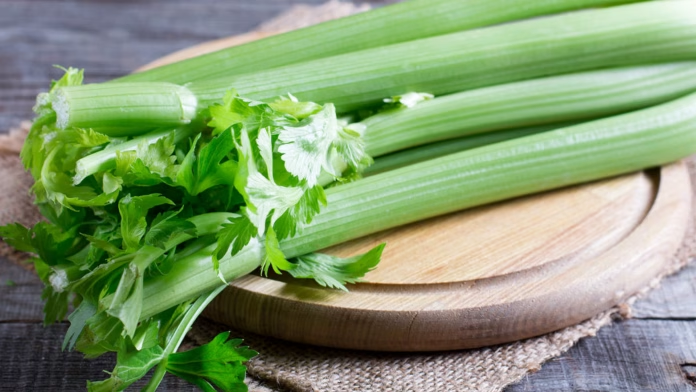
When it comes to enhancing our sex life, we often turn to various solutions, from supplements to exotic foods. However, there’s one simple vegetable that holds incredible potential in supercharging your sex life – celery. Yes, you read it right!
This humble vegetable that often goes unnoticed in our daily meals is packed with surprising benefits that can make a significant difference in your sexual wellness.
In this article, we will delve into the fascinating world of celery and uncover its amazing properties that can revolutionize your sex life.
Aphrodisiac Qualities of Celery: Celery has long been considered an aphrodisiac, dating back to ancient civilizations. It contains androsterone, a hormone found in male perspiration that is believed to stimulate sexual desire in both men and women. By incorporating celery into your diet, you can naturally boost your libido and enhance your overall sexual experience.
Increased Blood Flow and Circulation: One of the key factors in a healthy sex life is proper blood flow and circulation. Celery contains compounds known as phthalides, which help to relax and dilate blood vessels, improving circulation throughout the body. Enhanced blood flow not only promotes sexual arousal but also supports overall cardiovascular health, leading to better sexual performance.
Hormonal Balance: Maintaining a healthy hormonal balance is essential for optimal sexual function. Celery contains compounds known as phytochemicals that help regulate hormone levels in the body. By consuming celery regularly, you can support the balance of estrogen and testosterone, leading to improved sexual desire, stamina, and performance.
Stress Reduction and Relaxation: Stress and anxiety can significantly impact our sex lives, leading to decreased libido and performance. Celery contains magnesium, a mineral known for its ability to reduce stress and promote relaxation. By incorporating celery into your diet, you can alleviate stress, calm your mind, and create a more conducive environment for intimacy.
Detoxification and Cleansing: A healthy sex life is closely linked to overall well-being, and detoxifying the body plays a crucial role in achieving both. Celery acts as a natural diuretic, helping to flush out toxins and excess fluids from the body. Its high water content and fiber content aid in cleansing the digestive system, promoting better nutrient absorption and overall detoxification. A clean and healthy body paves the way for heightened sexual experiences.
Nutritional Powerhouse: Celery is not just a one-trick pony; it is also a nutritional powerhouse. It is low in calories and packed with essential vitamins, minerals, and antioxidants. It provides a rich source of vitamin K, vitamin C, potassium, and folate, all of which contribute to overall well-being and vitality. A healthy body fueled by nutrient-dense foods like celery can lead to improved sexual health and performance.
Incorporating Celery into Your Diet:
Now that we’ve uncovered the surprising benefits of celery, it’s time to explore how to incorporate this vegetable into your daily diet. From adding celery sticks to salads, smoothies, and stir-fries to juicing it for a refreshing and nutritious beverage, there are numerous creative ways to enjoy the benefits of celery. Experiment with recipes and discover what works best for you and your taste preferences.
Celery, the unsung hero of the vegetable world, holds remarkable potential in supercharging your sex life. From its aphrodisiac qualities and ability to enhance blood flow to its role in hormonal balance and stress reduction, celery offers a range of benefits that can revolutionize your sexual wellness.
Additionally, its detoxifying properties and nutritional content contribute to overall well-being, paving the way for a healthier and more satisfying sex life. Embrace the power of celery and unlock the astonishing benefits that this simple veggie has to offer. Start incorporating celery into your diet today and embark on a journey towards a more fulfilling and vibrant sexual experience.
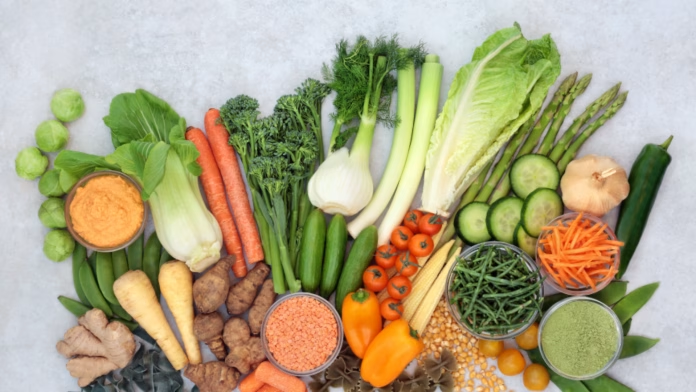
Protein is an essential macronutrient that plays a crucial role in our overall health and well-being. It is responsible for building and repairing tissues, supporting immune function, and providing energy. While many people associate protein with animal sources like eggs, meat, and dairy, there is a wide variety of plant-based protein options available. In this article, we will explore the benefits of choosing vegetarian protein sources and introduce you to a selection of high-protein vegetables that can serve as the perfect egg substitute in your diet.
Why Choose Vegetarian Protein Sources?
There are several reasons why individuals may choose to follow a vegetarian or plant-based diet. Ethical considerations, environmental concerns, and health motivations are among the common factors. Vegetarian protein sources offer numerous benefits, including lower saturated fat and cholesterol content compared to animal proteins. They are also rich in fiber, vitamins, minerals, and antioxidants, which contribute to a well-rounded and balanced diet. Incorporating vegetarian protein sources into your meals can support a healthy lifestyle and promote sustainable food choices.
High-Protein Vegetables: The Perfect Egg Substitute
Fortunately, there are numerous high-protein vegetables that can serve as excellent substitutes for eggs. These vegetables not only provide a good amount of protein but also offer a wide range of other essential nutrients. Let’s explore some of these protein powerhouses:
Lentils:
Lentils are legumes packed with protein, fiber, and various vitamins and minerals. They are a versatile ingredient that can be used in soups, stews, salads, and even veggie burgers. A half-cup serving of cooked lentils provides around 9 grams of protein.
Chickpeas:
Chickpeas, also known as garbanzo beans, are another legume that is high in protein and fiber. They can be used in salads, curries, hummus, or roasted for a crunchy snack. Half a cup of cooked chickpeas contains approximately 7 grams of protein.
Quinoa:
Quinoa is a complete protein source, meaning it contains all nine essential amino acids. It is also rich in fiber, magnesium, and iron. Quinoa can be enjoyed as a side dish, added to salads, or used in place of rice in various recipes. One cup of cooked quinoa provides about 8 grams of protein.
Peas:
Peas are a versatile vegetable that can be enjoyed fresh, frozen, or canned. They are a good source of protein, fiber, and vitamins. Peas can be added to stir-fries, pasta dishes, soups, or used in salads. One cup of cooked peas contains around 8 grams of protein.
Spinach:
Spinach is a leafy green vegetable that is rich in protein, iron, calcium, and vitamins A and C. It can be used in salads, smoothies, stir-fries, or sautéed as a side dish. One cup of cooked spinach provides approximately 5 grams of protein.
Broccoli:
Broccoli is a nutrient-dense vegetable that is high in protein, fiber, and vitamins C and K. It can be steamed, roasted, or added to stir-fries and salads. One cup of cooked broccoli contains about 5 grams of protein.
Brussels Sprouts:
Brussels sprouts are a cruciferous vegetable that offers a good amount of protein, fiber, and vitamins. They can be roasted, sautéed, or added to salads and stir-fries. One cup of cooked Brussels sprouts provides around 4 grams of protein.
Cauliflower:
Cauliflower is a versatile vegetable that can be used in a variety of dishes. It is low in calories and carbohydrates but high in protein, fiber, and vitamins. Cauliflower can be roasted, mashed, used as a rice substitute, or even made into cauliflower “steaks.” One cup of cooked cauliflower contains approximately 3 grams of protein.
Sweet corn:
Sweet corn is a delicious vegetable that is high in protein, fiber, and antioxidants. It can be boiled, grilled, or added to salads, soups, and salsas. One cup of cooked sweet corn provides around 5 grams of protein.
Kale:
Kale is a nutrient powerhouse that is rich in protein, fiber, vitamins A, C, and K, and various minerals. It can be enjoyed in salads, smoothies, sautéed dishes, or baked into crispy kale chips. One cup of cooked kale contains about 2 grams of protein.
Cooking Tips and Recipes Incorporating High-Protein Vegetables
Incorporating high-protein vegetables into your meals can be both delicious and nutritious. Here are some cooking tips and recipe ideas to help you make the most of these protein powerhouses:
Lentil and vegetable curry: Combine cooked lentils with a variety of vegetables, spices, and coconut milk for a flavorful and protein-packed curry.
Chickpea salad: Toss cooked chickpeas with diced vegetables, herbs, and a tangy dressing for a refreshing and protein-rich salad.
Quinoa-stuffed peppers: Fill bell peppers with a mixture of cooked quinoa, vegetables, and spices, then bake until tender for a satisfying and protein-packed meal.
Pea and spinach soup: Blend cooked peas and spinach with vegetable broth, garlic, and herbs for a nourishing and protein-rich soup.
Broccoli and cauliflower stir-fry: Sauté broccoli and cauliflower florets with garlic, ginger, and soy sauce for a quick and protein-packed side dish.
Sweet corn and kale salad: Combine cooked sweet corn, chopped kale, cherry tomatoes, and a lemon vinaigrette for a refreshing and protein-rich salad.
Protein is an essential nutrient that plays a vital role in our overall health and well-being. While eggs have long been considered a popular protein source, there are plenty of high-protein vegetables that can serve as excellent substitutes. Lentils, chickpeas, quinoa, peas, spinach, broccoli, Brussels sprouts, cauliflower, sweet corn, and kale are just a few examples of protein powerhouses that can be incorporated into your meals to meet your daily protein needs.
By embracing these vegetarian protein sources, you can enjoy a diverse and nutritious diet while supporting sustainable food choices. So, why wait? Start exploring these high-protein vegetables and discover the endless possibilities they offer in your culinary journey.
We use cookies to ensure that we give you the best experience on our website. If you continue to use this site we will assume that you are happy with it.