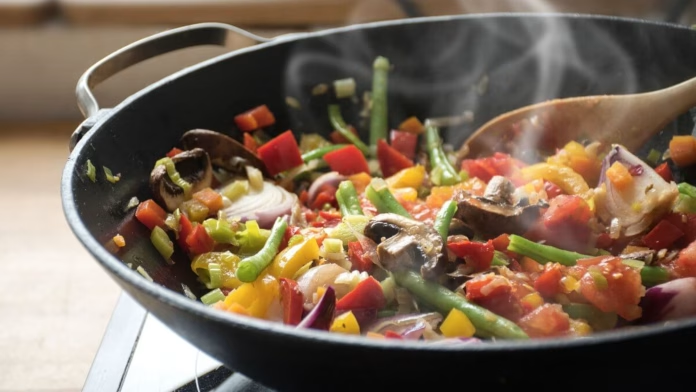
Food safety is a critical aspect of our everyday lives, ensuring that the food we consume is safe, nutritious, and free from harmful contaminants. As we celebrate World Food Safety Day, it’s the perfect opportunity to recognize the importance of savoring freshly cooked meals and the remarkable benefits they bring to our health and well-being.
Whether you’re an avid home cook or someone who enjoys dining out, understanding the significance of food safety and the advantages of preparing and enjoying freshly cooked meals can lead to a happier, healthier, and more satisfying culinary experience. From enhanced nutritional value to reduced risks of foodborne illnesses, let’s explore the incredible benefits that come with embracing the joy of savoring freshly cooked meals and how they contribute to a safer and more delightful dining experience for all.
Frozen and canned foods have become staples in many households, providing a quick and effortless solution for busy individuals. However, as we celebrate World Food Safety Day, it’s time to reevaluate the impact of these processed options on our health and well-being. Embracing the incredible benefits of savoring freshly cooked meals not only ensures our safety but also enhances our overall dining experience.
Unparalleled Nutritional Value:
Freshly cooked meals offer unparalleled nutritional value compared to their frozen or canned counterparts. When food is cooked and consumed immediately, it retains more of its natural vitamins, minerals, and antioxidants. Fresh fruits, vegetables, lean proteins, and whole grains become the foundation of nourishing meals, providing us with essential nutrients for optimal health and vitality.
Reduced Chemical Additives:
One of the primary concerns with processed foods is the presence of chemical additives, such as preservatives and artificial flavorings. By choosing freshly cooked meals, we have better control over the ingredients we use, minimizing our exposure to harmful additives. This allows us to prioritize whole, natural ingredients, resulting in a cleaner and healthier eating experience.
Enhanced Food Safety:
Food safety is a critical aspect of our well-being, and freshly cooked meals offer a higher level of safety compared to their processed counterparts. When we cook meals at home, we have the power to ensure proper handling, storage, and cooking temperatures, reducing the risk of foodborne illnesses. By following proper hygiene practices and using fresh ingredients, we can enjoy peace of mind knowing that our meals are safe and free from contamination.
Culinary Exploration and Creativity:
Savoring freshly cooked meals opens the door to culinary exploration and creativity. It allows us to experiment with a wide range of flavors, textures, and cooking techniques. We can customize our meals according to our preferences, dietary restrictions, and seasonal produce availability. This fosters a deeper appreciation for food and encourages us to develop our culinary skills, making every meal a delightful and satisfying experience.
Environmental Sustainability:
Choosing freshly cooked meals promotes environmental sustainability. By reducing our reliance on frozen and canned foods, we contribute to the reduction of packaging waste and the carbon footprint associated with food processing and transportation. Fresh ingredients, sourced locally and seasonally whenever possible, support sustainable farming practices and help preserve the ecosystem for future generations.
As we commemorate World Food Safety Day, let us embrace the astonishing reasons to say goodbye to frozen and canned food and celebrate the incredible benefits of savoring freshly cooked meals. From unparalleled nutritional value to enhanced food safety, culinary exploration, and environmental sustainability, the advantages of choosing fresh ingredients and preparing meals from scratch are undeniable. By prioritizing the quality and safety of our food, we can nourish our bodies, indulge our taste buds, and experience the joy and satisfaction that comes from savoring a freshly cooked meal.
Food safety is a critical aspect of our daily lives, ensuring that the food we consume is free from harmful bacteria, viruses, and contaminants. On World Food Safety Day, observed annually on June 7th, we are reminded of the importance of maintaining proper food safety practices to protect our health and well-being. For beginners navigating the world of food safety, understanding essential strategies is the first step towards safeguarding their palates and defending their health.
In this comprehensive guide, we will delve into the must-know food safety strategies that everyone, especially beginners, should be aware of. By following these practices, we can create a safer food environment for ourselves and our loved ones.
Hand Hygiene: The Foundation of Food Safety
One of the fundamental principles of food safety begins with proper hand hygiene. Our hands can harbor harmful bacteria and viruses that can contaminate the food we handle. Thoroughly washing hands with soap and water for at least 20 seconds before and after handling food, using the bathroom, or touching any potentially contaminated surfaces is crucial in preventing the spread of pathogens. In addition to handwashing, it is important to keep nails short and clean, remove jewellery, and avoid touching the face while preparing food.
Safe Food Handling and Storage
Proper handling and storage of food items are pivotal in maintaining their safety. When handling raw meat, poultry, or seafood, it is essential to prevent cross-contamination by keeping them separate from other foods. This can be achieved by using separate cutting boards, utensils, and storage containers for different food groups. Additionally, storing perishable items, such as dairy products and raw meats, in the refrigerator at the correct temperature (below 40°F or 4°C) helps inhibit bacterial growth and preserves their freshness. Understanding expiration dates and properly labeling leftovers can prevent the consumption of spoiled food.
Thorough Cooking: Don’t Compromise on Safety
Cooking food to the appropriate internal temperature is vital to kill harmful bacteria and ensure food safety. Using a food thermometer, beginners can verify that meats, poultry, fish, and other cooked foods reach the recommended temperature to destroy any pathogens. Different types of foods have specific temperature requirements to ensure safety. For example, poultry should be cooked to an internal temperature of 165°F (74°C), while ground meats should reach 160°F (71°C). It is essential to avoid partially cooking food and finishing it later, as this can promote bacterial growth.
Mindful Cross-Contamination Prevention
Cross-contamination occurs when harmful microorganisms are transferred from one surface or food item to another, leading to potential foodborne illnesses. Beginners should be cautious and keep raw and cooked foods separate throughout the entire food preparation process. This involves using different cutting boards for raw meats, fruits, and vegetables, as well as thoroughly sanitizing utensils and surfaces after handling raw meats or seafood. It is also important to avoid reusing marinades that have come into contact with raw meats. By practicing mindful cross-contamination prevention, beginners can significantly reduce the risk of foodborne illnesses.
Choose Safe and Reliable Sources
When shopping for groceries, it is essential to choose reputable sources that prioritize food safety. Look for fresh produce, meats, and dairy products from trusted suppliers or markets with good hygiene practices. Check for proper packaging, expiration dates, and any signs of spoilage to ensure the quality and safety of the products you purchase. Additionally, be cautious when purchasing food from street vendors or eating at restaurants, ensuring that they follow proper food safety guidelines and maintain cleanliness.
Food safety is a shared responsibility, and every individual can play a vital role in safeguarding their health and well-being. By adopting the must-know food safety strategies outlined in this guide, beginners can navigate the world of food safety with confidence and protect themselves from potential foodborne illnesses. On World Food Safety Day, let us reinforce our commitment to maintaining high food safety standards, not only for our own benefit but also for the health and safety of our communities. Remember, guarding your palate goes hand in hand with defending your health.
Mumbai, known for its diverse food culture, offers a plethora of cafes that cater to every palate. Whether you crave classic delicacies or are in search of quirky delights, these cafes promise an unforgettable gastronomic experience. Join us as we explore 15 of the best cafes in Mumbai, each with its unique charm, menu, and ambiance.
Le 15 Patisserie:
Step into the French-inspired interiors of Le 15 Patisserie, a popular dessert parlor and fine patisserie that ranks among the city’s best cafes. Located on Elphinstone Bridge Road in Parel, this charming cafe provides an ideal respite from mundane life.
Location: Elphinstone Bridge Road, Parel
Cost for two: INR 200
Timings: 10 am – 12 midnight
Must-try: Salted Caramel Macaroon, Dark Chocolate Macaron, Red Velvet Choux Pastry, Nutella Brownies, Macaroon, Eclair
Prithvi Café:
Nestled within the legendary Prithvi Theatre, Prithvi Café offers a romantic and enchanting ambiance under the lanterns and trees. Perfect for couples, this open-air cafe on Juhu Church Road in Juhu sets the stage for a memorable evening.
Location: Juhu Church Road, Juhu
Cost for two: INR 600
Timings: 10:30 am – 10:30 pm
Must-try: Apple Cinnamon Muffin, Mix Parantha, Amritsari Masala Kulcha, Plain Croissant, Irish Shake, Chocolate Chip Waffle
Candies:
A long-time favorite of Mumbaikars, Candies has been a go-to place for its delicious menu and charming gift store. Located in Pali Hill, Bandra West, this cafe is a must-visit for its delightful offerings.
Transport yourself to a classic French cafe at Samvene – The Bagel Café in Panch Pakhadi, Thane West. This charming spot is perfect for a breakfast date and offers an array of delightful treats.
For a homely vibe and great food, head to Garde Manger Café in Vile Parle East. This vibrant cafe offers a range of dishes, including a delectable tuna sandwich, in a colorful setting.
Indulge in a variety of teas at Taj Mahal Tea House, a vintage Indian tea cafe that’s a paradise for chai lovers. Located in Reclamation, Bandra West, this cafe also offers a selection of books to enjoy alongside your tea.
Step into Grandmama’s Café on Sion-Trombay Road, Chembur, and be greeted by an adorable and exciting atmosphere. Known for its American cuisine, this cafe’s cute interiors and welcoming ambiance will instantly uplift your spirits.
Combining books and food, Leaping Windows in Versova, Andheri West, is a quirky cafe spread across two floors and a basement. With a vast collection of comics and a peaceful ambiance, it’s a perfect spot for a first date.
Kick-start your day with a delightful breakfast at The Nutcracker, located near One Forbes Building in Fort. This funky cafe offers an extensive menu that will leave you satisfied and craving for more.
Location: Opposite One Forbes Building, Fort
Cost for two: INR 1400
Timings: 08:00 am – 11:30 pm (opens at 12:00 pm on Mondays)
Must-try: Pancakes and Maple Syrup, Buttermilk Pancakes, Blackbean Burger, Lebanese Sandwich, Nutcracker, Belgian Hot Chocolate
Café Mondegar:
Café Mondegar, situated on SB Singh Road, Colaba Causeway, offers a scrumptious American breakfast and transforms into a vibrant bar-like venue in the evening. Enjoy great food, classic rock music, and groovy art on the walls.
Find tranquility at Birdsong – The Organic Café, situated on Hill Road, Near Bandra West. With its minimalistic decor and exposed brick walls, this cafe offers a peaceful ambiance and a menu that emphasizes organic ingredients.
Location: Hill Road, Near Bandra West
Cost for two: INR 1900
Timings: 09:30 am – 10:30 pm
Must-try: Avocado Toast, French Toast, Smoothie, Cappuccino, Chicken Sandwich, Red Velvet Cake
Kala Ghoda Café:
Located in the heart of the art district in Fort, Kala Ghoda Café is a rustic, bohemian-style cafe that doubles as an art gallery. Experience the artistic charm while enjoying delectable dishes and refreshing beverages.
Location: Kala Ghoda, Fort
Cost for two: INR 1800
Timings: 09:00 am – 11:00 pm
Must-try: Mushroom and Truffle Soup, Jalapeno Poppers, Classic Caesar Salad, Spaghetti Aglio Olio, Belgian Chocolate Mousse
Poetry by Love and Cheesecake:
For dessert enthusiasts, Poetry by Love and Cheesecake in Khar West is a must-visit. Indulge in their heavenly cheesecakes, macarons, and other delectable treats that are sure to satisfy your sweet tooth.
Situated in Kala Ghoda, The Pantry is a charming cafe that focuses on organic and locally sourced ingredients. With its cozy ambiance and mouthwatering dishes, this cafe is perfect for a casual lunch or brunch.
Location: Kala Ghoda, Fort
Cost for two: INR 1800
Timings: 08:30 am – 10:00 pm
Must-try: Avocado and Feta Toast, Granola Bowl, Shakshuka, Masala Chai, Lemon Tart, Carrot Cake
Theobroma:
No list of Mumbai cafes would be complete without mentioning Theobroma. With multiple locations across the city, this renowned bakery and patisserie offer a wide range of decadent desserts, pastries, and savories.
Mumbai’s cafes offer a delightful blend of classic elegance and quirky delights, making them a gastronomic paradise for all food lovers. Whether you’re seeking a cozy atmosphere, unique culinary experiences, or simply a place to unwind, these 15 cafes are sure to deliver an unforgettable culinary adventure in the bustling city of Mumbai.
Bodybuilding is a demanding sport that requires a combination of hard work, dedication, and proper nutrition to achieve optimal results. While training intensity and consistency are crucial, fueling your body with the right nutrients before your workouts can significantly impact your performance, muscle growth, and recovery.
In this comprehensive guide, we will delve into the importance of pre-workout nutrition, discuss the ideal macronutrient composition, explore the timing of the pre-workout meal, highlight the significance of hydration, provide sample meal ideas, offer additional tips and considerations, and discuss the importance of supplements in fueling your early morning bodybuilding sessions effectively. This guide aims to provide you with the ultimate guide on what to eat before early morning workout bodybuilding sessions. We will explore the best pre-workout foods, including their benefits and specific recommendations for different time frames before your workout.
Understanding the Importance of Pre-Workout Nutrition:
Before diving into the specifics of the perfect pre-workout meal, it’s essential to understand why pre-workout nutrition plays a critical role in bodybuilding. The primary goals of a pre-workout meal are:
Energy Provision: The pre-workout meal supplies the necessary energy to fuel your intense training sessions. It replenishes glycogen stores in the muscles and liver, which are the primary sources of energy during exercise.
Muscle Protein Synthesis: Adequate protein intake before a workout stimulates muscle protein synthesis and minimizes muscle breakdown. This helps promote muscle growth and recovery.
Hydration: Proper hydration is essential for optimal muscle function, performance, and overall well-being. Hydrating before a workout ensures adequate fluid levels to support optimal performance and prevent dehydration.
Macronutrient Composition:
a) Carbohydrates: Complex carbohydrates are the primary source of energy for your workouts. They provide a steady release of glucose, ensuring sustained energy throughout your session. Opt for whole grains, fruits, and vegetables, which offer vitamins, minerals, and dietary fiber.
Whole grains: Brown rice, quinoa, oats, whole-wheat bread.
Fruits: Berries, bananas, apples.
Vegetables: Broccoli, spinach, sweet potatoes.
b) Proteins: Protein is essential for muscle repair, growth, and recovery. Including high-quality protein sources in your pre-workout meal ensures an adequate supply of amino acids.
Animal-based sources: Lean meats (chicken, turkey, lean beef), fish (salmon, tuna), eggs, and dairy products (Greek yogurt, cottage cheese).
Plant-based sources: Tofu, tempeh, legumes (beans, lentils), plant-based protein powders.
c) Fats: While carbohydrates and proteins are the primary focus of the pre-workout meal, healthy fats also play a role. Fats provide essential fatty acids necessary for hormone production and overall health.
The timing of your pre-workout meal is crucial to ensure optimal digestion, energy availability, and comfort during your training session. Consider the following guidelines:
a) 2-3 Hours Before: If your schedule allows, consume a larger meal containing a balanced mix of carbohydrates, proteins, and fats 2-3 hours before your workout. This timeframe allows for proper digestion and absorption of nutrients.
Example meal: Grilled chicken breast, brown rice, steamed vegetables, and a small portion of avocado.
b) 1 Hour Before: If you have limited time, opt for a smaller meal or a snack that focuses on easily digestible carbohydrates and a moderate amount of protein. This timeframe allows for quicker digestion, ensuring the availability of energy during your workout.
Example snack: Greek yogurt with mixed berries and a small handful of almonds.
c) Pre-Workout Supplements: Some individuals prefer using pre-workout supplements to enhance their performance. If you choose to include them, ensure they are safe, legal, and complement your nutrition plan. Consult with a healthcare professional or registered dietitian for guidance.
Hydration:
Proper hydration is vital for optimal performance, preventing muscle cramps, and maintaining overall health. Dehydration can significantly impact your strength, endurance, and focus during workouts. Follow these hydration guidelines:
Regular Hydration: Drink water regularly throughout the day to maintain hydration levels. Aim for at least eight cups (64 ounces) of water per day, or more if you engage in intense physical activity.
Pre-Workout Hydration: Consume 16-20 ounces (473-591 ml) of water 2-3 hours before your workout. This allows your body time to absorb and distribute the fluids adequately.
Electrolyte Balance: When you sweat, you lose essential electrolytes such as sodium, potassium, and magnesium. Consider adding electrolyte-rich foods or beverages to replenish these minerals. Coconut water, sports drinks, or homemade electrolyte solutions can be beneficial.
Sample Pre-Workout Meal Ideas:
Now that we understand the key principles of pre-workout nutrition, let’s explore some sample meal ideas:
a) Option 1 (2-3 hours before workout):
Grilled chicken breast: A lean source of protein.
Brown rice: Complex carbohydrates for sustained energy release.
Steamed vegetables: Provide essential vitamins, minerals, and fiber.
Avocado: Healthy fat for satiety and hormone support.
b) Option 2 (1 hour before workout):
Greek yogurt: High in protein and easily digestible.
Mixed berries: Supply antioxidants and carbohydrates.
A small handful of almonds: Healthy fats and additional protein.
c) Option 3 (liquid meal/snack):
Protein shake: Whey protein mixed with water or almond milk.
Banana: Offers carbohydrates for energy.
Almond milk: Provides a source of healthy fats and additional fluids.
d) Option 4 (vegan alternative):
Tofu scramble: Tofu cooked with vegetables and spices.
Whole-grain toast: Complex carbohydrates.
Avocado: Healthy fats and fiber.
Additional Tips and Considerations:
Personalization: While the guide provides general recommendations, it’s crucial to personalize your pre-workout meal based on your individual preferences, dietary restrictions, and training goals. Experiment with different food combinations and assess how they impact your energy levels, digestion, and overall performance.
Food Intolerances and Allergies: Consider any food intolerances or allergies you may have when planning your pre-workout meal. Substitute ingredients accordingly or consult with a registered dietitian for suitable alternatives.
Portion Sizes: Adjust portion sizes based on your individual needs and goals. Factors such as body weight, training intensity, and metabolism should be considered when determining portion sizes.
Experimentation: Allow yourself room to experiment with different food combinations and timing strategies to find what works best for your body. Keep a food journal to track your meals and workout performance, making adjustments as necessary.
Professional Guidance: If you have specific nutritional requirements or are unsure about certain aspects of your pre-workout meal, consult with a registered dietitian or healthcare professional who specializes in sports nutrition. They can provide personalized guidance and tailor a pre-workout meal plan to meet your individual needs.
Your Ultimate Guide on What to Eat Before Early Morning Workout Bodybuilding Sessions
When it comes to bodybuilding, proper nutrition plays a crucial role in maximizing performance, supporting muscle growth, and aiding recovery
What To Eat Before Early Morning Workout:
Fueling your body with the right nutrients before an early morning workout is essential to ensure optimal performance and muscle growth. Here are the key components to consider when planning your pre-workout meal:
Carbohydrates: Carbohydrates are the primary source of energy for your body. Consuming complex carbohydrates before a workout provides a steady release of energy, which can enhance endurance and performance. Opt for whole-grain bread, oats, brown rice, or sweet potatoes to fuel your body efficiently.
Protein: Protein is essential for muscle repair, recovery, and growth. Including a moderate amount of protein in your pre-workout meal helps stimulate muscle protein synthesis and reduces muscle breakdown. Good sources of protein include lean meats, eggs, Greek yogurt, or protein shakes.
Fiber: While fiber is an important component of a healthy diet, consuming high-fiber foods immediately before a workout may cause digestive discomfort. If you prefer fiber-rich foods, consume them in moderation and allow enough time for digestion.
Fat: Including a small amount of healthy fats in your pre-workout meal can provide a sustained release of energy and help keep you feeling satiated. Opt for sources like avocados, nuts, or nut butter.
Pre-Workout Meal and Snack Suggestions:
Here are some pre-workout meal and snack ideas that provide a balance of carbohydrates, protein, and fats:
Whole grain toast with scrambled eggs and avocado: This combination provides complex carbs, protein, and healthy fats.
Greek yogurt with berries and a sprinkle of granola: Greek yogurt offers protein, while berries and granola provide carbs and added texture.
Protein shake made with milk or water and a banana: A convenient and easily digestible option that combines protein and carbs.
Oatmeal topped with nuts and a side of Greek yogurt: Oats provide slow-releasing carbs, while nuts and Greek yogurt add protein and healthy fats.
Boiled eggs with whole grain crackers: A simple and protein-rich snack that can be prepared in advance.
Fruit smoothie with protein powder, spinach, and almond butter: A refreshing blend of fruits, leafy greens, and protein for a quick and nutritious pre-workout boost.
What To Eat 30 Minutes Before Workout, Bodybuilding Practice:
If you have limited time before your workout, it’s essential to choose easily digestible foods that provide quick energy. Here are some options:
Oats: A small bowl of oats topped with berries and a drizzle of honey provides a combination of carbohydrates and antioxidants.
Bananas: A banana is a convenient and easily digestible source of carbs, potassium, and natural sugars.
Protein Shakes: Pre-made protein shakes or homemade shakes with your preferred protein powder, water or milk, and a fruit of your choice offer a quick and easily digestible source of protein and carbs.
Whole Grains: A small serving of whole grain cereal with milk provides fast-acting carbs and protein.
Fresh Smoothies: Blend a mix of fruits, leafy greens, and protein powder for a nutrient-rich pre-workout drink that is easily absorbed by the body.
Boiled Eggs: Hard-boiled eggs are a portable and protein-rich snack that can be prepared in advance.
Fresh Fruit and Yogurt: Combine sliced fruits with Greek yogurt for a balance of carbs and protein in a quick and easy snack.
What To Eat Before Lifting:
Before lifting weights, it’s crucial to provide your body with sufficient energy and nutrients. Aim for a balanced meal consisting of complex carbohydrates, lean protein, and healthy fats. Some examples include:
Grilled chicken or turkey breast with quinoa and steamed vegetables: This meal provides a good balance of protein, complex carbs, and fiber.
Salmon or tuna with brown rice and roasted vegetables: Fish offers high-quality protein and healthy fats, while brown rice supplies complex carbs.
Lean beef or tofu stir-fry with whole grain noodles and mixed vegetables: This meal provides a combination of protein, complex carbs, and essential nutrients from the vegetables.
How Many Meals Do Bodybuilders Eat a Day?
The number of meals bodybuilders consume per day can vary depending on individual preferences and goals. While some bodybuilders prefer eating multiple small meals throughout the day, others find success with a more traditional three-meal approach. The key is to meet your daily macronutrient and calorie needs while considering personal preferences and lifestyle factors. It’s also important to focus on the overall quality of your meals and ensure you’re consuming a balanced combination of protein, carbs, and fats.
7 Best Pre-Workout Foods
Oats: Oats are a great source of complex carbohydrates, providing a slow release of energy during your workout. They also contain fiber, which aids in digestion and helps keep you feeling full. Top your oats with fruits or nuts for added flavor and nutrients.
Bananas: Bananas are a convenient and easily digestible source of carbohydrates, potassium, and natural sugars. They provide a quick energy boost and help prevent muscle cramps during your workout.
Protein Shakes: Protein shakes, made with whey or plant-based protein powder, are a popular choice for pre-workout nutrition. They provide a fast and easily digestible source of protein, which is crucial for muscle repair and growth. Mix your protein powder with water or milk and add fruits for added flavor and nutrients.
Whole Grains: Whole grains such as brown rice, quinoa, or whole wheat bread are excellent sources of complex carbohydrates. They provide sustained energy and help fuel your muscles during intense workouts. Pair them with lean protein for a well-rounded pre-workout meal.
Fresh Smoothies: Fresh smoothies made with a combination of fruits, vegetables, and protein powder can be a nutritious and refreshing pre-workout option. They provide a mix of carbohydrates, vitamins, minerals, and antioxidants to support your workout performance.
Boiled Eggs: Eggs are a complete protein source, containing all the essential amino acids your body needs. They are also rich in vitamins and minerals. Boiled eggs are a convenient and portable pre-workout snack that can be prepared in advance.
Fresh Fruit and Yogurt: Combining fresh fruits with Greek yogurt provides a balanced mix of carbohydrates and protein. Greek yogurt is high in protein and also contains probiotics that support gut health. Add some nuts or granola for added texture and healthy fats.
Remember, the best pre-workout foods for you may depend on your individual preferences, dietary restrictions, and goals. Experiment with different options and listen to your body to determine what works best for you. It’s also important to consider the timing of your pre-workout meal, allowing enough time for digestion before your workout.
Proper nutrition before an early morning workout is essential for bodybuilders to optimize performance and support muscle growth. A well-balanced pre-workout meal should include a combination of carbohydrates, protein, and healthy fats. Experiment with different food options and find what works best for your body and fitness goals. Additionally, consulting with a nutritionist or dietitian can provide personalized guidance tailored to your specific needs. Remember, consistency in both your nutrition and training is key to achieving success in your bodybuilding journey.
Importance of Supplements:
Supplements can be a valuable addition to your pre-workout routine, but they should not replace a well-balanced diet.
Supplements such as pre-workout formulas, creatine, and branched-chain amino acids (BCAAs) can provide additional support for energy, endurance, and muscle recovery. However, it’s important to remember that supplements are not magic pills and should be used in conjunction with a nutritious diet. Always choose high-quality, reputable brands and follow recommended dosages.
It’s worth noting that supplements should be used strategically and based on individual needs. Consulting with a healthcare professional or registered dietitian who specializes in sports nutrition can help you determine which supplements, if any, are suitable for your goals and circumstances.
Fuelling your body with the perfect pre-workout meal is essential for unlocking insane gains in your early morning bodybuilding sessions. The right combination of carbohydrates, proteins, and healthy fats, along with proper hydration, can provide the energy, nutrients, and hydration needed to optimize performance, support muscle growth, and enhance recovery.
Remember to personalize your pre-workout meal plan based on your individual needs and preferences. Experiment with different meal options and timing strategies to find what works best for you. Keeping a food journal can help you track your progress and make necessary adjustments.
Additionally, consider consulting with a registered dietitian or healthcare professional who specializes in sports nutrition for personalized guidance and support. They can provide expert advice tailored to your goals and help ensure you’re on the right track with your pre-workout nutrition.
By prioritizing the perfect pre-workout meal and adopting a comprehensive approach to your bodybuilding journey, you’ll be well-equipped to unlock insane gains, maximize your potential, and achieve the results you desire. Fuel your body right and unleash your true potential in the gym!
Koparo has achieved impressive expansion over the past year, witnessing a tenfold increase in revenues since its previous funding round. (Representative Image)
Koparo, an eco-friendly direct-to-consumer (D2C) brand focusing on sustainable home and personal hygiene products, recently secured $1.5 million in a Pre-Series A funding round. Leading the investment was Saama Capital, while new institutions Fluid Ventures and M Venture Partners, along with prominent angels Rajesh Sawhney (Founder and CEO of GSF Accelerator), Sridhar Sankararaman (Multiples PE), and Ramesh Menon (formerly associated with Future Group and Hypercity), joined as co-investors. The round also witnessed continued support from existing investor DSG Consumer Partners.
Funds raised in the current round will be carefully allocated towards establishing a strong offline presence, enhancing brand recognition, and fostering product innovation. Koparo has achieved impressive expansion over the past year, witnessing a tenfold increase in revenues since its previous funding round. In the previous year, the company secured a seed round investment of $750K from Saama and DSG Capital, both of whom have shown renewed confidence by increasing their investment in the current round.
Koparo, an innovative company providing a natural alternative to conventional cleaning products, was established by Simran Khara. With an impressive background that includes experience at prestigious organizations such as McKinsey & Co and Star TV, as well as serving as the CEO of digital media startup Juggernaut Books, Simran Khara brings valuable expertise to Koparo.
Recognizing the potential of Koparo’s unique offering, the company was chosen to participate in the prestigious Founder Stack program by Accel. This program provided Koparo with an exceptional opportunity to receive three months of mentorship from Accel, a prominent venture capital firm. With Accel’s guidance, Koparo aimed to build and expand their consumer startup, catering to the needs of the modern era.
Presently, the company boasts a diverse range of more than 15 products and over 30 stock keeping units (SKUs) encompassing core cleaning, specialty cleaning, and accessories. These products are accessible through the company’s official website, which accounts for approximately 40% of the total revenue. Additionally, they are also made available through prominent e-commerce platforms and distributed across 70 stores belonging to Reliance Retail and Modern Bazaar.
Simran Khara, Founder, Koparo, said, “The modern Indian home is ready for new cleaning products that are effective yet not laden with harsh chemicals. Several sub-categories within cleaning are already responding well to our proposition. With the backing of some of the best consumer investors, we feel confident of executing well on our category defining play at Koparo.”
To meet the growing demand for hygiene products, Koparo has strategic plans in place. These include the introduction of new variants for their popular products, the development of a specialized range of cleaners tailored to modern Indian cleaning requirements, and the launch of complementary kitchen and home cleaning accessories. The company also aims to strengthen its presence in the laundry sector, which is the largest sub-category in the home cleaning industry, while also expanding its range of pet-friendly products.
Koparo has recently unveiled a kennel wash specifically designed for pet homes, along with a selection of cleaning accessories such as biodegradable sponge wipes and microfiber dusting cloths, catering to the needs of contemporary households. With a clear growth vision, Koparo aims to accelerate its trajectory by achieving an eight-fold increase in revenues within the next 18-20 months. This will be accomplished through a focused approach on their core product range, expanding distribution channels, and introducing products in new sub-categories.
Ash Lilani, Founder and Managing Partner, Saama Capital, said, “We are privileged to have witnessed Simran’s growth from 0 to 1 since our pre-seed investment. Koparo has been instrumental in building the premium, sustainable home and hygiene category in India. With a curated product portfolio of home and kitchen cleaning products, laundry detergents, fresheners and fragrances, and unwavering focus on using natural, better-for-you ingredients, Koparo has grown its monthly revenues by 10x since our last investment in November 2021. More importantly, they have built a strong brand that is loved and trusted by consumers. Saama is excited to support the brand through its next phase of growth.”
Based on a report by Imarc, the Indian household cleaners market achieved a value of $7.5 billion in 2022, and it is projected to grow at a compound annual growth rate (CAGR) of 18.9% over the next five years. This growth signifies a significant trend in the industry, as the premium segment is experiencing a remarkable annual growth rate of over 30%. This indicates a shift in consumer preferences as Indian households increasingly seek safe and toxin-free products for their homes. Many prominent players in the home care industry are recognizing this opportunity and making substantial investments to tap into this premium demand.
In this dynamic landscape, Koparo is emerging as a key player, benefitting from its product portfolio and the increasing acceptance of its offerings. By being an early entrant, Koparo has gained a competitive advantage in this evolving market. Although it is still early days, the company’s strategic positioning and growing acceptance among consumers have positioned it well to leverage the changing preferences and capture a significant share of the premium home care market.
Hiran Embuldeniya, Partner, M Venture Partners, said, “Simran’s visionary approach to reshape household cleanliness with a positive ecological impact fits well with MVP’s focus on the consumer brands in India. We are excited to partner with Koparo on this journey to create a cleaner and greener future for the rapidly growing urban households in India”
The city of Noida is set to embrace the concept of food streets, with the Noida Authority taking the initiative to introduce these vibrant culinary destinations. In order to bring this vision to life, the planning department has been assigned the task of formulating a comprehensive blueprint for the project.
A brand-new food street is set to emerge within the existing vending zone at Sector 126, encompassing a bustling collection of more than 70 shops. Presently undergoing renovations, the area is on track to be completed within a few days, eagerly awaiting its grand opening.
With a vision inspired by the vibrant food streets of cities like Indore and Lucknow, the Noida Authority is actively working towards converting different zones in Noida into alluring tourist attractions. The goal is to replicate the charm and appeal of these renowned food streets, establishing Noida as a destination that entices visitors with its diverse culinary offerings and memorable experiences.
Officials have announced that visitors will be treated to a plethora of exquisite culinary delights as they explore the food streets. To enhance the overall experience, the streets will be adorned with vibrant lights, offering a lively and inviting ambiance. Thoughtfully designed seating areas will be available throughout the streets, providing convenient resting spots for visitors. Additionally, to maintain cleanliness, dustbins will be strategically placed in front of each shop. Adequate parking facilities will also be provided to ensure a seamless and enjoyable visit for all.
“The vending zone in Sector 126 will serve as a prototype for the food streets. This zone currently has 75 shops. Visitors will be able to savour a wide range of food items here. The project is nearing completion and will soon be open to the public,” said Indu Prakash Singh, officer on special duty, Noida Authority.
In a recent development, Papa John’s International has shared the news of its successful acquisition of the restaurants previously owned by Drake Food Service International’s (DFSI) M25 division in the United Kingdom.
The transition of restaurants will result in the creation of a collection of Company-owned restaurants within the market. The specific financial details of the transaction have not been revealed.
“The UK is important within our international footprint with the largest number of stores outside of North America, strong brand awareness with consumers and potential for long-term growth as we still have tremendous whitespace in the market,” said Amanda Clark, Chief International and Development Officer for Papa Johns by adding that owning and operating restaurants will allow Papa Johns to follow a similar model that they’ve created in the US.
The upcoming corporate-owned restaurant portfolio will encompass a total of 91 establishments located throughout London and various regions in the UK.
The company recognizes opportunities to implement enhancements to its operating model, which include bolstering revenue management capabilities, fostering product and technological innovation, and achieving operational efficiencies. These measures aim to improve sales performance and enhance profitability at the restaurant level.
As part of the transition, around 1,000 employees currently employed by DFSI M25 will join the company as team members.
However, DFSI will retain its master franchise rights for Papa Johns in Spain, Portugal, Chile, and Central America.
“By exiting our stake in the UK, we will be able to focus our efforts on our Papa Johns portfolio in Iberia and Latin America,” said Fernando Frauca, Managing Partner and CEO of DFSI.
Founded in 1984, Papa John’s International, Inc. has emerged as a global powerhouse in the pizza delivery industry. With a network of over 5,700 restaurants spread across approximately 50 countries and territories, it currently holds the distinguished title of being the third-largest pizza delivery company worldwide.
Subway, one of the leading multi-national fast food retail giants, has made an exciting announcement on social media. According to a company official, Subway has just opened its 104th store in Karnal, Haryana. The post highlights that this store is company-owned and company-operated (COCO), reinforcing Subway’s direct control and oversight. It’s another significant milestone for Subway as it continues to expand its presence in the fast food industry.
“Our beautiful 104th COCO Built Restaurant at Sector- 7, Karnal, Haryana,” wrote Kush Kumar, Business Development Manager – North, Subway on LinkedIn while sharing pictures of the store.
Earlier this year, the company inaugurated its inaugural store in Punjab at Sushma Group’s high-street retail project, Sushma Capital. The store is company-owned and company-operated (COCO).
Launched in 1965 by 17-year-old Fred DeLuca and financed by Peter Buck as Pete’s Super Submarines, the fast-food restaurant franchise underwent a significant transformation in 1972 and was rebranded as Subway. With a remarkable journey since its inception, Subway has expanded its reach to encompass more than 37,000 restaurants across over 100 countries worldwide.
To address challenges in exporting to Europe and meet the growing demand, the UK-based company has invested in the production of "cold pressed dog food," aiming to enhance gut health for dogs.
Walker & Drake, a pet food manufacturer, has recently injected £900,000 ($1.1 million) into the development of a state-of-the-art production facility.
To address challenges in exporting to Europe and meet the growing demand, the UK-based company has invested in the production of “cold pressed dog food,” aiming to enhance gut health for dogs.
According to David Taylor, the Director of Walker & Drake, the company’s investment in an in-house packing and production capability will safeguard and enhance its future productivity.
“Our cold-pressed dog food is a premium product focussed on gut health and we are constantly talking with our customers to understand what they want for their dogs,” he said.
“The ability to develop new products in a dynamic fashion is fantastic, and the relationships we have already nurtured with our suppliers means we get the access to the best ingredients available at any time.”
Established in 2019, the company based in Yorkshire relocated to expanded facilities in the previous year to accommodate the increased space necessary for their new factory and warehousing operations.
According to Tim Matthews, the sales director, Walker & Drake stands out as one of the rare dog food companies in the UK that is constructing a fresh pet food facility.
He stated, “Just like the ingredients we use in our products we’ve sourced the equipment, fabrication and installation from UK companies wherever possible. In fact, apart from one item, all the major components, the design and installation team are from within a 25-mile radius of our site.
“By starting with an empty space we’ve been able to create an efficient workflow from goods-in, through the production process to bagging, warehousing and then back out the door as finished product,” he added.
Domino’s Australia has recently announced a thrilling partnership with Red Bull, with the goal of bringing an invigorating experience to pizza lovers across the country.
Domino’s ANZ CEO Josh Kilimnik has enthusiastically announced that Red Bull will now be available in all of their 760+ stores across Australia, sparking excitement among pizza enthusiasts nationwide.
This move comes after the successful implementation of the partnership in international markets, marking the first-time availability of Red Bull in Domino’s outlets nationwide.
Miles Wilson, the Managing Director of Red Bull Australia, expressed excitement about providing an energy boost to Domino’s customers throughout the country.
He emphasized the opportunity to reach a broader audience in Australia and highlighted the strong synergy between the two leading brands. Wilson specifically mentioned that Red Bull, as the top-selling beverage in convenience stores across the country, found it fitting to collaborate with Domino’s in a way that would bring enjoyment and excitement to customers.
To kickstart their partnership, Domino’s is launching a contest that presents a unique opportunity for 10 lucky individuals to win an exclusive house party, complete with catering by Domino’s and Red Bull.
Two prominent winners will be delighted with a remarkable prize package worth more than $5,000. This extravagant package encompasses a wide array of Red Bull beverages, the expertise of a professional DJ to enhance their experience, and a generous supply of freshly-made pizzas for themselves and their friends to indulge in.
We use cookies to ensure that we give you the best experience on our website. If you continue to use this site we will assume that you are happy with it.