Asda, the third largest supermarket group in Britain, has made an announcement stating that it will freeze the prices of over 500 products until the end of August. This decision aligns with the emerging signs indicating a potential easing and reversal of the recent surge in food inflation in the coming months.
Asda, currently positioned behind market leader Tesco and second-place Sainsbury’s, has introduced a price freeze on a wide array of products. This initiative covers both well-known branded items like Kellogg’s cornflakes and Premier Foods’ Oxo beef stock cubes, as well as Asda’s own brand products including salads, burgers, and ice cream.
In response to the significant price increases observed in certain items like milk, butter, bread, pasta, and vegetable oil, grocers have taken measures to lower their prices. Asda’s recent action aligns with this trend, as they have joined other retailers in reducing the prices of these particular products.
Waitrose, the high-end supermarket, made a significant move on Monday by lowering the prices of over 200 products in its range.
Prime Minister Rishi Sunak had set a target to halve the overall inflation by 2023. However, this objective has faced setbacks due to the persistent and stubbornly high inflation, specifically in the food sector.
The latest official data revealed that consumer price inflation in the UK reached 8.7% in April. Moreover, food and drink inflation stood at 19.1%, narrowly below a 46-year high.
According to industry data, grocery inflation showed a slight decrease, reaching 17.2% in May.
Food retailers have indicated their anticipation of overall price increases in 2023; however, they also expect the rate of inflation to decrease gradually throughout the year.
Clive Black, an analyst from Shore Capital, predicts that disinflation will be the primary driving force in 2023, rather than deflation. He highlights the expectation of more manageable commodity prices, yet points out that energy, labor, and packaging costs remain high.
In addition, Clive Black asserts that many observers underestimate the time required for grocers to recover costs, taking into account factors such as contracts, hedges, and the negotiation process.
Recently, the French government successfully obtained a commitment from 75 leading food companies to reduce prices on numerous products.
In the previous month, British finance minister Jeremy Hunt held discussions with food manufacturers to express concerns regarding the sharp increase in food prices. However, no formal proposals for price controls were put forward during these discussions.
The inflationary outlook will gain further clarity with upcoming events such as Tesco’s quarterly trading update on Friday and market researcher Kantar’s latest report, which is set to be released on June 20. These updates will provide valuable insights into the current market conditions and inflation trends.
ITC’s latest investor note reveals that consumers spent over INR 29,000 crore on ITC’s fast-moving consumer goods (FMCG), excluding tobacco, during the fiscal year 2022-23.
During the last fiscal year, the consumer spending on the Kolkata-based company’s 25 core brands exceeded INR 24,000 crore, marking an increase of over 20% compared to the previous year.
During the pandemic, the rate of growth exhibited a notable decrease, with a 9% growth rate in FY22 and an 11% growth rate in FY21.
Consumer spend represents the total sales revenue generated by brands, inclusive of channel margins and taxes, and serves as a crucial metric for evaluating business performance. It is important to note that a company’s gross sales in the fast-moving consumer goods (FMCG) sector may be lower than the overall consumer spend figure. In the previous fiscal year, ITC reported a gross sales figure of INR 19,122.5 crore for its non-cigarette FMCG segment, reflecting a notable increase of 19.5% compared to the fiscal year 2022.
According to ITC’s statement, the FMCG business achieved a remarkable growth in EBITDA (earnings before interest, taxes, depreciation, and amortization) for the fiscal year 2023, with a substantial increase of 34.9% to reach INR 1,954 crore. Despite facing challenges of elevated commodity and input prices, the company managed to improve its EBITDA margin from 9.1% in FY22 to 10.2%. This margin expansion can be attributed to a variety of strategic measures implemented by ITC, including initiatives such as premiumisation, enhanced supply-chain agility, prudent pricing strategies, digital advancements, effective cost management, and the utilization of fiscal incentives such as production-linked incentives (PLI).
The conglomerate is placing its bets on the FMCG business as the main catalyst for future growth, aiming to reduce its reliance on the cigarette business, which has faced heightened scrutiny from regulatory bodies for a number of years. This strategic move aims to mitigate risks associated with the cigarette industry.
ITC in the note said it shall continue to pursue opportunities for inorganic growth in FMCG “that are value accretive and synergistic”. In the personal care business, ITC has acquired brands like Savlon, Nimyle and Charmis.
For food connoisseurs looking for some unique fine dining experience, the railways will soon provide a new food joint with an unmatched ambience.
As part of non-fare revenue opportunity in Uttar Pradesh, the Indian Railways (IRs) is giving its scrapped or discarded train coaches on a lease for three to five years to restaurant owners, who have liberty to turn the coaches into an exotic-looking restaurants.
Apart from this, the IR is going to start an open-air railway museum on its premises, which would enlighten visitors about railways history and previous mechanisms that helped India’s largest transport organisation to operate on mammoth scale.
Railway officials have stated that within the next one to two months, coach restaurants will be established at prominent stations such as Charbagh, Gomti Nagar, Sidhauli (Sitapur), Gorakhpur, Varanasi Junction, Varanasi City, Agra Cantt, and Jhansi.
Currently, the ‘restaurant on wheels’ concept is operational only at NER’s Banaras and Izzatnagar railway stations in Uttar Pradesh.
Ashok Kumar, PRO of Varanasi division of NER zone, said, “The concept of restaurant on wheels has received overwhelming response from the public. At Agra Cantt, the coach is being given a makeover of royal style, with ‘Jharokha’ windows, vintage lamps and royal style dining table sets. The coach is expected to accommodate nearly four dozen visitors at a time. Apart from that, Agra Cantt station premises with 15,000 sqft area will be used to construct an open-air railway museum.”
Divisional commercial manager of Agra railway division, Prashasti Srivastava said, “Railways will provide all vintage equipment used in earlier train operations along with historical text to the restaurant and hotel operator, who will then use it to build an open-air museum. While museum visits will be free of cost, dining in a restaurant on wheels will be a paid service.”
Unnati Agri, a startup specializing in agriculture supply chain and financial services, recently secured INR 28.5 crore in funding. The investment was primarily led by the family office of IPL Biologicals, with additional participation from existing investors such as Incofin Investment Management, Nabventure, and Orios.
According to a press release by Unnati Agri, the funds raised will be utilized to prioritize the development of sustainable and climate-ready products. Additionally, the company plans to expand its product line through a joint go-to-market arrangement with IPL Biologicals.
In November 2021, Unnati Agri successfully raised $8 million in its Series A funding round. The round was co-led by Incofin Investment Management, Nabventure, and Orios.
Unnati Agri, established in 2017 by Amit Sinha and Ashok Prasad, former Paytm Mall chief operating officer, is a fintech-based agricultural platform. The company offers a range of services, including pre and post-harvest solutions, working credit lines, and more. Through Unnati, farmers have the opportunity to procure agricultural inputs and equipment, as well as directly sell their produce to affiliated food processors and agribusinesses.
Unnati Agri has a strong commitment to mitigating risks in agriculture through the utilization of its technology. By leveraging their innovative solutions, the company aims to enhance farm productivity while also addressing the risks associated with climate change. Unnati Agri strives to support sustainable farming practices and contribute to a more resilient agricultural sector.
With the objective of serving 5 million farmers, Unnati is actively working on expanding its network to reach a broader audience. Currently, the company boasts a strong presence, serving over 1.2 million farmers through its extensive network of over 75,000 stores. Unnati aims to strengthen its reach and impact by connecting with more farmers and providing them with its services and support.
Unnati witnessed impressive growth in the fiscal year FY23, with its revenue surging by 150% to reach INR 398 crore. The company demonstrated effective expense management, as its losses increased by only 29% to INR 12 crore during the preceding fiscal year. Unnati faces competition from other players in the market, such as B2B marketplace and retail platform Jumbotail, which achieved revenue close to INR 380 crore, and AgroStar, backed by HeroMotoCorp, which surpassed INR 250 crore in revenue in FY22.
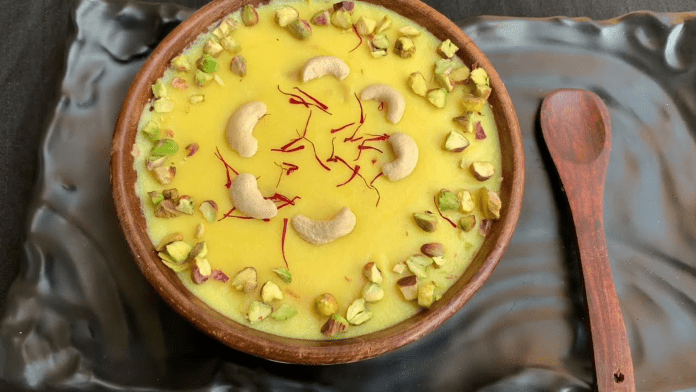
In the enchanting land of Kashmir, nestled amidst breathtaking mountains and serene valleys, Kong Phirin emerges as a culinary gem that reflects the cultural essence of the region. A testament to the rich heritage and traditions of Kashmiri cuisine, this delightful dessert weaves together flavors and aromas that have been cherished for generations.
Kong Phirin holds a significant place in the hearts and homes of Kashmiris, embodying the warmth of hospitality and the spirit of togetherness. As it graces the tables during festive occasions and family gatherings, it becomes a symbol of celebration and unity, evoking a sense of pride and joy.
The dish is meticulously crafted, with each ingredient carefully chosen to showcase the flavors of Kashmir. Fragrant saffron, known as the “golden spice,” imparts a radiant hue and a distinct aroma that embodies the essence of the region. Delicately flavored with cardamom, the dish exudes a comforting warmth that reflects the rich cultural tapestry of Kashmiri traditions.
The delicate aroma of saffron, with its golden hue, infuses every spoonful, transporting you to a realm of pure bliss. The subtle hint of cardamom adds a delightful warmth and depth to the dish, enhancing the overall sensory experience. Each bite is a harmonious blend of flavors and textures, with the softness of the rice grains providing a satisfying contrast to the creaminess of the sweetened milk. The garnish of crushed pistachios and almonds adds a delightful crunch, elevating the overall sensory delight of Kong Phirin. With each successive spoonful, you find yourself succumbing to its irresistible charm, unable to resist the temptation to savor every last bit. Whether enjoyed warm or chilled, Kong Phirin is a dessert that captures the essence of tradition and indulgence, leaving you craving for more with its decadent flavors and luxurious creaminess.
So, if you want your taste buds transported to Kashmir, here what you need:
Ingredients:
1/2 cup basmati rice
4 cups whole milk
1/2 cup sugar (adjust according to taste)
1/4 teaspoon saffron strands
1/2 teaspoon cardamom powder
2 tablespoons chopped almonds and pistachios for garnish
Instructions:
Wash the basmati rice thoroughly and soak it in water for about 30 minutes. Drain the water and set the rice aside.
In a heavy-bottomed pan, bring the milk to a boil over medium heat.
Add the soaked rice to the milk and let it simmer on low heat. Stir occasionally to prevent sticking.
Crush the saffron strands with your fingers and dissolve them in a tablespoon of warm milk. Add the saffron-infused milk to the simmering rice and milk mixture.
Continue to cook the mixture on low heat, stirring frequently until the rice becomes soft and the mixture thickens to a creamy consistency. This process may take approximately 30-40 minutes.
Add sugar to the mixture and stir well until it dissolves completely. Adjust the sweetness according to your preference.
Sprinkle cardamom powder over the mixture and stir to incorporate the flavors.
Remove the pan from heat and let the firni cool to room temperature.
Once cooled, transfer the firni to serving bowls or clay pots. Garnish with chopped almonds and pistachios, pressing them gently into the surface.
Place the firni in the refrigerator for a few hours to chill and set.
Serve the chilled Kong Phirin as a delightful dessert, savoring each spoonful of its creamy goodness.
Each donut is a miniature work of art, inviting you to experience a moment of pure indulgence. Whether you’re a fan of classic flavors like glazed or chocolate, or you’re feeling adventurous and crave unique combinations like maple bacon or matcha green tea, there’s a donut for every taste bud and mood. It’s not just a treat for your taste buds; it’s an experience that brings joy and a smile to your face. So, go ahead and indulge in the heavenly delight of a donut – a simple pleasure that has the power to brighten your day and leave you craving for more.
Plan ahead and make the dough the night before:
One of the key time-saving tips for busy bakers is to plan ahead by preparing the dough the night before. This allows the dough to undergo a slow and flavorful fermentation process while you sleep. Simply mix the dough, let it rise overnight in the refrigerator, and it will be ready to be shaped and fried in the morning. By doing this, you eliminate the need to rush through the dough preparation process in the morning, giving you more time to focus on other tasks.
Invest in a doughnut cutter or use household items:
To save time and ensure consistent doughnut shapes, consider investing in a doughnut cutter. This handy tool allows you to cut perfectly shaped doughnuts with ease. However, if you don’t have a doughnut cutter, don’t worry! You can use household items like biscuit cutters or even the mouth of a drinking glass to create circular shapes. Get creative with the sizes and shapes of your doughnuts to add variety to your homemade creations.
Use a deep-fry thermometer for perfect frying:
Achieving the perfect texture and golden brown color of your homemade doughnuts requires precise frying temperatures. To save time and ensure consistent results, use a deep-fry thermometer. This simple tool helps you maintain the optimal frying temperature, preventing undercooked or overcooked doughnuts. By frying at the right temperature, you’ll achieve a crispy and evenly cooked exterior while maintaining a fluffy and light interior.
Opt for a no-knead doughnut recipe:
For busy bakers who are short on time, a no-knead doughnut recipe is a game-changer. These recipes eliminate the need for extensive kneading, saving you valuable time and effort. No-knead doughnut recipes typically involve minimal mixing and a longer resting period, allowing the dough to develop its flavor and texture with minimal intervention. Explore different no-knead doughnut recipes that suit your taste preferences and time constraints.
Embrace the versatility of toppings and fillings:
Toppings and fillings are where you can get creative and save time simultaneously. Instead of making complex glazes or fillings from scratch, consider using pre-made options or simple alternatives. Powdered sugar, cinnamon sugar, or melted chocolate can be effortlessly sprinkled or drizzled over your doughnuts. Experiment with various jams, spreads, or even a dollop of Nutella as quick and delicious fillings. Embracing the versatility of toppings and fillings allows you to add a personal touch to your doughnuts without spending excessive time on intricate preparations.
Bake instead of fry:
If you’re looking for a healthier and time-saving alternative, consider baking your doughnuts instead of frying them. Baked doughnuts require less preparation time since they don’t involve the frying process. Simply pipe the dough into doughnut-shaped molds or use a doughnut pan, and pop them in the oven. While baked doughnuts may have a slightly different texture compared to fried ones, they can still be just as delicious and satisfying, with the added benefit of being a bit healthier.
Freeze doughnuts for later enjoyment:
To save time and have doughnuts readily available for future cravings, don’t hesitate to freeze them. Once your doughnuts have cooled completely, place them in a freezer-safe container or zip-top bag and store them in the freezer. When you’re in the mood for a doughnut, simply thaw them at room temperature or warm them briefly in the microwave or oven. Freezing doughnuts allows you to enjoy your homemade treats at your convenience, without the need to start from scratch every time.
Final Thoughts:
Incorporating these time-saving tips and tricks into your homemade doughnut baking routine will help streamline the process and allow you to indulge in these delightful treats without feeling overwhelmed by time constraints. So, get ready to create your own batch of delicious homemade doughnuts, tailored to your preferences, and enjoy the satisfaction of a freshly baked or fried delight!
Food holds a special place in the lives of celebrities, not only as a necessity but also as a source of pleasure and indulgence. While some may have specific dietary preferences or restrictions, others explore a world of exotic flavors and culinary delights. In this article, we will take you on a gastronomic adventure, unveiling 10 exotic foods that have captured the taste buds of famous celebrities. From rare ingredients to unique preparations, these dishes offer a glimpse into the luxurious and diverse world of celebrity dining.
Puffer Fish:
Puffer fish, also known as fugu, contains a potent neurotoxin called tetrodotoxin. This toxin is found in various parts of the fish, particularly the liver and ovaries. If not prepared properly by skilled and licensed chefs, consuming puffer fish can lead to paralysis, respiratory failure, and even death. Due to its toxicity, puffer fish is strictly regulated in many countries and can only be served by trained professionals.
Caviar Ice Cream:
While caviar itself is not toxic, the combination of caviar and ice cream can pose health risks. Raw or undercooked eggs are often used to make ice cream, and they can carry harmful bacteria such as Salmonella. Consuming ice cream that contains raw eggs increases the risk of foodborne illnesses. Additionally, caviar is a high-sodium food, and excessive consumption can lead to health problems, particularly for individuals with hypertension or kidney issues.
Chicken Feet:
Chicken feet are not inherently toxic, but they can pose health risks if not prepared and cooked properly. Chicken feet may carry bacteria and parasites, and inadequate cooking can result in foodborne illnesses. It’s essential to ensure that chicken feet are thoroughly cleaned, cooked at the right temperature, and handled hygienically to avoid any potential health hazards.
Kopi Luwak:
Kopi luwak, also known as civet coffee, is made from coffee beans that have been eaten and excreted by civet cats. The digestive process of the civet cat is believed to enhance the flavor of the coffee. However, ethical concerns surround the production of kopi luwak, as many civet cats are kept in inhumane conditions. Additionally, the unregulated production and processing of kopi luwak can lead to contamination and the risk of bacterial infections.
Balut:
Balut is a fertilized duck embryo that is boiled and eaten in its shell. While it is considered a delicacy in some cultures, balut can be risky to consume due to the potential for bacterial contamination. Improper handling and storage can lead to the growth of harmful bacteria, increasing the risk of foodborne illnesses.
Tarantula:
In some regions, tarantulas are consumed as a delicacy. However, it’s important to note that certain species of tarantulas can be venomous. While cooking tarantulas neutralizes their venom, there is still a risk of allergic reactions or other adverse effects. Additionally, improper cooking and preparation can lead to the presence of toxins or bacteria that may cause illness.
Haggis:
Haggis is a traditional Scottish dish made from sheep’s heart, liver, and lungs, mixed with onions, oatmeal, spices, and suet, all encased in the sheep’s stomach. The cooking process generally eliminates any harmful bacteria. However, consuming undercooked or contaminated haggis can lead to foodborne illnesses. It’s crucial to ensure proper cooking and hygienic preparation to minimize the risk of bacterial contamination.
While these foods may have cultural significance or be considered delicacies in certain regions, they can pose health risks if not handled, prepared, or cooked properly. It’s essential to be aware of the potential toxins, contaminants, and risks associated with these foods to make informed decisions about their consumption.
India, a land of diverse cultures and traditions, is also renowned for its rich culinary heritage. Indian cuisine is a delightful amalgamation of flavors, spices, and aromatic herbs that tantalize the taste buds. Among the plethora of dishes, chicken holds a special place as one of the most versatile ingredients in Indian cooking. From succulent biryanis to fiery curries and delectable starters, chicken masterpieces in India are a true feast for the senses. In this article, we embark on a journey to explore seven of the most mouthwatering chicken creations that will leave you craving for more.
Muradabadi Biryani:
Biryani, a fragrant rice dish layered with succulent meat, is a culinary masterpiece that originated in the royal kitchens of India. Muradabadi Biryani, hailing from the city of Moradabad in Uttar Pradesh, is a tantalizing variant of this iconic dish. The flavorsome rice cooked with aromatic spices and tender chicken pieces make it a must-try for any biryani lover. The subtle balance of flavors and the tender meat melting in your mouth will transport you to gastronomic heaven.
Murgh Rezala:
Murgh Rezala, a classic chicken dish from the city of Kolkata in West Bengal, is a culinary delight that showcases the influence of Mughlai cuisine on Bengali cooking. The chicken is cooked in a rich, creamy gravy made with yogurt, cashews, and poppy seeds, which imparts a unique flavor and texture. The blend of spices and the mild sweetness of the gravy make Murgh Rezala a treat for your taste buds. This dish is best enjoyed with aromatic Basmati rice or flaky parathas.
Murgh Musallam:
Originating from the royal kitchens of the Mughals, Murgh Musallam is a grand chicken dish that is as visually appealing as it is delicious. The whole chicken is marinated in a flavorful mixture of spices, yogurt, and saffron, and then slow-cooked to perfection. The result is a succulent and tender chicken with an aromatic gravy that will make you savor every bite. Murgh Musallam is often served on special occasions and is a true showstopper on any dining table.
Chicken 65:
When it comes to finger-licking chicken starters, Chicken 65 undoubtedly steals the show. This popular dish originated in Chennai, Tamil Nadu, and has now become a favorite across the country. The chicken is marinated in a spicy mixture of red chili powder, ginger-garlic paste, and curry leaves, and then deep-fried to perfection. The crispy exterior, combined with the juicy and flavorful meat, makes Chicken 65 an irresistible treat for spice enthusiasts.
Tandoori Chicken:
Tandoori Chicken is an iconic Indian dish that has gained immense popularity worldwide. Originating from the state of Punjab, this dish showcases the art of clay oven cooking. The chicken is marinated in a blend of yogurt and spices, including turmeric, cumin, and garam masala, which gives it a vibrant red color. It is then cooked in a tandoor, a traditional clay oven, resulting in succulent and smoky chicken with a tantalizing flavor. Tandoori Chicken is often served with mint chutney and onion rings, creating a perfect balance of flavors.
Varuval:
Varuval, a spicy and tangy chicken dish from the southern state of Tamil Nadu, is a true explosion of flavors. The chicken is marinated in a blend of spices, including red chili powder, turmeric, and coriander, and then shallow-fried until it becomes crispy and golden brown. The addition of tangy tamarind paste and curry leaves elevates the taste profile of Varuval, making it a must-try for spice lovers. This dish pairs perfectly with steamed rice or crispy dosas.
Murgh Malai:
Murgh Malai, a creamy and velvety chicken curry, showcases the culinary finesse of Awadhi cuisine from the city of Lucknow. The chicken is marinated in a mixture of cream, cashew paste, and aromatic spices, and then cooked to perfection in a rich and flavorful gravy. The creamy texture, combined with the subtle flavors of spices, creates a harmonious blend that will leave you yearning for more. Murgh Malai is best savored with naan bread or fragrant saffron rice.
Final Thoughts:
India’s culinary landscape is a treasure trove of exquisite flavors, and its chicken masterpieces are a testament to its gastronomic richness. From the regal Murgh Musallam to the fiery Chicken 65, each dish represents a unique blend of spices and culinary traditions. These mouthwatering creations not only offer a tantalizing experience but also provide a glimpse into the diverse culinary heritage of the country. So, prepare to drool and embark on a gastronomic adventure to explore India’s seven most unforgettable chicken masterpieces. Your taste buds will thank you!
Food is not just a necessity; it is a passion that transcends all boundaries. Bollywood celebrities are no exception when it comes to their love for food. While they may be known for their glamorous lifestyles and on-screen performances, they also have their favorite dishes that make their taste buds dance with joy.
In this article, we delve into the culinary preferences of some of Bollywood’s A-listers and explore their ultimate food obsessions. From traditional Indian delicacies to international cuisine, get ready to discover the mouthwatering dishes that tantalize the palates of these Bollywood stars.
Salman Khan – Biryani: Salman Khan, fondly known as Sallu Bhai, is a true connoisseur of North Indian cuisine. His eternal love affair with biryani is well-known among his fans. However, it’s not just any biryani that captures his heart—it’s the homemade biryani prepared by his mother, Salma. Apart from biryani, Salman also enjoys indulging in kebabs and modak, a sweet dumpling popular during the festival of Ganesh Chaturthi.
Sonam Kapoor – Pav Bhaji: Sonam Kapoor, known for her impeccable fashion sense, has confessed her love for pav bhaji—a popular street food dish from Mumbai. Despite being a Punjabi, Sonam has a penchant for Bengali cuisine, enjoying dishes like Shorshe Ilish (Hilsa fish in mustard sauce) and Cholar Daal (Bengal gram curry).
Bipasha Basu – Bengali Cuisine: Bipasha Basu, hailing from Bengal, takes pride in her cultural roots and has a deep appreciation for Bengali cuisine. Growing up with homemade Bengali delicacies, she cherishes the flavors and textures of rice-based dishes. Rice is a staple in Bengali cuisine, and Bipasha’s guilty pleasure lies in relishing traditional Bengali meals.
Katrina Kaif – Ice Cream: Maintaining a fit and glamorous physique often requires sacrifices, including indulging in favorite fatty foods. However, Katrina Kaif openly admits her love for dessert, with ice cream and cinnamon rolls being her go-to treats. Despite the pressure to look good, Katrina enjoys satisfying her sweet tooth.
Hrithik Roshan – Samosas: Hrithik Roshan, popularly known as the “Greek God” of Bollywood, shares a common favorite with many Indians—the irresistible samosa. This savory snack has a special place in Hrithik’s heart, and he can devour around a dozen samosas in one sitting without hesitation.
Priyanka Chopra – Makki Ki Roti and Sarson Ka Saag: Priyanka Chopra, a global icon and talented actress, embraces her Punjabi roots when it comes to food. Despite maintaining a slim figure, she is a self-confessed foodie who indulges in Punjabi delicacies like makki ki roti (cornmeal flatbread) and sarson ka saag (mustard greens curry). When craving international carbs, Priyanka turns to the comforting flavors of lasagna.
Shahid Kapoor – Chinese Cuisine: Shahid Kapoor, known for his versatile acting skills, is not only a good cook but also a vegetarian with a fondness for Chinese cuisine. He enjoys savoring the flavors of Chinese dishes and also appreciates Italian cuisine. During the rainy season, Shahid’s cravings lead him to indulge in samosas or bhajiyas (fritters) paired with a cup of hot sweet tea.
Deepika Padukone – Idli: Deepika Padukone, born and raised in South India, has a special love for her regional cuisine. She adores idli, a traditional South Indian steamed rice cake, and seafood dishes. Deepika’s food preferences span across various cuisines, ranging from the desi sev puri to Mediterranean delicacies.
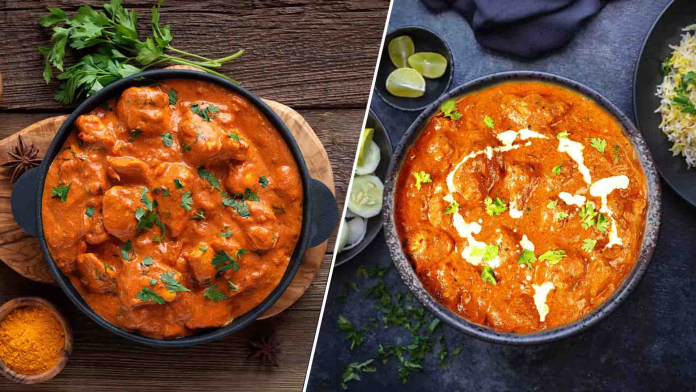
Anushka Sharma – Chicken Butter Masala: Anushka Sharma, known for her graceful on-screen presence, surprises many with her love for the all-time favorite butter chicken. Despite her slim figure, Anushka indulges in this creamy and flavorful meat dish, especially when her mother prepares it with love.
Kareena Kapoor – Italian Cuisine: Kareena Kapoor, renowned for her beauty and fitness regime, has a weakness for Italian cuisine. Despite following a strict diet that primarily consists of salads and juices, she can’t resist her homemade pasta with gorgonzola cheese. Kareena’s love for pasta and pizza defies her efforts to maintain a lean physique.
Shah Rukh Khan – Grilled Chicken: Shah Rukh Khan, the King Khan of Bollywood, has captured hearts worldwide with his charismatic performances. Surprisingly, his favorite food is not an international delicacy but a simple yet flavorful dish—grilled chicken. Crispy on the outside and juicy on the inside, grilled chicken frequently finds its way into SRK’s lunch.
Akshay Kumar – Thai Green Curry: Akshay Kumar, known for his action-packed roles, had the opportunity to explore the culinary world while working as a chef in Thailand. Unsurprisingly, his favorite food is Thai Green Curry, a hot and spicy dish that adds an exotic touch to his Indian palate. Akshay appreciates the flavors of Thai cuisine and its ability to tantalize taste buds.
Aamir Khan – Mughlai Cuisine: Aamir Khan, a perfectionist in his craft, is also particular about his food preferences. He holds a deep admiration for Mughlai cuisine, which originated from the royal kitchens of the Mughal Empire. From biryani badshahi to shahi rogan josh, Aamir savors the rich and aromatic flavors of these classic dishes.
Amitabh Bachchan – Bhindi Sabzi: Amitabh Bachchan, a legendary actor in the Indian film industry, remains true to his roots when it comes to food. Hailing from Allahabad, he favors a serving of bhindi sabzi (okra curry) and moong ki daal (split green gram lentil) above other dishes. These simple yet satisfying preparations often make their way onto Bachchan senior’s shoot menus.
Ranbir Kapoor – Jungli Mutton Curry: Ranbir Kapoor, a versatile actor from the Kapoor lineage, has a fondness for the rich and flavorful Jungli Mutton Curry. This dish, reminiscent of the times when kings indulged in feasts after hunting expeditions, holds a special place in Ranbir’s heart, especially when prepared by his grandmother.
Arbaaz Khan – Mutton Paaya: Arbaaz Khan, brother of Salman Khan, is an ardent lover of mutton paaya—an iconic South Indian preparation of goat trotters. He insists on including this flavorful dish in almost every meal, showcasing his passion for food and his love for the rich and robust flavors of South Indian cuisine.
Madhuri Dixit – Creamed Fish: Madhuri Dixit, a renowned actress from the Marathi film industry, is known for her love of fish. Among her favorite fish dishes is creamed fish, for which she has her own special recipe. Easy to make and delightful to savor, this dish perfectly showcases Madhuri’s culinary skills.
Abhishek Bachchan – Rajma Chawal: Abhishek Bachchan, son of Amitabh Bachchan and Jaya Bachchan, has a soft spot for the ubiquitous rajma chawal—a popular North Indian dish. This combination of spicy kidney bean curry served with hot steamed rice is a comfort food that resonates with Abhishek’s upbringing and North Indian roots.
Sunny Deol – Methi Paratha: Sunny Deol, a well-built Punjabi actor known for his powerful performances, surprisingly prefers simple and wholesome dishes. His favorites include methi ka parantha (fenugreek flatbread) and lauki sabzi (bottle gourd curry). Sunny finds joy in the simple pleasures of life and cherishes the traditional flavors of Punjabi cuisine.
Sanjay Dutt – Chicken Tikka: Sanjay Dutt, a versatile actor with a massive fan following, enjoys a good platter of chicken tikka. Despite his fame and success, Sanjay’s love for this classic Indian appetizer reflects his down-to-earth nature. Unfortunately, his cravings for homemade food have been denied during his time in jail.
Final Thoughts:
Food is a universal language that brings people together, regardless of their status or profession. Bollywood celebrities, with their hectic schedules and glamorous lifestyles, find solace in their favorite dishes that provide comfort and joy. From Salman Khan’s love for his mother’s homemade biryani to Shah Rukh Khan’s fondness for grilled chicken, these A-listers showcase their diverse culinary preferences. Through their food choices, we see a glimpse of their cultural heritage, personal indulgences, and the joy they find in savoring delightful flavors. So, the next time you drool over a dish, remember that even Bollywood’s biggest stars have their ultimate food obsessions that make them relatable to food lovers around the world.
When it comes to having cheap meals in Mumbai, you’re in for a treat! Calling all food adventurers and budget-conscious epicureans! If you find yourself in the vibrant city of Mumbai with just INR 500 in your pocket and a growling stomach, fear not! Mumbai, the culinary hub of India, offers a plethora of funky and mouthwatering delicacies that won’t break the bank. Get ready to embark on a gastronomic adventure as we take you on a tour of some delicious and pocket-friendly treats that you can indulge in without emptying your wallet!
Poha at Prakash:
Start your day with a burst of flavors and textures at Prakash. Imagine a plate of fluffy flattened rice cooked with mustard seeds, curry leaves, onions, and topped with a sprinkle of crunchy sev and fresh coriander. Each bite of this quintessential Mumbai breakfast delicacy is a delightful balance of tanginess, spiciness, and warmth that will leave you craving for more.
Masala Chai and Bun Maska at Irani Cafe:
Step into the charming ambiance of an Irani Cafe and experience the magic of their masala chai and bun maska. Picture a steaming cup of spiced tea, infused with aromatic spices like cardamom and ginger, paired with a soft, buttered bun that melts in your mouth. The combination of the rich chai and the sweet-salty flavors of the bun maska is a match made in culinary heaven.
Egg Bhurji Pan at Anand Stall:
Indulge in a flavorsome delight at Anand Stall with their Egg Bhurji Pan. Visualize a sizzling hot griddle with scrambled eggs cooked to perfection, tossed with onions, tomatoes, green chilies, and a medley of spices. The aroma that fills the air is irresistible, making you crave the spicy and savory goodness of this popular street food dish.
Idli Sambar at Ayyappan Idli Stall:
At Ayyappan Idli Stall, you’ll be treated to the comfort and simplicity of Idli Sambar. Envision fluffy and pillowy steamed rice cakes served with a piping hot bowl of flavorful lentil soup, accompanied by a variety of chutneys. The softness of the idlis paired with the tangy and aromatic sambar will transport you to culinary bliss, leaving you longing for more.
Veg Thali at Shree Thaker Bhojanalay:
Experience a gastronomic feast at Shree Thaker Bhojanalay with their delectable Veg Thali. Picture a platter filled with an assortment of aromatic curries, lentils, vegetables, rice, rotis, papad, and a range of mouthwatering accompaniments. The symphony of flavors and the wholesome goodness of this traditional Gujarati thali will have you savoring every bite and yearning for another visit.
Kheema Pav at Olympia Idli House:
Treat your taste buds to the tantalizing flavors of Kheema Pav at Olympia Idli House. Imagine a spicy and flavorsome minced meat curry, generously served with soft and buttered buns. The rich and robust flavors of the kheema, combined with the softness of the pav, create a heavenly combination that will leave you craving for the perfect balance of spices and textures.
Chicken Curry with Rice at Delhi Darbar:
Delhi Darbar is renowned for its aromatic and succulent Chicken Curry with Rice. Picture tender chicken cooked in a flavorful gravy, infused with a blend of spices, served alongside fragrant Basmati rice. The tender meat and the rich, aromatic curry will tantalize your taste buds, leaving you yearning for the comforting flavors of this classic Indian dish.
Tawa Pulao at Sardar Refreshments:
Sardar Refreshments offers a delectable Tawa Pulao that will transport you to the bustling streets of Mumbai. Visualize a sizzling hot griddle filled with fragrant Basmati rice, stir-fried with colorful vegetables, aromatic spices, and a hint of tanginess. The aroma and flavors of this savory delight will leave you craving the unique combination of street-style flavors and textures.
Kebabs at Bagdadi:
Embark on a flavor-packed journey with the succulent kebabs at Bagdadi. Imagine juicy and tender pieces of marinated meat, skewered and grilled to perfection, served with mint chutney and accompanied by freshly baked bread. The smoky flavors, the charred edges, and the tender meat will make your mouth water and tempt you to indulge in more of these delectable kebabs.
Bhel Puri at Elco Pani Puri Centre:
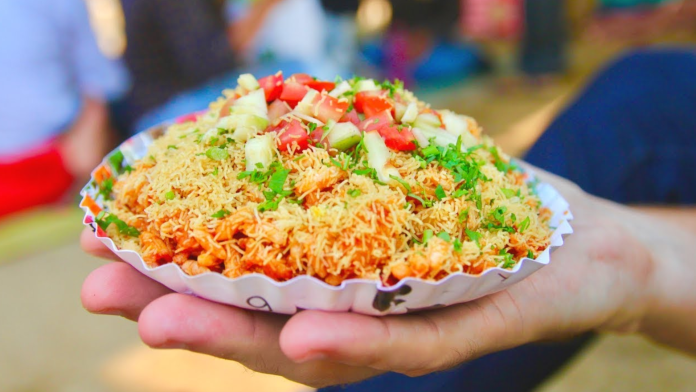
Satisfy your cravings for a tangy and crunchy delight at Elco Pani Puri Centre with their irresistible Bhel Puri. Picture a colorful mixture of puffed rice, sev, chopped vegetables, tangy tamarind chutney, and a burst of aromatic spices. The explosion of flavors, textures, and the refreshing crunch of this quintessential Mumbai street food will leave you longing for more.
Bombay Sandwich at Sandwichwalla:
Sandwichwalla is the go-to place for a lip-smacking Bombay Sandwich that will leave you craving for its unique flavors. Envision a grilled sandwich filled with a medley of vegetables, tangy chutneys, and a sprinkle of chaat masala. The combination of the crispy bread, the vibrant flavors, and the tangy kick will make you want to savor this Mumbai favorite over and over again.
Veg Biryani at Bademiya:
At Bademiya, be prepared to indulge in the aromatic and flavorsome Veg Biryani. Visualize fragrant Basmati rice cooked with a blend of spices, mixed with an assortment of vegetables, and garnished with fried onions and fresh herbs. Each spoonful of this aromatic rice dish is a burst of flavors that will make you crave the enticing combination of spices and textures.
Chicken Tikka Roll at Jai Jawan:
Jai Jawan offers a delectable Chicken Tikka Roll that will satisfy your cravings for a flavorsome and filling meal. Imagine succulent pieces of marinated chicken, grilled to perfection, wrapped in a warm roti, and garnished with onions, chutneys, and a squeeze of lime. The tender meat, the smoky flavors, and the medley of spices will have you longing for the tantalizing taste of this delicious roll.
Paneer Butter Masala with Naan at Cream Centre:
Indulge in the creamy and rich Paneer Butter Masala with Naan at Cream Centre. Envision chunks of succulent paneer cooked in a velvety tomato-based gravy, infused with aromatic spices and topped with a dollop of butter. The melt-in-your-mouth paneer, the creamy gravy, and the soft naan bread will leave you craving for the indulgent flavors of this classic North Indian dish.
Falooda at Baba Ka Falooda:
Baba Ka Falooda offers a refreshing and decadent treat with their luscious Falooda. Picture a tall glass filled with layers of rose-flavored vermicelli, silky smooth ice cream, sweet basil seeds, and a splash of fragrant syrup. The combination of textures, flavors, and the vibrant colors of this chilled dessert will leave you yearning for the cool and sweet indulgence of this Mumbai favorite.
Shakes at Haji Ali Juice Centre:
Cool off and satisfy your sweet tooth with the delightful shakes at Haji Ali Juice Centre. Imagine thick and creamy shakes in a variety of flavors, from classic chocolate and strawberry to exotic mango and avocado. The rich and velvety texture, combined with the luscious flavors, will make you crave these refreshing treats to beat the Mumbai heat.
Ice Cream Sandwich at K. Rustoms & Co. Ice Cream Parlour:
Indulge in a nostalgic and satisfying treat at K. Rustoms & Co. Ice Cream Parlour with their mouthwatering Ice Cream Sandwich. Picture a generous scoop of your favorite ice cream flavor sandwiched between two freshly baked cookies or slices of cake. The combination of creamy ice cream and the comforting sweetness of the cookies or cake will make your taste buds tingle with anticipation.
Final Thoughts:
In Mumbai, you can experience a culinary adventure even on a tight budget. From the savory delights of Poha at Prakash to the iconic Masala Chai and Bun Maska at Irani Cafe, and the irresistible flavors of Chicken Curry with Rice at Delhi Darbar, these affordable and scrumptious meals will leave you craving for more. So, grab your wallet and let your taste buds guide you through the bustling streets of Mumbai to experience these delightful treats without breaking the bank!
We use cookies to ensure that we give you the best experience on our website. If you continue to use this site we will assume that you are happy with it.