Tomato prices have experienced a significant surge in the past week across the majority of the country, reaching INR 80-120 per kg in the retail market. Wholesale prices have also witnessed a substantial increase, rising from INR 30-35 per kg to INR 65-70 per kg. This price hike can be attributed to a sudden decline in tomato production.
Multiple factors, including intense heat, delayed rainfall, and farmers’ lack of interest in cultivating the crop, led to a significant decline in tomato output. The crash in prices to INR 3-5 per kg in May played a crucial role in discouraging farmers from growing tomatoes.
Ashok Ganor, a tomato trader from Azadpur wholesale market in Delhi, said, “Tomato prices have doubled in the last two days. Supply of tomatoes from neighbouring states like Haryana and Uttar Pradesh has reduced. We are now getting tomatoes from Bangalore.”
Ganor further said, “The tomato plants that were on the ground have been damaged during the recent rainfall. Only the plants that grow vertically with the support of wires were saved.”
In order to mitigate the losses resulting from low prices, farmers made the decision to cease caring for their tomato fields. “Due to non-remunerative rates, farmers refrained from spraying pesticides or using fertilizers,” explained Ajay Belhekar, a farmer from the Narayangaon region in Maharashtra, which currently supplies tomatoes to Gujarat, Rajasthan, Kolkata, and has recently received inquiries from Delhi. Consequently, this neglect in proper care led to an increased incidence of pests and diseases, ultimately resulting in a decline in tomato production.
Due to the drastic decline in tomato prices, farmers found themselves unable to recoup the expenses incurred during the harvesting and transportation process. Consequently, they were left with no choice but to dispose of their produce or employ the method of driving tractors through the crops to remove them.
“Prices were low till the first week of June. We can’t predict what the prices will be in the coming weeks. They can come down as harvest from many new pockets will begin soon. But if it rains heavily in Himachal Pradesh and other growing areas, then prices may remain firm,” said Ganor.
Weight loss is a journey that many individuals embark on, seeking to shed those stubborn love handles and achieve a trimmer waistline. While there are various approaches to weight loss, incorporating natural ingredients into your diet can have profound effects on your progress. Ginger, a root spice commonly found in Indian households, is not only known for its flavor but also for its potential health benefits. From boosting immunity to aiding digestion, ginger has long been recognized for its therapeutic properties. However, the link between ginger and weight loss is often overlooked. In this article, we will delve into the captivating effects of ginger on your waistline, unveiling how this humble spice can contribute to shedding those extra pounds and achieving a healthier body.
The Indirect Effects of Ginger on Weight Loss
Ginger, widely used in Ayurvedic medicine, has been revered for its medicinal properties for centuries. While ginger is commonly associated with aiding digestion and reducing nausea, its effects on weight loss are more indirect. Simply consuming large quantities of ginger alone will not magically lead to weight loss. However, incorporating ginger into your diet can stimulate specific bodily functions that support and enhance weight loss efforts. Let’s explore some of the prominent ways in which ginger can aid in weight loss.
Increased Satiety
Feeling full and satisfied plays a crucial role in preventing overeating and maintaining portion control. Studies suggest that ginger may increase feelings of fullness and reduce appetite, leading to a lower calorie intake. By incorporating ginger into your meals or consuming ginger-infused drinks, you may experience improved satiety, making it easier to resist temptations and adhere to a healthy eating plan.
Enhanced Digestion
Efficient digestion is essential for proper nutrient absorption and waste elimination. Ginger has traditionally been used to aid digestion by stimulating the production of digestive enzymes and improving gastric motility. By supporting these digestive processes, ginger can enhance the breakdown and absorption of nutrients, ensuring that your body optimally utilizes the fuel you provide it. Improved digestion can also alleviate bloating and discomfort, contributing to a flatter and more toned abdomen.
Thermogenic Effects
Ginger has been found to have thermogenic properties, which means it can increase the body’s heat production and calorie expenditure. By enhancing thermogenesis, ginger may boost metabolism, resulting in a higher rate of calorie burning. This can have a positive impact on weight management efforts, as the body utilizes stored fat as an energy source more efficiently.
Blood Sugar Regulation
Stable blood sugar levels play a crucial role in weight management. Ginger has shown promise in positively impacting blood sugar control by enhancing insulin sensitivity. By promoting stable blood sugar levels, ginger may help prevent energy crashes and cravings, reducing the likelihood of overeating due to fluctuating blood sugar levels. By maintaining balanced glucose levels, ginger supports weight loss efforts and overall metabolic health.
Reduced Inflammation
Chronic inflammation has been linked to weight gain and obesity. Ginger contains anti-inflammatory compounds that can help reduce low-grade inflammation in the body. By addressing inflammation, ginger contributes to overall well-being and supports weight management endeavors. Reduced inflammation may also result in a more efficient metabolism and improved fat-burning capabilities.
Incorporating Ginger into Your Weight Loss Journey
Now that we understand the potential weight loss benefits of ginger, let’s explore some creative ways to incorporate this powerful spice into your diet.
Ginger-Lemon Tea
Enjoy the refreshing and invigorating combination of ginger and lemon in a cup of hot tea. By infusing ginger into your tea and adding a dash of lemon juice, you can not only stay hydrated but also boost your metabolism and digestion. Sip on this delightful concoction twice a day to reap its benefits.
ACV Ginger Juice
Combine the renowned weight loss properties of apple cider vinegar with the digestion-enhancing effects of ginger. Start your morning with a glass of ACV ginger juice to kick-start your metabolism and promote a healthy digestive system.
Ginger Green Tea
Green tea is widely recognized for its antioxidant content and weight loss benefits. By adding ginger to your green tea, you create a potent weight loss drink that can support your journey towards a slimmer waistline.
Ginger Cucumber Water
Detoxify your body and promote weight loss by infusing water with the alkaline properties of both ginger and cucumber. This refreshing drink can aid digestion, boost metabolism, and support overall hydration.
Ginger Turmeric Milk
Harness the power of turmeric milk, a popular beverage known for its various health benefits, and amplify its effects by adding ginger. This golden elixir can promote good sleep, enhance digestion, and contribute to weight loss.
Final Thoughts:
Ginger, a versatile spice ingrained in Indian cuisine and traditional medicine, offers remarkable benefits for weight loss. Although ginger alone cannot work miracles, incorporating it into your diet can positively impact digestion, metabolism, appetite control, and inflammation reduction—all of which are crucial for effective weight management. By enjoying ginger-infused beverages such as ginger tea, ACV ginger juice, ginger green tea, ginger cucumber water, and ginger turmeric milk, you can harness the potential of this spice and support your weight loss journey.
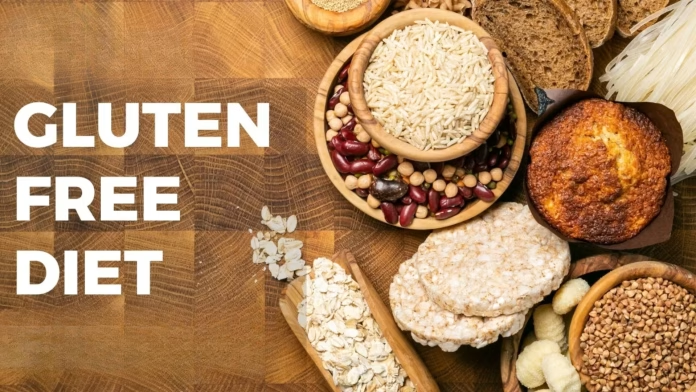
The gluten-free diet has gained significant popularity in recent years, with many individuals opting to eliminate gluten from their diets. While some follow this diet due to medical reasons, such as celiac disease or gluten sensitivity, others embrace it as a lifestyle choice in pursuit of improved health and weight loss. This article explores the gluten-free diet by delving into its potential benefits, the scientific evidence supporting its efficacy, and whether it is truly a health secret or just a passing food trend.
The Potential Benefits of a Gluten-Free Diet
Proponents of the gluten-free diet claim numerous health benefits, ranging from increased energy levels to improved digestion and weight loss. Some individuals without diagnosed gluten-related disorders also report feeling better when following a gluten-free diet. However, it is important to examine the scientific evidence behind these claims to determine whether the benefits are genuinely attributable to the absence of gluten or other factors, such as a generally healthier diet or a placebo effect.
The Effectiveness of a Gluten-Free Diet for Celiac Disease
For individuals with celiac disease, a gluten-free diet is not a choice but a medical necessity. When individuals with celiac disease adhere strictly to a gluten-free diet, the damaged intestinal lining can heal, and symptoms are alleviated. The only current treatment for celiac disease is lifelong adherence to a gluten-free diet. Therefore, for celiac patients, a gluten-free diet is undeniably beneficial and necessary.
Gluten Sensitivity: Fact or Fad?
The concept of gluten sensitivity, also known as non-celiac gluten sensitivity, is still a topic of debate among medical professionals. Some studies suggest that individuals with self-reported gluten sensitivity may experience gastrointestinal symptoms after gluten consumption. However, the scientific evidence in this area is limited and often conflicting. Further research is needed to better understand this condition and its relation to gluten.
Weight Loss and the Gluten-Free Diet
Weight loss is a common reason why many people without gluten-related disorders adopt a gluten-free diet. However, the relationship between gluten and weight loss is complex. While eliminating gluten-containing foods can lead to weight loss, it is not solely due to the absence of gluten but rather the overall reduction in caloric intake and improved food choices. Gluten-free diets can be low in essential nutrients, and relying solely on gluten-free processed foods may lead to weight gain or nutritional deficiencies.
The Potential Drawbacks of a Gluten-Free Diet
While the gluten-free diet can be beneficial for individuals with celiac disease or gluten sensitivity, it is not without its drawbacks. Gluten-free products are often more expensive, less accessible, and may have a different taste and texture compared to their gluten-containing counterparts. Additionally, the elimination of gluten from the diet may result in reduced intake of certain essential nutrients, such as fiber, iron, and B vitamins. It is crucial for those following a gluten-free diet to ensure they obtain these nutrients through alternative sources.
So, Is the Gluten-Free Diet a Health Secret or a Mere Food Trend?
The gluten-free diet trend has undoubtedly captured the attention of many individuals seeking improved health and weight loss. For those with celiac disease or gluten sensitivity, eliminating gluten is essential for managing their condition and achieving better health outcomes. However, for the general population without these specific conditions, there is insufficient scientific evidence to support the widespread adoption of a gluten-free diet as a means to enhance overall health or promote weight loss.
If considering a gluten-free diet, it is advisable to consult with a healthcare professional or a registered dietitian who can provide guidance based on individual needs and circumstances. Emphasizing a balanced diet with a variety of nutrient-rich foods is crucial for maintaining good health, regardless of whether gluten is included or excluded.
Goa, known for its stunning beaches, vibrant culture, and delicious cuisine, has become a popular destination for both leisure and business travelers. When it comes to impressing clients, one of the best ways to create a lasting impact is through a memorable dining experience. Goa offers a plethora of culinary delights, and its lunch buffets are particularly renowned for their diverse flavors and exquisite presentation. In this article, we will explore the top ten lunch buffets in Goa that are sure to leave a lasting impression on even the toughest clients.
Three Kisses Bar and Restaurant (Calangute):
Located in Calangute, Three Kisses Bar and Restaurant is a hidden gem known for its delightful lunch buffet. Priced at an affordable range of INR 500-700 per person, their buffet spread features a fusion of Goan and international cuisines. Indulge in an array of dishes, including seafood specialties, Goan curries, grilled meats, and delectable desserts.
Viva Dining All Day – Holiday Inn (Cavelossim):
Situated in Cavelossim, Viva Dining All Day at the Holiday Inn offers an exquisite lunch buffet that caters to various palates. With prices ranging from INR 800-1200 per person, their buffet showcases a diverse selection of global cuisines, live counters, and an impressive dessert spread. Enjoy their fresh seafood, succulent kebabs, aromatic biryanis, and much more.
Cafe de Port by Radisson Resort Goa Baga (Baga):
Nestled in Baga, Cafe de Port at the Radisson Resort is a popular choice for office goers. Priced at around INR 900-1200 per person, their lunch buffet features a mix of Indian, Goan, and continental delicacies. From flavorful curries to mouthwatering grills, their buffet will leave you spoilt for choice.
Pickled Mango (Panaji):
Located in Panaji, Pickled Mango is known for its vibrant ambiance and delectable lunch buffet. With prices ranging from INR 600-900 per person, their buffet offers a blend of Indian and Goan flavors, with an emphasis on fresh seafood dishes. Don’t miss out on their delectable prawn curry, crispy fried fish, and tempting desserts.
Waterfront Terrace and Bar (Candolim):
Situated in Candolim, Waterfront Terrace and Bar is a charming spot that serves a delightful lunch buffet. Priced at approximately INR 800-1000 per person, their buffet spread includes a variety of cuisines such as Indian, Chinese, and Goan. Indulge in their flavorful biryanis, aromatic curries, and heavenly desserts.
Mosaic – Country Inn & Suites by Radisson (Panaji):
Located in Panaji, Mosaic at Country Inn & Suites offers an inviting lunch buffet for office goers. With prices ranging from INR 800-1000 per person, their buffet features an extensive spread of Indian and international dishes. From classic curries to live grill stations, their buffet will satisfy your cravings.
Kava – Fairfield by Marriott Goa (Anjuna):
Situated in Anjuna, Kava at Fairfield by Marriott is known for its delectable lunch buffet. Priced at around INR 900-1200 per person, their buffet offers a fusion of Indian, Goan, and continental flavors. Enjoy their live pasta station, flavorful curries, and sinful desserts.
Barbecue Nation (Panaji):
Located in Panaji, Barbecue Nation is a popular destination for those craving a delicious lunch buffet experience. With prices ranging from INR 800-1200 per person, their buffet showcases an array of grilled delicacies, kebabs, and vegetarian options. Indulge in the interactive grilling experience and savor the delectable flavors.
The Palms – Radisson Goa Candolim (Candolim):
Situated in Candolim, The Palms at Radisson Goa Candolim offers an impressive lunch buffet experience. Priced at approximately INR 900-1300 per person, their buffet features a blend of Goan, Indian, and international cuisines. From fresh seafood to aromatic curries, their buffet will leave you wanting more.
Pentagon (Verna):
Located in Verna, Pentagon is a popular spot for office goers seeking a fulfilling lunch buffet. Priced at around INR 600-800 per person, their buffet spread includes a variety of vegetarian and non-vegetarian dishes. Relish their flavorful biryanis, scrumptious starters, and delectable desserts.
Final Thoughts:
Whether you’re craving Goan specialties, fresh seafood, aromatic curries, or international delicacies, these top ten lunch buffets in Goa have something to satisfy every palate. With their exquisite presentations, inviting ambiances, and affordable price ranges, these buffets create memorable dining experiences that leave a lasting impression. So the next time you’re looking to impress your clients in Goa, consider treating them to one of these exceptional lunch buffets and let the flavors of Goa work their magic.
In our fast-paced world, finding ways to boost productivity and maintain focus is essential. Mondays, in particular, can be challenging as we transition from the weekend into the workweek. However, what if there was a delicious treat that could help us unleash our maximum potential and skyrocket productivity? Enter mind-blowing matcha cookies! Matcha, a vibrant green tea powder packed with antioxidants and caffeine, has been revered for centuries for its ability to promote mental clarity and enhance concentration.
Today we will share an irresistible matcha cookie recipe that will have you eagerly anticipating the start of each Monday, armed with the tools to conquer your tasks with gusto. So, get ready to unleash your maximum potential and experience a whole new level of productivity with these extraordinary matcha cookies!
Ingredients:
1 ¾ cups all-purpose flour
2 tablespoons matcha green tea powder
1 teaspoon baking powder
½ teaspoon salt
½ cup unsalted butter, softened
¾ cup granulated sugar
1 large egg
1 teaspoon vanilla extract
½ cup white chocolate chips
Instructions:
Preheat your oven to 350°F (175°C). Line a baking sheet with parchment paper.
In a medium bowl, whisk together the all-purpose flour, matcha green tea powder, baking powder, and salt. Set aside.
In a separate large bowl, cream together the softened butter and granulated sugar using an electric mixer until light and fluffy.
Beat in the egg and vanilla extract until well combined.
Gradually add the dry ingredient mixture to the wet ingredients, mixing until just incorporated. Be careful not to overmix.
Gently fold in the white chocolate chips, ensuring they are evenly distributed throughout the cookie dough.
Scoop tablespoon-sized portions of the dough onto the prepared baking sheet, spacing them about 2 inches apart. You can flatten them slightly with the back of a spoon or the palm of your hand.
Bake in the preheated oven for approximately 10-12 minutes or until the edges of the cookies are lightly golden.
Remove from the oven and allow the cookies to cool on the baking sheet for a few minutes before transferring them to a wire rack to cool completely.
Once cooled, these delightful Matcha Cookies with White Chocolate Chips are ready to be enjoyed! Serve them alongside a cup of your favorite tea or enjoy them as a standalone treat.
So, why not give these matcha cookies a try? Unleash your maximum potential and experience the benefits of matcha’s mental clarity and concentration-boosting properties. With these mind-blowing matcha cookies in your arsenal, you’ll be equipped to tackle any challenge that comes your way and make the most of your Mondays.
Gujarat, a western state of India, is not only famous for its vibrant culture and rich heritage but also for its mouthwatering snacks. Gujarati cuisine offers a wide variety of savory and sweet snacks that are perfect for enjoying with a cup of tea in the evening. These snacks are known for their unique flavors, textures, and the use of aromatic spices. In this article, we will explore some of the most popular Gujarati snacks that will make your evening tea unforgettable.
Fafda
Fafda is a popular Gujarati snack made from besan (gram flour) and spices. It is a crispy and crunchy snack that is often enjoyed with a spicy chutney or a cup of tea. Fafda is usually yellowish in color and has a distinct flavor that comes from the combination of spices used in its preparation.
Preparation
To prepare fafda, besan is mixed with spices like turmeric, red chili powder, and ajwain (carom seeds). The mixture is then kneaded with water to form a dough, which is then rolled into thin strips. These strips are deep-fried until they turn golden brown and become crispy.
Dhokla
Dhokla is a steamed snack that is light, fluffy, and spongy in texture. It is made from fermented batter derived from rice and chickpea flour. Dhokla has a slightly tangy and sour taste and is often garnished with mustard seeds, curry leaves, and coriander leaves.
Dhokla is typically served with a side of green chutney and a sprinkling of grated coconut. It can be enjoyed as a standalone snack or as part of a larger meal. Dhokla is not only delicious but also healthy as it is low in fat and calories.
Preparation
To prepare dhokla, a batter is made by fermenting a mixture of rice flour, chickpea flour, and yogurt. The batter is then seasoned with spices like turmeric, ginger, and green chili paste. The mixture is steamed until it rises and becomes fluffy.
Khandvi
Khandvi is a popular Gujarati snack made from gram flour and yogurt. It is a savory roll that is soft, smooth, and has a melt-in-your-mouth texture. Khandvi is known for its delicate and subtle flavors.
Khandvi is usually garnished with a tempering of mustard seeds, sesame seeds, and curry leaves. It is served with a side of green chutney and can be enjoyed as a snack or as an appetizer. The delicate texture and mild flavors of khandvi make it a favorite among Gujaratis.
Preparation
To prepare khandvi, a batter is made by mixing gram flour, yogurt, and water. The batter is then cooked on a stovetop until it thickens and forms a smooth paste. The paste is spread thinly on a flat surface and allowed to cool. Once cooled, it is cut into strips and rolled into rolls.
Thepla
Thepla is a popular Gujarati flatbread that is flavored with spices and herbs. It is a versatile snack that can be enjoyed on its own or with a cup of tea. Thepla is thin, soft, and has a slightly chewy texture.
Preparation
To prepare thepla, wheat flour is mixed with spices like turmeric, red chili powder, and cumin seeds. The mixture is then kneaded with yogurt and water to form a dough. The dough is rolled into thin discs and cooked on a griddle with a little oil or ghee.
Patra
Patra is a steamed snack made from colocasia leaves and gram flour. It has a unique flavor profile and a soft, melt-in-your-mouth texture. Patra is known for its combination of sweet, sour, and spicy flavors.
Patra is usually served with a sprinkling of grated coconut and a drizzle of sweet and tangy chutney. It can be enjoyed as a snack or as a side dish. The unique flavors and textures of patra make it a popular choice among Gujaratis.
Preparation
To prepare patra, colocasia leaves are coated with a batter made from gram flour, tamarind pulp, and spices. The leaves are then rolled and steamed until cooked. Once cooked, the rolls are cut into slices and tempered with mustard seeds and sesame seeds.
Gathiya
Gathiya is a crispy and savory snack made from besan (gram flour) and spices. It is shaped like thin, crunchy sticks and has a mild spicy flavor. Gathiya is a popular tea-time snack and is often enjoyed with a cup of hot tea. It can also be enjoyed with chutneys or pickles. The crunchy texture and spicy flavors of gathiya make it a delightful snack option.
Preparation
To prepare gathiya, besan is mixed with spices like red chili powder, turmeric, and carom seeds. The mixture is kneaded with water to form a dough, which is then passed through a gathiya press to create the long, thin strands. These strands are deep-fried until they turn crispy and golden brown.
Final Thoughts:
Gujarati snacks are a treasure trove of flavors and textures that can elevate your evening tea experience. From crispy fafda to soft and fluffy dhokla, these snacks offer a wide variety of options to please your taste buds. Whether you prefer savory or sweet snacks, Gujarati cuisine has something for everyone. So, the next time you sit down for a cup of tea, don’t forget to accompany it with these mouthwatering Gujarati snacks and make your evening truly unforgettable!
The ketogenic diet, or the keto diet, has gained tremendous popularity in recent years due to its ability to promote weight loss and improve overall health. By drastically reducing carbohydrate intake and increasing fat consumption, the body enters a state of ketosis, where it primarily burns fat for energy instead of glucose. While the keto diet has proven benefits, there is an unexpected side effect that can put a damper on social interactions: keto breath.
Keto breath, also known as “acetone breath,” is a distinctive odor that emanates from the mouth of individuals in ketosis. The primary culprits behind this phenomenon are ketones, particularly acetone. Ketones are released through various means, including breath, urine, and sweat. While urine and sweat can be relatively odorless, breath odor is often noticeable and can be quite unpleasant.
The Impact of Keto Breath on Social Interactions
Keto breath can have a significant impact on an individual’s social life, affecting their personal and professional relationships. People who experience keto breath may feel self-conscious, leading to reduced confidence and participation in social activities. Personal anecdotes and shared experiences highlight the potential strain on romantic relationships and friendships, as individuals may hesitate to engage in close contact due to the unpleasant odor.
Coping with Keto Breath
Although keto breath can be a challenging side effect to tackle, there are several strategies individuals can employ to manage and minimize its impact.
Here are some tips to help manage it:
Stay Hydrated: Drinking an adequate amount of water can help maintain saliva production, which plays a crucial role in reducing oral bacteria and preventing bad breath.
Sugar-Free Gum and Mints: Chewing on sugar-free gum or using sugar-free mints can temporarily mask any lingering odor.
Fresh Herbs and Spices: Incorporating fresh herbs and spices, such as mint, parsley, or cinnamon, in your meals can contribute to a fresher breath.
Regular Dental Checkups: Visiting your dentist regularly for cleanings and checkups ensures good oral health and helps address any underlying dental issues that may contribute to bad breath.
Seeking Professional Advice
In cases where keto breath persists despite diligent oral hygiene practices, seeking professional advice from a nutritionist or dietitian is recommended. These experts can offer personalized guidance, assessing dietary choices, and potentially suggesting modifications to alleviate the issue. Exploring alternative diets that still offer health benefits but may not lead to keto breath could also be worth considering.
Final Thoughts:
While the keto diet can provide numerous health benefits, it is crucial to acknowledge and address potential side effects such as keto breath. By understanding the causes and mechanisms behind this unpleasant odor, individuals can take proactive measures to manage and minimize its impact on their social lives. Through open communication, proper oral hygiene, and seeking professional advice when needed, individuals can strike a balance between the health benefits of the keto diet and maintaining strong relationships in their personal and professional spheres.
Being a college student often means juggling multiple responsibilities, from attending lectures and studying for exams to managing a social life. Amidst this hectic schedule, one crucial aspect that tends to take a backseat is maintaining a healthy diet. Limited time and financial constraints often push students towards quick, inexpensive, and unhealthy food choices. However, it doesn’t have to be that way. In this article, we unveil the ultimate diet hack for college students – a simple yet effective strategy to eat well on a shoestring budget. So, get ready to discover the secrets of a healthy, affordable diet that will fuel your mind and body for success throughout your college journey.
Understanding the macronutrients:
Carbohydrates: Not all carbs are the same. Simple carbohydrates found in sugary snacks provide quick energy but are rapidly burned off. Complex carbohydrates, found in fruits, vegetables, and whole grains, provide a steady source of energy and essential nutrients.
Protein: Essential for muscle growth and repair, lean proteins like chicken, fish, beans, and nuts supply the necessary amino acids to build and maintain muscle tissue.
Healthy Fats: Foods like nuts and olive oil contain healthy fats that support hormone regulation, brain function, and cardiovascular health.
The best diet for college students aids in weight management by providing adequate nutrition, controlling portion sizes, and encouraging a balanced approach to eating. By choosing nutrient-dense foods and being mindful of calorie intake, students can achieve and maintain a healthy weight.
Here are some practical tips to follow the best diet for college students on a budget:
Meal Planning: Plan your meals for the week, considering your schedule, available resources, and budget. This helps make healthier choices and avoid relying on unhealthy convenience foods.
Focus on Basic Food Groups: Prioritize fruits and vegetables, dairy, protein, and grains in your meals.
Buy in Bulk: Purchase meat or grains in bulk, as it often proves more cost-effective in the long run.
Smart Shopping: Create a shopping list before going to the grocery store and stick to it. Opt for fresh produce, whole grains, lean proteins, and healthy fats while avoiding unnecessary processed snacks and sugary beverages.
Frozen Fruits and Vegetables: They are cheaper than fresh produce and still packed with nutrients.
Affordable Nutrient-Rich Foods: Incorporate eggs, canned chicken or fish, beans, lentils, tofu, seeds, and whole grains into your diet.
Seek Budget-Friendly Stores: Find a grocery store that fits your budget and offers good deals.
Cook at Home: Preparing meals at home allows for ingredient control, portion management, and cost savings. Look for simple and budget-friendly recipes online or invest in a beginner’s cookbook.
Opt for Budget-Friendly Foods: Oats, rice, beans, lentils, frozen fruits and vegetables, canned fish, eggs, and in-season produce can form the foundation of your meals while keeping costs down.
Utilize Leftovers: Repurpose leftovers creatively to create new meals or pack them for lunch the next day. This reduces food waste and saves money.
Take Advantage of Campus Events: Attend free food events on campus whenever possible.
Utilize On-Campus Food Assistance: If needed, explore food assistance resources available on campus.
Tips to manage hunger and cravings while following the best diet for college students:
Balance Macronutrients: Ensure your meals contain a good combination of protein, carbohydrates, and healthy fats to stay satiated and reduce cravings.
Choose Healthy Snacks: Opt for protein and fiber-rich snacks like Greek yogurt with fruit, carrot sticks with hummus, or a handful of nuts.
Stay Hydrated: Sometimes, thirst can be mistaken for hunger. Stay hydrated by drinking water throughout the day and have a glass of water before reaching for a snack.
By adopting a balanced approach and mindset, college students can maintain a healthy diet, nourish their bodies, and thrive throughout their academic journey. It’s essential to prioritize well-being while navigating the exciting world of higher education.
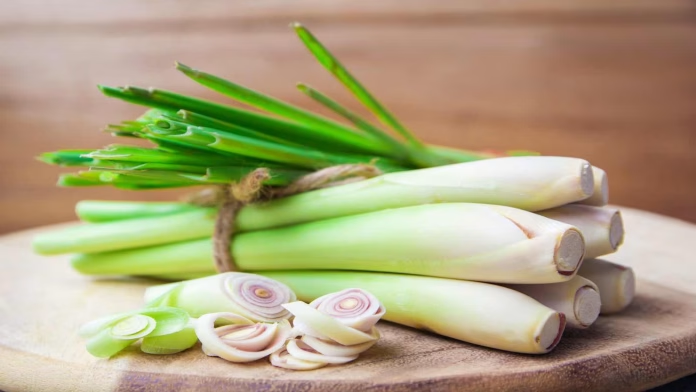
Lemongrass, a grassy plant native to South India and Sri Lanka, has been used for centuries for both culinary and medicinal purposes. With its distinct aroma and citrusy flavor, lemongrass has found its way into various cuisines around the world. However, its benefits extend far beyond the culinary realm. Lemongrass is packed with antioxidants and possesses antibacterial properties that can have a positive impact on overall health and well-being. In fact, this versatile plant has been used as a natural treatment for a range of conditions, including hypertension, neurological disorders, and digestive issues. In this article, we will explore the surprising health benefits of lemongrass and why you should consider incorporating it into your diet.
The Health Benefits of Lemongrass
Antibacterial Properties
Lemongrass contains antioxidants that help eliminate harmful free radicals from the body, thereby reducing the risk of diseases. Additionally, it possesses antibacterial and anti-inflammatory properties that can aid in the management of various medical conditions, including heart disease and stroke. By incorporating lemongrass into your diet, you can support your body’s natural defense mechanisms and promote overall health.
Relief from Nausea
Lemongrass oil has been used as a natural remedy for relieving nausea since ancient times. It is often employed to alleviate morning sickness in pregnant women. A 2012 study found that lemongrass oil can help prevent stomach ulcers, a common cause of nausea and discomfort during eating or drinking.
Treatment of Digestive Disorders
Research conducted by the National Institutes of Health suggests that lemongrass has properties that can aid in the treatment of digestive issues. The essential oil derived from lemongrass leaves has been shown to protect the stomach lining from damage caused by alcohol and aspirin, offering potential benefits for those suffering from digestive disorders.
Lowering Bad Cholesterol Levels
If you have high cholesterol, incorporating lemongrass into your diet may be beneficial. For years, lemongrass has been used in the treatment of heart disease and high cholesterol. Its cholesterol-lowering properties can contribute to improved cardiovascular health and overall well-being.
Anti-cancer Properties
Lemongrass possesses potent anti-cancer characteristics that can strengthen the immune system and aid in the body’s natural defense against cancer. In fact, studies have shown that lemongrass is often included in radiation and chemotherapy treatments due to its potential benefits in combating cancer cells.
Weight Loss Aid
If you’re aiming to shed some extra pounds, lemongrass tea can be a valuable addition to your diet. Lemongrass tea is a detoxifying drink that can increase metabolism, leading to enhanced weight loss. A study published in the American Journal of Clinical Nutrition in 2013 highlighted the role of lemongrass’ polyphenol compounds and caffeine in promoting fat oxidation and energy expenditure, supporting weight management efforts.
Precautions and Considerations
While lemongrass is generally considered safe when consumed in moderation, excessive intake may lead to adverse effects such as dizziness, dry mouth, and fatigue, among others. It’s important to be aware of any potential allergies and seek medical attention if you experience symptoms like rash, breathing difficulties, rapid heartbeat, or itching. Additionally, if you are pregnant or have low potassium levels, it is advisable to avoid consuming lemongrass tea.
Final Thoughts:
Lemongrass is a versatile plant that offers a wide range of health benefits. Incorporating lemongrass into your diet can provide you with antioxidants, antibacterial properties, and potential relief from nausea, digestive disorders, and high cholesterol levels. Moreover, lemongrass exhibits anti-cancer properties and can act as a weight loss aid. However, it is essential to consume lemongrass in moderation and be mindful of any potential allergies or medical conditions that may contraindicate its use. By embracing the surprising health benefits of lemongrass, you can enhance your overall well-being and enjoy the unique flavors and aromas this remarkable plant has to offer.
As avid food enthusiasts, we’re always on the lookout for exciting and delicious recipes that ignite our taste buds. So, when we discovered Rihanna’s Garbanzo Bean Salad, we couldn’t contain our excitement. Who knew that the self-proclaimed bad girl of pop music would also be a veggie enthusiast? Trust us when we say that this salad is a game-changer, bringing a burst of vibrant flavors and textures to your plate that will leave you craving more.
Rihanna, known for her chart-topping hits and fearless fashion choices, has also left her mark in the culinary world. In a vintage Esquire article, she graciously shared her favorite recipes, including classics like cod fish cakes and macaroni and cheese. Among these indulgent dishes, her Garbanzo Bean Salad shines as a light and refreshing side that takes mere minutes to prepare.
What sets this salad apart is its lettuce-free nature. While we adore greens, sometimes lettuce can become wilted and lackluster. Rihanna’s salad eliminates this issue, allowing you to meal prep without worrying about soggy greens by lunchtime. Instead, it combines the hearty goodness of garbanzo beans with the bright acidity of fresh tomatoes, creating a medley of flavors that dance on your palate.
The beauty of this recipe lies in its simplicity, providing a blank canvas for you to unleash your culinary creativity. Feel free to add a kick of heat with red pepper flakes or chopped jalapeños, or infuse it with a burst of tang by incorporating chopped dill and a squeeze of citrus juice. But even in its unadorned form, Rihanna’s Garbanzo Bean Salad is a herbaceous delight that perfectly complements the warmer months.
Now, let’s dive into the recipe itself. Gather your ingredients: a crisp cucumber, vine-ripened tomatoes, cooked garbanzo beans, thinly sliced red onion, and a handful of fresh basil leaves. On a plate, artfully arrange the cucumber, tomatoes, and beans, creating a vibrant tapestry of colors and textures. Season with a sprinkle of salt and freshly ground black pepper, then drizzle the extra virgin olive oil over the top. Finish off with a scattering of basil leaves, chiffonade-style, adding a touch of elegance to the dish.
With each refreshing bite, you’ll savor the crunch of cucumber, the burst of juicy tomatoes, and the creaminess of the garbanzo beans. The interplay of flavors, enhanced by the aromatic basil, will transport you to a culinary paradise where simplicity and freshness reign supreme.
Whether you’re seeking a quick and nutritious lunch, a delightful side dish for a summer gathering, or a light dinner option, Rihanna’s Garbanzo Bean Salad has you covered. It’s a testament to the versatility and endless possibilities of plant-based ingredients. Embrace your inner culinary artist and let your taste buds rejoice in this vibrant and flavorful creation.
We use cookies to ensure that we give you the best experience on our website. If you continue to use this site we will assume that you are happy with it.