Tuesday, December 23, 2025
Home Blog Page 1089

Discover the secret exotic foods loved by your favorite celebrities! You won’t believe what they’re eating!

0
celeb foods

Food holds a special place in the lives of celebrities, not only as a necessity but also as a source of pleasure and indulgence. While some may have specific dietary preferences or restrictions, others explore a world of exotic flavors and culinary delights. In this article, we will take you on a gastronomic adventure, unveiling 10 exotic foods that have captured the taste buds of famous celebrities. From rare ingredients to unique preparations, these dishes offer a glimpse into the luxurious and diverse world of celebrity dining.

  1. Puffer Fish:

Puffer fish, also known as fugu, contains a potent neurotoxin called tetrodotoxin. This toxin is found in various parts of the fish, particularly the liver and ovaries. If not prepared properly by skilled and licensed chefs, consuming puffer fish can lead to paralysis, respiratory failure, and even death. Due to its toxicity, puffer fish is strictly regulated in many countries and can only be served by trained professionals.

  1. Caviar Ice Cream:

While caviar itself is not toxic, the combination of caviar and ice cream can pose health risks. Raw or undercooked eggs are often used to make ice cream, and they can carry harmful bacteria such as Salmonella. Consuming ice cream that contains raw eggs increases the risk of foodborne illnesses. Additionally, caviar is a high-sodium food, and excessive consumption can lead to health problems, particularly for individuals with hypertension or kidney issues.

  1. Chicken Feet:

Chicken feet are not inherently toxic, but they can pose health risks if not prepared and cooked properly. Chicken feet may carry bacteria and parasites, and inadequate cooking can result in foodborne illnesses. It’s essential to ensure that chicken feet are thoroughly cleaned, cooked at the right temperature, and handled hygienically to avoid any potential health hazards.

  1. Kopi Luwak:

Kopi luwak, also known as civet coffee, is made from coffee beans that have been eaten and excreted by civet cats. The digestive process of the civet cat is believed to enhance the flavor of the coffee. However, ethical concerns surround the production of kopi luwak, as many civet cats are kept in inhumane conditions. Additionally, the unregulated production and processing of kopi luwak can lead to contamination and the risk of bacterial infections.

  1. Balut:

Balut is a fertilized duck embryo that is boiled and eaten in its shell. While it is considered a delicacy in some cultures, balut can be risky to consume due to the potential for bacterial contamination. Improper handling and storage can lead to the growth of harmful bacteria, increasing the risk of foodborne illnesses.

  1. Tarantula:

In some regions, tarantulas are consumed as a delicacy. However, it’s important to note that certain species of tarantulas can be venomous. While cooking tarantulas neutralizes their venom, there is still a risk of allergic reactions or other adverse effects. Additionally, improper cooking and preparation can lead to the presence of toxins or bacteria that may cause illness.

  1. Haggis:

Haggis is a traditional Scottish dish made from sheep’s heart, liver, and lungs, mixed with onions, oatmeal, spices, and suet, all encased in the sheep’s stomach. The cooking process generally eliminates any harmful bacteria. However, consuming undercooked or contaminated haggis can lead to foodborne illnesses. It’s crucial to ensure proper cooking and hygienic preparation to minimize the risk of bacterial contamination.

While these foods may have cultural significance or be considered delicacies in certain regions, they can pose health risks if not handled, prepared, or cooked properly. It’s essential to be aware of the potential toxins, contaminants, and risks associated with these foods to make informed decisions about their consumption.

Advertisement

Prepare to drool! Discover India’s 7 most mouthwatering chicken masterpieces you must taste! 

0
chicken

India, a land of diverse cultures and traditions, is also renowned for its rich culinary heritage. Indian cuisine is a delightful amalgamation of flavors, spices, and aromatic herbs that tantalize the taste buds. Among the plethora of dishes, chicken holds a special place as one of the most versatile ingredients in Indian cooking. From succulent biryanis to fiery curries and delectable starters, chicken masterpieces in India are a true feast for the senses. In this article, we embark on a journey to explore seven of the most mouthwatering chicken creations that will leave you craving for more.

  1. Muradabadi Biryani:

Biryani, a fragrant rice dish layered with succulent meat, is a culinary masterpiece that originated in the royal kitchens of India. Muradabadi Biryani, hailing from the city of Moradabad in Uttar Pradesh, is a tantalizing variant of this iconic dish. The flavorsome rice cooked with aromatic spices and tender chicken pieces make it a must-try for any biryani lover. The subtle balance of flavors and the tender meat melting in your mouth will transport you to gastronomic heaven.

  1. Murgh Rezala:

Murgh Rezala, a classic chicken dish from the city of Kolkata in West Bengal, is a culinary delight that showcases the influence of Mughlai cuisine on Bengali cooking. The chicken is cooked in a rich, creamy gravy made with yogurt, cashews, and poppy seeds, which imparts a unique flavor and texture. The blend of spices and the mild sweetness of the gravy make Murgh Rezala a treat for your taste buds. This dish is best enjoyed with aromatic Basmati rice or flaky parathas.

  1. Murgh Musallam:

Originating from the royal kitchens of the Mughals, Murgh Musallam is a grand chicken dish that is as visually appealing as it is delicious. The whole chicken is marinated in a flavorful mixture of spices, yogurt, and saffron, and then slow-cooked to perfection. The result is a succulent and tender chicken with an aromatic gravy that will make you savor every bite. Murgh Musallam is often served on special occasions and is a true showstopper on any dining table.

  1. Chicken 65:

When it comes to finger-licking chicken starters, Chicken 65 undoubtedly steals the show. This popular dish originated in Chennai, Tamil Nadu, and has now become a favorite across the country. The chicken is marinated in a spicy mixture of red chili powder, ginger-garlic paste, and curry leaves, and then deep-fried to perfection. The crispy exterior, combined with the juicy and flavorful meat, makes Chicken 65 an irresistible treat for spice enthusiasts.

  1. Tandoori Chicken:

Tandoori Chicken is an iconic Indian dish that has gained immense popularity worldwide. Originating from the state of Punjab, this dish showcases the art of clay oven cooking. The chicken is marinated in a blend of yogurt and spices, including turmeric, cumin, and garam masala, which gives it a vibrant red color. It is then cooked in a tandoor, a traditional clay oven, resulting in succulent and smoky chicken with a tantalizing flavor. Tandoori Chicken is often served with mint chutney and onion rings, creating a perfect balance of flavors.

  1. Varuval:

Varuval, a spicy and tangy chicken dish from the southern state of Tamil Nadu, is a true explosion of flavors. The chicken is marinated in a blend of spices, including red chili powder, turmeric, and coriander, and then shallow-fried until it becomes crispy and golden brown. The addition of tangy tamarind paste and curry leaves elevates the taste profile of Varuval, making it a must-try for spice lovers. This dish pairs perfectly with steamed rice or crispy dosas.

  1. Murgh Malai:

Murgh Malai, a creamy and velvety chicken curry, showcases the culinary finesse of Awadhi cuisine from the city of Lucknow. The chicken is marinated in a mixture of cream, cashew paste, and aromatic spices, and then cooked to perfection in a rich and flavorful gravy. The creamy texture, combined with the subtle flavors of spices, creates a harmonious blend that will leave you yearning for more. Murgh Malai is best savored with naan bread or fragrant saffron rice.

Final Thoughts:

India’s culinary landscape is a treasure trove of exquisite flavors, and its chicken masterpieces are a testament to its gastronomic richness. From the regal Murgh Musallam to the fiery Chicken 65, each dish represents a unique blend of spices and culinary traditions. These mouthwatering creations not only offer a tantalizing experience but also provide a glimpse into the diverse culinary heritage of the country. So, prepare to drool and embark on a gastronomic adventure to explore India’s seven most unforgettable chicken masterpieces. Your taste buds will thank you!

Advertisement

Prepare to drool! Bollywood’s A-listers reveal their ultimate food obsessions

0
bollywood food

Food is not just a necessity; it is a passion that transcends all boundaries. Bollywood celebrities are no exception when it comes to their love for food. While they may be known for their glamorous lifestyles and on-screen performances, they also have their favorite dishes that make their taste buds dance with joy. 

In this article, we delve into the culinary preferences of some of Bollywood’s A-listers and explore their ultimate food obsessions. From traditional Indian delicacies to international cuisine, get ready to discover the mouthwatering dishes that tantalize the palates of these Bollywood stars.

  • Salman Khan – Biryani: Salman Khan, fondly known as Sallu Bhai, is a true connoisseur of North Indian cuisine. His eternal love affair with biryani is well-known among his fans. However, it’s not just any biryani that captures his heart—it’s the homemade biryani prepared by his mother, Salma. Apart from biryani, Salman also enjoys indulging in kebabs and modak, a sweet dumpling popular during the festival of Ganesh Chaturthi.
  • Sonam Kapoor – Pav Bhaji: Sonam Kapoor, known for her impeccable fashion sense, has confessed her love for pav bhaji—a popular street food dish from Mumbai. Despite being a Punjabi, Sonam has a penchant for Bengali cuisine, enjoying dishes like Shorshe Ilish (Hilsa fish in mustard sauce) and Cholar Daal (Bengal gram curry).
  • Bipasha Basu – Bengali Cuisine: Bipasha Basu, hailing from Bengal, takes pride in her cultural roots and has a deep appreciation for Bengali cuisine. Growing up with homemade Bengali delicacies, she cherishes the flavors and textures of rice-based dishes. Rice is a staple in Bengali cuisine, and Bipasha’s guilty pleasure lies in relishing traditional Bengali meals.
  • Katrina Kaif – Ice Cream: Maintaining a fit and glamorous physique often requires sacrifices, including indulging in favorite fatty foods. However, Katrina Kaif openly admits her love for dessert, with ice cream and cinnamon rolls being her go-to treats. Despite the pressure to look good, Katrina enjoys satisfying her sweet tooth.
  • Hrithik Roshan – Samosas: Hrithik Roshan, popularly known as the “Greek God” of Bollywood, shares a common favorite with many Indians—the irresistible samosa. This savory snack has a special place in Hrithik’s heart, and he can devour around a dozen samosas in one sitting without hesitation.
  • Priyanka Chopra – Makki Ki Roti and Sarson Ka Saag: Priyanka Chopra, a global icon and talented actress, embraces her Punjabi roots when it comes to food. Despite maintaining a slim figure, she is a self-confessed foodie who indulges in Punjabi delicacies like makki ki roti (cornmeal flatbread) and sarson ka saag (mustard greens curry). When craving international carbs, Priyanka turns to the comforting flavors of lasagna.
  • Shahid Kapoor – Chinese Cuisine: Shahid Kapoor, known for his versatile acting skills, is not only a good cook but also a vegetarian with a fondness for Chinese cuisine. He enjoys savoring the flavors of Chinese dishes and also appreciates Italian cuisine. During the rainy season, Shahid’s cravings lead him to indulge in samosas or bhajiyas (fritters) paired with a cup of hot sweet tea.
  • Deepika Padukone – Idli: Deepika Padukone, born and raised in South India, has a special love for her regional cuisine. She adores idli, a traditional South Indian steamed rice cake, and seafood dishes. Deepika’s food preferences span across various cuisines, ranging from the desi sev puri to Mediterranean delicacies.
  • Anushka Sharma – Chicken Butter Masala: Anushka Sharma, known for her graceful on-screen presence, surprises many with her love for the all-time favorite butter chicken. Despite her slim figure, Anushka indulges in this creamy and flavorful meat dish, especially when her mother prepares it with love.
  • Kareena Kapoor – Italian Cuisine: Kareena Kapoor, renowned for her beauty and fitness regime, has a weakness for Italian cuisine. Despite following a strict diet that primarily consists of salads and juices, she can’t resist her homemade pasta with gorgonzola cheese. Kareena’s love for pasta and pizza defies her efforts to maintain a lean physique.
  • Shah Rukh Khan – Grilled Chicken: Shah Rukh Khan, the King Khan of Bollywood, has captured hearts worldwide with his charismatic performances. Surprisingly, his favorite food is not an international delicacy but a simple yet flavorful dish—grilled chicken. Crispy on the outside and juicy on the inside, grilled chicken frequently finds its way into SRK’s lunch.
  • Akshay Kumar – Thai Green Curry: Akshay Kumar, known for his action-packed roles, had the opportunity to explore the culinary world while working as a chef in Thailand. Unsurprisingly, his favorite food is Thai Green Curry, a hot and spicy dish that adds an exotic touch to his Indian palate. Akshay appreciates the flavors of Thai cuisine and its ability to tantalize taste buds.
  • Aamir Khan – Mughlai Cuisine: Aamir Khan, a perfectionist in his craft, is also particular about his food preferences. He holds a deep admiration for Mughlai cuisine, which originated from the royal kitchens of the Mughal Empire. From biryani badshahi to shahi rogan josh, Aamir savors the rich and aromatic flavors of these classic dishes.
  • Amitabh Bachchan – Bhindi Sabzi: Amitabh Bachchan, a legendary actor in the Indian film industry, remains true to his roots when it comes to food. Hailing from Allahabad, he favors a serving of bhindi sabzi (okra curry) and moong ki daal (split green gram lentil) above other dishes. These simple yet satisfying preparations often make their way onto Bachchan senior’s shoot menus.
  • Ranbir Kapoor – Jungli Mutton Curry: Ranbir Kapoor, a versatile actor from the Kapoor lineage, has a fondness for the rich and flavorful Jungli Mutton Curry. This dish, reminiscent of the times when kings indulged in feasts after hunting expeditions, holds a special place in Ranbir’s heart, especially when prepared by his grandmother.
  • Arbaaz Khan – Mutton Paaya: Arbaaz Khan, brother of Salman Khan, is an ardent lover of mutton paaya—an iconic South Indian preparation of goat trotters. He insists on including this flavorful dish in almost every meal, showcasing his passion for food and his love for the rich and robust flavors of South Indian cuisine.
  • Madhuri Dixit – Creamed Fish: Madhuri Dixit, a renowned actress from the Marathi film industry, is known for her love of fish. Among her favorite fish dishes is creamed fish, for which she has her own special recipe. Easy to make and delightful to savor, this dish perfectly showcases Madhuri’s culinary skills.
  • Abhishek Bachchan – Rajma Chawal: Abhishek Bachchan, son of Amitabh Bachchan and Jaya Bachchan, has a soft spot for the ubiquitous rajma chawal—a popular North Indian dish. This combination of spicy kidney bean curry served with hot steamed rice is a comfort food that resonates with Abhishek’s upbringing and North Indian roots.
  • Sunny Deol – Methi Paratha: Sunny Deol, a well-built Punjabi actor known for his powerful performances, surprisingly prefers simple and wholesome dishes. His favorites include methi ka parantha (fenugreek flatbread) and lauki sabzi (bottle gourd curry). Sunny finds joy in the simple pleasures of life and cherishes the traditional flavors of Punjabi cuisine.
  • Sanjay Dutt – Chicken Tikka: Sanjay Dutt, a versatile actor with a massive fan following, enjoys a good platter of chicken tikka. Despite his fame and success, Sanjay’s love for this classic Indian appetizer reflects his down-to-earth nature. Unfortunately, his cravings for homemade food have been denied during his time in jail.

Final Thoughts:

Food is a universal language that brings people together, regardless of their status or profession. Bollywood celebrities, with their hectic schedules and glamorous lifestyles, find solace in their favorite dishes that provide comfort and joy. From Salman Khan’s love for his mother’s homemade biryani to Shah Rukh Khan’s fondness for grilled chicken, these A-listers showcase their diverse culinary preferences. Through their food choices, we see a glimpse of their cultural heritage, personal indulgences, and the joy they find in savoring delightful flavors. So, the next time you drool over a dish, remember that even Bollywood’s biggest stars have their ultimate food obsessions that make them relatable to food lovers around the world.

Advertisement

Indulge your taste buds on a tight budget – Mumbai’s irresistible delicacies for INR 500 or less! 

0
Mumbai's irresistible delicacies

​​When it comes to having cheap meals in Mumbai, you’re in for a treat! Calling all food adventurers and budget-conscious epicureans! If you find yourself in the vibrant city of Mumbai with just INR 500 in your pocket and a growling stomach, fear not! Mumbai, the culinary hub of India, offers a plethora of funky and mouthwatering delicacies that won’t break the bank. Get ready to embark on a gastronomic adventure as we take you on a tour of some delicious and pocket-friendly treats that you can indulge in without emptying your wallet!

  • Poha at Prakash:

Start your day with a burst of flavors and textures at Prakash. Imagine a plate of fluffy flattened rice cooked with mustard seeds, curry leaves, onions, and topped with a sprinkle of crunchy sev and fresh coriander. Each bite of this quintessential Mumbai breakfast delicacy is a delightful balance of tanginess, spiciness, and warmth that will leave you craving for more.

  • Masala Chai and Bun Maska at Irani Cafe:

Step into the charming ambiance of an Irani Cafe and experience the magic of their masala chai and bun maska. Picture a steaming cup of spiced tea, infused with aromatic spices like cardamom and ginger, paired with a soft, buttered bun that melts in your mouth. The combination of the rich chai and the sweet-salty flavors of the bun maska is a match made in culinary heaven.

  • Egg Bhurji Pan at Anand Stall:

Indulge in a flavorsome delight at Anand Stall with their Egg Bhurji Pan. Visualize a sizzling hot griddle with scrambled eggs cooked to perfection, tossed with onions, tomatoes, green chilies, and a medley of spices. The aroma that fills the air is irresistible, making you crave the spicy and savory goodness of this popular street food dish.

  • Idli Sambar at Ayyappan Idli Stall:

At Ayyappan Idli Stall, you’ll be treated to the comfort and simplicity of Idli Sambar. Envision fluffy and pillowy steamed rice cakes served with a piping hot bowl of flavorful lentil soup, accompanied by a variety of chutneys. The softness of the idlis paired with the tangy and aromatic sambar will transport you to culinary bliss, leaving you longing for more.

  • Veg Thali at Shree Thaker Bhojanalay:

Experience a gastronomic feast at Shree Thaker Bhojanalay with their delectable Veg Thali. Picture a platter filled with an assortment of aromatic curries, lentils, vegetables, rice, rotis, papad, and a range of mouthwatering accompaniments. The symphony of flavors and the wholesome goodness of this traditional Gujarati thali will have you savoring every bite and yearning for another visit.

  • Kheema Pav at Olympia Idli House:

Treat your taste buds to the tantalizing flavors of Kheema Pav at Olympia Idli House. Imagine a spicy and flavorsome minced meat curry, generously served with soft and buttered buns. The rich and robust flavors of the kheema, combined with the softness of the pav, create a heavenly combination that will leave you craving for the perfect balance of spices and textures.

  • Chicken Curry with Rice at Delhi Darbar:

Delhi Darbar is renowned for its aromatic and succulent Chicken Curry with Rice. Picture tender chicken cooked in a flavorful gravy, infused with a blend of spices, served alongside fragrant Basmati rice. The tender meat and the rich, aromatic curry will tantalize your taste buds, leaving you yearning for the comforting flavors of this classic Indian dish.

  • Tawa Pulao at Sardar Refreshments:

Sardar Refreshments offers a delectable Tawa Pulao that will transport you to the bustling streets of Mumbai. Visualize a sizzling hot griddle filled with fragrant Basmati rice, stir-fried with colorful vegetables, aromatic spices, and a hint of tanginess. The aroma and flavors of this savory delight will leave you craving the unique combination of street-style flavors and textures.

  • Kebabs at Bagdadi:

Embark on a flavor-packed journey with the succulent kebabs at Bagdadi. Imagine juicy and tender pieces of marinated meat, skewered and grilled to perfection, served with mint chutney and accompanied by freshly baked bread. The smoky flavors, the charred edges, and the tender meat will make your mouth water and tempt you to indulge in more of these delectable kebabs.

  • Bhel Puri at Elco Pani Puri Centre:

Satisfy your cravings for a tangy and crunchy delight at Elco Pani Puri Centre with their irresistible Bhel Puri. Picture a colorful mixture of puffed rice, sev, chopped vegetables, tangy tamarind chutney, and a burst of aromatic spices. The explosion of flavors, textures, and the refreshing crunch of this quintessential Mumbai street food will leave you longing for more.

  • Bombay Sandwich at Sandwichwalla:

Sandwichwalla is the go-to place for a lip-smacking Bombay Sandwich that will leave you craving for its unique flavors. Envision a grilled sandwich filled with a medley of vegetables, tangy chutneys, and a sprinkle of chaat masala. The combination of the crispy bread, the vibrant flavors, and the tangy kick will make you want to savor this Mumbai favorite over and over again.

  • Veg Biryani at Bademiya:

At Bademiya, be prepared to indulge in the aromatic and flavorsome Veg Biryani. Visualize fragrant Basmati rice cooked with a blend of spices, mixed with an assortment of vegetables, and garnished with fried onions and fresh herbs. Each spoonful of this aromatic rice dish is a burst of flavors that will make you crave the enticing combination of spices and textures.

  • Chicken Tikka Roll at Jai Jawan:

Jai Jawan offers a delectable Chicken Tikka Roll that will satisfy your cravings for a flavorsome and filling meal. Imagine succulent pieces of marinated chicken, grilled to perfection, wrapped in a warm roti, and garnished with onions, chutneys, and a squeeze of lime. The tender meat, the smoky flavors, and the medley of spices will have you longing for the tantalizing taste of this delicious roll.

  • Paneer Butter Masala with Naan at Cream Centre:

Indulge in the creamy and rich Paneer Butter Masala with Naan at Cream Centre. Envision chunks of succulent paneer cooked in a velvety tomato-based gravy, infused with aromatic spices and topped with a dollop of butter. The melt-in-your-mouth paneer, the creamy gravy, and the soft naan bread will leave you craving for the indulgent flavors of this classic North Indian dish.

  • Falooda at Baba Ka Falooda:

Baba Ka Falooda offers a refreshing and decadent treat with their luscious Falooda. Picture a tall glass filled with layers of rose-flavored vermicelli, silky smooth ice cream, sweet basil seeds, and a splash of fragrant syrup. The combination of textures, flavors, and the vibrant colors of this chilled dessert will leave you yearning for the cool and sweet indulgence of this Mumbai favorite.

  • Shakes at Haji Ali Juice Centre:

Cool off and satisfy your sweet tooth with the delightful shakes at Haji Ali Juice Centre. Imagine thick and creamy shakes in a variety of flavors, from classic chocolate and strawberry to exotic mango and avocado. The rich and velvety texture, combined with the luscious flavors, will make you crave these refreshing treats to beat the Mumbai heat.

  • Ice Cream Sandwich at K. Rustoms & Co. Ice Cream Parlour:

Indulge in a nostalgic and satisfying treat at K. Rustoms & Co. Ice Cream Parlour with their mouthwatering Ice Cream Sandwich. Picture a generous scoop of your favorite ice cream flavor sandwiched between two freshly baked cookies or slices of cake. The combination of creamy ice cream and the comforting sweetness of the cookies or cake will make your taste buds tingle with anticipation.

Final Thoughts:

In Mumbai, you can experience a culinary adventure even on a tight budget. From the savory delights of Poha at Prakash to the iconic Masala Chai and Bun Maska at Irani Cafe, and the irresistible flavors of Chicken Curry with Rice at Delhi Darbar, these affordable and scrumptious meals will leave you craving for more. So, grab your wallet and let your taste buds guide you through the bustling streets of Mumbai to experience these delightful treats without breaking the bank!

Advertisement

Protein power on a budget: Unleash these genius tips to amp up your protein game without breaking the bank!

0
Protein tips

Protein is an essential macronutrient that plays a vital role in our overall health and well-being. It is responsible for building and repairing tissues, producing enzymes and hormones, and supporting a strong immune system. Whether you’re an athlete looking to build muscle, someone aiming to lose weight, or simply wanting to maintain a healthy lifestyle, protein is a key component of your diet.

However, many people believe that incorporating an adequate amount of protein into their diet requires a hefty budget. The good news is that you can amp up your protein game without breaking the bank! In this article, we will explore some genius tips that will help you unleash the power of protein on a budget.

  1. Eggs In Everything:

Eggs are a versatile and budget-friendly source of high-quality protein. They are packed with essential amino acids and contain all the necessary nutrients for the development of a new life. Incorporating eggs into your diet can be a great way to amp up your protein intake without breaking the bank.

One of the easiest and most economical ways to use eggs is to include them in your breakfast routine. Whip up a delicious omelet with some veggies and cheese or prepare a batch of hard-boiled eggs for a quick and protein-packed grab-and-go breakfast. Eggs can also be used in baking recipes to add protein to muffins, pancakes, and bread.

  1. Bring The Veggies:

While protein is often associated with animal products, there are plenty of plant-based sources that can provide you with the protein your body needs. Vegetables such as broccoli, spinach, kale, and peas are not only rich in essential nutrients but also contain a decent amount of protein.

Incorporating more vegetables into your meals is an excellent way to increase your protein intake on a budget. You can enjoy a hearty vegetable stir-fry by combining different types of vegetables with tofu or tempeh, both of which are affordable plant-based protein sources. Adding beans or lentils to soups, stews, and salads is another budget-friendly option to boost your protein intake.

  1. Vegan Alternatives:

If you follow a vegan or vegetarian diet, there are several protein-rich alternatives to animal products that can help you meet your protein requirements without breaking the bank. Plant-based protein powders, such as pea protein, soy protein, or hemp protein, can be a cost-effective option to supplement your protein intake.

Additionally, legumes like chickpeas and lentils are incredibly versatile and affordable sources of protein. They can be used to make delicious plant-based burgers, meatballs, or even added to pasta sauces for an extra protein boost. Nuts and seeds are also great sources of plant-based protein and can be enjoyed as snacks or incorporated into meals.

  1. Meal Prep Strategy:

Meal prepping is a game-changer when it comes to maximizing your protein intake on a budget. By dedicating a few hours each week to preparing your meals in advance, you can save both time and money while ensuring that you have protein-rich options readily available.

Start by planning your meals for the week and make a shopping list accordingly. Opt for budget-friendly protein sources such as chicken breasts, ground turkey, or canned tuna. Cook a large batch of these proteins and portion them into individual servings that can be refrigerated or frozen for later use.

In addition to your main protein source, prepare a variety of vegetables and grains to complete your meals. Roasting a large batch of vegetables or cooking a pot of quinoa or brown rice can provide you with nutritious sides that can be easily combined with your protein throughout the week.

Final Thoughts:

Protein is a crucial component of a healthy diet, and you don’t have to spend a fortune to meet your protein needs. By incorporating these genius tips into your meal planning and shopping routine, you can unleash the power of protein on a budget.

From eggs in your breakfast to plant-based alternatives and a well-thought-out meal prep strategy, there are numerous ways to amp up your protein intake without breaking the bank. Remember to choose budget-friendly protein sources, be creative with your meals, and make the most of affordable options like eggs, vegetables, legumes, and plant-based protein powders.

Investing in your protein power doesn’t have to mean emptying your wallet. With a little planning and creativity, you can unleash the genius of these budget-friendly tips and take your protein game to the next level. So, get ready to enjoy the benefits of a protein-rich diet without compromising your financial health!

Advertisement

Mind-blowing reasons why ‘ganne ka juice’ is the ultimate summer elixir you can’t afford to miss!

0
ganne ka juice

The scorching heat of summer calls for refreshing and revitalizing beverages, and one such elixir that stands out is the humble ‘ganne ka juice’ or sugarcane juice. In India, where the summers can be relentless, sugarcane juice has become a popular choice for people seeking relief from the sweltering temperatures. Beyond its delicious taste, this summer drink is packed with numerous health benefits that make it a must-have during the hot season. 

Let’s explore six mind-blowing reasons why you can’t afford to miss out on ‘ganne ka juice’ this summer.

  1. Boosts Energy: When the mercury rises, our energy levels often dip. However, sugarcane juice can come to the rescue. It is an excellent source of sucrose, a natural sugar that provides a quick and sustained energy boost. The release of glucose from the sucrose in sugarcane juice helps normalize blood sugar levels, keeping you energized throughout the day. Additionally, its hydrating properties help combat fatigue, making it an ideal thirst quencher in the scorching heat.
  1. Can Cure Jaundice: According to Ayurveda, sugarcane juice is considered an effective remedy for jaundice. It contains properties that strengthen the liver and aid in battling liver infections. When a person suffers from jaundice, the body experiences a breakdown of protein. However, the consumption of sugarcane juice can replenish the lost protein count, promoting a faster recovery.
  1. Promotes Better Digestion: Surprisingly, sugarcane juice plays a vital role in promoting digestion. Rich in potassium, it helps balance the body’s pH level and facilitates the proper secretion of digestive juices. The fiber content in sugarcane juice aids in maintaining a healthy digestive system and prevents constipation. Regular consumption can lead to improved digestion and overall gastrointestinal health.
  1. Works as Anti-Aging: Aging is a natural process, but the consumption of sugarcane juice can help slow down its effects on the skin. Sugarcane juice contains flavonoids, phenolic acid, and antioxidants that protect the skin from free radicals, reducing the appearance of fine lines and wrinkles. These natural compounds nourish the skin, giving it a healthy and youthful glow.
  1. Boosts Immunity: Sugarcane is a rich source of antioxidants and vitamin C, both of which play a crucial role in boosting the immune system. Regular intake of sugarcane juice helps strengthen the body’s defense mechanism, making it more resilient against infections, harmful bacteria, and even cancerous cells. Moreover, the antioxidants present in sugarcane juice have been linked to improved liver health, providing additional protection against various liver-related issues.
  1. Good for Bones and Teeth: Calcium is essential for maintaining strong bones and teeth, and sugarcane is a great natural source of this mineral. Regular consumption of sugarcane juice helps provide the body with an adequate amount of calcium, promoting optimal bone health. Stronger teeth and a reduced risk of dental issues are additional benefits that both children and adults can enjoy from drinking sugarcane juice.

Final Thoughts:

Sugarcane juice is not only a refreshing and flavorful drink but also a powerhouse of nutrients that can benefit your overall health and well-being. Whether you enjoy it as a standalone beverage or incorporate it into other summer recipes, the numerous advantages it offers make ‘ganne ka juice’ a must-have during the scorching summer months.

So, the next time you come across a cart serving freshly squeezed sugarcane juice, don’t hesitate to grab a glass and savor the taste while reaping the incredible health benefits it has to offer.

Advertisement

The ultimate cancer-fighting diet revealed: Slash your risk and boost survival with these powerful nutritional secrets!

0
cancer-fighting diet

Cancer is a devastating disease that continues to impact millions of people worldwide. While genetics play a role in cancer development, lifestyle factors, including diet, can significantly influence the risk of developing cancer. Adopting a preventive approach through dietary practices is crucial for reducing the risk of cancer and improving survival rates. Research has revealed that certain foods possess cancer-fighting properties, making them vital components of an anti-cancer diet. 

In this comprehensive article, we will delve into the science behind cancer prevention diets, explore the best dietary practices for reducing cancer risk, and provide practical tips for incorporating these changes into your daily life.

Understanding the Science Behind Cancer Prevention Diets

The cornerstone of a cancer-prevention diet lies in consuming whole, unprocessed foods while minimizing the intake of sugar and processed foods. A prime example of an effective anti-cancer diet is the Mediterranean diet, which has been scientifically linked to a decreased risk of various cancer types, including breast, colon, and prostate cancer. The Mediterranean diet primarily comprises fruits, vegetables, whole grains, nuts, and healthy fats. Numerous studies, including one conducted by the National Cancer Institute in the US, have consistently associated adherence to the Mediterranean diet with reduced cancer risk. The diet’s emphasis on plant-based foods and healthy fats helps reduce inflammation in the body, a significant risk factor for cancer development. Additionally, the Mediterranean diet has been found to improve insulin sensitivity, regulate blood sugar levels, and mitigate oxidative stress, all of which contribute to cancer prevention.

Macronutrients in a Cancer Prevention Diet

A well-balanced cancer prevention diet incorporates essential macronutrients, including carbohydrates, proteins, and healthy fats, primarily derived from plant-based sources. Understanding the role of each macronutrient is vital for constructing a nutritionally dense anti-cancer meal plan:

  • Carbohydrates: Opt for complex carbohydrates found in whole grains, fruits, and vegetables. These foods provide ample fiber, which is essential for maintaining a healthy digestive system and reducing the risk of colon cancer. Complex carbohydrates also promote stable blood sugar levels and sustained energy throughout the day.
  • Protein: Include lean sources of protein in your anti-cancer diet, such as poultry, fish, legumes, nuts, and seeds. Fatty fish, like salmon, tuna, and herring, are particularly beneficial due to their omega-3 fatty acid content, which has been associated with a reduced risk of prostate cancer.
  • Healthy Fats: Emphasize the consumption of healthy fats, such as monounsaturated and polyunsaturated fats. Incorporate olive oil, nuts, and seeds into your meals to obtain essential fatty acids that support brain and heart health.

Benefits of a Cancer Prevention Diet on Overall Health

A well-designed cancer prevention diet offers comprehensive health benefits beyond reducing cancer risk. By providing the body with essential nutrients and reducing inflammation, this dietary approach promotes overall well-being. The diet’s rich antioxidant content protects cells from damage caused by free radicals, while its high fiber content lowers the risk of colon cancer. Moreover, the diet’s low sugar and processed food content mitigates the risk of cancer development associated with these dietary factors.

Practical Tips for Following a Cancer Prevention Diet

Adopting a cancer-prevention diet is achievable by incorporating the following step-by-step guidelines into your daily routine:

  • Fill your plate with fruits and vegetables: Aim for a minimum of five servings of fruits and vegetables each day, selecting a colorful variety to ensure a diverse nutrient intake.
  • Choose whole grains: Replace refined grains, such as white rice and pasta, with healthier alternatives like brown rice, quinoa, and whole wheat pasta.
  • Include lean proteins: Prioritize lean meats, fish, legumes, nuts, and seeds as your primary sources of protein, ensuring a well-rounded nutrient profile.
  • Incorporate healthy fats: Utilize olive oil for cooking and salad dressings, and enjoy nuts and seeds as snacks to obtain beneficial fatty acids.
  • Limit processed and sugary foods: Steer clear of processed foods high in sugar and unhealthy fats, including chips, candy, and soda, which are associated with an increased risk of cancer.
  • Stay hydrated: Adequate water intake throughout the day supports digestion and overall health.
  • Exercise regularly: Engage in at least 150 minutes of moderate-intensity aerobic activity or 75 minutes of vigorous-intensity activity each week, complemented by strength training exercises targeting major muscle groups at least twice per week.

Common Mistakes to Avoid when Incorporating Cancer-Preventing Foods

To optimize the benefits of a cancer-prevention diet, avoid these common mistakes:

  • Not consuming enough variety: Eating a wide range of fruits, vegetables, whole grains, and lean proteins ensures you receive all the necessary nutrients for optimal health.
  • Skipping meals: Skipping meals can lead to overeating later in the day, making it harder to maintain a healthy weight and dietary balance.
  • Overdoing portion sizes: Even with healthy foods, portion control is crucial. Be mindful of portion sizes and listen to your body’s hunger and fullness cues.
  • Focusing solely on diet: Remember that physical activity is equally important for cancer prevention and overall health. Combine a healthy diet with regular exercise for maximum benefits.
  • Ignoring emotional eating: Address emotional eating habits by finding healthier ways to cope with stress, such as exercise, meditation, or therapy.

Tips for Managing Hunger and Cravings

Managing hunger and cravings is crucial for adhering to a cancer-prevention diet. Implement the following strategies to help curb cravings and maintain a balanced diet:

  • Eat small, frequent meals throughout the day: Regularly consuming smaller meals can help prevent excessive hunger and control cravings.
  • Focus on high-fiber, nutrient-dense foods: These foods provide satiety while delivering essential nutrients.
  • Drink plenty of water: Staying hydrated can help alleviate feelings of hunger and promote overall well-being.
  • Practice mindfulness when eating: Pay attention to your hunger and fullness cues, eating slowly and savoring each bite.

Final Thoughts:

Adopting a cancer prevention diet centered around whole, nutrient-dense foods, healthy fats, and protein offers numerous benefits for overall health and cancer risk reduction. By incorporating the science-backed principles outlined in this guide and following the practical tips provided, you can take proactive steps to reduce your risk of cancer and improve your long-term survival. Remember, prevention is key, and the power to make positive changes lies within your hands.

Advertisement

Shocking revelation: These 5 everyday foods could be slowly poisoning you! Learn the dangerous cooking mistakes you’ve been making all along! 

0
cooking mistakes

We all know that cooking is an essential part of preparing our meals. It enhances the flavors, makes food safer to consume, and even helps to break down certain toxins and anti-nutrients. However, there are some everyday foods that may turn toxic when cooked or overcooked. In this article, we will explore the dangers of overcooking and highlight five common foods that could be slowly poisoning you.

Is Overcooked Food Healthy For You?

The concept of overcooking refers to the process of subjecting food to excessive heat for an extended period. While it may seem harmless, overcooking can lead to the loss of essential nutrients and the formation of harmful compounds. Overcooked food can be detrimental to your health due to the destruction of vitamins, enzymes, and other heat-sensitive compounds.

Why You Should Not Overcook Certain Foods?

Certain foods are more susceptible to nutrient loss and the formation of toxic compounds when overcooked. The excessive heat can break down the nutritional value of these foods, resulting in a significant decrease in their health benefits. Moreover, the formation of harmful compounds can have adverse effects on the body, leading to long-term health issues.

Why Certain Foods Are Best Eaten Raw?

Raw foods have been a part of human diets for centuries, and for a good reason. They provide a wide array of vitamins, minerals, and enzymes that can be easily destroyed by cooking. While cooking can sometimes enhance the bioavailability of certain nutrients, it can also cause significant nutrient loss. Consuming certain foods raw ensures that you get the maximum nutritional benefits without the risk of harmful compounds.

Foods That May Turn Toxic When Cooked Or Overcooked

  1. Broccoli

Broccoli is a popular vegetable known for its high nutritional value. However, overcooking broccoli can lead to the destruction of its health-promoting compounds, such as vitamin C, folate, and glucosinolates. These compounds are believed to have anti-cancer properties and are essential for maintaining overall health. Overcooking broccoli can result in a mushy texture and a bitter taste, indicating the loss of its nutritional value.

  1. Honey

Honey is a natural sweetener that offers numerous health benefits. However, when heated above a certain temperature, honey can undergo a process called the Maillard reaction, which leads to the formation of harmful compounds. Heating honey can result in the production of hydroxymethylfurfural (HMF), which has been linked to potential negative effects on human health. To preserve the beneficial enzymes and antioxidants present in honey, it is best consumed in its raw form or added to warm, not hot, foods and beverages.

  1. Bell Peppers

Bell peppers are a colorful and nutritious addition to many dishes. However, when overcooked, bell peppers can lose their vibrant color, texture, and nutritional value. Overcooking breaks down the antioxidants present in bell peppers, such as vitamin C, resulting in a decrease in their health benefits. It is best to lightly cook or even consume bell peppers raw to retain their nutritional value and vibrant flavor.

  1. Beetroot

Beetroot is a popular root vegetable known for its rich color and nutritional content. However, overcooking beetroot can cause the loss of important nutrients, such as vitamin C, folate, and betalains. Betalains are pigments responsible for beetroot’s vibrant color and have been associated with antioxidant and anti-inflammatory properties. To maximize the health benefits of beetroot, it is best to lightly steam or roast it rather than subjecting it to prolonged cooking.

  1. Almonds

Almonds are a nutritious and versatile nut commonly consumed as a snack or used in various dishes. However, when almonds are overcooked or roasted at high temperatures, the healthy fats they contain can become rancid, leading to the formation of harmful compounds. Over-roasted almonds can also lose their natural crunch and develop a bitter taste. It is advisable to lightly toast almonds at a low temperature to preserve their nutritional value and flavor.

Final Thoughts:

By understanding the dangers of overcooking and making slight adjustments to your cooking methods, you can ensure that you derive the maximum nutritional benefits from these foods while avoiding the potential risks. Remember, moderation and proper cooking techniques are key to maintaining a healthy diet and enjoying the full range of flavors and nutrients that food has to offer.

Advertisement

Discover the secret Indian spices that can naturally keep your blood pressure in check!

0
Indian spices

In the realm of culinary delights, Indian cuisine stands out for its rich flavors, vibrant colors, and aromatic spices. The Indian spices that add depth and complexity to our favorite dishes have long been cherished for their ability to tantalize our taste buds. However, what many people are unaware of is that these spices offer more than just culinary enjoyment. They possess remarkable health benefits, and some of them can even play a role in preventing and managing high blood pressure. 

In this article, we will explore five Indian spices that can naturally keep your blood pressure in check.

  1. Cardamom: A Fragrant Ally

Cardamom, also known as elaichi, is a spice known for its strong aroma and versatile flavor. Beyond its culinary uses, cardamom has been found to have a positive impact on blood pressure. Regular consumption of cardamom can help reduce high blood pressure and contribute to its management. This spice contains active compounds that can help dilate blood vessels, improve blood flow, and lower blood pressure levels. Adding cardamom to your meals, teas, or desserts not only enhances the taste but also brings potential cardiovascular benefits.

  1. Coriander Seeds: A Hidden Gem

Coriander seeds, or dhaniya seeds, are commonly used in Indian cuisine for their unique flavor and aroma. These tiny seeds pack a punch when it comes to health benefits, including their potential to prevent and lower high blood pressure. Coriander seeds have been found to have hypotensive properties, meaning they can help reduce blood pressure levels. Additionally, they may contribute to lowering bad cholesterol levels in the body and promoting healthy lipid metabolism. Incorporating coriander seeds into your cooking or using them as a spice in various dishes can be an excellent way to harness their blood pressure-lowering potential.

  1. Cinnamon: A Sweet Regulator

Cinnamon, with its warm and comforting taste, is a beloved spice used in both sweet and savory dishes. Beyond its delightful flavor, cinnamon has been found to be effective in managing high blood pressure. The active compounds in cinnamon have been shown to dilate and relax blood vessels, leading to improved blood flow and potentially lower blood pressure. This versatile spice can be enjoyed in various ways, from adding it to your morning oatmeal or coffee to incorporating it into baked goods and curries.

  1. Black Pepper: The Fiery Warrior

Black pepper, often referred to as the “king of spices,” is a staple in Indian kitchens and cuisines around the world. Its distinct flavor and spicy kick can transform any dish. Besides its culinary appeal, black pepper offers potential benefits for blood pressure management. Piperine, the active compound in black pepper, has been found to have hypotensive properties. It can help lower high blood pressure and offers additional health benefits due to its richness in potassium and other minerals. Sprinkling freshly ground black pepper on your meals not only adds a burst of flavor but also contributes to potential blood pressure regulation.

  1. Turmeric: The Golden Wonder

Turmeric, often referred to as the “golden spice,” is an essential ingredient in Indian cooking and traditional medicine. Curcumin, the active compound in turmeric, has been extensively studied for its numerous health benefits, including its potential to help manage high blood pressure. Curcumin possesses antioxidant and anti-inflammatory properties, which can relax blood vessels and potentially aid in blood pressure reduction. Incorporating turmeric into your daily meals or enjoying a warm turmeric-infused drink can be a flavorful way to harness its blood pressure-regulating potential.

Final Thoughts: 

The secret to naturally managing blood pressure may lie in the vibrant and aromatic Indian spices found in your kitchen. Cardamom, coriander seeds, cinnamon, black pepper, and turmeric not only elevate the taste of your dishes but also offer potential cardiovascular benefits. By incorporating these spices into your cooking and embracing the flavors of Indian cuisine, you can embark on a journey of health and well-being. So, let the magic of Indian spices spice up your life while naturally keeping your blood pressure in check.

Advertisement

Egg Yolks vs Egg Whites – Which one should you really eat?

0
Egg Yolks vs Egg Whites

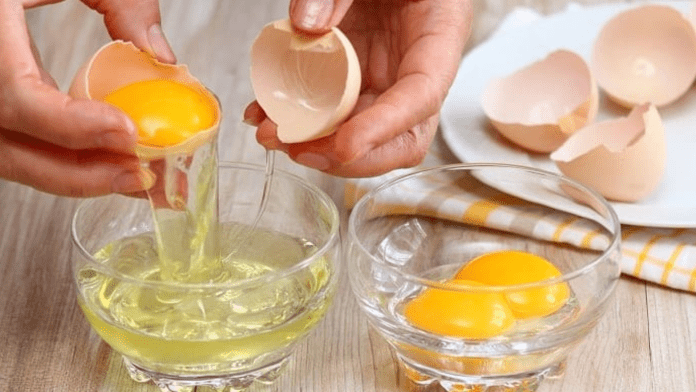
Eggs are a versatile and popular food choice consumed by people around the world. They are not only delicious but also packed with essential nutrients. When it comes to eggs, there is often a debate about whether it’s better to eat egg white or egg yolks. In this article, we will differentiate between the two. By the end, you’ll have a better understanding of which part you should include in your diet.

Composition of Egg Yolks and Egg Whites

To understand the differences between egg yolks and egg whites, it’s essential to examine their composition. The yolk and the white of an egg have distinct properties and serve different purposes.

  • Egg Yolk Composition

The yolk of an egg makes up about 33% of its total weight. It contains both water and fat, making it denser and richer in flavor compared to the egg white. The yolk also contains proteins, vitamins, minerals, and cholesterol. It is the part of the egg that provides essential nutrients to a developing embryo.

  • Egg White Composition

The egg white, also known as the albumen, constitutes approximately 66% of the total egg weight. It is primarily composed of water and proteins. The proteins in egg whites are high-quality, complete proteins that contain all the essential amino acids required by the body.

Nutritional Value of Egg Yolks and Egg Whites

Both egg yolks and egg whites contribute to the overall nutritional value of an egg, but the specific nutrients they provide differ.

  • Nutrients in Egg Yolks

Egg yolks are rich in essential vitamins and minerals. They contain vitamins A, D, E, K, and B-complex vitamins such as B12, riboflavin, and folic acid. Yolks are also an excellent source of minerals like iron, phosphorus, selenium, and zinc. Additionally, they provide healthy fats, including omega-3 fatty acids.

  • Nutrients in Egg Whites

Egg whites are primarily composed of water and proteins. They are a low-calorie source of high-quality protein, making them a popular choice for individuals looking to increase their protein intake. Egg whites are also low in fat and contain no cholesterol. They provide minerals such as potassium, magnesium, and sodium.

Health Benefits of Egg Yolks and Egg Whites

Both egg yolks and egg whites offer several health benefits, although they may differ in their specific advantages.

  • Health Benefits of Egg Yolks

Egg yolks are nutrient-dense and provide essential vitamins and minerals that support overall health. The presence of vitamin A in yolks promotes healthy vision, while vitamin D aids in calcium absorption and bone health. The B-complex vitamins found in yolks are crucial for energy production, brain function, and cell metabolism. The healthy fats in yolks, including omega-3 fatty acids, are beneficial for heart health and inflammation reduction.

  • Health Benefits of Egg Whites

Egg whites are a valuable source of high-quality protein with all the essential amino acids. Protein is essential for muscle repair, growth, and overall maintenance. Egg whites are also low in calories and can aid in weight management. Additionally, the absence of fat and cholesterol in egg whites makes them a heart-healthy choice.

Cholesterol and Fat Content

One area where egg yolks and egg whites significantly differ is their cholesterol and fat content.

  • Cholesterol in Egg Yolks

Egg yolks contain dietary cholesterol. However, recent research has challenged the long-held belief that dietary cholesterol significantly impacts blood cholesterol levels. The cholesterol in eggs has a minimal effect on raising LDL (low-density lipoprotein) cholesterol, also known as “bad” cholesterol, in most people. It’s important to note that individuals with specific health conditions, such as familial hypercholesterolemia, may need to limit their intake of dietary cholesterol.

  • Fat Content in Egg Yolks and Egg Whites

Egg yolks contain a higher amount of fat compared to egg whites. The majority of the fat in yolks is unsaturated fat, including monounsaturated and polyunsaturated fats, which are considered healthy fats. On the other hand, egg whites are virtually fat-free.

Impact on Weight Loss and Muscle Building

  • Weight Loss and Egg Yolks

Egg yolks are higher in calories compared to egg whites due to their fat content. Therefore, individuals aiming to reduce their calorie intake for weight loss may choose to consume only egg whites. However, it’s important to note that the calories in egg yolks come from nutrient-dense sources, including vitamins, minerals, and healthy fats.

  • Muscle Building and Egg Whites

Egg whites are a popular choice among fitness enthusiasts and bodybuilders due to their high protein content. Protein is crucial for muscle repair, growth, and recovery after exercise. Including egg whites in a balanced diet can contribute to meeting protein requirements for muscle building and maintenance.

Final Thoughts:

In the debate of egg yolks vs egg whites, both parts offer distinct nutritional profiles and health benefits. Egg yolks are rich in essential vitamins, minerals, and healthy fats, while egg whites are a low-calorie source of high-quality protein. The decision to include either egg yolks or egg whites in your diet depends on your specific dietary needs and health goals. For individuals concerned about cholesterol or looking to reduce calorie intake, consuming only egg whites may be a suitable option. However, it’s important to note that the overall nutrient content of an egg is maximized when both the yolk and the white are consumed. Ultimately, a balanced approach that includes both egg yolks and egg whites can contribute to a nutritious and varied diet.

Advertisement