Wednesday, December 24, 2025
Home Blog Page 1081

Warning! Your favorite fast food may be destroying your brain! Discover the terrifying truth now!

0
fast food

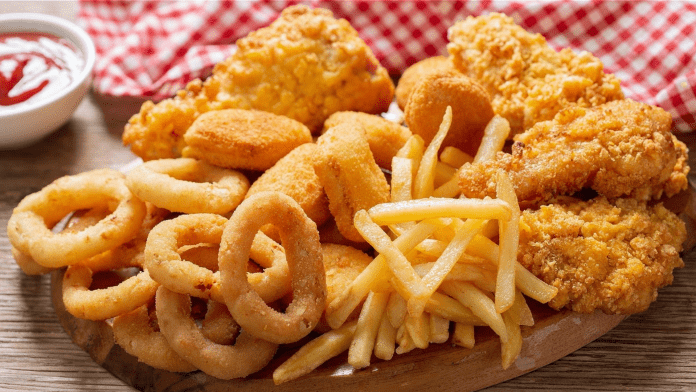
Fast food, the ultimate culinary delight, encompasses a wide range of delectable and addictive dishes that are designed to ignite your taste buds and satisfy your cravings. Sink your teeth into the succulent and juicy burger, with its perfectly melted cheese and tangy pickles, or savor the crispy, golden fries that are impossible to resist. Indulge in the heavenly pleasure of a warm, cheesy pizza loaded with your favorite toppings, or relish the irresistible crunch of fried chicken that leaves you longing for more. Fast food is synonymous with convenience, as it saves you precious time on busy days when you need a quick meal to fuel your adventures. With countless drive-thru lanes and easily accessible locations, you can enjoy a mouthwatering fast food feast without stepping out of your car. From bustling city streets to sleepy suburbs, fast food chains have permeated every corner, ensuring that you can always find your favorite guilty pleasure just around the corner. 

However, we can see the shift in the culture, as the fast food that we used to consume only during special occasions has now taken over as our everyday meal. True to it’s very name, fast food is made quickly and efficiently and tastes good but just like any other shortcut with its own disadvantages, this fast food also has cheap nutrition which ruins the body in the long run. Yes, the terrifying truth is that the very meals we crave may be contributing to brain damage and cognitive decline. Join us as we delve into the shocking realities of fast food and explore the detrimental effects it can have on your brain health. Brace yourself for a journey that will leave you questioning your fast food choices and seeking healthier alternatives.

The Fat-Fueled Time Bomb:

Fast food is notorious for its high levels of unhealthy fats, particularly trans fats and saturated fats. Consuming these fats in excessive amounts can lead to a host of health problems, including the potential for brain damage. Research has shown that a diet high in unhealthy fats can impair cognitive function, memory retention, and even increase the risk of neurodegenerative diseases such as Alzheimer’s. It’s time to reconsider that greasy burger or deep-fried treat and choose brain-friendly options instead.

The Sneaky Sugar Overload:

Fast food meals often come with a side of sugary beverages or desserts. The excessive intake of refined sugars can wreak havoc on your brain, leading to inflammation, impaired memory, and reduced cognitive abilities. Regularly indulging in sugary fast food treats may also contribute to a higher risk of developing conditions like diabetes and obesity, which further impact brain health. It’s crucial to be mindful of the hidden sugars lurking in your favorite fast food choices and make healthier alternatives a priority.

The Additive Avalanche:

Fast food is notorious for its excessive use of additives, preservatives, and artificial flavorings. These additives, such as monosodium glutamate (MSG) and artificial food dyes, have been linked to adverse effects on brain health. Studies have shown that these additives can trigger headaches, migraines, and even exacerbate symptoms of attention deficit hyperactivity disorder (ADHD) in susceptible individuals. Choosing fresh, whole foods over fast food options can help protect your brain from these harmful additives.

The Nutrient Void:

While fast food may fill your stomach quickly, it falls short when it comes to providing essential nutrients for brain health. A diet lacking in crucial vitamins, minerals, and antioxidants can hinder brain function and contribute to cognitive decline. Opting for a balanced diet rich in fruits, vegetables, whole grains, and lean proteins can supply your brain with the nutrients it needs to thrive.

Final Thoughts:

Fast food may offer convenience and instant gratification, but the terrifying truth is that it can have detrimental effects on your brain health. The excessive consumption of unhealthy fats, sugars, additives, and the lack of essential nutrients can lead to brain damage, cognitive decline, and increased risks of neurodegenerative diseases. It’s time to take control of your health and make informed choices that prioritize your brain’s well-being. Opt for wholesome, nutrient-rich meals that nourish your body and mind, and explore healthier alternatives to your favorite fast food indulgences. Remember, your brain is a precious organ, and it deserves to be treated with care. So, say no to the fast food trap and embrace a brain-healthy lifestyle for a brighter, sharper future.

Advertisement

Overcoming RTO challenges in the CPG industry: Strategies for effective management and growth

0
Return to Origin

Running a Consumer Packaged Goods (CPG) business comes with its fair share of challenges, and one such challenge is dealing with Return to Origin (RTO) orders. Recently, Apeksha Jain, Founder & CEO at The Gourmet Jar, took to LinkedIn to share a shocking experience involving a return order that left her astounded and frustrated. In her post, she revealed the absurdity of receiving a mere INR 5 Vim bar in a return, questioning whether it is the consumer or the courier company to blame for such occurrences. This incident highlights the financial burden and logistical hassles CPG businesses face when dealing with RTO orders, underscoring the pains involved in running a CPG enterprise.

Return to Origin (RTO) orders refer to cases where a customer’s order is returned to the seller instead of being successfully delivered. These returns can happen for various reasons, such as incorrect addresses, unavailability of the recipient, or the customer changing their mind. While RTO orders are an inevitable part of e-commerce and retail businesses, it is incidents like the one Jain faced that shed light on the challenges businesses face.

Speaking to Snackfax, Apeksha Jain, Founder of Gourmet Jar, said, “Logistic Aggregators need to come up with a process that ensures courier boys are not tampering with the packages. Automation might hold the key here. Perhaps something like a weight check of the package while it’s being returned to match the original weight might help reduce this problem. And definitely a better resolution from the aggregator’s end is much required, the time they take to get back and resolve issues like these is really way too long.”

The financial implications of RTO orders can be significant for CPG businesses. In Jain’s case, not only did she lose the revenue from the original order, but she also had to bear the costs of back and forth shipping. This double blow can have a detrimental impact on the profitability of small and medium-sized CPG businesses. The expenses incurred due to RTO orders eat into the company’s resources, affecting cash flow and hindering growth opportunities.

Consumer Responsibility vs. Courier Company Accountability:

When examining return orders, both consumers and courier companies share responsibility. While some consumers may exploit return policies to save money, it is crucial to consider the role of courier companies in ensuring reliable deliveries. Courier companies must handle reverse logistics efficiently to minimize the financial burden on businesses and prevent incidents such as the one Jain experienced.

Addressing the Challenges:

To mitigate the challenges faced by CPG businesses, all stakeholders must take proactive measures. Here are some potential solutions:

  • Strengthen Return Policies: Businesses can review and refine their return policies to strike a balance between customer convenience and protecting their financial interests. Clear guidelines and restrictions can discourage frivolous returns.
  • Improve Communication with Customers: Transparent communication regarding return policies and associated costs can manage customer expectations and reduce unnecessary return orders.
  • Collaborate with Reliable Courier Companies: Developing strong partnerships with courier companies known for efficient reverse logistics can streamline the RTO process, minimizing costs for CPG businesses.
  • Streamline Internal Operations: Evaluate internal processes and procedures related to returns. Identify areas for improvement and implement streamlined workflows to handle RTO orders more efficiently.
  • Continuous Customer Feedback: Encourage customers to provide feedback on return experiences. Actively listen to their suggestions and incorporate them into the improvement process.
  • Harness Technology: Implementing advanced tracking systems, automated return processes, and data analytics can provide valuable insights to optimize reverse logistics and identify patterns of misuse.

Apeksha Jain’s LinkedIn post highlights the harsh realities faced by CPG businesses during the RTO process. Assigning blame solely to consumers or courier companies is not productive; instead, all stakeholders must work together to alleviate the financial burden and streamline the return process. By implementing these strategies and addressing these challenges head-on, CPG businesses can improve profitability, enhance customer satisfaction, and streamline their operations in an increasingly competitive market.

Advertisement

GoodDot launches “Pro Chaap”, redefining protein consumption with a unique offering

0
Gooddot Pro Chaap

GoodDot, the trailblazer in the plant-based meat industry, has now unveiled an extraordinary addition to its lineup: “Pro Chaap.” This innovative offering revolutionizes traditional chaaps and marks a significant milestone in the ever-evolving food industry. As a one-of-its-kind ‘Zero Maida Soya Chaap,’ Pro Chaap is poised to revolutionize protein consumption with its exceptional nutritional profile, tantalizing taste, satisfying texture, remarkable versatility, and unparalleled convenience.

Soya chaap has garnered immense popularity in the northern region of the country and is now expanding its reach nationwide. While many soya chaap variants in the market contain a significant amount of maida (refined flour), Pro Chaap stands out as a unique product that is both maida-free and cholesterol-free, while being rich in dietary fiber. What truly sets it apart is its remarkable texture, which boasts a delightful layered sensation, making it versatile for a wide range of culinary experiences across different cuisines.

Pro Chaap offers endless possibilities for culinary creations, ranging from tantalizing tikkas and mouth-watering fillings to aromatic curries, keema, biryanis, and even beloved Chinese Chilli dishes and Asian-style stir-fries. With just one SKU, Pro Chaap unlocks a multitude of options.

Preparing Pro Chaap is a breeze, as it simply requires boiling water to hydrate the product and make it ready for use. Its layered texture and fiber structure ensure excellent moisture and flavor retention, empowering chefs to craft innovative and captivating variations of popular dishes that will please the crowd.

With an impressive protein content of 64%, Pro Chaap presents a remarkable protein source that surpasses expectations. It offers a wholesome and satisfying alternative to both paneer and chicken, positioning itself as a versatile choice for those looking for a Chaap or plant-based meat option.

One of the standout features of Pro Chaap is its exceptional shelf life of one year and ambient stability. This remarkable attribute makes it a highly convenient choice for food service players, allowing them to stock and utilize Pro Chaap without concerns of spoilage.

What sets Pro Chaap apart is not only its impressive nutritional profile but also its affordability. Priced 30-50% lower than chicken or paneer, it presents an economical protein option for chefs and food service providers. This enables them to explore new culinary possibilities and bring innovative and exciting offerings to their customers, all while effectively managing their food costs.

Abhishek Sinha, Co-Founder & CEO, GoodDot, said, “The plant-based meat and alt-protein industry is at an inflection point, and it is poised for explosive growth. The success of companies in the space is contingent upon continuous product innovation to meet customer expectations in terms of taste, affordability, and nutrition. With the advent of Pro Chaap, our team has met all the vital benchmarks of taste, price, and nutrition. Now consumers can enjoy tasty and high-quality plant-based protein at a price of almost 40-50% lower than chicken and paneer.”

Pro Chaap is making inroads into luxury hotels like Marriott, Novotel, Radisson, Raffles, and more, apart from restaurants like Global Grill, Bodhi Tree, Grillophilia, and even some of the leading Dhaabas across West and North India! The product has also found favor with some of the major food co-packers and exporters, pointing to its tremendous value.

GoodDot remains at the forefront of the plant-based meat industry, spearheading the development of groundbreaking and eco-conscious alternatives to conventional animal-derived products. Through the introduction of Pro Chaap, GoodDot reaffirms its commitment to transforming the food industry by offering cost-effective and remarkably adaptable options that cater to the diverse needs of food service providers throughout the value chain.

Advertisement

Skippi goes desi with the launch of six iconic Indian flavors

0
Skippi Ice Pops
Skippi Ice Pops

Skippi, the premier brand of pops in India, has recently unveiled an exciting assortment of novel Iconic Indian Flavours (Desi flavours), meticulously crafted to satisfy the discerning Indian palate. Exclusively available on Skippi’s website, this remarkable collection features six iconic desi flavors: Jal Jeera, Kala Khatta, Rose, Aam Panna, Chilli Guava, and Imli.

Skippi has made a groundbreaking move within the F&B industry by becoming the first Indian brand to offer pre-booking for their products. This achievement not only showcases their commitment to delivering exceptional products but also highlights the enthusiastic response from customers. Skippi’s innovative approach has set a new standard in the industry, surpassing customer expectations and solidifying their position as a leader in the market.

With a presence in over 10,000 outlets across India, Skippi Ice Pops has already made a significant impact. The brand is dedicated to continuous innovation and novelty. Through the launch of these new iconic flavors, Skippi aims to establish itself as a national brand with an extensive distribution network reaching even the smallest towns in India, ensuring that the highest quality Ice Pops are accessible to everyone, whether they be children or adults, seeking a delightful frozen treat.

Ravi Kabra, Co-Founder of Skippi Ice pops said, “We believe the Indian iconic flavours will be an absolute game changer for Skippi as these flavours are very popular amongst the Indian consumers. After immense research, we have introduced these flavours that capture the essence of India by catering to the customer’s taste buds and can be enjoyed by all.”

Advertisement

McDonald’s Turkey takes a sip into the future with AI-curated smoothies

0
McDonald's
McDonald's (Representative Image)

McDonald’s Turkey has recently pushed the boundaries of technological innovation by introducing an extraordinary AI-driven drink menu. Referred to as “The Recipes from my ImaginAIon,” this remarkable selection of smoothies is now exclusively available at select McCafe branches located in Istanbul, as reported by credible sources.

“In the present era, there is a notable fascination, particularly among the youth, with artificial intelligence-driven programs encompassing image, video and audio domains. With the responsibility of being a brand that adopts the principle of making everyone happy, we prepared an extraordinary project based on the expectations and demands of young people,” shared Özdeş Dönen Artak, CMO, McDonald’s Turkey in the release.

The quick-service restaurant (QSR) chain has leveraged ChatGPT’s capabilities to curate an enticing smoothie menu. As part of their limited-time offerings, customers can now relish the delectable Unicorn Smoothie and the refreshing Lemon Chiller Smoothie.

“We entrusted ChatGPT to create drink recipes that would resonate with these aspirations. Consequently, it bestowed upon us the extraordinary ‘Recipes from my ImaginAIon’ menu. In collaboration with our McCafé baristas, we successfully brought this innovative menu to life and presented it to our cherished customers within the Istanbul’s popular McCafé branches. We invite everyone to experience these digital flavors that will be on sale for a limited time,” Artak mentioned.

McDonald’s runs a total of 250 outlets in Turkey, supporting a workforce of nearly 7,000 employees.

Advertisement

Confectionery market witnesses resilient growth: Candies, toffees and chewing gum bars defy stagnant trends

0
candies
(Representative Image)

Despite years of stagnant growth, the sales of candies, toffees, and chewing gum bars witnessed a remarkable turnaround in the last fiscal year, reaching a record-breaking figure of nearly 40 billion units. This surge in sales reflects a clear preference for affordable sweet treats, especially during a period of economic hardship caused by the Covid pandemic, where disposable income was limited for many consumers.

According to Nielsen, officials have reported that the confectionery market witnessed significant growth, expanding by 13% to reach INR 12,127 crore. Companies have attributed their success in defying the slowdown experienced in various discretionary sectors to the affordability of their products.

“It is an affordable treat since 80% of the sales come from a one-rupee product,” said Rajesh Ramakrishnan, Managing Director of Perfetti Van Melle India, the company that makes Alpenliebe hard-boiled candies and Mentos soft candies.

“Increase in innovation and direct reach also helped. From our company’s standpoint, positioning of our brands has also become far sharper,” he added.

Typically, confectionery products heavily rely on cash-driven impulse purchases, and their consumption has been declining since late 2016. The confectionery market faced a significant contraction of one-fifth during the initial year of the pandemic, but it managed to make a strong recovery in FY22, albeit from a much lower starting point. Companies have attributed the growth observed in FY23 to resilient consumer demand, as the industry expanded on a higher base.

“While large players have contributed to the demand, there is an influx of smaller regional and local players in the category, that have been driving the growth, especially at a sub-rupee price point,” said Krishnarao Buddha, senior category head of Parle Products, the maker of Melody coffee-flavoured candies and Mango Bite.

“School reopenings last year also helped, and we expect the traction to continue this year,” he added.

The chocolate category is largely dominated by major companies like Mondelez, Nestle, and Mars, collectively holding a market share of over 90%.

However, regional firms make up more than 35% of the entire confectionery market, with certain players operating in limited states or even specific districts.

In recent years, the confectionery industry as a whole has progressively transitioned towards the INR 1-per-unit price point to accommodate rising costs of sugar, other raw materials, and packaging.

“Candy is not really a discretionary category and there has been a smooth transition from a 50-paise product to Re 1 a unit, even though it’s a 100% jump. So, the category is relatively insulated from inflation despite price increases,” said Koteshwar LN, business head at Flipkart Wholesale, an online B2B marketplace of the ecommerce platform.

According to companies, the significant inflation in input costs during the pandemic, further aggravated by the Ukraine-Russia conflict, hindered the expansion of operating profit margins in tandem with revenue.

Perfetti, the frontrunner in the INR 12,500-crore confectionery market, stated that there has been a substantial surge in all raw material and packaging costs.

“So, the challenge is more on the profitability side, instead of growth. We must continuously look at value engineering because there is a limit to which we can drop grammage,” added Ramakrishnan. Chocolate and confectionery combined is a INR 25,000-crore market, with each category accounting for roughly half the overall industry in value terms.

Companies have expressed that they are encountering intense competition from categories like salty snacks and biscuits. Kalpesh R Parmar, General Manager of Mars Wrigley Asia, mentioned in a previous interaction, “When consumers seek small moments of joy, they often choose between packaged snacks such as biscuits, chocolates, and chips.”

Advertisement

No takers for Haryana’s liquor license in corporate offices: “Criteria too strict,” say officials

0

The recently implemented liquor policy, which permits corporate offices in Haryana to offer low-alcoholic beverages in their cafeterias, has received minimal attention and failed to generate any enthusiasm thus far.

Read More: Haryana to permit large offices to serve beer and wine on their premises, marking a first for India

Despite being home to thousands of multinational corporations and startups, including around 300 listed as Fortune 500 companies, not a single company has shown interest in applying or even inquiring about the newly introduced L-10F license since its introduction on June 1. According to officials, the reason behind this lack of response is that only a few companies meet the “strict criteria” necessary for applying for this license.

In order to apply for a license, offices must satisfy the following requirements: they must have a minimum covered area of 100,000 square feet without any obstructions in between different sections, and they must employ at least 5,000 individuals. Furthermore, these offices must have a cafeteria that spans at least 2,000 square feet, which serves low-alcoholic beverages.

“Forget applications, we haven’t even received any enquiries for the L-10F licence,” said a senior excise official, pointing out that new liquor policies usually start getting responses within a few days of their applications.

The L-10F licence will be valid for only 12 months from the date it is granted. “With the strict criteria in place, we were anyway not expecting a large number of applications for this licence. But we hoped there would be a lot of excitement and a number of enquiries for the provisions. The response is disappointing,” the official said.

According to Ravinder Singh, the deputy excise and taxation commissioner (east), the cost of the L-10F license would be comparable to that of a bar permit.

“The corporate office applying for it would have to pay INR 10 lakh annually as the licence fee. Besides, it will have to cough up INR 3 lakh as security deposit,” he added.

Amit Bhatia, his counterpart in the west zone, mentioned that one of the prerequisites for obtaining the license was the necessity for the office to be located in an independent structure.

“The premises have to be one single patch. There can’t be a thoroughfare or links to any other building,” he said.

Consequently, buildings that house multiple offices, a common occurrence in the city, are excluded from consideration. Additionally, the policy does not extend to Special Economic Zones (SEZs) and IT Parks. Since liquor licenses in these establishments fall under the jurisdiction of the town and country planning department, they are prohibited from serving any form of alcohol. Liquor licenses are not granted to offices located in IT Parks and SEZs, even temporarily or for events.

“With all such offices out of the purview, there will only be a dozen establishments that will meet the criteria of this policy. And even those that do may not apply for the licence because their HR policy may not allow liquor on the office premises,” another official said.

Advertisement

British supermarket Morrisons reduces prices on nearly 50 products, offering relief from inflation surge

0
British supermarket Morrisons
Morrisons, the fifth-largest supermarket group in Britain, announced that the latest round of price reductions would affect various products, including beef mince, ham, tomatoes, spinach, and wholemeal pittas.

Morrisons, the British supermarket, declared on Monday that it would be implementing price cuts on 47 products, with an average reduction of over 25%. This move serves as another positive signal suggesting that the recent surge in inflation may be starting to ease.

Prime Minister Rishi Sunak’s crucial economic commitment to cut inflation in half by 2023 has faced a setback due to the persistent high food inflation. According to the latest official data, food inflation stood at over 19% in April and industry data reported it at 17.2% in May, undermining the government’s target.

The Bank of England, lawmakers, and consumers grappling with the enduring cost of living crisis are keeping a vigilant eye on any signs that inflation could potentially abate or even reverse in the months ahead. This keen observation highlights the critical importance placed on the possibility of relief from the relentless rise in prices.

Morrisons, the fifth-largest supermarket group in Britain, announced that the latest round of price reductions would affect various products, including beef mince, ham, tomatoes, spinach, and wholemeal pittas.

With a commitment to maintaining the reduced prices for a minimum of eight weeks, Morrisons stated that this initiative required an investment of £26 million ($33.3 million).

Tesco, the market leader, announced on Friday that food inflation in Britain has reached its highest point and is expected to decline from now on.

Last week, Asda, the third-largest player in the market, made the decision to freeze prices on more than 500 products until the end of August. Meanwhile, Sainsbury’s, the second-largest player, implemented a price reduction on toilet paper, and Waitrose, the upmarket grocer, slashed prices on over 200 products.

Read More: British supermarket giant Asda announces price freeze on 500+ products to tackle inflation

Further insight into grocery inflation will be unveiled when market researcher Kantar releases its latest findings on Tuesday, and official data for the month of May is scheduled for publication on Wednesday. These upcoming reports are expected to provide a clearer picture of the current state of inflation in the grocery sector.

Advertisement

Troo Good targets INR 100 Crore revenue as it expands production and aims for pan-India presence

0
Troo Good Chikki Bars

Troo Good, a leading millet-based snack company, has set its sights on generating INR 100 crore in revenue this fiscal year. The company’s top executive has emphasized their strategy of expanding production capacity, introducing new product offerings, and establishing a pan-India presence as the driving forces behind this ambitious target.

Raju Bhupati, CEO of Troo Good, said, “Troo Good, which was established in 2018 to offer wholesome and high-quality snacks at affordable price, clocked INR 53 crore revenue in 2022-23. We aim to establish Troo Good as a pan-India nutritional food brand over the next few years.”

Troo Good’s daily sales reach an impressive range of 1.5 to 2 million chikki bars, with the primary focus on their flagship product, millet chikkis, available at the affordable price points of INR 5 and INR 10.

According to Bhupati, the company currently distributes its products in Andhra Pradesh, Telangana, Karnataka, Odisha, and Chhattisgarh. However, they have ambitious plans to expand their presence throughout the entire country and aim to achieve pan-India coverage within this fiscal year.

“We are planning to set up two more manufacturing units – one in Chhattisgarh and one either in Haryana or Karnataka. To maintain the affordable pricing of our snacks, we source most raw materials locally and employ local people.

“Around 90 percent of the total employees working in the manufacturing units are local women and each factory employs over 50 people taking the total headcount to around 300,” he said.

The company presently operates four manufacturing units situated in Andhra Pradesh, Chhattisgarh, and Telangana. These units employ a dedicated workforce of 300 individuals and have a collective production capacity of 25,000 kilograms of chikkis per day.

“We are present in about 30,000 outlets, like kirana stores to your modern formats, across the country and in about 20,000-25,000 schools, providing a nutritious alternative for the children in their canteen.

“We recently signed with police canteens. We also signed up with Jan Aushadi, to be present in all the Jan Aushadi stores, medical stores, and the largest pharma, which is also there across India,” he said.

In November 2021, the Hyderabad-based startup managed to secure funding of USD 8.4 million. The majority of the funding, USD 7.4 million, was raised from OAKS Asset Management, while the remaining USD 1 million came from venture capitalist and philanthropist Sashi Reddi and his family.

“We will be utilising the funds raised for setting up new manufacturing units and adding new products like millet-based noodles and cookies,” he said.

Besides the domestic market, the company will commence exporting to the United Arab Emirates from this financial year.

“We are planning to export to the UAE markets. We have already launched our products in Dubai on a pilot basis. We expect to export to the UAE market from August onwards,” he added.

This year has been internationally recognized as the International Year of Millet, highlighting the significance of this humble grain on a global scale. Furthermore, the Indian government has also identified millets as a viable long-term solution to tackle the pressing issues of food and water resource management within the country.

“We are also closely working with the government and the Niti Aayog on many initiatives to create more awareness on the benefits of millets.

“We will roll out our first advertisement in September-October. We are connected with Self Help Groups (SHGs) and Farmer Producer Organisations (FPOs) for recruitment as well as for procurement of raw materials, respectively. We also give revenue share to the SHG women,” Bhupati added.

Advertisement

Nomad expands beyond cloud kitchen, introduces full-service restaurant in Delhi

0
Nomad pizza
Nomad Pizza (Representative Image)

Nomad, a renowned pizza brand, has exciting news to share as it ventures into Delhi’s dynamic restaurant industry. Having achieved great success as a cloud kitchen, the brand acknowledges the tremendous opportunities in the Delhi market and is eager to bring its exceptional culinary experience to the capital city.

The expansion of Nomad from a cloud kitchen to a fully-fledged restaurant in Delhi is a significant milestone in its mission to offer a captivating dining experience. Having achieved success with their cloud kitchen concept and considering the growing demand from customers in Delhi, Nomad is now taking their offerings beyond their acclaimed pizzas. To cater to the preferences of their patrons, Nomad presents a diverse selection of essential drinks and dishes. In addition to their signature pizzas, the restaurant’s menu has been expanded to include a wide range of appetizers, main courses, and beverages.

The restaurant strives to create the perfect balance between a cozy dining experience and a vibrant atmosphere. Its vision is to transport customers to different corners of the world, immersing them in the rich cultural tapestry of global cuisine. By carefully curating their offerings, the restaurant aims to take guests on a culinary adventure, where they can explore a variety of flavors and culinary traditions from around the globe, creating a truly immersive and memorable experience.

Advertisement