Khemani Group, a renowned name in the spirits industry, is proud to announce the launch of ‘Royal Respect’ its latest premium whisky, in Madhya Pradesh (Indore & Bhopal), also known as the central region of India. The launch of Royal Respect Premium Whisky in MP signifies the brand’s recognition of the state’s discerning taste and appreciation for quality spirits, capturing the essence of tradition and innovation. The whisky connoisseurs across the state will finally have the opportunity to indulge in an exotic and unparalleled whisky experience.
Royal Respect Premium Whisky is an extraordinary blend carefully crafted by combining the finest Scotch malts and Indian grain spirits, this unique fusion results in a whisky that embodies the essence of luxury and sophistication. Each sip unveils a harmonious marriage of five elements of true whisky character – which are Smoothness, Flavor, Body, Mellowness and Finesse. This exceptional blend promises to captivate the senses, leaving enthusiasts craving for more. Royal Respect would be made available in all relevant outlets in the coming weeks and promoted thru adequate visibility at off-premise and on-premise outlets in due course.
In the realm of the alcohol sector, India has emerged as one of the world’s fastest-growing beverage markets. The country’s remarkable diversity adds to the excitement, as taste preferences of the population undergo frequent changes within a span of a few hundred kilometers. This presents a tremendous opportunity for the industry at large to engage in customization, catering to the evolving palates of consumers. India’s dynamic market provides an inviting landscape for businesses to adapt their offerings and flourish in this thriving sector.
This exquisitely crafted Royal Respect Premium Whisky will be available in 4 SKUs; 90 ml, 180 ml, 375 ml, and 750 ml priced at INR 138, INR 275, INR 568, and 1134 respectively.
Speaking about the launch, Amit Khemani, Vice Chairman, of Khemani Group stated, “We are delighted to introduce ‘Royal Respect’ whisky to the discerning consumers of Madhya Pradesh. Keeping the consumer tastes and choices of our Indian consumers as a priority, we have introduced Royal Respect premium whisky, which will enable us to connect with the market and engage with consumers in an inimitable way. We believe that Royal Respect Premium Whisky will redefine the whisky experience, providing a perfect balance of flavors and an unmatched level of sophistication. We invite whisky connoisseurs and enthusiasts alike to join us in celebrating the launch and indulge in the captivating flavors of Royal Respect.”
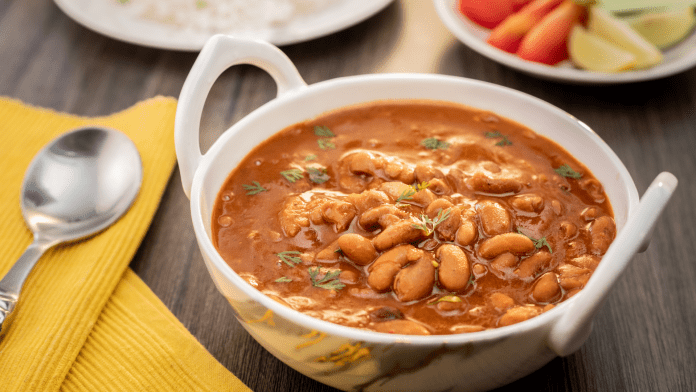
Rajma, a popular Indian dish made with kidney beans, is a delightful culinary experience loved by many. However, what many people may not be aware of is the potential health risks associated with improperly cooked kidney beans. These legumes contain a natural toxin called lectin, specifically phytohaemagglutinin, which can lead to food poisoning if not prepared correctly. In this article, we will explore the secrets to safely preparing kidney beans, ensuring that your favorite rajma recipe doesn’t put your health at risk.
Understanding Kidney Bean Toxicity:
The Role of Lectin: Kidney beans contain a high concentration of lectin, a naturally occurring protein that acts as a defense mechanism against pests. However, lectin is toxic to humans and can cause severe gastrointestinal distress if consumed in large amounts.
Phytohaemagglutinin: Phytohaemagglutinin is the specific type of lectin found in kidney beans. It is responsible for the majority of the toxic effects associated with undercooked or improperly prepared kidney beans.
Symptoms of Kidney Bean Poisoning: Consumption of raw or undercooked kidney beans can lead to symptoms such as nausea, vomiting, abdominal pain, diarrhea, and in severe cases, dehydration and hospitalization.
Preparing Kidney Beans Safely:
Soaking: Soaking kidney beans in water for an extended period before cooking is essential. This process helps to reduce lectin content and improve digestibility. Soak the beans overnight or for at least 8-12 hours.
Discarding Soaking Water: After soaking, it is crucial to discard the soaking water. This water may contain some of the leached-out toxins, including lectin, so it should not be used for cooking or consumed.
Boiling: Boiling kidney beans is the most effective method for eliminating lectin and reducing the risk of toxicity. Ensure that the beans are adequately submerged in water and boil them for at least 10 minutes to destroy any remaining toxins.
Use of Pressure Cookers: Pressure cookers can be a convenient and efficient way to cook kidney beans. They help in further reducing the lectin content and shorten the cooking time. Follow the manufacturer’s instructions for cooking times and settings.
Proper Cooking Time: It is crucial to cook kidney beans thoroughly until they are soft and tender. Undercooked beans may still contain harmful toxins. The cooking time can vary depending on the size and freshness of the beans, but generally, it takes around 30-45 minutes.
Avoid Slow Cookers and Crockpots: Slow cookers and crockpots may not reach the high temperatures necessary to destroy lectin adequately. It is advisable to use boiling or pressure cooking methods for kidney beans instead.
Checking for Doneness: To ensure the beans are fully cooked, check for tenderness by pressing them between your fingers. They should easily mash without resistance.
Be Mindful of Cross-Contamination: Proper hygiene practices should be followed while handling kidney beans. Avoid cross-contamination with other foods, especially those that will be consumed raw, as it can lead to foodborne illnesses.
Additional Precautions and Tips:
Purchasing Fresh and High-Quality Kidney Beans: Choose fresh, undamaged kidney beans from reliable sources. Old or damaged beans may take longer to cook and may have a higher toxin content.
Variety Matters: Different varieties of kidney beans may have varying levels of lectin content. Darker red kidney beans tend to have higher levels of lectin compared to lighter-colored ones. Consider this when selecting the beans for your recipe.
Moderation is Key: While properly prepared kidney beans can be enjoyed safely, it is still advisable to consume them in moderation. Excessive consumption can potentially lead to lectin-related health issues, especially for individuals with pre-existing digestive conditions.
Alternative Cooking Methods: If you prefer to minimize lectin content even further, consider sprouting, fermenting, or using canned kidney beans. These methods can help reduce lectin levels, but they may alter the texture and flavor of the beans.
Storage and Reheating: Proper storage of cooked kidney beans is crucial to prevent bacterial growth. Refrigerate them promptly and consume within a couple of days. When reheating, ensure that the beans are heated thoroughly to avoid any potential bacterial contamination.
Final Thoughts:
Enjoying a delicious rajma recipe can be a delightful experience, but it is essential to prioritize safety when preparing kidney beans. By following the secrets shared in this article, you can minimize the risk of kidney bean toxicity and its associated symptoms. Soaking the beans, discarding the soaking water, boiling or pressure cooking, and ensuring thorough cooking are all vital steps to eliminate lectin and make kidney beans safe for consumption. It is equally important to practice proper hygiene, select fresh beans, and consume kidney beans in moderation. By implementing these precautions and tips, you can confidently prepare rajma and other kidney bean dishes, knowing that you have prioritized both flavor and safety in your culinary endeavors.
Mumbai, the vibrant city that never sleeps, is known for its bustling nightlife and diverse party scene. With a plethora of trendy bars, the city offers an array of options for those seeking an epic evening out. From chic rooftop lounges to quirky themed bars, Mumbai has it all. In this article, we will explore the top 10 trendiest bars in the city that guarantee a memorable and exhilarating experience. So get ready to dive into the electrifying ambiance, enjoy handcrafted cocktails, and dance the night away at these extraordinary destinations!
1. The Ghetto:
Located in the heart of Mumbai’s Bandra neighborhood, The Ghetto tops our list of trendiest bars. This iconic venue combines rustic charm with a vibrant atmosphere. With its graffiti-covered walls, funky interiors, and an eclectic playlist, The Ghetto attracts a young and hip crowd. Sip on their signature cocktails, like the famous “Ghetto Love,” and groove to the beats of live music performances. Don’t miss their delicious fusion cuisine, which perfectly complements the energetic vibe of the bar.
2. Aer:
Perched atop the Four Seasons Hotel in Worli, Aer offers a breathtaking panoramic view of the Mumbai skyline. This upscale rooftop bar is known for its sophisticated ambiance and elegant décor. Enjoy a curated selection of premium spirits and indulge in delectable global cuisine while taking in the mesmerizing sunset views. Aer also hosts exclusive events featuring renowned DJs, making it a favorite spot among the city’s elite party-goers.
3. Olive Bar and Kitchen:
Nestled in the trendy suburb of Khar, Olive Bar and Kitchen is a Mediterranean-inspired oasis. Known for its chic and relaxed ambiance, this bar offers a delightful culinary experience with its fusion of Mediterranean and European flavors. The lush outdoor seating area, adorned with fairy lights and olive trees, creates an enchanting atmosphere for a laid-back evening. Olive Bar and Kitchen also hosts live music performances, making it an ideal spot for a memorable night out with friends.
4. Trilogy:
Located in Juhu, Trilogy is a popular destination for party enthusiasts. With its three distinct sections – a lounge, a nightclub, and an open-air terrace, Trilogy offers a versatile space for different moods and occasions. The bar boasts state-of-the-art sound systems, stunning lighting effects, and world-class DJs, ensuring an unforgettable clubbing experience. Dance the night away on the pulsating beats, enjoy creative cocktails, and soak in the lively atmosphere that makes Trilogy a go-to spot for Mumbai’s party animals.
5. Toto’s Garage:
Toto’s Garage, located in Bandra, is a quirky and unconventional bar that captures the essence of Mumbai’s retro culture. Designed to resemble a garage, this offbeat establishment features vintage automobile-themed décor, including classic cars and auto parts. The vibrant ambience, along with its affordable prices, makes Toto’s Garage a favorite among young locals and tourists alike. Enjoy their extensive selection of beers, play a game of pool, and relish the nostalgic vibe of this one-of-a-kind bar.
6. Matahaari:
For a touch of luxury and glamour, head to Matahaari, an opulent bar and lounge in Lower Parel. Inspired by the legendary Mata Hari, this venue exudes elegance with its plush interiors, dim lighting, and a spacious dance floor. Matahaari hosts renowned DJs and live performances, offering an unforgettable nightlife experience. Indulge in their exquisite cocktails and fusion cuisine while immersing yourself in the enchanting ambiance of this high-end bar.
7. Bonobo:
Situated in the bustling suburb of Bandra, Bonobo is a popular haunt for Mumbai’s music and art lovers. This artsy bar features a vibrant décor with quirky wall art, cozy seating, and a stage for live music performances. Bonobo hosts a range of events, including open mic nights, poetry slams, and gigs by indie bands, making it a hub for emerging talent. With its relaxed atmosphere, extensive cocktail menu, and diverse crowd, Bonobo is a must-visit destination for an eclectic and entertaining evening.
8. Asilo:
Located on the 40th floor of the St. Regis Hotel in Lower Parel, Asilo offers a luxurious rooftop experience like no other. This stylish and upscale bar provides panoramic views of the city skyline, creating a stunning backdrop for a glamorous night out. Asilo features an infinity pool, plush seating, and a sophisticated ambiance. Savor their signature cocktails crafted by expert mixologists and indulge in delectable global cuisine. The venue also hosts exclusive events, including celebrity parties and fashion shows, ensuring an extraordinary evening for its discerning clientele.
9. Raasta:
Bringing the vibrant spirit of Jamaica to Mumbai, Raasta is a popular bar and lounge in Khar. Known for its reggae music, lively atmosphere, and tropical-themed décor, this bar provides a unique experience for party-goers. Raasta hosts live performances by local bands and international artists, showcasing a diverse range of musical genres. Sip on their signature cocktails, like the “Reggae Rhapsody,” and enjoy a fusion menu inspired by Caribbean flavors. The energetic vibe and friendly crowd make Raasta a go-to spot for an enjoyable and unforgettable night.
10. Playboy Club:
The Playboy Club in Worli offers a lavish and indulgent nightlife experience. This high-end venue combines opulence with a seductive ambiance, featuring plush interiors, dazzling chandeliers, and an extensive bar menu. The Playboy Club hosts exclusive events, celebrity appearances, and world-class DJs, making it a favorite among Mumbai’s elite. Enjoy their premium selection of wines and spirits, revel in the luxurious atmosphere, and dance the night away at one of the city’s most glamorous destinations.
Final Thoughts:
Mumbai’s nightlife scene is thriving, and these top 10 trendiest bars exemplify the city’s dynamic and diverse party culture. From the quirky and offbeat to the luxurious and glamorous, each bar offers a unique experience to suit different tastes and preferences. Whether you’re looking for a laid-back evening with friends or an exhilarating night of dancing and entertainment, these bars guarantee an epic experience that will leave you with unforgettable memories. So, immerse yourself in the vibrant ambiance, indulge in tantalizing cocktails, and let loose on the dance floor at Mumbai’s trendiest bars. Get ready to party like never before!
In today’s fast-paced world, juggling a demanding job with personal responsibilities can leave little time for cooking healthy and delicious meals, especially for office-going singles. However, with the right strategies and time-saving hacks, it is possible to master the art of quick and easy cooking. By planning ahead and implementing efficient techniques, you can save time and still enjoy nutritious meals throughout the week. In this article, we will explore various tips and tricks that will help office-going singles streamline their cooking process, making it easier to maintain a healthy lifestyle without compromising on taste or nutrition.
Meal Planning and Preparation:
Plan your meals for the week: Take some time over the weekend to plan your meals for the upcoming week. This will help you avoid last-minute decisions and ensure you have all the necessary ingredients on hand.
Make a grocery list: Based on your meal plan, create a comprehensive grocery list. Stick to the list while shopping to minimize impulse buys and save time.
Pre-chop and store ingredients: Dedicate some time to pre-chop vegetables and store them in airtight containers or resealable bags. This way, when it’s time to cook, you can simply grab the pre-prepped ingredients, reducing preparation time significantly.
Cook in batches: Prepare large batches of staple ingredients such as rice, quinoa, or grilled chicken on weekends. These can be portioned and stored in the refrigerator or freezer, ready to be used throughout the week.
Quick and Easy Cooking Techniques:
One-pot meals: Opt for recipes that require minimal cleanup by cooking everything in a single pot or pan. Stir-fries, skillet meals, and pasta dishes are excellent choices that save both time and effort.
Sheet pan dinners: Sheet pan dinners are a lifesaver for busy individuals. Simply arrange protein, vegetables, and seasoning on a baking sheet and let the oven do the work. It’s a hands-off approach that yields delicious and hassle-free meals.
Slow cooker or Instant Pot meals: Invest in a slow cooker or Instant Pot to simplify your cooking process. These appliances allow you to toss ingredients together, set the timer, and come home to a fully cooked meal. They are perfect for making stews, soups, and tender meats.
Pre-marinated proteins: Save time by purchasing pre-marinated proteins such as marinated chicken breasts or pre-seasoned fish fillets. These are readily available at grocery stores and can be quickly cooked for a flavorful and effortless meal.
Utilize pre-packaged ingredients: While fresh is always best, pre-packaged ingredients like pre-washed salad greens, pre-cut fruits, or frozen vegetables can be a convenient and time-saving option. They retain most of their nutritional value and can be used in various recipes.
Quick cooking techniques: Explore quick cooking techniques like stir-frying, sautéing, or steaming, which require less time compared to other methods like roasting or braising. These methods also help retain the nutrients and flavors of the ingredients.
Make-ahead and Portable Meals:
Meal prepping on weekends: Dedicate a few hours on the weekends to prepare meals in advance. Cook large batches of dishes like casseroles, lasagnas, or grain bowls, portion them out, and store them in individual containers. This way, you can simply grab a pre-prepped meal and reheat it during busy weekdays.
Mason jar salads: Mason jar salads are a trendy and practical option for office lunches. Layer your favorite ingredients in a jar, starting with the dressing at the bottom, followed by vegetables, protein, and greens on top. When it’s time to eat, simply shake the jar to distribute the dressing.
Freezer-friendly meals: Prepare freezer-friendly meals like soups, stews, or chili, and store them in individual portions in the freezer. These can be thawed and reheated whenever you need a quick meal, eliminating the need for takeout.
Portable snacks: Stock up on portable and nutritious snacks like nuts, granola bars, or fresh fruits. These items can be easily carried to the office or enjoyed on the go, preventing unhealthy snacking and providing a quick energy boost.
Final Thoughts:
Mastering the art of quick and easy cooking as an office-going single is a valuable skill that can save time, money, and effort. By implementing meal planning and preparation, utilizing quick cooking techniques, and preparing make-ahead and portable meals, you can ensure that you have delicious and nutritious food throughout the week without spending hours in the kitchen. With these time-saving hacks, you can take control of your meals and maintain a healthy lifestyle, even with a hectic schedule. Remember, practice makes perfect, so don’t be discouraged if it takes a few tries to find the right rhythm. Once you have established a routine and explored various quick and easy recipes, you will become more efficient in the kitchen and enjoy the benefits of homemade meals. So, get ready to embrace the joy of cooking, even on the busiest of days, and savor the satisfaction of nourishing yourself with wholesome food.
When it comes to homemade pizza, the cheese you choose can make all the difference. While mozzarella is the classic choice, there is a whole world of delicious cheeses waiting to elevate your pizza game. From creamy and mild to bold and tangy, these 10 must-try cheeses will take your homemade pizza to new heights. So, get ready to embark on a cheesy adventure and discover the perfect cheese for your next pizza masterpiece!
Mozzarella:
We can’t talk about pizza without mentioning the classic mozzarella cheese. Its mild and creamy flavor, along with its ability to melt into a gooey, stretchy consistency, makes it the ideal cheese for pizza. Whether you opt for fresh mozzarella or the low-moisture version, this cheese will give your pizza a perfect base of cheesy goodness.
Parmigiano-Reggiano:
Known as the “King of Cheeses,” Parmigiano-Reggiano adds a rich and nutty flavor to your pizza. Grate it over the top of your pizza before or after baking for an intense burst of flavor. Its granular texture and umami notes make it a wonderful addition to any pizza combination.
Gouda:
For a slightly smoky and sweet flavor, try Gouda cheese on your pizza. This Dutch cheese melts beautifully and adds a creamy and indulgent element to your pizza. Pair it with ingredients like caramelized onions, bacon, or roasted vegetables for a delightful combination of flavors.
Fontina:
Fontina cheese hails from Italy and boasts a nutty and buttery taste. It melts exceptionally well, creating a luscious layer of cheesy goodness on your pizza. Its flavor is mild yet distinctive, making it a versatile choice that complements both traditional and unique pizza toppings.
Goat Cheese:
If you’re looking to add a tangy and creamy element to your pizza, goat cheese is the way to go. Its distinct flavor profile provides a delightful contrast to other ingredients. Crumble it over your pizza or use it as a base cheese, paired with ingredients like roasted red peppers, arugula, or caramelized onions, for a gourmet twist.
Blue Cheese:
For those who love bold and assertive flavors, blue cheese adds a unique and pungent taste to your pizza. Its crumbly texture and sharp, tangy notes create a taste sensation that pairs wonderfully with toppings like caramelized pears, walnuts, or prosciutto. Use it sparingly to let its robust flavor shine.
Ricotta:
Ricotta cheese brings a creamy and delicate touch to your pizza. Its light and fluffy texture makes it an excellent choice as a dollop on top of your pizza or as a base cheese for a white pizza. Pair it with fresh herbs, cherry tomatoes, or even a drizzle of honey for a delightful combination of flavors.
Cheddar:
Cheddar cheese may be a surprising choice for pizza, but its sharp and bold flavor can add a unique twist to your creations. Opt for aged or extra-sharp cheddar for a more pronounced taste. It pairs well with ingredients like caramelized onions, barbecue sauce, or even apple slices for a sweet and savory combination.
Feta:
For a taste of the Mediterranean, feta cheese is a must-try on your pizza. Its crumbly texture and salty tang bring a burst of flavor to your pie. Combine it with ingredients like olives, sun-dried tomatoes, spinach, and a drizzle of olive oil for a Greek-inspired delight.
Burrata:
Last but certainly not least, burrata cheese isa luxurious and indulgent choice for your pizza. This Italian cheese features a creamy and buttery center surrounded by a delicate mozzarella shell. Slice the burrata and place it on top of your pizza after it comes out of the oven to experience the ultimate melty and rich cheese experience. Pair it with fresh basil, cherry tomatoes, and a drizzle of balsamic glaze for a mouthwatering combination.
Final Thoughts:
From classic mozzarella to exotic burrata, these 10 must-try cheeses will take your homemade pizza to new heights of flavor and deliciousness. Experiment with different combinations, whether it’s the nutty notes of Parmigiano-Reggiano, the tangy creaminess of goat cheese, or the boldness of blue cheese. Each cheese brings its unique character and enhances the overall pizza experience. So, stock up your pantry with these diverse cheeses and let your culinary creativity soar as you craft homemade pizzas that will impress your family and friends. Get ready to elevate your pizza game and indulge in the cheesy delight that awaits you!
Bengaluru, often referred to as the “Silicon Valley of India,” is a bustling city known for its IT industry, vibrant culture, and lively atmosphere. Amidst the hustle and bustle of this cosmopolitan city, one can find solace and tranquility in its numerous charming cafes. These cafes offer a perfect escape from the daily grind, providing a serene environment, delectable food, and a dreamy ambiance. In this article, we will explore some of Bengaluru’s must-visit cafes that will transport you to a world of relaxation and indulgence.
Blossom Book House Cafe:
Nestled in Church Street, Blossom Book House Cafe is a haven for book lovers. This charming café is an extension of the renowned Blossom Book House, which is known for its extensive collection of books. The café offers a cozy setting with comfortable seating, dim lighting, and shelves filled with books. Sip on a cup of aromatic coffee while flipping through the pages of your favorite novel or engage in stimulating conversations with fellow book enthusiasts. The cafe also serves delicious snacks and desserts, making it an ideal spot for spending a lazy afternoon.
Infinitea:
For tea aficionados, Infinitea is a paradise that cannot be missed. Located in Cunningham Road, this tea room offers an extensive range of teas from around the world. The cafe boasts an elegant and serene ambiance, with soft music and soothing lighting. The menu features a variety of teas, including classics like Darjeeling and Assam, as well as exotic blends such as Moroccan Mint and Japanese Sencha. Pair your tea with delectable scones, sandwiches, or pastries for a truly delightful experience.
The Ants Cafe & Store:
Tucked away in Indiranagar, The Ants Cafe & Store is a hidden gem that combines a café, boutique, and art gallery all in one. Step into this whimsical space adorned with vibrant artwork and quirky decor. The cafe offers a menu that caters to diverse palates, with options ranging from Continental dishes to Indian delicacies. Indulge in their lip-smacking breakfast options, such as fluffy pancakes or hearty omelets, or opt for their lunch specials that include flavorful pasta and sandwiches. After your meal, explore the boutique section where you can find unique handmade products and artworks to take home as souvenirs.
Vidyarthi Bhavan:
No list of Bengaluru’s cafes is complete without mentioning Vidyarthi Bhavan, an iconic eatery located in Basavanagudi. This legendary establishment has been serving its signature South Indian delicacies since 1943. Step into the café and you’ll be transported back in time with its old-world charm and nostalgic ambiance. The must-try dish here is the masala dosa, a crispy rice and lentil crepe filled with a spicy potato mixture. Pair it with a cup of filter coffee, and you’ll have a taste of the authentic flavors that Bengaluru is famous for.
Cafe Thulp:
If you’re in the mood for some comfort food and a laid-back atmosphere, head over to Cafe Thulp in Koramangala. Known for its delicious burgers and fries, this café offers a casual dining experience with a funky vibe. The menu features an array of juicy burgers, ranging from classic beef patties to vegetarian and vegan options. Indulge in their loaded fries or nachos for a satisfying meal. The café also serves refreshing beverages, including milkshakes and mocktails, to quench your thirst.
The Hole in the Wall Cafe:
Located in Koramangala, The Hole in the Wall Cafe is a charming spot that offers a rustic and cozy ambiance. The café is known for its scrumptious breakfast options, with dishes like fluffy pancakes, eggs benedict, and freshly baked pastries. The outdoor seating area, surrounded by lush greenery, provides a peaceful setting to enjoy your meal. With its warm hospitality and delectable food, this café is perfect for a leisurely weekend brunch with friends or loved ones.
CTR – Malleshwaram:
For authentic and mouthwatering local cuisine, CTR (Central Tiffin Room) in Malleshwaram is a must-visit. This iconic eatery has been serving delectable breakfast items since 1920. The café is known for its crispy benne masala dosa, a variation of the traditional masala dosa cooked in butter. The flavors and textures of the dosa, coupled with the aromatic chutneys and sambar, make it an absolute delight. Join the locals in savoring this culinary masterpiece and experience the rich heritage of Bengaluru’s food culture.
Cafe Coffee Day – The Square:
Cafe Coffee Day, a well-known chain in India, has a special outlet in Vittal Mallya Road called The Square. This branch stands out for its unique design and serene atmosphere. With its spacious interiors, comfortable seating, and an outdoor garden area, it offers a perfect retreat from the city’s chaos. Indulge in a variety of coffee options, from classic cappuccinos to trendy cold brews, and pair them with a selection of snacks and desserts. The café also hosts live music performances and art exhibitions, adding to its charm.
Third Wave Coffee Roasters:
Coffee enthusiasts should make their way to Third Wave Coffee Roasters in Koramangala. This specialty coffee roastery and café aims to provide a holistic coffee experience, from sourcing high-quality beans to brewing the perfect cup. The café boasts a minimalist design, with an open layout that allows customers to witness the coffee brewing process. Savor their handcrafted pour-over coffee or espresso-based drinks, each made with precision and expertise. The knowledgeable staff is always ready to guide you through the different flavors and aromas of their coffee offerings.
Social Offline:
For those seeking a vibrant and energetic café experience, Social Offline in Church Street is the place to be. This trendy café combines the concept of a coworking space, a restaurant, and a bar. With its eclectic decor, vibrant murals, and lively music, it creates an inviting ambiance for people to work, socialize, and relax. Enjoy their fusion cuisine, including dishes like Butter Chicken Biryani and Chilli Pork Ribs, paired with refreshing cocktails or craft beers. Social Offline also hosts various events and live performances, making it a popular hub for the city’s creative community.
Final Thoughts:
Bengaluru’s café scene offers a diverse range of options for a dreamy weekend escape. Whether you’re a bookworm, a tea connoisseur, a food lover, or a coffee enthusiast, there’s a café in Bengaluru that will cater to your preferences. These cafes not only provide a cozy and relaxed environment but also tantalize your taste buds with their delightful food and beverages. So, the next time you’re in Bengaluru and in need of a tranquil getaway, make sure to visit these must-visit cafes and embark on a journey of flavors, aromas, and ambiance.
As the monsoon season sweeps across the city, there is a sense of tranquility and rejuvenation in the air. What better way to enjoy the July rains than by indulging in a cozy cafe experience? Hauz Khas, a vibrant and historic neighborhood in Delhi, offers a plethora of charming cafes where you can escape the downpour and find solace in the warm ambiance, delectable treats, and aromatic beverages. In this article, we will guide you through the ten coziest cafes near Hauz Khas that are perfect for a rainy day getaway. So, grab your umbrella and embark on a delightful journey of sipping, relaxing, and repeating!
1. The Mad Teapot:
Tucked away in the narrow lanes of Hauz Khas Village, The Mad Teapot welcomes you with its whimsical charm. The cafe’s cozy interior, adorned with vintage teapots and knick-knacks, instantly transports you to a bygone era. Their extensive tea menu boasts an array of flavors from around the world, allowing you to savor each sip amidst the gentle pitter-patter of raindrops. Pair your tea with their scrumptious scones or delicious sandwiches for a complete experience. The Mad Teapot is the ideal spot for book lovers and anyone seeking a serene ambiance to unwind.
2. Amour bistro:
Located within the picturesque Deer Park, Amour bistro offers a serene retreat from the bustling city life. This French-inspired cafe exudes elegance and coziness, with its rustic decor, dim lighting, and comfortable seating. Their menu features a fusion of European and Indian flavors, ranging from crepes and quiches to delectable curries. Sit by the large windows overlooking the lush greenery, and enjoy the soothing sound of raindrops while sipping on their signature hot chocolate or a steaming cup of coffee. Amour bistro provides a tranquil setting to indulge in soulful conversations or simply immerse yourself in a good book.
3. Coast Cafe:
For a coastal escape amidst the rainy weather, head to Coast Cafe. Nestled near Hauz Khas Lake, this vibrant cafe offers a vibrant ambiance inspired by beach shacks. The colorful interiors, adorned with surfboards and beach-themed decor, instantly uplift your mood. Their menu boasts a delectable range of coastal delicacies, including fresh seafood, tangy salads, and refreshing mocktails. Whether you opt for a cozy corner inside or a breezy spot on the outdoor patio, Coast Cafe provides a unique and lively atmosphere that makes you forget about the rain outside.
4. Kunzum Travel Cafe:
If you have a love for travel and storytelling, Kunzum Travel Cafe is a must-visit. This one-of-a-kind cafe doubles as a traveler’s hub, where you can connect with fellow explorers and share your adventures. The cozy seating arrangements, adorned with travel photographs and maps, create an immersive experience. While sipping on their signature ginger lemon tea or indulging in freshly brewed coffee, you can peruse their extensive collection of travel books and plan your next escapade. The friendly staff and welcoming ambiance make Kunzum Travel Cafe a perfect haven for rainy day reflections and wanderlust.
5. Elma’s Bakery, Bar, and Kitchen:
Step into Elma’s Bakery, Bar, and Kitchen, and you’ll instantly feel like you’ve entered a Victorian-era tea room. This charming cafe, located in the heart of Hauz Khas Village, is renowned for its vintage decor, delectable bakery items, and delightful afternoon tea experience. The cozy nooks, floral wallpaper, and soft lighting create an enchanting ambiance. Indulge in their freshly baked cakes, pastries, and pies while sipping on a fragrant cup of tea. Whether you’re seeking solace alone or catching up with friends, Elma’s provides a warm and inviting space to spend a rainy day.
6. Social Offline:
Blending the concepts of a cafe, coworking space, and bar, Social Offline offers a unique and lively experience. Located in Hauz Khas Village, this urban hangout is known for its quirky decor, vibrant atmosphere, and an extensive menu of comfort food and innovative drinks. The cozy seating arrangements and the captivating wall art make it a perfect spot to curl up with a book or engage in a lively conversation. Social Offline hosts various events and live performances, adding an extra dash of excitement to your rainy day getaway.
7. Yeti-The Himalayan Kitchen:
Escape to the mystical land of the Himalayas without leaving Hauz Khas at Yeti-The Himalayan Kitchen. This cozy cafe offers an authentic taste of the region’s cuisine amidst a rustic setting. The warm and earthy interiors, adorned with traditional artifacts, create an inviting atmosphere. Enjoy a steaming bowl of thukpa or momos while gazing out at the rain through the large windows. The friendly staff and soulful music transport you to the serene mountains, making Yeti-The Himalayan Kitchen an ideal refuge on a rainy day.
8. The Grammar Room:
Located in the creative hub of Mehrauli, The Grammar Room is a cozy and charming cafe that caters to the artistic crowd. The minimalistic yet artsy decor, adorned with wall murals and contemporary artwork, adds to the cafe’s allure. The menu offers a delightful mix of healthy and indulgent dishes, accompanied by a selection of artisanal beverages. Whether you choose to sit indoors or on the quaint outdoor patio, The Grammar Room provides a cozy and inspiring setting to relax, indulge in a comforting meal, and enjoy the rain-soaked atmosphere.
9. Jugmug Thela:
For a unique cafe experience, head to Jugmug Thela, a quaint roadside stall turned into a cozy space for tea and conversations. Located near Hauz Khas Village, this charming cafe welcomes you with its vibrant colors, rustic decor, and a soothing ambiance. The menu boasts a wide range of organic teas, coffees, and delectable snacks, all crafted with love and care. Sip on their aromatic chai or try their specialty iced teas while enjoying the gentle rain outside. Jugmug Thela’s laid-back vibe and friendly staff create a homely atmosphere, perfect for spending a lazy afternoon in the company of friends or a good book.
10. The Rose Cafe:
End your rainy day cafe-hopping journey with a visit to The Rose Cafe, a quaint and enchanting spot in Saidulajab, near Hauz Khas. The pastel-colored exterior, fairy lights, and vintage decor evoke a dreamy atmosphere. Step inside to find cozy seating arrangements surrounded by blooming flowers and delicate china teacups. The cafe offers an extensive menu featuring delectable bakery items, refreshing beverages, and hearty meals. Indulge in their signature rose-infused desserts and pair them with a fragrant cup of tea. The Rose Cafe’s romantic and cozy setting makes it a perfect retreat to savor the rainy season.
Final Thoughts:
Hauz Khas and its surrounding neighborhoods offer a treasure trove of cozy cafes that provide respite from the rain and a charming ambiance to unwind. Fromwhimsical tea houses to coastal retreats, traveler’s havens to Victorian-inspired tea rooms, Hauz Khas has something to cater to every taste and preference. These ten cafes not only offer delectable treats and aromatic beverages but also provide a cozy and inviting atmosphere where you can escape the hustle and bustle of city life and immerse yourself in a tranquil rainy day getaway.
So, the next time the raindrops fall, embrace the opportunity to explore the coziest cafes near Hauz Khas. Sip on your favorite beverage, relax in a comfortable corner, and repeat the experience as you discover the charm and warmth each cafe has to offer. Let the rain provide the perfect backdrop as you create beautiful memories, engage in meaningful conversations, or simply revel in your own company. The cozy cafes of Hauz Khas are waiting to embrace you with open arms, offering a sanctuary of comfort and relaxation amidst the July rains.
Gin, with its rich history and diverse flavors, has become a beloved spirit among cocktail enthusiasts worldwide. While garnishes like citrus peels and herbs often steal the spotlight, a simple yet powerful ingredient is waiting to be discovered: cinnamon sticks. In this article, we will explore the remarkable impact cinnamon sticks can have on enhancing the flavor profile of gin. Whether you’re a gin aficionado or an aspiring mixologist, this exploration of the marriage between gin and cinnamon will undoubtedly elevate your drinking experience.
The Allure of Gin:
Before we delve into the world of cinnamon-infused gin, let us briefly appreciate the allure of gin itself. Gin’s distinct flavor is derived from juniper berries, but its versatility allows for a wide range of botanicals and herbs to be incorporated during production, resulting in a plethora of styles and flavors. This inherent flexibility has led to an explosion of creativity in the gin industry, making it a spirit with endless possibilities for exploration.
Unleashing the Power of Cinnamon:
Cinnamon, a beloved spice with a warm and aromatic nature, holds immense potential to elevate the complexity of gin. The natural sweetness, earthy notes, and gentle spice of cinnamon complement the botanical profile of gin, adding depth and character to its taste. Infusing gin with cinnamon sticks imparts a subtle warmth and complexity that harmonizes beautifully with the juniper base.
Infusion Techniques:
Infusing gin with cinnamon sticks is a relatively straightforward process that can be customized according to individual preferences. There are two primary techniques for cinnamon infusion: maceration and vapor infusion. In maceration, cinnamon sticks are added directly to the gin and left to steep for a specific period, allowing the flavors to meld. On the other hand, vapor infusion involves suspending cinnamon sticks above the heated gin, allowing the vapor to pass through and capture the aromatic essence of the spice. Both methods yield exceptional results, and the choice between them depends on the desired intensity and balance of flavors.
The Art of Mixology:
Now that we have explored the wonders of cinnamon-infused gin, let’s venture into the realm of mixology. Cinnamon’s versatility shines in a variety of classic and innovative gin-based cocktails. For instance, a Cinnamon Gin Sour combines the tanginess of citrus with the warmth of cinnamon, creating a refreshing and balanced drink. Similarly, a Cinnamon Negroni adds a delightful twist to the iconic cocktail, infusing it with a subtle sweetness and spice. The possibilities for creating unique, cinnamon-infused gin cocktails are limited only by your imagination.
Pairing Cinnamon-Infused Gin:
Cinnamon-infused gin extends its influence beyond cocktails. It can elevate the experience of savoring gin neat or on the rocks. The complexity and depth brought by cinnamon transform a simple gin tasting into an adventure for the senses. The warm, spiced notes of cinnamon pair exceptionally well with dark chocolate, enhancing the richness and creating a harmonious balance. Additionally, cinnamon-infused gin can serve as an excellent base for infused syrups and bitters, allowing for further experimentation and creativity.
Final Thoughts:
In the world of gin, where experimentation is celebrated, cinnamon sticks stand as an often overlooked yet invaluable ingredient. Their ability to enhance the depth and complexity of gin’s flavor profile is truly remarkable. By infusing gin with cinnamon, both at home and by exploring commercially available options, you can unlock a world of tantalizing possibilities. So, the next time you raise a glass of gin, consider reaching for a cinnamon stick to embark on a journey of taste and sensory delight. Cheers to the magic of cinnamon-infused gin!
Ice cream is a timeless treat that brings joy to people of all ages. The delightful combination of flavors, textures, and colors makes it an excellent canvas for creative expression. When it comes to children, ice cream not only satisfies their sweet tooth but also ignites their imagination. Engaging kids in DIY ice cream projects can be a fantastic way to bond, create lasting memories, and enhance their creativity. In this article, we will explore some exciting and easy-to-make ice cream masterpieces that will take your love for ice cream and your time with kids to new heights.
Ice Cream Sundae Bar:
Setting up an ice cream sundae bar is an interactive and customizable way to unleash creativity. Start by gathering a variety of ice cream flavors, toppings, sauces, and garnishes. Provide colorful bowls or cones and let the children choose their base. Encourage them to mix and match flavors, creating their own signature sundaes. Toppings can include classics like sprinkles, chocolate chips, crushed cookies, and fresh fruits. For an extra touch, offer homemade whipped cream and cherry toppings. This activity allows kids to experiment with different flavor combinations, encouraging their culinary creativity.
Homemade Ice Cream Sandwiches:
Making homemade ice cream sandwiches is a fun and delicious project that kids will love. Begin by baking a batch of cookies of your choice – chocolate chip, sugar, or oatmeal, for example. Once the cookies are cooled, scoop out a generous portion of ice cream onto the bottom side of one cookie, and place another cookie on top, creating a sandwich. Roll the sides of the sandwich in sprinkles, mini chocolate chips, or crushed nuts for added flair. Place the sandwiches in the freezer until they are firm. Homemade ice cream sandwiches allow children to explore different cookie flavors and ice cream combinations, fostering their culinary skills.
Rainbow Ice Cream Popsicles:
Rainbow ice cream popsicles are a visually stunning and vibrant treat that will captivate kids. To create these delightful popsicles, you’ll need an assortment of different-colored ice creams or sorbets. Begin by layering one color at a time into popsicle molds, allowing each layer to freeze before adding the next. Use a small spoon to help spread and smooth out each layer. Once all the layers are frozen, remove the popsicles from the molds and enjoy the beautiful rainbow effect. The process of creating these popsicles will teach children about patience, color blending, and the art of presentation.
Ice Cream Cone Cupcakes:
Transforming cupcakes into ice cream cones is a clever and playful twist that kids will adore. Bake a batch of cupcakes and let them cool completely. Prepare frosting in various colors and textures to resemble different ice cream flavors. Fill a piping bag with the frosting and use a star tip to create a swirl on top of each cupcake, mimicking a soft-serve ice cream cone. Place a sugar cone upside down on each cupcake to complete the illusion. The result is a delightful treat that combines the best of cupcakes and ice cream, perfect for birthday parties or special occasions.
Final Thoughts:
Engaging children in DIY ice cream masterpieces opens up a world of imagination, creativity, and fun. From building personalized sundaes to crafting colorful popsicles and transforming cupcakes into ice cream cones, these activities provide endless opportunities for quality time with kids. Creating these delightful treats together not only strengthens the bond between parents or caregivers and children but also helps foster skills such as decision-making, patience, and artistic expression. So, the next time you’re looking to whisk your love with kids to new heights, grab your favorite ice cream flavors, unleash your creativity, and embark on a journey of ice cream masterpieces that will leave everyone with smiles and memories that will last a lifetime.
As we age, it becomes increasingly important to pay attention to our dietary choices and ensure that we are consuming nutrient-rich foods that support our overall health and well-being. Among the many options available, moong dal chilla with a twist of lauki (bottle gourd) emerges as an excellent choice for seniors. Moong dal chilla is a savory pancake made from split green gram lentils, and when combined with the goodness of lauki, it becomes a power-packed meal for the elderly. This article explores the various reasons why moong dal chilla with a twist of lauki is the perfect food for seniors, highlighting its nutritional benefits, ease of digestion, versatility, and potential impact on age-related health concerns.
Nutritional Benefits:
Moong dal chilla with lauki offers a wide range of essential nutrients that are beneficial for seniors. Moong dal is rich in protein, which is essential for maintaining muscle mass, supporting immune function, and promoting tissue repair. It also provides dietary fiber, which aids in digestion, regulates blood sugar levels, and helps prevent constipation, a common concern among older adults.
Additionally, moong dal is a good source of B vitamins, including folate, thiamine, and niacin, which are vital for maintaining cognitive function, supporting a healthy nervous system, and preventing age-related cognitive decline. These B vitamins also contribute to energy production and metabolism, reducing fatigue and increasing vitality.
Lauki, or bottle gourd, is a low-calorie vegetable that offers numerous health benefits. It is rich in antioxidants, such as vitamin C and beta-carotene, which protect cells from oxidative damage and boost the immune system. The high water content of lauki helps maintain hydration and aids in weight management. It also contains dietary fiber, which aids in digestion, reduces cholesterol levels, and promotes heart health.
Ease of Digestion:
Digestive issues often become more prevalent with age due to factors such as reduced stomach acid production and slower digestion. Moong dal chilla with lauki is a light and easily digestible food option that can alleviate digestive discomfort in seniors. The combination of moong dal and lauki provides ample fiber content, which promotes regular bowel movements, prevents constipation, and supports a healthy gut microbiome.
Furthermore, moong dal chilla is made by grinding the lentils into a batter, eliminating the need for excessive chewing. This is particularly beneficial for seniors with dental issues or those who have difficulty chewing tough foods. The soft texture of the chilla makes it easy to consume and digest, ensuring that the essential nutrients are absorbed efficiently.
Versatility in Preparation:
One of the significant advantages of moong dal chilla with lauki is its versatility in preparation. The basic recipe can be modified and customized to cater to individual taste preferences and dietary needs. Various spices, herbs, and vegetables can be added to enhance the flavor and nutritional profile of the chilla.
For instance, ingredients like grated carrots, spinach, or finely chopped onions can be mixed into the batter to increase the vitamin and mineral content. Additionally, herbs like coriander leaves and spices like cumin powder and turmeric can be incorporated, offering their unique health-promoting properties.
Moreover, moong dal chilla with lauki can be enjoyed in multiple ways. It can be served with nutritious accompaniments like yogurt or a fresh green chutney made from mint and coriander. It can also be rolled with a filling of paneer (cottage cheese) or mixed vegetables to create a wholesome and satisfying wrap. This versatility allows seniors to experiment with different combinations, ensuring a diverse and enjoyable eating experience.
Impact on Age-Related Health Concerns:
Moong dal chilla with lauki has several potential benefits for age-related health concerns. For instance, it is an excellent food choice for seniors with diabetes or those aiming to maintain stable blood sugar levels. The low glycemic index of moong dal prevents rapid spikes in blood glucose, making it suitable for individuals with diabetes. The fiber content aids in slowing down carbohydrate digestion, leading to improved glycemic control.
Additionally, moong dal chilla with lauki promotes heart health, a vital consideration for seniors. The lentils are low in saturated fat and high in potassium, which helps regulate blood pressure levels. The fiber-rich composition also aids in reducing cholesterol levels, thus lowering the risk of cardiovascular diseases.
Furthermore, the combination of moong dal and lauki offers hydration benefits, which can be particularly important for older adults who may experience decreased thirst sensation. The high water content in lauki, along with the moisture-retaining properties of moong dal chilla, helps maintain optimal hydration levels and supports overall well-being.
Final Thoughts:
Moong dal chilla with a twist of lauki presents an ideal food option for seniors due to its numerous benefits. This nutritious dish provides a well-balanced combination of protein, fiber, vitamins, and minerals that are essential for maintaining good health in older adults. The ease of digestion, versatility in preparation, and potential impact on age-related health concerns further reinforce its suitability for the elderly.
By incorporating moong dal chilla with lauki into their diet, seniors can enjoy a delicious and nutrient-packed meal that supports their overall well-being. However, it is always advisable to consult with a healthcare professional or a registered dietitian to ensure that the dietary choices align with individual needs and any specific health conditions.
Embracing the power of moong dal chilla with lauki, seniors can take a proactive step towards enhancing their nutritional intake and promoting a healthier lifestyle in their golden years.
We use cookies to ensure that we give you the best experience on our website. If you continue to use this site we will assume that you are happy with it.