Baba Ramdev-led Patanjali Ayurved’s sale of shares of Patanjali Foods surpassed expectations as it received oversubscription of more than two times at the end of the two-day offer on Friday.
According to the most recent data available on the BSE, the non-retail segment garnered subscriptions that were more than double, while the retail category experienced over triple the subscription rate.
The two-day Offer For Sale (OFS) was launched by Patanjali Ayurved to divest 7% stake in Patanjali Foods to boost public float and meet listing requirements, the promoter entity, with the intention of reducing its total stake in Patanjali Foods by around 7%. This strategic move is driven by the need to meet the minimum public shareholding requirement.
On Friday, the offer garnered bids for 76,34,567 shares from retail investors, surpassing the available 25,33,964 shares on offer. This indicates a threefold subscription, highlighting the strong interest and demand from retail investors.
On Thursday, non-retail investors were presented with 2.28 crore shares, and the total bids received for these shares amounted to over 4.56 crore, indicating a subscription rate of two times.
The offer was available to non-retail investors on Thursday and to retail investors on Friday, respectively.
Patanjali Foods, a company specializing in edible oil and other food products, recently sold its shares at a minimum price of INR 1,000 per share. The total number of shares offered was 2,53,39,640.
On Friday, the shares of the company witnessed a 5% increase, reaching a closing price of INR 1,224.95 per share on the BSE.
Currently, the public shareholding in Patanjali Foods stands at 19.18%, and it is required to be raised to at least 25% in accordance with the norms set by the Securities and Exchange Board of India (SEBI).
Earlier this week, Patanjali Foods announced that its promoter, Patanjali Ayurved, intends to sell a maximum of 2.53 crore shares of the company. The objective behind this move is to enhance the public float of the company.
Patanjali Ayurved had the opportunity to sell additional shares through the Offer for Sale (OFS) mechanism, but ultimately chose not to pursue that option.
Patanjali Foods recently introduced a Follow-on Public Offer (FPO) worth INR 4,300 crore with the aim of expanding its public shareholding.
Patanjali Group had acquired bankrupt Ruchi Soya Industries and later renamed the company as Patanjali Foods.
This substantial investment aims to enhance the efficiency of the company's supply chain, enabling faster distribution of their products to both retail and foodservice customers.
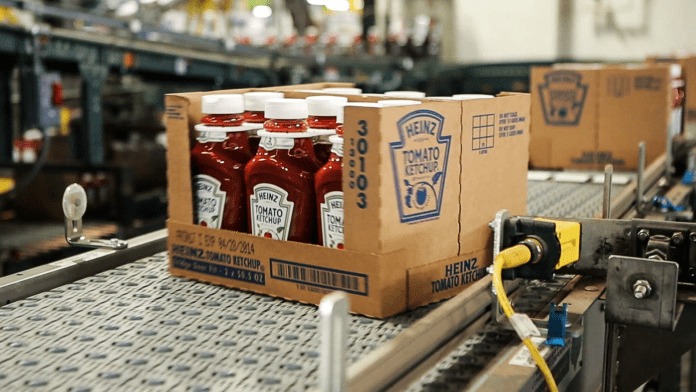
Kraft Heinz, the prominent American food company, recently unveiled its plan to invest over $400 million in the construction of a state-of-the-art automated distribution center for consumer packaged goods.
The newly announced facility by Kraft Heinz will be located in DeKalb, Illinois, covering an impressive area of 775,000 square feet. This substantial investment aims to enhance the efficiency of the company’s supply chain, enabling faster distribution of their products to both retail and foodservice customers. The implementation of this advanced distribution center is expected to bring significant improvements to Kraft Heinz’s overall operations.
The establishment of this facility is anticipated to generate over 150 job opportunities in the region.
The upcoming center’s blueprint features a cutting-edge “24/7 automated storage and retrieval system” capable of accommodating double the volume for Kraft Heinz customers. This advanced facility will play a vital role in distributing over 60% of the company’s foodservice business and approximately 30% of all dry goods.
Kraft Heinz also anticipates that the facility will make a positive contribution to the company’s wider environmental, social, and governance (ESG) objectives. In particular, the company has devised plans to incorporate sustainable technologies aimed at minimizing waste generation at the facility.
Carlos Abrams-Rivera, executive vice president at Kraft Heinz, said, “The DeKalb distribution centre is expected to play a critical role in our larger distribution strategy, moving more than 60% of Kraft Heinz dry goods in North America through our automated facilities.”
According to the company’s announcement, the newly established center is expected to become one of the most expansive automated distribution facilities in North America.
“We’re driving end-to-end transformation across our entire supply chain, investing in automated technology and digitised solutions to increase the agility of our logistics operations,” Erin Mitchell, vice president of logistics and head of network restructuring at Kraft Heinz, said.
In recent years, Kraft Heinz has made significant investments in enhancing its supply-chain infrastructure in various locations.
In June 2021, the company invested around £140m (then $199.3m) into its UK factory, allowing it to produce a wider range of condiments.
Towards the end of the year, the food giant consolidated some operations as it merged its production in Canada into its US division in a move “aimed at streamlining and synergising” its businesses in the two markets.
Barcelos, a renowned restaurant chain originating from South Africa, famous for its flame-grilled chicken and delectable peri peri sauces, is making a comeback in India. The company has joined forces with Masala Country Hospitality, a division of the Franchise India Group, to serve as its master franchise in the Indian region. The partnership aims to establish a strong presence, with the opening of the first restaurant anticipated later this year.
Gaurav Marya, Founder and CEO, Franchise India,, said, “Barcelos is known for being a gourmet chicken brand and we believe, will appeal to the larger middle class consumer base. In its earlier avataar in India, there were challenges of limited scalability. Under this new model, there will be a strong focus on scalability as the spicy flame grilled chicken-led menu is highly adaptable to the Indian palette.”
Jared Mazzis, CEO-Business Development at Barcelos, said, “Prior to Covid in our earlier stint, there were a limited number of stores on the ground and the brand had got diluted. We want to now come back with a strong focus on our core products and take the brand to the masses and focus on getting consumers to come in more frequently.”
He added that as part of Barcelos’ international expansion strategy, India holds a prominent position among their key focus markets. The restaurant chain’s initial priority is to establish a strong presence in the top cities across the country, with a specific emphasis on the dynamic and culturally rich region of southern India.
“We expect to open the first restaurant by the last quarter of this year and are in talks with developers for a strategic location. We will start with markets such as Delhi-NCR and Bengaluru. South India is the biggest chicken market and we believe the product will do very well in markets like Chennai, Hyderabad and Bengaluru,” Marya said.
The restaurant chain has established an ambitious objective to establish approximately 100 stores within the upcoming five years. As part of their strategy, they plan to prioritize delivery services, recognizing its significance in achieving their long-term goals.
“It will be done both through the direct delivery model and through aggregators,” he added.
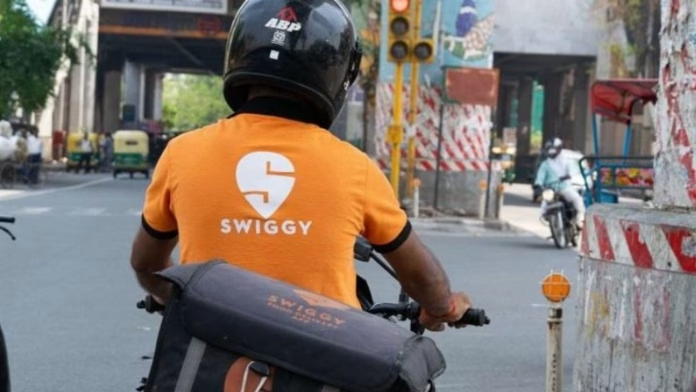
In an unusual occurrence, a Swiggy Genie delivery executive reportedly vanished with a customer’s high-value Apple Watch Ultra, valued at INR 82,999, in Bengaluru.
The incident was exposed when a user posted a tweet about a Swiggy Genie who reportedly took possession of his friend’s Apple Watch Ultra. According to the user, the delivery executive picked up the bag containing the smartwatch but then canceled the order, cut off all communication, and disappeared with the product.
“… Friend forgot his Apple Watch ultra, he sent genie, genie collects the bag, cancels the order, blocks both of us, and we chase the guy at 2 am with a Rapido guy helping us,” tweeted the victim.
What a rollercoaster night! Worst experience of @Swiggy Genie
Friend forgot his Apple Watch ultra, he sent genie, genie collects the bag, cancels the order, blocks both of us, and we chase the guy at 2AM with a Rapido guy helping us
The incident has sparked worries about the safety and security of products during transit on the delivery service of the foodtech platform. Numerous users in the comments section also highlighted similar occurrences, prompting inquiries about the company’s screening procedures when hiring drivers.
Nevertheless, the dynamic duo managed to trace the smartwatch in due course. As reported by India Today, the two friends successfully retrieved the item by utilizing the watch’s built-in location tracking functionality. According to the tweet, they pursued the delivery executive during the early hours of 2 am and pinpointed the wayward driver at a Swiggy warehouse.
The two are said to have apprehended the executive and successfully recovered the smartwatch from his possession.
As of now, Swiggy has not provided any official statement regarding the matter.
In the meantime, the individual associated with the owner of the smartwatch has claimed that Swiggy instructed them to send an email after they raised the issue with the company. It remains uncertain whether the victim has lodged a formal complaint with the police.
Instances of Swiggy delivery executives being implicated in similar incidents are not unprecedented. In February, a Swiggy delivery person was captured on CCTV camera stealing a woman’s smartphone from an apartment in Mumbai.
In March of the previous year, there was an incident where a Swiggy driver was apprehended for stealing a mobile phone during the process of picking up an order from a restaurant in Tiruppur, Tamil Nadu. Additionally, in 2021, two individuals employed as Swiggy delivery executives were arrested in Noida for their involvement in numerous thefts and residential burglaries in the area.
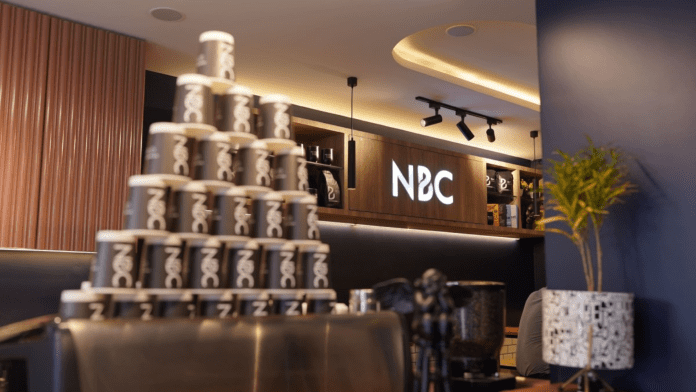
Nothing Before Coffee (NBC), India’s rapidly expanding coffee chain, has experienced remarkable growth in the second quarter, bolstering its position in the country’s coffee retail sector. The company has successfully opened 10 new outlets, reinforcing its presence and cementing its status as the fastest-growing coffee chain in India. With an extensive network of more than 40 stores nationwide, NBC presents a distinctive prospect for coffee lovers in various regions to relish top-notch brewed coffee and beverages, all at pocket-friendly prices.
With an impressive quarter-on-quarter growth rate of 23 percent, Nothing Before Coffee (NBC) has solidified its position as a prominent takeaway beverage specialty chain in India. By focusing on delivering exceptional coffee quality and cultivating welcoming environments for customers, NBC has successfully built a loyal and dedicated customer base. This remarkable growth stands as a testament to the unwavering support and preference of coffee enthusiasts throughout the country. Looking ahead, NBC has set ambitious goals to expand its presence even further, with plans to open over 50 stores across India within the next year.
In the second quarter of 2023, Nothing Before Coffee (NBC) accomplished the successful inauguration of 10 new outlets in notable destinations like Hyderabad, Raipur, Ajmer-2, Kota-3, Alwar, New Delhi-Krishna Nagar, and Gurugram. These additions signify a remarkable milestone for the brand, showcasing its commitment to meeting the growing desire for exceptional coffee experiences. The recently launched outlets offer a welcoming atmosphere, amiable service, and a wide-ranging menu of coffee beverages to cater to a diverse range of preferences.
In Q2, NBC experienced remarkable growth, surpassing previous records by adding an unprecedented number of stores in six new cities. This achievement underlines the brand’s strong dedication to rapid expansion. To further fuel its future growth, NBC has entered into an exclusive collaboration agreement with Building Brands for Tomorrow (BBFT), an esteemed leader in restaurant franchising and startup growth consulting. By harnessing BBFT’s extensive expertise, NBC aims to expedite the expansion of its franchise network across India, seizing opportunities in untapped markets and attracting potential investors.
Anand Jain, Founder and COO of Nothing Before Coffee said, “We are thrilled with the tremendous response we have received from our customers. As Nothing Before Coffee continues to thrive in the Indian Coffee Beverage market, achieving outstanding Q2 sales and the opening of 10 new outlets, we are excited to unveil our highly anticipated flagship store in Delhi’s Connaught Place, which is currently under progress. We can’t wait to open its doors to the public.”
Rohit Singh, Founder and CEO of Building Brands For Tomorrow (BBFT) stated, “We are thrilled to announce our ambitious plans for aggressive expansion in Delhi/NCR and neighboring regions such as Punjab, Chandigarh, Jammu, and other parts of North India. There is a significant untapped market for affordable coffee segment brands in these areas, and we will continue to penetrate it, presenting a lucrative opportunity for investors in the franchising domain.”
Nothing Before Coffee currently operates across nine states, serving customers in both Tier-1 and Tier-2 cities. The brand boasts an expansive menu, featuring a wide array of mouthwatering snacks, sandwiches, cookies, and an impressive selection of coffees, teas, shakes, mocktails, hot chocolate, and shrappe. These delectable offerings cater to the refined tastes of its discerning customers, ensuring a delightful experience with every visit.
You no longer need to make the journey to Gurgaon every time you desire the pleasure of freshly brewed beer. The trend of microbreweries is gradually gaining popularity in the national capital, with five outlets currently in operation and two more in the works. Officials have reported receiving inquiries from numerous established players in the hospitality industry who are interested in establishing their own breweries to offer customers the delight of freshly crafted beer.
Despite the Delhi government’s 2015 excise policy announcement, which permitted restaurants and hotels to establish microbreweries on their premises, the implementation of this decision was delayed for four years. This was primarily due to the classification of breweries as “liquor-making plants,” which were prohibited within the capital city.
At its board meeting in September 2018, the Delhi Development Authority made a significant decision to remove microbreweries from the list of “prohibited” industries under the Master Plan Delhi 2021. However, this change came with a condition: the establishment of an onsite wastewater treatment facility on the premises. Additionally, applicants were mandated to obtain approval for their water treatment systems from the Delhi Pollution Control Committee (DPCC).
The process of establishing microbreweries in Delhi gained momentum only after the Ministry of Urban Housing and Affairs officially announced the change in February of this year.
After diligently following the guidelines and successfully completing the extensive water treatment system installation process, the applicants obtained approval from the DPCC. Subsequently, the excise department began issuing licenses to them.
The first license to establish a microbrewery was granted in September of the previous year. Currently, there are a total of five microbreweries operating in the city. Two are located in Connaught Place, one can be found at a five-star hotel on Ashoka Road, and one each in Saket and Hauz Khas. Furthermore, inspections of two additional microbreweries have been completed. One is situated at Avenue Mall in Saket, while the other is located at Ambience Mall in Vasant Kunj. The licenses for these two establishments are expected to be issued soon.
According to excise officials, the industry initially had some concerns, but now more players seem interested as licenses are being issued to those who fulfill the necessary requirements. The department collects excise duty based on the total capacity of the brewery and does not have the authority to determine the rate of the crafted beer.
As per the policy, restaurants, hotels, and clubs have the opportunity to establish microbreweries with a daily capacity of up to 500 litres. In the neighboring city of Gurgaon, where microbreweries have been operating for the past few years, there are at least 50 establishments of this kind that appeal to beer enthusiasts.
Given the consistent increase in beer consumption within the city, microbreweries in Delhi have the potential to emerge as significant revenue generators for the excise department.
The freshly brewed beer is renowned for its alcohol content ranging from 4 to 8 percent, offering a natural and authentic taste without any preservatives or artificial flavorings. This unique quality has contributed to its widespread popularity.
“A choice of 12-14 true craft beers is now available in Delhi and that too at everyday value in pricing. We see no reason for anybody to travel to any other city to enjoy freshly brewed craft beer. In fact, we’ve been noticing an influx of customers from adjoining areas who are tired of consuming sub-standard produce,” said Manish Tandon, the owner of a microbrewery.
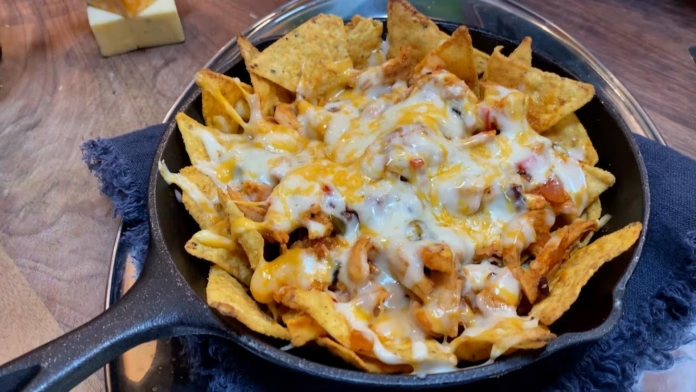
When it comes to movie nights, there’s nothing quite like the combination of delicious food and great entertainment. One dish that perfectly encapsulates the essence of a movie night delight is BBQ chicken nachos. These mouthwatering snacks are a fusion of flavors, combining the tangy and smoky taste of barbecue chicken with the crunch of tortilla chips and the creaminess of melted cheese. The result is an irresistible treat that is both satisfying and comforting, making it the perfect companion for a cozy night in front of the screen. In this article, we will delve into the reasons why BBQ chicken nachos are the ultimate movie night delight, exploring their flavor profile, versatility, and ease of preparation. So, grab a plate, get comfortable, and prepare to savor every bite of these delectable nachos!
Flavor Explosion:
One of the main reasons BBQ chicken nachos are so irresistible is their flavor profile. The combination of tender, smoky barbecue chicken with the zesty and savory toppings creates a taste explosion in every bite. The barbecue sauce used to marinate and cook the chicken adds a unique sweetness and tanginess, complemented by the spices and seasonings that give it an extra kick. As the chicken melds with the other ingredients on the nachos, such as the crunchy tortilla chips, the creamy melted cheese, and the fresh toppings like diced tomatoes, jalapeños, and cilantro, each element enhances the overall flavor. The result is a harmonious blend of textures and tastes that awaken the senses and leave you craving for more.
Versatility for All Taste Preferences:
Another great aspect of BBQ chicken nachos is their versatility. They can be customized to suit various taste preferences and dietary restrictions, making them an inclusive option for everyone. For those who prefer a spicier kick, adding extra jalapeños or a drizzle of hot sauce can elevate the heat level. On the other hand, if you prefer a milder flavor, you can opt for a milder barbecue sauce or use less spice in the chicken marinade. Additionally, the toppings can be adapted to individual tastes. If you’re a fan of tanginess, a squeeze of lime juice can provide that acidic touch, while avocado slices or guacamole can add a creamy element. For vegetarians or those seeking a meatless alternative, the chicken can be substituted with grilled vegetables or plant-based protein options like tofu or tempeh. The possibilities are endless, allowing everyone to create their perfect plate of BBQ chicken nachos.
Ease of Preparation:
Preparing BBQ chicken nachos is a breeze, making them an ideal choice for movie nights when time is of the essence. The process typically involves marinating the chicken in barbecue sauce, grilling or baking it until cooked through, and then assembling the nachos with the desired toppings and cheese. Depending on personal preferences, additional steps such as sautéing onions or peppers, or even making homemade guacamole, can be incorporated. However, even with these extra steps, the overall preparation time remains relatively short. This convenience is a significant advantage, allowing you to spend more time enjoying the movie and less time in the kitchen. Whether you’re hosting a movie night with friends or having a cozy evening alone, BBQ chicken nachos can be whipped up quickly, ensuring that you have a satisfying snack in no time.
Final Thoughts:
BBQ chicken nachos are the perfect movie night delight due to their irresistible flavor profile, versatility, and ease of preparation. The combination of tangy barbecue chicken, crunchy tortilla chips, melted cheese, and fresh toppings creates a symphony of flavors that tantalize the taste buds. Moreover, their versatility allows for customization, catering to a wide range of taste preferences and dietary needs. Whether you prefer a spicy kick or a milder taste, there’s a way to make BBQ chicken nachos just right for you. Lastly, their ease of preparation ensures that you can spend more time enjoying the movie and less time in the kitchen.
So, the next time you settle in for a movie night, consider indulging in the delectable delight of BBQ chicken nachos and savoring every bite of this crowd-pleasing treat.
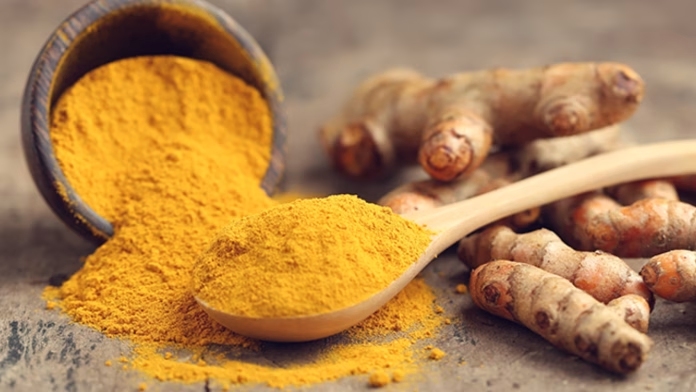
High cholesterol levels have become a prevalent health concern affecting millions of individuals worldwide. It is often associated with an increased risk of cardiovascular diseases, including heart attacks and strokes. If your husband’s cholesterol levels are off the charts, it is crucial to take proactive measures to address this issue and promote his well-being. In recent years, turmeric, a vibrant yellow spice commonly found in Indian cuisine, has gained attention for its potential health benefits, including its role in cholesterol management. In this article, we will delve into the relationship between cholesterol and turmeric, exploring the scientific evidence behind turmeric’s potential to lower cholesterol levels and discussing practical ways to incorporate it into your husband’s diet.
Understanding Cholesterol and its Impact:
Cholesterol is a waxy, fat-like substance produced by the liver and obtained through certain foods. While it is essential for various bodily functions, an excess of low-density lipoprotein (LDL) cholesterol, commonly referred to as “bad” cholesterol, can lead to the accumulation of plaque in the arteries, narrowing them and impeding proper blood flow. This condition, known as atherosclerosis, increases the risk of cardiovascular diseases.
Traditional Approaches to Cholesterol Management:
Standard approaches to managing high cholesterol levels typically involve lifestyle modifications, such as adopting a healthy diet low in saturated and trans fats, regular exercise, and weight management. In some cases, medication may be prescribed to further control cholesterol levels. However, these approaches may not be sufficient for everyone, and alternative strategies are being explored.
Exploring the Potential of Turmeric:
Turmeric, derived from the Curcuma longa plant, has a long history of use in traditional medicine, particularly in Ayurveda and traditional Chinese medicine. Its active compound, curcumin, has been extensively studied for its potential health benefits. Research suggests that curcumin may possess cholesterol-lowering properties, making turmeric an intriguing option for those with high cholesterol levels.
Curcumin’s Impact on Cholesterol Metabolism:
Studies have shown that curcumin may help regulate cholesterol metabolism by influencing key enzymes involved in cholesterol synthesis and metabolism. It has been found to inhibit the activity of HMG-CoA reductase, an enzyme responsible for cholesterol production in the body. Additionally, curcumin may enhance the activity of cholesterol receptors, aiding in the clearance of LDL cholesterol from the bloodstream.
Anti-Inflammatory and Antioxidant Effects:
Chronic inflammation and oxidative stress play crucial roles in the development of atherosclerosis. Curcumin has been demonstrated to possess potent anti-inflammatory and antioxidant properties. By reducing inflammation and neutralizing harmful free radicals, curcumin may help prevent the formation of plaque in the arteries, promoting cardiovascular health.
Incorporating Turmeric into Your Husband’s Diet:
While turmeric can be a valuable addition to your husband’s cholesterol management plan, it is important to note that its absorption and bioavailability are limited. Combining it with black pepper, which contains piperine, can enhance curcumin’s absorption. Consider the following practical tips:
Turmeric as a Spice: Encourage your husband to incorporate turmeric into his cooking by adding it to various dishes. It can be used in curries, soups, stir-fries, and even salad dressings. Experiment with different recipes to find enjoyable ways to include this spice in his meals.
Golden Milk: Prepare golden milk by combining turmeric with warm milk, a pinch of black pepper, and a natural sweetener like honey. This soothing beverage can be consumed before bedtime to promote relaxation and potential cholesterol-lowering effects.
Turmeric Supplements: If incorporating turmeric into meals proves challenging, consider turmeric supplements standardized to contain a high concentration of curcumin. Consult a healthcare professional before starting any supplementation regimen.
Final Thoughts:
While turmeric and its active compound curcumin show promise in cholesterol management, it is important to approach its usage as a complementary strategy rather than a standalone solution. Encourage your husband to maintain a balanced diet, engage in regular physical activity, and follow any prescribed medications or medical advice. Turmeric can be a flavorful and potentially beneficial addition to his cholesterol-lowering journey. However, it is crucial to consult with a healthcare professional before making any significant changes to his diet or lifestyle. By combining holistic approaches with medical guidance, you can empower your husband to take charge of his health and work towards achieving healthier cholesterol levels, reducing the risk of cardiovascular diseases, and improving his overall well-being.
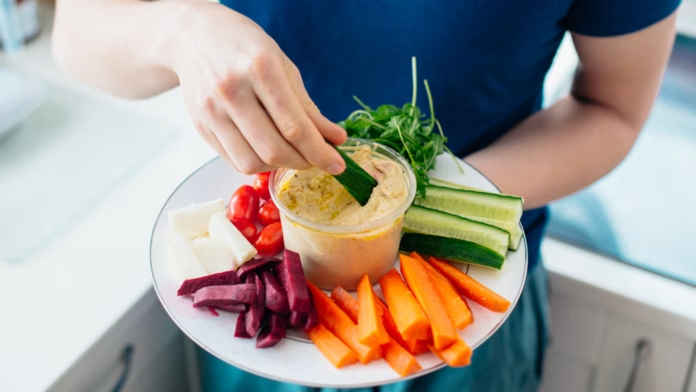
In the fast-paced world of professionals, finding the right fuel to power through the workday is essential. While unhealthy snacks and sugary drinks may provide temporary energy boosts, they often lead to crashes and decreased productivity. As a solution, veggie sticks with hummus have emerged as a popular and effective option for professionals seeking a healthy and delicious way to stay energized throughout the day.
This article explores the numerous benefits of incorporating veggie sticks with hummus into your workday routine, highlighting their nutritional value, convenience, and impact on work performance. By the end, you’ll understand why this simple yet powerful snack has become a must-try for professionals seeking sustained energy and improved focus during their busy workdays.
Nutritional Value:
One of the primary reasons why veggie sticks with hummus have gained popularity among professionals is their exceptional nutritional value. Vegetables, such as carrots, cucumbers, bell peppers, and celery, are low in calories and high in essential vitamins, minerals, and dietary fiber. They provide a wide range of nutrients that support overall health and well-being. Additionally, hummus, a dip made from chickpeas, offers a rich source of plant-based protein, healthy fats, and dietary fiber.
The combination of veggies and hummus provides a balanced snack that keeps professionals satiated for longer periods, preventing the desire for unhealthy, high-calorie alternatives. The fiber content in both the vegetables and hummus promotes better digestion and helps maintain a healthy gut microbiome, which plays a crucial role in overall physical and mental well-being.
Sustained Energy and Focus:
Professionals often experience mid-day slumps, where their energy and focus decline, affecting productivity and performance. Veggie sticks with hummus offer a solution to combat these slumps and provide sustained energy throughout the workday.
The complex carbohydrates present in vegetables and the protein and healthy fats found in hummus create a perfect combination for a slow and steady release of energy. Unlike sugary snacks that cause a spike in blood sugar levels, leading to subsequent crashes, this snack provides a steady stream of energy, keeping professionals focused and productive for longer periods.
Moreover, the nutrients in veggie sticks with hummus support brain function and cognitive abilities. For instance, the antioxidants in vegetables help protect brain cells from oxidative stress and inflammation, reducing the risk of cognitive decline. The protein and healthy fats in hummus support neurotransmitter production, promoting mental clarity and concentration.
Convenience and Portability:
In today’s busy work environment, convenience plays a significant role in determining the food choices professionals make. Veggie sticks with hummus offer a convenient and portable snack option that can be enjoyed on the go.
Preparing veggie sticks is as simple as cutting up your favorite vegetables into bite-sized pieces, making it a time-efficient option. Additionally, many stores offer pre-cut and packaged veggie sticks, saving even more time and effort.
Hummus is readily available in grocery stores and comes in various flavors, allowing professionals to choose their preferred taste. It can be conveniently packed in small, portable containers, making it easy to carry in lunch boxes, bags, or desk drawers.
Enhanced Overall Health:
Beyond the immediate benefits, incorporating veggie sticks with hummus into your workday routine contributes to your overall health and well-being.
Regularly consuming vegetables and hummus promotes weight management due to their low-calorie content, high fiber content, and satiating properties. By reducing the consumption of unhealthy snacks, professionals can maintain a healthy weight and reduce the risk of chronic diseases like obesity, heart disease, and diabetes.
Furthermore, the vitamins, minerals, and antioxidants found in vegetables support a strong immune system, reducing the likelihood of falling ill and taking time off work. This snack choice also contributes to improved heart health, as the fiber and healthy fats in hummus help lower cholesterol levels.
Creative Variations and Customization:
Veggie sticks with hummus offer a versatile snacking option that can be customized to suit individual preferences and dietary needs. While classic hummus is made from chickpeas, variations such as black bean hummus, beetroot hummus, or avocado hummus provide different flavors and nutritional profiles.
Similarly, the choice of vegetables can be varied based on personal taste and seasonal availability. By experimenting with different combinations, professionals can discover their favorite flavors and create an enjoyable snacking experience.
Final Thoughts:
In the quest for sustained energy, improved focus, and overall health, professionals have found veggie sticks with hummus to be an ideal snacking option. Packed with essential nutrients, this snack provides numerous benefits, including sustained energy, enhanced mental clarity, convenience, and improved overall health. By incorporating veggie sticks with hummus into their workday routine, professionals can fuel their success and productivity while satisfying their taste buds. So, why not give this delicious and nutritious snack a try and experience the positive impact it can have on your workday?
When it comes to packing school lunches for kids, one common challenge parents face is keeping sandwiches fresh and crunchy. Nothing is more disappointing than opening a lunchbox to find a soggy sandwich that has lost its appeal. However, with a few simple tips and tricks, you can say goodbye to soggy sandwiches and ensure that your kids enjoy a crunchy and fresh lunch every day. In this article, we will unveil the secrets to packing lunches that stay crisp and delicious until lunchtime. From choosing the right ingredients to utilizing smart packing techniques, we will provide you with practical advice to revolutionize your lunch-packing routine. Get ready to impress your kids with flavorful and satisfying lunches that will have them eagerly anticipating lunchtime!
Choose the Right Bread:
The foundation of a great sandwich starts with the bread. When it comes to packing a lunch that stays crispy, it’s essential to choose the right type of bread. Opt for bread with a dense texture such as whole grain or artisanal bread. These varieties have a lower moisture content, making them less prone to becoming soggy. Avoid bread that is too soft or fluffy, as it tends to absorb moisture quickly.
Spread a Protective Barrier:
To keep moisture from seeping into the bread, create a protective barrier using spreads. Before adding any fillings, spread a thin layer of butter, mayonnaise, or cream cheese on both slices of bread. These spreads act as a barrier, preventing the ingredients from directly contacting the bread and retaining its crispness. Additionally, they add a layer of flavor to enhance the overall taste of the sandwich.
Layer Wisely:
The way you layer your ingredients plays a crucial role in maintaining the crunchiness of the sandwich. Start by placing moisture-prone ingredients such as tomatoes, cucumbers, or pickles in the middle of the sandwich. By surrounding them with other fillings, you create a barrier that prevents direct contact with the bread. Next, add the protein, such as meat or cheese, followed by the lettuce or other greens. The greens act as an additional barrier, keeping the bread crisp by preventing the moisture from reaching it.
Consider Ingredient Separation:
If you’re packing ingredients that can release moisture, such as sliced tomatoes or moist condiments, consider keeping them separate until lunchtime. Pack these items in a separate container or small ziplock bag, and let your child assemble the sandwich just before eating. This way, you can maintain the freshness and crunchiness of the sandwich without compromising on taste. It’s also an excellent option if your child has specific preferences or dietary restrictions, allowing them to customize their sandwich according to their liking.
Invest in Quality Containers:
The container you choose to pack the sandwich plays a significant role in preserving its freshness. Invest in high-quality, airtight containers that are leak-proof and keep moisture at bay. Look for containers with compartments to separate the sandwich from other snacks, preventing cross-contamination. Avoid using plastic bags or loosely wrapped foil, as they provide less protection against moisture and air.
Utilize Cooling Elements:
To keep the lunchbox cool and maintain the freshness of the sandwich, consider including cooling elements. Add an ice pack or freeze a small bottle of water and place it in the lunchbox alongside the sandwich. The cold temperature will help prevent the growth of bacteria and keep the sandwich crisp and fresh until lunchtime.
Educate Your Child:
Lastly, educate your child about the importance of keeping sandwiches fresh and crunchy. Teach them the tips mentioned above, and involve them in the lunch-packing process. Encourage them to provide feedback on the sandwiches they enjoy the most, and let them experiment with different ingredients and combinations. By involving your child in the decision-making and preparation, they will develop a sense of ownership and enjoy their lunches even more.
Final Thoughts:
Soggy sandwiches will no longer be a concern once you implement these secrets to packing crunchy and fresh lunches for your kids. By choosing the right bread, creating a protective barrier, layering ingredients wisely, considering ingredient separation, investing in quality containers, and utilizing cooling elements, you can ensure that your child’s lunch remains crisp and delicious until it’s time to eat. Remember to involve your child in the process, as it not only empowers them but also encourages a healthy and enjoyable lunchtime experience. So say goodbye to soggy sandwiches and hello to crunchy and fresh lunches that will make your child the envy of the lunch table!
We use cookies to ensure that we give you the best experience on our website. If you continue to use this site we will assume that you are happy with it.