Friday, December 26, 2025
Home Blog Page 1061

Craving Indian street food? Try these deliciously healthy versions that will leave you wanting more! 

0
Indian street food

Indian street food is known for its vibrant flavors, bold spices, and mouthwatering aromas. From crispy samosas to tangy pani puri, these delectable snacks have become a favorite among food enthusiasts worldwide.The variety of Indian street food is vast and diverse, ranging from savory snacks to sweet treats. Each region of India has its own unique street food specialties, offering a wide range of flavors and textures. The combination of spices and aromatic ingredients used in these dishes is what sets them apart, creating an explosion of taste with every bite.

While Indian street food is undeniably delicious, its traditional recipes often involve deep-frying, excessive oil, and high levels of salt and sugar. These factors contribute to the high calorie and fat content, making it a less healthy choice for regular consumption. To cater to health-conscious individuals who crave these tantalizing treats without compromising their well-being, innovative chefs and home cooks have come up with healthier versions of popular Indian street food. Let’s explore some of these healthier alternatives to satisfy your cravings for Indian street food.

  1. Samosa

The samosa, a deep-fried pastry filled with spicy potato and pea stuffing, is an iconic street food snack in India. While it is undeniably tasty, the deep-frying process adds unnecessary calories and unhealthy fats. 

A healthier version of the samosa involves baking or air frying instead of deep frying. This significantly reduces the fat content while maintaining the crispy texture. Additionally, using whole wheat flour for the pastry adds fiber and nutrients to the dish.

  1. Pav Bhaji

Pav bhaji, a popular street food from Maharashtra, consists of a spicy vegetable curry served with buttery bread rolls. 

To make a healthier version of pav bhaji, opt for a combination of vegetables like cauliflower, peas, bell peppers, and carrots. These vegetables provide essential vitamins and minerals while adding a burst of color to the dish. Instead of using butter, use a small amount of olive oil for sautéing and avoid excessive butter while toasting the pav (bread rolls).

  1. Dahi Puri

Dahi puri, a beloved street food from Gujarat and Maharashtra, is a delightful combination of crispy puris filled with spiced potatoes, tangy chutneys, and creamy yogurt.

To make a healthier version, use baked or air-fried puris instead of deep-fried ones. Choose low-fat yogurt or Greek yogurt for the topping to reduce the calorie content. Additionally, make fresh chutneys using natural sweeteners like dates or jaggery instead of refined sugar.

  1. Chole Bhature

Chole bhature is a classic Punjabi dish consisting of spicy chickpea curry served with deep-fried bread called bhature. 

To make a healthier version, opt for whole wheat bhature instead of refined flour. Whole wheat adds more fiber and nutrients to the bread. Instead of deep frying, cook the bhature on a non-stick griddle with minimal oil or bake them for a lighter option. For the chole (chickpea curry), use less oil and incorporate more vegetables like spinach or grated carrots for added nutrition.

  1. Pani Puri

Pani puri, also known as golgappa or puchka, is a popular street food snack found all over India. It consists of hollow puris filled with a mixture of tangy tamarind water, spicy mint-coriander chutney, and mashed potatoes. 

To make a healthier version, opt for baked or air-fried puris instead of deep-fried ones. Replace the tamarind water with a homemade version using natural sweeteners like dates or jaggery. Additionally, use yogurt-based chutney instead of the traditional mint-coriander chutney to reduce the spice level.

  1. Jhal Muri

Jhal muri, a famous street food from West Bengal, is a flavorful combination of puffed rice, peanuts, vegetables, and spices. 

To make a healthier version, use roasted puffed rice instead of deep-fried ones. Roast the peanuts without oil for a crunchy texture. Add a variety of chopped vegetables like cucumber, tomatoes, and onions for added freshness and nutrition. To enhance the flavors, use homemade spice mixes without added preservatives or excessive salt.

Final Thoughts:

Craving Indian street food doesn’t have to mean compromising your health goals. By opting for healthier versions of these popular snacks, you can enjoy the vibrant flavors and textures while making mindful choices about your well-being. The innovative twists and modifications by chefs and home cooks have made it possible to indulge in the allure of Indian street food without guilt. So, the next time you find yourself yearning for a plate of samosas or pani puri, try these deliciously healthy versions that will leave you wanting more, all while nourishing your body and satisfying your taste buds.

Advertisement

Unveiling the most mouthwatering Eid-Al-Adha 2023 menu: Indulge in irresistible delights for your spectacular bakrid dawat at home! 

0
Eid-Al-Adha menu

Eid-Al-Adha, also known as BakrId or the Festival of Sacrifice, is a significant Islamic festival celebrated by Muslims worldwide. It is a time of immense joy and celebration. Families come together to offer prayers at the mosque, exchange gifts, and share a festive meal. Traditional dishes play a crucial role in these celebrations, as they bring families and communities closer.

In this article, we will unveil a mouthwatering menu for Eid-Al-Adha, featuring traditional and delectable dishes that will elevate your BakrId Dawat to new heights of culinary delight.

FOR STARTERS

  • Chapli Kebab: Chapli Kebab is a popular Pakistani dish known for its robust flavors. Made with minced meat, a blend of aromatic spices, and herbs, these kebabs are a perfect appetizer to kickstart your Eid-Al-Adha feast. Served with mint chutney and fresh salad, the Chapli Kebabs will tantalize your taste buds and leave you craving for more.
  • Shami Kebab: Shami Kebab is another classic kebab variety that deserves a place on your Eid-Al-Adha menu. Prepared using ground meat, lentils, and a medley of spices, Shami Kebabs are known for their melt-in-your-mouth texture. These golden-brown delights, when paired with tangy tamarind chutney, are sure to be a hit among your guests.

FOR THE MAIN COURSE

  • Mutton Korma: Mutton Korma is a rich and creamy curry that perfectly captures the essence of Eid-Al-Adha. Tender pieces of mutton are cooked in a luscious gravy made with yogurt, onions, and a blend of aromatic spices. The slow cooking process ensures that the meat is tender and infused with the flavors of the spices. Serve this regal dish with naan or fragrant rice for a truly memorable dining experience.
  • Awadhi Biryani: Biryani is a culinary masterpiece that needs no introduction. The Awadhi Biryani, originating from the royal kitchens of Lucknow, is renowned for its aromatic flavors and tender meat. Layered with fragrant basmati rice, succulent pieces of marinated meat, and a secret blend of spices, this biryani is a showstopper on any occasion. Garnished with fried onions, mint, and saffron strands, the Awadhi Biryani is a must-have dish for your Eid-Al-Adha feast.
  • Haleem: Haleem is a hearty and wholesome dish that has its roots in the Middle East and South Asia. It is a slow-cooked stew made with a combination of lentils, meat (usually mutton or beef), and wheat. This comforting dish is cooked for hours until the meat is tender and the flavors are beautifully melded together. Garnish it with fried onions, chopped mint, and a squeeze of lemon juice to enhance the taste. Haleem is best enjoyed with naan or bread.

FOR DESSERT

  • Kesar Phirni: No Eid-Al-Adha feast is complete without a delectable dessert, and Kesar Phirni fits the bill perfectly. Phirni is a creamy rice pudding flavored with saffron, cardamom, and garnished with nuts. It is a delightful dessert that provides a perfect balance of sweetness and aromatic flavors. Serve the chilled Kesar Phirni in earthenware bowls to add a touch of traditional charm to your Eid-Al-Adha celebrations.

Final Thought:

Eid-Al-Adha is a time of celebration, reflection, and gratitude. As you gather with your loved ones to mark this auspicious occasion, the culinary delights on your table should be nothing short of spectacular. The menu we have unveiled for your BakrId Dawat captures the essence of traditional flavors while offering a tantalizing array of dishes that are sure to please everyone. From the flavorful starters of Chapli Kebab and Shami Kebab to the regal Mutton Korma, Awadhi Biryani, and comforting Haleem, every bite will transport you to a realm of culinary bliss. And to conclude this feast on a sweet note, the Kesar Phirni will leave a lasting impression on your taste buds.

Advertisement

Eat your way to a slimmer you: 6 delicious breakfast ideas that will help you shed pounds!

0
breakfast ideas

When it comes to weight loss, many people tend to focus on cutting calories and restricting their food intake. However, a successful weight loss journey is not just about deprivation; it’s about making healthy choices and enjoying your meals. Breakfast, being the most important meal of the day, plays a crucial role in jump-starting your metabolism and setting the tone for the rest of the day. 

Many studies have shown that individuals who regularly consume a healthy breakfast are more likely to maintain a healthy weight and make better food choices later in the day.

By skipping breakfast, your body goes into a state of fasting, causing your metabolism to slow down. This can lead to overeating during later meals or reaching for unhealthy snacks to satisfy your hunger. On the other hand, a nutritious breakfast helps stabilize blood sugar levels, prevents cravings, and provides sustained energy, reducing the likelihood of overeating or making poor food choices.

In this article, we will explore five delicious breakfast ideas that will not only satisfy your taste buds but also help you shed those extra pounds.

  1. Vegetable Omelette

An omelette made with an assortment of colorful vegetables is not only a feast for the eyes but also a nutritious and filling option for breakfast. Vegetables like spinach, bell peppers, tomatoes, mushrooms, and onions not only add flavor but also provide essential vitamins, minerals, and dietary fiber. By incorporating protein-rich eggs, you can boost the satiety factor of this breakfast option.

To make a vegetable omelette, simply beat two eggs with a pinch of salt and pepper. In a non-stick pan, sauté your desired vegetables until they are slightly tender. Pour the beaten eggs over the vegetables and cook until the omelette is firm. Serve it with a side of whole-grain toast or a fresh salad for a complete and satisfying meal.

  1. Poha

Poha, a traditional Indian breakfast dish made from flattened rice, is not only easy to prepare but also a light and flavorful option for weight loss. It is low in calories and fat while being rich in fiber and essential nutrients. Poha can be customized with various vegetables, herbs, and spices to suit your taste preferences.

To prepare poha, rinse the flattened rice under cold water and let it soak for a few minutes. In a pan, heat a teaspoon of oil and add mustard seeds, cumin seeds, curry leaves, chopped onions, and green chilies. Once the onions turn translucent, add turmeric powder, salt, and your choice of vegetables such as peas, carrots, or bell peppers. Stir-fry for a few minutes before adding the soaked poha. Mix well and cook for another 3-4 minutes until the flavors are well incorporated. Garnish with fresh coriander leaves and serve hot.

  1. Moong Dal Cheela

Moong dal cheela, also known as lentil pancakes, is a protein-packed breakfast option that will keep you feeling full and satisfied. Made from soaked and ground split yellow lentils, these savory pancakes are not only delicious but also provide a good amount of dietary fiber, vitamins, and minerals.

To prepare moong dal cheela, soak yellow lentils in water for a few hours or overnight. Drain the water and blend the lentils into a smooth batter, adding a little water if needed. Season the batter with salt, turmeric powder, red chili powder, and finely chopped onions, tomatoes, and coriander leaves. Heat a non-stick pan and pour a ladleful of batter onto it. Spread the batter in a circular motion to form a pancake. Cook until both sides are golden brown. Serve hot with a side of mint chutney or Greek yogurt.

  1. Oatmeal with Berries and Greek Yogurt

Oatmeal is a classic breakfast option that is not only heart-healthy but also aids in weight loss. It is rich in dietary fiber, which promotes feelings of fullness and helps regulate blood sugar levels. By adding a handful of berries and a dollop of Greek yogurt, you can elevate the taste and nutritional value of your oatmeal.

To prepare oatmeal with berries and Greek yogurt, cook rolled oats according to the instructions on the package. Once cooked, top it with a variety of berries such as strawberries, blueberries, or raspberries. These berries are low in calories and packed with antioxidants. Finish off with a spoonful of creamy Greek yogurt, which adds protein and a tangy flavor to the dish. For added sweetness, you can drizzle a teaspoon of honey or sprinkle some cinnamon on top.

  1. Idli Sambhar

Idli sambhar is a popular South Indian breakfast dish that is not only light and nutritious but also a great option for weight loss. Idli, made from fermented rice and lentil batter, is steamed rather than fried, making it a healthier alternative to other breakfast items. Paired with sambhar, a flavorful lentil soup loaded with vegetables and spices, this dish provides a well-balanced meal with essential nutrients.

To prepare idli sambhar, soak equal parts of rice and split black lentils (urad dal) in water for a few hours or overnight. Drain the water and grind the rice and lentils separately into a smooth batter. Mix the batter together, add salt, and let it ferment overnight. Once fermented, pour the batter into greased idli molds and steam them for about 10-12 minutes until they are cooked through. Serve the idlis hot with sambhar, which can be prepared by cooking lentils with vegetables like carrots, beans, and tomatoes, along with spices like mustard seeds, cumin seeds, and curry leaves.

  1. Greek Yogurt Parfait

If you have a sweet tooth but still want to watch your waistline, a Greek yogurt parfait is the perfect breakfast option for you. Greek yogurt is higher in protein and lower in sugar compared to regular yogurt, making it a healthier choice. Layering it with fresh fruits and a crunchy granola topping adds texture and flavor without adding excessive calories.

To prepare a Greek yogurt parfait, start by layering a few spoonfuls of Greek yogurt at the bottom of a glass or bowl. Top it with a layer of mixed berries or sliced fruits of your choice, such as bananas or peaches. Repeat the layers until the glass or bowl is filled, alternating between yogurt and fruits. Finish off with a sprinkling of granola or chopped nuts for a satisfying crunch. You can drizzle a small amount of honey or maple syrup for added sweetness, but remember to keep it in moderation.

Final Thoughts:

By incorporating these five delicious breakfast ideas into your daily routine, you can enjoy a variety of flavors while nourishing your body with essential nutrients. From vegetable omelettes to Greek yogurt parfaits, these breakfast options provide a balance of proteins, fiber, and healthy carbohydrates that will keep you satisfied, energized, and on track with your weight loss journey. So, start your day right, and eat your way to a slimmer you with these mouthwatering breakfast ideas!

Advertisement

Discover the ultimate after-school snacks that will leave your kids begging for more!

0
after school snacks

Attention, parents and snack enthusiasts! Are you tired of the same old after-school snack routine that leaves your kids uninspired and underwhelmed? Well, get ready to shake things up and embark on a delightful journey of flavor and fun! In this article, we unveil the ultimate after-school snacks that will have your kids begging for more. From mouthwatering treats to imaginative creations, we’ve gathered a collection of scrumptious delights that will ignite their taste buds and leave them eagerly anticipating snack time. So, get ready to surprise and delight your little ones with these irresistible treats that are sure to make you the snack superhero in their eyes! Get ready to snack like never before!

  • Fruit Kabobs with Yogurt Dip:

One way to make fruits more exciting for your kids is by turning them into fun and colorful kabobs. Skewer a variety of fresh fruits like grapes, berries, pineapple chunks, and melon balls. Serve these vibrant kabobs with a side of creamy yogurt dip, which can be flavored with a dash of honey or vanilla extract for added sweetness.

  • Trail Mix:

Trail mix is a versatile snack that can be customized to suit your child’s preferences. Combine a mixture of nuts such as almonds, cashews, and walnuts with dried fruits like raisins, cranberries, and apricots. Add in some whole grain cereal or pretzels for a crunchy texture. This snack is packed with protein, fiber, and healthy fats, providing a satisfying and energy-boosting option for your little ones.

  • Mini Pita Pizzas:

Transform whole wheat mini pitas into personal pizzas by topping them with tomato sauce, shredded cheese, and an array of colorful vegetables like bell peppers, mushrooms, and cherry tomatoes. Bake them in the oven until the cheese is melted and bubbly. These mini pita pizzas are not only delicious but also provide a balanced combination of carbohydrates, protein, and vitamins.

  • Homemade Granola Bars:

Store-bought granola bars are often loaded with sugar and artificial ingredients. Instead, try making your own healthier version at home. Combine oats, nuts, seeds, dried fruits, and a natural sweetener like honey or maple syrup. Bake the mixture until golden brown and let it cool before cutting it into bars. These homemade granola bars are a wholesome and customizable snack that your kids will love.

  • Veggie and Hummus Wraps:

Encourage your children to eat their veggies by preparing veggie and hummus wraps. Spread a layer of hummus on a whole grain tortilla and fill it with an assortment of thinly sliced vegetables like carrots, cucumbers, lettuce, and bell peppers. Roll it up tightly and slice it into bite-sized pinwheels. The combination of fiber, vitamins, and protein from the hummus makes this snack both tasty and nutritious.

  • Frozen Yogurt Bark:

For a refreshing and sweet treat, try making frozen yogurt bark. Line a baking sheet with parchment paper and spread a layer of Greek yogurt on top. Add a variety of toppings such as sliced fruits, granola, and a drizzle of honey. Freeze it until firm, then break it into bite-sized pieces. This snack is not only delicious but also provides calcium, protein, and probiotics from the yogurt.

  • Ants on a Log:

This classic snack never fails to delight kids. Spread peanut butter or almond butter on celery sticks and top them with a row of raisins, resembling ants on a log. The combination of protein, fiber, and natural sweetness makes this snack a fun and healthy choice.

  • Mini Smoothie Bowls:

Smoothie bowls are a creative way to pack in essential nutrients. Blend a mixture of frozen fruits, yogurt, and a splash of milk until smooth. Pour the smoothie into small bowls and let your kids top them with their favorite toppings like sliced bananas, granola, coconut flakes, or chia seeds. These mini smoothie bowls are not only visually appealing but also provide a variety of vitamins and minerals.

Final Thoughts:

Finding the ultimate after-school snacks that are both delicious and nutritious can be a challenge, but with a little creativity and the right ingredients, you can create snacks that your kids will love. The snacks mentioned above, such as fruit kabobs with yogurt dip, trail mix, mini pita pizzas, homemade granola bars, veggie and hummus wraps, frozen yogurt bark, ants on a log, and mini smoothie bowls, offer a combination of flavors, textures, and essential nutrients. By incorporating these snacks into your child’s after-school routine, you can ensure that they have the energy and nourishment they need for the rest of the day while satisfying their taste buds.

Advertisement

From breakfast to snacks: 10 creative ways to utilize poha in traditional Indian cooking!

0
poha

Poha, also known as flattened rice or beaten rice, is a humble yet versatile ingredient that holds a significant place in traditional Indian cuisine. Originating from the Indian subcontinent, poha has been consumed for centuries, and its popularity has only grown with time. Traditionally, it is made by parboiling rice, then drying and flattening the grains to produce thin, translucent flakes.

The beauty of poha lies in its ability to absorb flavors and adapt to various cooking techniques, making it a favorite among Indian home cooks. While most commonly associated with the popular breakfast dish known as “Poha,” where it is sautéed with onions, spices, and vegetables, poha can be utilized in numerous other creative ways to enhance the culinary experience.

In this article, we will explore ten delightful and inventive ways to incorporate poha into traditional Indian cooking, taking it beyond the boundaries of just breakfast. By experimenting with different flavors, ingredients, and cooking methods, you can unlock the true potential of this versatile ingredient and discover a whole new world of delicious possibilities.

  1. Dadpe Poha: A Refreshing Maharashtrian Delight

One of the most beloved poha dishes from Maharashtra is Dadpe Poha. This traditional recipe showcases the simplicity and flavors of poha. To prepare Dadpe Poha, soaked poha is combined with freshly grated coconut, a squeeze of lemon juice, chopped green chilies, and a handful of coriander leaves. These ingredients are gently mixed, allowing the flavors to meld together. The result is a refreshing and tangy dish that makes for a light and delightful breakfast or snack.

  1. Vangi Poha: The Perfect Blend of Poha and Brinjal

Vangi Poha, a specialty from Maharashtra’s Malvani cuisine, elevates the humble poha to a whole new level. This dish combines small brinjal (eggplant) pieces with soaked poha. The brinjal is sautéed with onions, tomatoes, and spices before being mixed with poha. The amalgamation of poha and brinjal creates a delightful medley of flavors and textures that is a treat for the taste buds. Vangi Poha is a must-try dish for those who appreciate the unique combination of poha and brinjal.

  1. Poha Laddoo: A Sweet Delight for Festive Occasions

Poha Laddoo is a delightful sweet treat made with the goodness of poha. The flattened rice is ground to a coarse powder and mixed with jaggery, ghee (clarified butter), and an assortment of nuts. The mixture is then shaped into bite-sized laddoos, offering a blend of crunchy and chewy textures. Poha laddoos are often prepared during festivals and celebrations, adding a touch of sweetness to the festivities. These laddoos are not only delicious but also a great way to incorporate poha into your sweet repertoire.

  1. Poha Kheer: Creamy Indulgence with Flattened Rice

Poha Kheer is a creamy and delicious dessert that showcases the versatility of poha. The soaked poha is cooked in milk and flavored with cardamom, saffron, and nuts. As the poha absorbs the flavors, it softens and adds a unique texture to the kheer. Poha kheer is a popular dessert during festive occasions, offering a comforting and indulgent finale to a meal. The creamy richness and delicate flavors of the Kheer make it a beloved choice for those with a sweet tooth.

  1. Poha Dhokla: Fluffy Steamed Delight with Poha

Poha Dhokla is a variation of the traditional dhokla, a steamed savory cake, which incorporates poha and besan (gram flour). The soaked poha and besan are combined with yogurt, ginger-chili paste, and a touch of turmeric to create a smooth batter. The batter is then steamed until it turns fluffy and spongy, resulting in a delectable snack. Once steamed, the dhokla is garnished with a tempering of mustard seeds, curry leaves, and grated coconut. Poha dhokla is a popular snack, enjoyed with green chutney or tangy tamarind chutney.

  1. Poha Dosa: A Twist to Classic Dosas

Poha Dosa is a healthier take on the classic dosa that incorporates the goodness of poha. The soaked poha is ground with rice and urad dal to create a smooth batter. This batter is then fermented overnight, resulting in a light and crispy dosa. Poha dosas are enjoyed with coconut chutney, sambar, or spicy tomato chutney, offering a delightful twist to the traditional dosa. The addition of poha enhances the texture and taste of the dosa, making it an interesting choice for dosa lovers.

  1. Poha Cutlet: A Crispy and Flavorful Appetizer

Poha Cutlet is a flavorful and crispy appetizer that combines mashed vegetables, spices, and soaked poha. The mixture is shaped into patties, coated with breadcrumbs, and shallow-fried until golden brown. Poha cutlets are perfect for parties or as a tea-time snack, offering a burst of flavor with every bite. These cutlets can be served with mint chutney or tangy tamarind sauce, adding a zesty touch to the overall experience.

  1. Poha Upma: A Light and Satisfying Breakfast Option

Poha Upma is a popular breakfast dish that replaces the traditional semolina with soaked poha. The soaked poha is sautéed with mustard seeds, curry leaves, onions, and other spices, resulting in a light and fluffy upma. Poha upma is often garnished with freshly grated coconut and served with a side of coconut chutney or tangy tomato pickle. It is a wholesome and comforting breakfast option that keeps you energized throughout the day.

  1. Poha Chivda: A Crunchy Tea-Time Snack

Poha Chivda is a savory snack made by roasting poha until crisp and then mixing it with spices, nuts, raisins, and sev (crispy chickpea flour noodles). This crunchy and tangy mixture is often enjoyed as a tea-time snack or as a topping for chaats and other street food items. Poha Chivda offers a burst of flavors and textures, making it a popular choice during festive seasons and gatherings.

  1. Poha Bhujing: A Flavorful Street Food from Palghar

Poha Bhujing is a popular street food from the Virar suburb of the Palghar district. In this dish, soaked poha is mixed with spices, onions, tomatoes, and a generous squeeze of lemon juice before finally being tossed with barbecued chicken. The mixture is then heated on a griddle, giving it a smoky and roasted flavor. Poha Bhujing is often garnished with fresh coriander leaves and served, offering a delightful burst of flavors. It is typically enjoyed as a snack or as part of a larger meal, showcasing the distinct flavors of the region.

Final Thoughts:

Poha is a versatile ingredient that adds texture and flavor to a wide range of dishes in Indian cuisine. From the refreshing Dadpe Poha and the flavorsome Vangi Poha to the sweet Poha Laddoo and the creamy Poha Kheer, each preparation highlights the creativity and culinary prowess of Indian cooking. So, embrace the versatility of poha and indulge in the myriad flavors it brings to the table.

Advertisement

Summer’s hottest trend: Discover the coolest cold coffee varieties you absolutely cannot miss!

0
Cold Coffee

For coffee lovers, a day without coffee is unimaginable, regardless of the season. Coffee is not only a delicious beverage but also a powerhouse ingredient packed with caffeine and antioxidants. It provides a refreshing jolt of energy, increases attention, and helps people stay awake. However, sipping hot coffee during the sweltering summer months is far from appealing. That’s why coffee lovers worldwide have come up with numerous variations of cold coffee over the years, offering a cool and invigorating alternative. Cold coffee is chilled to perfection, often poured over ice cubes, and can keep you hydrated and focused during the summer. The best part is that most cold coffee varieties are easy to make at home, eliminating the need to venture out during a heatwave to satisfy your coffee cravings.

In this article, we will explore seven popular cold coffee varieties from different parts of the world that you must try this summer. From Japanese cold brew to Latin American Iced Horchata Latte, Vietnamese Iced Coffee to the Italian Affogato, these delightful concoctions are sure to keep you cool and satisfied during the hottest days.

Seven Amazing Cold Coffee Varieties:

  1. Cold Brew: Originating in Japan, Cold Brew coffee has been a staple in Japanese culture for centuries. It involves steeping coffee grounds in cold water for an extended period, typically ranging from 12 to 24 hours. The result is a smooth and less acidic coffee concentrate that can be enjoyed chilled. Cold Brew is sometimes diluted with milk or chocolate and served over ice. In Japan, it is also known as Kyoto-style coffee or Dutch coffee.
  1. Frappuccino: The Frappuccino is a beloved cold coffee variant that gained immense popularity worldwide. It originated in the United States, initially developed by George Howell’s Massachusetts coffee chain and later adopted by Starbucks in 1995. The Frappuccino combines the elements of a frappe, a thick ice cream milkshake, with a cappuccino, espresso coffee blended with frothed milk. It is made by blending coffee, milk, and ice, resulting in a creamy and indulgent beverage. Nowadays, Frappuccinos come in various flavors such as vanilla, mocha, and caramel.
  1. Iced Horchata Latte: Horchata, a Latin American beverage, has gained global recognition due to its sweet and spiced flavors. Originating in Spain, Horchata is traditionally made with rice milk, though variations using melon or sesame seed milk also exist. This naturally vegan drink can be transformed into a delightful Iced Horchata Latte by mixing espresso with Horchata, ice, and a touch of cinnamon. It offers a refreshing and lactose-intolerant-friendly option for coffee lovers.
  1. Iced Vietnamese Coffee: Vietnamese coffee has a rich history and distinct characteristics. Introduced by a French Catholic priest in 1857, coffee quickly became an integral part of Vietnamese culture. Iced Vietnamese Coffee is prepared by using a traditional Vietnamese coffee filter, passing dark-roasted coffee through hot water directly into a cup of condensed milk and ice. To experience the authentic flavor, sourcing Robusta coffee from Vietnam is recommended.
  1. Affogato: While Affogato leans more towards being a dessert than a traditional drink, it remains a popular choice during the summer months. The exact origins of Affogato are unknown, but it gained popularity in Italy during the 1950s and later spread to the United States in the 1980s. To make Affogato, a scoop or two of plain vanilla gelato or ice cream is drowned in a shot of hot espresso, creating a delightful combination. It is often served with biscotti for a touch of crunch.
  1. Iced Caramel Macchiato: The Macchiato, known for a small amount of milk poured over dark espresso, is a traditional Italian drink. However, when it found its way to the United States, it underwent a summertime transformation, resulting in the Iced Caramel Macchiato. To create this cold coffee variety, a bit of milk is poured over ice cubes and combined with vanilla syrup. Two shots of espresso are then added, followed by a generous drizzle of caramel. The result is a sweet and refreshing coffee treat.
  1. Iced Americano: Originating in the United States, the Iced Americano is a tall glass of Caffe Americano poured over a generous amount of ice cubes. The Americano is a diluted form of espresso that originated during World War II when American soldiers stationed in Italy mixed hot water with a double shot of espresso. Iced Americano takes this concept a step further by providing an icy and diluted version of the beverage, creating a revitalizing drink for hot summer days.

Final Thoughts:

When the summer heat becomes unbearable, there’s no better way to find relief than by indulging in a cold coffee blend. With the variety of options available, you can explore different cultures and flavors without leaving the comfort of your home. From the rich and smooth Cold Brew to the creamy and indulgent Frappuccino, from the spiced Iced Horchata Latte to the bold and sweet Iced Vietnamese Coffee, there’s something to suit every palate. Don’t forget to treat yourself to the delightful Affogato, the refreshing Iced Caramel Macchiato, and the revitalizing Iced Americano. These seven cold coffee varieties will undoubtedly elevate your summer coffee experience and keep you cool throughout the season. So, grab your favorite blend, whip up a delicious cold coffee, and let the flavors transport you to coffee paradise, one sip at a time.

Advertisement

Beat the heatwave: Chennai’s kulfi hotspots you can’t miss!

0
Chennai kulfi places

Chennai, the vibrant capital city of Tamil Nadu, is known for its rich culinary heritage and diverse food scene. And when it comes to beating the scorching heat and satisfying your sweet tooth, there’s nothing quite like indulging in a delectable kulfi. Chennai offers a plethora of options for kulfi lovers, with each place bringing its unique flavors and charm. Today, we will take you on a journey through the top 10 Kulfi spots in Chennai, where you can relish the finest flavors and experience the sheer delight of this frozen dessert.

  1. Bombay Kulfi: Located in Anna Nagar, Bombay Kulfi is a popular Kulfi shop that is known for its exquisite Malai Kulfi and Guava Kulfi with a hint of chili powder. This place has a great ambiance and offers a wide range of flavors to choose from. Some of the must-try flavors include Chocolate Chip Kulfi, Calcutta Paan, and Choco Hazelnut. With its quality food and excellent service, Bombay Kulfi is a must-visit for Kulfi enthusiasts.

Location: A C5, Ground Floor, 2nd Avenue, Anna Nagar East, Chennai 600020 

Timing: 10 AM to 2 AM, Monday to Sunday 

Cost for Two: INR 150

  1. Tewary’s Kulfi: Situated in Nungambakkam, Tewary’s Kulfi is a small shop that specializes in delicious kulfis. Apart from their creamy Malai Kulfi, they also serve South Indian delicacies in a spacious area. The ground floor offers self-service sweets and chaats, while the first floor houses a restaurant where you can enjoy a delightful dining experience. Don’t miss their Chocolate Overloaded Waffle for a sweet ending to your Kulfi feast.

Location: 7, Corporation Market Building, Lake Area, Nungambakkam, Chennai 600034 

Timing: 10 AM to 8 PM, Monday to Sunday 

Cost for Two: INR 250

  1. Best Badam Kulfi: For a unique and delightful Kulfi experience, head to Best Badam Kulfi in T. Nagar. This street-corner kulfi shop offers flavors like Paan and Roasted Kaju Badam Kulfi that are sure to tantalize your taste buds. The kulfis here are known for their genuine and natural flavors, making it a haven for kulfi enthusiasts.

Location: 11/66, Pondy Bazaar, T. Nagar, Chennai 600002 

Timing: 11 AM to 11 PM, Monday to Sunday 

Cost for Two: INR 200

  1. Chennai Kulfi: Chennai Kulfi, located in Tambaram, is not just a Kulfi joint but also a place where you can savor delicious wraps, tandoori items, and more. Their Choco Lollipop Kulfi and Malai Kulfi are highly recommended. The tandoori dishes are served with flavorful gravies, adding a delightful twist to your culinary experience.

Location: 27, Malika Nagar Main Road, Tambaram, Chennai 600014 

Timing: 11 AM to 11:55 PM, Monday to Sunday 

Cost for Two: INR 200

  1. Apsara Ice Creams: Apsara Ice Creams in Nungambakkam is a dessert store known for its natural ice creams and kulfis. The store offers a wide range of flavors, including the unique Chili Guava ice cream sprinkled with a special masala. Don’t miss their Belgian Chocolate Ice Cream and Pan Pasand shake, which capture the essence of the famous Indian mouth freshener.

Location: Shop 3, Old 28, New 10, Khader Nawaz Khan Road, Nungambakkam, Chennai 600034 

Timing: 11 AM to 12 AM, Monday to Sunday 

Cost for Two: INR 400

  1. Mhaian Kulfi and Chaats: Situated in Madhavaram, Mhaian Kulfi, and Chaats is a hidden gem that serves delicious kulfis. Their stick kulfis in flavors like Gulkand and Chocolate are surprisingly delightful. They also offer Malai Vanilla, Guava, and Strawberry flavors, each packed with rich and creamy goodness.

Location: 6/728, South Avenue Road, Muthamil Nagar, Near Al Ameen Masjid, Madhavaram, Chennai 600051 

Timing: 12:30 PM to 10 PM, Monday to Sunday 

Cost for Two: INR 200

  1. Bombaysthan: Bombaysthan is a delightful kulfi and snack joint located in Navallur. The kulfis and vada sambhar served here are complemented by the warm hospitality of the servers. The cozy ambiance and decor make it a perfect place to enjoy a pleasant Kulfi experience. Make sure to try their Kesar Pista Kulfi, Kulfi Falooda, and Ice cream.

Location: Shop A3, RTS Bazar, Street 92, Navallur, Chennai 600017 

Timing: 10 AM to 11 PM, Monday to Sunday 

Cost for Two: INR 400

  1. Dojo Kulfis & Ice Creams: Located in Mylapore, Dojo Kulfis & Ice Creams is a dessert parlor that offers a delightful range of kulfis and ice creams. The Pista-Badam Pot Kulfi is a popular choice among visitors. Additionally, their pistachio flavor and Choco Blast Stick Kulfi, topped with a layer of frozen chocolate sauce, provide a unique and indulgent experience.

Location: 42, Mandagakanni Amman Koil Street, Mylapore, Chennai 600004 

Timing: 10 AM to 10 PM, Monday to Sunday 

Cost for Two: INR 150

  1. Kulfi Treat: If you’re looking for a new Kulfi place, Kulfi Treat in Nanganallur is worth a visit. They offer a wide variety of kulfis, with around 20-30 different flavors to choose from. The Chocolate Triple-layer, Orange, and Guava flavors are particularly recommended. The cozy venue provides the perfect setting to enjoy a wide range of tasty kulfis with friends.

Location: 17/9, 3rd Main Road, Nanganallur, Chennai 600061

Timing: 11 AM to 11 PM, Monday to Sunday 

Cost for Two: INR 300

  1. Kulfi House: Located in Sembakkam, Kulfi House offers a pleasant atmosphere and a great place to socialize while enjoying delicious kulfis. Their Coconut Ice Cream and kulfi are highly recommended, especially for chocolate lovers. Head to Kulfi House and treat yourself to a delightful Kulfi experience.

Location: 40, 100 Feet Road, Sembakkam, Velachery, Chennai 600042 

Timing: 11 AM to 12 AM, Monday to Sunday 

Cost for Two: INR 100

Final Thoughts:

Chennai’s kulfi hotspots offer a delightful escape from the heatwave and a chance to indulge in the rich flavors of this frozen dessert. From traditional Malai Kulfi to innovative creations like Chili Guava and Chocolate Chip, these Kulfi spots cater to all tastes. So, beat the heat and satisfy your Kulfi cravings by visiting these top 10 Kulfi places in Chennai. With their delectable offerings, pleasant ambiance, and affordable prices, these Kulfi hotspots are a must-visit for all Kulfi enthusiasts in the city.

Advertisement

Raw vs. Boiled sprouts: Which is the superior way to boost your health? Experts reveal all!

0
Raw vs Boiled sprouts

When it comes to maintaining a healthy diet, incorporating sprouts has gained immense popularity due to their numerous health benefits. Sprouts are young, germinated plants that offer a concentrated source of vitamins, minerals, antioxidants, and enzymes. However, a debate persists regarding the optimal method of preparing sprouts: raw or boiled. In this article, we delve into the discussion to determine whether raw or boiled sprouts reign supreme in terms of health benefits.

 Advantages of eating Raw Sprouts:

Raw sprouts are celebrated for their enzymatic activity, increased nutrient availability, and rich antioxidant content.

  • Enhanced Enzyme Activity:

Raw sprouts contain enzymes that aid digestion and enhance nutrient absorption. These enzymes, such as amylase and protease, break down complex carbohydrates and proteins, respectively, facilitating easier digestion.

  • Increased Nutrient Availability:

Raw sprouts are packed with essential nutrients in their natural form. Cooking sprouts may cause some loss of heat-sensitive vitamins like vitamin C and certain B vitamins, potentially reducing their availability.

  • Rich in Antioxidants:

Sprouts contain high levels of antioxidants, such as flavonoids and phenolic compounds. These antioxidants protect the body against harmful free radicals, reducing the risk of chronic diseases like heart disease and cancer.

The Drawbacks of Raw Sprouts

While raw sprouts offer remarkable health benefits, there are some potential drawbacks that need to be considered.

  • Potential Foodborne Illnesses:

Raw sprouts have been associated with outbreaks of bacterial infections, including Salmonella and E. coli. The warm and humid conditions during sprouting create an ideal environment for bacterial growth. Although the risk can be minimized through proper handling and sprout washing, it still poses a concern.

  • Phytates and Digestive Issues:

Raw sprouts contain phytates, which can interfere with the absorption of certain minerals like zinc and iron. Additionally, the high fiber content of raw sprouts can lead to digestive discomfort for some individuals, causing bloating or gas.

  • Limited Access to Certain Nutrients:

While raw sprouts offer abundant nutrients, cooking can improve access to certain others. For instance, lutein, a carotenoid essential for eye health, is more readily absorbed when sprouts are cooked.

The Benefits of Boiled Sprouts

Boiling sprouts offers unique advantages, particularly in terms of improved digestibility, reduced microbial contamination, and enhanced access to specific nutrients.

  • Improved Digestibility:

Boiling sprouts softens their fibrous structure, making them easier to digest for individuals with sensitive digestive systems. This can be particularly beneficial for those who struggle with bloating or gas after consuming raw sprouts.

  • Reduced Microbial Contamination:

Raw sprouts have been associated with outbreaks of foodborne illnesses due to bacterial contamination. Boiling sprouts significantly reduces the risk of such infections, making them a safer option for consumption.

  • Increased Access to Certain Nutrients:

Boiling sprouts can enhance the availability of certain nutrients, such as carotenoids and lycopene. These compounds, which are found in vegetables like tomatoes and carrots, are more accessible to the body when sprouts are cooked.

The Drawbacks of Boiled Sprouts

While boiling sprouts can offer benefits, there are also some potential drawbacks that need to be considered.

  • Loss of Nutrients:

Boiling sprouts can result in a loss of heat-sensitive nutrients like vitamin C and certain B vitamins. Prolonged boiling may further decrease the nutrient content, leading to potential nutritional loss.

  • Reduced Enzyme Activity:

Enzymes present in raw sprouts contribute to easier digestion and nutrient absorption. Boiling sprouts can reduce or destroy these enzymes, diminishing their potential health benefits.

  • Potential Flavor Loss:

Boiling sprouts may lead to flavor loss, making them less appealing to some individuals. This could reduce overall dietary enjoyment and potentially decrease the likelihood of consuming sprouts regularly.

Finding a Balance: Incorporating Both Raw and Boiled Sprouts

To reap the maximum health benefits from sprouts, it is advisable to strike a balance between raw and boiled preparations. Consuming raw sprouts occasionally can provide a boost of enzymes and antioxidants, while incorporating boiled sprouts ensures improved digestibility and reduced microbial risk.

Final Thoughts:

Both raw and boiled sprouts offer unique advantages and drawbacks. Raw sprouts boast enhanced enzyme activity, increased nutrient availability, and rich antioxidant content. However, they carry the risk of foodborne illnesses and may lead to digestive discomfort in some individuals. Boiled sprouts, on the other hand, offer improved digestibility, reduced microbial contamination, and increased access to certain nutrients. Nevertheless, boiling can result in nutrient loss and reduced enzyme activity. Finding a balance by incorporating both raw and boiled sprouts allows individuals to enjoy a wide array of health benefits while minimizing potential risks.

Advertisement

Angry? Don’t make it worse! Stay away from these foods and try these soothing delights instead!

0
foods when angry

Anger is a natural emotion that everyone experiences at some point in their lives. It can range from mild annoyance to intense rage, and it often arises in response to a perceived threat or injustice. While anger itself is not inherently bad, it’s important to manage it effectively to prevent negative consequences for both our physical and mental well-being. In addition to various anger management techniques, such as deep breathing and mindfulness, the role of food in managing anger cannot be overlooked. Certain foods can exacerbate feelings of anger and agitation, while others have a calming effect on our emotions. In this article, we will highlight foods to avoid when you are feeling angry, and suggest soothing delights to help calm your anger.

Foods to Avoid When You Feel Angry

When we experience anger, consuming certain foods can intensify our emotions and prolong our feelings of irritability. To effectively manage anger, it’s best to steer clear of the following:

  • Stimulants: Beverages containing high levels of caffeine, such as coffee and energy drinks, can increase feelings of anxiety, restlessness, and irritability. It’s best to limit or avoid these stimulants when feeling angry.
  • Sugary foods: Consuming foods high in refined sugars, such as candy, soda, and pastries, can lead to blood sugar spikes and crashes. These fluctuations can worsen mood swings and irritability, making anger more difficult to manage.
  • Processed or fast foods: Foods that are heavily processed or high in unhealthy fats, such as fried foods and packaged snacks, can negatively affect our mood. These foods are often lacking in essential nutrients and can contribute to feelings of sluggishness and irritability.
  • Alcohol: While some people turn to alcohol as a means of coping with anger, it’s important to note that alcohol is a depressant. While it may provide temporary relief, excessive alcohol consumption can intensify negative emotions and impair judgment, leading to further anger-related problems.
  • Spicy foods: Spicy foods can trigger the release of endorphins, which can initially provide a sense of pleasure. However, in the context of anger, these endorphins can intensify feelings of aggression and irritability. It’s best to opt for milder flavors when experiencing anger.
  • Excessive amounts of processed carbohydrates: Foods high in refined carbohydrates, such as white bread, pasta, and sugary cereals, can cause rapid spikes and drops in blood sugar levels. These fluctuations can contribute to mood swings and irritability, making it challenging to manage anger effectively.

Soothing Delights to Calm Your Anger

Now that we have identified foods to avoid when feeling angry, let’s explore the nourishing and soothing delights that can help alleviate our emotional distress. By incorporating these foods into our diet, we can promote a sense of calmness and emotional well-being.

  • Fruits and vegetables: Fresh fruits and vegetables are rich in essential vitamins, minerals, and antioxidants that support overall health. They provide a steady supply of energy and help stabilize blood sugar levels, preventing mood swings. Opt for colorful options like berries, leafy greens, and citrus fruits, which are packed with nutrients and are known for their mood-boosting properties.
  • Lean proteins: Consuming lean proteins, such as poultry, fish, tofu, or legumes, helps stabilize blood sugar levels and promotes the production of dopamine and serotonin, neurotransmitters that contribute to feelings of happiness and well-being. Incorporating lean proteins into meals can help balance mood and reduce irritability.
  • Omega-3 fatty acids: Omega-3 fatty acids are essential fats found in fatty fish like salmon, walnuts, and chia seeds. They have been linked to improved mental health and can help reduce symptoms of anger and irritability. Adding these foods to your diet may have a calming effect on your emotions.
  • Complex carbohydrates: Unlike refined carbohydrates, complex carbohydrates, including whole grains, quinoa, and sweet potatoes, provide a steady release of energy and stabilize blood sugar levels. These foods promote a feeling of satiety and can help prevent mood swings and irritability associated with fluctuating blood sugar levels.
  • Magnesium-rich foods: Magnesium is a mineral that is crucial in regulating mood and reducing anxiety. Foods rich in magnesium include leafy greens, almonds, pumpkin seeds, and dark chocolate. Incorporating these foods into your diet may help alleviate feelings of anger and promote a sense of relaxation.
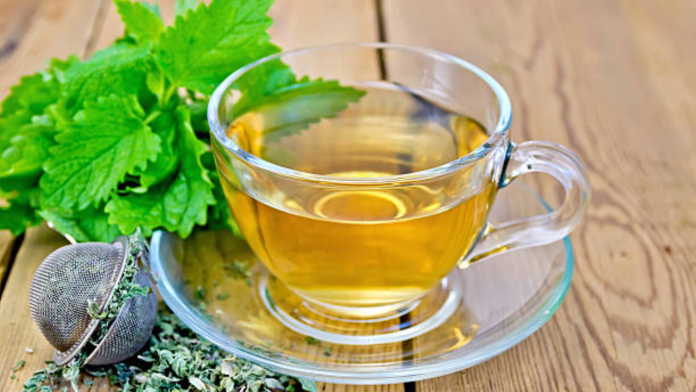
  • Herbal teas: Herbal teas, such as chamomile, lavender, and lemon balm, have long been associated with relaxation and calming effects. These teas contain compounds that can help reduce anxiety and promote a sense of tranquility. Sipping on a warm cup of herbal tea can be a soothing ritual to help manage anger.

Final Thoughts:

While anger is a natural emotion, managing it effectively is crucial for our overall well-being. So, the next time you feel angry, remember to choose foods that soothe and nourish your body and mind, allowing you to manage your anger effectively and cultivate inner peace.

Advertisement

Coffee lovers rejoice: 8 game-changing tips for brewing coffee that rivals your favorite cafe!

brewing coffee

Ah, coffee, the elixir of pure delight that tantalizes the senses and stirs the spirit. Picture a steaming cup, brimming with dark, aromatic magic, its rich aroma wafting through the air, awakening every fiber of your being. The velvety texture, as it caresses your lips, promises a symphony of flavors, from the earthy undertones to the delightful bitterness that dances on your tongue. Each sip, a moment of bliss, delivers a burst of energy, igniting a fire within, awakening your mind and invigorating your soul.  Whether it’s a brisk morning, a midday pick-me-up, or a luxurious indulgence after a long day, coffee beckons, calling you to surrender to its irresistible allure and the right knowledge and techniques are a real game changer when it comes to a flavorful cup right in the comfort of your own kitchen. So, allow us to share these eight valuable tips to help you grind and brew coffee like a pro. So, grab your favorite mug and let’s dive in!

  • Invest in a good quality burr grinder:

To achieve a cafe-style coffee experience, start by investing in a high-quality burr grinder. Unlike blade grinders, burr grinders provide consistent particle size, resulting in a more even extraction and enhanced flavor. With precise control over the grind size, you can customize it to suit your preferred brewing method.

  • Grind just before brewing:

For optimal freshness and flavor, grind your coffee beans just before you’re ready to brew. Coffee grounds start to lose their aroma and taste soon after grinding due to exposure to oxygen. By grinding immediately before brewing, you capture the full essence of the coffee beans, ensuring a more satisfying cup.

  • Choose the right size for the grind:

Different brewing methods require specific grind sizes to extract the best flavors. Experiment with your grinder’s settings and adjust the grind size accordingly. For example, coarser grinds work well for French press, while finer grinds are ideal for espresso. Understanding the right grind size will significantly enhance your coffee’s taste.

  • Coffee-to-water ratio:

Maintaining the right coffee-to-water ratio is crucial for a well-balanced and flavorful brew. As a general guideline, a ratio of 1:15 (one part coffee to 15 parts water) is a good starting point. However, feel free to adjust according to your personal preference. Remember, the strength of your coffee is influenced by this ratio, so finding the perfect balance is key.

  • Grind in short bursts:

When grinding your coffee, avoid grinding continuously for extended periods. Grinding in short bursts helps to prevent heat buildup, which can affect the flavor of the coffee. Pause intermittently to allow the grinder to cool down, ensuring a consistent grind and preserving the delicate flavors of the beans.

  • Clean grinder blades:

Regularly cleaning your grinder blades is essential to maintain optimal performance and prevent any residual flavors from transferring to your coffee. Refer to your grinder’s manual for specific cleaning instructions. By keeping your grinder clean, you ensure a fresh, untainted cup of coffee every time.

  • Experiment with grind size and extraction time:

One of the joys of brewing coffee at home is the freedom to experiment with various grind sizes and extraction times. Play around with different settings to find your perfect combination. Coarser grinds may result in a more delicate flavor, while finer grinds can produce a bolder, more intense cup. Likewise, adjusting the extraction time can alter the coffee’s characteristics. Embrace the art of exploration and discover your personal coffee paradise.

  • Store whole beans properly:
  • To preserve the freshness of your coffee, store whole beans properly. Keep them in an airtight container away from direct sunlight and moisture. Avoid refrigerating or freezing, as the beans can absorb odors and moisture, compromising their taste. By protecting the integrity of your beans, you can ensure a consistently delightful coffee experience.

With these eight tips in your arsenal, you are well on your way to grinding and brewing cafe-style coffee that rivals your favorite coffeehouse. Remember to invest in a burr grinder, grind just before brewing, choose the right grind size, maintain the proper coffee-to-water ratio, and clean your grinder regularly. Don’t be afraid to experiment with different settings, extraction times, and bean storage methods. Embrace the journey and savor the rewards of crafting the perfect cup of coffee right in your own home. Happy brewing!

Advertisement