National Company Law Tribunal has appointed Shailendra Ajmera, backed by EY, as the resolution professional (RP) for Coffee Day Global, as stated in an order uploaded on its website.
Coffee Day Global company has been admitted for insolvency proceedings by the bankruptcy court upon the request of IndusInd Bank. The bank filed a claim in court asserting that the company had defaulted on term loans amounting to INR 115 crore, which were disbursed to them in 2019.
Ajmera is also serving as the resolution professional for Go First, the insolvent airline of the Wadia group.
Coffee Day Global encompasses the extensive retail outlet network, Xpress cafés, and the group’s office vending business, all of which were established by the late VG Siddhartha.
Coffee Day Global is predominantly owned (82%) by Coffee Day Enterprises, a publicly listed entity.
Beverage company, Coca-Cola India, took a significant step forward on Tuesday as they announced the appointment of Ajay Vijay Bathija as the Vice President of Franchise Operations for the Southwest Asia region.
Bathija will maintain his position in India and will be responsible for spearheading franchise operations in Nepal, Bangladesh, Bhutan, Maldives, and Sri Lanka.
Bathija initiated his professional journey with The Coca-Cola Company and has dedicated more than twenty years to thriving in various marketing and franchise capacities.
Commenting on the appointment, Sanket Ray, President, India, and Southwest Asia, said “With his understanding of business, and growth mindset, Ajay has a proven track record of taking business to newer heights. We are hopeful that with his astute business acumen and collaborative approach he will further the organization’s purpose in the Southwest Asia region.”
Bathija commenced his career with Hindustan Coca-Cola Beverages Pvt. Ltd. (HCCBPL) in the front line sales team. In 2005, he took on the role of Region Manager for the Mekong Delta Region at SabCo Vietnam. Subsequently, he returned to India and served as the Director of Marketing for colas. During this tenure, he played a crucial role in introducing Coca-Cola Zero sugar for the first time in the INSWA (India and Southwest Asia) markets.
From 2018 to 2020, Bathija served as the Country Manager for Bangladesh, collaborating closely with bottling partners to elevate Bangladesh among the top three markets for Coca-Cola TM within The Coca-Cola Company (TCCC) globally.
Coca-Cola offers a wide range of brands, including Coca-Cola, Thums Up, Charged by Thums Up, Fanta, Limca, Sprite, Maaza, and the Minute Maid range of juices. The company collaborates with numerous local franchise bottling partners across the globe, amounting to around 200 bottling partners worldwide. Together, The Coca-Cola Company and its bottling partners form what is known as the Coca-Cola system.
It’s important to note that The Coca-Cola Company typically does not have ownership, direct management, or control over the majority of local bottling companies. Instead, they operate in partnership with these local bottlers to ensure the widespread distribution and availability of their products.
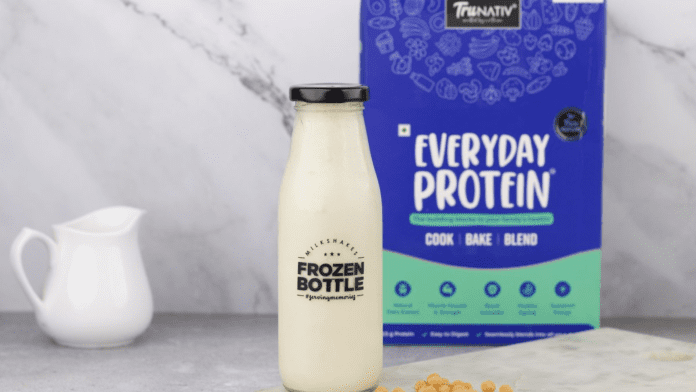
Trunativ, a renowned wellness brand in the retail sector, has joined forces with Frozen Bottle, a well-known milkshake brand, to introduce a delectable and nourishing milkshake creation. This partnership aims to offer an indulgent yet wholesome choice for consumers. Trunativ’s Everyday Protein takes the spotlight for its versatility and family-friendly appeal, harmoniously complementing a wide array of food and beverage choices, all the while preserving its delicious taste and flavor.
In this collaborative effort, Frozen Bottle has integrated Trunativ’s Everyday Protein as an Add-on choice throughout their entire shake lineup. This exciting addition allows customers to relish their beloved milkshakes, like the brownie shake, while effortlessly incorporating an extra 15g of protein, all without altering the taste. Moreover, the partnership has resulted in the launch of an exclusive Frozen Bottle x TruNativ range, offering a selection of high-protein milkshake options to cater to health-conscious individuals seeking delicious ways to boost their protein intake.
Pranav Malhotra, Founder, Trunativ, said, “Frozen bottle has been a brand that’s been on the rise as a premium go-to choice for milkshakes in the country. They have collaborated with brands like Kitkat, Cadbury, and sunfeast for integrations in their menu. Trunativ is happy to join hands with Frozen Bottle to offer a healthy range of milkshakes with our Family friendly Everyday Protein. This collaboration solidifies the fact that the consumer is looking for healthier alternatives in snacking and indulgence as well, and brands are recognizing this need and catering to it.”
Trunativ has built a remarkable reputation for its successful collaborations and co-creations of high-protein product ranges with numerous brands, including Nova Nova, MyFitness Peanut Butter, Ditch the Guilt Chocolates, and Italy in a Box. The appeal of their Everyday Protein is rapidly growing, becoming a top-notch protein option favored by both brands and families alike.
The Trunativ and Frozen Bottle partnership unites two formidable brands, catering to a wide audience in search of guilt-free indulgence. Their collaboration offers high-protein milkshakes that not only taste delicious but also resonate with health-conscious consumers striving to make better choices in their everyday diets.
More than 150 upscale dining establishments and food chains have expressed their grievances to magicpin, the offline discovery and savings platform, regarding the automatic acceptance of bookings through their Google reservation product.
During the past week, numerous high-end restaurants in Delhi, Mumbai, and Bengaluru encountered customers who had made table reservations online via magicpin.
However, upon arriving at the restaurants, they were informed that reservations made through magicpin were not accepted.
The company acknowledged its mistake, explaining that during the product testing phase, it was inadvertently rolled out across all the restaurants in various localities.
“The source of this was magicpin’s google reservation product which was activated across restaurants causing chaos,” the company said in a statement.
At present, magicpin boasts an impressive roster of nearly 4000 fine-dining restaurants actively accepting reservations through Google reservations on its platform. The company has successfully facilitated over 80,000 table bookings and currently manages an average of 5,000 reservations on a weekly basis.
“The company has offered to rectify the situation by providing an enhanced reservation management system. Now the Google reservations feature can be seamlessly integrated into the restaurant’s existing reservation management system via magicpin. This would allow the restaurants to retain the benefits of online reservations while having better control over the booking process,” the company said.
In the June 2023 quarter, Jubilant Foodworks Ltd (JFL), the company behind popular fast-food chains such as Domino’s Pizza and Dunkin’ Donuts, faced a formidable inflationary environment, resulting in a significant 74 percent drop in its consolidated net profit to INR 28.91 crore. According to a regulatory filing, this figure stands in stark contrast to the INR 112.58 crore consolidated net profit it achieved during the same period in the previous fiscal year.
Despite the challenging conditions, the company’s revenue from operations witnessed a positive growth of 6.33 percent during the quarter, amounting to INR 1,334.54 crore, as compared to INR 1,255.09 crore in the corresponding period of the previous year.
Jubilant Foodworks Ltd (JFL) revealed in its earnings statement that it encountered a demanding inflationary environment, with essential input costs remaining stable throughout the quarter.
During the April-June quarter, JFL’s total expenses rose by 13 percent, reaching INR 1,248.74 crore.
During the June quarter, JFL, India’s largest food service company, experienced a 6.17 percent increase in total income, amounting to INR 1,343.87 crore.
During the period, JFL opened 30 new stores in India, resulting in a network of 1,891 stores across all brands.
It opened 23 new restaurants and closed one restaurant of Domino’s Pizza India, taking the total count to 1,838 across 394 cities as of June 30, 2023.
The master franchiser opened four new restaurants for US Fried Chicken brand Popeyes and the QSR brand entered two new cities — Manipal and Coimbatore — taking the tally to 17 restaurants, it added.
In Hong’s Kitchen, two new stores were added, taking the total count to 15 stores
While for Dunkin’, it opened one new coffee-first store and closed one also.
“9 out of 21 Dunkin’ stores are now as per the brand’s new Coffee-first identity,” it said.
JFL Chairman Shyam S Bhartia and Co-Chairman Hari S Bhartia said, “Our performance reflects our continuation of the strategic direction we have opted for in the current inflationary environment.
“We continue to bolster our value proposition further, look inwards to improvise our systems and processes while expanding margins and finally continue to make investments further to strengthen our unique competitive advantages in operations and technology.”
As a responsible pet owner, you are undoubtedly concerned about your dog’s well-being, including their dental health. Dental problems are a common issue among dogs, and if left untreated, they can lead to severe health complications. Fortunately, there are natural remedies like coconut oil that can significantly contribute to maintaining your furry friend’s dental hygiene. In this comprehensive guide, we will explore the importance of canine dental health, common dental problems faced by dogs, and how incorporating coconut oil into their diet and routine can make a significant difference in their oral well-being.
The Significance of Canine Dental Health:
Dental health plays a crucial role in a dog’s overall health and well-being. Just like in humans, dental problems in dogs can cause discomfort, pain, and affect their ability to eat, play, and enjoy life. Dental issues can also lead to more severe health problems if left unaddressed. It is estimated that by the age of three, over 80% of dogs already have some form of dental disease. The most common dental problems in dogs include:
1. Plaque and Tartar Build-up: Accumulation of bacteria on the teeth forms plaque, which, if not removed, hardens into tartar. Tartar can lead to gum inflammation (gingivitis) and eventually cause periodontal disease.
2. Periodontal Disease: This is a serious condition in which the gums and tissues around the teeth become infected and inflamed. As the disease progresses, it can lead to tooth loss and even affect vital organs like the heart, liver, and kidneys due to bacteria spreading through the bloodstream.
3. Tooth Decay: Dogs can develop cavities just like humans, although it is less common. Tooth decay can lead to pain, discomfort, and possible tooth loss.
4. Bad Breath (Halitosis): Persistent foul breath is often a sign of dental problems and can be quite bothersome for both the dog and the owner.
5. Tooth Fractures: Chewing on hard objects or injuries can lead to tooth fractures, which can be painful and require veterinary intervention.
Benefits of Coconut Oil for Canine Dental Health:
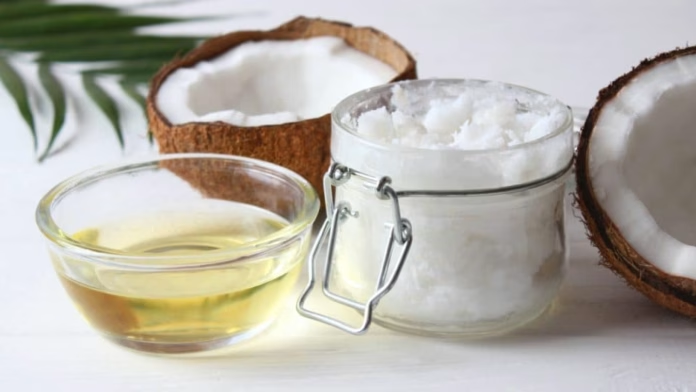
Coconut oil has gained popularity as a natural remedy for various health issues in both humans and animals, including dogs. It offers numerous benefits for canine dental health due to its unique properties. Here are some of the reasons why coconut oil can save the day for your dog’s dental well-being:
1. Antibacterial and Antifungal Properties: Coconut oil contains lauric acid, which has potent antibacterial, antiviral, and antifungal properties. When applied to your dog’s teeth and gums, it can help reduce harmful bacteria and prevent infections.
2. Anti-Inflammatory Effects: Inflammation in the gums is a common result of dental disease. Coconut oil’s anti-inflammatory properties can help soothe and reduce gum inflammation, thereby alleviating discomfort.
3. Plaque Prevention: The antibacterial action of coconut oil can help prevent the formation of plaque on your dog’s teeth. Regular use of coconut oil can hinder the growth of bacteria responsible for plaque formation.
4. Tartar Control: Coconut oil’s ability to reduce plaque formation also helps in preventing the hardening of plaque into tartar. By keeping the teeth clean, it minimizes the risk of tartar accumulation.
5. Fresher Breath: Coconut oil’s antimicrobial properties not only help combat bad breath caused by bacteria but also provide a pleasant coconut aroma to your dog’s breath.
6. Safe and Natural: Coconut oil is a safe and natural remedy that does not contain harmful chemicals or additives. It can be used as an alternative to commercial dental products that may contain harsh ingredients.
How to Use Coconut Oil for Your Dog’s Dental Health:
Now that we understand the benefits of coconut oil for canine dental health, it’s essential to know how to use it effectively. Here are some practical and safe ways to incorporate coconut oil into your dog’s dental care routine:
1. Coconut Oil Toothpaste: You can make a simple and natural toothpaste by mixing coconut oil with baking soda. Dip a soft-bristled toothbrush or finger brush into the mixture and gently brush your dog’s teeth and gums. Start slowly, allowing your dog to get used to the taste and sensation.
2. Coconut Oil Massage: If your dog is not comfortable with a toothbrush, you can gently massage their teeth and gums with coconut oil using your fingers. The antimicrobial properties will still benefit their dental health.
3. Coconut Oil Dental Treats: There are various coconut oil dental treats available in the market or you can make your own at home. These treats can serve as a delicious reward for your dog while promoting dental hygiene.
4. Oil Pulling: Yes, dogs can also do oil pulling! Swishing coconut oil in their mouth for a few minutes can help combat bacteria and promote oral health.
5. Add to Food: Another way to incorporate coconut oil into your dog’s diet is by adding it to their food. Start with a small amount and gradually increase the dosage. Make sure to use extra-virgin coconut oil for the best results.
Coconut Oil and Other Dental Care Practices:
While coconut oil can be highly beneficial for your dog’s dental health, it is essential to remember that it is not a substitute for regular veterinary dental care. Alongside using coconut oil, there are other dental care practices you should adopt to ensure your dog’s teeth and gums remain in top shape:
1. Regular Veterinary Check-ups: Schedule regular dental check-ups with your veterinarian. They will assess your dog’s dental health and recommend professional cleaning if necessary.
2. Dental Toys and Chews: Offer dental toys and chews that can help in cleaning your dog’s teeth and massage their gums. Ensure that the toys are of an appropriate size and durability for your dog’s breed and size.
3. Dental Diet: Consider feeding your dog dental-specific diets that are formulated to promote oral health and reduce plaque and tartar build-up.
4. Brushing and Maintenance: Regularly brush your dog’s teeth using a dog-specific toothbrush and toothpaste. Aim to do this at least 2-3 times a week or as recommended by your veterinarian.
5. Water Additives: There are water additives available that can help maintain dental hygiene by combating bacteria in your dog’s mouth. Speak to your vet before using any additives.
Final Thoughts:
Your dog’s dental health should never be overlooked, as it plays a vital role in their overall well-being. Dental problems in dogs can lead to pain, discomfort, and even more severe health issues if not addressed promptly. Coconut oil can be a valuable addition to your dog’s dental care routine due to its antibacterial, anti-inflammatory, and plaque-fighting properties. By using coconut oil and combining it with regular veterinary check-ups and other dental care practices, you can significantly improve your dog’s oral hygiene and ensure they lead a healthy and happy life. Always consult your veterinarian before introducing any new dietary or dental care practices to your dog’s routine, and remember, a healthy smile leads to a healthier and happier dog!
In a world where beauty products come with a hefty price tag, many individuals are constantly seeking natural and cost-effective alternatives to enhance their skin health. Giloy, a powerful herb known for its medicinal properties in Ayurveda, has gained popularity as an excellent natural remedy for various health issues, including skin problems. This article aims to explore the benefits of Giloy juice for skin transformation, providing readers with insights into its unique properties and how it can be integrated into their skincare routine.
Understanding Giloy and Its Medicinal Properties:
Giloy, scientifically known as Tinospora cordifolia, is a perennial climbing shrub found in tropical regions of India. It has been a part of traditional Ayurvedic medicine for centuries due to its numerous health benefits. The herb is known for its immunomodulatory, anti-inflammatory, and antioxidant properties, making it a potent herbal remedy for various health conditions, including skin disorders.
Benefits of Giloy Juice for Skin Health:
1. Anti-aging Properties: One of the most sought-after benefits of Giloy juice is its potent anti-aging effects. The high antioxidant content in Giloy helps neutralize free radicals, which are responsible for premature aging and skin damage. Regular consumption of Giloy juice can help reduce fine lines, wrinkles, and sagging skin, promoting a more youthful appearance.
2. Acne Treatment: Acne is a common skin problem that affects millions of people worldwide. Giloy juice’s antimicrobial and anti-inflammatory properties make it an effective natural remedy for acne treatment. Regular consumption of Giloy juice can help combat acne-causing bacteria, reduce inflammation, and prevent future breakouts, leading to clearer and healthier skin.
3. Skin Detoxification: With increasing environmental pollution and exposure to harmful toxins, our skin’s health often suffers. Giloy juice acts as a natural detoxifier, helping to eliminate toxins from the body, which can reflect positively on the skin’s appearance. A cleansed system leads to a radiant and glowing complexion.
4. Skin Hydration: Proper skin hydration is vital for maintaining its elasticity and suppleness. Giloy juice helps in retaining the skin’s moisture and prevents excessive dryness, resulting in a soft and well-hydrated complexion.
5. Treatment of Skin Infections: Giloy’s antimicrobial and antifungal properties make it an effective remedy for various skin infections, including eczema, psoriasis, and ringworm. Applying Giloy juice topically or consuming it can alleviate the symptoms of these skin conditions, providing relief and promoting faster healing.
6. Skin Lightening: For those dealing with pigmentation and uneven skin tone, Giloy juice can be a natural alternative to commercial skin lightening products. Its regular consumption can help reduce melanin production, leading to a more even skin tone and diminished dark spots.
7. Soothing Sunburns: Exposure to the sun’s harmful UV rays can cause sunburns and skin irritation. Applying Giloy juice topically on affected areas can help soothe sunburns and reduce redness, providing relief and promoting faster recovery.
8. Boosting Collagen Production: Collagen is essential for maintaining skin elasticity and firmness. Giloy juice is rich in antioxidants and nutrients that stimulate collagen production, helping to keep the skin supple and youthful.
9. Reducing Puffiness and Dark Circles: The anti-inflammatory properties of Giloy juice can help reduce puffiness and dark circles around the eyes. Applying it topically or consuming it can improve blood circulation and minimize the appearance of under-eye bags.
How to Use Giloy Juice for Skin Transformation:
1. Internal Consumption: To reap the skin benefits of Giloy juice, it is recommended to consume it internally. You can either purchase commercially available Giloy juice or prepare it at home by blending fresh Giloy stems with water. Consume a small glass of Giloy juice daily, preferably in the morning, on an empty stomach.
2. Topical Application: For targeted skin issues like acne, sunburns, or infections, you can apply Giloy juice directly to the affected areas. Ensure that the juice is freshly extracted for maximum effectiveness.
Final Thoughts:
The pursuit of healthy and radiant skin doesn’t have to be an expensive affair. Giloy juice, with its remarkable medicinal properties, offers a natural and affordable solution for skin transformation. From combating aging signs to treating skin problems like acne and infections, Giloy’s versatile benefits make it a valuable addition to any skincare routine. Embrace the power of Ayurveda and unlock the potential of Giloy juice for naturally glowing and healthy skin. Remember to consult with a healthcare professional before incorporating any new supplement or remedy into your daily regimen, especially if you have pre-existing medical conditions or allergies.
Weight loss journeys can be challenging and often accompanied by frustrating plateaus, where progress seems to stall despite your best efforts. Many individuals experience weight loss plateaus, leading to demotivation and a sense of hopelessness. However, it’s important to remember that plateaus are a natural part of the weight loss process and can be overcome with the right strategies and mindset. In this comprehensive guide, we will explore various genius strategies that can transform your body and help you break through weight loss plateaus effectively.
Understanding Weight Loss Plateaus:
Before diving into the strategies to overcome weight loss plateaus, it is essential to understand why they occur. Weight loss plateaus happen due to the body’s natural adaptation to changes in diet and exercise. When you start a weight loss journey, you may initially lose weight quickly, but over time, your body adjusts to the new calorie intake and energy expenditure, leading to a slowdown in weight loss.
Plateaus can also be influenced by hormonal changes, stress, inadequate sleep, and other factors. Understanding the underlying causes will help you tailor your approach to break through these plateaus and continue making progress toward your weight loss goals.
Genius Strategies to Overcome Weight Loss Plateaus:
1. Reevaluate Your Caloric Intake: As your body adapts to your initial calorie deficit, it’s essential to reassess your daily caloric intake. Using online calculators or consulting with a nutritionist can help determine your new daily caloric needs for continued weight loss. Adjusting your caloric intake can reignite your metabolism and help you overcome plateaus.
2. Mix Up Your Exercise Routine: If you’ve been following the same exercise routine for an extended period, your body may have adapted to it, resulting in diminished returns. Incorporate new exercises, increase the intensity, or try different workout formats such as high-intensity interval training (HIIT) to challenge your muscles and burn more calories.
3. Track Your Macros: Along with monitoring your overall caloric intake, paying attention to your macronutrient distribution can be beneficial. Balancing your intake of proteins, carbohydrates, and fats can optimize energy levels, muscle preservation, and fat burning.
4. Stay Hydrated: Drinking enough water is crucial for overall health and can play a significant role in overcoming weight loss plateaus. Sometimes, the body may retain water due to dehydration, leading to a false sense of weight gain. Staying well-hydrated can also help control hunger and support metabolism.
5. Intermittent Fasting: Consider incorporating intermittent fasting into your routine. This approach involves cycling between periods of eating and fasting, which may help regulate hormones, improve insulin sensitivity, and promote fat burning.
6. Monitor Non-Scale Victories: Plateaus can lead to frustration, especially when the scale doesn’t budge. Instead of solely relying on the scale, focus on other indicators of progress, such as improved energy levels, better sleep, increased strength, and changes in clothing size.
7. Get Sufficient Sleep: Sleep plays a vital role in weight loss and overall health. Inadequate sleep can disrupt hormones that control hunger and appetite, potentially leading to overeating and weight gain. Aim for 7-9 hours of quality sleep per night to support your weight loss efforts.
8. Manage Stress: Chronic stress triggers the release of cortisol, a hormone associated with weight gain, especially around the abdominal area. Incorporate stress-reducing practices such as meditation, yoga, or spending time in nature to help manage stress levels and aid weight loss.
9. Increase NEAT (Non-Exercise Activity Thermogenesis): NEAT refers to the energy expended during non-exercise activities like fidgeting, walking, or taking the stairs. Increasing your NEAT can complement your regular workouts and support weight loss.
10. Practice Mindful Eating: Mindful eating involves paying full attention to the eating experience, savoring each bite, and recognizing feelings of hunger and satiety. This approach can prevent overeating and help you make healthier food choices.
11. Consider Supplements: While supplements are not a replacement for a balanced diet, certain ones, like fiber, green tea extract, or protein powder, can aid in weight loss and provide additional nutrients.
12. Seek Professional Support: If you find yourself struggling with weight loss plateaus despite trying various strategies, consider seeking help from a registered dietitian or a certified fitness coach. They can provide personalized guidance tailored to your unique needs and challenges.
Cultivating a Positive Mindset:
Breaking through weight loss plateaus requires more than just physical adjustments; it also necessitates a positive mindset. Here are some essential mindset strategies to adopt:
1. Set Realistic Goals: Reevaluate your weight loss goals and ensure they are realistic and attainable. Unrealistic expectations can lead to disappointment and give rise to an all-or-nothing mindset.
2. Embrace the Journey: Weight loss is not a linear process. Embrace the ups and downs and view them as learning opportunities rather than failures.
3. Be Patient and Persistent: Rome wasn’t built in a day, and the same goes for weight loss. Stay patient, trust the process, and remain persistent even when faced with challenges.
4. Practice Self-Compassion: Be kind to yourself throughout your weight loss journey. Avoid self-criticism and negative self-talk. Celebrate your achievements, no matter how small they may seem.
5. Focus on Health and Well-Being: Shift your focus from solely chasing a number on the scale to prioritizing your overall health and well-being. Make choices that make you feel good and energized.
Avoiding Plateau Pitfalls:
While implementing strategies to overcome weight loss plateaus, it’s essential to be aware of common pitfalls that can hinder progress:
1. Crash Diets: Drastically reducing calorie intake for rapid weight loss may work initially, but it is unsustainable and can lead to muscle loss and metabolic slowdown, making plateaus more likely.
2. Overtraining: Excessive exercise without adequate rest can lead to burnout, injuries, and hinder progress. Listen to your body and give it the rest it needs to recover.
3. Relying on Weight Loss Supplements: Weight loss supplements can be helpful when used wisely, but they should not replace a balanced diet and healthy lifestyle.
4. Emotional Eating: Using food as a coping mechanism for stress or emotions can sabotage your weight loss efforts. Instead, find healthier ways to deal with emotions.
Final Thoughts:
Weight loss plateaus are a common occurrence in weight loss journeys, but they do not signify failure. By understanding the underlying causes and implementing these genius strategies, you can overcome plateaus and transform your body effectively. Remember, a positive mindset and sustainable lifestyle changes are key to achieving long-term weight loss success. Embrace the journey, be patient with yourself, and celebrate every step towards a healthier and happier you. You’ve got this!
The pursuit of optimal health and wellness is a journey that requires dedication, discipline, and knowledge. For men, maintaining peak performance, vitality, and overall well-being is of paramount importance. Alongside a balanced diet, regular exercise, and proper lifestyle choices, supplements can play a pivotal role in supporting men’s health and enhancing their overall quality of life. In this comprehensive guide, we will explore the ten game-changing supplements that have demonstrated remarkable benefits for men’s health and wellness. From improving physical performance to supporting mental clarity, these supplements have the potential to transform lives.
1. Omega-3 Fatty Acids:
Omega-3 fatty acids, particularly eicosapentaenoic acid (EPA) and docosahexaenoic acid (DHA), are essential fats found in fatty fish, flaxseeds, and walnuts. These fats are crucial for men’s health as they provide numerous benefits, such as reducing inflammation, supporting heart health, and promoting brain function. Additionally, Omega-3s have shown promise in improving joint health and enhancing athletic performance, making them a must-have supplement for men seeking to optimize their physical and mental well-being.
2. Vitamin D:
Often referred to as the “sunshine vitamin,” Vitamin D plays a vital role in maintaining bone health, supporting the immune system, and regulating hormone levels. Many men are deficient in Vitamin D, especially those with limited sun exposure. Supplementation can be beneficial, especially for men in regions with less sunlight. Ensuring adequate Vitamin D levels can help reduce the risk of various health issues, including cardiovascular diseases, diabetes, and certain cancers.
3. Zinc:
Zinc is a crucial mineral that supports numerous bodily functions, including immune system function, hormone production, and antioxidant activity. For men, zinc is particularly important for maintaining healthy testosterone levels, promoting reproductive health, and supporting prostate function. Ensuring sufficient zinc intake through supplementation or diet can contribute to improved overall health and vitality.
4. Magnesium:
Magnesium is an essential mineral involved in over 300 biochemical reactions in the body. It plays a significant role in muscle function, nerve transmission, and energy production. For men, magnesium supplementation may aid in reducing stress, improving sleep quality, and supporting heart health. It is also known to be beneficial for men engaged in regular physical activity, as it can help reduce muscle cramps and enhance exercise performance.
5. Ashwagandha:
Ashwagandha, an adaptogenic herb with a long history in traditional Ayurvedic medicine, has gained popularity as a powerful supplement for men’s health and wellness. It is known to help combat stress, reduce cortisol levels, and promote a sense of calmness and relaxation. Additionally, ashwagandha has shown potential in enhancing testosterone levels, supporting reproductive health, and improving physical endurance.
6. Tribulus Terrestris:
Tribulus Terrestris is an herb that has been used for centuries in traditional medicine to address male sexual health and enhance libido. Recent studies suggest that Tribulus Terrestris may boost testosterone levels, which can lead to increased muscle mass, improved mood, and enhanced sexual performance. While more research is needed, many men find this supplement beneficial in supporting their overall well-being.
7. Coenzyme Q10 (CoQ10):
Coenzyme Q10, or CoQ10, is a naturally occurring antioxidant that plays a crucial role in energy production within cells. It is particularly vital for the health of organs with high-energy demands, such as the heart. As men age, their CoQ10 levels may decline, making supplementation beneficial for supporting cardiovascular health and overall energy levels.
8. Probiotics:
Gut health is a foundation for overall well-being, and probiotics can be game-changing supplements for men looking to optimize their digestive health. Probiotics are beneficial bacteria that support a balanced gut microbiome, aiding in digestion, nutrient absorption, and immune system function. They can also help address gastrointestinal issues such as bloating, gas, and constipation, making them a valuable addition to any man’s supplement regimen.
9. L-Arginine:
L-Arginine is an amino acid that serves as a building block for nitric oxide, a molecule that relaxes blood vessels and improves blood flow. This can lead to improved circulation and cardiovascular health. For men, L-Arginine supplementation may contribute to better erectile function, making it a popular choice for those seeking natural ways to support sexual performance and vitality.
10. Multivitamins:
While a well-balanced diet should provide essential nutrients, a high-quality multivitamin can serve as a safety net to ensure adequate intake of vitamins and minerals. Multivitamins formulated for men typically include key nutrients like vitamins A, C, E, and B-complex, as well as minerals like selenium and manganese. These nutrients are essential for overall health, supporting immune function, energy production, and various enzymatic reactions in the body.
Final Thoughts:
Achieving optimal health and wellness is a journey that requires a holistic approach, and supplements can be valuable tools to support men along the way. The ten game-changing supplements mentioned in this guide offer various benefits, from promoting heart health and boosting immunity to enhancing sexual performance and mental clarity. However, it’s crucial to remember that supplements should complement a healthy lifestyle, including a balanced diet, regular exercise, and stress management. Before adding any supplements to your regimen, it’s wise to consult with a healthcare professional to ensure they align with your individual health needs and goals. By combining these powerful supplements with a proactive approach to overall well-being, men can experience significant improvements in their health, vitality, and quality of life.
Chennai, the bustling capital city of Tamil Nadu, India, is renowned for its rich cultural heritage and sumptuous cuisine. Among the myriad delicacies that the city offers, dosa stands out as a beloved staple. A dosa is a thin, crispy, and savory pancake made from fermented rice and lentil batter, often served with a variety of chutneys and sambar, a flavorful lentil-based stew.
The love for dosas in Chennai is unparalleled, and the city boasts a plethora of eateries that take this classic dish to a whole new level. In this gastronomic journey, we will explore ten epic dosa joints in Chennai that are bound to enthrall your taste buds with their delightful creations. From traditional classics to innovative renditions, these eateries have perfected the art of dosa-making, making them an unmissable part of any food enthusiast’s itinerary.
1. Murugan Idli Shop:
We begin our dosa expedition with a legendary eatery, the Murugan Idli Shop. Though renowned for their fluffy idlis, their dosas are equally divine. The dosa here is thin and crispy, with a golden hue, served alongside an array of chutneys and sambar. One must try their signature Ghee Roast Dosa, where the dosa is roasted to perfection in pure ghee, imparting a delectable aroma and flavor.
2. Sangeetha Vegetarian Restaurant:
Sangeetha is a household name in Chennai when it comes to authentic South Indian cuisine. This restaurant’s dosa offerings are nothing short of extraordinary. From the classic Masala Dosa to the innovative Cheese Burst Dosa, Sangeetha caters to every dosa lover’s fantasy. The dosas here are generously stuffed with delectable fillings and served with a side of lip-smacking coconut chutney.
3. Rayar’s Mess:
For a taste of nostalgia and traditional flavors, Rayar’s Mess is the go-to place. Hidden in the bustling streets of Mylapore, this modest mess has been serving delightful dosas for decades. Their Kanchipuram Masala Dosa, with a special spice blend, is a must-try. Be prepared to embrace the authentic flavors that have remained unchanged over the years.
4. Prems Graama Bhojanam:
Prems Graama Bhojanam is a culinary gem that offers an exclusive countryside dining experience in the heart of Chennai. Set in a serene ambiance, their organic approach to dosa-making sets them apart. Using ancient grains and locally sourced ingredients, they craft dosas that are wholesome and nutritious. Their Millet Dosa and Ragi Dosa are particularly popular among health-conscious foodies.
5. The Dindigul Thalappakatti Biriyani:
While famous for their biryanis, Thalappakatti also boasts a unique dosa selection. Their Veechu Parotta Dosa, made from the flaky and layered parotta bread, is a fusion delight. It combines the best of both worlds – the essence of a dosa and the indulgence of a parotta. Served with a side of spicy salna, this dosa promises a burst of flavors with every bite.
6. Murugan Idli Kadai:
Murugan Idli Kadai, distinct from the previously mentioned Murugan Idli Shop, has carved a niche for itself with its scrumptious dosas. Their Kothu Parotta Dosa is a standout creation that takes the popular street food “Kothu Parotta” and stuffs it inside a dosa. The result is a heavenly combination of crispiness and a melange of flavors, making it a must-try for culinary adventurers.
7. Maami’s Dosa Kadai:
Tucked away in a quaint corner of the city, Maami’s Dosa Kadai brings the essence of homemade dosas to the masses. Cooked with love and care, their dosas exude warmth and simplicity. The Tomato Onion Dosa and the Coconut Dosa are delightful renditions that showcase the artistry of traditional Tamil Nadu cooking.
8. Murugan’s Idli Shop:
Another gem in the city with a similar name but an entirely different experience, Murugan’s Idli Shop is a must-visit for dosa enthusiasts. Their Kal Dosai, a massive dosa that extends well beyond the plate’s borders, is a sight to behold. Accompanied by an assortment of chutneys, this dosa offers a satisfying and indulgent meal.
9. Mami Tiffin Stall:
For those seeking pocket-friendly dosa delights, Mami Tiffin Stall is a paradise. Located in the busy streets of Triplicane, this humble stall dishes out delicious dosas at affordable prices. The Paper Roast Dosa, a thin and crispy dosa with a generous sprinkle of gunpowder, is a top recommendation.
10. Annalakshmi Restaurant:
Our final destination is Annalakshmi, a restaurant that stands out for its delectable dosa spread and a unique concept. This vegetarian eatery follows the ancient tradition of “Annalakshmi,” where food is offered as a form of service. Their dosas, prepared with love and devotion, capture the essence of this age-old tradition. The Jumbo Dosa, a larger-than-life dosa filled with a delightful potato masala, is a showstopper.
Final Thoughts:
Chennai, the land of dosa lovers, boasts an impressive array of eateries that cater to every dosa aficionado’s palate. From traditional classics to innovative fusions, each eatery on this list has mastered the art of dosa-making and continues to enthrall locals and visitors alike.
Whether you’re a food enthusiast or someone looking to experience the authentic flavors of Chennai, exploring these ten epic dosa eateries will undoubtedly be a memorable gastronomic journey. So, the next time you find yourself in Chennai, don’t miss the opportunity to savor the irresistible dosas served at these legendary eateries!
We use cookies to ensure that we give you the best experience on our website. If you continue to use this site we will assume that you are happy with it.