Bira 91 has announced the momentous debut of its first Taproom at the prestigious DLF CyberHub in Gurugram. This exciting milestone represents the brand’s third successful launch in India.
Scheduled to open its doors to the eager public on July 28, 2023, the Taproom boasts an impressive lineup of 16 beers on tap, each expertly crafted to cater to diverse palates. Complementing the exquisite beer flavors is a delectable food menu curated by the renowned chef Vicky Ratnani, promising a delightful array of dishes to tantalize taste buds.
In addition, the Taproom will present an extensive array of specialty cocktails, thoughtfully curated by the esteemed sommelier Magandeep Singh, showcasing both classic concoctions and unique creations that promise to elevate the drinking experience. Moreover, the CyberHub Taproom will house the brand’s first-ever offline Bira 91 Merch Store, showcasing a delightful selection of the most-loved merchandise from the brand.
Speaking on the launch, Rahul Singh, senior vice President, Pubs at Bira 91, said, “Beer consumption in India thrives at multiple levels, with the out-of-home experience playing a pivotal role in nurturing the country’s growing beer culture. The increasing availability of diverse and premium beer options has not only democratised the industry but also shaped the evolving Indian palate.”
Spanning an expansive area of 3700 sq. ft, Bira 91’s latest Taproom at DLF CyberHub has the capacity to comfortably host over 120 guests. The interior design takes inspiration from the intricate brewing process of beers, with four distinct murals dedicated to the various stages of harvesting, milling, brewing, fermenting, and finally, the delightful act of sipping. These captivating murals add a touch of artistry to the space, enriching the overall experience for every visitor.
STIM Oral Care, a leading provider of oral hygiene products in India, is excited to announce the launch of its newest addition to the product lineup – “Hoppy Kids,” a specially designed toothbrush for children aged 3 to 10 years. The company aims to make oral care a delightful and healthy experience for young ones, instilling good dental hygiene habits from an early age. With “Hoppy Kids,” parents can trust in STIM Oral Care’s commitment to promoting children’s dental well-being while ensuring a fun and enjoyable brushing routine for their little ones.
The toothbrush, “Hoppy Kids,” boasts an appealing design that immediately captivates the attention of children, transforming brushing time into a delightful and enjoyable activity. Its super soft rounded bristles have been thoughtfully designed to be gentle on kids’ enamel, ensuring a comfortable and pleasant brushing experience. Moreover, the toothbrush is equipped with densely packed bristles, guaranteeing thorough cleaning of every tooth, effectively eliminating plaque and promoting excellent oral hygiene for children.
A standout feature of “Hoppy Kids” is the tongue scrubber located at the back of the head, enhancing the overall oral cleaning process. Additionally, the toothbrush boasts an ergonomic and comfortable handle, perfectly designed for little hands, empowering children to brush confidently on their own.
STIM Oral Care recognizes the importance of cultivating good oral hygiene habits from an early age, and ‘Hoppy Kids’ is a step towards achieving that goal. The toothbrush’s perfect head size ensures that kids can brush with ease, while the super soft bristles guarantee a gentle cleaning experience. STIM Oral Care is thrilled to promote healthy smiles among children with this innovative toothbrush.
As part of their commitment to comprehensive oral care, STIM Oral Care provides a complimentary STIM Kids Flosser with each “Hoppy Kids” toothbrush, encouraging interdental cleaning for a complete oral hygiene routine. Moreover, STIM Oral Care takes pride in offering a range of toothpaste specifically designed for children’s gentle teeth, ensuring the best care for young ones’ oral health. All STIM Oral Care products are vegan-friendly, cruelty-free, and free from harmful chemicals, reflecting the brand’s dedication to both the well-being of its consumers and the environment.
With a strong focus on sustainability, all STIM Oral Care products, including “Hoppy Kids,” are proudly made in India. The brand remains committed to developing more eco-friendly oral care solutions, in line with the recommendations of dental surgeons worldwide.
If there’s one dessert that has the power to make kids (and adults!) jump for joy, it’s undoubtedly the delectable and magical Oreo balls. These little bites of heaven combine the irresistible flavors of Oreos with the creaminess of cream cheese and the lusciousness of chocolate. They are easy to make, require only a handful of ingredients, and are perfect for any occasion, from birthday parties to holiday gatherings. So, let’s dive into the mesmerizing world of Oreo balls and learn how to create this delightful treat that will have everyone asking for seconds!
Ingredients of Oreo Balls:
To make these delightful Oreo balls, you’ll need the following ingredients:
1 package (14.3 ounces) of Oreo cookies (original flavor works best)
8 ounces of high-quality chocolate (semi-sweet or milk), chopped or chocolate chips
Optional toppings: crushed Oreo cookies, sprinkles, crushed nuts, coconut flakes, or any other toppings of your choice.
Instructions:
1. Crush the Oreos: Start by crushing the Oreo cookies into fine crumbs. You can use a food processor for this task, but if you don’t have one, place the cookies in a large ziplock bag and crush them with a rolling pin or the back of a heavy spoon. Crush until you get fine crumbs, free from any large chunks.
2. Mix the Cream Cheese: In a mixing bowl, combine the softened cream cheese, vanilla extract, and a pinch of salt (if using). Mix everything thoroughly until you achieve a smooth and creamy consistency.
3. Combine Oreos and Cream Cheese Mixture: Add the crushed Oreo crumbs to the bowl of cream cheese mixture. Mix them together until the crumbs are evenly distributed and fully coated with the cream cheese. This will result in a soft and moldable dough-like mixture.
4. Shape the Oreo Balls: Using your hands, take small portions of the Oreo and cream cheese mixture and roll them into balls. The size of the balls can vary based on your preference, but aim for bite-sized pieces that can be easily popped into your mouth.
5. Chill the Oreo Balls: Place the formed Oreo balls on a parchment-lined baking sheet or a plate. Once all the balls are shaped, put them in the refrigerator to chill for at least 30 minutes. Chilling will help the Oreo balls firm up and hold their shape during the dipping process.
6. Prepare the Chocolate Coating: While the Oreo balls are chilling, melt the chocolate. You can do this using a double boiler or by microwaving the chopped chocolate or chocolate chips in short intervals, stirring in between, until smooth and fully melted.
7. Dip the Oreo Balls: Take the chilled Oreo balls out of the refrigerator. Using a fork or a dipping tool, carefully dip each ball into the melted chocolate, ensuring it gets fully coated. Allow any excess chocolate to drip off before placing the coated ball back on the parchment-lined sheet.
8. Add Toppings (Optional): Before the chocolate sets, you can sprinkle crushed Oreo cookies, colorful sprinkles, crushed nuts, or coconut flakes on top of the coated Oreo balls for added texture and visual appeal.
9. Set the Oreo Balls: Once all the balls are coated and topped (if desired), return the baking sheet to the refrigerator. Let the balls set for another 30 minutes or until the chocolate hardens.
10. Serve and Enjoy! Your delightful Dish are now ready to be served! Arrange them on a serving platter and watch as your kids (and guests of all ages) jump for joy at the sight of this magical treat.
Oreo Balls – Storage:
If you have any leftover Oreo balls (which is a rare occurrence!), store them in an airtight container in the refrigerator. They will stay fresh and delicious for several days.
Whether it’s a special occasion or just a regular day, It will never fail to bring happiness and delight to the table. These bite-sized treats are not only a crowd-pleaser but also a joy to make. So, gather your ingredients, channel your inner dessert wizard, and create these magical Oreo balls that will leave everyone craving for more! Happy indulging!
Chennai, the capital of Tamil Nadu, is a city renowned for its rich culture, historical landmarks, and delectable cuisine. But beyond the bustling streets and vibrant markets lies a hidden charm – the city’s romantic dining scene. Chennai boasts a plethora of enchanting restaurants that set the perfect ambiance for a memorable date night. Amidst the warm glow of candlelight and the tantalizing aromas of delicious dishes, couples can bask in the romantic atmosphere and create lasting memories. In this article, we explore ten of Chennai’s most captivating restaurants that are sure to ignite the sparks of love and make any date night truly magical.
1. The Flying Elephant – Park Hyatt Chennai:
Located within the luxurious Park Hyatt Chennai, The Flying Elephant offers a truly opulent dining experience. The restaurant’s decor is sophisticated and modern, featuring chic interiors and a breathtaking view of the cityscape. With its extensive menu of gourmet dishes, accompanied by a wide selection of fine wines, couples can indulge in a culinary journey like no other. The candlelit tables and the rooftop setting under the night sky make The Flying Elephant an ideal spot for a romantic evening, ensuring that every moment spent here is filled with enchantment and delight.
2. Kipling Cafe:
Tucked away in the quaint lanes of ECR (East Coast Road), Kipling Cafe exudes an old-world charm that captures the hearts of its visitors. This colonial-style restaurant boasts a serene garden ambiance, complete with fairy lights and flickering candles. The fusion menu blends Indian and Continental flavors, offering an array of mouthwatering delicacies. Whether dining indoors amidst antique decor or al fresco in the picturesque courtyard, couples can revel in the romantic atmosphere and enjoy an intimate evening together.
3. Bay View – Vivanta by Taj Fisherman’s Cove:
Overlooking the Bay of Bengal, Bay View at Vivanta by Taj Fisherman’s Cove provides an awe-inspiring setting for a romantic date night. The sound of crashing waves and the gentle sea breeze create an idyllic ambiance for couples to enjoy delectable seafood and coastal cuisine. The restaurant’s intimate setup and candlelit tables add to the charm, making it an enchanting spot for a candlelit dinner. As the sun sets over the horizon, painting the sky in hues of orange and pink, Bay View becomes a magical haven for lovers seeking a unique and unforgettable dining experience.
4. The Velveteen Rabbit:
Nestled in the heart of the city, The Velveteen Rabbit is a quaint and cozy restaurant that transports couples to a whimsical world of romance. The vintage-inspired decor, adorned with fairy lights and candles, sets the stage for an intimate dining experience. The restaurant’s specialty lies in its artisanal European cuisine, which is crafted with meticulous attention to detail. Whether savoring their delectable desserts or relishing their hearty mains, couples can relish a delightful culinary journey while immersed in an enchanting ambiance.
5. The Wharf – Radisson Blu Temple Bay Mamallapuram:
Set against the backdrop of the Bay of Bengal, The Wharf at Radisson Blu Temple Bay Mamallapuram offers a dreamy and secluded dining experience. Surrounded by palm trees and a serene beach, couples can enjoy a private candlelit dinner with their toes in the sand. The menu features an array of delectable seafood dishes, enhancing the coastal dining experience. The soft glow of lanterns and the calming sound of waves crashing nearby create an intimate and romantic atmosphere, making The Wharf an exquisite choice for couples seeking a memorable beachside date night.
6. Ottimo Cucina Italiana:
For couples seeking a taste of Italy in Chennai, Ottimo Cucina Italiana delivers an authentic and romantic dining experience. The restaurant’s elegant interiors and soft candlelight create an intimate setting for a cozy dinner for two. Their menu boasts a wide selection of traditional Italian dishes, including handcrafted pasta and wood-fired pizzas, prepared with the finest ingredients. The attentive service and warm ambiance make Ottimo Cucina Italiana an excellent choice for couples looking to share a romantic evening filled with delicious food and heartfelt conversations.
7. The Dining Room – Park Hyatt Chennai:
Another gem within Park Hyatt Chennai, The Dining Room offers an enchanting dining experience with a touch of sophistication. The restaurant’s contemporary interiors, adorned with delicate chandeliers and candlelit tables, exude elegance and charm. Their menu showcases a blend of international cuisines, expertly crafted by skilled chefs. Whether savoring a sumptuous brunch or indulging in a romantic dinner, couples can revel in the luxurious setting and impeccable service. The Dining Room promises to be a haven of romance, perfect for kindling the flames of love on a date night.
8. Amethyst Cafe:
Housed within a restored colonial mansion, Amethyst Cafe is an artistic and bohemian restaurant that celebrates the city’s cultural heritage. Its lush garden setting, dotted with fairy lights and candles, creates a magical ambiance for couples to enjoy a quiet and romantic dinner. The menu offers an array of continental dishes, along with an impressive selection of teas and coffees. As a bonus, Amethyst Cafe also houses a boutique and art gallery, providing an added touch of culture and sophistication to the overall dining experience.
9. The Crown – The Residency Towers:
Perched atop The Residency Towers, The Crown offers a splendid rooftop dining experience with a panoramic view of the city’s skyline. The restaurant’s contemporary decor and soft lighting make it an ideal choice for a candlelit date night. The menu features a variety of Indian, Continental, and Asian dishes, ensuring a delightful gastronomic journey. Whether visiting for a romantic dinner or a leisurely brunch, couples can cherish their time together amidst the stars and city lights at The Crown.
10. Up North – The Raintree, Anna Salai:
If couples are in the mood for a fine-dining experience celebrating the rich flavors of North Indian cuisine, Up North at The Raintree, Anna Salai, is the perfect choice. The restaurant’s regal and opulent decor, combined with candlelit tables, sets the stage for a royal dining experience. With a focus on authentic Mughlai and Punjabi dishes, Up North impresses its guests with delectable kebabs, biryanis, and curries. Couples can bask in the romantic ambiance while savoring the mouthwatering dishes, making this restaurant an excellent choice for a memorable date night.
Final Thoughts:
Chennai’s culinary scene is brimming with enchanting restaurants that set the stage for a magical date night. From beachside havens and garden retreats to sophisticated rooftops and vintage-inspired hideaways, these ten charming restaurants offer an unforgettable experience for couples seeking a memorable evening together. Amidst the soft glow of candlelight and the tantalizing aroma of gourmet dishes, each of these restaurants presents a unique opportunity to create lasting memories of love and romance. Whether celebrating an anniversary, a special occasion, or simply enjoying each other’s company, these restaurants promise an enchanting and cherished date night in the heart of Chennai.
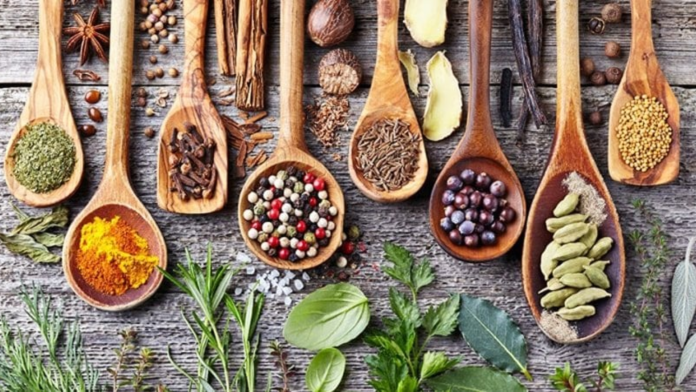
A vegan lifestyle embraces a plant-based diet that excludes all animal-derived products, including meat, dairy, and eggs. With the increasing popularity of veganism, the need for a well-stocked kitchen becomes essential. Seasonings and spices play a vital role in enhancing the flavors of plant-based dishes, making them more enjoyable and satisfying. Whether you’re a seasoned vegan or just starting on this journey, having a selection of versatile and flavorful seasonings and spices at your fingertips can elevate your culinary experience. In this article, we will explore ten indispensable seasonings and spices that every vegan should have on hand.
1. Nutritional Yeast:
Nutritional yeast, often referred to as “nooch,” is a favorite among vegans for its cheesy flavor and nutritional benefits. It is a deactivated yeast that is high in protein, vitamins, and minerals, particularly vitamin B12, which is essential for vegans. Nutritional yeast can be sprinkled on popcorn, pasta, salads, and roasted vegetables, adding a savory and umami taste to the dishes. It also serves as a base for making vegan cheese sauces and dressings, making it a must-have seasoning in any vegan kitchen.
2. Tamari or Soy Sauce:
Tamari or soy sauce is a staple in Asian cuisine and a versatile seasoning for vegans. It adds a depth of savory flavor known as “umami” to various dishes. Tamari is a wheat-free alternative to soy sauce, making it suitable for individuals with gluten sensitivities. Use it in stir-fries, marinades, and salad dressings to enhance the taste of vegetables, tofu, and plant-based proteins.
3. Smoked Paprika:
Smoked paprika is a type of paprika made from dried and smoked red peppers. It imparts a rich, smoky flavor to dishes, mimicking the taste of grilled or barbecued foods. Sprinkle it over roasted potatoes, grilled vegetables, or bean dishes to add a delightful smokiness that elevates the overall taste.
4. Turmeric:
Turmeric is a golden-hued spice that not only adds a vibrant color to dishes but also offers numerous health benefits. Its active compound, curcumin, possesses anti-inflammatory properties and is a powerful antioxidant. Turmeric is a key ingredient in curry powders and can be used to flavor rice, soups, stews, and vegetable dishes, providing a warm and earthy taste.
5. Cumin:
Cumin is a fragrant spice widely used in Middle Eastern, Indian, and Mexican cuisines. Its warm and nutty flavor adds depth to various vegan dishes. Roast cumin seeds and grind them to create ground cumin for seasoning soups, curries, and legume-based dishes like hummus or falafel. It complements the taste of vegetables and grains, making it an essential seasoning for any vegan pantry.
6. Garlic Powder:
Garlic powder is a convenient and versatile seasoning that provides the intense flavor of fresh garlic without the hassle of peeling and chopping. It can be sprinkled on roasted vegetables, popcorn, pasta dishes, and dressings, enhancing their taste with a distinct garlic punch.
7. Onion Powder:
Similar to garlic powder, onion powder offers a concentrated flavor of onions and is an excellent addition to many vegan recipes. Use it to season sauces, soups, stews, and homemade veggie burgers, imparting a savory taste without the need to chop onions.
8. Dried Herbs:
Dried herbs like basil, oregano, thyme, and rosemary are indispensable in the vegan kitchen. They provide a burst of flavor and aroma to various dishes. Add dried basil and oregano to pasta sauces and pizzas. Use thyme and rosemary to season roasted vegetables or marinate tofu before grilling. Dried herbs are versatile and long-lasting, making them essential pantry items.
9. Chili Flakes:
For those who enjoy a touch of heat, chili flakes are a must-have seasoning. They add spice and excitement to vegan dishes, such as soups, stews, stir-fries, and bean-based recipes. Adjust the amount of chili flakes based on your preference for spiciness, and explore the diverse world of flavors they bring to your meals.
10. Lemon Pepper:
Lemon pepper is a delightful seasoning that combines the tangy taste of lemon zest with the kick of black pepper. It is excellent for seasoning roasted vegetables, tofu, and salads, adding a bright and zesty twist to your dishes.
Final Thoughts:
Having a well-stocked spice cabinet is essential for any vegan cook to elevate the flavors of plant-based dishes. The ten seasonings and spices mentioned in this article provide a diverse range of tastes, from smoky and savory to spicy and tangy. Incorporate these essentials into your culinary repertoire, experiment with different combinations, and discover the endless possibilities they offer. Whether you’re a seasoned chef or a novice in the kitchen, these ten seasonings and spices will undoubtedly enhance your vegan cooking and make every meal a delightful experience.
Wine has been an integral part of human culture for thousands of years, and the art of wine pairing is revered by enthusiasts worldwide. Red wine, with its complex flavors and rich aromas, has a special place in the hearts of wine connoisseurs. Pairing wine with food is an art that enhances the dining experience, but not all combinations are harmonious. In this article, we explore the potential pitfalls of pairing red wine with certain types of fish.
The Pleasures of Red Wine:
Red wine is a beverage that captivates the senses. Its bold and complex flavors, often influenced by factors such as grape variety, terroir, and winemaking techniques, make it a versatile companion to various cuisines. Red wines can exhibit notes of berries, cherries, spices, tobacco, and even earthy undertones, adding depth to any meal. When paired correctly, the flavors of both the wine and food can elevate each other, creating a delightful gastronomic experience.
The Challenge of Fish Pairing:
Pairing fish with wine can be a challenging task due to the delicate nature of fish flavors. Fish dishes can vary from mild and delicate to rich and oily, and finding the right wine to complement these characteristics can be tricky. Traditionally, white wines have been favored for fish pairings, with their lighter body and bright acidity often complementing the subtle flavors of fish dishes.
However, some red wines can be suitable for certain fish dishes, creating a unique and enjoyable experience. Unfortunately, there is one particular fish pairing that red wine enthusiasts should avoid due to its potential negative impact on the overall dining experience.
The Red Wine and Mackerel Dilemma:
Mackerel, a popular fish known for its rich, oily flesh and distinctive flavor, poses a significant challenge for red wine enthusiasts. The pronounced fishy taste and high oil content of mackerel can clash with the tannins found in many red wines, leading to unpleasant and overpowering sensations on the palate.
Tannins are natural compounds found in grape skins, seeds, and stems, and they play a crucial role in the structure and aging potential of red wines. Tannins can create a drying sensation in the mouth and interact unfavorably with the strong fishy flavors of mackerel. As a result, the combination can leave a metallic taste and an overall unpleasant experience, detracting from the joy of the meal.
Alternative Pairings:
For those who enjoy mackerel and wish to enhance their dining experience, there are alternative wine pairings that work better with this flavorful fish. White wines, particularly those with good acidity and a touch of richness, can balance the oily texture and fishy taste of mackerel. Dry Rieslings, unoaked Chardonnays, and certain rosé wines can harmonize beautifully with mackerel dishes.
Moreover, exploring the world of sake, a traditional Japanese rice wine, can provide a delightful experience when paired with mackerel dishes. Sake’s umami-rich profile complements the fish’s flavors, making it a natural and satisfying companion.
Final Thoughts:
Wine pairing is an exciting adventure that enhances the dining experience by creating harmonious interactions between food and drink. For red wine enthusiasts, mackerel presents a challenging obstacle due to its strong fishy taste and oily texture, which can clash with the tannins found in many red wines. However, this does not mean that one should avoid mackerel altogether. By exploring alternative wine options, such as white wines with good acidity or sake, enthusiasts can unlock the full potential of their dining experience with this flavorful fish.
As with all wine pairings, personal preferences and individual taste buds play a significant role. Experimenting and discovering new combinations can lead to delightful surprises, making the journey of wine and food pairing even more rewarding. Ultimately, the key lies in approaching wine pairing with an open mind, allowing the exploration of various flavors and finding the perfect match that complements both the wine and the dish.
Delhi, the bustling capital of India, is facing a serious conjunctivitis epidemic, causing widespread concern among its residents. Conjunctivitis, also known as pink eye, is an inflammation of the conjunctiva, the thin, transparent layer covering the eye’s surface and inner eyelids. It is highly contagious and can spread rapidly, leading to discomfort, redness, and itching of the eyes. As the situation becomes increasingly alarming, it is crucial to adopt preventive measures to protect ourselves from this infectious disease.
In this article, we will explore the benefits of carrots in promoting eye health and discuss how they can play a significant role in safeguarding against conjunctivitis. Carrots are a rich source of essential nutrients that support eye health and boost the immune system, making them an ideal natural remedy to ward off eye infections.
Understanding Conjunctivitis and its Causes:
Conjunctivitis can be viral, bacterial, or allergic in nature. Viral conjunctivitis is the most common and is often associated with a cold or flu virus. Bacterial conjunctivitis is caused by bacteria, while allergic conjunctivitis is triggered by allergens like pollen or pet dander. Regardless of the type, all forms of conjunctivitis are highly contagious, easily spreading through direct or indirect contact with infected individuals or contaminated surfaces.
Symptoms of conjunctivitis include redness, itching, excessive tearing, discharge, and sensitivity to light. As the outbreak continues to affect the city, taking proactive steps to safeguard eye health is essential.
The Role of Carrots in Eye Health:
Carrots have long been hailed for their positive impact on eye health. They are rich in beta-carotene, a powerful antioxidant that converts to vitamin A in the body. Vitamin A plays a critical role in maintaining good vision, particularly in low-light conditions. A deficiency in this essential nutrient can lead to various eye problems, including night blindness.
In addition to beta-carotene, carrots also contain lutein and zeaxanthin, two carotenoids that are beneficial for eye health. These compounds help protect the eyes from harmful blue light and oxidative stress, reducing the risk of age-related macular degeneration (AMD) and cataracts.
Moreover, carrots are packed with vitamins C and E, which have been shown to support the immune system, reducing the risk of infections, including conjunctivitis. Additionally, the high fiber content in carrots aids in maintaining overall health and digestion, indirectly contributing to stronger immune function.
Incorporating Carrots into Your Diet:
To maximize the benefits of carrots for eye health, it is essential to incorporate them into your daily diet. Here are some easy and delicious ways to enjoy carrots:
1. Raw Carrot Sticks: Snack on fresh carrot sticks throughout the day to obtain a healthy dose of beta-carotene and other essential nutrients.
2. Carrot Smoothies: Blend carrots with fruits like oranges, apples, and bananas for a tasty and eye-healthy smoothie. This provides a burst of vitamins and antioxidants to support your immune system.
3. Carrot Salad: Grate carrots and toss them with lettuce, cucumber, and a light dressing for a refreshing and nutritious salad.
4. Carrot Soup: Prepare a warm and comforting carrot soup by blending cooked carrots with vegetable broth and seasonings of your choice.
5. Carrot Juice: Freshly juiced carrots can be a convenient way to consume a concentrated amount of eye-boosting nutrients.
Supplementing with Carrot Extracts:
For individuals who struggle to consume carrots regularly or require an additional boost of eye-protective nutrients, carrot extracts in the form of supplements can be considered. These supplements are readily available in health food stores and are designed to provide a concentrated dose of beta-carotene and other beneficial compounds.
It is crucial to consult with a healthcare professional before incorporating any supplements into your routine, as excessive intake of certain nutrients may lead to unintended side effects.
Practicing Good Hygiene and Preventive Measures:
While carrots can significantly contribute to maintaining eye health, they are not a standalone solution for preventing conjunctivitis. To effectively combat the ongoing epidemic, it is essential to practice good hygiene and adhere to preventive measures recommended by healthcare experts.
1. Frequent Handwashing: Wash your hands thoroughly and frequently with soap and water, especially after coming into contact with public surfaces.
2. Avoid Touching Eyes: Refrain from touching your eyes with unwashed hands, as this can transfer germs and bacteria to your eyes.
3. Use Disinfectants: Regularly clean and disinfect surfaces that are frequently touched, such as doorknobs, handles, and electronic devices.
4. Avoid Sharing Personal Items: Avoid sharing personal items like towels, eye makeup, or contact lenses to reduce the risk of transmission.
5. Seek Medical Attention: If you experience symptoms of conjunctivitis or come into contact with infected individuals, seek medical attention promptly to receive appropriate treatment and prevent further spread.
Final Thoughts:
The conjunctivitis epidemic in Delhi demands immediate attention and proactive measures to safeguard eye health. While carrots can play a crucial role in promoting eye health and supporting the immune system, they are just one part of a comprehensive approach to preventing and managing conjunctivitis. By incorporating carrots into your diet, practicing good hygiene, and seeking medical attention when needed, you can significantly reduce the risk of contracting conjunctivitis and protect your eyes during this challenging time. Remember, prevention is always better than cure, and a healthy diet with a focus on eye-protective nutrients can be your first line of defense against eye infections.
The monsoon season brings respite from the scorching heat, but it also brings with it an increased risk of waterborne diseases and contamination of food items, especially leafy vegetables. Leafy greens are a vital part of a healthy diet, packed with essential nutrients. However, during the rainy season, they can easily become a breeding ground for bacteria, parasites, and other harmful microorganisms due to the excess moisture. To ensure that you and your family stay safe and enjoy the benefits of leafy greens during the monsoon, it is crucial to follow proper cleaning and hygiene practices. In this guide, we will outline essential monsoon must-knows and step-by-step instructions on how to properly clean leafy vegetables during the rainy season.
Understanding the Risks:
Before diving into the cleaning process, it’s essential to understand the risks associated with consuming contaminated leafy vegetables during the monsoon. The high humidity and standing water during this season create an ideal environment for microorganisms to thrive. Pathogens like E. coli, Salmonella, and parasites like Giardia can contaminate leafy greens, leading to foodborne illnesses such as diarrhea, vomiting, and even more severe complications. Additionally, pesticide residues might also be more prevalent during the rainy season, making thorough cleaning even more critical.
Step-by-Step Cleaning Guide:
1. Choose Fresh and Clean Vegetables: When buying leafy greens during the monsoon, select fresh and clean produce. Avoid vegetables with visible damage, wilting, or signs of decay.
2. Pre-Cleaning at Home: Before storing leafy vegetables in the refrigerator, remove any rubber bands, ties, or packaging material. Rinse the greens under running water to remove dirt and mud. This initial rinse helps remove surface contaminants.
3. Soak in Vinegar-Water Solution: Prepare a vinegar-water solution by mixing one part white vinegar with three parts water. Submerge the leafy greens in this solution for about 10 minutes. Vinegar has natural antibacterial properties that can help kill some pathogens.
4. Rinse Thoroughly Again: After soaking in the vinegar-water solution, remove the leafy greens and rinse them thoroughly under running water to eliminate any remaining vinegar and contaminants.
5. Use Saltwater Solution: Prepare a saltwater solution by adding one teaspoon of salt to a liter of water. Submerge the vegetables in this solution for another 10 minutes. Saltwater helps in further disinfecting the leafy greens.
6. Final Rinse and Drain: Rinse the vegetables one last time under running water to remove the saltwater solution thoroughly. Shake off excess water and let them drain in a colander.
7. Dry the Greens: Pat dry the leafy greens using a clean cloth or paper towel. Removing excess moisture helps prevent bacterial growth during storage.
8. Proper Storage: Store the cleaned and dried leafy greens in a clean, airtight container or a plastic bag with some paper towels to absorb excess moisture. Keep them in the refrigerator at a suitable temperature to maintain freshness.
Additional Tips:
Always wash your hands thoroughly with soap and water before handling leafy vegetables.
Use separate cutting boards and knives for vegetables and meat to prevent cross-contamination.
Avoid buying pre-cut or pre-washed leafy greens during the monsoon, as they might have a higher risk of contamination.
Consume leafy vegetables as soon as possible after cleaning to ensure maximum freshness and nutrient retention.
If you notice any signs of spoilage or unpleasant odors, discard the leafy greens immediately.
When eating raw salads or leafy greens, ensure that they are consumed within a short period to minimize the risk of contamination.
Final Thoughts:
Properly cleaning leafy vegetables during the monsoon is crucial to prevent foodborne illnesses and ensure the health of your family. By following the step-by-step cleaning guide and adopting additional hygiene practices, you can enjoy the nutritional benefits of leafy greens without compromising on safety. Remember to be diligent in sourcing fresh produce, wash thoroughly, and store appropriately. With these must-knows in mind, you can savor the goodness of leafy greens throughout the rainy season without worry. Stay healthy, stay safe!
Throughout history, mankind has sought various ways to enhance intimacy and stimulate desire. Aphrodisiacs, substances believed to increase libido and sexual desire, have been a subject of fascination and exploration for centuries. Among the plethora of natural remedies, one spice stands out as a potent and enticing aphrodisiac – cinnamon. This aromatic spice, derived from the inner bark of trees in the Cinnamomum genus, has not only graced culinary delights but has also been revered for its potential to spark passion and enhance sexual experiences. In this article, we will delve into the history, science, and benefits of cinnamon as a natural aphrodisiac, particularly from a man’s perspective.
Aphrodisiacs in History:
The quest for aphrodisiacs traces back to ancient civilizations, including the Greeks, Egyptians, and Chinese, who believed in the power of various natural substances to increase desire and fertility. Some of the earliest documented aphrodisiacs included herbs like ginseng, saffron, and, of course, cinnamon. Cinnamon was highly valued for its intoxicating aroma and ability to add warmth and sensuality to rituals and foods.
Cinnamon’s Arousing Aroma:
Cinnamon’s distinct aroma plays a significant role in its aphrodisiac reputation. The scent of cinnamon has been associated with arousing emotions, stimulating the senses, and creating a cozy atmosphere conducive to intimacy. Its warm and spicy fragrance triggers the release of neurochemicals in the brain, promoting feelings of pleasure and relaxation, which can set the stage for enhanced intimacy.
Cinnamon and Its Impact on the Body:
Beyond its enticing aroma, cinnamon contains a plethora of chemical compounds that may have physiological effects on the body. It is rich in antioxidants and anti-inflammatory properties, promoting overall health and well-being. From a sexual perspective, these benefits are essential, as a healthy body is more likely to respond positively to sexual stimulation.
Blood Circulation and Cinnamon:
One of the key ways cinnamon may contribute to enhancing sexual experiences is by promoting healthy blood circulation. Proper blood flow is crucial for both male and female arousal, as it facilitates engorgement of genital organs and increases sensitivity. Cinnamaldehyde, the active compound in cinnamon responsible for its flavor and aroma, has been shown to improve blood flow by dilating blood vessels. Improved blood circulation may also support erectile function in men, making cinnamon an interesting consideration for those seeking natural ways to address mild erectile issues.
Hormonal Effects:
Cinnamon may also have an impact on hormones, particularly in men. Some studies have suggested that cinnamon might help balance testosterone levels, a hormone essential for male sexual health and desire. However, more research is needed to fully understand cinnamon’s role in hormone regulation and its specific effects on male sexual function.
Stress Reduction and Mood Enhancement:
Stress and anxiety can be significant barriers to a satisfying sexual experience. Cinnamon’s calming properties may help reduce stress and elevate mood by influencing the release of serotonin, a neurotransmitter associated with feelings of happiness and well-being. By promoting relaxation, cinnamon could create a more receptive and pleasurable environment for intimacy.
Cinnamon in Culinary Delights:
Cinnamon has long been a popular spice in culinary traditions around the world. From sweet desserts to savory dishes, its versatile flavor can add depth and richness to various foods. Including cinnamon in meals shared with a partner may not only offer the benefits mentioned above but also serve as a romantic gesture and a shared experience.
The Power of Association:
Beyond the chemical properties of cinnamon, the spice’s reputation as an aphrodisiac may also be influenced by cultural conditioning and psychological factors. The power of association plays a significant role in human behavior, and if individuals have grown up hearing about the romantic and sensual attributes of cinnamon, they may be more inclined to experience those effects when consuming it.
Precautions and Considerations:
While cinnamon is generally safe for consumption in culinary amounts, it is essential to exercise caution when considering higher doses or concentrated supplements. Some people may be allergic to cinnamon or experience mild side effects like mouth sores or digestive issues. Additionally, cinnamon supplements may interact with certain medications, so it’s crucial to consult a healthcare professional before using them regularly.
Final Thoughts:
Cinnamon’s reputation as a natural aphrodisiac has withstood the test of time, and its allure continues to captivate many. From its arousing aroma to potential physiological benefits, cinnamon offers a multifaceted approach to enhancing intimacy and passion. While it may not be a magical solution for everyone, incorporating cinnamon into one’s lifestyle can be an enjoyable and potentially beneficial way to add warmth and sensuality to the journey of sexual exploration and fulfillment. As with any natural remedy, it is essential to approach cinnamon with an open mind and a balanced perspective, recognizing that individual experiences may vary.
Cats are cherished members of our families, and as responsible pet owners, it is essential to ensure that they receive the best care and nutrition possible. One of the most critical aspects of feline well-being is their diet. With countless cat food brands available on the market, it can be overwhelming to determine which one is truly beneficial for our furry companions. This article aims to shed light on the potential risks associated with certain cat foods and guide pet owners in identifying the best cat food brands to ensure the health and happiness of their feline friends.
The Importance of Quality Cat Food:
High-quality cat food is vital for the overall health of your feline companion. Cats are obligate carnivores, meaning they require a diet predominantly composed of meat. Proper nutrition supports their immune system, promotes healthy fur and skin, and aids in maintaining an optimal weight. Conversely, subpar cat food can lead to a plethora of health issues, such as obesity, allergies, urinary tract problems, and even shorter lifespans. Understanding the importance of quality cat food is the first step in safeguarding your cat’s health.
Identifying Harmful Ingredients:
Reading cat food labels is crucial to identifying harmful ingredients that may be present in certain brands. Common red flags include excessive fillers, artificial preservatives, flavors, and colors, as well as low-quality sources of protein. Carbohydrates like corn, soy, and wheat, which are often used as fillers, can be difficult for cats to digest and contribute to various health problems. Avoiding these ingredients is essential when selecting the best cat food brand for your feline companion.
The Role of Protein:
Protein is a critical component of a cat’s diet, as it supports their natural hunting and carnivorous nature. Look for cat food brands that list meat or meat meals as the primary ingredient. Meat meals are concentrated sources of protein and provide more nourishment than whole meats alone. High-quality protein is essential for maintaining strong muscles, a healthy coat, and overall vitality.
Understanding Essential Nutrients:
Apart from protein, a well-balanced cat food should contain essential nutrients such as vitamins, minerals, and fatty acids. Taurine is a particularly crucial amino acid for cats, as it helps maintain healthy heart function and vision. Omega-3 and Omega-6 fatty acids are essential for maintaining healthy skin and a lustrous coat. Identifying cat food brands that prioritize these essential nutrients is key to ensuring your cat’s well-being.
Consider Age and Specific Needs:
Cats’ nutritional needs change as they age, so it is essential to consider age-specific formulas. Kittens require more calories and nutrients to support their growth, while senior cats may benefit from food designed to support joint health and weight management. Additionally, cats with specific health conditions, such as allergies or kidney problems, may require specialized diets. Understanding your cat’s unique needs will help you choose the best cat food brand for them.
Researching Cat Food Brands:
With the vast array of cat food brands available, thorough research is essential in identifying the best options. Look for brands that prioritize transparency, provide detailed information about their ingredients, and have a strong track record of producing high-quality cat food. Online reviews and recommendations from trusted sources can also offer valuable insights into the experiences of other pet owners.
Consulting with a Veterinarian:
If you are unsure about the best cat food brand for your pet, consult with your veterinarian. They can offer personalized recommendations based on your cat’s specific health needs and dietary requirements. Veterinarians can also provide guidance on portion sizes and feeding schedules to ensure your cat maintains a healthy weight.
Final Thoughts:
Choosing the best cat food brand for your furry companion is a critical decision that directly impacts their health and happiness. By understanding the importance of high-quality cat food, identifying harmful ingredients, and considering your cat’s age and specific needs, you can make an informed choice. Thoroughly researching cat food brands and seeking guidance from a veterinarian will further aid you in providing the best possible nutrition for your beloved feline friend. Remember, a well-balanced diet is the foundation of a long, healthy, and vibrant life for your cat.
We use cookies to ensure that we give you the best experience on our website. If you continue to use this site we will assume that you are happy with it.