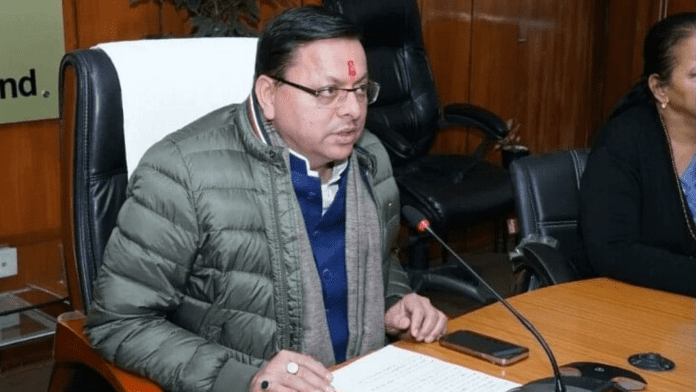
During a cabinet meeting held on Monday evening, the Chief Minister of the state, Pushkar Singh Dhami, approved a proposal from the excise department to decrease the price of liquor in the state and implement a INR 3 cess on each bottle, with INR 1 each going towards cow protection, women welfare, and youth welfare. The excise revenue target for the next fiscal year has been increased from INR 3,600 crore to INR 4,000 crore.
The state has also taken steps to prevent liquor smuggling by bringing uniformity in the price of each bottle compared to the neighboring states, with the price scheduled to decrease by INR 100 to INR 300 per bottle starting April 1. This uniformity will prevent black marketing and smuggling. To prevent adulteration, a quarter of country-made liquor will be sold in tetra packs rather than glass bottles.
The license fee for departmental stores keeping liquor has been fixed at INR 8 lakh in the hills and raised from INR 8 lakh to INR 15 lakh in the plains. No changes have been made to the fee/tax for bar-restaurants. Those allotted liquor shops in the ongoing financial year can continue to operate in the next fiscal year by giving an additional 10% license fee for foreign liquor vends and a 15% license fee for country-made liquor shops.
The prices of sea-imported liquor have also been controlled under the new policy. Departmental stores in the state can now buy liquor only from liquor vends located in their districts to prevent arbitrariness. A provision has been made to waive off the revenue of shops closed during natural calamities or picketing based on the report of the district magistrate concerned.
The cabinet has also made the process of map approval for houses simpler. If anyone wants to build a single house in the approved layout area, they can submit the map of the house to the development authority on the basis of self-certification. If no objection is raised on the map within seven days, the map will be considered passed, and they can start building the house.
The cabinet meeting held on Monday evening was a significant one for the state, as the chief minister and other members discussed and approved various proposals related to the excise department, house building, and more.
One of the most noteworthy decisions made was regarding the pricing of liquor in the state. The excise department proposed making liquor cheaper and implementing a INR 3 cess on each bottle, with INR 1 each going towards cow protection, women welfare, and youth welfare. The aim of this policy is to increase excise revenue, which has been raised from INR 3,600 crore to INR 4,000 crore for the next fiscal year.
The state has also taken measures to prevent liquor smuggling by bringing uniformity in the price of each bottle compared to neighboring states. This will prevent black marketing and smuggling. The new policy will see the price of liquor dip in the range of Rs 100 to Rs 300 per bottle from April 1. To prevent adulteration, a quarter of country-made liquor will be sold in tetra packs rather than glass bottles.
The cabinet also made changes to the license fees for departmental stores keeping liquor in the state. The license fee for such stores in the hills has been fixed at INR 8 lakh, while the fee has been raised from INR 8 lakh to INR 15 lakh for stores in the plains. No changes have been made to the fee/tax for bar-restaurants. Those allotted liquor shops in the ongoing financial year can continue to operate in the next fiscal year by giving an additional 10% license fee for foreign liquor vends and a 15% license fee for country-made liquor shops.
The prices of sea-imported liquor have also been controlled under the new policy. Departmental stores in the state can now buy liquor only from liquor vends located in their districts to prevent arbitrariness. A provision has been made to waive off the revenue of shops closed during natural calamities or picketing based on the report of the district magistrate concerned.
In addition to these decisions, the cabinet also made the process of map approval for house building simpler. Anyone who wants to build a single house in the approved layout area can submit the map of the house to the development authority based on self-certification. If no objection is raised on the map within seven days, the map will be considered passed, and they can start building the house. This decision is expected to make the process of building houses more efficient and less bureaucratic.