Tuesday, December 23, 2025
Home Blog Page 762

Authenticity Matters: Building an Honest and Trustworthy Brand Image

0
brand image

In an era dominated by digital interactions and an overwhelming amount of information, consumers are becoming increasingly discerning about the brands they choose to support. Amidst this backdrop, authenticity has emerged as a key differentiator for businesses aiming to build a lasting and trustworthy brand image. Gone are the days when flashy advertising and empty promises could win over consumers. Today, people crave genuine connections with the companies they engage with, seeking brands that reflect their values and priorities.

The modern consumer is a skeptic. Bombarded with advertisements and marketing messages at every turn, individuals have grown adept at discerning between authentic brands and those merely capitalizing on trends. In an age of information transparency, any hint of insincerity can be amplified across social media and digital platforms, potentially causing irreparable damage to a brand’s reputation.

Consumers are not just buying products; they are investing in the values and ethos of a brand. The rise of ethical consumerism has paved the way for businesses that prioritize transparency, sustainability, and social responsibility. The authenticity of a brand is now a critical factor influencing consumer choices.

The Power of Authenticity

Building an authentic brand involves more than just projecting an image; it requires a commitment to transparency, consistency, and sincerity in all business practices. Authenticity is not a marketing strategy; it is a fundamental aspect of the brand’s identity. When a brand embraces authenticity, it establishes a connection with its audience that goes beyond transactional exchanges. It becomes a trusted partner, an entity that consumers can rely on to deliver not only quality products or services but also on its promises and values.

Transparency as a Foundation

At the heart of authenticity lies transparency. Today’s consumers demand openness about a company’s practices, sourcing, and impact on the environment and society. Brands that willingly share information about their supply chain, manufacturing processes, and corporate responsibility initiatives build trust with their audience. Transparency is a tangible demonstration of a brand’s commitment to accountability and ethical practices.

For instance, Patagonia, the outdoor clothing and gear company, has built a strong brand by prioritizing transparency and sustainability. Patagonia doesn’t just sell outdoor apparel; it advocates for environmental conservation and responsible consumerism. By openly addressing its supply chain practices and environmental impact, Patagonia has cultivated a loyal customer base that values the brand’s commitment to social and environmental responsibility.

Consistency in Actions and Messaging

Authenticity extends beyond the information a brand shares; it encompasses the consistency of its actions. A brand that stays true to its values across all facets of its operations builds a sense of reliability and credibility. Consistency is not just about saying the right things; it’s about doing them consistently over time.

Consider the example of TOMS Shoes. Founded on the principle of “One for One,” TOMS promised to donate a pair of shoes to a child in need for every pair purchased. This commitment to social responsibility was not just a marketing gimmick; it was deeply ingrained in the company’s mission. This consistency in both messaging and action allowed TOMS to establish itself as a socially conscious brand, resonating with consumers who wanted to make a positive impact with their purchases.

Humanizing the Brand

In the pursuit of authenticity, brands are increasingly recognizing the importance of humanizing their image. People connect with people, not faceless entities. Behind every brand, there are individuals with stories, values, and aspirations. Sharing these stories can help consumers relate to the brand on a personal level.

Many successful brands have embraced this approach. Airbnb, for example, launched its “Host Stories” campaign, showcasing real hosts and their unique properties. By putting a human face on the platform, Airbnb reinforced its commitment to fostering genuine connections between hosts and guests, moving beyond the transactional nature of accommodation bookings.

Navigating Challenges with Honesty

Authenticity is not about portraying a perfect image; it’s about acknowledging imperfections and challenges with honesty. When a brand faces setbacks or makes mistakes, addressing them openly and proactively can strengthen the bond with consumers. In the age of social media, where information spreads rapidly, brands that attempt to cover up missteps risk eroding the trust they’ve worked hard to build.

Take the example of Johnson & Johnson’s response to the Tylenol tampering crisis in the 1980s. Instead of downplaying the issue or deflecting blame, the company took swift and transparent action, recalling all Tylenol products and introducing tamper-evident packaging. This forthrightness not only saved lives but also showcased the brand’s commitment to consumer safety. In the aftermath, Johnson & Johnson emerged with its reputation intact, illustrating the enduring power of honesty in times of crisis.

The Road Ahead

As consumers continue to prioritize authenticity in their purchasing decisions, brands must recognize that building an honest and trustworthy image is an ongoing journey. It requires a genuine commitment to transparency, consistency, and open communication. Authenticity is not a one-time campaign; it’s a core element that should permeate every aspect of a brand’s identity and operations.

In a landscape where consumers have numerous choices, authenticity becomes the cornerstone of brand loyalty. Businesses that invest in building a true and transparent connection with their audience will not only survive but thrive in the long run. Authenticity is not just a buzzword; it’s a business imperative that resonates with the values of the modern consumer, creating a foundation for enduring success in the ever-evolving marketplace.

Advertisement

From Awareness to Advocacy: How Sustainable Marketing Creates Loyal Converts

0

In a world where consumers are increasingly mindful of their environmental footprint, businesses are recognizing the need to align their values with those of their customers. This paradigm shift has given rise to sustainable marketing – a strategic approach that not only promotes products and services but also champions eco-friendly practices and ethical business conduct. From building awareness to fostering advocacy, sustainable marketing has proven to be a powerful tool in creating a loyal customer base.

The Rise of Sustainable Marketing

As climate change and environmental concerns take center stage in public discourse, consumers are becoming more discerning in their purchasing decisions. Sustainable marketing, also known as green marketing, emerged as a response to this shift in consumer behavior. It goes beyond merely promoting the features of a product; it encompasses the entire life cycle of the product, from sourcing raw materials to disposal.

Sustainable marketing involves promoting products and services that have a minimal impact on the environment and society. This can include using eco-friendly materials, reducing carbon emissions, and supporting fair labor practices. By adopting sustainable practices, businesses not only appeal to environmentally conscious consumers but also contribute to the broader goal of building a more sustainable and equitable world.

Building Awareness Through Authenticity

The first step in the journey from awareness to advocacy is creating awareness. Sustainable marketing begins by communicating a company’s commitment to sustainability in a genuine and transparent manner. This authenticity is crucial because modern consumers are savvy and can easily discern greenwashing – the deceptive practice of overstating a product’s eco-friendly attributes.

Companies that embrace sustainability must not only adopt green practices but also communicate these efforts effectively. From packaging to advertising, every aspect of the marketing strategy should reflect the company’s commitment to environmental and social responsibility. Brands that successfully convey their commitment to sustainability build a foundation of trust with their customers, laying the groundwork for a lasting relationship.

Educating Consumers for Informed Choices

Sustainable marketing is not just about selling products; it’s about educating consumers to make informed choices. This educational aspect is a key driver in the transition from passive consumers to active advocates. Companies can use their marketing platforms to raise awareness about the environmental and social impacts of their products, as well as providing information on sustainable alternatives.

Educated consumers are more likely to make choices aligned with their values, and sustainable marketing plays a pivotal role in shaping those values. Whether through social media campaigns, informative blog posts, or product labeling, businesses can empower their customers to make sustainable choices, thereby contributing to a larger societal shift towards eco-conscious living.

Fostering Engagement and Connection

Beyond awareness and education, sustainable marketing aims to foster a deeper connection between consumers and brands. This connection goes beyond the transactional nature of traditional marketing; it’s about shared values and a sense of community. Companies can leverage their commitment to sustainability to create engaging narratives that resonate with their target audience.

For instance, sharing stories about the people behind the products, showcasing the positive impact of sustainable practices on communities, or involving customers in the journey towards sustainability through interactive campaigns are effective strategies. By fostering this emotional connection, brands move beyond being providers of products and services; they become partners in a shared mission for a better, more sustainable world.

Encouraging Advocacy Through Corporate Social Responsibility

The pinnacle of the journey from awareness to advocacy is when customers become vocal advocates for a brand’s sustainable initiatives. This transition is often fueled by a company’s commitment to corporate social responsibility (CSR). CSR goes beyond the marketing rhetoric; it involves tangible actions that benefit society and the environment.

Whether it’s supporting local environmental initiatives, contributing to social causes, or adopting sustainable supply chain practices, businesses that engage in meaningful CSR activities inspire loyalty and advocacy. Customers who see a brand actively contributing to positive change are not just satisfied consumers; they become ambassadors, sharing their positive experiences and encouraging others to support the brand.

Final Thoughts:

Sustainable marketing is more than a trend; it’s a fundamental shift in how businesses engage with consumers. From building awareness through authenticity and education to fostering a deep connection and encouraging advocacy through corporate social responsibility, the journey from awareness to advocacy is a holistic approach to sustainable marketing.

In a world where consumers are increasingly seeking meaning and purpose in their purchases, businesses that embrace sustainability are not just meeting market demands; they are creating a movement. The success of sustainable marketing lies not only in selling products but in inspiring a collective commitment to building a better, more sustainable future – one loyal convert at a time.

Advertisement

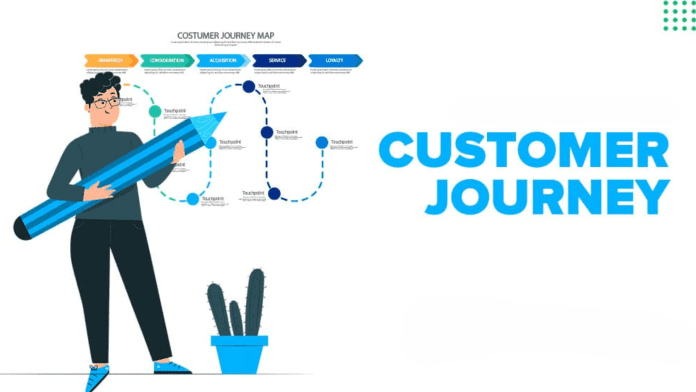
Seeing Through Their Eyes: How to Walk in Your Customer’s Shoes via Journey Mapping

0
Customer Journey Mapping

In the fast-paced landscape of modern business, understanding and meeting customer expectations is paramount. As companies strive to differentiate themselves in a crowded marketplace, one strategy has emerged as a powerful tool for enhancing customer experience: journey mapping. This innovative approach allows businesses to walk in their customers’ shoes, gaining invaluable insights and fostering a deeper connection with their target audience.

The Essence of Journey Mapping

Journey mapping is more than just a buzzword; it’s a strategic process that involves visualizing and understanding the end-to-end experience a customer has with a product or service. This comprehensive approach enables businesses to identify pain points, moments of delight, and critical touchpoints throughout the customer journey.

At its core, journey mapping is about empathy. It’s about seeing the world through the eyes of the customer, understanding their needs, frustrations, and motivations. By creating a detailed map of the customer’s interactions with the brand, companies can tailor their strategies to align with customer expectations, ultimately leading to improved satisfaction and loyalty.

Mapping the Customer Journey: A Step-by-Step Guide

1. Define Your Objectives: Before embarking on the journey mapping process, it’s crucial to outline clear objectives. Are you looking to improve customer satisfaction, reduce churn, or enhance a specific aspect of your service? Establishing goals will guide the entire journey mapping exercise.

2. Identify Customer Personas: Different customers have different needs and expectations. Create detailed customer personas to represent various segments of your target audience. Understanding the diverse perspectives of your customers is fundamental to crafting a comprehensive journey map.

3. Map the Touchpoints: Plot out every interaction a customer has with your brand, from the first point of contact to post-purchase support. This includes online and offline touchpoints such as websites, social media, customer service, and physical locations. Consider every channel through which a customer may engage with your business.

4. Highlight Emotional Peaks and Valleys: Emotions play a pivotal role in shaping the customer experience. Identify the moments that evoke strong emotions, whether positive or negative. Understanding these emotional peaks and valleys will help you refine your approach to create more positive experiences.

5. Seek Customer Feedback: Actively involve your customers in the journey mapping process. Collect feedback through surveys, interviews, or focus groups to gain qualitative insights into their experiences. This customer-centric approach ensures that the journey map accurately reflects real-world perspectives.

6. Collaborate Across Teams: Journey mapping is a collaborative effort that requires input from various departments, including marketing, sales, customer service, and product development. Breaking down silos and fostering cross-functional collaboration ensures a holistic view of the customer journey.

7. Iterate and Update: The business landscape is dynamic, and customer expectations evolve over time. Regularly revisit and update your journey map to stay aligned with changing customer preferences and market trends. Iterative improvements based on real-time data will keep your customer experience strategy agile and responsive.

Unlocking Business Success through Customer-Centricity

The benefits of journey mapping extend beyond a mere understanding of the customer journey. It empowers businesses to make informed decisions, optimize processes, and create a seamless and enjoyable experience for their customers.

1. Improved Customer Satisfaction: By addressing pain points and enhancing positive touchpoints, businesses can significantly boost customer satisfaction. A satisfied customer is more likely to become a loyal advocate, promoting the brand through word of mouth and positive reviews.

2. Increased Customer Loyalty: Understanding and meeting customer expectations at every stage of the journey fosters a sense of loyalty. When customers feel heard and valued, they are more likely to remain loyal to a brand, even in the face of competition.

3. Enhanced Product Development: Journey mapping provides insights into how customers interact with products and services. This information is invaluable for refining existing offerings and developing new ones that align with customer needs and preferences.

4. Efficient Marketing Strategies: Tailoring marketing messages to resonate with specific points in the customer journey ensures relevance and effectiveness. Businesses can allocate resources more efficiently by targeting key touchpoints and addressing customer concerns at critical stages.

5. Reduced Customer Churn: Identifying and resolving pain points in the customer journey can significantly reduce churn rates. A smooth and positive customer experience is a powerful deterrent to customer attrition.

Journey mapping is a transformative approach that allows businesses to step into their customers’ shoes, gaining a profound understanding of their needs and expectations. As the business landscape continues to evolve, prioritizing customer-centric strategies is not just a trend but a fundamental necessity for sustained success. By embracing journey mapping, companies can build lasting relationships with their customers and position themselves as leaders in their respective industries. After all, the key to business success lies in seeing the world through the eyes of those you aim to serve.

Advertisement

Digital Diplomacy: Navigating Sensitive Situations in the Age of Social Media

0
social media

In an era dominated by digital communication, businesses find themselves operating in an environment where every tweet, post, or comment has the potential to shape public perception. The rise of social media has transformed the way companies interact with their audience, opening up new avenues for engagement but also presenting unprecedented challenges. In this landscape, the concept of digital diplomacy has become increasingly crucial for businesses seeking to navigate sensitive situations and maintain a positive online presence.

The Power and Peril of Social Media

The influence of social media on public opinion cannot be overstated. Platforms like Twitter, Facebook, and Instagram provide a direct line of communication between businesses and their audience. While this connectivity offers tremendous opportunities for brand promotion and customer engagement, it also exposes companies to the risk of swift and severe reputational damage in the face of controversies.

One ill-conceived post or a mishandled situation can lead to a social media storm, with negative sentiment spreading like wildfire. Businesses are now faced with the challenge of not only managing their public image in traditional media but also in the dynamic and real-time world of social media, where a misstep can have immediate and lasting consequences.

The Need for Digital Diplomacy

Digital diplomacy, a term originally associated with the conduct of international relations in the online sphere, has found a new application in the corporate world. It refers to the strategic use of digital channels to manage relationships, build trust, and resolve conflicts. For businesses, digital diplomacy involves navigating the complexities of online communication, addressing challenges, and fostering a positive digital presence.

1. Proactive Reputation Management

In the age of social media, companies can no longer afford to be reactive in managing their reputations. Digital diplomacy encourages businesses to be proactive, anticipating potential issues and actively engaging with their audience. This might involve creating and sharing content that highlights corporate social responsibility initiatives, responding to customer inquiries promptly, and addressing concerns transparently.

2. Crisis Communication

When a sensitive situation arises, a well-thought-out crisis communication strategy becomes paramount. Digital diplomacy dictates that companies should acknowledge issues openly, take responsibility where necessary, and communicate their plans for resolution. Social media can be a powerful tool for disseminating information and updates during a crisis, helping to manage the narrative and reassure stakeholders.

3. Cultural Sensitivity

Navigating the global landscape requires an acute awareness of cultural nuances. What may be acceptable in one cultural context could be offensive or inappropriate in another. Digital diplomacy demands that businesses tailor their communication strategies to respect diverse cultural norms and values. This includes adapting marketing campaigns, language choices, and imagery to ensure they resonate positively across different audiences.

4. Engaging Thoughtfully with Stakeholders

Businesses are no longer faceless entities; they are expected to engage with their audience authentically. Digital diplomacy emphasizes the importance of actively listening to stakeholders, responding to feedback, and incorporating customer perspectives into decision-making processes. Building a sense of community fosters loyalty and can help mitigate potential crises by demonstrating a commitment to understanding and addressing concerns.

The Future of Digital Diplomacy in Business

As social media continues to evolve, so too will the strategies businesses employ in the realm of digital diplomacy. The integration of artificial intelligence and machine learning technologies into communication platforms will enable companies to analyze vast amounts of data in real-time, identifying potential issues before they escalate.

Moreover, the growing influence of online communities and the democratization of information mean that businesses must stay vigilant, continuously adapting their digital diplomacy strategies to align with shifting societal expectations. This requires a commitment to ethical practices, a willingness to learn from past mistakes, and a genuine dedication to fostering positive relationships with customers and stakeholders.

Final Thoughts:

In the age of social media, businesses operate in a digital fishbowl where their every move is scrutinized by an online audience. Navigating sensitive situations requires a strategic approach, and digital diplomacy emerges as a vital tool for businesses seeking to maintain a positive online presence. Proactive reputation management, crisis communication, cultural sensitivity, and thoughtful engagement with stakeholders are key components of effective digital diplomacy.

As technology continues to advance, businesses must evolve their strategies to meet the challenges of an ever-changing digital landscape. The future of digital diplomacy lies in the hands of companies that embrace transparency, prioritize ethical communication, and actively work to build and maintain trust in the online sphere. In this dynamic environment, the ability to navigate sensitive situations with finesse will separate the successful businesses of tomorrow from those left grappling with the fallout of digital missteps today.

Advertisement

Nykaa’s shares skyrocket with a staggering 14% increase over the week

0
Nykaa
Nykaa (Representative Image)

On Monday, the shares of the prominent beauty and fashion e-commerce company Nykaa extended the upward momentum from the previous week, experiencing a notable 5.5% surge to reach INR 177 in intraday trading on the BSE.

Nevertheless, the shares relinquished a portion of their gains, concluding today’s trading session with a 2.9% increase at INR 172.65 on the BSE.

Over the past week, the stock has witnessed a approximately 14% increase, driven by a positive shift in investor sentiment towards new-age tech stocks and robust growth in the company’s fashion segment during the September quarter.

Even though new-age tech stocks such as Zomato, Delhivery, and Paytm experienced significant rallies throughout the year, Nykaa had been trading lower year-to-date (YTD) until last week. Following a 9.5% surge on Friday, it shifted into positive territory, with shares showing an 8.4% increase YTD.

Read More: Nykaa shares reach 11-month high, surging 11% in intraday trading on BSE

Following today’s surge, Nykaa shares have seen an 11.5% increase year-to-date (YTD).

An analyst remarked on the surge in the share price, noting that Nykaa had been poised for a rally for a while, aligning with the upward trend observed in other new-age tech stocks.

“Most other internet stocks had moved up and Nykaa was positioning itself for that. If we look at the Q2 earnings, while the results were okay, fashion vertical did quite well. Hence, a thesis was getting built that investors might finally start ascribing a value to the fashion vertical. So, a 10%-15% increase was anticipated following this,” the analyst said.

It’s worth mentioning that Nykaa has an investor’s meeting scheduled for Tuesday (November 21).

In the second quarter, Nykaa announced a net profit of INR 7.8 Cr, reflecting a 50% increase on a year-on-year (YoY) basis and a sequential rise of 44.4%.

The company’s total gross merchandise value (GMV) for the September quarter demonstrated a 25% year-on-year (YoY) increase, reaching INR 2,943.5 Cr. Notably, the growth in the fashion vertical outpaced that of the BPC (Beauty and Personal Care) vertical, with the GMV of the fashion segment experiencing a 27% YoY increase, totaling INR 762.8 Cr during the quarter.

The company’s shares have surged by 23% within a span of two weeks following the release of its Q2 financials.

Nevertheless, Nykaa experienced gains today, defying the broader market trend that concluded in the red, as global conflicts persist and concerns about a worldwide economic slowdown linger.

Advertisement

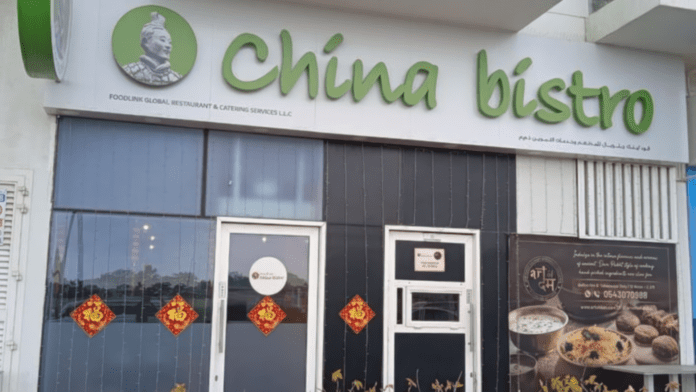
Foodlink introduces newest addition to the China Bistro chain in Mumbai’s bustling BKC

0
China Bistro
China Bistro (Representative Image)

Foodlink F&B Holdings India Pvt Ltd recently unveiled the newest addition to China Bistro, strategically located in the bustling Bandra-Kurla Complex (BKC) in Mumbai. Boasting a remarkable 12-year legacy, China Bistro has been synonymous with delivering exceptional pan-Asian cuisine and service, continually raising the bar for modern dining experiences.

Following the success of 13 restaurants and three cloud kitchens spanning across India and the UAE, and the dawn of its version 2.0 in September at Belapur & Saket, China Bistro now stands poised to leave an indelible mark on Mumbai’s corporate hub. Nestled on the bustling high streets of BKC, around iconic landmarks like Trident Hotel and NMACC, it’s etched to captivate the corporate crowd with its multi-award-winning culinary offerings for business luncheons and post-work social gatherings.

Read More: Foodlink elevates Pan Asian cuisine with the unveiling of China Bistro 2.0

Founder and chairman of Foodlink F&B Holdings India Pvt Ltd, Sanjay Vazirani, said, “This marks a huge milestone on our twelve-year-old legacy in delivering unparalleled Pan-Asian dining experiences, as we plan to expand in Mumbai and other metropolitan cities. From Stone Pots, to Sushis, Dimsums, Ramen Bowls, and a selection of desserts and concoctions, slated to tantalize the taste buds, we are set to captivate the corporate crowd of BKC with an overall elevated dining experience. The freshness in the ingredients, novelty in the menu tailored by the best chefs, and years of research have gained us the accolades and recognitions of multiple entities.”

Advertisement

Mamaearth’s stock hits all-time high as shares soar with a 13% intraday surge on BSE

0

On Monday, Honasa Consumer Ltd, the holding company of the D2C unicorn Mamaearth, set a new all-time high with its shares reaching INR 374.95. The stock experienced a significant intraday surge of nearly 13% on the BSE.

On November 7, Mamaearth made its debut on the Indian stock exchanges. The NSE listing of the shares began at INR 330, just slightly above its issue price of INR 324. Conversely, on the BSE, the stock had a flat listing.

Read More: Mamaearth marks its entry on NSE with nearly 2% premium debut

Following an intraday surge, the stock retraced some of its gains, concluding today’s trading session with a 5.5% increase, closing at INR 350.45 on the BSE.

Mamaearth experienced a tepid reception from the market during its IPO, particularly with retail investors displaying limited interest in subscribing to the issue. Although the public issue was oversubscribed by an overall factor of 7.61X, the retail investors’ portion witnessed a modest oversubscription of just 1.35X.

Read More: Mamaearth IPO receives lukewarm response, subscribed 0.13 times on day one

Also Read: Mamaearth’s IPO sees remarkable 7.61x oversubscription, fueled by strong demand from QIBs

Following its listing, Mamaearth joined the ranks of the latest loss-making new-age tech companies to go public. This trend follows the pattern observed in 2021, where several entities such as Zomato, Paytm, and PB Fintech went public on the stock exchanges, only to face significant challenges and a downturn in their stock values thereafter.

Consequently, some analysts issued warnings to investors regarding the stock. Prashanth Tapse, a Senior VP Research Analyst at Mehta Equities, had emphasized concerns about the company’s fiscal year 2023 losses, intense competition, a low promoter stake, and a substantial portion of the offer for sale (OFS) in the public issue.

Mamaearth’s initial public offering included an offer for sale (OFS) of 4.12 crore shares and a fresh issue of shares amounting to INR 365 crore.

Following a profitable fiscal year in 2022, the company returned to a loss in fiscal year 2023, reporting a net loss of INR 151 crore.

The company is set to unveil its financial results for the quarter ending on September 30, 2023, later this week.

The present market capitalization of Mamaearth is INR 11,228.96 crore ($1.3 billion).

Advertisement

CCEP and AEV seal $1.8 Billion deal to purchase Coca-Cola’s Philippine arm

0
Coca-Cola

Coca-Cola Europacific Partners (CCEP) and Aboitiz Equity Ventures (AEV) have officially entered into a binding agreement to purchase Coca-Cola Beverages Philippines (CCBPI) from The Coca-Cola Company.

The collaborative acquisition of CCBPI was initially disclosed in August, with the firms revealing the signing of a letter of intent outlining the proposed purchase.

Read More: Coca-Cola Europacific Partners nears acquisition of Coca-Cola Beverages Philippines, deal in the final stages

Today, CCEP has announced the successful completion of its due diligence and the establishment of a definitive agreement with AEV to acquire 100% of CCBPI, with a valuation of $1.8 billion on a debt-free, cash-free basis.

The companies have entered into a Share Purchase Agreement outlining essential terms of the acquisition, establishing a 60:40 ownership structure between CCEP and AEV.

CCEP has stated that the planned acquisition aims to enhance its prior successful expansion into Australia, Pacific, and Indonesia (API) in 2021. This move is intended to fortify its collaboration with The Coca-Cola Company, positioning CCEP as the leading Coca-Cola bottler globally in terms of both revenue and volume.

This acquisition is aligned with the company’s long-term growth strategy and is characterized as an additional measure to establish a more diverse footprint within its current API business segment.

The Share Purchase Agreement is contingent upon standard closing conditions, which include obtaining necessary regulatory approvals.

Advertisement

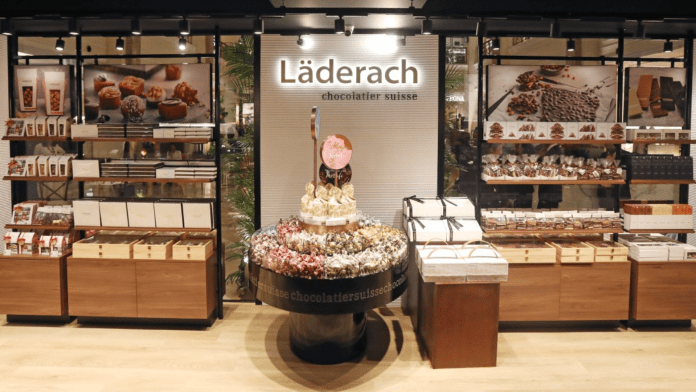
DS Group expands Swiss luxury chocolate brand Läderach’s online operations to Mumbai

0
Läderach

The DS Group, a distinguished multi-business corporation and prominent FMCG conglomerate, has strategically initiated Läderach’s online operations in Mumbai. This move strengthens Läderach India’s footprint in the luxury retail sector and brings the renowned Swiss chocolate brand closer to consumers.

Through this initiative, customers in Mumbai and Navi Mumbai now have convenient online access to Läderach’s diverse range of premium chocolate products, encompassing FrischSchoggi, tablets, pralines, truffles, and exquisite gift collections.

The decision to expand Läderach’s availability in Mumbai is based on the encouraging responses and growing demand in the city, celebrated for its vibrant luxury market and influential community. The DS Group, recognizing the potential in Mumbai, has invested in enhancing its cold chain capabilities to maintain the exceptional quality of Läderach products.

Read More: DS Group and Laderach place big bets on India’s expanding luxury market, unveil cold chain investment

Sanskriti Gupta, Läderach India said, “We are thrilled to introduce Läderach’s exceptional Swiss chocolates in Mumbai. The resounding success of Läderach’s online and offline presence in Delhi has warmed our hearts, reaffirming customers’ deep love and appreciation for Läderach. The Mumbai market, with its evolving consumer demographics, holds immense potential for the brand. We have been inundated with inquiries from enthusiastic chocolate connoisseurs in Mumbai, and the excitement surrounding our arrival in the city is palpable. We take great pride in providing the same extensive range of premium chocolates online, mirroring our offerings in Delhi, to ensure that our customers in Mumbai can savor the complete Läderach experience.”

Earlier this year, DS Group announced an exclusive partnership with Läderach, signifying the Swiss chocolate brand’s debut in the Indian market. This collaboration resulted in the successful inauguration of a Läderach store in the Delhi-NCR region, specifically situated in DLF Emporio Mall. The store offers an immersive in-store experience tailored to the discerning tastes of customers.

Read More: DS Group unveils India’s first exclusive Läderach chocolate store in New Delhi’s DLF Emporio Mall

Also Read: DS Group to open first exclusive Laderach brand outlet in Delhi this July, plans to expand in key cities across India

Advertisement

80% of Indian consumers influenced by Facebook and Instagram reels for beauty purchases, reveals study

0
beauty product

A recent study conducted by consumer research platform GWI reveals that over 80% of surveyed consumers in India made beauty product purchases, citing influence from Meta’s Facebook and Instagram reels.

The survey spanned 74 cities and included participation from over 2,000 consumers aged between 6 and 64 years.

The Meta GWI Beauty Report 2023 emphasizes that 47% of surveyed consumers reported discovering new products through social media reels. Additionally, one in three individuals mentioned making beauty product purchases specifically through Instagram reels.

The report highlights a notable change in consumer preferences following the pandemic. Presently, 68% of beauty buyers are opting for online purchases, indicating a 15% increase from the pre-pandemic era.

According to the study, nearly 92% of surveyed consumers discover beauty products through Meta platforms, with Instagram reels accounting for 47%. Remarkably, almost one-third of the surveyed consumers make online beauty purchases on a weekly basis.

Meta India’s director for ecommerce and retail Meghna Apparao said, “Both beauty and fashion verticals are growing rapidly on Meta, with an increasing number of advertisers using Facebook, Instagram, and WhatsApp to engage with customers. Social media transformed the purchase experience and journey for these industries, creating an urgent need for brands and marketers to engage with consumers differently, especially during the ongoing festive and upcoming wedding season.”

The study also discovered that Indian consumers heavily depend on content from local creators for authentic information and reviews.

Meta’s initiatives have contributed to the growing popularity of reels among buyers. In the previous year, Meta announced its intention to discontinue Facebook’s Live Shopping feature in favor of prioritizing reels. During that announcement, it was stated that users would no longer have the capability to create product playlists or tag products in Facebook Live videos.

Advertisement