The Leela Gandhinagar kicked off the Christmas festivities with a traditional cake-mixing ceremony, setting the stage for joyful celebrations.
Renowned as a favored weekend retreat, The Leela Gandhinagar hosted its annual cake-mixing ceremony by the infinity pool. Executive Chef Kapil Dubey and his team presided over the evening, where guests and patrons enthusiastically participated in blending fruits and nuts, heralding the festive season.
During the cake-mixing ceremony, a medley of traditional ingredients, including cashew nuts, walnuts, cherries, dates, prunes, figs, cinnamon, raisins, and black raisins, were enthusiastically blended by all the participating guests. The vibrant energy of the event foretells the creation of delectable, rich cakes and a range of customized gifting options by The Leela Gandhinagar’s skilled culinary team, just in time for the upcoming Christmas and New Year celebrations.
Vikas Sood, General Manager, The Leela Gandhinagar, said, “The Christmas cake-mixing ceremony symbolises the festive spirit of getting together, celebrating good company, and relishing delicious food. We thank all our guests and patrons for their enthusiastic participation in the ceremony today. We look forward to hosting them for Christmas celebrations that will be coming soon at The Leela Gandhinagar.”
Future Lifestyle Fashions, a subsidiary of the Future Group facing bankruptcy, has garnered two resolution proposals, as disclosed by its resolution professional in a filing with the stock exchange.
The identities of the involved parties were not revealed.
The company, which owns retail properties such as Central and Brand Factory, is indebted with over INR 5700 crore to its various creditors, the major portion of which is owed to financial creditors, including 11 banks.
In May of this year, the company entered bankruptcy proceedings, leading to the solicitation of expressions of interest from interested parties for its resolution under the Insolvency and Bankruptcy Code.
In May, at the initiation of bankruptcy proceedings, the company possessed approximately 26 leased stores, a significant decrease from the 331 stores it had at the close of 2021. Emerged from the demerger of Future Retail’s fashion business, it stood as a prominent lifestyle and fashion brand, offering a range of apparel and accessories.
During the fiscal year 2022, the company disclosed a revenue of INR 2994 crore and incurred a loss exceeding INR 2500 crore, primarily due to substantial interest costs and other expenses. In the initial half of fiscal year 2023, it recorded sales amounting to INR 421 crore.
Future Retail, the primary entity within Kishore Biyani’s swiftly deteriorating retail conglomerate, is poised for liquidation as its resolution professional has submitted an application to the Mumbai bench of the National Company Law Tribunal for this purpose.
Earlier this month, the resolution plan submitted by Space Mantra, an online marketplace for construction and interiors, was rejected by Future Retail creditors. Despite being the sole bidder seeking to acquire the company in its entirety, the proposal did not garner approval.
Another group company, Future Enterprises, is currently navigating the bankruptcy court, while Future Consumer, characterized by losses and outstanding debts totaling INR 470 crore, is actively engaged in negotiations to mitigate its debt through asset sales and other strategic approaches.
During the September quarter, the board sanctioned the sale of subsidiaries ‘The Nilgiri Dairy Farm’ and ‘Aadhaar Wholesale Trading and Distribution’ for a combined sum of INR 87 crore.
US-based Wyndham Hotels & Resorts is gearing up to introduce its European brand, Vienna House, to the Indian market by mid-next year. With ambitious expansion plans, the hotel company aims to elevate its total number of hotels from 60 to 100 by the year 2025.
“We’re the world’s largest hotel franchisor and aim to replicate our success in India. By 2025, we will have 100 hotels in India. With a robust pipeline and optimism fueled by substantial infrastructure development, especially in airports, roads, and ports, we anticipate significant growth in the hospitality sector across various cities in the next five years. Our enthusiasm extends not just to business prospects but also to the people of India,” stated Dimitris Manikis, President for Europe, the Middle East, Eurasia, and Africa (EMEA) at Wyndham Hotels & Resorts.
In India, Wyndham currently operates 60+ hotels, boasting over 5,333 operational rooms. Additionally, the company has 35 hotels with over 3,116 rooms currently under development in 36 cities across the country. On a global scale, Wyndham extends its presence with approximately 9,100 hotels spanning 95 countries across six continents. The company manages a diverse portfolio of 24 hotel brands, with eight of them being present in the Indian market.
On the other brands the company plans to bring to India, he said, “Every brand is significant, but our recent acquisition, Vienna House, holds a special place in my vision for India. I believe its unique style, coupled with the grandeur of our recent addition, Wyndham Grand (opening in 2025), will resonate well with Indian consumers and attract inbound tourists from Europe. Despite having other impressive brands in our portfolio, Vienna House and Wyndham Grand are particularly exciting prospects for growth in India.”
Last year, Wyndham strengthened its position in the European market through the acquisition of the Vienna House brand from the Berlin-based HR Group. This strategic move included the addition of 28 hotels in Germany alone, marking a substantial expansion for Wyndham in one of its largest European markets. With a total of 120 franchised hotels and over 19,000 rooms, this acquisition not only solidified Wyndham’s foothold in Germany but also contributed to its broader presence across surrounding countries.
Discussing the potential in India and the company’s strategic approach, Manikis highlighted a significant focus on expanding to areas beyond major cities. The emphasis lies on tier two and tier three cities, aligning with ongoing infrastructure development initiatives.
“Key areas include religious and wellness tourism, with strategic positioning at significant pilgrimage sites.”
Further, anticipating a surge in global interest, “we target inbound tourism, leveraging the Wyndham Rewards programme to showcase India’s beauty. Actively engaging the Indian diaspora in the U.S., we seek support for India’s growth and encourage hospitality investments. This multifaceted approach aims for sustainable growth, emphasising regional expansion, cultural tourism, global outreach, and diaspora connections over the next five years,” he explained.
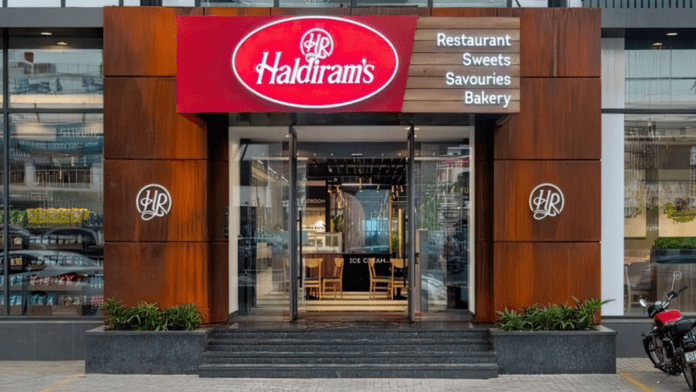
Haldiram’s, the renowned Indian snacks brand, is setting its sights on a 20-25% surge in sales during the festive season, as stated by a top official of the company.
Avin Agarwal, director of Haldiram’s Nagpur, stated, “We are targeting about a 20 – 25 % increase compared to last year. Though it is a strong number, we expected a much higher number that got affected by the downfall.”
Reflecting on the current market dynamics, Agarwal remarked that the decreased spending power of consumers has led to a decline in order requirements, along with a trend of downtrading in certain product categories.
Discussing future initiatives, he mentioned that the snacks giant intends to introduce new outlets, with a specific emphasis on targeting tier 2 and 3 cities. However, he refrained from disclosing the exact number of stores the brand plans to inaugurate.
Haldiram’s, a predominantly offline brand, currently derives around 10% of its business from online channels. Agarwal expressed the company’s goal to increase the contribution of online channels and double it to reach 20-22%.
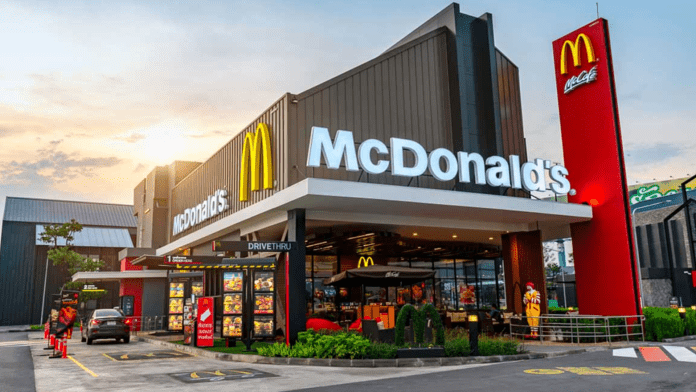
On Monday, McDonald’s announced its intention to purchase the 28% stake in a partnership overseeing its operations in mainland China, Hong Kong, and Macau, currently held by investment firm Carlyle. This move is part of the burger chain’s strategy to streamline its organizational structure in the region.
The agreement will enable McDonald’s to increase its ownership to 48%, while a consortium led by the state-backed conglomerate CITIC Ltd will retain control with a 52% stake in the business.
In April, Reuters disclosed that Carlyle was in discussions with financial advisers regarding its stake in McDonald’s China. The options being explored included the possibility of establishing a continuation fund for the asset.
McDonald’s CEO, Chris Kempczinski, stated that seizing the advantages of China’s long-term potential makes it an opportune moment to streamline the company’s structure.
The move follows nearly six years after McDonald’s agreed to divest 80% of its China and Hong Kong businesses for up to $2.1 billion to CITIC Ltd, its investment arm CITIC Capital, and Carlyle. This recent announcement signifies a noteworthy shift in the company’s ownership structure within the region.
In its fastest-growing region, where McDonald’s currently operates 5,500 stores, the company has been expanding its market share. This growth strategy involves leveraging promotions to stimulate demand, especially in a challenging consumer spending environment.
“Having a stronger investment position should give them (MCD) a better voice in making sure that the growth that they expect out of that marketplace occurs,” said Northcoast Research analyst Jim Sanderson.
In August, Reuters disclosed that Trustar Capital, previously known as CITIC Capital, was considering the creation of a continuation fund. This fund would provide the Chinese private equity firm with the opportunity to reduce its stake in McDonald’s China.
In the early trading hours, Carlyle shares experienced a approximately 1% increase.
On Monday, Brand Studio Lifestyle (BLS), a fast fashion brand, announced a remarkable achievement, revealing that the company experienced a staggering 132% year-over-year growth by shipping a record-breaking 4.3 million pieces in October.
As reported by the digital fashion provider, a substantial portion of the products sold during this timeframe consisted of fashionable styles targeted towards the Gen Z demographic. Additionally, the company acquired eight hundred thousand new customers through online channels.
The company has indicated that the increasing demand points towards a specific market segment that Brand Studio Lifestyle (BLS) is well-positioned to capture. This capability positions the company to navigate market slowdowns, as evidenced by robust sales figures. The sustained demand for value-oriented fashion from smaller towns and cities further underscores this trend.
“Despite the market slowdown, over 65% of Brand Studio Lifestyle’s revenue comes from Tier II and III cities, up from approximately 40% a few years ago. This can be attributed to the growing aspiration for youth-centric fashion in smaller towns and cities. Zoomers (Gen Z in their vocab) are taking an increasingly fashion-forward stand and expect the latest trends at affordable prices,” said Astha Sahay, Director E-Commerce, Brand Studio Lifestyle.
Roughly 90% of the company’s income is derived from transactions conducted on popular e-commerce platforms such as Myntra, Flipkart, and Ajio. The remaining 10% is generated through the company’s Direct-to-Consumer (D2C) initiative, which includes platforms like Getketch.com, Ketch App, and physical shop-in-shop formats like Fashion Factory.
Dedicated to providing stylish and budget-friendly products, BLS encompasses six brands: Highlander, Tokyo Talkies, Vishudh, Ketch, and Locomotive.
According to the digital retailer, there is a high demand for various trends, including gender-neutral clothing, oversized shirts and T-shirts, 90s and Y2K throwback fashion, baggy jeans, cargo styles, graphic design-led prints, and K-Pop-inspired fashion.
“Using its unique trend discovery data modelling capabilities, the company has zeroed in on trends that Gen Z consumers are looking for,” BLS further stated in a release.
In a world where convenience is king, the culinary landscape is evolving to meet the demands of a fast-paced, digitally driven society. Food enthusiasts no longer rely solely on traditional dining experiences; instead, they crave the ability to explore a world of flavors right from the palm of their hands. The rise of mobile-first platforms in the food industry is transforming the way we discover, order, and savor our favorite dishes. This article delves into the intricacies of creating a seamless mobile-first journey for food lovers, exploring the key elements that contribute to a flavorful and engaging experience.
The Rise of Mobile-First Dining
The convergence of technology and gastronomy has given birth to a new era of dining experiences, with mobile applications leading the charge. Today’s food lovers expect more than just a menu – they want an immersive journey that begins the moment they open their preferred food app. This shift towards mobile-first dining is not just a trend; it’s a fundamental transformation in how consumers interact with the culinary world.
From discovering new restaurants to placing orders and tracking deliveries, mobile applications have become the primary gateway for food enthusiasts. This paradigm shift has forced businesses in the food industry to reimagine their strategies, placing a premium on creating a seamless mobile experience that caters to the unique needs and preferences of their audience.
The Ingredients of a Seamless Mobile-First Journey
1. Intuitive Design:
The foundation of any successful mobile-first platform lies in its design. An intuitive and user-friendly interface is paramount for engaging users and keeping them coming back for more. Navigation should be effortless, and information should be presented in a visually appealing manner. Seamless transitions between sections, coupled with vibrant and enticing visuals of dishes, contribute to a delightful user experience.
2. Personalized Recommendations:
Tailoring the user experience based on individual preferences is a key ingredient in the recipe for success. Advanced algorithms analyze past orders, favorite cuisines, and browsing history to provide personalized recommendations. By understanding the unique tastes of each user, mobile-first platforms can enhance the discovery process, introducing food lovers to dishes they may not have considered.
3. Efficient Ordering Process:
A seamless mobile-first journey eliminates friction in the ordering process. From selecting items to customizing orders and making secure payments, every step should be streamlined. Integration with various payment methods and the ability to save preferences for future orders contribute to a hassle-free and efficient ordering experience.
4. Real-Time Tracking:
Keeping food lovers informed about the status of their orders is crucial for building trust. Real-time tracking features enable users to monitor the preparation and delivery stages, providing them with a sense of anticipation. Notifications and updates about estimated arrival times enhance the overall experience, turning the waiting period into an engaging part of the culinary journey.
5. Social Integration:
Food is inherently social, and mobile-first platforms should leverage this by integrating social features. Users should have the option to share their favorite dishes, write reviews, and even participate in virtual food communities. Social integration not only enhances user engagement but also serves as a powerful marketing tool, as word-of-mouth recommendations spread across social networks.
6. Sustainability and Transparency:
In an era where consumers are increasingly conscious of environmental impact, mobile-first platforms should incorporate sustainability into their offerings. Providing information about eco-friendly packaging, sourcing practices, and the environmental initiatives of partner restaurants can contribute to a positive brand image and resonate with environmentally conscious food lovers.
The Future of Mobile-First Dining
As technology continues to advance, the future of mobile-first dining promises even more innovation. Augmented reality (AR) features that allow users to visualize dishes in their own space before ordering, voice-activated interfaces for hands-free navigation, and the integration of artificial intelligence (AI) for more accurate personalized recommendations are just a few possibilities on the horizon.
The flavors in your palm represent more than just a convenient way to order food. They signify a shift in the way we experience and appreciate the culinary world. Creating a seamless mobile-first journey for food lovers is not just a trend; it’s a necessity for businesses looking to stay relevant and provide an exceptional dining experience in the digital age. By combining intuitive design, personalized recommendations, efficient ordering processes, real-time tracking, social integration, and a commitment to sustainability, the food industry can truly bring the world of flavors to the fingertips of every mobile user.
In an era dominated by digital interactions and an overwhelming amount of information, consumers are becoming increasingly discerning about the brands they choose to support. Amidst this backdrop, authenticity has emerged as a key differentiator for businesses aiming to build a lasting and trustworthy brand image. Gone are the days when flashy advertising and empty promises could win over consumers. Today, people crave genuine connections with the companies they engage with, seeking brands that reflect their values and priorities.
The modern consumer is a skeptic. Bombarded with advertisements and marketing messages at every turn, individuals have grown adept at discerning between authentic brands and those merely capitalizing on trends. In an age of information transparency, any hint of insincerity can be amplified across social media and digital platforms, potentially causing irreparable damage to a brand’s reputation.
Consumers are not just buying products; they are investing in the values and ethos of a brand. The rise of ethical consumerism has paved the way for businesses that prioritize transparency, sustainability, and social responsibility. The authenticity of a brand is now a critical factor influencing consumer choices.
The Power of Authenticity
Building an authentic brand involves more than just projecting an image; it requires a commitment to transparency, consistency, and sincerity in all business practices. Authenticity is not a marketing strategy; it is a fundamental aspect of the brand’s identity. When a brand embraces authenticity, it establishes a connection with its audience that goes beyond transactional exchanges. It becomes a trusted partner, an entity that consumers can rely on to deliver not only quality products or services but also on its promises and values.
Transparency as a Foundation
At the heart of authenticity lies transparency. Today’s consumers demand openness about a company’s practices, sourcing, and impact on the environment and society. Brands that willingly share information about their supply chain, manufacturing processes, and corporate responsibility initiatives build trust with their audience. Transparency is a tangible demonstration of a brand’s commitment to accountability and ethical practices.
For instance, Patagonia, the outdoor clothing and gear company, has built a strong brand by prioritizing transparency and sustainability. Patagonia doesn’t just sell outdoor apparel; it advocates for environmental conservation and responsible consumerism. By openly addressing its supply chain practices and environmental impact, Patagonia has cultivated a loyal customer base that values the brand’s commitment to social and environmental responsibility.
Consistency in Actions and Messaging
Authenticity extends beyond the information a brand shares; it encompasses the consistency of its actions. A brand that stays true to its values across all facets of its operations builds a sense of reliability and credibility. Consistency is not just about saying the right things; it’s about doing them consistently over time.
Consider the example of TOMS Shoes. Founded on the principle of “One for One,” TOMS promised to donate a pair of shoes to a child in need for every pair purchased. This commitment to social responsibility was not just a marketing gimmick; it was deeply ingrained in the company’s mission. This consistency in both messaging and action allowed TOMS to establish itself as a socially conscious brand, resonating with consumers who wanted to make a positive impact with their purchases.
Humanizing the Brand
In the pursuit of authenticity, brands are increasingly recognizing the importance of humanizing their image. People connect with people, not faceless entities. Behind every brand, there are individuals with stories, values, and aspirations. Sharing these stories can help consumers relate to the brand on a personal level.
Many successful brands have embraced this approach. Airbnb, for example, launched its “Host Stories” campaign, showcasing real hosts and their unique properties. By putting a human face on the platform, Airbnb reinforced its commitment to fostering genuine connections between hosts and guests, moving beyond the transactional nature of accommodation bookings.
Navigating Challenges with Honesty
Authenticity is not about portraying a perfect image; it’s about acknowledging imperfections and challenges with honesty. When a brand faces setbacks or makes mistakes, addressing them openly and proactively can strengthen the bond with consumers. In the age of social media, where information spreads rapidly, brands that attempt to cover up missteps risk eroding the trust they’ve worked hard to build.
Take the example of Johnson & Johnson’s response to the Tylenol tampering crisis in the 1980s. Instead of downplaying the issue or deflecting blame, the company took swift and transparent action, recalling all Tylenol products and introducing tamper-evident packaging. This forthrightness not only saved lives but also showcased the brand’s commitment to consumer safety. In the aftermath, Johnson & Johnson emerged with its reputation intact, illustrating the enduring power of honesty in times of crisis.
The Road Ahead
As consumers continue to prioritize authenticity in their purchasing decisions, brands must recognize that building an honest and trustworthy image is an ongoing journey. It requires a genuine commitment to transparency, consistency, and open communication. Authenticity is not a one-time campaign; it’s a core element that should permeate every aspect of a brand’s identity and operations.
In a landscape where consumers have numerous choices, authenticity becomes the cornerstone of brand loyalty. Businesses that invest in building a true and transparent connection with their audience will not only survive but thrive in the long run. Authenticity is not just a buzzword; it’s a business imperative that resonates with the values of the modern consumer, creating a foundation for enduring success in the ever-evolving marketplace.
In a world where consumers are increasingly mindful of their environmental footprint, businesses are recognizing the need to align their values with those of their customers. This paradigm shift has given rise to sustainable marketing – a strategic approach that not only promotes products and services but also champions eco-friendly practices and ethical business conduct. From building awareness to fostering advocacy, sustainable marketing has proven to be a powerful tool in creating a loyal customer base.
The Rise of Sustainable Marketing
As climate change and environmental concerns take center stage in public discourse, consumers are becoming more discerning in their purchasing decisions. Sustainable marketing, also known as green marketing, emerged as a response to this shift in consumer behavior. It goes beyond merely promoting the features of a product; it encompasses the entire life cycle of the product, from sourcing raw materials to disposal.
Sustainable marketing involves promoting products and services that have a minimal impact on the environment and society. This can include using eco-friendly materials, reducing carbon emissions, and supporting fair labor practices. By adopting sustainable practices, businesses not only appeal to environmentally conscious consumers but also contribute to the broader goal of building a more sustainable and equitable world.
Building Awareness Through Authenticity
The first step in the journey from awareness to advocacy is creating awareness. Sustainable marketing begins by communicating a company’s commitment to sustainability in a genuine and transparent manner. This authenticity is crucial because modern consumers are savvy and can easily discern greenwashing – the deceptive practice of overstating a product’s eco-friendly attributes.
Companies that embrace sustainability must not only adopt green practices but also communicate these efforts effectively. From packaging to advertising, every aspect of the marketing strategy should reflect the company’s commitment to environmental and social responsibility. Brands that successfully convey their commitment to sustainability build a foundation of trust with their customers, laying the groundwork for a lasting relationship.
Educating Consumers for Informed Choices
Sustainable marketing is not just about selling products; it’s about educating consumers to make informed choices. This educational aspect is a key driver in the transition from passive consumers to active advocates. Companies can use their marketing platforms to raise awareness about the environmental and social impacts of their products, as well as providing information on sustainable alternatives.
Educated consumers are more likely to make choices aligned with their values, and sustainable marketing plays a pivotal role in shaping those values. Whether through social media campaigns, informative blog posts, or product labeling, businesses can empower their customers to make sustainable choices, thereby contributing to a larger societal shift towards eco-conscious living.
Fostering Engagement and Connection
Beyond awareness and education, sustainable marketing aims to foster a deeper connection between consumers and brands. This connection goes beyond the transactional nature of traditional marketing; it’s about shared values and a sense of community. Companies can leverage their commitment to sustainability to create engaging narratives that resonate with their target audience.
For instance, sharing stories about the people behind the products, showcasing the positive impact of sustainable practices on communities, or involving customers in the journey towards sustainability through interactive campaigns are effective strategies. By fostering this emotional connection, brands move beyond being providers of products and services; they become partners in a shared mission for a better, more sustainable world.
Encouraging Advocacy Through Corporate Social Responsibility
The pinnacle of the journey from awareness to advocacy is when customers become vocal advocates for a brand’s sustainable initiatives. This transition is often fueled by a company’s commitment to corporate social responsibility (CSR). CSR goes beyond the marketing rhetoric; it involves tangible actions that benefit society and the environment.
Whether it’s supporting local environmental initiatives, contributing to social causes, or adopting sustainable supply chain practices, businesses that engage in meaningful CSR activities inspire loyalty and advocacy. Customers who see a brand actively contributing to positive change are not just satisfied consumers; they become ambassadors, sharing their positive experiences and encouraging others to support the brand.
Final Thoughts:
Sustainable marketing is more than a trend; it’s a fundamental shift in how businesses engage with consumers. From building awareness through authenticity and education to fostering a deep connection and encouraging advocacy through corporate social responsibility, the journey from awareness to advocacy is a holistic approach to sustainable marketing.
In a world where consumers are increasingly seeking meaning and purpose in their purchases, businesses that embrace sustainability are not just meeting market demands; they are creating a movement. The success of sustainable marketing lies not only in selling products but in inspiring a collective commitment to building a better, more sustainable future – one loyal convert at a time.
In the fast-paced landscape of modern business, understanding and meeting customer expectations is paramount. As companies strive to differentiate themselves in a crowded marketplace, one strategy has emerged as a powerful tool for enhancing customer experience: journey mapping. This innovative approach allows businesses to walk in their customers’ shoes, gaining invaluable insights and fostering a deeper connection with their target audience.
The Essence of Journey Mapping
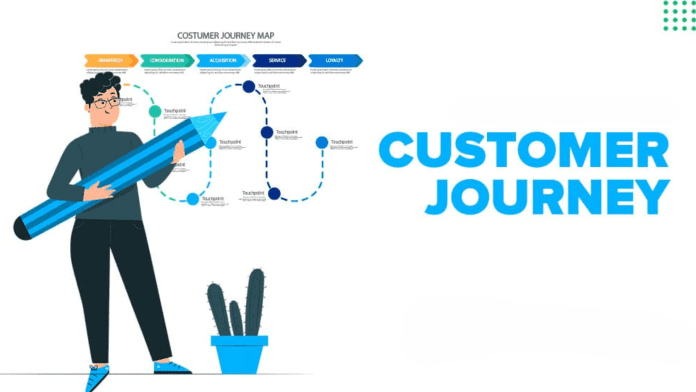
Journey mapping is more than just a buzzword; it’s a strategic process that involves visualizing and understanding the end-to-end experience a customer has with a product or service. This comprehensive approach enables businesses to identify pain points, moments of delight, and critical touchpoints throughout the customer journey.
At its core, journey mapping is about empathy. It’s about seeing the world through the eyes of the customer, understanding their needs, frustrations, and motivations. By creating a detailed map of the customer’s interactions with the brand, companies can tailor their strategies to align with customer expectations, ultimately leading to improved satisfaction and loyalty.
Mapping the Customer Journey: A Step-by-Step Guide
1. Define Your Objectives: Before embarking on the journey mapping process, it’s crucial to outline clear objectives. Are you looking to improve customer satisfaction, reduce churn, or enhance a specific aspect of your service? Establishing goals will guide the entire journey mapping exercise.
2. Identify Customer Personas: Different customers have different needs and expectations. Create detailed customer personas to represent various segments of your target audience. Understanding the diverse perspectives of your customers is fundamental to crafting a comprehensive journey map.
3. Map the Touchpoints: Plot out every interaction a customer has with your brand, from the first point of contact to post-purchase support. This includes online and offline touchpoints such as websites, social media, customer service, and physical locations. Consider every channel through which a customer may engage with your business.
4. Highlight Emotional Peaks and Valleys: Emotions play a pivotal role in shaping the customer experience. Identify the moments that evoke strong emotions, whether positive or negative. Understanding these emotional peaks and valleys will help you refine your approach to create more positive experiences.
5. Seek Customer Feedback: Actively involve your customers in the journey mapping process. Collect feedback through surveys, interviews, or focus groups to gain qualitative insights into their experiences. This customer-centric approach ensures that the journey map accurately reflects real-world perspectives.
6. Collaborate Across Teams: Journey mapping is a collaborative effort that requires input from various departments, including marketing, sales, customer service, and product development. Breaking down silos and fostering cross-functional collaboration ensures a holistic view of the customer journey.
7. Iterate and Update: The business landscape is dynamic, and customer expectations evolve over time. Regularly revisit and update your journey map to stay aligned with changing customer preferences and market trends. Iterative improvements based on real-time data will keep your customer experience strategy agile and responsive.
Unlocking Business Success through Customer-Centricity
The benefits of journey mapping extend beyond a mere understanding of the customer journey. It empowers businesses to make informed decisions, optimize processes, and create a seamless and enjoyable experience for their customers.
1. Improved Customer Satisfaction: By addressing pain points and enhancing positive touchpoints, businesses can significantly boost customer satisfaction. A satisfied customer is more likely to become a loyal advocate, promoting the brand through word of mouth and positive reviews.
2. Increased Customer Loyalty: Understanding and meeting customer expectations at every stage of the journey fosters a sense of loyalty. When customers feel heard and valued, they are more likely to remain loyal to a brand, even in the face of competition.
3. Enhanced Product Development: Journey mapping provides insights into how customers interact with products and services. This information is invaluable for refining existing offerings and developing new ones that align with customer needs and preferences.
4. Efficient Marketing Strategies: Tailoring marketing messages to resonate with specific points in the customer journey ensures relevance and effectiveness. Businesses can allocate resources more efficiently by targeting key touchpoints and addressing customer concerns at critical stages.
5. Reduced Customer Churn: Identifying and resolving pain points in the customer journey can significantly reduce churn rates. A smooth and positive customer experience is a powerful deterrent to customer attrition.
Journey mapping is a transformative approach that allows businesses to step into their customers’ shoes, gaining a profound understanding of their needs and expectations. As the business landscape continues to evolve, prioritizing customer-centric strategies is not just a trend but a fundamental necessity for sustained success. By embracing journey mapping, companies can build lasting relationships with their customers and position themselves as leaders in their respective industries. After all, the key to business success lies in seeing the world through the eyes of those you aim to serve.
We use cookies to ensure that we give you the best experience on our website. If you continue to use this site we will assume that you are happy with it.