In the ever-evolving landscape of business, where consumer preferences and market dynamics are in constant flux, adopting a customer-centric strategy has become imperative for sustained success. At the heart of this approach lies the ability to identify and understand your core target market. This strategic process not only sharpens your focus but also enables you to tailor products and services to meet the specific needs of your most valuable customers. Here are the essential steps businesses can take to pinpoint their core target market and foster a customer-centric culture.
1. Conduct Thorough Market Research:
The foundation of any successful customer-centric strategy is built on a solid understanding of the market. Conducting comprehensive market research is the first crucial step. This involves gathering data on industry trends, competitor activities, and, most importantly, the needs and preferences of your potential customers.
Leveraging both quantitative and qualitative research methods, such as surveys, focus groups, and data analytics, can provide a nuanced understanding of the market landscape. This data-driven approach enables businesses to identify patterns, anticipate market shifts, and, ultimately, tailor their strategies to align with customer expectations.
2. Define Your Ideal Customer Profile:
Once armed with insightful market research, businesses should move on to defining their ideal customer profile. This involves creating a detailed and comprehensive description of the characteristics that define their most valuable customers. Consider demographic factors, such as age, gender, income, and location, as well as psychographic elements like interests, values, and lifestyle.
By crafting a clear and vivid picture of the ideal customer, businesses can more effectively target their marketing efforts and allocate resources where they will yield the highest returns. This process goes beyond broad categorizations and aims to create a persona that resonates with the core values and aspirations of the target audience.
3. Segment Your Market:
Market segmentation is a critical strategy in customer-centricity. Not all customers are the same, and understanding the unique needs of different segments allows businesses to tailor their offerings more precisely. Segmentation can be based on various factors, including demographics, behaviors, and psychographics.
By dividing the market into distinct segments, businesses can develop targeted marketing campaigns and deliver personalized experiences that resonate with specific customer groups. This not only enhances customer satisfaction but also increases the likelihood of customer loyalty and advocacy.
4. Analyze Customer Feedback:
In the age of social media and online reviews, customer feedback has become an invaluable source of information for businesses. Actively soliciting and analyzing customer feedback provides real-time insights into customer satisfaction, pain points, and expectations. This feedback loop allows businesses to adapt and refine their strategies based on the evolving needs of their customers.
Additionally, sentiment analysis tools can help businesses extract meaningful information from customer reviews and social media mentions. By understanding the sentiment behind customer feedback, businesses can identify areas for improvement and take proactive measures to enhance the customer experience.
5. Monitor Customer Behavior:
Observing and analyzing customer behavior is another essential step in identifying your core target market. With the increasing digitization of business processes, tracking customer interactions across online platforms has become more accessible than ever. From website analytics to purchase history, businesses can gather valuable data on customer behavior.
This data-driven approach enables businesses to identify patterns, such as popular products, preferred communication channels, and the customer journey. By understanding how customers interact with their brand, businesses can optimize their marketing strategies and tailor their offerings to align with customer preferences.
6. Embrace Technology and Data Analytics:
In the digital age, leveraging technology and data analytics is not just an option; it’s a necessity. Advanced analytics tools can provide businesses with actionable insights, enabling them to make informed decisions and refine their customer-centric strategies.
Machine learning algorithms can analyze vast amounts of data to uncover hidden patterns and predict future trends. By harnessing the power of artificial intelligence, businesses can automate processes, personalize customer interactions, and stay ahead of the competition.
7. Foster a Customer-Centric Culture:
Identifying your core target market is not a one-time exercise; it’s an ongoing process that requires a cultural shift within the organization. Fostering a customer-centric culture involves aligning the entire organization, from leadership to frontline employees, with a shared commitment to putting the customer first.
This cultural shift involves regular training and communication to ensure that every team member understands the importance of customer satisfaction. By embedding a customer-centric mindset into the organizational DNA, businesses can create lasting relationships with their core target market and adapt quickly to changing market dynamics.
Final Thoughts:
Adopting a customer-centric strategy begins with the meticulous identification of your core target market. By conducting thorough market research, defining an ideal customer profile, segmenting the market, analyzing customer feedback and behavior, embracing technology, and fostering a customer-centric culture, businesses can position themselves for sustained success in an ever-changing business landscape. The ability to adapt and evolve in response to customer needs is not just a strategy; it’s a commitment to building enduring relationships and delivering value that stands the test of time.
In the dynamic landscape of today’s business world, where products and services are constantly evolving, the key to sustained success lies in more than just delivering a great product or service. It’s about forging emotional connections with consumers, creating relationships that withstand the test of time. This concept, known as emotional engagement, is rapidly becoming a focal point for businesses aiming not just to survive but to thrive in the competitive marketplace.
The Shift from Transactions to Relationships
Gone are the days when businesses could solely rely on transactions to drive revenue. In the era of digital transformation and hyper-connectivity, consumers are seeking more than just a one-time purchase—they want an experience, a relationship with the brands they choose to engage with. This shift in consumer expectations has led to a reevaluation of traditional marketing strategies, with a greater emphasis on emotional engagement.
Emotional engagement goes beyond the transactional aspect of business. It involves connecting with customers on a deeper, emotional level, understanding their needs, and aligning the brand with their values. This shift in perspective is not just a marketing gimmick; it’s a fundamental restructuring of how businesses interact with their customer base.
Understanding the Emotional Landscape
To build emotional engagement, businesses need to understand the emotional landscape of their target audience. This requires comprehensive market research and a nuanced understanding of consumer behavior. What are the pain points of your customers? What are their aspirations, fears, and desires? By delving into the emotional fabric of your audience, businesses can tailor their approach to resonate on a more personal level.
Consider the success story of a well-known lifestyle brand that recognized the desire for sustainability among its target audience. By shifting its focus towards eco-friendly practices, the brand not only addressed a pressing concern of its customers but also demonstrated a shared commitment to a cause that resonated emotionally. This move not only boosted sales but also solidified a connection that went beyond mere transactions.
Personalization as the Key
In the age of big data, businesses have access to an unprecedented amount of information about their customers. This data can be leveraged to personalize the customer experience, a crucial element of emotional engagement. From personalized recommendations based on past purchases to targeted marketing campaigns that align with individual preferences, personalization creates a sense of being understood and valued.
Technology plays a pivotal role in this process. Artificial intelligence and machine learning algorithms can analyze vast amounts of data to identify patterns and predict customer behavior. The result is a tailored experience that resonates with individual customers, fostering a sense of loyalty and emotional connection.
Authenticity: The Bedrock of Emotional Engagement
While personalization is essential, authenticity is the bedrock upon which emotional engagement stands. Consumers today are adept at discerning genuine efforts from mere marketing ploys. Authenticity involves transparency, honesty, and a commitment to delivering on promises.
Take the example of a popular e-commerce platform that faced a data breach. Rather than attempting to downplay the incident, the company took a transparent approach, communicating openly with its customers about the breach and the steps being taken to rectify the situation. This authentic response not only mitigated potential damage to the brand but also strengthened the trust and emotional connection with its user base.
Building Emotional Engagement Through Storytelling
One of the most potent tools for building emotional engagement is storytelling. Human beings are inherently drawn to narratives, and businesses can capitalize on this by crafting compelling stories that resonate with their audience. These stories could revolve around the brand’s origins, its mission, or even customer success stories.
Consider the success of a small artisanal chocolate company that shared the story of its founder’s journey to discover the finest cocoa beans in remote corners of the world. This narrative not only added depth to the brand but also created an emotional connection with customers who appreciated the dedication to quality and the pursuit of excellence.
Cultivating Customer Loyalty
Emotional engagement is not a one-time effort but an ongoing process. Cultivating customer loyalty requires consistent efforts to reinforce the emotional connection. Loyalty programs, exclusive access, and personalized communication are some strategies that can deepen the bond between a brand and its customers.
A prime example is a leading technology company that offers exclusive previews and discounts to its loyal customers before launching new products. This not only makes customers feel valued but also cultivates a sense of belonging to a community that shares a common interest.
The Role of Social Media
In the digital age, social media has emerged as a powerful platform for building emotional engagement. It provides businesses with a direct line of communication to their audience, allowing for real-time interaction and feedback. Social media also offers a space for brands to showcase their personality, share behind-the-scenes glimpses, and actively engage with customers on a personal level.
A case in point is a popular cosmetics brand that actively involves its customers in product development through polls and surveys on social media. By allowing customers to have a say in the products they use, the brand not only fosters a sense of ownership but also strengthens the emotional connection with its audience.
The Bottom Line: Long-Term Success Through Emotional Engagement
In a landscape where consumer choices are vast and competition is fierce, businesses that prioritize emotional engagement are better positioned for long-term success. Building relationships that go beyond transactions creates a loyal customer base that not only repeats purchases but also becomes brand advocates, driving organic growth through word-of-mouth recommendations.
Emotional engagement is not a trend but a fundamental shift in how businesses approach their customers. By understanding the emotional landscape, personalizing experiences, being authentic, storytelling, and leveraging technology, businesses can forge lasting connections that stand the test of time. In a world where products and services can be replicated, emotional engagement becomes the unique selling proposition that sets businesses apart and ensures their place in the hearts and minds of consumers.
In the highly competitive landscape of the food industry, where trends come and go as swiftly as a well-cooked meal, cultivating cravings is not just an art but a science. The success of a food business hinges not only on the quality of the cuisine but also on the ability to create a buzz that resonates with consumers’ taste buds and generates leads. Here are the effective strategies to captivate your audience and leave them craving for more.
1. Storytelling on the Plate
Every dish has a story, and weaving a compelling narrative around your menu items can be a powerful way to engage your customers. Whether it’s the origin of an exotic spice, the inspiration behind a fusion dish, or the journey of a locally sourced ingredient, sharing these stories adds depth to the dining experience. Use your menu as a canvas for storytelling, providing customers with a glimpse into the heart and soul of your culinary creations. This not only enhances the perceived value of your offerings but also creates a memorable connection between your brand and the customer.
2. Social Media Savvy
In the age of Instagram and TikTok, leveraging social media is crucial for any food business aiming to cultivate cravings. Invest time in creating visually appealing content that showcases your dishes in their best light. High-quality photographs and engaging videos can go viral, putting your business in front of a broader audience. Encourage customers to share their dining experiences on social media platforms, and consider running social media contests or challenges to generate user-generated content. The key is to create a digital presence that mirrors the sensory delight of your food, making potential customers crave a taste of what you have to offer.
3. Influencer Partnerships
Collaborating with influencers in the food and lifestyle space can be a game-changer for your business. Influencers bring a dedicated following who trust their recommendations. Identify influencers whose values align with your brand and invite them to experience your menu. Their reviews and endorsements can create a buzz that extends far beyond traditional advertising channels. Whether it’s a popular food blogger, a chef with a significant social media following, or a local personality, influencer partnerships can provide an authentic and relatable way to reach new customers and cultivate cravings.
4. Limited-Time Offerings and Seasonal Specials
Creating a sense of urgency is a proven strategy to drive customer engagement. Introduce limited-time offerings and seasonal specials that are unique and irresistible. Whether it’s a summer-inspired cocktail menu, a winter-themed dessert, or a special dish available only for a weekend, these exclusives create a buzz among your customer base. The fear of missing out (FOMO) can be a powerful motivator, prompting customers to visit your establishment or place an order to experience these fleeting delights before they’re gone.
5. Loyalty Programs with a Twist
While traditional loyalty programs are effective, adding a creative twist can set your business apart. Consider incorporating gamification elements into your loyalty program, such as unlocking special discounts or exclusive dishes after a certain number of visits or purchases. This not only encourages repeat business but also turns the act of earning rewards into a fun and engaging experience. Additionally, offering surprise rewards or personalized incentives based on customer preferences can make your loyalty program more memorable and effective in cultivating cravings.
6. Interactive Dining Experiences
Transforming dining into an interactive experience can leave a lasting impression on your customers. Whether it’s a DIY pizza station, a build-your-own taco night, or a chef’s table experience where patrons can interact with the culinary team, these immersive experiences make the dining process more memorable. Encourage customers to share their creations on social media, turning your restaurant into a destination for not just great food but also a unique and shareable experience.
7. Community Engagement
Building a sense of community around your food business can create a loyal customer base. Partner with local events, sponsor community initiatives, or host your own events to engage with your target audience. This not only increases your brand visibility but also positions your business as an integral part of the community. When people feel a connection to your brand beyond the food, they are more likely to become repeat customers and advocates, spreading the word about your business and cultivating cravings within their social circles.
Final Thoughts:
In the ever-evolving world of food business, creating a buzz and generating leads require a combination of culinary excellence and strategic marketing. By embracing storytelling, social media, influencer collaborations, exclusive offerings, innovative loyalty programs, interactive experiences, and community engagement, you can cultivate cravings that transcend the plate and become an integral part of your brand identity. In a market where competition is fierce, the businesses that master the art of making customers crave not just the food but the entire experience are the ones that stand out and thrive.
In the dynamic landscape of modern business, where online interactions dominate, mastering the art of guiding prospects through a product’s sales process has become paramount. Conversion pathways, the orchestrated series of steps a potential customer takes from initial awareness to final purchase, are the linchpin of successful sales strategies.
Understanding the Modern Consumer Journey
The evolution of consumer behavior in the digital age has reshaped the traditional sales funnel into a more intricate and nonlinear pathway. Today’s consumers are empowered with information, conducting extensive research before making a purchasing decision. This shift places the onus on businesses to construct conversion pathways that align with the dynamic nature of the buyer’s journey.
The journey typically begins with awareness, where a potential customer becomes acquainted with a product or service. This initial touchpoint is crucial, as it sets the tone for the entire relationship. Businesses must strategically deploy various marketing channels, including social media, content marketing, and search engine optimization, to capture the attention of their target audience.
Crafting Compelling Content: The Foundation of Conversion Pathways
One of the cornerstones of effective conversion pathways is the creation of compelling and relevant content. From blog posts and social media updates to videos and infographics, content serves as the catalyst for guiding prospects through the sales process. Informative and engaging content not only attracts attention but also establishes the business as a knowledgeable and trustworthy authority in its field.
Personalization is key in this stage. Tailoring content to address the specific needs and pain points of the target audience enhances the likelihood of capturing their interest. Interactive content, such as quizzes and assessments, can further deepen engagement and provide valuable insights into individual preferences, aiding in the customization of the conversion pathway.
Seamless Transitions: Moving from Awareness to Consideration
As prospects move from the awareness stage to consideration, businesses must facilitate seamless transitions within the conversion pathway. This involves strategically aligning marketing efforts to nurture leads and build relationships. Email marketing campaigns, webinars, and targeted advertising play pivotal roles in maintaining the momentum generated during the awareness phase.
A well-integrated customer relationship management (CRM) system becomes invaluable at this juncture. By leveraging data analytics and automation, businesses can gain a comprehensive understanding of each prospect’s interactions, tailoring subsequent communications to their specific needs and preferences. This personalized approach enhances the overall user experience and increases the likelihood of conversion.
User-Friendly Interfaces: Simplifying the Decision-Making Process
The consideration stage is the tipping point where prospects decide whether to commit to a purchase. Streamlining the decision-making process through user-friendly interfaces is instrumental in guiding prospects toward conversion. Intuitive website design, clear product information, and transparent pricing structures contribute to a positive user experience, fostering trust and confidence.
Incorporating customer reviews and testimonials into the conversion pathway provides social proof, offering potential customers reassurance and validation. Interactive features, such as live chat support, can address queries in real-time, reducing friction and instilling a sense of security in the decision-making process.
Closing the Deal: Effective Call-to-Action Strategies
The culmination of a conversion pathway is the conversion itself, where a prospect transforms into a customer. Effective call-to-action (CTA) strategies are the linchpin in this final stage, prompting users to take the desired action, whether it be making a purchase, signing up for a trial, or requesting more information.
Strategically placing CTAs throughout the conversion pathway, particularly at critical touchpoints, reinforces the business’s objectives and guides prospects toward the desired outcome. A/B testing different CTA variations enables businesses to refine their approach, identifying what resonates most effectively with their audience.
Post-Purchase Engagement: Building Long-Term Relationships
The journey doesn’t end with the conversion. Post-purchase engagement is a vital component of the overall conversion pathway, focusing on building long-term relationships with customers. Acknowledging and expressing gratitude for their decision, providing onboarding resources, and offering ongoing support contribute to a positive post-purchase experience.
Implementing loyalty programs, personalized recommendations, and exclusive promotions further solidify the relationship between the customer and the brand. Businesses that prioritize post-purchase engagement not only foster customer loyalty but also increase the likelihood of referrals, creating a virtuous cycle that perpetuates growth.
Data-Driven Optimization: Fine-Tuning the Conversion Pathway
Continuous improvement is the hallmark of successful businesses, and conversion pathways are no exception. Leveraging data analytics, businesses can gain insights into the effectiveness of their conversion strategies. Tracking key performance indicators (KPIs) such as conversion rates, click-through rates, and customer retention rates provides a data-driven foundation for optimization.
Regularly testing and refining various elements of the conversion pathway, from content and design to CTA placement, ensures that the strategy remains agile and adaptive to evolving market trends and consumer behaviors. A commitment to data-driven optimization positions businesses to stay ahead of the curve and maintain a competitive edge.
Final Thoughts:
In the ever-evolving landscape of digital commerce, the ability to guide prospects through a product’s sales process is a skill that separates thriving businesses from the rest. Crafting effective conversion pathways requires a holistic approach, combining compelling content, seamless transitions, user-friendly interfaces, and data-driven optimization.
Businesses that prioritize the user experience at every stage of the conversion pathway not only increase the likelihood of immediate conversions but also cultivate lasting relationships with customers. As technology continues to advance and consumer expectations evolve, the art of guiding prospects through the sales process remains a dynamic and indispensable facet of successful business strategies. Those who master this art find themselves not only achieving short-term success but also laying the foundation for sustained growth and prosperity.
In an era of information overload, consumers are no longer satisfied with just purchasing a product; they want to understand it, connect with it, and make informed choices. This shift in consumer behavior has placed a spotlight on the importance of providing valuable product knowledge. Businesses that excel in delivering comprehensive and accessible information to consumers are not only gaining a competitive edge but also fostering trust and loyalty.
The Power of Informed Consumers
The digital age has transformed the way consumers interact with brands. With the wealth of information available at their fingertips, today’s consumers are more discerning and empowered than ever before. They want to know the story behind the product, its ingredients, manufacturing processes, and its impact on the environment. This demand for transparency has led businesses to recognize that providing comprehensive product knowledge is not just a nicety but a strategic imperative.
Informed consumers are not only more likely to make confident purchasing decisions, but they are also more loyal to brands that prioritize transparency. A survey conducted by a leading market research firm revealed that 73% of consumers are willing to pay more for a product that provides complete transparency in all aspects.
Leveraging Technology for Comprehensive Insights
In the quest to meet consumer demands for information, businesses are turning to technology to provide comprehensive insights into their products. One notable example is augmented reality (AR), which allows consumers to virtually experience products before making a purchase. Furniture retailers, for instance, are using AR to enable customers to visualize how a couch would look in their living room or how a lamp would fit on their bedside table.
Additionally, artificial intelligence (AI) and machine learning algorithms are being employed to analyze vast amounts of data and deliver personalized product recommendations. These algorithms not only take into account a customer’s past purchases but also consider their preferences, lifestyle, and even social media activity. This personalized approach not only enhances the consumer’s shopping experience but also provides valuable insights into individual preferences.
The Rise of User-Generated Content
While businesses are investing in technology to provide information, they are also recognizing the power of user-generated content (UGC) in unlocking insights. UGC includes product reviews, ratings, and testimonials shared by customers on various platforms. Studies have shown that consumers trust UGC more than traditional advertising, making it a potent tool for building credibility.
To encourage the generation of UGC, companies are implementing strategies such as customer feedback campaigns, social media challenges, and interactive online communities. By tapping into the collective knowledge and experiences of their customer base, businesses gain valuable insights into how their products are perceived and used in the real world. This not only helps in refining marketing strategies but also in identifying areas for product improvement.
Transparency in the Supply Chain
Consumers are increasingly concerned about the ethical and environmental aspects of the products they purchase. This has led to a growing demand for transparency in the supply chain. Businesses are responding by providing detailed information about the sourcing of raw materials, manufacturing processes, and the overall ecological impact of their products.
Blockchain technology is playing a pivotal role in ensuring transparency in the supply chain. By recording every step of the production process on an immutable ledger, businesses can provide consumers with a verifiable and transparent account of the journey their product took from inception to delivery. This not only builds trust but also allows consumers to make more ethical choices in their purchasing decisions.
Educating Consumers through Content Marketing
In the digital age, content is king, and businesses are leveraging content marketing as a powerful tool to educate consumers about their products. From blog posts and infographics to video tutorials and webinars, companies are creating a variety of content formats to cater to diverse learning preferences.
Content marketing not only provides valuable information but also helps in establishing a brand as an authority in its industry. By addressing common pain points, offering solutions, and showcasing the versatility of their products, businesses can build a community of engaged and informed consumers.
Navigating Regulatory Challenges
As businesses strive to provide comprehensive product knowledge, they must navigate a landscape of regulatory challenges. Different industries and regions have varying disclosure requirements, and staying compliant while offering meaningful information can be a delicate balancing act.
To address this, some companies are adopting a proactive approach by voluntarily providing more information than what is legally required. This not only demonstrates a commitment to transparency but also helps in building a positive reputation among consumers.
The Future of Product Knowledge
As technology continues to evolve, the future of providing valuable product knowledge to consumers looks promising. Virtual reality (VR) is poised to take the immersive experience to the next level, allowing consumers to step inside the virtual world of a product. Voice-activated assistants and chatbots are becoming more sophisticated, offering instant and personalized information to consumers at their fingertips.
Unlocking insights and providing valuable product knowledge is not just a business strategy; it’s a commitment to building trust and fostering long-term relationships with consumers. As consumers become more discerning, businesses that prioritize transparency, leverage technology, and embrace the power of user-generated content will stand out in a crowded marketplace. In this era of information, the key to success lies in empowering consumers with the knowledge they need to make informed choices.
Swiggy, the leading food delivery platform, is gearing up for its stock market debut around mid-2024. Touted as the most substantial initial public offering (IPO) by an internet company in the coming year, it is expected to boast an impressive issue size of $1 billion (INR 8,300 crore). Insights from various top investors and founders indicate that SoftBank, the world’s largest tech investor, may significantly reduce its 9% stake, valued at over $800 million, during the impending Swiggy IPO.
The initial public offering (IPO) could mark the exit of several investors, including SoftBank, from Swiggy, as the food delivery firm seems well positioned on its path to profitability, according to sources.
In 2021, SoftBank made its initial foray into the Indian food delivery sector by investing $450 million in Swiggy’s Series J round, thereby valuing the company at $5.5 billion.
SoftBank stands to achieve the highest profits from the Swiggy IPO compared to all its Indian portfolio companies scheduled to go public next year. This is because the foodtech company has been reducing losses in its core business, enhancing its appeal to the public markets. Notably, Swiggy’s closest competitor, Zomato, has also reported profits in the last two consecutive quarters.
Insiders have revealed that Swiggy has joined forces with financial institutions and is presently engaging in discussions with various brand communications firms to conclude its IPO procedures ahead of its anticipated debut on the exchanges next year.
In recent times, SoftBank has expressed a strategic emphasis on investing in globally operating AI-driven enterprises and growth-stage companies in India, as articulated in public statements by Rajeev Misra, the head of SoftBank Vision Fund business.
“If you look at India, the opportunities are in the early stages, between $1 Mn and $20 Mn. While we can make a $20 Mn investment, we won’t do anything less than that as SoftBank. So, we are waiting. You will see that in the second half of this year; there will be more investments,” Misra told ET in an earlier interview.
Significantly, SoftBank’s Vision Fund I and II recorded a combined loss of $5.2 billion in the quarter ending September 2023, marking its fourth consecutive quarter of losses. The Japanese technology conglomerate has not initiated any new investments in Indian startups this year.
The strategy is also in line with SoftBank’s recent divestments from its portfolio of publicly listed Indian startups.
“Typically, after its investments, SoftBank doesn’t wait for more than two to three years to make full exits from its portfolio companies, especially after they go public. In India, however, the Japanese tech investor made gradual divestments because the public market response to the new-age internet companies wasn’t on expected lines and after the expiration of lock-in periods,” explained Sathya Pramod, CEO and Director of Kayess Square Consulting and Co-founder of Inflection Point Ventures.
“Soon after, the companies cut back on their losses, and late stage investors like SoftBank are now looking at partial/ complete exits at substantial profits,” Pramod added.
Following its acquisition of Blinkit in 2022, SoftBank acquired a 3.35% stake in Zomato.
In August, reports indicated that SoftBank is strategizing a complete divestment of its holdings in the foodtech giant Zomato through open market transactions in the coming months. This decision follows SoftBank’s earlier move, where it garnered a profit exceeding INR 100 crore by partially divesting its stake in the company.
Just last week, SoftBank completed a deal through open market transactions, divesting a 2.5% stake in the logistics unicorn Delhivery for INR 739 crore. Following this transaction, SoftBank’s shareholding in Delhivery decreased from 14.46% to 11.90%.
In the case of Paytm, SoftBank’s initial investment of $1.4 billion for a 20% stake prior to the IPO has gradually been reduced and currently stands at below 10%. This reduction occurred as the tech investor diluted its stakes through a series of transactions during and after Paytm’s IPO. Recent media reports suggest that SoftBank is actively considering a complete exit from its investment in Paytm.
“The SoftBank exits or major divestments in publicly listed Indian firms have come when the stock prices recovered substantially this year compared to last year when the new age firms were performing poorly on bourses. It is mainly the hedge funds, banks, pension funds, and family offices buying the shares in block/secondary share deals,” a public market analyst said.
SoftBank is considering a partial divestment from Ola Electric, where it initially invested $250 million for a 25% stake. Additionally, in the case of FirstCry, SoftBank sold a 2% stake to three family offices in August of this year and currently retains a 27% stake in the e-commerce unicorn. Notably, both Ola Electric and FirstCry are anticipated to go public on stock exchanges in 2024.
According to Sumer Juneja, the Managing Partner and Head for Europe, the Middle East, and Africa at the firm, the Japanese tech investor has realized exits exceeding $5.5 billion from its India portfolio since initiating operations in November 2018 from its Mumbai office.
He asserted that the late-stage investor achieved $1.5 billion in exits over the past 12 to 18 months. Furthermore, he noted that an additional $1.5 billion is liquid and held in tradable equities.
SoftBank’s most significant departure from the Indian market occurred with the ecommerce firm Flipkart. In 2018, it realized $4 billion by selling a 20% stake to the US retail giant Walmart.
Juneja emphasized that the firm’s primary emphasis continues to be on investing in companies valued between $1 billion to $2 billion and subsequently exiting these firms at valuations ranging from $5 billion to $6 billion.
According to market analysts, a key element to monitor is the valuation of Swiggy. The Bengaluru-based foodtech company’s valuation has experienced a sequence of markdowns, followed by upward adjustments by several investors in recent months.
Nevertheless, considering the significant manifold growth in Swiggy’s valuation over the years, some of its initial supporters, including Singapore-based Prosus (with a 32% stake) and SoftBank, are poised to be the primary beneficiaries of substantial profits.
According to a report by the Arc, Prosus is considering further reduction of its shareholding in Swiggy through a secondary share sale before the IPO. Nevertheless, Swiggy’s valuation is anticipated to be a significant point of consideration.
Significantly, Swiggy secured $450 million in a Series J round in 2021, valuing the startup at $5.5 billion. Subsequently, in 2022, Swiggy raised $700 million in a Series K round led by Inveso, experiencing a twofold increase in its valuation to $10.7 billion.
In the current year, the food tech company underwent a sequence of valuation adjustments, including both markdowns and markups by investors Invesco and Baron Capital. In the September quarter, Invesco raised Swiggy’s valuation by 47% to $7.85 billion, while Baron Capital valued the startup at $8.54 billion.
“In terms of valuation, the public markets have been acutely aware of how startups are performing, especially after a few new-age internet companies made their public debut in 2021. The overly valued companies have not been received well by retail investors in particular, resulting in value erosion of their stock prices and valuations tumbling. Swiggy will have to take a lesson or two out of those IPOs and their bankers are now tasked with setting up a realistic figure on valuation,” an analyst with a Bengaluru-based brokerage firm said.
He further mentioned that the valuation markdowns do not necessarily imply that the company will not achieve profitability.
“The financials for FY24 also could be a key here since the company invested heavily in its quick commerce business Instamart during FY23,” the analyst said.
Pramod from Kayess Square Consulting expressed the view that Swiggy could secure a valuation more in line with Zomato’s current market capitalization, given that both are perceived as players of similar standing in the industry.
“How Zomato stock performs will also be a key indicator of Swiggy’s valuation in times to come,” he added.
The current market capitalization of Gurugram-based Zomato is almost $12 billion, surpassing Swiggy’s last funding round valuation of $10.7 billion. During its IPO in July 2021, Zomato was valued at INR 60,000 crore, approximately $7.8 billion. While the foodtech company incurred losses last year following its Blinkit acquisition, it has since regained momentum and recorded two consecutive quarters of profit.
On the contrary, Swiggy has not submitted its FY23 financial statements to the MCA. Nonetheless, according to Prosus, one of Swiggy’s investors, in its annual report, the food delivery firm witnessed an 80% increase in losses in 2022. The investor’s share of losses rose from $100 million in 2022 to $180 million in 2021, primarily attributed to investments in the quick commerce business, Instamart.
During FY22, Swiggy experienced a 2.2X surge in net loss, escalating from INR 1,616.9 crore in FY21 to INR 3,628.9 crore, primarily driven by a more than twofold increase in expenses. The SoftBank-backed decacorn achieved a 2.2X growth in total revenue, reaching INR 6,119.8 crore in FY22 compared to INR 2,675.9 crore in FY21. Revenue from operations saw a notable 124% increase, rising to INR 5,704.9 crore from INR 2,546.9 crore in the previous year.
In contrast, Zomato, Swiggy’s competitor, increased its loss in FY22 to INR 1,222.5 crore from INR 816.4 crore in FY21.
Under the leadership of Deepinder Goyal, the foodtech unicorn’s revenue from operations witnessed a more than twofold increase, reaching INR 4,192.4 crore from INR 1,993.8 crore in FY21. Simultaneously, total expenses surged to INR 6,205.5 crore from INR 2,608.8 crore in the preceding year. It is noteworthy that Zomato recently achieved profitability on a quarterly basis, maintaining this positive performance for two consecutive quarters.
During the September quarter of the financial year 2023-24 (FY24), it recorded a profit after tax that surged to INR 36 crore. This marked an impressive 18-fold increase from the PAT of INR 2 crore in the previous quarter.
“Our share of Swiggy’s revenue grew 40% to $297 Mn, reflecting higher average order values and increased revenue from delivery fees and advertising sales. The core restaurant food-delivery business recorded GMV growth of 26%, while Instamart grew GMV by 459%. In the last two reporting periods, Swiggy has concentrated on reactivating users, increasing monthly frequency and improving user conversion. The benefits are reflected in its results for FY23, with over 272,000 enabled restaurants on its platform, 155% of pre-pandemic levels, with GMV at $2.6 Bn,” Prosus said in its annual report.
“In FY23, Swiggy also redoubled its focus on the profitability of its core restaurant food-delivery business, which its CEO recently announced had turned profitable in March 2023 (after factoring all corporate costs excluding share-based costs) following an investment phase,” it added in its report.
Swiggy’s CEO, Sriharsha Majety, previously stated that the food delivery business achieved profitability as of March 2023, excluding ESOP costs. Nonetheless, Swiggy ventured into other business segments, notably injecting $700 million into its quick commerce business, Instamart, in a strategic move to compete with Zepto, Zomato’s Blinkit, Reliance-backed Dunzo, and other players in the market.
Furthermore, Swiggy invested an additional $200 million in acquiring the online table booking service platform Dineout, aiming to rival Zomato’s dine-out business.
The foodtech company also features a hyperlocal delivery product, Swiggy Genie, and provides subscription services like Swiggy One and its more economical version, Swiggy One Lite, to enhance its avenues for monetization.
Nevertheless, in its pursuit of profitability leading up to the highly anticipated IPO, Swiggy has shuttered some of its operations. It divested its kitchen infrastructure business, Swiggy Access, to Kitchens@ and consolidated the meat and fish category, incorporating it into Instamart with a reduced range of offerings.
Established in 2014 by Sriharsha Majety, Nandan Reddy, Phani Kishan Addepalli, and Rahul Jaimini, Swiggy has secured $3.6 billion in funding thus far.
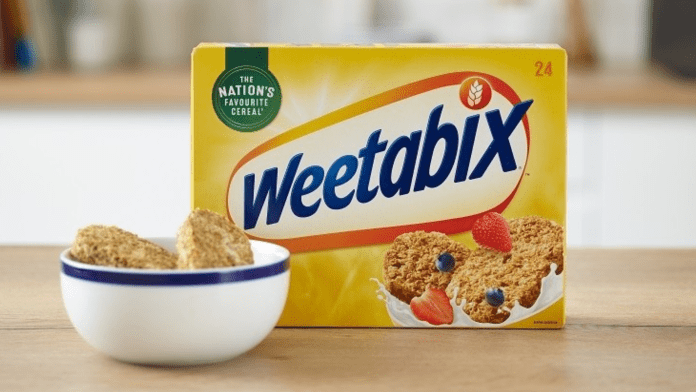
Post Holdings has announced its intention to assess Weetabix’s expenses while continuing to invest in the UK cereal manufacturer’s brand, aiming to enhance the business’s profit margins, according to the statement from the US group.
Post Holdings reported a nearly one-third year-on-year decline in the “adjusted EBITDA” generated from its Weetabix business unit, responsible for producing both branded and private-label products, for the three months ending in September, as disclosed by the company on Thursday (16 November)
The drop in earnings occurred despite a 15.5% rise in net sales during the fourth quarter of Post Holdings’ financial year.
The depreciation of the sterling against the US dollar provided a lift to the value of Weetabix sales. Post Holdings reported a 7% increase in “currency-neutral” net sales, supported by price adjustments. Volumes experienced a 2% rise, attributed to the growth in Weetabix’s private-label business and the inclusion of UFit, the UK protein-shakes supplier acquired last year.
Addressing analysts on Friday following the release of Post Holdings’ annual results, interim CEO Jeff Zadoks mentioned that the company had undertaken investments in the Weetabix business during the fourth quarter to enhance its performance.
Zadoks, currently filling in for Rob Vitale as the Post Holdings president and CEO undergoes cancer treatment, noted that the company increased its investment in advertising for Weetabix during the fourth quarter, surpassing the usual run-rate level.
“In addition within Weetabix, there were projects that we believe will kick-start 2024 [where] we invested in certain consulting activities for looking at our trade promotion, the effectiveness of our trade promotion and also looking at ways that we can improve the cost structure of that business. We would not expect those to repeat at the same level in the go-forward periods,” he said.
Zadoks, who is also Post Holdings’ chief operating officer, said “tough” trading conditions in the UK had also weighed on Weetabix’s business. The Weetabix brand had felt the impact of consumer demand for own-label cereal products, he noted.
“The margin in that business has suffered more than the rest of our portfolio. We attribute that to the fact that the UK environment has been much tougher than the US environment, so that’s part of the equation,” Zadoks said.
“And we are very premium products. The Weetabix brand is a very premium product in the UK market. If you track that market, cereal has become slightly greater than 50% private label, so a much more dramatic move to value than we’ve seen here in the US.”
He added, “What we need to do to get it back to closer to where we were pre-pandemic is we believe we need to simplify the business. We need to have a renewed focus on cost reduction and we need to continue investing in the brand so that we maintain the premium price points that enable us to generate the margins from that business. The combination of those three things are the things that are going to be the focus of our activities in 2024.”
Weetabix forms part of Post Holdings’ Post Consumer Brands division, witnessing a notable 73.1% increase in overall adjusted EBITDA to $199.7 million in the quarter. The division’s net sales also rose significantly by 71.5% to $1.01 billion, bolstered by Post Holdings’ acquisition of a selection of pet-food brands from J.M. Smucker in April.
Discounting the effects of that acquisition, the division experienced a 6.2% decline in volumes, attributed to reduced sales volumes in peanut butter and branded cereals.
Post Holdings anticipates a return to pre-Covid-19 trends in the US cereal category once it surpasses the conclusion of temporary SNAP benefits at the end of February last year. At the outset of the pandemic, the US government permitted states to provide the maximum allowable benefits to recipients of the Supplemental Nutrition Assistance Program, aiding lower-income households. However, this policy ceased in February 2022.
Zadoks said, “We expect to return to the pre-pandemic levels of flat to down a couple of per cent. As we plan for [fiscal] ‘24 for our business, we use those category dynamics as a baseline. We believe that we can perform somewhat better than that but we’re not counting on volume growth in our plan for next year. We would expect that there is going to be some volume declines in fact … not quite as bad as the category but still slightly down..”
Overall, Post Holdings’ group fourth-quarter net sales were $1.95bn, up 23.2% on a year earlier, helped by the pet-food deal.
Operating profit increased 16% to $153m. Net earnings were down 21.7% at $65.7m.
Adjusted net earnings, which stripped out a series of more one-off items, stood at $119m, against $54.1m in the corresponding period a year earlier.
Post Holdings booked a non-cash goodwill impairment of $42.2m on its cheese and dairy unit. The company pointed to “the narrowing of the pricing gap” between brands and private label, which it said had led to “distribution losses and declining profitability”.
Banh Shop, the innovative Asian street food fast casual concept, has recently launched its premier establishment in Fort Worth, Texas.
Nestled in the vibrant restaurant enclave along University Avenue at TCU, Banh Shop boasts a prime location. Crafted by industry trailblazer Mark Brezinski, the menu showcases beloved Asian street food classics, including an array of soups, salads, sandwiches, and bowls.
Additionally, the recently opened dining establishment includes a comprehensive full-service bar.
YEB II, the current owner and franchisor of the Banh Shop brand in the United States and Canada, will be responsible for owning and operating the latest Banh Shop location.
YEB II president and CEO Ken Myres said, “We are thrilled to open the University Ave Banh Shop near TCU.
“We have two additional Banh Shops under development in Irving on MacArthur Blvd. and in the Shops at Park Lane in Dallas that will open in the next several months.
“Banh Shop is a fantastic concept with a proven track record and we look forward to continuing to grow and franchise the brand in the US and internationally. We value our partnership with YUM and also look forward to continuing to work closely with their team.”
Originally created by Yum Brands, Banh Shop was meant to take advantage of the demand for real Vietnamese bowls and baguettes in a range of busy settings.
Banh Shop opened its first location at SMU in Dallas and then at Terminal D at DFW International Airport.
It has also opened restaurant outlets at Toronto Pearson International Airport and Vancouver International Airport in Canada.
Banh Shops added that additional airport locations such as “street side” development, are in the process.
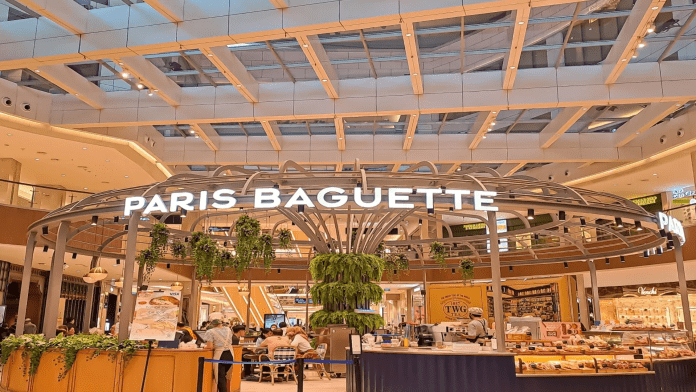
South Korea-based café and bakery concept Paris Baguette is set to broaden its presence in the state of California, with the finalization of two new agreements in the cities of Clovis and Modesto.
Anvar and Nikki Tulyag, the signatories of the new agreements in Clovis and Modesto, will spearhead the forthcoming expansion for Paris Baguette.
Tulyag said, “When looking for the right franchise opportunity, Paris Baguette was the ideal fit because of its amazing product line, store design and proven response from communities throughout the US.”
Upon finalizing these two new agreements, Paris Baguette’s total count of locations in the California region will elevate to 63.
Famous for its array of bread, cakes, and pastries, Paris Baguette has set a goal to achieve a total of 1,000 units in the United States by the close of this decade.
Paris Baguette chief development officer Eric Lavinder said, “We are thrilled to announce additional expansion within California. There’s a tremendous amount of opportunity in the bakery café space.
“No other bakery café franchisors are doing what Paris Baguette is on the same scale. Our ability to stay true to our bakery café roots while embracing aggressive expansion has garnered attention and that only serves to drive us forward.
“We want someone who is going to take the time to put the right staff members in place in their store and ensure everyone understands the most important person is the guest.”
By the end of 2023, Paris Baguette aims to secure 160 franchise agreements and inaugurate 64 new cafés.
Earlier this month, Paris Baguette finalized plans to establish a new venue in Franklin, Tennessee.
Mamagoto, a project managed by Azure Hospitality, has unveiled its latest venue within the M3M International Centre Tower located in Gurgaon.
The latest venue showcases a unique ‘energy box’ decor theme and a menu that seamlessly blends street-style dishes with sophisticated flavors.
Mamagoto has gained renown for its fusion pan-Asian cuisine, meticulously crafted through extensive exploration throughout South Asia.
The diverse menu encompasses soups, salads, small plates, sushi, dimsums, signature bowls, noodles, and rice dishes.
They provide an array of options ranging from classic oriental clear soups to inventive floating market seafood soups, catering to a wide range of tastes. Additionally, they feature fusion salads such as Gomai and Thai chicken with water chestnut.
The grills and small plates showcase choices like crispy lotus stem, basil cups, spring rolls, chicken wings, and chili lamb.
Their dimsum assortment includes traditional steamed options, gyozas, and hargaos, with choices available in both vegetarian and non-vegetarian selections. For sushi enthusiasts, there’s a diverse range of maki, California rolls, salmon, and tempura. The main courses present a variety of noodle and rice dishes, with options available in both vegetarian and non-vegetarian categories.
In Mamagoto’s Asian Cocktail Bar, Mama, representing the Lucky Cat, takes center stage. Drawing inspiration from Japanese Manga, the bar cultivates a lively and youthful ambiance.
The Asian Cocktail Menu presents innovative concoctions such as Sake Bomb and Matcha Mint Julep, in addition to mocktails, classic cocktails, and a diverse selection of spirits.
We use cookies to ensure that we give you the best experience on our website. If you continue to use this site we will assume that you are happy with it.