Monday, December 22, 2025
Home Blog Page 756

From Zero to Impact: Steps to Effective Communication for New and Emerging Brands

0

In a world inundated with information, the success of a new or emerging brand hinges on its ability to communicate effectively. With countless competitors vying for consumer attention, creating a distinct and resonant brand voice is paramount. From crafting a compelling narrative to utilizing diverse communication channels, the journey from zero to impact is a multifaceted process that demands strategic planning and creative finesse.

The Power of a Compelling Narrative

At the core of effective communication lies the art of storytelling. Every brand has a unique story waiting to be told, and weaving that narrative into the fabric of your communication strategy is crucial. Consumers connect with stories on a visceral level, and a compelling narrative can elevate a brand from obscurity to a place of significance in the market.

Take, for instance, the rise of artisanal coffee brand BrewCraft. Founded by a group of passionate coffee enthusiasts, BrewCraft didn’t just sell coffee; it offered a journey. By narrating the story of their coffee beans’ origin, the meticulous roasting process, and the dedication to sustainability, BrewCraft transformed a simple product into an experience. This narrative resonated with consumers, creating a loyal customer base that extended beyond the product itself.

Know Your Audience

Effective communication is a two-way street, and understanding your audience is pivotal. Conducting thorough market research to identify the demographics, preferences, and pain points of your target audience enables brands to tailor their communication strategy accordingly. Whether it’s through social media analytics, surveys, or direct customer interactions, gaining insights into the psyche of your audience is a foundational step toward impactful communication.

For instance, the fitness apparel brand FlexFit didn’t just cater to fitness enthusiasts; it understood them. Through social media engagement and customer feedback, FlexFit learned that its audience valued not only functionality but also a sense of community. This insight led to the creation of a communication strategy that emphasized the brand as more than just a clothing line but a lifestyle choice. By aligning its messaging with the aspirations and values of its audience, FlexFit built a community around its brand, fostering long-term customer loyalty.

Consistency is Key

Building brand recognition requires consistency across all communication channels. From the logo and color scheme to the tone of voice in marketing materials, a cohesive brand identity fosters familiarity and trust. This consistency should extend to both online and offline channels, creating a seamless brand experience for consumers.

Consider the case of the skincare brand RadiantGlow. Through meticulous attention to detail, RadiantGlow ensured that its visual identity, from packaging design to social media graphics, reflected the brand’s commitment to natural ingredients and a clean aesthetic. This consistency not only enhanced brand recall but also communicated a sense of reliability and authenticity to consumers.

Embrace the Digital Landscape

In today’s interconnected world, a robust online presence is non-negotiable. Social media platforms, websites, and digital marketing play a pivotal role in amplifying a brand’s message. Engaging content, regular updates, and interactive campaigns contribute to building a digital ecosystem that resonates with the target audience.

Fashion brand ChicVogue exemplifies the power of embracing the digital landscape. By leveraging Instagram, TikTok, and other social media platforms, ChicVogue not only showcased its latest designs but also actively engaged with its audience. User-generated content, behind-the-scenes glimpses, and interactive polls created a dynamic online community around the brand, amplifying its reach and impact.

Be Adaptable and Responsive

In the ever-evolving landscape of business, adaptability is a prized virtue. Brands need to be agile in responding to market trends, customer feedback, and unforeseen challenges. Whether it’s addressing a customer concern on social media or pivoting the brand message in response to shifting consumer preferences, adaptability ensures that a brand remains relevant and resonant.

During the COVID-19 pandemic, many brands had to adapt swiftly to the changing economic and social landscape. For example, the restaurant chain FreshBites, known for its dine-in experience, quickly pivoted to emphasize its takeout and delivery options. Through transparent and empathetic communication, FreshBites conveyed its commitment to customer safety while adapting to the new normal. This responsiveness not only retained existing customers but also attracted new ones seeking flexible dining solutions.

Measure and Iterate

The journey from zero to impact is an ongoing process, and measuring the efficacy of communication strategies is essential. Utilize analytics tools to track key performance indicators (KPIs), such as website traffic, social media engagement, and conversion rates. Regularly reviewing these metrics provides valuable insights into what is working and what needs adjustment.

Technology company TechInnovate exemplifies the importance of measurement and iteration. Through A/B testing of email marketing campaigns, website layouts, and social media ad creatives, TechInnovate refined its communication strategies to align with audience preferences. This iterative approach not only improved the brand’s effectiveness in reaching its target audience but also allowed it to stay ahead of industry trends.

Final Thoughts:

From establishing a compelling narrative to navigating the intricacies of the digital landscape, the steps to effective communication for new and emerging brands are diverse and dynamic. By understanding the power of storytelling, knowing your audience, maintaining consistency, embracing the digital landscape, being adaptable and responsive, and continually measuring and iterating, brands can transform from obscurity to impact. In a world saturated with options, the ability to communicate effectively is the key that unlocks the door to success, allowing brands to not only survive but thrive in the competitive business landscape.


Advertisement

Spirits industry faces slowdown as taxes soar and demand wanes

0

The spirits market experienced a deceleration in demand, dropping to 2.2% growth in the quarter concluding in September. This marks a reversal from the robust 7-15% growth observed in the preceding two years. The downturn is attributed to diminished sales of mass-priced products, elevated taxes, and a high base. Although whisky, gin, and vodka witnessed volume increases ranging from 3-13%, sales in the rum and brandy category declined, according to industry executives referencing the latest data from the excise department.

“In general, the regular category or the popular category is having muted growth as far as the industry is concerned. Certain states, which are big states like Karnataka, increased the duty by 20%. There is an impact on the demand at that price point. In UP, there is some down trending,” said Dilip Banthiya, chief financial officer at Radico Khaitan during its earnings call.

In the period spanning July to September, whisky retained its dominant position as the largest segment, constituting two-thirds of the total spirits demand. It experienced a growth of 3.2% despite a substantial baseline.

Sales of brandy and rum declined by 0.7% and 0.3%, respectively. In contrast, vodka witnessed a robust growth of 13.1%, while gin sales saw a notable increase of 10.6%, albeit from a lower starting point, as indicated by the excise data.

While sales of mass-priced whiskey dropped by 4.5%, there was notable pressure on this segment. In contrast, premium products, particularly whiskey, exhibited growth ranging from 4% to 18%.

“The overall spirits industry after very strong growth in the post- Covid years has normalised to a steady state. Consumers continue to aspire for better quality products and brands,” said Bikram Basu, chief strategy and marketing officer at Allied Blenders and Distillers which saw newer brands – Sterling Reserve and ICONiQ Whiskies – each crossing sales of million cases annually.

During the initial half of the calendar year, the spirits market in India demonstrated a 10% expansion. In the quarter concluding in June, it sustained a growth rate of 7%, standing out as the sole discretionary category to maintain robust momentum amidst consumer cutbacks in other lifestyle segments like apparel and electronics.

Typically, the December quarter marks a peak period for spirits, driven by weddings, festivals, and the winter season.

USL, the producer of Johnnie Walker and Smirnoff, reported that September experienced subdued demand due to the delayed festive season, and October did not show significant improvement. The company noted a slowdown in discretionary spending during this period, and the festive uptick was not as vibrant as in previous years.

Nevertheless, companies anticipate accelerated growth in the latter half of the calendar year, which traditionally constitutes a substantial portion of liquor sales owing to the occurrence of festivals and weddings.

We remain cautiously optimistic that demand will pick up, though we don’t see the signs right now,” Hina Nagarajan, managing director at Diageo-controlled USL, told investors on an earnings call. “But we still have a big festival season to go through–Diwali and then Christmas, etc. So, we are cautiously optimistic and we are definitely investing and activating for growth.”

Advertisement

Billionaire Jeff Bezos mulls selling off $1 Billion worth of Amazon shares

0
Jeff Bezos
Jeff Bezos

Jeff Bezos, the world’s third-richest person, founder, executive chairman, and former president and CEO of Amazon, is reportedly contemplating the sale of approximately $1 billion worth of the company’s shares, as per a CNBC report.

The report indicated that Bezos might consider selling a quantity ranging from 8 million to 10 million shares, equating to a sum exceeding $1 billion.

At present, neither Amazon nor representatives of Jeff Bezos have issued any statements regarding the aforementioned news report. Various media outlets have reported that Bezos, who stepped down as Amazon’s CEO in 2021, recently divested shares totaling $240 million, although this information remains unconfirmed.

Apart from his role at Amazon, Jeff Bezos is actively engaged in other enterprises, such as Blue Origin, an American aerospace company specializing in the production of rockets, spacecraft, and satellites. Blue Origin is currently exploring the potential of space tourism.

As per data from the Bloomberg Billionaires Index, Jeff Bezos possesses a cumulative net worth of $168 billion, ranking him as the third wealthiest individual globally, following Elon Musk and Bernard Arnault.

As of the current writing, the NASDAQ-listed share price of Amazon has experienced a 1.53% decline, settling at $143.9.

Advertisement

Walmart ups the ante with swifter deliveries this holiday season through parcel stations

0
Walmart
Walmart (Representative Image)

On Tuesday, Walmart, a key player in the retail industry, announced its plans to incorporate parcel stations into its online fulfillment centers. This strategic move aims to capitalize on the increasing demand for swift deliveries as the holiday shopping season approaches.

The move comes ahead of the pivotal Cyber Week shopping period, spanning Thanksgiving, Black Friday on Nov. 24, and Cyber Monday on Nov. 27. According to data from Adobe Analytics, online spending in the United States during this period is expected to reach $37.2 billion.

In a blog post, the company announced its goal to establish more than 40 parcel stations by the year’s end. Many of these stations are set to be operational in time for the holiday season, facilitating next-day deliveries for online shopping orders.

Walmart’s effort to accelerate deliveries reflects a substantial investment, mirroring e-commerce giant Amazon’s initiatives at its fulfillment centers. The aim is to offer faster and more cost-effective deliveries, encouraging increased frequency and larger orders from customers.

Nevertheless, consumers cautious about inflation and eager to make the most of their holiday budgets are hesitant about shelling out extra money for expedited shipping during this shopping season.

In a survey conducted by Adobe Analytics, 61% of respondents indicated a reluctance to pay for expedited shipping. Instead, they preferred the option of curbside pick-up, even for last-minute Christmas Eve purchases.

Walmart and Amazon both expressed caution regarding holiday spending this year, citing persistent inflation as a factor dampening consumer sentiment towards discretionary expenditures.

Advertisement

Kingdom of White expands its retail reach with a new premium outlet in Pune

0
Kingdom of White
Kingdom of White

Kingdom of White, a distinguished premium menswear brand celebrated for its unwavering commitment to the profound philosophy of “For the Love of White,” proudly announces the inauguration of its latest retail outlet in Pune. This strategic expansion signifies a significant milestone in the brand’s journey, firmly establishing its presence in Pune, one of India’s culturally and commercially affluent cities. The decision to set roots in Pune reflects Kingdom of White’s recognition of the city’s distinctive amalgamation of tradition and modernity, perfectly aligning with the brand’s core values.

Located on the first floor of KOPA Mall in Koregaon Park, Pune, this store is positioned to offer a sophisticated shopping experience tailored for individuals who value the purity and sophistication of white apparel. More than just a retail space, the new outlet serves as a homage to Pune’s distinctive cultural tapestry. Kingdom of White proudly introduces its latest collection, a testament to the brand’s steadfast dedication to creating timeless, elegant, and premium-quality pieces in a color that surpasses transient fashion trends.

Entering Pune is more than a strategic business maneuver for Kingdom of White; it represents a deliberate stride towards solidifying the brand’s unique ethos within India’s retail scene. Situated in the heart of Koregaon Park, the store’s exclusive emphasis on white-themed menswear establishes it as a significant player in Pune’s dynamic retail landscape.

Vineet Haralalka, CEO said, “Kingdom of White looks forward to connecting with Pune’s diverse populace and becoming a part of its vibrant culture through our brand-new store. We believe that the brand’s timeless and elegant designs compliment the city’s unhurried pace beautifully. Our goal is to offer luxurious white apparel that the city will love.”

Advertisement

Ethnic wear brand Kalki makes its Bengaluru debut with a star-studded store opening

0
Kalki
Kalki

Mumbai-based ethnic wear brand Kalki has made its entry into Bengaluru with the opening of its first store in the city at Jayanagar, according to a press release on Tuesday. The 8,000 sq. ft. store was unveiled on November 20, with Bollywood actress Rakul Preet Singh doing the honors.

“Entering Bengaluru, where innovation thrives, we are thrilled to unveil our fourth flagship store. Nestled in the bustling heart of this dynamic city, we present a harmonious blend of ethnic grace and contemporary flair,” said Nishit Gupta, director of Kalki.

“With a reputation for curating remarkable fashion journeys, Kalki is poised to showcase the art of couture in the tech capital, inviting everyone to experience the essence of timeless fashion with us,” added Gupta.

The latest store will showcase the brand’s most exceptional collections to date, presenting the Zayra and Deme by Gabriella x Kalki ranges prominently.

Established in Mumbai in 2007, Kalki specializes in modern, ethnic Indian fashion and fusion-wear styles. Presently, the brand operates four stores across the country, located in Bengaluru, Mumbai, Delhi, and Ahmedabad.

Advertisement

French restaurant tech firm Malou raises $10 Million in funding for rapid expansion

0
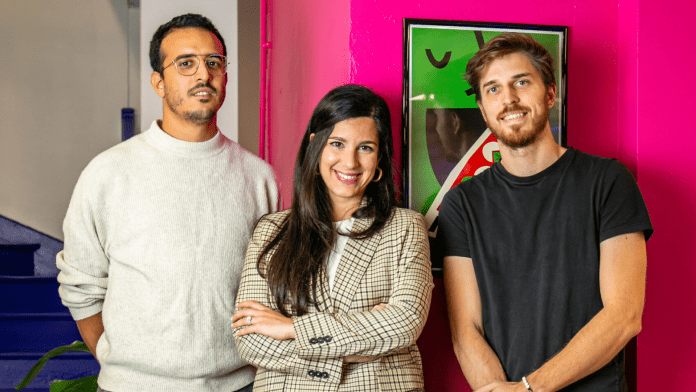
Malou co-founders Waad Toumi, Louiza Hacene and Victor Sage

Malou, a French restaurant technology firm, has secured over $10 million in a funding round to bolster its expansion efforts both domestically and internationally.

The funding round was spearheaded by investors, including henQ, Bleu Capital, Bertrand Jelensperger, Jim Texier, and several restaurant clients.

Utilizing the recent capital injection, Malou aims to accelerate its expansion within France, improve product functionality, and extend its reach internationally, targeting the Middle East, Europe, and the United States.

henQ partner Mick Mackaay said, “Malou’s team has been able to translate their deep understanding of marketing for restaurants into a ‘hyper-verticalised’ solution which optimises all aspects of a restaurant’s online presence automatically.

“This leads to more visitors without forcing owners to become marketing experts. The team has further impressed us with their ability to get this solution into the hands of many restaurants, a notoriously hard target group to sell to.”

Since 2021, Malou has been providing customized digital marketing solutions exclusively designed for the restaurant industry.

It consolidates the Google page, social media profiles, listings, and delivery platforms of restaurants into a centralized hub.

Leveraging artificial intelligence (AI) and automation, Malou analyzes and generates responses to customer reviews, creates social media posts, and ensures the maintenance of consistent information to elevate the online presence of restaurants.

Presently, the company has enlisted over 2,000 restaurants spanning 12 countries, encompassing independent establishments, food chains, renowned chefs, and high-profile restaurant groups.

Malou co-founder and CEO Louiza Hacene said, “Malou is dedicated to providing the tools to help restaurants connect with potential customers and maintain their relationships with their existing customers and this new funding will allow us to further improve our product, expand our team and increase our market reach, especially in the US.”

Advertisement

Zomato and Swiggy grapple with INR 1,000 Cr GST notices as tax authorities include delivery charges in revenue assessment

0
Zomato and Swiggy

Zomato and Swiggy, the prominent players in the food delivery industry, are facing fresh tax challenges. According to reports, both companies have been served notices for a combined Goods and Services Tax (GST) amounting to INR 1,000 Cr. The tax authorities have revised their perspective, now considering the delivery charges collected by these platforms as part of their revenue.

Sources familiar with the situation have revealed that both food delivery platforms are required to remit INR 500 Cr each. This amount represents the 18% tax imposed on the entirety of the delivery fees they have amassed since the initiation of their food delivery services, as reported by the Economic Times.

It is noteworthy that in January 2022, the Central Government included ‘restaurant services’ and cloud kitchens within the scope of Section 9(5) of the CGST Act, 2017. Consequently, platforms such as Swiggy and Zomato became subject to a 5% Goods and Services Tax (GST) on the ‘restaurant services’ they provide.

Nevertheless, ambiguity persisted regarding whether the delivery services and the associated fees collected would also be subject to taxation.

“Ours is a platform that brings the rider and the customer close to each other. The delivery fee is not our revenue, instead, it goes directly to the rider. This is an interpretation of guidelines and we have a clear go-ahead from the tax consultants,” a senior executive at a food-delivery platform was quoted as saying by the publication.

In fact, the individual quoted further emphasized that the platform consistently asserts the status of riders as contractors, not employees. Nonetheless, the government contends that the delivery executives or riders, by collecting money on behalf of the platform, contribute to the company’s revenue.

An email sent to Swiggy and Zomato did not garner any response as of the article’s publication.

The collection of delivery fees by Swiggy and Zomato has consistently been a subject of intense debate, frequently giving rise to controversies from various viewpoints.

Swiggy introduced food delivery fees to its customers in 2016, two years after its inception. Subsequently, Zomato followed suit and initiated delivery charges as well.

Following the implementation of a standard delivery fee, Zomato introduced a loyalty program, now known as Zomato Gold. This program allows users to waive delivery fees by subscribing to a monthly membership, which also includes additional benefits.

Swiggy similarly introduced Swiggy One with a comparable concept.

As per the sources quoted by ET, Zomato and Swiggy charge an average of INR 40 to deliver an item to their customers. However, the disclosed information indicates that the actual cost borne by the food delivery platforms is INR 60, with the additional INR 20 being absorbed by the platforms, as reported.

It has been reported that Zomato and Swiggy collectively fulfill 1.8 million to 2 million orders daily nationwide. The introduction of the new GST is expected to impact their cash flow.

Nevertheless, it is crucial to acknowledge that both Zomato and Swiggy have recently implemented a platform fee, ranging from INR 2 to INR 5 per order. This fee is applicable to all customers, regardless of their subscription status.

Read More: Zomato extends platform fee to wider user base, implements INR 3 charge in select cities

Also Read: Swiggy increases platform fee to INR 3 per order to boost profitability ahead of IPO in 2024

In a recent research note, Kotak Institutional Equities stated that the introduction of the platform fee would enhance Zomato’s customer take rate and contribution margin.

Read More: Zomato’s platform fee hike expected to bolster customer take rate and contribution margin: Kotak Institutional Equities

In the latest development, Zomato achieved profitability in Q1 FY24 following several business restructurings and increased monetization efforts. Simultaneously, Swiggy, gearing up for its IPO, announced that it attained profitability in its food delivery business as of March 2023.

Read More: Zomato turns profitable in Q1 FY24, reports INR 2 Cr consolidated PAT

Also Read: Swiggy’s strategic initiatives pay off as food delivery business turns profitable

Also Read: SoftBank to reduce stake in Swiggy as food delivery platform gears up for $1 Billion IPO

Advertisement

Daiya Foods appoints Hajime Fujita as CEO to lead its international expansion

0
Hajime Fujita

Daiya Foods, a Canadian plant-based food group under the ownership of Japan’s Otsuka Pharmaceuticals, has named Hajime Fujita as its new Chief Executive Officer.

Fujita will take over the position previously held by Michael Watt, who had served in that capacity since 2019.

Fujita brings over 17 years of expertise in business and financial planning within the food and beverage, pharmaceutical, and electronics sectors, with experience spanning the United States, Canada, Indonesia, China, and Japan.

In his most recent role, Fujita served as the Vice President of Business Planning at Otsuka Pharmaceuticals.

He has been assigned the responsibility of overseeing operations in North America and leading the ongoing international expansion of the brand.

Daiya’s product portfolio encompasses various plant-based offerings, such as cheese slices, dressings, spreads, yoghurts, and a selection of frozen dairy-free meals and desserts.

The company distributes its products through in-store sales and e-commerce partnerships, reaching 25,000 retailers in the United States and Canada. Additionally, it has a presence in Asia, Europe, and Latin America.

Fujita played a pivotal role in the pharmaceutical group’s acquisition of Daiya in 2017, as stated by the plant-based company.

In 2018, he transitioned to Daiya, assuming the position of Director for Financial Planning and Analysis, a role he held until 2021.

During that particular year, he joined the board of directors at the dairy-free group and assumed the role of Vice President at Otsuka’s American branch.

Commenting on his appointment, Fujita said, “There is enormous potential in the Daiya brand to push the highly competitive plant-based category to new heights, particularly through product innovation and bold marketing.”

While at Daiya, the company said Fujita had “a lead role” in establishing the company’s production site in Burnaby, British Columbia, which is said to be “the largest stand-alone plant-based food facility in North America.”

As per the official website of the government of British Columbia, Daiya’s production and office facility in Burnaby spans approximately 400,000 square feet.

Earlier this year, the company revealed plans to make a multi-million-dollar investment in fermentation technology, aiming to incorporate fermented plant-based cheeses into its product lineup. The fermentation site is slated to be established at the Burnaby facility, according to the group.

Advertisement

Nordzucker ventures into plant protein market with €100 Million investment, set to open new facility by 2026

0
Nordzucker
Nordzucker

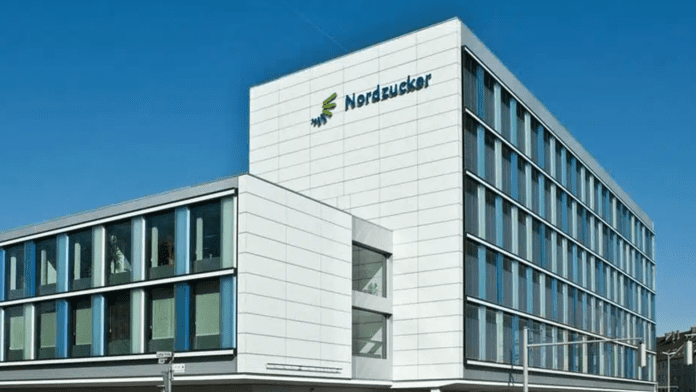
Nordzucker, a sugar manufacturer, is venturing into a fresh business domain by committing over €100 million to the development of plant-based proteins.

Based in Germany, Nordzucker has disclosed plans to inaugurate a new facility for its latest business venture at the Groß Munzel site in Lower Saxony by mid-2026.

The growth is anticipated to generate approximately 60 new positions, emphasizing the “increasingly vital role in the future” that plant-based nutrition is poised to assume, according to Nordzucker’s CEO, Lars Gorissen.

He commented, “We are supplementing our portfolio with a product that fits in well with our core competences and are thus consistently pursuing our growth strategy”.

The company will manufacture and market pea proteins intended for use as a protein source and texturizer in plant-based food. It will predominantly utilize yellow peas sourced from local cultivation, as highlighted by Gorissen, citing their ability to meet all criteria for cost-effective and sustainable production. Yellow peas are versatile in their growth across various regions and seamlessly integrate into the crop rotations of farms.

Nordzucker can maintain a year-round production of peas, thanks to their extended shelf life. These peas will be promoted as concentrates and dry texturates for subsequent utilization in the food and animal feed sectors.

The Chief Financial Officer of the company, Alexander Bott, indicated an anticipation of double-digit growth rates annually in the pea protein concentrates and texturates segment. As a result, the company is actively pursuing a rapid implementation strategy.

The commencement of construction for the new production facilities is slated for autumn 2024. Leveraging Nordzucker’s pre-existing infrastructure and transportation connections, the plant will enjoy favorable access to raw materials from numerous arable farming regions and convenient reach to sales markets.

The supervisory board of Nordzucker has supported the entry into the new business segment and expansion of production capacity at the Groß Munzel site.

Advertisement