Monday, December 22, 2025
Home Blog Page 753

Engaging with Impact: Effective Communication to Propel Your Emerging Brand Forward

0

In a world inundated with information and flooded with brands vying for attention, the ability to cut through the noise has become an art form. For emerging brands on the cusp of making a significant impact, the key to standing out lies in mastering the art of effective communication.

The Evolving Landscape of Brand Communication

As the business landscape evolves, so does the way brands communicate. No longer confined to traditional avenues, emerging brands have a vast array of platforms and channels at their disposal. However, this abundance comes with its challenges – the need to navigate a crowded digital space and capture the fleeting attention of a diverse audience.

In this dynamic environment, effective communication isn’t just about delivering a message; it’s about crafting a narrative that captivates, resonates, and leaves a lasting impression. Whether through social media, content marketing, or face-to-face interactions, the way a brand communicates defines its identity and sets the stage for its success.

Building a Consistent and Authentic Voice

One of the foundational elements of impactful communication is a consistent and authentic brand voice. In a world where consumers crave authenticity, a brand that speaks with a genuine and unwavering voice stands out. Consistency in messaging across different platforms fosters a sense of reliability and builds trust with the audience.

Crafting an authentic voice involves understanding the core values of your brand and infusing them into every piece of communication. Whether it’s a tweet, a blog post, or a video, the brand voice should reflect the essence of your company. This authenticity not only establishes a connection with the audience but also sets the stage for long-term brand loyalty.

Storytelling as a Catalyst for Connection

In the realm of effective communication, storytelling emerges as a potent tool for building emotional connections. Humans are wired to respond to narratives, and brands that weave compelling stories around their products or missions can create a powerful impact. These stories transcend the transactional nature of business, transforming a brand into a storyteller with a captivating narrative.

A well-crafted brand story resonates with the audience on a personal level, fostering a sense of belonging. Whether it’s the tale of overcoming challenges, the journey of a product from conception to creation, or the impact the brand seeks to make in the world, storytelling adds depth and dimension to the brand’s identity.

Leveraging Visual and Interactive Elements

In the digital age, visual and interactive elements play a crucial role in capturing and maintaining audience attention. Emerging brands need to go beyond text-based communication and incorporate visually appealing content into their strategies. Whether it’s eye-catching graphics, engaging videos, or interactive social media campaigns, the visual appeal enhances the overall communication experience.

Visual elements not only make the content more shareable but also contribute to brand memorability. A well-designed visual identity, including logos, color schemes, and imagery, creates a cohesive and recognizable brand presence. By investing in visually appealing communication, emerging brands can elevate their image and make a lasting impression in the minds of their audience.

Engaging with Your Audience: The Two-Way Street

Communication is not a monologue but a dialogue. Emerging brands must actively engage with their audience, fostering a two-way street of communication. Social media platforms, comment sections, and feedback forms are invaluable tools for understanding the audience’s sentiments, preferences, and concerns.

By actively participating in conversations, responding to comments, and seeking feedback, brands demonstrate that they value their audience’s opinions. This engagement not only builds a sense of community but also provides valuable insights that can inform future communication strategies. In the era of social media, where transparency and responsiveness are highly valued, actively engaging with the audience can be a powerful catalyst for brand growth.

Propelling Your Brand into the Future

In the competitive landscape of emerging brands, effective communication is the key to unlocking growth and making a lasting impact. By building a consistent and authentic voice, harnessing the power of storytelling, leveraging visual elements, and actively engaging with the audience, brands can propel themselves forward with confidence.

As technology continues to reshape the business landscape, the ability to communicate with impact will remain a cornerstone of success. Emerging brands that master this art will not only navigate the complexities of the modern business world but also create a legacy that resonates with their audience for years to come.

Advertisement

Unifying the Brand Voice: Omni-Channel Strategies to Enhance Recognition and Trust

0

In the dynamic landscape of today’s business world, where consumers seamlessly transition between online and offline channels, establishing a unified brand voice has become paramount. The evolution of technology has blurred the lines between physical and digital spaces, requiring businesses to adopt omnichannel strategies that resonate consistently across diverse platforms. This article delves into the significance of unifying a brand’s voice and explores effective omnichannel strategies that not only enhance recognition but also foster trust among consumers.

The Importance of a Unified Brand Voice

A brand’s voice is more than just a series of carefully crafted messages; it is the essence of the brand itself. In an era where consumers are bombarded with information from various sources, maintaining a cohesive and recognizable brand voice is crucial for standing out in the crowded market. Whether a customer interacts with a brand through social media, a brick-and-mortar store, or the company website, they should experience a consistent message, tone, and values.

Consistency breeds familiarity, and familiarity builds trust. When consumers encounter a brand that speaks to them in a consistent voice across multiple touchpoints, it reinforces the brand’s identity and creates a lasting impression. This consistency not only aids in brand recall but also establishes a foundation for trust – a vital component in the customer-brand relationship.

Understanding Omni-Channel Strategies

Omnichannel is more than just a buzzword; it’s a holistic approach that integrates various channels seamlessly to create a unified and cohesive brand experience. Unlike multichannel strategies that operate in silos, omnichannel strategies break down the barriers between online and offline channels, providing customers with a seamless journey as they move between different touchpoints.

To effectively implement omnichannel strategies, businesses must recognize that each channel is interconnected and contributes to the overall brand narrative. Whether a customer is engaging through a mobile app, social media, in-store, or on the website, the messaging, aesthetics, and overall experience should be harmonious. This requires a synchronized effort across departments, aligning marketing, sales, customer service, and other key functions to ensure a consistent brand voice.

Crafting a Consistent Message Across Channels

One of the fundamental challenges in unifying a brand’s voice across channels is maintaining consistency while adapting to the unique attributes of each platform. Different channels have distinct user demographics, behaviors, and expectations, necessitating a thoughtful approach to messaging.

Start by identifying the core values and key messages that define the brand. These should serve as the foundation for communication across all channels. However, it’s essential to tailor the delivery of these messages to suit the context of each platform. For instance, the tone used on social media might be more casual and conversational, while the website content may adopt a more formal and informative style.

Implementing a content style guide can be instrumental in ensuring consistency. This guide should outline guidelines for tone, language, and visual elements across various channels. Regularly review and update this guide to adapt to evolving market trends and consumer preferences.

Seamless Integration of Online and Offline Experiences

Achieving a unified brand voice goes beyond digital channels. For businesses with physical stores, it’s crucial to seamlessly integrate the offline experience with the online presence. The transition between these realms should be fluid, offering customers a consistent experience whether they’re browsing products in-store or exploring the brand online.

In-store experiences can be enhanced with technology, such as interactive displays, mobile apps, and personalized recommendations based on online behaviors. Likewise, online interactions can be enriched by incorporating elements that mirror the in-store experience, such as virtual consultations, live chats with customer service representatives, and immersive product visuals.

Leveraging Data for Personalization and Continuous Improvement

Data is a powerful tool in the quest for a unified brand voice. By harnessing customer data from various touchpoints, businesses can gain valuable insights into consumer behaviors, preferences, and interactions with the brand. This data can inform personalized marketing strategies that resonate with individual customers.

Implementing data-driven personalization requires a robust customer relationship management (CRM) system that consolidates information from all channels. This unified view of the customer enables businesses to tailor their messaging, promotions, and recommendations based on the customer’s history and preferences.

Moreover, data analytics can be leveraged for continuous improvement. Analyzing customer feedback, engagement metrics, and conversion rates across channels provides valuable insights into the effectiveness of the brand’s messaging. This iterative process allows businesses to refine their strategies, ensuring that the brand voice remains relevant and resonant in a constantly evolving market.

Final Thoughts:

In an era where consumers expect a seamless and consistent brand experience, unifying the brand voice through omnichannel strategies is not just a competitive advantage – it’s a necessity. Businesses that successfully implement these strategies can enhance recognition, build trust, and create lasting connections with their audience.

By crafting a consistent message across channels, seamlessly integrating online and offline experiences, and leveraging data for personalization, businesses can navigate the complexities of the modern marketplace. In doing so, they not only strengthen their brand identity but also position themselves as trustworthy partners in the eyes of their customers. In the pursuit of a unified brand voice, the journey is ongoing, requiring adaptability, innovation, and a deep understanding of the ever-changing dynamics of consumer behavior and technology.

Advertisement

Powerful Personal Connection: How Video Humanizes Your Brand and Boosts Growth

0
video

In the fast-paced digital landscape of the 21st century, establishing a personal connection with your audience has become more crucial than ever for business success. As consumers navigate through a sea of information, brands that can create a genuine and relatable connection stand out. One powerful tool that has emerged as a game-changer in this regard is video. From social media platforms to company websites, businesses are leveraging the visual appeal of video content to humanize their brand and drive growth.

The Rise of Video in the Digital Era

The digital era has transformed the way businesses communicate with their audience. Static images and text-based content are no longer sufficient to capture the attention of today’s consumers. Video, with its dynamic and immersive nature, has become the preferred medium for conveying messages, telling stories, and establishing emotional connections.

The rise of platforms like YouTube, Instagram, and TikTok has demonstrated the immense popularity of video content. These platforms have become fertile grounds for brands to showcase their personality, values, and behind-the-scenes aspects that help humanize their image. Video content allows businesses to break through the noise and connect with their audience on a personal level.

Humanizing Your Brand

In a world dominated by faceless corporations, the humanization of a brand can be a powerful differentiator. Video enables businesses to put a face to their name, allowing consumers to see the people behind the products or services. This personal touch creates a sense of familiarity and trust, essential elements in building long-term relationships with customers.

By incorporating video into their marketing strategies, companies can introduce their team members, share their company culture, and highlight the passion that drives their work. This transparency fosters a deeper connection with the audience, as consumers appreciate knowing the faces and stories behind the brands they support.

The Impact of Storytelling

At the heart of humanizing a brand through video lies the art of storytelling. Storytelling has been a fundamental aspect of human communication for centuries, and video provides a dynamic platform to weave narratives that resonate with the audience. By telling compelling stories, businesses can evoke emotions, create a memorable experience, and forge a powerful connection with viewers.

Through video, brands can share their journey, challenges, and triumphs. Whether it’s a founder’s personal story or a narrative that highlights the impact of a product or service on a customer’s life, storytelling through video builds a narrative that goes beyond the features and benefits of a product. It taps into the emotional core of the audience, making the brand more relatable and memorable.

Building Trust and Credibility

Trust is the cornerstone of any successful business relationship. Video content, when used strategically, can play a pivotal role in establishing and reinforcing trust. Seeing real people, hearing their voices, and observing their body language all contribute to a more authentic and trustworthy brand image.

Testimonials, case studies, and customer success stories presented through video carry a level of authenticity that written testimonials may lack. When potential customers can witness the genuine satisfaction of existing clients, it instills confidence and credibility in the brand. Video content also allows for live demonstrations, giving consumers a firsthand look at the product or service in action, further solidifying trust.

Enhancing Customer Engagement

In the era of short attention spans and information overload, capturing and maintaining audience attention is a significant challenge. Video, with its visual and auditory appeal, proves to be an effective solution. Whether it’s through engaging tutorials, product demonstrations, or interactive content, businesses can create a more immersive and enjoyable experience for their audience.

Live video, in particular, has gained popularity for its real-time interaction capabilities. Live streaming events, Q&A sessions, and behind-the-scenes glimpses offer a unique opportunity for businesses to directly engage with their audience. This real-time interaction fosters a sense of community and belonging, transforming passive viewers into active participants in the brand’s journey.

Video SEO and Reach

Beyond its emotional impact, video content is also a powerful tool for improving a brand’s online visibility. Search engines prioritize video content, and platforms like YouTube, being the second-largest search engine globally, provide businesses with a vast audience. By optimizing video content for search engines, brands can significantly increase their reach and attract a broader audience.

Moreover, video content is highly shareable on social media platforms, extending its reach even further. A well-crafted and emotionally resonant video has the potential to go viral, exponentially increasing brand exposure and attracting new customers.

Final Thoughts

In the dynamic landscape of modern business, where competition is fierce and consumer attention is scarce, the power of personal connection cannot be overstated. Video, with its ability to humanize a brand, tell compelling stories, and build trust, has become an indispensable tool for businesses looking to boost growth in the digital era.

As consumers increasingly crave authentic and relatable experiences, businesses that embrace video as a means of communication position themselves at the forefront of this new paradigm. By harnessing the emotional impact of video content, brands can create lasting connections with their audience, fostering loyalty and driving sustainable growth in an ever-evolving marketplace.

Advertisement

Journey of Partnership: Steps to Building Meaningful, Long-Term Consumer Bonds

0

In an era dominated by fleeting trends and rapid technological advancements, businesses face the formidable challenge of not just acquiring customers but retaining them over the long term. The key to sustainability lies not only in delivering exceptional products or services but also in building meaningful, lasting partnerships with consumers. This journey of partnership is a nuanced process that requires dedication, empathy, and a strategic approach. Here are the steps that businesses can take to forge enduring connections with their audience, transcending transactional relationships and creating a loyal customer base.

Understanding the Consumer Landscape

The first and most crucial step in building meaningful consumer bonds is understanding the landscape in which your customers operate. What are their needs, desires, and pain points? Conducting thorough market research, collecting and analyzing data, and engaging in active listening through surveys and social media are integral to this process. Businesses must go beyond demographic data and delve into psychographics, understanding the values and motivations that drive consumer behavior.

Crafting a Compelling Brand Narrative

Once armed with a deep understanding of the consumer landscape, businesses can start crafting a compelling brand narrative. This goes beyond marketing slogans and logos; it involves telling a story that resonates with the target audience. A brand narrative should convey the company’s mission, values, and unique selling propositions in a way that connects emotionally with consumers. When customers can identify with a brand’s story, they are more likely to develop a sense of loyalty that extends beyond mere product preferences.

Delivering Consistent Brand Experiences

Consistency is key in the journey of partnership. Consumers expect a seamless experience across all touchpoints with a brand, whether it’s through the website, social media, customer service interactions, or the physical store. Inconsistencies in messaging, design, or customer service can erode trust and damage the relationship. By ensuring a cohesive and reliable brand experience, businesses reinforce their commitment to delivering value and reliability, thereby building trust with their audience.

Prioritizing Customer Feedback and Engagement

A meaningful partnership involves a two-way conversation. Businesses should actively seek and embrace customer feedback, treating it as a valuable source of insights for improvement. Engaging with customers on social media, responding to reviews, and actively participating in online discussions not only demonstrates a commitment to customer satisfaction but also humanizes the brand. When customers feel heard and valued, they are more likely to remain loyal and become brand advocates.

Personalizing the Customer Journey

Personalization is a powerful tool in building long-term consumer bonds. Leveraging data analytics and artificial intelligence, businesses can tailor their offerings and communications to individual preferences. This goes beyond addressing customers by their first names; it involves understanding their preferences, purchase history, and anticipating their needs. Personalized experiences create a sense of exclusivity and demonstrate that the brand values each customer as an individual.

Creating Loyalty Programs with Genuine Value

While loyalty programs are not a novel concept, creating ones that genuinely add value can significantly contribute to building lasting consumer bonds. Rather than focusing solely on discounts, businesses should design programs that reward various forms of engagement, such as social media interactions, referrals, or exclusive access to events. When consumers perceive real value in loyalty programs, they are more likely to remain loyal and actively promote the brand to their network.

Fostering Community Engagement

In an increasingly interconnected world, consumers seek more than just products or services; they crave a sense of belonging. Businesses can foster community engagement by creating platforms for customers to connect, share experiences, and support each other. This could take the form of online forums, social media groups, or even in-person events. By nurturing a community around the brand, businesses not only strengthen consumer bonds but also benefit from the organic growth of a loyal customer base.

Investing in Employee Engagement and Training

Employees are the frontline ambassadors of a brand. Investing in their engagement and training is crucial in ensuring that they embody the brand values and provide exceptional customer experiences. Happy, well-trained employees are more likely to create positive interactions with customers, fostering a sense of trust and satisfaction. This, in turn, contributes to the overall journey of partnership, as consumers are more likely to form lasting connections with brands that prioritize employee well-being and service excellence.

Adapting to Changing Consumer Needs

The business landscape is dynamic, and consumer needs and preferences evolve over time. Successful brands are those that can adapt and innovate to meet these changing demands. Regularly reassessing the market, gathering feedback, and staying attuned to industry trends are essential steps in this process. Businesses that demonstrate agility and a commitment to staying relevant in the eyes of their customers are more likely to maintain long-term consumer bonds.

Measuring and Analyzing Consumer Satisfaction Metrics

Finally, the journey of partnership requires businesses to continually measure and analyze consumer satisfaction metrics. This goes beyond revenue and includes indicators such as Net Promoter Score (NPS), customer lifetime value, and customer churn rates. By understanding these metrics, businesses can identify areas for improvement, celebrate successes, and make data-driven decisions to enhance the overall consumer experience.

The journey of partnership is a multifaceted process that goes beyond transactional relationships and focuses on building meaningful, long-term connections with consumers. By understanding the consumer landscape, crafting compelling brand narratives, delivering consistent experiences, and prioritizing customer feedback, businesses can create a foundation for enduring partnerships. Personalization, loyalty programs, community engagement, employee training, and adaptability are additional pillars that contribute to the strength of these bonds. In a world where choices abound, businesses that invest in the journey of partnership are not only securing customer loyalty but also future-proofing their success in an ever-evolving market.

Advertisement

Social Sizzle: Leveraging Social Media for Effective Lead Generation in the Food Industry

0
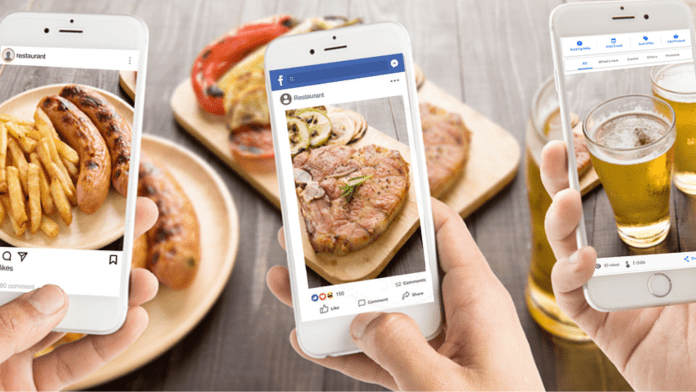
Social Media for food

In today’s fast-paced digital age, the food industry is not just about creating delectable dishes; it’s also about crafting an enticing online presence. As social media continues to dominate the digital landscape, businesses in the food industry are recognizing the immense potential of leveraging platforms like Facebook, Instagram, Twitter, and TikTok for effective lead generation. The sizzle is not just in the pan; it’s on social media feeds, where strategic engagement and innovative content can turn casual scrollers into loyal customers.

The Social Buffet: A Paradigm Shift in Lead Generation

Traditionally, the food industry relied on word-of-mouth, print advertising, and localized promotions to generate leads. However, the rise of social media has ushered in a new era, providing an unparalleled opportunity for businesses to connect with a global audience in real-time. From food trucks to fine-dining establishments, leveraging social media platforms is no longer a luxury but a necessity for sustained success.

The Power of Visual Temptation

In the food industry, aesthetics matter, and social media is the perfect canvas to showcase the visual allure of culinary creations. Platforms like Instagram have become virtual food courts where businesses can visually tantalize potential customers with mouth-watering images and videos of their signature dishes. A well-curated Instagram feed can create a powerful brand identity and establish an emotional connection with the audience, making them more likely to convert into leads.

Visual storytelling is not limited to high-end restaurants. Even local eateries and food delivery services can harness the power of visual temptation. A well-lit, professionally photographed image of a humble sandwich or a creatively presented bowl of noodles can spark curiosity and generate interest. In a digital world driven by visuals, the old adage holds true: a picture is worth a thousand words, and in the case of social media, it might just be worth a thousand leads.

Engaging the Palate: Social Media as a Two-Way Street

Effective lead generation on social media goes beyond showcasing food; it involves engaging the audience in a meaningful way. Platforms like Twitter and Facebook offer businesses the opportunity to participate in conversations, respond to customer queries, and address concerns promptly. This interactive approach not only builds trust but also positions the business as customer-centric.

Live streaming is another powerful tool in the social media lead generation toolkit. Platforms like Instagram and Facebook allow businesses to broadcast live cooking sessions, behind-the-scenes glimpses of the kitchen, or interviews with chefs. This real-time engagement not only humanizes the brand but also creates a sense of urgency and exclusivity, encouraging viewers to become customers.

Hashtags and Trends: Riding the Wave of Social Media Culture

In the ever-evolving landscape of social media, staying relevant is crucial. Businesses in the food industry can capitalize on trending topics and popular hashtags to expand their reach and tap into existing conversations. For example, participating in food challenges, creating content around trending recipes, or leveraging popular food-related hashtags can propel a business into the spotlight and attract a wave of new leads.

Platforms like TikTok have revolutionized short-form video content, providing a unique opportunity for businesses to showcase their personality and creativity. The ‘For You’ page on TikTok, driven by a powerful algorithm, can catapult a well-crafted video into viral status, reaching millions of users within a short span. The key is to understand the platform’s culture and create content that resonates with its user base.

Social Advertising: Precision Targeting for Maximum Impact

While organic reach and engagement are essential, social media advertising allows businesses to take a more targeted approach to lead generation. Platforms like Facebook and Instagram offer sophisticated advertising tools that enable businesses to define their target audience based on demographics, interests, and online behavior.

Investing in paid social advertising can yield impressive results when executed strategically. From promoting special deals and discounts to showcasing new menu items, businesses can tailor their ads to specific customer segments, ensuring that their message reaches the right audience at the right time. The ability to track and analyze the performance of these ads provides valuable insights for refining future campaigns and optimizing lead generation efforts.

The Future Feast: Evolving with Social Media Dynamics

As social media platforms continue to evolve, so must the strategies employed by businesses in the food industry. The integration of augmented reality (AR) and virtual reality (VR) experiences, interactive polls, and shoppable posts are just a glimpse of the future of social media marketing.

The key to sustained success in leveraging social media for lead generation in the food industry lies in agility and creativity. Adapting to emerging trends, staying authentic, and consistently delivering engaging content will ensure that businesses not only capture attention but also convert it into a loyal customer base. In an era where the digital and culinary worlds collide, the businesses that master the art of social sizzle will be the ones feasting on success.

Advertisement

India’s Ongoing Battle with Hunger: The Urgency of Modernizing Food Supply Chains

0
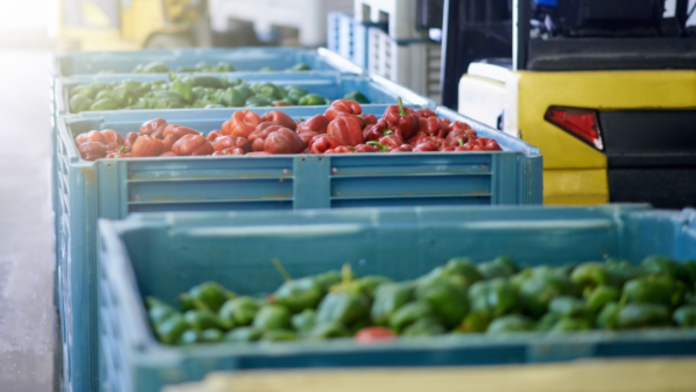
Food Supply Chain
(Representative Image)

India, a country known for its rich agricultural heritage, currently ranks 107th out of 121 countries on the Global Hunger Index 2023, with a concerning score of 29.1. This ranking signifies a “serious” level of hunger, painting a stark picture of the challenges India faces in ensuring food security for its population. In a nation renowned for its food production, the urgent need to modernize food supply chains is clear.

The Paradox of Plenty: India’s Agricultural Production

India’s agricultural sector is the backbone of the country, employing a vast portion of the population and contributing significantly to the nation’s economy. However, the lack of an efficient cold chain infrastructure has been a persistent issue, leading to massive post-harvest losses. India produces an astounding 400 million metric tons of perishable food each year, making it one of the largest producers globally. Despite this abundance, India losses up to 25% of fruits, vegetables, milk, fish, and eggs to wastage. Additionally, up to 40% of fruits and vegetables are lost to due to inefficiencies in the cold supply chain, post harvest. These losses represent a colossal waste of resources, both in terms of food and the economic value associated with it. Canned and frozen foods are also essential components of modern diets, offering convenience and longer shelf lives. However, maintaining the integrity of these products throughout the supply chain is crucial. 

Modernizing Food Cold Supply Chains: A Critical Imperative

To effectively tackle hunger, the cold chain sector in India, especially for agricultural produce and canned/frozen foods, must expand and modernize. The Indian cold chain sector is currently estimated to be worth around $4.7 billion, and there is ample room for growth. And yet, as a nation battling high hunger rates, India continues to loose 40% of its food to supply chain issues. Modernizing food supply chains, especially for perishable items, is no longer a choice but an imperative.

To effectively tackle hunger, the cold chain sector in India, especially for agricultural produce and canned/frozen foods, must expand and modernize. In the case of agricultural produce, an expansion of cold storage facilities and transportation networks is crucial to prevent food spoilage and post-harvest losses. For canned and frozen foods, a seamless and efficient cold chain network is imperative to prevent quality deterioration and ensure that consumers receive safe and high-quality products.

Technology has the potential to transform the food supply chain in India. Smart, IoT-enabled cold storage facilities, equipped with temperature and humidity monitoring systems, can help preserve perishable crops, ensuring they remain fresh for extended periods. Advanced data analytics and real-time monitoring can detect any fluctuations or issues, allowing for swift corrective action.

Moreover, blockchain technology can create transparent and tamper-proof supply chains, enhancing accountability and reducing spoilage. Such innovations can dramatically reduce post-harvest losses and help more food reach those in need. Modernizing cold storage facilities and transportation networks is pivotal to prevent food spoilage and post-harvest losses. Currently estimated at around $4.7 billion, India’s cold chain sector must grow and evolve to meet the challenges of a growing population and increasing food production.

Way Forward

The solution to India’s hunger problem lies in a multi-faceted approach. While technology and innovation in cold supply chains is imperative, especially for perishable agricultural produce, a simultaneous investment in this sector is crucial to reduce food wastage and ensure that food reaches every corner of the country.

Collaboration between the government, non-profit organizations, and the private sector is critical for the successful implementation of modernized cold chain solutions. Raising awareness about the hunger problem in India is vital, inspiring citizens and organizations to take action.

India’s current ranking on the Global Hunger Index is an alarming reality. With the right blend of technology and a robust cold chain infrastructure for agricultural produce, we can make significant strides in eradicating hunger. The time for action is now, and we must work together to create a future where no one in India goes to bed hungry.

(The article is authored by Mr. Swarup Bose, Founder and CEO of Celcius Logistics.)

Advertisement

Indian buyers pull back on palm oil purchases amid rising prices

0
Edible oil
Edible oil (Representative Image)

Indian buyers have scaled back their palm oil purchases for December and January shipments, attributing the decision to escalating prices and refiners confronting negative margins. Industry officials, speaking to Reuters on Thursday, highlighted the challenges faced by refiners who engaged in substantial imports in the preceding months.

Reduced acquisitions from the largest global importer of vegetable oils may result in increased palm oil stocks in major producing countries like Indonesia and Malaysia. This could exert downward pressure on benchmark futures, currently hovering near their highest levels in the past two months.

“Traders are attempting to liquidate stocks accumulated at ports due to aggressive imports in recent months,” stated Rajesh Patel, managing partner at edible oil trader and broker GGN Research.

“Currently, there’s no import parity. Older imported stocks are being offered at lower prices compared to the price of new shipments.”

Traders have indicated that the landed cost of crude palm oil for December shipments on the west coast, excluding import taxes, is INR 77,500 per metric ton. Meanwhile, previously imported oil is being presented at INR 76,500.

Vegetable oil stocks in India rose to 3.3 million tons on November 1 from 2.46 million tons a year ago, propelled by increased imports during the period from July to September, as reported by the Solvent Extractors’ Association of India.

Expressing apprehension about the durability of the recent price surge, buyers are exercising caution in placing new import orders, according to Sandeep Bajoria, the CEO of Sunvin Group, a vegetable oil brokerage.

A dealer based in New Delhi from a global trade house mentioned that the deceleration in new purchases might lead to a decrease in imports for December and January.

He mentioned that the growing availability of domestic soyoil and cottonseed oil has also reduced the necessity for imports.

According to Patel from GGN Research, India’s palm oil imports in November are expected to decline to 770,000 metric tons from the previous year’s 1.1 million tons.

He mentioned that imports of soyoil and sunflower oil in November might decrease to 130,000 tons and 150,000 tons, respectively.

India predominantly procures palm oil from Indonesia, Malaysia, and Thailand, while soyoil and sunflower oil are sourced from Argentina, Brazil, Russia, and Ukraine.

Advertisement

Fork N Knife raises $800k in seed funding to expand into Europe and Africa

0
Fork N Knife

Fork N Knife, a cloud kitchen company, has raised $800,000 in its seed funding round to expand its business in European and African markets by the end of this year, according to a report by Zawya.

The capital was raised from a group of angel investors and institutions outside the Middle East.

The news agency quoted Fork N Knife co-founder and CEO Yasser Nasr-Aldinas saying, “Having been in the cloud kitchen industry for eight years, I saw the need for a new model that solves the real challenges faced by restaurant owners.

“We decided to challenge the conventions by offering our CAAS model, which completely removes the fixed costs that eat up the profits of restaurant owners.

“We also leverage technology to enhance the food production process and support our partners to excel in the growing food market.”

The funds will be utilized to bolster the company’s commitment to advancing the food tech sector via its “Cooking As A Service” (CAAS) model.

Its approach is purportedly distinct from the conventional fixed-fee frameworks employed by traditional cloud kitchens.

Fork N Knife asserts that its CAAS model enables restaurant and food concept developers to expand their businesses without requiring any initial investment.

As of now, Fork N Knife has three establishments in Turkey.

Nasr-Aldin added, “The success of this seed funding round reflects the confidence of the investors in Fork N Knife and the huge potential we have to transform the food industry in the region.

“We have also started negotiations for our Series A funding round, which shows the strong interest and trust in our innovative approach to cloud kitchens.”

Advertisement

Jack in the Box’s Q4 FY23 net earnings tumble 52% to $21.89 Million

0
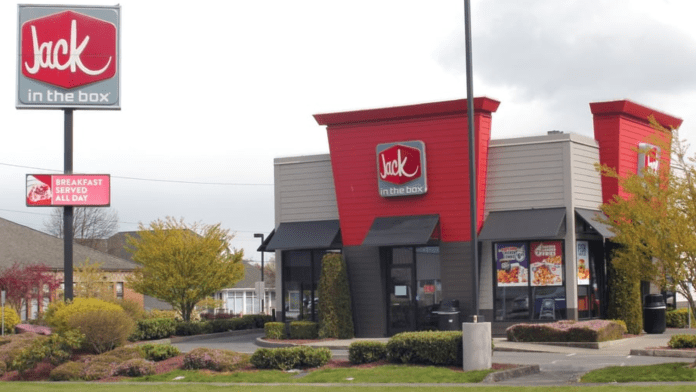
Jack in the Box
Jack in the Box

Jack in the Box, the parent company of the Del Taco restaurant brand, has posted net earnings of $21.89 million for the fourth quarter (Q4) of fiscal year (FY) 2023.

This represents a 52.25% decrease compared to the $45.85 million reported a year ago.

For the quarter ending on October 1, 2023, total revenues amounted to $372.52 million, indicating a 7.5% decrease compared to the $402.77 million reported in Q4 FY22.

In Q4, the company’s adjusted earnings before interest, taxes, depreciation, and amortization (EBITDA) stood at $68.4 million, reflecting a decline from the $81.9 million recorded in the corresponding quarter of the previous year.

The company’s diluted earnings per share decreased to $1.08 in the quarter, down from $2.17 compared to the same period last year.

Jack in the Box reported a 3.9% increase in same-store sales for the quarter, whereas Del Taco experienced a 1.5% decline in same-store sales during the same period.

During the final quarter of FY23, Del Taco inaugurated seven new restaurants while shutting down nine.

Jack in the Box attributed its sales performance to pricing, although this was partially counterbalanced by reductions in transactions and menu mix. The company experienced a 4.3% increase in systemwide sales in Q4.

In Q4 2023, the restaurant-level margin for the brand reached 20.7%, marking a rise from the 16.2% reported in the corresponding period of the previous year.

During the most recent quarter, Jack in the Box inaugurated six new restaurants and shut down 11 restaurant locations.

Jack in the Box CEO Darin Harris said, “We achieved several important milestones for our business in 2023, including positive unit growth, successful new market openings, accelerated Del Taco refranchising, strong same stores sales performance and improvements in restaurant-level profitability.

“Despite some industry headwinds, we are excited about our opportunity in 2024 to expand both brands into new markets and continue driving our transformational growth strategy.”

Advertisement

Turn Capital expands portfolio with acquisition of Flash Coffee in Thailand

0
Flash Coffee
Flash Coffee

Turn Capital, a venture capital firm, has successfully acquired Flash Coffee, the Thailand business/franchise of a tech-enabled coffee chain headquartered in Singapore.

The financial specifics of the transaction were not disclosed by the companies.

Turn Capital has revealed its intentions to expand the coffee chain’s footprint in Thailand by opening over 100 new stores in the next two years.

Turn Capital partner Shang Koo said, “Flash Coffee is an exciting tech-enabled coffee brand and has been a source of delight for many coffee lovers across the region.

“We are impressed by what the team has built in Thailand over the past years and are excited to play a major role in the company’s next growth phase. Turn Capital’s focus and expertise is on the consumers, building digital-enabled and loyal consumer ecosystems by creating exciting products and services.

“We are excited to partner with Flash’s management team to bring the tech-driven Flash Coffee brand to profitability and to work with the young and energetic Thailand team to grow the company over the next few years.”

Founded in 2020, Flash Coffee presently runs over 200 stores spanning Indonesia, Thailand, Hong Kong, and South Korea.

Flash Coffee Thailand managing director Vincent Hosman said, “Turn Capital goes beyond providing funds; it involves harnessing operational expertise. We are excited to spearhead our expansion endeavours, fortify our team, diversify our drinks and food offerings and continue opening new stores.

“We’re set to paint the streets of Thailand yellow, symbolising the spread of our commitment to amazing coffee at unbeatable prices. The future looks bright for Flash Coffee Thailand.”

In May of this year, Flash Coffee secured $50 million in a Series B funding round, with White Star Capital taking the lead.

Participating in the funding round were investors like Delivery Hero, Geschwister Oetker, and Conny & Co, with a number of them choosing to augment their ownership in the company.

Advertisement