Sunday, December 21, 2025
Home Blog Page 752

Délifrance announces India debut in partnership with Bahri Hospitality, unveils ambitious expansion plans

0
Délifrance

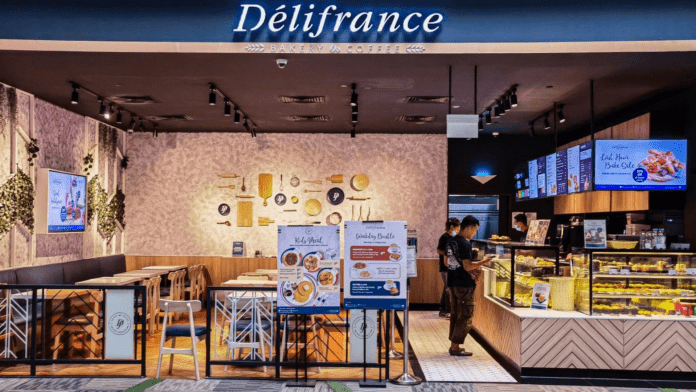
Délifrance, with a century of expertise in French bakery, is poised to make its debut in India through a partnership with Bahri Hospitality and Cuisines Pvt Ltd, a division of the Bahri Group.

The first store is scheduled to open in Defence Colony, South Delhi. Bahri Hospitality has secured the exclusive master franchise rights for Délifrance across the country, with potential sub-franchising plans in the pipeline.

Délifrance is strategizing its presence across three distinctive formats: Bistro, Bakery & Coffee Shop, and Express Delivery outlets.

The Bistro will present a specialized menu comprising viennoiseries, patisseries, hot dishes, and beverages, while the remaining formats will primarily emphasize bakeries and patisseries.

“We are very excited to launch Délifrance in India. There is a huge potential in the bakery segment and this alliance with Délifrance will allow us to contribute in bringing the authentic taste of French bakery delicacies to the Indian subcontinent across many different channels,” said Hemant Bahri, Founder and Managing Director of the Bahri Group.

Bahri Hospitality aims to enhance the brand’s footprint among Indian consumers through various channels. This involves offering specially curated hampers and presenting a blend of French bakery classics infused with local flavors. To complement the importation of traditional French bakery goods from Délifrance, the group has established a central production unit in Delhi. This unit is dedicated to crafting additional local baked goods using French bakery techniques and premium-quality ingredients.

Fabrice Herlax, International Marketing and Concept Strategy Director for Franchise and Branded Solutions, Délifrance, said, “Entering the Indian subcontinent is a fantastic challenge for our brand, in its ability to connect and adapt to the local taste and flavors, based on our 100 years legacy in milling and French bakery.”

By the end of FY 23-24, Délifrance plans to launch five additional outlets in Delhi-NCR.

In the next five years, the brand envisions expanding its presence by opening 25 to 30 Délifrance outlets in various formats across India.

Advertisement

Govt grants extension for onion exports until November 30, clarifies criteria for eligibility

0
Onions
Onions (Representative Image)

On Thursday, the government provided clarification that onion shipments, which have been submitted to customs authorities and recorded in their systems prior to October 29, are eligible for export until November 30. This decision comes in the wake of the government’s imposition, on October 28, of a minimum export price (MEP) of USD 800 per tonne on onion exports until December 31. The aim is to enhance the availability of onions in the domestic market and control prices.

“Where onion consignment has been handed over to the customs before October 29, 2023… and is registered in their system/ where onions consignment has entered the customs station for exportation before this notification and is registered in the electronic systems of the concerned custodian of the customs station with verifiable evidence of date and time stamping of these commodities having entered the station prior to October 29.

“The period of export shall be up to November 30 this year,” the Directorate General of Foreign Trade (DGFT) said.

It emphasized that export duties paid prior to the issuance of this notification will not be subject to refund.

Advertisement

Amazon partners with WBIDC to boost exports from West Bengal

0
Amazon
Amazon (Representative Image)

Amazon and the West Bengal Industrial Development Corporation (WBIDC) have entered into a Memorandum of Understanding (MoU) with the aim of boosting exports from West Bengal. This collaboration will enable a multitude of Micro, Small, and Medium Enterprises (MSMEs) in the region to showcase and sell their ‘Made in India’ products to customers across more than 200 countries through the Amazon platform.

The WBIDC is slated to create e-commerce export hubs and institute an e-commerce export facilitation cell in strategic districts of West Bengal, such as Kolkata, North 24 Paraganas, South 24 Paraganas, Howrah, Hooghly, among others. In tandem, Amazon will arrange awareness sessions and lead capacity-building workshops for MSMEs within these designated e-commerce export hubs.

Currently, over 3000 exporters based in West Bengal have collaborated with Amazon to present their products to customers spanning over 200 countries and territories worldwide.

Raju Mishra, Joint Secretary, WBIDC said, “With the new logistics policy and the exports policy, we aim to establish West Bengal as the Global Trading Hub and double the State’s exports over the next decade. The West Bengal Government has invested a lot in setting up dedicated export promotion committees in key districts and exports facilitation cells to boost exports from the state.”

He added, “We are now furthering our vision and WBIDC will set up dedicated e-commerce export hubs in key districts. Our partnership with Amazon will help exporters across the state become more aware and equipped to tap into the global export opportunity.”

Advertisement

Rage Coffee gears up for global expansion, set to open kiosks and strengthen market presence

0
Rage Coffee

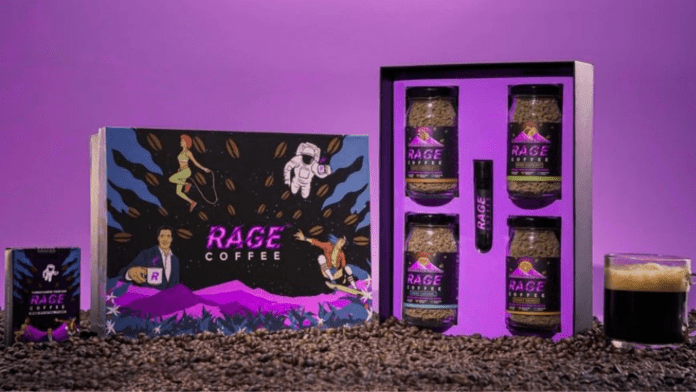
FMCG brand Rage Coffee is gearing up to extend its reach in international markets while also enhancing its presence in modern trade outlets across the country. The company is set to open kiosks as part of its strategy to increase out-of-home consumption, according to Bharat Sethi, the founder of Rage Coffee.

Over the past six months, the brand has extended its operations to five international countries, including the UK, GCC, Nepal, Bhutan, and Sri Lanka.

“We have forayed into these 5 markets with different partners. In the UK, we only have an online presence whereas in Sri Lanka, we have partnered with offline brands that also have an online presence. We are running a distribution-led business in Dubai and in Nepal and Bhutan, as the online market is relatively small, so offline penetration is the key,” he said.

In order to solidify its presence in these nations, the coffee brand intends to allocate INR 2.5-3 crore towards marketing efforts.

Moving forward, the brand intends to broaden its business to encompass regions such as Africa, Saudi Arabia, Europe, and North America.

“By this fiscal end, we expect 10 per cent of our revenue to be coming from the international business,” he stated.

To address the growing demand, the brand, featuring 15 SKUs, does not intend to establish additional manufacturing units. The recently inaugurated manufacturing facility in Manesar, spanning 30,000 sq. ft., is currently utilized at only 40-50 percent capacity.

“We can do 3x to 4x of production of what we are doing right now with an additional packaging line, however, additional investments won’t be required,” he asserted.

In the brick-and-mortar sector, the brand has collaborated with key modern trade entities such as Metro Cash and Carry, Walmart, More, DMart, and Reliance. Presently, it has a presence in 1,500 modern trade outlets and aims to extend to an additional 1,000 MT stores by the end of this fiscal year.

“Additionally, we have tied up with 200 distributors and have a presence across 20,000 general trade stores. In GT, we are expanding with small packs worth INR 2 and INR 5. Currently, small sachets comprise 30 per cent of our business. By value, it is very low but volume-wise, it will overtake the overall business in the next 18 months,” he stated.

Currently, 30 percent of the brand’s business originates from marketplaces, 20 percent from direct-to-consumer (D2C) channels, with the remaining 50 percent evenly split between general trade (GT) and modern trade (MT).

“Currently, our CAC (customer acquisition cost) stands at INR 30-40 for AOV (average order value) of INR 600. For online, we are focusing on retention marketing and our online customer loyalty stands at 60 per cent,” he said.

In the brick-and-mortar domain, Rage Coffee records a monthly throughput of INR 2,500 per outlet and a Gross Merchandise Value (GMV) of INR 4,500.

Moving forward, the brand also intends to increase its out-of-home consumption by launching 2,000 kiosks within the next 36 months.

“In India, we have earmarked about 90 non-metro cities to expand this model. We will be opening these kiosks at institutions, colleges, universities, hospitals, corporate offices, and shop-in-shops,” he said.

The brand is set to launch kiosks in two sizes: 180 sq.ft (offering exclusively coffee) and 400 sq.ft (providing both coffee and food). Approximately 70 percent of these outlets will be managed by franchise partners.

“The CAPEX involved in opening 180 sq.ft kiosk stands at INR 5 lakh and we are expecting the payback in seven months,” he asserted.

Having achieved EBITDA profitability in the last quarter, the brand is actively seeking strategic partners, patient capital, investors with a long-term outlook, and family offices to secure its next round of funding for expanding its distribution.

“By expanding our distribution, we aim to become a INR 500 crore brand in the 3 years,” he stated.

To date, the brand has secured INR 50 crore in equity, INR 5 crore in venture debt, and INR 5 crore in unsecured loans from NBFCs. Noteworthy investors supporting the brand include Virat Kohli and Sixth Sense Ventures.

The brand, which concluded the previous fiscal year with INR 34 crore, aims to reach INR 55 crore in revenue by the end of the current fiscal year.

Advertisement

‘Healthier’ options account for only 24% of packaged food sales in India, indicates latest ATNI Report

0
packaged food nutrition labels
(Representative Image)

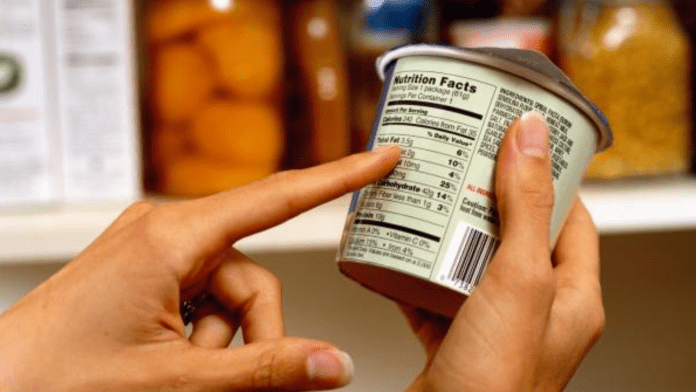
A report from the Access to Nutrition Initiative (ATNI) indicates that merely 24% of sales for major packaged food companies in India come from products classified as “healthier.” The analysis, covering 1,901 products from the country’s top 20 food companies, discloses that a substantial 76% of sales originate from products categorized as “less healthy.”

“Nineteen of the 20 companies derive most of their sales revenues from less healthy products,” it added.

The 2023 edition of the India Index, released by ATNI in collaboration with Consumer Voice and CII, assessed the performance of the 20 largest F&B manufacturers in India. Collectively, these companies account for 36% of the total sales of processed foods in the country. The evaluated companies include Adani Wilmar, ITC, Hindustan Unilever, Britannia Industries, Coca-Cola India, Nestle India, Dabur India, PepsiCo India, Amul (GCMMF), Mondelez India, Parle Products, Marico, Haldiram’s, Mother Dairy, Patanjali, Agro Tech Foods, Hatsun Agro Products, Heritage Foods, KMF Nandini, and Lactalis India.

According to the 2023 India Index from ATNI, the average healthiness rating of companies’ products is reported as “1.9 stars out of 5.0.” More than half (55.6%) of all products in the market received a score of 1.5 out of 5 stars or lower.

In the overall score of the Index, ITC led with a score of 6.2, followed by Hindustan Unilever at 4.9 and Nestle India at 3.7. The evaluation encompassed diverse parameters such as product portfolio, accessibility, responsible marketing, nutrition governance, labeling, and workforce nutrition among others, analyzing the performance of the top 20 players.

“Seven out of 20 indexed companies report having at least one (re)formulation target in place to reduce nutrients of concern (e.g., sodium, saturated fat, sugar) in their portfolio and half of the companies have a nutrition strategy in place,” the report added.

The report noted that seven out of the 20 companies had publicly available policies on responsible marketing to children. Simultaneously, six of these companies present nutritional information on the front of the pack (FOP) in a numerical format for key nutrients.

Greg S Garrett, Executive Director, ATNI, said, “The third edition of the Index puts a lot more emphasis on the product portfolio in terms of how healthy are the food products sold by these companies. All the 20 companies have made some progress in some way. But the F&B industry has a huge opportunity to improve their product offerings making them healthier and more affordable for Indian consumers.”

“One of the key takeaways has been that the consumption of processed food products has gone up significantly over the years. The food and beverage (F&B) industry plays an increasingly pivotal role in determining what consumers in India eat, the quality of their diets, and resulting health impacts. So the industry has a responsibility to make their food products healthier,” he added.

The ATNI report highlighted the absence of a universally agreed-upon definition for healthy food, leading companies to rely on their own interpretations that may not align with recognized national or international standards. ATNI has called upon the government to collaborate with stakeholders in defining a clear and transparent classification for processed foods, including setting thresholds for salt, sugar, and fat, along with the establishment of a nutrient profiling system.

The international non-profit organization has also urged all companies to guarantee that a minimum of 50% of their product portfolios align with healthy standards by the year 2030.

Advertisement

Beauty brand Conscious Chemist secures Bridge round funding from Inflection Point Ventures to accelerate growth and diversification

0
Conscious Chemist
Robin Gupta, CEO & Prakher Mathur, COO & Co-Founders, Conscious Chemist

Conscious Chemist, a beauty brand, announced on Thursday that it has secured an undisclosed sum in Bridge round funding from Inflection Point Ventures (IPV), as stated in a press release.

Utilizing this capital, the company intends to diversify its product offerings, enhance the brand’s marketing efforts, and establish physical retail outlets.

“This partnership with IPV will allow us to execute our business plan and grow more than 50% quarter-on-quarter (QoQ) at healthy EBITDA levels. The capital acquired will help us to amplify our brand voice. We will double down on our digital footprint with deeper penetration into online marketplaces while optimizing our offline channels,” said Robin Gupta, CEO and co-founder of the company.

Ivy Chin, Partner, Inflection Point Ventures, said, “In the last 3–5 years, there has been a clear change in the consumer behaviour wrt to beauty and skincare. The emergence of influencers and celebrities sharing their beauty regimen has only propelled the narrative around clean and sustainable beauty products, and rightfully so. Legacy and new-age brands entering this segment will only help grow this market faster, and we believe that Conscious Chemist has carved out the right niche with its purpose-driven philosophy of building the brand. At IPV, it has always been important to back businesses that are not only building profitable growth trajectories but also conscious about the planet.”

Founded in 2019 by Robin Gupta and Prakher Mathur, Conscious Chemist, a science-based beauty brand, caters to about 350,000 users in its customer base.

At present, the company moves around 25,000 units monthly throughout India, distributing its products in retail outlets such as Health & Glow and Shoppers Stop.

Advertisement

Fitspire targets $17 Billion skincare market with new vegan line-up

0
Fitspire

Fitspire, a prominent brand in vegan and plant-based personal wellness, is poised to revolutionize the $17 billion global skincare market with the introduction of plant-based Biotin, Collagen, and Omega products.

Venturing into this category addresses the growing desire for cruelty-free skincare products in India. Additionally, Fitspire strives to solidify its position as the go-to destination for Indian consumers in search of a comprehensive selection of vegan, natural, clean, and cruelty-free products that complement their active and healthy lifestyle.

Established in 2020 by Vipin Jain, an alumnus of IIM Lucknow, Fitspire provides a range of more than 80 vegan products designed to encourage a lifestyle that promotes fitness and well-being.

Speaking on the new category launch, Vipin Jain, Founder & CEO at Fitspire, said, “The demand for cruelty-free and eco-conscious choices is gaining momentum, and the rise of vegan beauty products has become a phenomenon. Consumers are now embracing products that are manufactured ethically. The global market is expected to touch $21.4 billion by 2027, and we expect to be a significant player globally by then.”

According to industry reports, the Indian Vegan Cosmetic market is projected to witness a CAGR of over 7.17% from 2023 to 2028. There is a notable trend in the skincare sector, particularly in the biotin, collagen, and omega products, indicating a significant move towards vegan and plant-based alternatives.

“Keeping in mind the massive growth potential, Fitspire expects to penetrate 5 percent of the market that will help boost our overall revenue by 10 per cent by 2025,” Vipen added. The products will be retailed across offline stores and online marketplaces.

Having demonstrated remarkable growth in the first half of the year, Fitspire was already a frontrunner in the Health and Wellness sector, achieving an exceptional 10x growth. Setting an ambitious revenue target of INR 300 crore over the next three years, the brand boasts a diverse range of vegan offerings. Fitspire’s commitment to reaching every corner of the country is evident through its current presence in over 15,000 pin codes. This extensive coverage ensures accessibility to all Fitspire products, spanning from urban to rural areas and effectively resonating with its robust customer base of one million individuals.

Advertisement

Zomato and Swiggy to engage with tax authorities over INR 1,000 Crore GST notices on delivery fees

0
Zomato-swiggy
(Representative Image)

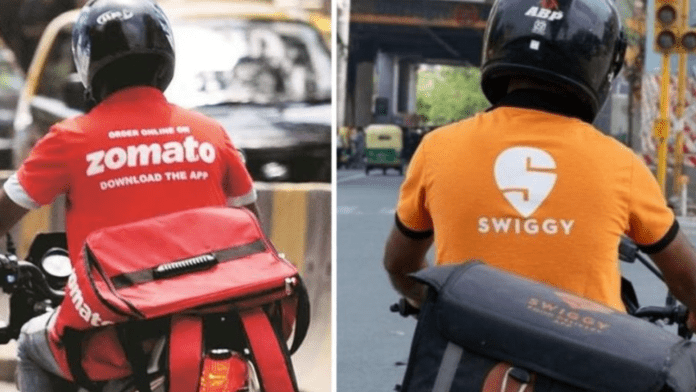
Zomato and Swiggy intend to engage with goods and services tax authorities to clarify their stance following the issuance of notices demanding taxation on the delivery fees they have collected from consumers.

The situation may have broader repercussions, as indicated by a senior government official who suggested that other companies levying similar fees on users might also be required to pay taxes on the sum. These platforms assert that they transfer these amounts to their delivery partners.

The Directorate General of GST Intelligence has issued notifications to the two food delivery companies, requesting a total of INR 750 crore in GST. The breakdown includes INR 400 crore from Zomato and INR 350 crore from Swiggy, according to informed sources.

Read More: Zomato and Swiggy grapple with INR 1,000 Cr GST notices as tax authorities include delivery charges in revenue assessment

Also Read: Zomato stocks take a hit as tax notices over non-payment of GST rattle investors

These notices are preliminary, providing the companies with an opportunity to present their stance to the government before a conclusive demand notice is issued, as per the information provided by individuals familiar with the matter.

“Companies are engaging with lawyers and tax consultants to provide clarity to the authorities that the delivery fees are not accounted for as revenue but passed on to delivery workers,” a person briefed on the matter said.

However, the government official mentioned earlier emphasized that the delivery of food is considered a service subject to an 18% tax. Given that the platforms have been collecting a service fee, they are obligated to pay the corresponding tax.

“They have not paid GST on delivery fee charged from the consumers for the period between July 2017 and March 2023,” stated the official. GST was implemented in July 2017.

Swiggy did not reply to email inquiries, and Zomato declined to provide a comment.

From January 1, 2022, food-delivery platforms are mandated to collect and deposit GST on behalf of restaurants for sales made through them. Despite this requirement, there remains a lack of clarity regarding the treatment of the delivery fee component.

In the usual scenario with aggregators such as Zomato and Swiggy, gig workers function as delivery partners and receive compensation based on the orders they fulfill. Customers are generally charged a fee for the delivery service, with the exception of loyalty programs where platforms may provide free deliveries.

“Aggregators account for the delivery fees in their revenues … and then show the pay-outs (to delivery partners) as part of their expenses. This is perhaps where the confusion with GST authorities has arisen,” the person briefed on the matter said.

For the quarter ended on September 30, publicly listed Zomato reported INR 2,848 crore of operating revenue, with INR 919 crore designated for expenses related to delivery and associated charges.

“The genesis of the issue lies in the fact that while the aggregator platforms were made liable to pay tax as an ecommerce platform on the restaurant services supplied through them, the question of delivery services have been left open,” said Niraj Bagri, partner, Dhruva Advisors, a tax consultancy firm.

“A suitable clarification from the GST Council would address the situation and avoid the long-drawn litigation. Other aspects like terms of the contract with the consumer, method of accounting by the aggregator companies, establishing the nature of charges as reimbursable expenditure would also indicate the overall nature of the transaction and thereby determine the taxability,” Bagri added.

Experts and industry executives suggest that if the government maintains its position of imposing GST on delivery fees, it could potentially impact a broader spectrum of companies in the online delivery sector, encompassing quick-commerce platforms and online grocery delivery firms.

“The issue exposes a key pain point for the delivery industry, which is dependent on fleets of contractual or gig workers who are not employees. It is imperative for the companies to contest these claims…the ramifications of such a tax could be wide ranging on other platforms depending on delivery services including groceries, medicines, etc.,” a senior executive at a food delivery firm said.

The matter surfaced earlier this year when the Internet and Mobile Association of India (IAMAI), an industry association, presented a request to the GST Council seeking clarification on the issue.

“(Food delivery platforms) do not provide food delivery services on their own account but enable these services from delivery partners through their platform. Most, if not all, of these delivery partners are below the GST threshold limit of INR 20 lakh per annum (of earnings), and therefore not registered, or liable to do so under GST,” the IAMAI said in its submission in April this year.

The industry association also highlighted that the lack of clarity on GST for delivery services was resulting in “inconsistent and incongruous positions” being adopted by different jurisdictional authorities.

“This arbitrary assessment is not merely inconsistent with GST rules, but also unfeasible and unfair in seeking GST from ECOs (ecommerce operators) that has never been collected, knowing fully well that ECOs are not in a position to discharge any such amount retrospectively,” it added.

Advertisement

PriyaGold diversifies into the D2C market with new website launch

0
PriyaGold
PriyaGold (Representative Image)

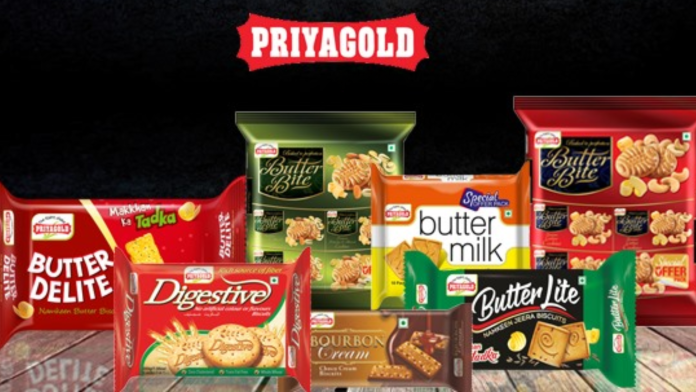
On Thursday, FMCG major PriyaGold announced its entry into the Direct-to-Consumer (D2C) space with the launch of its website.

In a statement, PriyaGold said its platform offers a variety of products, including chocolates, biscuits, and gift hampers, to accommodate diverse customer preferences and budgets.

Established in 1994, PriyaGold serves as the flagship brand of Surya Food & Agro Ltd. and is renowned for its high-quality range of premium biscuits.

Commenting on the development, director of PriyaGold, Mannas Agarwwal said, “Our D2C website embodies our commitment to quality and affordability, offering combo deals, discounts, and free gifts. What sets us apart is the power of personalisation – customers can select their favourite products in our offers, ensuring a tailored experience. From coffee and tea lovers to festival-themed hampers, we have a range of choices.”

In addition to traditional retail channels, PriyaGold distributes its products through online platforms like Amazon and BigBasket.

In the FMCG market, PriyaGold competes with giants like Britannia Industries, Parle Products, and Cremica.

It is noteworthy that the swift evolution of consumer lifestyles and the emergence of new snacking habits have emerged as significant factors driving the growth of the FMCG market in India.

Meanwhile, the proliferation of D2C brands in the country has surged in recent years, driven by the increasing internet penetration and improved access to smartphones. Consequently, FMCG companies have entered the e-commerce market and even acquired stakes in various D2C brands to expand their reach to a broader audience.

Earlier this year, leading FMCG company Marico secured a 58% stake in the D2C nutrition brand Plix. Additionally, ITC has invested in various D2C startups, such as Mother Sparsh and Yoga Bar.

Read More: FMCG giant Marico makes significant move, acquires 58% stake in D2C nutrition brand Plix for INR 369 Cr

Also Read: ITC intends to boost its healthy food segment: Aims to acquire Yoga Bar

According to a report from the India Brand Equity Foundation (IBEF), the Indian FMCG sector is expected to achieve a market size of $220 billion by 2025.

Advertisement

Karigari Restaurant unveils its 5th venture in Faridabad, with plans to go global

0
Karigari
Karigari

Harpal Singh Sokhi, the dynamic chef at Karigari Restaurant, revealed its fifth culinary venture in Faridabad. With the restaurant’s debut came the announcement of a growth plan, aiming to establish five more locations within the next year, with a particular emphasis on international markets such as Dubai and London.

The recently inaugurated Karigari Restaurant in Faridabad offered food enthusiasts a culinary journey through a variety of Indian cuisines. Guided by Chef Sokhi’s creative leadership, the menu seamlessly blends traditional Indian dishes with contemporary cooking techniques, resulting in an expertly crafted dining experience.

“We are excited to open our fifth Karigari location in Faridabad,” said Sokhi. Known for its rich culinary traditions and culture, we are excited to be a part of this city. Carefully selecting a cuisine that reflected India’s culinary heritage, our team added intriguing new twists. We are eager to serve the people of Faridabad with our culinary prowess.”

Deliberately aiming to serve a broader clientele in anticipation of significant expansion, Karigari Restaurant plans to construct five additional outlets in various Indian cities over the next year. This strategic move aims to broaden the audience that can enjoy the diverse range of Indian cuisine offered by the restaurant.

Moreover, Karigari Restaurant is set to embark on a global expansion, with scheduled openings in Dubai and London in the coming year. These international ventures underscore Karigari’s dedication to showcasing the culinary treasures of India to a global audience.

Advertisement