Sunday, December 21, 2025
Home Blog Page 750

Spencer’s Retail to launch luxury Natures Basket stores to boost profit margins

0
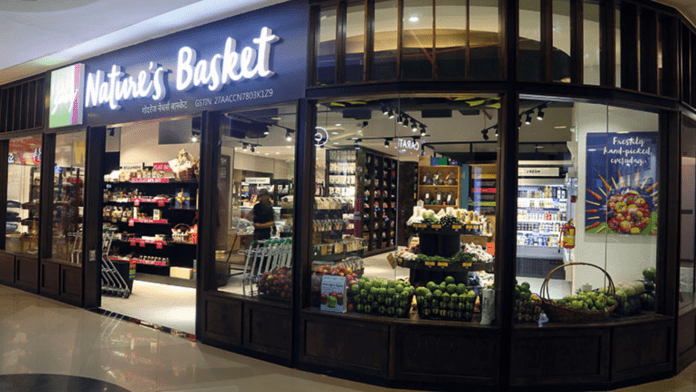
Natures Basket
Natures Basket (Representative Image)

Spencer’s Retail, the multi-format retailer within the RP-Sanjiv Goenka Group, is launching a luxury version of Natures Basket stores to achieve higher profit margins.

Natures Basket (NBL), a premium gourmet retailer, operates as a wholly-owned subsidiary of Spencer’s Retail.

“Traditionally, Natures Basket is in the space of gourmet retailing, but it is slightly ultra premium. Now, we are redefining that into a luxury grocery. It is going to be a very different experience altogether,” Spencer’s Retail chairman Shashwat Goenka said. This concept is new to India, he added.

The retailer is launching its first luxury Natures Basket store in Mumbai. In contrast to the average Natures Basket store size of around 2,500 square feet, this new format store will occupy approximately 12,500 square feet.

The company will be introducing two additional new-format stores: a 7,000 sq ft store in Kolkata in December and a 9,500 sq ft store in Mumbai in January of the upcoming year. These stores are strategically located in prime localities.

“The new concept stores are much larger in size, and therefore you can give a lot more experience to the consumers. It redefines what gourmet grocery retail really is,” Goenka said.

He noted that, given the larger size of these new concept stores, the company can generate “significantly more revenue” from a single store. He emphasized that this expansion will contribute significantly to overall profitability.

The retailer anticipates that these new stores will reach break-even within the second month of operations. The investment in each store is estimated to be in the range of INR 3-5 crore.

“In Natures Basket, we have a very healthy margin. These new concept stores will add to the margins because in this large format stores, we will have scope for higher margins. But on the pricing front, these stores will be competitive,” Goenka said.

Presently, the retailer operates 32 Natures Basket stores. Following the inauguration of the three new concept stores, the total store count will reach 35 by the end of this fiscal year. In the subsequent financial year, the company intends to introduce three to five additional luxury stores.

In the second quarter of this fiscal year, Spencer’s Retail experienced a 65 basis points improvement in gross margins. Natures Basket, considered independently, achieved an 8 percent growth and enhanced its gross margin percentage by 241 basis points on a quarter-on-quarter basis.

Spencer’s Retail disclosed an expanded net loss of INR 70.12 crore in the second quarter of this fiscal year, compared to INR 53.78 crore in the corresponding period of the previous fiscal. The company’s revenue from operations declined to INR 574.04 crore in the current period, down from INR 649.27 crore in the same period the previous year.

Advertisement

Jagatjit Industries Q2 profits soar, marking two-fold growth to INR 2.4 Crore; secures INR 180 Crore loan for ethanol plant expansion

0
Jagatjit Industries
Jagatjit Industries Limited (JIL)

Jagatjit Industries Ltd, a player in the liquor business, has recorded a more than twofold increase in its consolidated profit, reaching INR 2.38 crore for the second quarter of the current fiscal year. The company also announced securing a term loan of INR 180 crore from IREDA to establish a grain-based ethanol plant in Punjab. In comparison, its net profit was INR 1.14 crore in the corresponding period of the previous year.

The total income increased to INR 187.06 crore in the July-September period of 2023-24, up from INR 174.95 crore in the same period of the preceding year.

The net profit for the initial six months of the current fiscal year amounted to INR 5.02 crore, marking a significant improvement from the net loss of INR 3.3 crore during the corresponding period in the previous year.

Total income rose to INR 368.23 crore during April-September period from INR 302.17 crore a year ago.

“With a focus on innovative offerings and expanding our market footprint, we have not only strengthened our financials but also set a precedent for future growth,” Jagatjit Industries Promoter & Executive Director Roshini Sanah Jaiswal said in a statement on Friday.

Meanwhile, on November 14, the board of the company gave approval for obtaining a term loan of INR 180 crore from the Indian Renewable Energy Development Agency (IREDA). This funding will be utilized for the establishment of a grain-based ethanol distillery plant with a daily capacity of 200 kiloliters in Kapurthala, Punjab. The formalization of the loan agreement took place on November 16.

Last year, Jagatjit Industries revealed its plan to invest INR 210 crore in the establishment of a grain-based ethanol manufacturing plant in Punjab. The objective behind this strategic investment was to seize the growing demand for green fuel, specifically for blending with petrol.

Established in 1944, Jagatjit Industries specializes in the production of a comprehensive range of alcoholic beverages, encompassing whisky, vodka, rum, gin, and brandy. Among its notable brands is Aristrocrat Premium Whiskey.

The company is engaged in the production of Indian Made Foreign Liquor (IMFL) and country liquor, malted milk food, and malt extract (manufacturing Boost for HUL under a contractual arrangement). Additionally, it operates a distillery for the production of Extra Neutral Alcohol (ENA) used in alcoholic beverages, and is involved in commercial real estate.

Listed on the BSE, the company operates manufacturing facilities located in Kapurthala, Punjab, and Behror, Rajasthan.

Advertisement

Subway India refreshes its menu with Coca-Cola, ends 5-year PepsiCo partnership

0
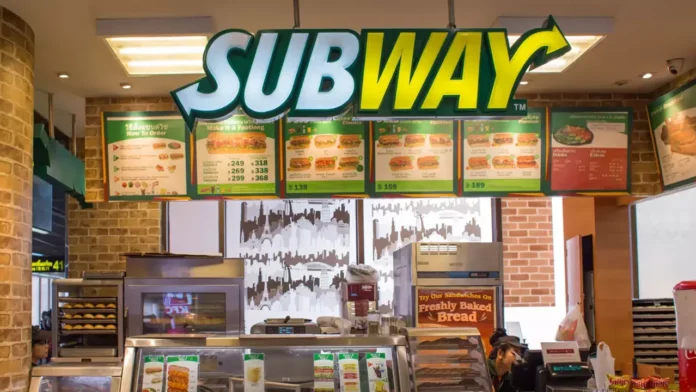
Subway Mumbai
Subway (Representative Image)

Subway India has ended its five-year exclusive arrangement with beverages maker PepsiCo India for selling its products at the sandwich and salad chain’s outlets. Instead, the company has forged a new partnership with rival Coca-Cola, according to executives familiar with the development.

All 570-plus Subway stores in India will now exclusively feature Coca-Cola’s assortment of soft drinks, juices, coffee, tea, and water, as confirmed by one of the executives.

A representative from Coca-Cola verified the agreement with Subway. In response to queries via email, the spokesperson stated, “We constantly join forces with different brands.”

The sandwich franchise has initiated the process of incorporating Coca-Cola beverages into its online ordering app, available on aggregator platforms like Swiggy and Zomato.

Subway India and PepsiCo announced their partnership in 2018.

Exclusive beverage partnerships with major food service chains play a pivotal role in generating substantial sales through out-of-home and delivery channels for companies such as PepsiCo and Coca-Cola. Coca-Cola holds a worldwide exclusive partnership with McDonald’s, as well as with KFC, Pizza Hut, and Taco Bell, all owned by Yum Brands and operated in India by Devyani International, Sapphire Foods, and Burman Hospitality, respectively. On the other hand, PepsiCo has exclusive associations with Jubilant FoodWorks’ Domino’s Pizza in India.

George Kovoor, the vice president of PepsiCo India, stated that the company refrains from providing comments on individual partnerships. “Having said that, we continue to work with industry leaders in critical channels,” he said in an emailed response.

Executives from Subway India were not available for comment. The sandwich chain in India is managed by Culinary Brands, a division of the private equity firm Everstone Group. Everstone Group also holds the operating franchise rights for Lavazza coffee and Fresh & Honest Cafes in the country.

As per one of the executives, Subway made the change due to Coca-Cola’s broader brand portfolio and enhanced service reach.

The American sandwich chain has strategically partnered with Coca-Cola in the majority of its key markets. It has been reported that Burger King is also in advanced talks to secure Coca-Cola as its beverage partner. For nearly a decade, the burger chain has been associated with PepsiCo in India.

Despite a recent slowdown in sales over the past few quarters, all major listed quick-service companies in India have maintained their growth and expansion projections for the current fiscal year.

As per credit ratings firm ICRA, the leading five entities in the domestic Quick Service Restaurant (QSR) industry are anticipated to incorporate 2,300 stores from FY23 to FY25, with an approximate capital expenditure of INR 5,800 crore.

In addition to restaurant chains, multiplexes are also experiencing swift growth as out-of-home channels for food and beverage companies. Exclusive agreements with multiplexes ensure access to a captive consumer market.

Advertisement

Salt Cafe expands to Noida, set to delight taste buds with a blend of global flavours

0
Salt Cafe

Following the openings in Delhi and Agra, Salt Cafe has inaugurated its third outlet in Noida.

The name “Salt Cafe” embodies an international culinary odyssey, blending an array of flavors from around the world with the intricate layers of Indian cuisine.

A symphony of regional and international flavours will be included on the new menu that the Noida location promises to provide. Nitin Gupta, the managing director of Salt Cafe, said, “We are excited to introduce the Salt Cafe experience to the lively city of Noida. We are steadfast in our dedication to providing a varied and pleasant meal and fostering a calm, inviting atmosphere. Noida can anticipate an unparalleled gastronomic experience, and we’re thrilled to announce that additional sites will be opening soon. We are forward to having you visit our newest location.”

Advertisement

Unlocking Creativity: Techniques for Inspiring User-Generated Content

0
User-Generated Content

In the digital age, where user engagement is the currency of success, businesses are increasingly turning to user-generated content (UGC) to amplify their online presence. Harnessing the creativity of your audience not only fosters a sense of community but also generates authentic content that resonates with potential customers. Unlocking creativity from your user base is a strategic move that requires a thoughtful approach. Here are the innovative techniques for inspiring user-generated content and how businesses can leverage this powerful tool to drive growth.

1. Create an Engaging Platform:

The foundation for inspiring user-generated content lies in providing a platform that encourages creativity. Whether it’s a social media channel, a dedicated website section, or an interactive app, the platform should be user-friendly and foster a sense of community. Features like polls, contests, and interactive elements can ignite the spark of creativity among your users.

Platforms like Instagram and TikTok have become hubs for user-generated content, with their emphasis on visual storytelling and interactive challenges. By creating a space where users feel comfortable expressing themselves, businesses can tap into a goldmine of diverse and authentic content.

2. Set Clear Guidelines:

While creativity thrives on freedom, providing some guidelines is essential to maintain brand alignment and ensure the content generated aligns with your values. Clearly communicate the type of content you’re looking for, the preferred tone, and any specific brand elements that should be incorporated. This not only streamlines the content creation process but also helps in avoiding any content that might be off-brand.

For instance, a clothing brand might encourage users to showcase their unique styles using the brand’s products, ensuring that the content reflects the brand’s aesthetic. Providing examples and templates can further guide users while still allowing room for personal expression.

3. Host Contests and Challenges:

Contests and challenges are powerful motivators for user-generated content. By tapping into the competitive nature of individuals, businesses can inspire users to create content that not only showcases their skills but also promotes the brand organically. These challenges could range from creating a catchy jingle for a product to designing a new logo or sharing creative uses of a particular product.

The beauty brand Sephora, for example, often runs makeup challenges where users showcase their makeup skills using Sephora products. The incentive of winning a prize or being featured on the brand’s official channels adds an extra layer of motivation for users to participate and get creative.

4. Feature User Stories:

Acknowledging and featuring user-generated content is a powerful way to inspire more creativity. By showcasing the work of your community, you not only appreciate their efforts but also create a sense of recognition that motivates others to contribute. Featuring user stories can be done through social media shoutouts, dedicated website sections, or even collaborative projects where user-generated content becomes an integral part of your brand narrative.

GoPro, the action camera company, has built its entire marketing strategy around user-generated content. Their social media feeds and website are filled with breathtaking videos and photos captured by GoPro users, turning customers into brand ambassadors.

5. Leverage User Feedback:

User feedback is a valuable resource for understanding what your audience wants and expects. By actively seeking and incorporating user feedback, businesses can not only improve their products or services but also inspire content creation. Conduct surveys, polls, and Q&A sessions to understand the preferences and challenges of your audience.

For instance, a software company might encourage users to share their tips and tricks for using the software more efficiently. This not only provides valuable insights for the business but also creates a knowledge-sharing community around the product.

Final Thoughts:

Inspiring user-generated content is not just a marketing strategy; it’s a way of building a community around your brand. By providing a platform for creativity, setting clear guidelines, hosting contests, featuring user stories, and leveraging user feedback, businesses can unlock the full potential of their user base. The authenticity and diversity of user-generated content not only enhance brand credibility but also create a dynamic and engaging online presence. In a world where the digital landscape is constantly evolving, businesses that embrace and inspire user creativity are poised for sustained success.

Advertisement

From Niche to Notable: Strategies for Gaining Recognition in Niche Food Markets

0
Niche Food Markets

In the vast and diverse landscape of the food industry, niche markets have become a thriving sector where unique and specialized products find their place. Breaking into these markets, however, presents a distinct set of challenges. From artisanal cheeses to organic spices, businesses operating in niche food markets face the dual task of carving out their identity and gaining recognition amidst a sea of options. Here are the strategies that entrepreneurs should employ to transform their ventures from niche players to notable contenders in the culinary world.

Understanding the Niche Advantage

Niche markets, by their nature, cater to a specific audience with distinct preferences and tastes. Whether it’s gourmet chocolates, gluten-free snacks, or rare spices, the appeal lies in providing something different from mainstream offerings. Entrepreneurs who understand the unique needs of their target audience can leverage this knowledge to create products that not only meet but exceed expectations.

Quality is Non-Negotiable

One of the cornerstones of success in niche food markets is a relentless commitment to quality. In a world saturated with mass-produced items, consumers in niche markets are often discerning and willing to pay a premium for superior products. Whether it’s sourcing the finest ingredients, perfecting production processes, or ensuring impeccable packaging, businesses that prioritize quality set themselves apart from the competition.

Take, for example, a small-batch olive oil producer in Italy. By meticulously cultivating and harvesting olives from specific groves, employing traditional pressing methods, and maintaining rigorous quality control, they not only deliver an exceptional product but also communicate a commitment to excellence that resonates with their niche audience.

Crafting a Unique Brand Identity

In the crowded marketplace, a compelling brand identity is crucial for standing out. This involves more than just a visually appealing logo; it encompasses the entire customer experience. Entrepreneurs must articulate what makes their product special and build a brand narrative that resonates with their target audience.

Consider the case of a boutique craft brewery. Beyond the quality of their beer, they distinguish themselves by telling the story of their local roots, the craftsmanship behind each brew, and their commitment to sustainability. This narrative creates a connection with consumers who appreciate the authenticity and uniqueness embedded in the brand.

Effective Marketing in Niche Spaces

Marketing in niche markets requires a targeted and strategic approach. Traditional mass advertising may not yield the desired results. Instead, successful entrepreneurs often turn to more personalized methods, such as social media, influencer partnerships, and participation in niche events.

Social media platforms provide an invaluable avenue for connecting with a target audience. A niche chocolate brand, for instance, can showcase its products through visually appealing posts and engage with followers who share a passion for high-quality confections. Additionally, collaborating with influencers who align with the brand’s values can amplify reach within the niche community.

Participating in niche-specific events, such as food festivals or farmers’ markets, offers a tangible connection with potential customers. The direct interaction allows entrepreneurs to receive immediate feedback, build relationships, and create a memorable brand experience. A small-batch hot sauce producer, for example, might gain traction by offering tastings at a local chili festival, connecting with spice enthusiasts directly.

Adaptability and Innovation

Niche markets can be dynamic and subject to changing trends and consumer preferences. Successful entrepreneurs in this space remain vigilant and adaptable, always ready to pivot or innovate to stay ahead of the curve.

Take, for instance, the surge in demand for plant-based products. Entrepreneurs in the niche food market have responded by developing innovative plant-based alternatives, whether it’s dairy-free cheeses, meat substitutes, or vegan desserts. By anticipating and embracing evolving trends, businesses not only stay relevant but also position themselves as leaders within their niche.

Building Community and Fostering Loyalty

Beyond transactions, successful niche food businesses cultivate a sense of community around their brand. This involves engaging with customers beyond the point of sale, whether through loyalty programs, exclusive events, or online communities.

A small-batch coffee roaster, for example, may create a subscription service that delivers curated blends to customers’ doorsteps, accompanied by information about the origin of the beans and personalized brewing tips. This not only keeps customers coming back but also transforms them into brand advocates who share their experiences with friends and family.

Final Thoughts:

Navigating niche food markets requires a delicate balance of quality, branding, marketing, adaptability, and community-building. From the artisanal baker crafting unique pastries to the organic farmer producing specialty vegetables, entrepreneurs in niche markets have the opportunity to turn their passion into profit by employing these strategies. As the culinary landscape continues to evolve, those who understand and embrace the nuances of niche markets will find themselves not only surviving but thriving in an industry that values authenticity, quality, and a genuine connection with its audience.

Advertisement

Mapping the Path to Excellence: Measuring and Improving Sales Performance

0
Measure Sales Performance

In the ever-evolving landscape of business, sales performance stands as a critical indicator of an organization’s health and success. As markets become more competitive and consumer expectations continue to rise, companies are increasingly recognizing the importance of not only achieving sales targets but excelling in the way they do so. Mapping the path to excellence in sales performance involves a strategic blend of measurement, analysis, and continuous improvement.

The Landscape of Sales Performance:

Sales performance is more than just hitting revenue targets; it encompasses a broader spectrum of factors that contribute to a company’s overall success. This includes customer satisfaction, sales team efficiency, and the ability to adapt to market trends. A comprehensive understanding of the sales landscape requires a nuanced approach that goes beyond the traditional metrics of revenue and profit margins.

Measuring Sales Performance:

The first step in mapping the path to excellence is establishing robust metrics to measure sales performance accurately. While revenue and profit are essential, they only scratch the surface. Companies are increasingly turning to key performance indicators (KPIs) that offer a more granular view of their sales operations. These may include conversion rates, customer acquisition costs, customer lifetime value, and sales cycle length.

Furthermore, understanding the customer journey has become paramount. Advanced analytics tools enable businesses to track customer interactions across various touchpoints, providing valuable insights into the effectiveness of marketing strategies, the efficiency of the sales funnel, and areas for improvement. By dissecting the sales process, companies can identify bottlenecks, optimize workflows, and enhance the overall customer experience.

Utilizing Technology for Precision:

In the digital age, technology plays a pivotal role in sales performance measurement and improvement. Customer relationship management (CRM) systems have evolved beyond being mere databases of contacts; they now integrate advanced analytics, machine learning, and artificial intelligence to provide real-time insights into customer behavior and sales trends.

Predictive analytics, in particular, empowers businesses to anticipate customer needs, optimize pricing strategies, and identify potential sales opportunities. By harnessing the power of big data, companies can make data-driven decisions that propel their sales teams toward greater efficiency and effectiveness.

Sales Team Empowerment:

While technology provides the tools, a company’s sales team remains the driving force behind performance excellence. Investing in the development and empowerment of sales personnel is crucial for sustained success. This involves not only hiring the right talent but also providing ongoing training and mentorship programs to keep the team abreast of industry trends and evolving customer expectations.

Salespeople equipped with the right skills and knowledge are more adept at building relationships, understanding customer pain points, and effectively communicating the value proposition of a product or service. Additionally, fostering a culture of collaboration and open communication within the sales team can lead to the sharing of best practices and the collective pursuit of excellence.

Continuous Improvement Strategies:

Excellence in sales performance is not a one-time achievement but an ongoing process of refinement and adaptation. Companies must adopt a mindset of continuous improvement, where feedback loops are established, and data-driven insights are used to iterate on strategies and processes. Regular performance reviews, both at the individual and team levels, provide opportunities for constructive feedback and identify areas for development.

Moreover, staying attuned to market dynamics and emerging trends is essential for adapting sales strategies. A company that can pivot quickly in response to changing consumer preferences or industry shifts is better positioned for long-term success. Regularly revisiting and updating sales processes ensures that they remain aligned with the broader business objectives and market conditions.

Final Thoughts:

Mapping the path to excellence in sales performance requires a holistic approach that combines technology, data-driven insights, and a commitment to continuous improvement. By measuring key performance indicators, leveraging advanced analytics, empowering sales teams, and embracing a culture of adaptation, businesses can not only meet their sales targets but exceed them. In a dynamic business environment, the ability to navigate change and refine sales strategies is the hallmark of a company destined for sustained success. As markets evolve and customer expectations shift, the journey to sales performance excellence becomes an ongoing adventure, with each milestone bringing new insights and opportunities for growth.

Advertisement

Elevating Investment Appeal: Sales Performance Indicators that Impress Investors

0
Sales Indicators

In the dynamic landscape of business, securing investment is a critical step for growth and expansion. Investors are not only interested in the product or service a company offers but also in its ability to generate revenue and sustain profitability. Sales performance indicators play a pivotal role in shaping investors’ perceptions and influencing their decisions. Here are the key sales performance indicators that can significantly elevate a company’s investment appeal.

1. Revenue Growth and Predictability:

At the heart of every investor’s interest lies the question of revenue. Robust and consistent revenue growth is a powerful indicator of a company’s ability to capture market share and effectively monetize its offerings. Investors look for companies with a track record of increasing revenue over time, demonstrating resilience and adaptability to market fluctuations.

Predictability is equally important. Investors favor businesses that can provide reasonable forecasts and meet or exceed those expectations. Companies with a history of accurately predicting and achieving revenue targets are often viewed as more reliable and less risky investments.

2. Customer Acquisition Cost (CAC) and Lifetime Value (LTV):

Investors closely scrutinize the efficiency of a company’s sales and marketing efforts. The Customer Acquisition Cost (CAC) and Lifetime Value (LTV) metrics provide valuable insights into the effectiveness of these strategies.

A low CAC relative to the LTV is indicative of a healthy business model. It suggests that the company can acquire customers at a reasonable cost while extracting long-term value from those relationships. This efficiency in customer acquisition and retention is a key factor that investors consider when evaluating the scalability and sustainability of a business.

3. Sales Pipeline and Conversion Rates:

A well-managed sales pipeline is a reflection of a company’s ability to attract and convert leads into paying customers. Investors analyze the size and health of the sales pipeline to gauge the potential for future revenue growth. A pipeline with a diverse mix of leads and a high conversion rate indicates effective sales strategies and a market-ready product.

Furthermore, a deep understanding of conversion rates at each stage of the sales funnel is crucial. High conversion rates signify efficient sales processes and effective communication with potential clients. Investors are more likely to be impressed by a company that can clearly demonstrate its ability to move leads through the pipeline and convert them into revenue.

4. Gross Margins and Operating Profit Margins:

Profitability is a key metric that investors closely monitor. Gross margins and operating profit margins provide insights into a company’s ability to generate profit from its core operations. Companies with healthy margins are generally better positioned to weather economic downturns and invest in innovation and expansion.

Investors often compare a company’s margins to industry benchmarks to assess its competitiveness and efficiency. Consistently improving margins over time can be a strong signal of effective cost management and pricing strategies, further enhancing the attractiveness of the investment opportunity.

5. Customer Satisfaction and Retention:

Beyond the financials, investors are increasingly recognizing the importance of customer satisfaction and retention metrics. High customer satisfaction scores and low churn rates suggest that a company not only attracts customers but also keeps them engaged and satisfied with its products or services.

Investors understand that retaining existing customers is often more cost-effective than acquiring new ones. Companies that prioritize customer experience and successfully build long-term relationships are viewed as more stable and less vulnerable to market fluctuations.

6. Market Share and Competitive Positioning:

Investors seek companies that have a clear understanding of their market position and a strategy for gaining or maintaining market share. Metrics such as market share percentage, customer concentration, and competitive positioning are critical in assessing a company’s standing within its industry.

A growing market share indicates that a company is effectively competing and capturing a larger piece of the market. Investors are more likely to be attracted to businesses that demonstrate a strong competitive edge and a strategic vision for staying ahead in their respective industries.

Final Thoughts:

In the world of business investments, showcasing a compelling narrative goes beyond just presenting financial statements. Investors seek companies with a combination of strong financial performance and strategic foresight. The sales performance indicators discussed in this article provide a comprehensive view of a company’s ability to drive revenue, manage costs, and sustain profitability.

To truly elevate investment appeal, companies should not only focus on improving these metrics but also communicate their strategies, successes, and future plans effectively to potential investors. By doing so, businesses can instill confidence in investors and differentiate themselves in a competitive market, ultimately attracting the funding needed for sustained growth and success.

Advertisement

Artisanal Approach: How Niche Marketing Elevates Food Brands to New Heights

0
Niche Marketing

In the ever-evolving landscape of the food industry, where mass production often dominates the market, a distinctive trend has been emerging – the rise of artisanal and niche food brands. These brands have carved a unique niche for themselves by embracing a more personalized, handcrafted approach to food production. This shift towards artisanal methods not only caters to the growing consumer demand for unique and high-quality products but also presents a compelling case for the power of niche marketing in elevating food brands to new heights.

Artisanal products, whether it’s bread, cheese, chocolate, or beverages, have experienced a renaissance in recent years. Consumers are increasingly drawn to the authenticity and craftsmanship associated with artisanal goods. This resurgence can be attributed to a desire for a more intimate connection with the products they consume, a move away from mass-produced uniformity towards products that tell a story of skill, passion, and tradition.

Niche Marketing in the Food Industry:

Niche marketing involves targeting a specific segment of the market with a unique product offering. In the food industry, this often means focusing on a particular cuisine, production method, or ingredient. Niche marketing allows brands to differentiate themselves in a crowded market and cultivate a dedicated customer base that values the distinct qualities of their products.

The Personal Touch:

One of the key elements that set artisanal food brands apart is the personal touch infused into every step of the production process. Unlike large-scale food manufacturers, artisanal producers often operate on a smaller scale, allowing for a hands-on approach. This personal involvement, from sourcing raw materials to the final packaging, adds a layer of authenticity that resonates with consumers seeking a more genuine connection to their food.

Storytelling and Brand Identity:

Successful niche marketing in the food industry is not just about the product; it’s about telling a compelling story. Artisanal brands have a unique narrative to share – the journey of a small group of passionate individuals dedicated to perfecting their craft. This storytelling creates a powerful brand identity that goes beyond the product itself, establishing an emotional connection with consumers who want to be a part of something special.

Quality Over Quantity:

In the world of artisanal foods, quality takes precedence over quantity. The focus is on using premium ingredients, employing traditional techniques, and ensuring meticulous attention to detail. This commitment to quality not only results in a superior product but also reinforces the perception of artisanal brands as purveyors of excellence. Consumers are willing to pay a premium for products they perceive as superior in quality and authenticity.

Community Engagement:

Artisanal brands often foster a sense of community among their customers. Whether through farmers’ markets, exclusive events, or online platforms, these brands actively engage with their audience. This community-centric approach not only builds brand loyalty but also provides valuable insights and feedback, allowing for continuous improvement and innovation.

Final Thoughts:

In the dynamic and competitive landscape of the food industry, the artisanal approach and niche marketing have emerged as powerful strategies for brands looking to stand out. By embracing a more personalized, hands-on approach to production, telling compelling stories, and prioritizing quality over quantity, artisanal food brands are not only meeting the evolving preferences of consumers but also creating a sustainable business model that goes beyond the trends of the moment. As the demand for authenticity and unique experiences continues to grow, the success of these niche brands serves as a testament to the enduring appeal of craftsmanship and the profound impact of connecting with consumers on a personal level. In the realm of food, it’s not just about what’s on the plate; it’s about the story behind it.

Advertisement

Online grocery market in India takes a hit as consumer preferences shift to local markets

0
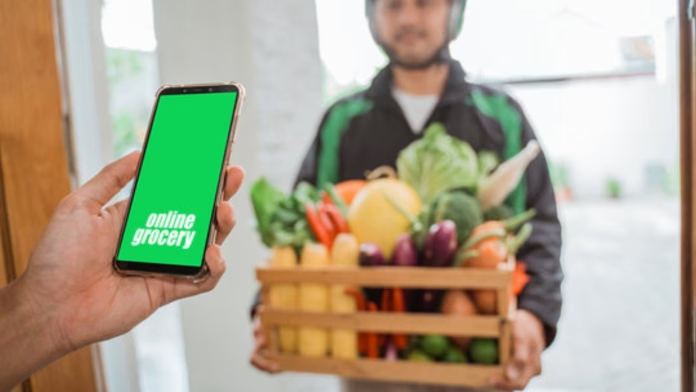
Online food delivery
(Representative Image)

The online grocery market in India, propelled by quick-commerce platforms and experiencing a surge since the COVID-induced lockdown in 2020, is now showing signs of decline. The primary reason behind this downturn is the increasing reluctance among consumers of fruits and vegetables, attributed to diminishing discounts and a decline in the quality of products, as revealed by a recent survey.

Out of the 12,207 individuals included in the survey conducted by community media platform LocalCircles, merely 7% express a preference for buying fruits and vegetables online, whereas 66% opt for local or weekly markets.

Covering 297 districts in India, the survey gathered data from 24,000 households. Among the respondents, 61% were male, while 39% were female.

At least 45% of respondents indicate a preference for buying from local markets, with 21% favoring weekly markets, 3% opting for wholesale markets, 19% choosing local vendors, and 5% preferring organized retail stores.

In most metros across the country, the online grocery landscape is predominantly controlled by established platforms such as Big Basket, Amazon Fresh, and Jio Mart. Subscription services like Big Basket Daily and Milk Basket, along with rapid delivery platforms such as Swiggy Instamart and Blinkit, also play a significant role in shaping this market.

In the last 10 months, despite the availability of various online options for ordering fresh produce with doorstep delivery, a significant number of consumers have reverted to buying groceries from local stores and markets. This trend is anticipated to endure in the upcoming months, according to the findings.

Among the 11,964 respondents surveyed, 73% highlighted “low quality of produce” as a significant concern, while 56% expressed dissatisfaction with “high prices,” and 51% encountered problems with “difficult returns/grievance redressal processes.” Additionally, 37% faced issues related to “inconsistent stocking/availability,” and 7% experienced “long delivery times.” Although 12% reported no issues, there is a discernible shift in consumer sentiment, with more individuals turning to local markets due to reduced discounts and improved COVID conditions.

Sachin Taparia, the founder of LocalCircles, emphasized the historical acceptance of average quality driven by competitive prices. However, he pointed out a current trend wherein consumers are increasingly turning to local market purchases. This shift is attributed to dissatisfaction with return processes and impractical refund requests, particularly for small quantities of fresh produce.

LocalCircles conducted a ratings evaluation in Noida spanning from July 1, 2023, to November 20, 2023, appraising different online platforms specializing in fruit and vegetable delivery. Notably, Zepto and Blinkit emerged as the swiftest options, boasting delivery times as short as 10-30 minutes.

Amazon Fresh and Jio Mart garnered the highest value/price rating, earning a score of 3.5/5. In service ratings, Amazon Fresh and Milkbasket took the lead with a score of 3.5/5. Milkbasket achieved the highest overall consumer rating with a score of 14 out of 20, followed by Bigbasket at 13.5, Amazon Fresh at 13, Bigbasket Now at 12.5, and JioMart at 12. Other platforms surveyed received a score of 11.5.

Following a period of substantial funding in recent years, the quick commerce sector in the country has encountered some challenges in recent times. Dunzo, under the leadership of Kabeer Biswas, has confronted various issues such as financial challenges, workforce reductions, strikes among delivery partners, and significant resignations. Consequently, Dunzo has undergone a retreat from the quick commerce landscape.

Reliance Retail’s JioMart has reportedly ceased the operations of JioMart Express, its quick commerce delivery arm that was launched in March last year.

Meanwhile, Zomato, the owner of Blinkit, announced its achievement of profitability in the first quarter of the financial year 2023-24 (FY24), reporting a consolidated profit after tax (PAT) of INR 2 Cr.

Read More: Zomato turns profitable in Q1 FY24, reports INR 2 Cr consolidated PAT

Also Read: Zomato reports remarkable surge in profit, achieving second consecutive profitable quarter in FY24

In August, Zepto successfully raised $200 million in a Series E funding round at a valuation of $1.4 billion, establishing itself as the sole unicorn of 2023. Subsequently, the Mumbai-based startup secured an additional $31.25 million in funding within the same series from Goodwater Capital and Nexus Venture Partners, affirming its commitment to going public by 2025.

Read More: Zepto secures $200 Million in Series-E Funding, becomes first unicorn of 2023 with $1.4 Billion valuation

Advertisement