PatilKaki, a startup specializing in homemade snacks, has secured a new funding round with Cap70 Angels, an angel investing network, taking the lead. Serial entrepreneurs Agnelorajesh Athaide and Kailash Biyani also participated in the funding.
The funds will be allocated for scaling up operations, optimizing marketing strategies, and expanding sales and distribution, among other initiatives.
Established by Vinit Patil and Darshil Savla, PatilKaki specializes in providing homemade snacks and sweets, including modak, laddoos, protein foods, and a variety of namkeen special food services.
The Mumbai-based startup has experienced a notable surge, particularly during the pandemic, and has subsequently achieved rapid northward traction.
With nationwide shipments already in progress, the startup’s handmade treats assure to satisfy a range of cravings without the use of preservatives or added flavors.
Cap70 Angels, the angel investing network, currently has a portfolio that features AnurTech, Chaatwich, Tajurba, HnH Café, Happy Soul, and Pupil Diner.
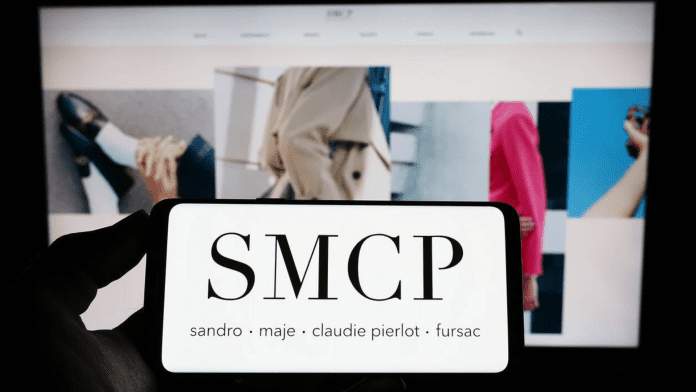
On Thursday, SMCP, the fashion conglomerate that owns renowned French fashion brands Sandro and Maje, announced a partnership with Reliance to venture into the Indian market. As part of this expansion, SMCP will be among the prestigious European brands setting up stores in the Jio World Plaza mall located in Mumbai.
“There aren’t a lot of accessible luxury fashion labels in India so we think it’s time to be pioneering,” said SMCP CEO Isabelle Guichot, citing India’s wealth and growing population of younger generations among reasons for entering the country.
Having conducted extensive tests in the Indian market through outlets in luxury hotels for several years, upscale European brands are now aiming to broaden their retail footprint in response to the country’s robust economic growth and the rapid increase in the number of local millionaires.
The financial details of the collaboration between SMCP and Reliance Brands were not revealed by SMCP. However, it was disclosed that Reliance Brands would serve as the exclusive distributor of Sandro and Maje in India. According to Guichot, Reliance aims to inaugurate approximately 10 stores featuring SMCP brands within the next three to five years. The initial store is set to open in the Mumbai mall developed by Indian tycoon Mukesh Ambani.
Reliance Brands, a subsidiary of Ambani’s Reliance Retail Ventures, has established partnership agreements with numerous upscale European and American brands, such as Bottega Veneta, Burberry, Valentino, and Tiffany.
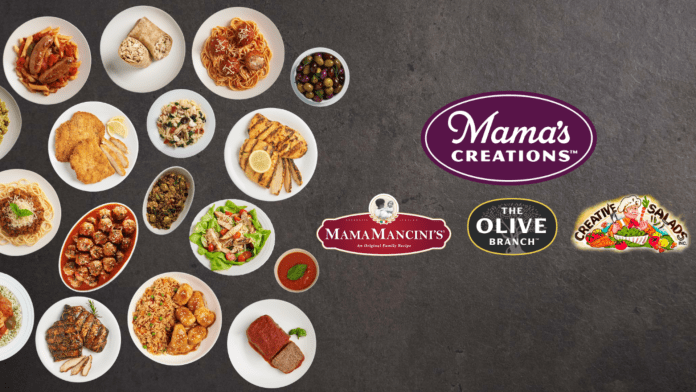
Mama’s Creations has launched a direct-to-consumer (D2C) e-commerce platform, facilitating the delivery of a range of its deli products across the United States.
The supplier, known for its brand in the retail sector and formerly identified as MamaMancini’s Holdings until a name adjustment in August, will run the direct-to-consumer (D2C) service from its primary manufacturing plant and headquarters located in East Rutherford, New Jersey.
Mama’s Creations additionally operates a facility in Farmingdale, Long Island. These two factories manufacture an extensive range of the company’s prepared foods, encompassing items such as meat and sausages, peppers, salads, pasta, panini, Asian ready meals, Tex Mex offerings, and olives.
Chairman and CEO Adam Michaels restated his commitment to transform Mama’s Creations into a comprehensive deli supplier in the United States. In an earlier statement this year, he articulated a goal to achieve $1 billion in sales, though the specific timeframe for this target was not disclosed.
Revenue for the fiscal year ending on January 31 nearly doubled, increasing from $47.1 million to $93.2 million. Nevertheless, net sales showed a more restrained growth during the initial six months of the new financial year, experiencing a 7.1% rise to $47.9 million for the period ending on July 31.
Michaels said of the D2C launch, “Our move into e-commerce was the result of thoughtful planning and market analysis to developing an efficient and sustainable business model that we expect will improve upon common industry pain points.
“To that end, our new e-commerce platform is a natural next step in our brand evolution and a reaffirmation of our one-stop-shop mission – expanding beyond our established nationwide distribution network to allow consumers to purchase their favourite items online and have them shipped directly to their home or business.”
During the initial stage of Mama’s Creations’ direct-to-consumer (D2C) launch, the company plans to introduce meal products like beef and turkey meatballs with a shipping fee described as a “flat rate.”
A representative from Mama’s Creations verified that the frozen products would be shipped using standard delivery services, typically with a flat rate of $12. In response to an inquiry regarding sales expectations from the direct-to-consumer (D2C) approach, the spokesperson emphasized that grocery stores would continue to be the “largest customer segment” for the business.
“This new channel allows us to dynamically change our offerings to address consumer needs, while capturing what we expect to be an incremental shopping occasion in select regions where consumers may have less convenient access to our products today,” Michaels added.
Lauren Sella, the Chief Marketing Officer, stated that Mama’s Creations would initiate its direct-to-consumer (D2C) venture with the company’s “legacy products.” MamaMancini’s, initially established as an Italian food brand with a focus on meatballs and an emphasis on “authentic heritage,” was highlighted by Michaels in August.
Through mergers and acquisitions (M&A), the company has grown its presence. In 2021, it acquired T&L Creative Salads and Olive Branch, both located in New York. Subsequently, MamaMancini’s, in its original form, obtained a minority stake in Chef Inspirational Foods, a New Jersey-based supplier of prepared foods including salads, meals, and side dishes, in 2022.
A breakthrough in the development of an anti-aging medication for dogs brings it one step closer to being available in veterinary clinics, following its recent approval by the US Food and Drug Administration (FDA).
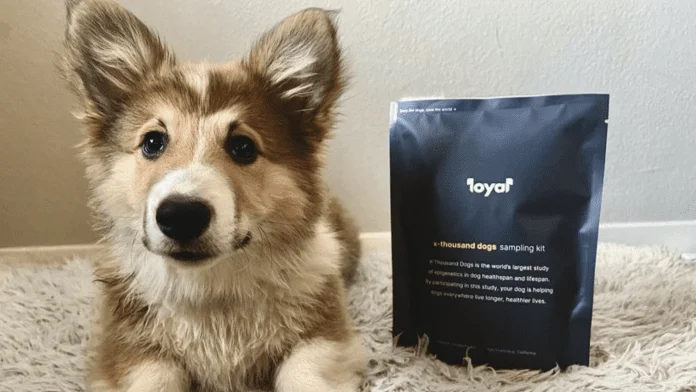
On Tuesday, Loyal for Dogs announced that its first-of-its-kind longevity drug received the first of three green lights needed for FDA approval. The decision, made in early November, is essentially a vote of confidence from federal regulators that this drug should actually work to extend dogs’ lifespans, based on evidence so far.
Loyal’s latest medication, named LOY-001, is an injectable designed for dogs aged seven years and older, weighing at least 40 pounds. It is administered at their veterinarian’s office approximately every three to six months.
The objective? Enhance the duration of healthy living for pets, at a reasonably affordable monthly cost in the “mid double digits,” as indicated by Loyal’s CEO and founder, Celine Halioua. Halioua envisions that the drug, targeting the deceleration of significant dog aging factors, may hit the market by 2026.
However, should the FDA grant successful approval to this anti-aging drug, it could mark a pivotal moment not just for pet owners but also for aging humans. This marks the initial indication from US regulators that they might be poised to support longevity drugs.
“Classically, drugs are developed for diseases,” Halioua explained. “What the longevity field is trying to do is target the ways we age holistically.”
Rather than targeting individual diseases, the novel drugs being developed by Loyal (and other biotech companies) for longevity aim to prolong the period during which both dogs and humans can reasonably anticipate living in good health.
“Extend out those healthy middle years,” as Halioua put it.
Numerous longevity trials are currently underway, involving both dogs and humans, exploring the potential of both new and existing drugs that aging scientists believe could contribute to slowing down the aging process. While no drug has been approved to counteract aging thus far, many experts remain optimistic that a breakthrough in the field might be imminent.
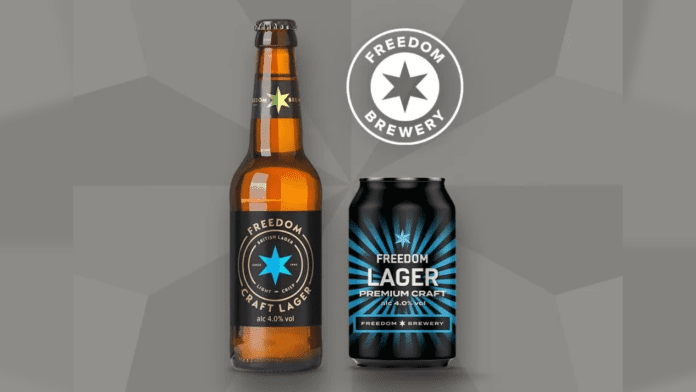
UK-based Freedom Brewery is allocating £1 million ($1.27 million) to enhance its production capacity through the installation of a canning line, aiming for a fivefold increase.
The canning line at the brewery located in Shropshire has the capacity to fill 250 cans per minute, a significant improvement from the brewery’s existing rate of 55 cans per minute. The brewer mentioned that it is capable of filling “most” formats, encompassing 330ml, 440ml, and slimline cans, in addition to multipacks.
A spokesperson said, “Craft lager is the biggest opportunity in the beer category right now, and demand from consumers is higher than ever. We are investing in the future of Freedom with this new equipment, meaning we can supply even more of our beer to consumers and trade partners.”
Established in London in 1995, Freedom Brewery, situated in the village of Abbots Bromley, later relocated to Staffordshire in 2004.
For production purposes, the brewery possesses its own borehole. In 2014, it implemented a reed bed water filtration system, effectively cleansing wastewater without the use of chemicals.
The brewery offers a variety of beers, including lager, helles, pils, and New Zealand pale ale, available for sale in both on-premise and off-premise locations within the UK. However, it does not engage in export activities.
Freedom Brewery’s beers can be found in UK retailers such as Aldi, and are also directly accessible to consumers through its website, Amazon, and Beer 52. On-premise establishments featuring Freedom Brewery include Everyman Cinema, Curzon Cinema, and the London hospitality group Cubitt House Group.
Asked about NPD and plans for 2024, the brewer said, “We have some exciting plans for 2024 – watch this space!”
Last month, Molson Coors committed a £10 million investment to bolster the production capacity of its brewery located in Yorkshire, UK. This facility, known as the Tadcaster Tower Brewery, is dedicated to producing Molson Coors’ core beer brands, including Carling, Coors, and Madri.
Meanwhile, Carlsberg has closed multiple breweries through its UK joint venture, Carlsberg Marston’s Brewing Co. In September, the decision was made to shut down Wychwood Brewery as part of a strategy to streamline its network and navigate the “turbulent economic outlook” in the country.
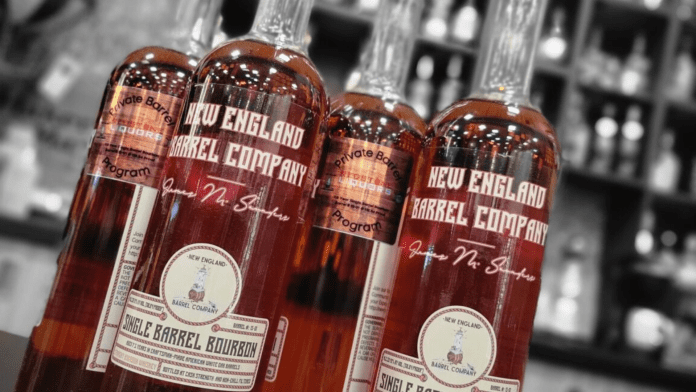
Pronghorn, the spirits incubator backed by Diageo, has selected New England Barrel Co., a US whiskey producer, as the next recipient of its “seed investment” and support.
Established in 2020, New England Barrel Co. is a Boston-centered whiskey label specializing in Bourbon and rye whiskies. The company’s lineup features offerings such as the New England Barrel Company 12 Year Canadian Rye and 6 Year Single Barrel Kentucky Straight Bourbon.
The company procures its liquid from distilleries of varying sizes across the United States. Its primary offerings consist of two core batched Bourbons.
“New England Barrel Company, at its foundation, is about building community through a shared interest in great whiskey. Our mission each day is to craft and distribute outstanding batched and single barrel releases that are affordable and offer them to the public at reasonable prices,” New England Barrel Co. founder James Saunders said.
Founded in 2021 by Dia Simms, Erin Harris, and Dan Sanborn, Pronghorn has the goal of generating $2.4 billion for Black-owned businesses by 2032 through capital investments and incubation. The firm intends to invest in 57 businesses over a ten-year span.
More than half of Pronghorn’s portfolio is comprised of Tequila and whiskey brands. The latest additions include Greenwood Whiskey, Red Hazel Whiskey, TCapri Tequila, and IslandJonVodka, all introduced in March.
“Pronghorn’s unwavering dedication to advancing the entrepreneurial and economic livelihood of Black founders in the space enables us to get closer to reaching our goal of investing in 57 Black-owned brands and producing $2.4bn for the community,” Pronghorn CEO Jomaree Pinkard said.
“In just one year, we’ve invested in 20 Black-owned spirits brands, changing these founders’ lives forever, all while steadily increasing the percentage of Black executives and employees in the overall spirits labour force. We will continue to work towards this mission until the industry reflects the consumers that it serves.”
In January, Pinkard assumed the role of CEO and managing director at Pronghorn following the incubator’s investment in Hella Cocktail Co., a company co-founded by Pinkard himself.
Weikfield Foods CEO DS Sachdeva voluntarily took a ‘lie detector’ test in a YouTube video last month. When asked by the ‘interrogator’ if Weikfield’s pasta is genuinely as healthy as advertised on the packaging, he confidently responds with a “Yes,” and the machine affirms with a beep.
“We want to dispel the perception that pasta is junk food. We need to tell consumers our pasta actually has iron equivalent to two bowls of spinach,” Sachdeva explained. The campaign on YouTube has garnered approximately two million views.
Weikfield is not the only company in this endeavor. India’s leading packaged foods companies, including Nestle, ITC, Britannia, Hindustan Unilever Ltd (HUL), Parle Products, and Amul, are diligently striving to assure consumers that they are not promoting unhealthy products.
This comes amid a backdrop of consumers pushing back, investor pressure mounting, and social influencers calling out unhealthy foods in India. Recently, a global research group unveiled the details of a survey that further strengthened their argument.
For years, public health officials have been sounding alarms about a rise in non-communicable diseases like diabetes, obesity, and related cardiac issues, attributed to the increasing dependence on junk food. This trend, especially prevalent among the youth, is exacerbated by sedentary lifestyles and a lack of exercise.
Nestle, the producer of Maggi noodles and Kitkat chocolate, is providing a service on its AskNestle platform where consumers can have their body mass index (BMI) measured, and personalized meal plans can be created for them.
“AskNestle imparts nutrition information to consumers in English and Hindi,” a company spokesperson said. The platform includes “growth trackers and insights from nutritionists.” It has thousands of recipes besides articles by nutritionists, according to the spokesperson.
ITC, the manufacturer of Yippee noodles, Master Chef frozen snacks, and Aashirvaad atta, features a “digestive quotient score” for consumers on its HappyTummy microsite.
“A happy tummy is an important step towards making a happy you,” is the cheery message that greets visitors, who are asked to take a two-minute test to “understand their digestion.” The platform has videos, blogs, high-fibre recipes and offers consultations with dieticians, according to the company.
According to a report from the global research group Access to Nutrition Initiative (ATNI) last week, packaged foods companies in India generated 76% of their revenue from unhealthy products in the current year.
In the report, ATNI highlighted that the average healthiness rating of companies’ products was only 1.9 stars out of 5.0. The findings were based on data from 1,900 products across 20 packaged foods companies, including ITC, HUL, Nestle, and PepsiCo. The report emphasized that these companies collectively contribute to approximately 36% of the total sales in India’s processed packaged foods sector.
Executives have mentioned that food manufacturers are changing their communication strategy, shifting the focus from taste to health and fitness. This represents a noticeable shift in approach from just a few years ago.
Britannia, the biscuit and dairy manufacturer, has launched its latest campaign featuring actor Ranveer Singh for the NutriChoice biscuits brand. The campaign emphasizes the concept of “small steps” towards adopting a healthy lifestyle. Chief marketing officer Amit Doshi said, while announcing the campaign, “Fitness is a state of mind. The idea behind the campaign is to motivate consumers to opt for a good choice, no matter what the scale of that choice is.”
Conversely, the dairy brand Amul, under the ownership of the Gujarat Cooperative Milk Marketing Federation (GCMMF), has been rapidly increasing its sponsorship in various sports, including cricket, football, and even the Asian Games.
Several companies have established goals for reducing salt, sugar, and saturated fat, while also increasing fortification, with some aligning with global guidelines. However, health groups argue that much more still needs to be accomplished.
“Ultra-processed foods are leading to a public health crisis. We are urging the government to curb consumption of foods with high sugar, salt and fat content,” said Arun Gupta, convenor of the Nutrition Advocacy in Public Interest (NAPi), which leads a consortium of health groups lobbying the government for strict guidelines under the Food Safety and Standards Authority of India (FSSAI).
Social media influencers have intensified their messaging regarding elevated levels of sugar, salt, and fats in packaged and ultra-processed foods. This pattern gained prominence when influencer Revant Himantsingka discussed the “very high levels of sugar” in a viral video about Mondelez’s health foods drink, Bournvita, this summer, which seemed to strike a chord with Indian consumers.
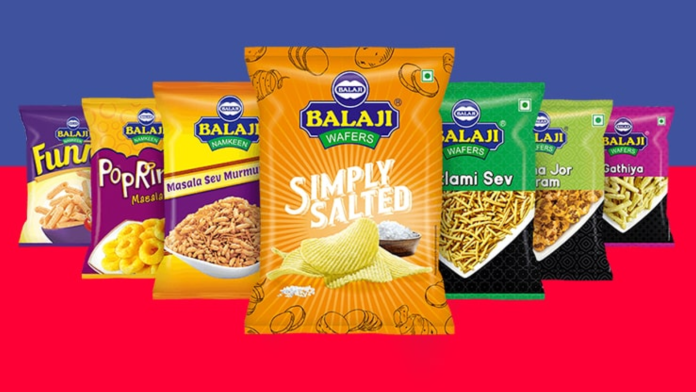
Balaji Wafers, the regional snacking company that attracted attention from multinationals like PepsiCo for a potential acquisition, has successfully surpassed the INR 5,000-crore annual sales mark in the fiscal year ending March 2023.
In the fiscal year 2023, the Rajkot-based company recorded sales totaling INR 5,010 crore, marking a significant 24% increase compared to the INR 4,034 crore reported in the previous year.
Contrastingly, Jubilant Foodworks, the company overseeing Domino’s Pizza, Dunkin’ Donuts, and Popeyes restaurants, reported sales of INR 5,158 crore in the fiscal year 2023. Meanwhile, Nestle’s division specializing in prepared dishes and cooking aids, featuring Maggi noodles, sauces, seasonings, pasta, and cereals, achieved annual sales of INR 5,300 crore. Notably, Balaji, with its focus on potato chips, bhujia, and namkeens, operates primarily in fewer than a dozen states, predominantly in the western regions such as Gujarat, Maharashtra, and Rajasthan. Despite this limited geographic reach, it commands an estimated 65% share of the organized market in these areas.
In FY23, the company experienced a substantial surge in net profit, reaching INR 409 crore, a remarkable increase from the INR 7.2 crore recorded in the preceding year. This impressive growth comes in the wake of unprecedented spikes in costs related to edible oil, logistics, and packaging, which significantly impacted its margins during the prior period.
“Our profits were always in the vicinity of 8-9% of our total sales but the two years of pandemic were an exception when we didn’t hike prices despite key raw materials and logistics costs doubling, wiping out our entire margins,” said Chandubhai Virani who cofounded Balaji with his two brothers Bhikubhai and Kanubhai in 1982.
“In FY23, profit is back to normal as edible prices have nearly halved while other input costs have come down too,” he said. “We also lost senior employees with high salaries to competition in FY22, which reduced our staff cost last year.”
The company, which initially began as a supplier of snacks at a movie theatre four decades ago, has witnessed a remarkable increase in sales of over twofold since the onset of the pandemic. Currently standing as the third-largest player in India’s INR 43,800-crore salty snacks market with a 12% share, it follows Haldiram’s with 21% and PepsiCo with 15%. Notably, as a single brand, Balaji has now outgrown each of PepsiCo’s brands in this sector, surpassing both Lay’s and Kurkure.
“We don’t compete on pricing as our products are significantly cheaper than rivals,” shared Virani, 66, in a Gujarati accent devoid of any polished management rhetoric. “We don’t even have a sales target and just chase demand for high quality and affordable priced products.”
Illustrating this is the fact that Balaji’s ’10 pack of salted potato chips contains 35 grams, while PepsiCo Lay’s provides 23 grams for the identical price.
The Balaji model, which has proven successful thus far, is fundamentally centered around offering products at a 20-30% discount compared to national brands. This strategy ensures consistent volumes through the benefits of economies of scale. The company also exercises tight control over almost every facet of operations, managing a substantial portion of manufacturing in-house across its four factories. Remarkably, the Balaji model thrives with minimal reliance on advertising and promotion.
While most FMCG makers allocate 8-12% of their annual sales to Advertising and Promotion (A&P) expenses, Balaji kept its A&P cost to less than 2% in the last fiscal year, contributing to reduced overheads.
Rivals agree. “The biggest USP of Balaji has been low pricing and in snacking affordability is the biggest factor for consumers who seek value for money,” said Krishnarao Buddha, senior category head – marketing at Parle Products.
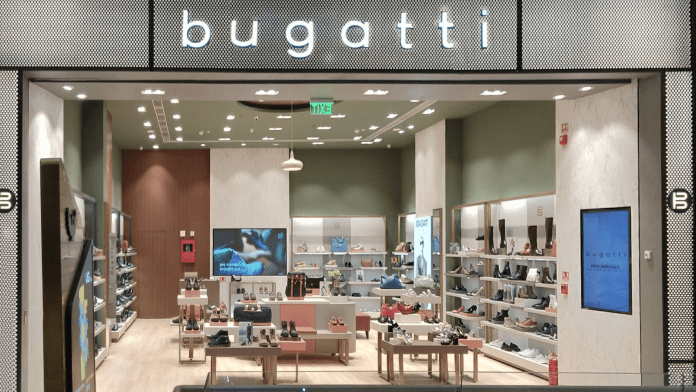
AstorMueller, the multinational shoe company, has introduced the first retail store for Bugatti, its European shoe brand, in Western India. As conveyed by a company official on social media, the newly established store is situated at Phoenix Mall of the Millennium in Wakad, Pune.
“We are excited to welcome you to our first store in Western India Phoenix Mall of Millennium, Pune. Look forward to seeing you there,” said Sandip Kanti Baksi, chief operating officer of AstorMueller India, in a LinkedIn post while sharing the images of the new store.
Bugatti stores provide a range of footwear, including boots, heels, sandals, and sneakers. Additionally, they offer fashion accessories, backpacks, belts, wallets, and various shoe care accessories.
In June 2023, AstorMueller introduced Bugatti to the Indian market. Presently, Bugatti has established five stores across the country, located in Hyderabad, New Delhi, Gurgaon, Pune, and Indore.
Founded in Germany in 1928, AstorMueller has evolved into one of Europe’s leading footwear companies, operating in 38 countries globally. The company boasts ownership of prominent brands like Bagatt, a lifestyle brand, and Elwin, a sustainable shoe brand. Additionally, AstorMueller holds exclusive licenses for renowned shoe brands such as Bugatti and Daniel Hechter.
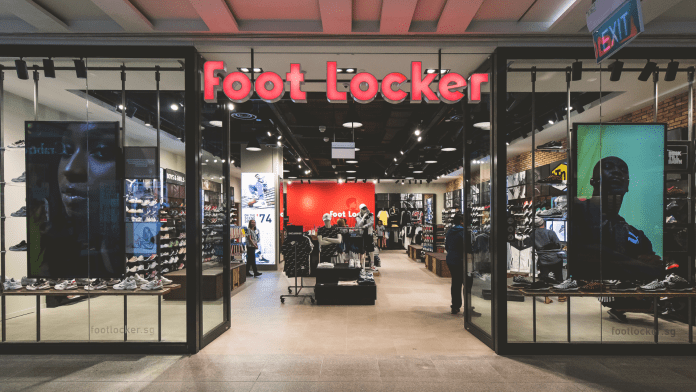
On Wednesday, Foot Locker announced the establishment of a long-term licensing agreement with Metro Brands Limited (MBL) and Nykaa Fashion.
“This partnership will offer the most comprehensive selection of global sportswear and footwear to sneaker fans in India,” said the New York-based speciality athletic retailer in a statement.
As per a report, the sneaker segment in India is expected to achieve a volume of 66 million pairs by 2028. This sector is undergoing substantial growth, driven by consumers’ interest in distinctive designs that fuse traditional Indian elements with contemporary trends.
As per the agreements’ stipulations, MBL is given exclusive privileges to manage and own Foot Locker stores in India, along with the authority to vend authorized merchandise within these stores. Nykaa Fashion, on the other hand, will act as the exclusive e-commerce collaborator, overseeing the operation of Foot Locker’s India website and retailing authorized merchandise through a dedicated Foot Locker branded shop on Nykaa’s existing eCommerce platforms.
“The passion for sneakers in this market is tremendous, and we believe that with the combined omni-channel strength of our partners, we are uniquely positioned to appeal to the rapidly growing Indian market. Combining a strong understanding of the Indian consumer with Metro Brand’s extensive and well-established store operational excellence and Nykaa Fashion’s leading digital capabilities will allow us to bring the full Foot Locker experience and truly win over the hearts and minds of local sneakerheads,” said Mary Dillon, President and CEO at Foot Locker.
“The partnership help us pave the way in revolutionizing the sneaker market, enhancing the retail experience, and meeting dynamic needs of our customers,” said Nissan Joseph, CEO, Metro Brands.
We use cookies to ensure that we give you the best experience on our website. If you continue to use this site we will assume that you are happy with it.