The government has prohibited the utilization of “dark patterns” – intentionally crafted deceptive tactics – by e-commerce and all other online platforms during the sale of goods and services. These tactics manipulate customers, coercing them into unintended sign-ups or purchases and enticing them to buy pricier products. This has been officially labeled by the government as an “unfair trading practice.”
According to the Consumer Protection Act, those found in violation may be subject to fines and legal consequences imposed by the Central Consumer Protection Authority (CCPA). Additionally, they may be brought to trial before consumer commissions.
In a notice published in the gazette by the CCPA titled “Guidelines for Prevention and Regulation of Dark Patterns,” the authority has elucidated “dark patterns” as any technique or “deceptive design pattern” employing user interface or user experience interactions on any platform. These are intentionally crafted to mislead or deceive users into performing actions they did not intend or desire.
The legally supported guidelines will be applicable to all platforms engaged in the systematic provision of goods or services, including advertisers and sellers.
The ministry has outlined 13 deceptive practices categorized as ‘dark patterns.’ These practices encompass generating false urgency through an artificial sense of scarcity, engaging in basket sneaking by adding extra items to exceed the original product’s cost, and setting up subscription traps.
Experts have stated that the recent intense rainfall and hailstorms in Maharashtra, Gujarat, western Madhya Pradesh, and certain areas of Rajasthan may contribute to an inflationary impact, potentially pushing it to approximately 6% in the next three months. The surge in prices of pulses and onions is expected to sustain elevated food inflation during this period.
“Food inflation will continue to be under pressure, and I believe that 6% inflation can prevail over the next three months,” said Madan Sabnavis, chief economist at Bank of Baroda. “Rabi sowing is lagging and low reservoir levels can impact final crop outcomes,” he said.
According to data released last month, inflation dropped to 4.9% in October. However, during the same period, food inflation held steady at 6.6%.
Anticipated intensification in food prices is likely, following a significant surge in rainfall, amounting to a 682% increase over the long-period average (LPA) in the central part of the country, which is considered the core agricultural zone. This information is based on data provided by the India Meteorological Department (IMD) for the period between November 23 and November 29.
Agricultural experts reported extensive damage to both tur and onion crops due to unseasonal hailstorms and rainfall.
The government’s data reveals that Tur had experienced a notable reduction in acreage during the kharif season, standing at 43.87 lakh hectares as of September 29, 2023, compared to 46.13 lakh hectares on September 29, 2022.
The combined weight of onions and pulses in the retail inflation basket is 3%.
In October, the inflation for pulses surged to 18.8%, with tur prices witnessing a 40.9% increase compared to the previous year. This marked a higher inflation rate for tur compared to the 37.3% recorded in September. Despite the government’s attempts to boost imports by eliminating import duties, the impact on the situation was minimal.
Experts suggest that the inflation in pulses could continue to increase, given that the upward trend in tur prices has not subsided.
“In November, tur dal retail prices are tracking higher by 37.7% year on year, which will add around 0.3 percentage points to headline CPI (Consumer Price Index),” said Gaura Sengupta, economist at IDFC First Bank. “Overall, pulses prices on a CPI-weighted basis are tracking higher by 22% year on year in November,” she said.
Tur carries a 0.8% weight in the retail basket.
Experts suggest that onions, trading 79% higher than a year ago, could contribute an additional 0.5 percentage points to headline inflation in November.
Tanmay Deepak, an analyst at Agriwatch, an agricultural research firm collaborating with a million farmers, reported that the recent hailstorms in Maharashtra have caused damage to the onion crop in areas like Nashik and Ahmednagar.
“The arrivals (of onions to mandis), which should have peaked at this time of the year, have declined. This is pushing the prices up,” he said.
The unfavorable weather conditions causing a delay in kharif onion sowing have led to reduced coverage and a delayed arrival of the onion crop. With stored rabi onions (harvested in April-May) depleting and the delayed arrival of kharif onions, a tight supply situation has emerged, contributing to the increase in prices, as mentioned by Deepak.
According to government data, the nationwide retail price of this essential kitchen item surged by 94.39% to INR 57.85 per kilogram as of November 29, up from INR 29.76 per kg a year ago.
Experts warned that if rabi sowing does not pick up, the repercussions may extend throughout the remainder of the year.
“The impact of vegetable prices will be transient as there are multiple cropping seasons,” Sengupta of IDFC First Bank said. “Pulses price pressures could be more persistent.
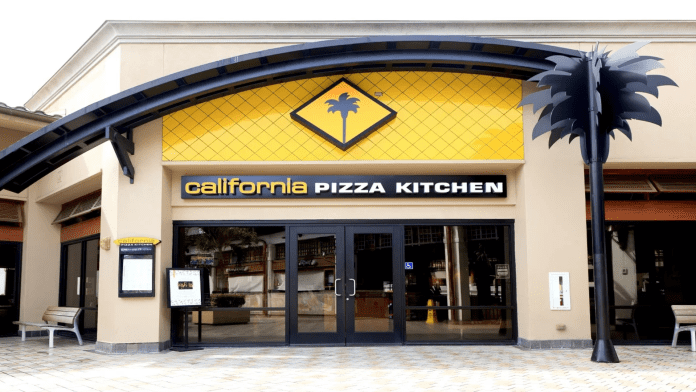
US-based California Pizza Kitchen (CPK) continues its global expansion, recently inaugurating a new location in the Philippines to further broaden its international presence.
Situated in Muntinlupa City within the East Wing of Festival Supermall, this new establishment marks California Pizza Kitchen’s 24th restaurant in the international market.
The latest CPK restaurant showcases the brand’s updated design, incorporating elements such as refurbished wood and warm golden lighting.
California Pizza Kitchen CEO Jeff Warne stated, “We are pleased to build upon our longstanding relationship with our franchise partners in the Philippines.
“Our commitment to growth and the enduring support we give our franchisees is at the core of our franchise development and overall success. We look forward to sharing CPK’s excellent culinary offerings and world-class hospitality with our customers in the Philippines.”
The Philippines branch of CPK will be under the ownership and management of Pi Co, the same entity responsible for CPK’s inaugural international franchise, established in 1999.
Pi Co oversees two additional CPK restaurants within the country.
The new location will be the first in the Philippines to offer extended operating hours and breakfast options.
The new location will be the first in the Philippines to offer extended operating hours and breakfast options.
Pi Co president Sheila Fuller stated, “On behalf of our team, we are pleased to continue building on our 25 years of partnership with CPK.
“Our newest location in Muntinlupa City promises a distinctive dining experience for our guests as the first CPK in the country to serve CPK’s enticing breakfast menu items.
“We are excited to further strengthen our collaboration with a brand like CPK that allows flexibility to tailor our restaurant and design to our own market here in the Philippines.”
In July 2022, California Pizza Kitchen announced its intention to penetrate the Canadian market through the establishment of a new restaurant in Edmonton, Alberta.
The fresh establishment located at 5260 Windermere Boulevard will present seasonal menus that showcase flavors from various corners of the world.
Beer sales in the EU increased slightly in 2022; however, they still lag behind pre-pandemic levels, according to data.
According to research conducted by The Brewers of Europe, beer sales in the bloc reached 313.3 million hectoliters in 2022, marking an increase from 300.6 million hectoliters in 2021 and 297.5 million hectoliters in 2020.
Despite the upward trajectory, beer consumption has not yet returned to pre-pandemic levels; in 2019, the EU saw sales of 322.8 million hectoliters of beer.
Reflecting this pattern, beer production in the EU reached 358.2 million hectoliters in 2022, an increase from 343.6 million hectoliters in 2021 but still below the 2019 figure of 363.9 million hectoliters. Germany holds the position of the largest beer producer in the EU, with 87.8 million hectoliters brewed in 2022, followed by Spain with 41.1 million hectoliters.
“The last few years have seen new challenges coming thick and fast but the beer market is on the road to recovery since the Covid pandemic in 2020 forced bars, cafés and restaurants to close, with lockdowns keeping people from enjoying a beer with friends, family and new acquaintances,” Simon Spillane, head of operations at The Brewers of Europe, said.
“If 2020 brought an abrupt end to the gradual growth in production and consumption for European brewers, the recovery has been more steady and we can see in 2022 that the market was not yet back to its pre-Covid health.”
Spillane mentioned that the on-premise sector experienced the most significant impact from macroenvironmental pressures last year.
“While each country has its traditions, the balance between the on-trade of immediate consumption and the off-trade of retail stores has shifted towards the latter,” he said.
Inno-Pak, a leading food packaging manufacturer in the United States, has announced the successful acquisition of Albany Packaging.
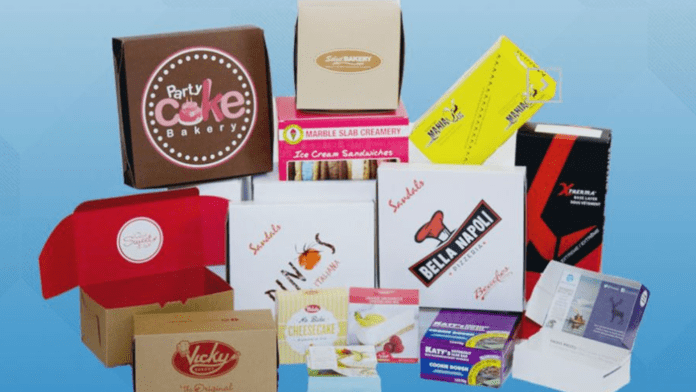
Albany specializes in crafting custom and ready-made folding paperboard cartons, spanning bakery containers to a diverse array of food packaging options, including trays and takeout boxes. With a manufacturing facility located in Ontario, Canada, the company serves clients in the food service, grocery, and convenience store sectors.
Chris Sanzone, chief executive officer of Inno-Pak, said, “…This acquisition increases our North American integrated manufacturing capabilities and marks a crucial step in our manufacturing expansion plan to create an even more resilient supply chain. Albany also deepens our ongoing investments in paper capacity as we continue to innovate to make packaging more eco-friendly.”
Jon Sill, chairman of Inno-Pak, commented, “Inno-Pak stands at an important inflection point with several favourable trends in our end markets of the food service, grocery, convenience store and hospitality industries. The acquisition of Albany enhances our ability to capitalise on these positive trends with one of the most diverse custom and stock folding carton programmes. With our recent portfolio additions and our continued investments in innovation, we are better positioned to serve our customers.”
Over the past few decades, India has witnessed a substantial increase in agro, dairy, and poultry food production, surpassing the growth rate of its population. This surge has created ample processing opportunities, as highlighted by R S Sodhi, the president of the Indian Dairy Association.
Sodhi, the former managing director of the dairy brand Amul, remarked at the 16th edition of the India Food Forum conclave, “While the population has grown by 2.5 times, cereal production has grown by 2.8 times, fruits and vegetables by six times, dairy by 10 times, and poultry by 2.5 times.”
The rise in primary output has resulted in the emergence of regional and local brands, posing a challenge to national brands, as noted by experts at the forum.
“Local regional brands are emerging. National brands are trying to be positioned now as regional brands,” said Sodhi.
Sodhi highlighted that the Indian supply chain operates with remarkable efficiency, featuring minimal margins and logistics compared to global standards. This efficiency contributes to enhanced livelihoods for farmers and improved nutrition for consumers.
During the day, Kanaka Bhagwat, Retail Vertical Lead (FMCG) at NielsonIQ, a consulting firm, emphasized that local brands were fueling growth in rapidly expanding super-categories. She noted that these local brands consistently maintain their momentum year by year, now representing nearly 70 percent of APAC sales.
In the APAC region, consumers express concerns about the rising food prices. However, Bhagwat noted that the growth narrative is largely dominated by local brands, constituting a robust foundation with over two-thirds of the overall APAC FMCG sales.
Bhagwat highlighted the swift progression of digitization in India, marked by approximately 25 crore UPI users and around 6 crore QR codes replacing POS machines. This transformation indicates a significant change in the income and consumption structure within the Indian food retail landscape. In contrast, the APAC region is witnessing the rapid evolution of the omni-shopper generation, characterized by the growth of small-format stores due to a boost in tourism and market stabilization.
Appario Retail, the largest seller on Amazon India, has reported an 8% drop in revenue for FY23, totaling INR 14,604.2 crore. This reflects a slowdown on Amazon’s ecommerce marketplace in the country.
According to regulatory filings with the registrar of companies obtained from the business intelligence platform Tofler, Appario Retail recorded a slight increase in profit for FY23, reaching INR 84 crore compared to INR 82 crore in FY22.
In FY23, Amazon Seller Services, the operator of the India marketplace, experienced a modest 3.4% increase in revenue, reaching INR 22,198 crore. However, its losses expanded by 33%, totaling INR 4,854 crore. In contrast, during FY22, the entity had reported a 32% growth in operating revenue and successfully reduced its losses by 23%.
“While both Flipkart and Amazon India are still loss making, the nearly flat growth in topline is a clear indication of slowdown in growth,” a senior ecommerce industry executive said.
The operational income of Appario, a collaborative venture between Amazon and the Patni group, serves as a pivotal metric for assessing Amazon’s expansion in India. Appario specializes in selling products across various categories, including electronics, appliances, and other high-performing segments on the marketplace.
Despite sending an email to a spokesperson from Amazon India, there was no response regarding Appario’s financials and their potential implications on Amazon India’s business.
On November 24, it was reported that Amazon is exploring possibilities to permit Appario Retail to persist in selling on the platform. This marks a reversal of the previous decision to close it down, as the latest FDI rules prohibit marketplaces from holding a stake in seller entities.
Nevertheless, the sustained functioning of Appario may be essential for Amazon to return to a more rapid pace of growth.
Shutting down Cloudtail – one of the largest sellers on the platform and partially owned by Amazon – last year disrupted its operations. Amazon faced hurdles in transitioning from reliance on Cloudtail to other seller entities operated by different promoters, even though many of them were managed by former Amazon or Cloudtail executives.
Various sources have indicated that Amazon has engaged in talks with promoters of emerging seller entities to increase investments in the business and facilitate incentive-driven deals on the marketplace.
However, the majority of them have not yet reached the level of Appario, as Appario continues to hold the position of the largest seller on the platform.
“Appario is thus still continuing and there is no change in the near future,” one of the suppliers to the seller firm said.
Its financials highlight the subdued demand for e-commerce in India. Reports indicate that although the sale of premium items is contributing to value growth, there is a strain in demand for lower ASP (average selling price) products. Even during the recently concluded festive season sale, online demand was primarily driven by high-value items, but the overall volume was impacted.
“Growth was there in our top-end items, but the mass market items driving volume didn’t see equal demand. It is still higher than a normal day, but compared to previous festive sales, the growth was muted,” a senior executive at a leading electronics accessories brand said.
Meanwhile, a restructuring of top-level positions is in progress at the regional branch of the Seattle-based e-tailer, as reported on December 1.
On Thursday, Kroger revised down its yearly sales projection, citing the impact of easing food and grocery prices amid a period of subdued consumer demand as individuals exercise caution in their spending habits.
Currently, fresh food items are experiencing a decline in prices, entering a disinflationary phase, while packaged food items are reaching their maximum limits for price increases. This situation is curbing some of the sales advantages that food retailers had previously enjoyed over the past year.
Consumers are displaying a growing inclination towards thriftiness, opting for more affordable alternatives even when it comes to grocery shopping.
“Although inflation is decelerating, customers are still adjusting to the impacts from eight consecutive quarters of broad and significant inflation,” CEO Rodney McMullen said on a post-earnings call.
In an effort to stimulate demand, Kroger has intensified promotional activities. Notably, its in-store presentations featuring everyday staples at low prices have attracted a greater number of budget-conscious customers, leading to an increase in store visits.
While that has helped improve unit volumes, growth rates have not yet matched the inflation decline and “have not improved at the pace we would have expected”, CFO Gary Millerchip said.
Nevertheless, by exercising strict control over expenses and experiencing heightened demand for higher-margin private-label items, Kroger exceeded market expectations for third-quarter profit. As a result, its shares saw a 2% increase in morning trade.
Additionally, Kroger raised the lower boundary of its annual per-share adjusted earnings range to fall between $4.50 and $4.60, surpassing LSEG estimates, which had a midpoint of $4.53.
The company also announced that it had “certified substantial compliance” with the Federal Trade Commission’s request for additional information regarding its nearly $25 billion deal with the smaller rival, Albertsons.
Kroger has revised its outlook for fiscal 2023 identical sales, excluding fuel, anticipating growth in the range of 0.6% to 1%, a decrease from its previous forecast situated at the lower end of a 1% to 2% increase.
“It was a very straightforward report, very much in-line … Of course, you’d like to see a little bit better strength, but it totally makes sense (given the disinflation in the environment),” said Telsey Advisory Group analyst Joseph Feldman.
Tea production witnessed a 12.06% surge in October this year, reaching 182.84 million kg, marking a significant increase from the 163.15 million kg recorded in the corresponding month last year.
Based on Tea Board data, West Bengal observed a rise in tea production to 54.98 million kg in October, compared to 49.75 million kg during the corresponding period in 2022. In Assam, the nation’s leading tea-producing state, the October crop also increased to 104.26 million kg, surpassing the 90.72 million kg recorded in October 2022, according to the provided data.
In the southern region of India, tea production slightly decreased to 18.89 million kg in October 2023, compared to 18.92 million kg in the corresponding month of the previous calendar year. Breaking down the categories, the CTC variety recorded a production of 167.72 million kg in October 2023, while the orthodox tea production totaled 12.98 million kg across both the northern and southern regions of India.
The data reported a green tea production of 2.14 million kg. In October 2023, the production by small tea growers (STGs) increased to 95.24 million kg nationwide, up from 78.19 million kg in the corresponding month of 2022.
The Australian Competition and Consumer Commission (ACCC) has given its approval to the proposed acquisition of two milk processing plants by the national retailer Coles Group. These plants are currently owned by the Canadian dairy giant Saputo.
The decision from the competition watchdog, initially expected in September, faced a delay as feedback from all concerned “parties” expressing concerns about the Coles-Saputo transition had not been received.
In April, Coles, the second-largest supermarket chain in Australia, initially indicated its intention to acquire the two plants owned by Saputo.
The proposal involved acquiring the sites in Erskine Park, New South Wales, and Laverton, Victoria, for a total of C$95 million ($70.2 million).
Up to this point, Coles has had its milk processed by Saputo at the Erskine Park and Laverton facilities. Following the acquisition, Coles will take over the processing of raw milk at both plants.
In a statement released in July, the ACCC noted that a primary concern raised by significant stakeholders was the potential impact of the acquisition on the retail group’s “bargaining position in the dairy supply chain.”
Concerns were also expressed regarding the possibility that the acquisition could lead Saputo to exit the raw milk market in New South Wales entirely, resulting in a reduction in the number of raw milk buyers.
“We acknowledge the strong concerns raised by some dairy industry participants about Coles’ acquisition of milk processing facilities,” ACCC deputy chair Mick Keogh said in a statement on the decision.
He added, “We explored the industry’s concerns very closely through discussions with farmers and their representative bodies, and conducted a detailed review of Saputo and Coles’ internal documents and their incentives.
“After careful consideration, we concluded that, compared with the current state of competition where the majority of the capacity at these facilities is already contracted to Coles, the acquisition is unlikely to result in a substantial lessening of competition in breach of section 50 of the Competition and Consumer Act.”
After reviewing Saputo’s financial information, the ACCC determined to grant approval for the acquisition, taking into account the dairy group’s commitment to continue selling its Devondale milk product in New South Wales. Additionally, the dairy giant is reported to have entered into a “five-year toll processing agreement” with Coles at the Erskine Park facility.
Keogh further stated that the ACCC held the belief that the Coles-Saputo deal would “unlikely” have an impact on Saputo’s decision to collaborate with dairy farmers in New South Wales “for at least the next five years.”
Expanding on concerns regarding the potential impact of the acquisition on competition among other processors, Keogh mentioned that the group would probably retain a financial incentive to carry and promote branded milk from other processors. This is due to the higher retail margins earned on these products.
The presence of “significant excess capacity” at the Erskine Park and Laverton plants implies that “Coles’ commercial motivations to streamline its milk supply would persist regardless of the transaction,” stated the watchdog.
Although certain stakeholders have advocated for the regulation of Coles’ interactions with processors and farmers through “existing industry behavioral codes,” the ACCC asserted that adequate protection is already in place. Coles is obligated to adhere to both the Dairy Code of Conduct and the Food and Grocery Code of Conduct.
Despite the regulator’s efforts to alleviate concerns among stakeholders, the Business Council of Co-operative and Mutuals (BCCM) in Australia has contended that the action will negatively impact competition in the sector.
In a statement, Melina Morrison, CEO of the BCCM, said, “We remain concerned the proposed acquisition is likely to significantly reduce competition in the dairy market to the detriment of both consumers and family farmers.
“As processing facilities are further concentrated in the hands of a few investor-owned dairy processors and retailers, there is less and less pressure on these businesses to share profits with farmers.”
Morrison mentioned that over time, this could influence the financial resources farmers can allocate to “ensuring the sustainability of their own enterprises.”
“However, the issue goes beyond the fortunes of individual farm enterprises and the prices they receive for their products,” she added. “Australia’s domestic food security and potential export earnings and income tax derived from dairy could all be impacted.”
Earlier this month, Saputo announced it was reviewing options for the future of its King Island Dairy plant in Tasmania, as it looked to cut costs and increase efficiency.
We use cookies to ensure that we give you the best experience on our website. If you continue to use this site we will assume that you are happy with it.